
2026 Pediatric Nurse Practitioner Degree Outlook Through 2030: Enrollment, Salary, and Hiring Projections

Co-Founder and Chief Data Scientist
Prospective students and current pediatric nurse practitioner degree holders must navigate complex signals before investing time and resources. For example, while enrollment in pediatric nurse practitioner programs surged by over 12% nationally in 2023, this growth risks saturating certain regional markets where employer demand remains stagnant or even declines. Similarly, rising salary averages mask disparities influenced by specialization, healthcare facility type, and geographic location, complicating straightforward career decisions.
Projected job openings alone fail to capture evolving credential requirements or the impact of telehealth on pediatric care delivery. This article analyzes pediatric nurse practitioner enrollment, salary trends, hiring forecasts, industry demands, and geographic opportunities through 2030 to enable informed education and career choices.
Key Things to Know About the Pediatric Nurse Practitioner Degree Outlook Through 2030
- Enrollment in pediatric nurse practitioner programs rose 12% from 2022 to 2024, signaling growing interest but creating potential oversupply risks that may temper hiring competitiveness by 2030.
- Employer surveys show increased demand in rural and underserved areas, highlighting geographic hiring disparities that suggest graduates should consider location flexibility to improve employment prospects.
- Rising program costs and extended completion times pose access barriers, especially amid uncertain salary growth, challenging prospective students to weigh financial investment against long-term career returns.
- Key Things to Know About the Pediatric Nurse Practitioner Degree Outlook Through 2030 Key Things to Know About the Pediatric Nurse Practitioner Degree Outlook Through 2030
- How is Pediatric Nurse Practitioner Degree Enrollment Expected to Change Through 2030? Enrollment Trends Through 2030
- How Many Pediatric Nurse Practitioner Graduates Will Enter the Workforce by 2030? Graduate Workforce Entry Projections
- What Are the Hiring Projections for Pediatric Nurse Practitioner Graduates Through 2030? Hiring Projections Through 2030
- Which Pediatric Nurse Practitioner Careers Will Experience the Most Job Growth? Fastest-Growing Career Paths
- What Is the Salary Outlook for Pediatric Nurse Practitioner Graduates Through 2030? Salary Outlook Through 2030
- Which Industries Will Hire the Most Pediatric Nurse Practitioner Graduates by 2030? Top Hiring Industries
- Where Will Demand for Pediatric Nurse Practitioner Graduates Be Strongest? Strongest Geographic Demand
- Which Pediatric Nurse Practitioner Specializations Will Be Most in Demand by 2030? Which Pediatric Nurse Practitioner Specializations Will Be Most in Demand by 2030?
- How Will AI and Technology Affect Pediatric Nurse Practitioner Careers Through 2030? How Will AI and Technology Affect Pediatric Nurse Practitioner Careers Through 2030?
- Is a Pediatric Nurse Practitioner Degree Worth Pursuing Based on 2030 Projections? Degree Value Through 2030
How is Pediatric Nurse Practitioner Degree Enrollment Expected to Change Through 2030?
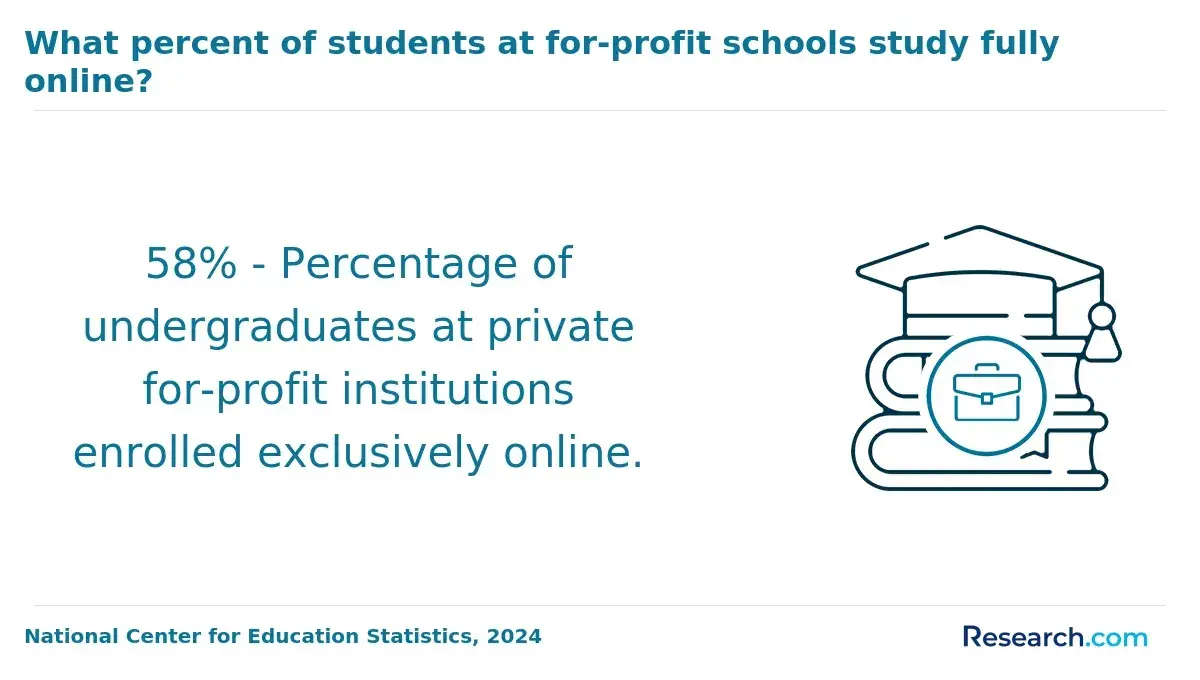
Enrollment in pediatric nurse practitioner degree programs is positioned to grow between 20% and 25% through 2030, but this shift comes with nuanced operational and workforce implications. The expansion of online and hybrid program formats significantly eases geographic and scheduling barriers, attracting a broader student base, including practicing RNs seeking specialization.
Yet, clinical placement availability-particularly in pediatric settings-remains a critical bottleneck, forcing programs to balance class size increases against maintaining rigorous hands-on training standards. For prospective students, this dynamic means competition for limited clinical slots may intensify even as institutions expand enrollment capacity.
The projected pediatric nurse practitioner program growth through 2030 also reflects evolving employer demands around competencies in managing complex chronic pediatric conditions and adolescent behavioral health. These specialized focus areas are reshaping curricula and encouraging differentiation among programs, which may in turn affect graduate supply and employment outcomes.
While many nursing schools are responding by offering more targeted tracks, prospective candidates should weigh the risk of oversaturation in general pediatric tracks against opportunities in emerging subspecialties. More broadly, demographic shifts and heightened pediatric healthcare needs in underserved populations underscore both the urgency and strategic importance of aligning enrollment growth with market realities. Those interested can consider exploring BSN to DNP programs online to navigate evolving educational pathways efficiently.
How Many Pediatric Nurse Practitioner Graduates Will Enter the Workforce by 2030?
Graduate numbers alone do not fully represent workforce availability for pediatric nurse practitioners through 2030, as enrollment growth and degree completions must be tempered by factors such as attrition, part-time study patterns, and extended licensing periods. While advanced practice nursing programs report roughly a 5% annual increase in completions, the actual influx into pediatric-specific roles depends on how many graduates pursue immediate clinical practice rather than additional education or alternative healthcare positions. Regional hiring regulations and employer expectations for diverse clinical competencies-ranging from outpatient to telehealth environments-also influence whether these graduates quickly transition into pediatric care settings or face delays and geographic disparities in employment opportunities.
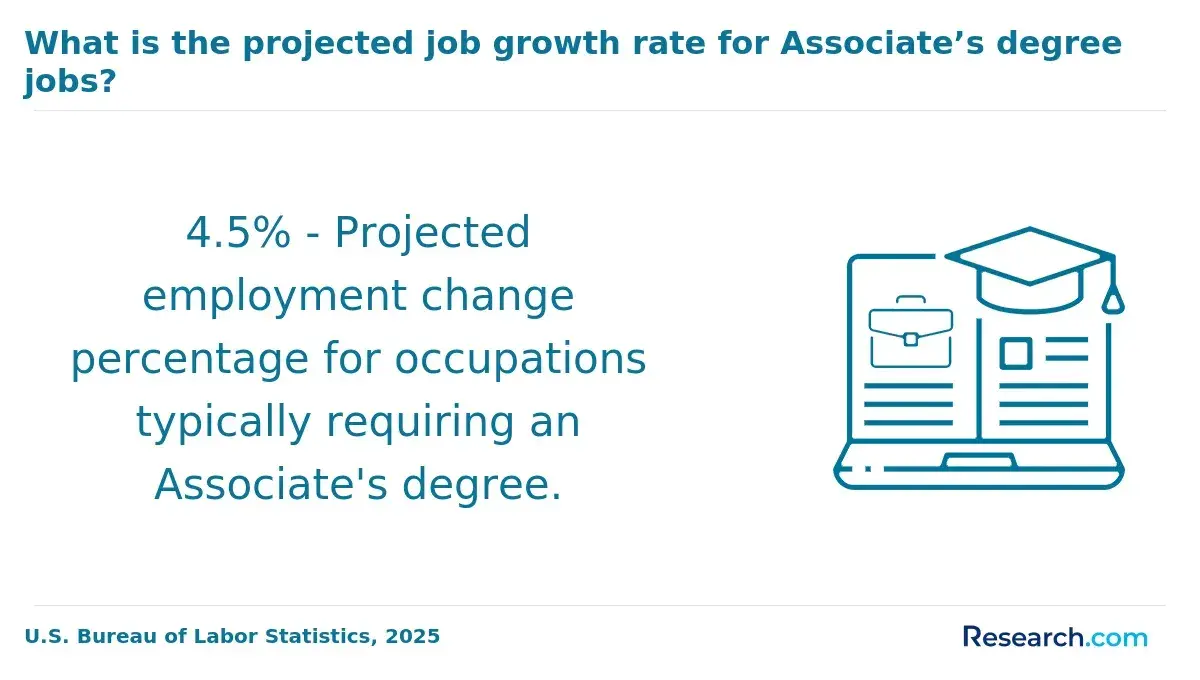
Even though projections from the Bureau of Labor Statistics suggest a 45% rise in nurse practitioner employment including pediatric specialists by 2030, this growth will intersect with complex supply-side dynamics. For instance, a growing share of programs offer flexible online options, attracting students balancing work and study but potentially extending time to workforce entry. Additionally, some graduates already employed in related healthcare roles might shift laterally rather than add to new labor market entrants. These nuances mean that while annual graduate cohorts might approach 10,000 to 12,000 near the decade's end, actual market absorption rates will vary significantly by region, healthcare setting, and candidate readiness.
A recent pediatric nurse practitioner graduate described entering job markets marked by increased competition from peers graduating in growing numbers, noting how many pediatric employers were simultaneously raising credential expectations in clinical versatility and telehealth competencies. Despite completing the program on schedule, this graduate encountered hesitation from hiring managers preferring candidates with broader experience or advanced certifications, highlighting how sheer graduate volume does not guarantee immediate placement. This experience illustrates a calculated challenge prospective graduates face: balancing timely program completion with strategic upskilling to remain competitive within an evolving pediatric healthcare labor market expanding toward 2030.
What Are the Hiring Projections for Pediatric Nurse Practitioner Graduates Through 2030?
Employer demand for pediatric nurse practitioners through 2030 appears solid but uneven, shaped by regional healthcare dynamics and evolving clinical expectations rather than uniform nationwide growth. Although the U.S. Bureau of Labor Statistics anticipates a roughly 45% increase in nurse practitioner employment overall by 2030, pediatric specialists face variable opportunities largely influenced by state-level scope-of-practice regulations and local pediatric care shortages. For example, graduates aiming for urban centers might confront greater competition despite more openings, while rural and underserved areas often experience persistent gaps that expand career access but may require geographic flexibility and broader skill sets.
Hiring projections also reflect not only new positions stemming from healthcare expansion but substantial replacement demand due to retirements and role changes among experienced providers. Employers increasingly prioritize advanced certifications and competencies in pediatric-specific care, telehealth integration, and interdisciplinary collaboration, underscoring the necessity for graduates to develop specialized clinical proficiencies beyond general nurse practitioner training. As a result, entry-level accessibility varies, and while the market growth is favorable, new graduates should calibrate expectations about salary progression and job stability based on location and employer type rather than relying solely on national average trends.
Prospective and current pediatric nurse practitioner candidates must weigh these factors carefully, recognizing that growth estimates do not automatically translate into straightforward employment pathways or wage gains. Those willing to pursue positions in underserved regions or expand their clinical expertise aligned with emerging healthcare delivery models generally encounter stronger prospects. Conversely, reliance on broad growth figures without regard for geographic or sector-specific realities can lead to underestimating the competitive and regulatory challenges shaping this specialized nursing career through 2030.
Which Pediatric Nurse Practitioner Careers Will Experience the Most Job Growth?
Job growth for pediatric nurse practitioner careers is notably strong in outpatient and specialty pediatric settings, where demand is fueled by ongoing shifts toward preventative care, early intervention, and chronic illness management. According to projections from government agencies, employment in these roles is expected to rise faster than many healthcare fields overall, though total job volume remains concentrated in larger urban centers.
Students pursuing this pathway should consider the balance between higher salaries and the competitive market of urban hospitals versus opportunities in rural or underserved regions, where autonomy is greater but resources are limited. For example, a graduate aiming to work in a community health organization might face fewer peers but will need adaptability to handle broader clinical responsibilities and infrastructure challenges, a tradeoff influencing long-term career stability and satisfaction.
Mental health and behavioral pediatrics represent another critical growth area, propelled by increased recognition of childhood behavioral disorders and integrated care models emphasizing multidisciplinary teams. These specialties demand both clinical expertise and comfort with evolving psychological care protocols, highlighting the importance of tailored education aligned with these trends.
Regional demand trends for pediatric nurse practitioner careers vary significantly, with rural and underserved areas showing heightened need despite systemic constraints. Navigating these differing contexts requires informed decision-making about location flexibility and subspecialty training to maximize employability. Prospective students are advised to research programs and healthcare systems closely; for example, some now list universities with no application fee that can reduce upfront barriers to entry while supporting specialized credentialing aligned with workforce needs.
What Is the Salary Outlook for Pediatric Nurse Practitioner Graduates Through 2030?
Salary projections for pediatric nurse practitioner graduates through 2030 require careful interpretation within the context of inflation, evolving healthcare demand, credential requirements, and occupational shifts. Rising employment in nurse practitioner roles, estimated to grow 46% from 2021 to 2031 by the U.S. Bureau of Labor Statistics, signals strong demand that could buoy wages. However, real income growth depends on balancing cost-of-living increases, specialty certification acquisition, and geographic location. Employers increasingly expect advanced skills and leadership capacity, which can differentiate compensation outcomes. The following key factors are expected to shape salary trends over the next decade for pediatric nurse practitioner graduates:
- Regional Market Variability: Salary levels differ widely between urban centers and rural areas due to demand and budget constraints, often resulting in substantial disparities in starting pay and long-term growth. Positions in metropolitan hospital systems tend to offer higher wages but also face increased competition.
- Specialization and Certification: Advanced credentials in pediatric sub-specialties or acute care can elevate salaries beyond typical mid-career ranges, especially in hospital or outpatient clinic settings prioritizing specialized care delivery.
- Experience and Leadership Roles: Accumulated clinical experience and leadership responsibilities influence salary progression, with practitioner roles involving program management or policy participation commanding premiums.
- Healthcare Funding and Policy: Reimbursement changes and public health budget limitations may cap wage increases despite demand, particularly affecting practitioners in government-funded institutions.
- Private Practice Opportunities: Earnings potential varies with private practice viability, which depends on insurance landscapes and payer contracts; entrepreneurial skills become critical in these settings.
- Annual Salary Growth Rates: Entry-level wages typically rise 3-5% yearly, moderated by inflation and institutional pay practices, requiring ongoing skill development to sustain above-average increases.
- Cost of Living Adjustments: Nominal salary increases may not translate to real income gains in high-cost regions, necessitating strategic location and financial planning for career progression.
A recent pediatric nurse practitioner graduate encountered substantial regional salary differences when evaluating job offers. Although an urban hospital presented a competitive entry salary near $100,000, rising living costs and lower benefits tempered the net gain. Conversely, a rural health center's $85,000 offer included loan repayment options, appealing despite the lower base. The graduate's decision integrated both financial and practical factors, highlighting how market variability and non-salary compensation profoundly affect early career income trajectories.
Which Industries Will Hire the Most Pediatric Nurse Practitioner Graduates by 2030?
By 2030, shifts in healthcare delivery models and demographic changes will strongly influence pediatric nurse practitioner job growth by industry 2030, emphasizing flexible care approaches and specialized roles. Workforce replacement needs combined with evolving regulatory frameworks and technology adoption will reconfigure hiring patterns, favoring settings that integrate preventive, behavioral, and virtual care. Graduates must weigh these industry shifts alongside practical realities such as scope of practice restrictions and geographic variations in demand.
The following sectors are projected to generate the most substantial hiring opportunities for pediatric nurse practitioner graduates through 2030.
- Primary Care Offices: Continued demand for early intervention and comprehensive well-child care sustains hiring at primary care offices. Entry-level roles often focus on health maintenance and immunizations, requiring pediatric certification and skills in family-centered practice.
- Pediatric Specialty Clinics: Expanding treatment of chronic and complex pediatric conditions drives growth in specialty clinics. Advanced expertise in sub-specialties like pulmonology or endocrinology improves job prospects here.
- Hospital Settings: Both children's hospitals and general hospitals with pediatric units increase hiring due to rising pediatric inpatient and outpatient needs. Candidates with acute care certifications and experience managing complex cases are favored.
- Telehealth Services: Telemedicine platforms expand access to pediatric care, especially in underserved regions. Expertise in virtual care delivery and digital health technologies enhances opportunities in this emerging sector.
- School-Based Health Programs: Schools integrate pediatric nurse practitioners to address mental health, asthma, and preventive services. Professionals with skills in behavioral health and community outreach are increasingly in demand.
- Long-Term Care Facilities: Facilities focusing on children with developmental disabilities show modest growth. Specialized knowledge in chronic care and interdisciplinary coordination strengthens candidacy.
Realistically, a graduate considering employment should assess how these industries align with personal goals, especially balancing work-life demands and licensure limitations by state. For example, while hospital roles may offer higher pay, they often involve extended hours, whereas telehealth or school-based options might provide more predictable schedules and geographic flexibility. Aligning pediatric nurse practitioner education and certification with these projected trends will help optimize employability and career longevity.
For those exploring related programs, enrolling in a nutritional science degree online can complement clinical training by enhancing understanding of pediatric dietary needs and preventive care strategies, which are increasingly relevant across these hiring sectors.
Where Will Demand for Pediatric Nurse Practitioner Graduates Be Strongest?
Demand for pediatric nurse practitioner graduates will be unevenly distributed through 2030, strongly influenced by local healthcare infrastructure, demographic shifts, and sector-specific needs. For instance, states like California and Texas not only have expanding child populations but also ongoing public and private investments in pediatric care, which drive higher job openings. However, these high-demand markets often come with greater competition and elevated living costs, diminishing the net advantage despite attractive salary prospects. In contrast, rural or underserved regions may offer fewer positions but benefit candidates willing to navigate credentialing complexities and embrace telehealth or community-based roles with potentially greater autonomy.
Industry concentration further shapes opportunities, with outpatient clinics, pediatric specialty centers, and school-based programs acting as primary employers outside traditional hospitals. Growth in integrated pediatric behavioral health and mobile care services also creates niches that favor candidates skilled in interdisciplinary collaboration and health education. These specialized roles may require additional certifications that impact initial employability but tend to offer stronger long-term stability. Prospective students must therefore balance immediate job volume against the need for targeted expertise, recognizing that regional employer expectations and cost of living critically affect the viability of particular geographic choices.
Employers' rising focus on holistic pediatric care reflects system-wide shifts, yet national hiring projections mask the granular realities of local workforce shortages and credential standards. A pediatric nurse practitioner seeking viable employment must weigh these factors closely, as high-demand states like Florida and New York exhibit varying levels of role specialization and regulatory complexity. According to recent labor analyses, positions offering telehealth flexibility in remote areas may increasingly offset urban saturation, representing a strategic path for graduates prepared to adapt to evolving care models while considering practical tradeoffs in location and certification requirements.
Which Pediatric Nurse Practitioner Specializations Will Be Most in Demand by 2030?
Not all pediatric nurse practitioner specializations offer equivalent career prospects or workforce demand through 2030. While general acute and primary care roles form the foundation of pediatric practice, growth projections and employer priorities increasingly favor nuanced specialties addressing complex clinical needs and evolving healthcare delivery models. For students weighing options, understanding where demand intersects with skill requirements and long-term flexibility is critical.
For example, choosing between acute care and neonatal specialties involves tradeoffs between hospital-based intensive care environments and outpatient or community-oriented neonatal services, each with distinct competencies and career trajectories. The following areas highlight the most promising pediatric nurse practitioner specializations based on recent labor market projections from the U.S. Bureau of Labor Statistics and Lightcast data.
- Acute Care Pediatric Nurse Practitioner: Expected to see above-average growth due to rising pediatric hospitalization rates and chronic conditions requiring inpatient management, particularly in hospital and ICU settings. Relevant skills include advanced clinical assessment, critical care protocols, and interdisciplinary teamwork.
- Neonatal Nurse Practitioner: Demand driven by expansion of neonatal intensive care units and specialized newborn outpatient services. Expertise in high-risk newborn care and familiarity with NICU technologies are essential, alongside strong skills in family-centered care.
- Pediatric Endocrinology Specialist: Increasing need arises from the growing prevalence of chronic pediatric diseases like diabetes and obesity. Graduates with specialized training in endocrine disorders and chronic disease management will be well-positioned in outpatient and specialty clinic roles.
- Telehealth-Focused Pediatric Nurse Practitioner: Reflecting broader healthcare shifts, competencies in telehealth platforms, remote monitoring, and care coordination enhance employability. This specialization suits practitioners interested in expanding access in underserved or rural communities.
- Primary Care Pediatric Nurse Practitioner: While experiencing moderate growth, primary care remains vital, especially in rural and underserved areas where pediatric physician shortages persist. Skills in health promotion, preventive care, and managing common pediatric illnesses remain core.
How Will AI and Technology Affect Pediatric Nurse Practitioner Careers Through 2030?
Advances in artificial intelligence and automation are more likely to augment rather than fully automate pediatric nurse practitioner responsibilities through 2030, shifting routine tasks like documentation and patient monitoring toward AI-driven systems. This evolution allows practitioners to devote more time to complex clinical decisions and patient communication, but it also raises the threshold for entry-level roles, necessitating higher qualifications and continuous skill development.
Those who fail to adapt to emerging technologies, including proficiency with electronic health records and wearable device analytics, risk reduced employability as healthcare employers prioritize candidates comfortable with digital health tools and telehealth workflows. As pediatric nurse practitioner technology impact 2030 becomes more pronounced, practitioners must balance technical skills with essential human elements such as empathy and nuanced clinical judgment.
Educational programs must increasingly incorporate digital health and data literacy to prepare graduates for these changes, reflecting enrollment trends that favor technology-focused curricula. The distinction between tasks amenable to automation and those requiring ethical oversight or complex decision-making underscores the need for specialized training in health informatics and interprofessional collaboration.
From a workforce perspective, those who embrace competencies in AI-enabled platforms will find stronger job security amid evolving demand, particularly in telehealth and virtual care settings. Prospective and current pediatric nurse practitioners may also consider targeted pathways within advanced practice nursing, such as transitioning through focused specialties as illustrated in guides like FNP to acute care NP, to capitalize on shifting hiring priorities influenced by AI advancements affecting pediatric nurse practitioner jobs.
Is a Pediatric Nurse Practitioner Degree Worth Pursuing Based on 2030 Projections?
Projected growth in pediatric nurse practitioner degree job outlook 2030 reflects strong overall demand, yet real-world outcomes vary widely by location, experience, and certification. While a 40% employment increase is notable per the U.S. Bureau of Labor Statistics, new graduates should anticipate regional salary disparities and varying entry barriers depending on local healthcare infrastructure.
For example, candidates willing to practice in underserved rural areas may find more opportunities but may face tradeoffs in salary and professional support versus urban centers. Balancing tuition and program length against these dynamics is essential, especially given the need for ongoing clinical hours and certifications to maintain licensure.
Future salary trends for pediatric nurse practitioners indicate median wages near $120,000 as of 2024, but employers increasingly value clinical specialization and flexibility in care settings, which can influence earning potential. The supply of graduates is rising alongside demand, creating competitive pressures in some metropolitan markets.
Prospective students should critically assess program costs and career adaptability, potentially considering interdisciplinary degrees or dual certifications to enhance prospects. This is not unlike decisions facing those evaluating complementary fields, such as someone exploring a masters in forensic psychology online, where careful evaluation of return on investment and job market alignment plays a similarly pivotal role.
References
- What Will the Pediatric Nurse Practitioner Shortage Mean for You? | Houston Christian University https://hc.edu/articles/what-will-the-pediatric-nurse-practitioner-shortage-mean-for-you/
- EdAssist | The future of nursing https://www.brighthorizons.com/resources/blog/edassist/the-future-of-nursing
- Pediatric Nurse Practitioner Jobs | Credenza https://credenzahealth.com/jobs/nurse-practitioner/pediatric
- Pediatric Nurse Practitioner (NP) Jobs https://www.bartonassociates.com/pediatric-nurse-practitioner-np-jobs/
- Definition of IS https://www.merriam-webster.com/dictionary/is
- Nursing Shortage Fact Sheet https://www.aacnnursing.org/news-data/fact-sheets/nursing-shortage
- 10 different career options for NPs https://comphealth.com/resources/career-options-nps
- The Future of Nursing: Technology and AI in Decision-Making https://online.aic.edu/blog/future-of-nursing
- IS - Translation from English into Polish https://en.pons.com/translate/english-polish/is
- is - Tłumaczenie po polsku - Słownik angielsko-polski Diki https://www.diki.pl/slownik-angielskiego
Other Things You Should Know About Pediatric Nurse Practitioner
The duration and intensity of pediatric nurse practitioner programs vary widely, with some requiring upwards of 600 clinical hours that can extend study time significantly. For working professionals or those with family commitments, longer or more demanding clinical rotations may delay entry into the workforce or increase financial strain. Prioritizing programs with flexible scheduling or part-time options can help balance commitments, but may also prolong time before certification and practice readiness.
Salary for pediatric nurse practitioners often differs substantially between urban hospitals, suburban clinics, and rural healthcare settings. While urban centers may offer higher average salaries, they frequently correspond to increased cost of living and greater competition. Conversely, rural areas may offer incentives such as loan forgiveness but lower base pay, impacting long-term earnings. Candidates must weigh personal lifestyle priorities against regional salary realities when evaluating job offers.
Employers increasingly seek pediatric nurse practitioners with skills beyond clinical proficiency, including familiarity with electronic health records, telehealth, and interdisciplinary collaboration. Programs that integrate hands-on training in these areas better prepare graduates for evolving workplace demands. Students should prioritize programs that emphasize practical technology use and communication skills to enhance employability and align with employer preferences.
Given the specialized nature of pediatric nurse practitioner training and certification, switching specialties later can require additional education and delays in career progression. For individuals uncertain about committing exclusively to pediatrics, it is advisable to consider broader family nurse practitioner programs offering a wider scope of practice. This approach preserves flexibility and minimizes career disruption if interests or market conditions change.


