2027 Pediatric Nurse Practitioner Degree Growth by State: Where Interest Is Rising the Fastest

Co-Founder and Chief Data Scientist
Several states are experiencing unprecedented growth in pediatric nurse practitioner degree enrollment, shaped by unique economic and regulatory shifts that influence local healthcare demands. For example, flexible online programs now attract more adult learners balancing work and family, a trend reflected in a 22% nationwide increase in nursing master's admissions since 2022 reported by the National Center for Education Statistics. This surge often aligns with states expanding nurse practitioner scope of practice, responding to pediatric care shortages, especially in rural areas.
Understanding such regional dynamics is critical for prospective students aiming to time their education and career moves to align with emerging workforce opportunities.
Key Things to Know About the State Where Pediatric Nurse Practitioner Degree Interest Is Rising the Fastest
- California's regulatory environment limits in-state licenses for pediatric nurse practitioners, creating a bottleneck that slows workforce entry despite strong degree enrollment growth, requiring prospective students to weigh regional credentialing challenges.
- Texas's sizable rural population and rising pediatric healthcare demand drive rapid enrollment growth, signaling employers' anticipation of workforce shortages and urging students to prioritize programs with clinical placements in underserved areas.
- Florida's expansion of online pediatric nurse practitioner programs enhances access for adult learners balancing career and education, but extended part-time pathways may delay workforce entry and affect long-term career planning.
- Which States Are Seeing the Fastest Growth in Pediatric Nurse Practitioner Degree Enrollment? States with Fastest Growth
- What Does Enrollment Growth in Pediatric Nurse Practitioner Programs Actually Tell Prospective Students? Interpreting Enrollment Growth
- How Do Regional Job Market Conditions Drive Pediatric Nurse Practitioner Degree Demand by State? Regional Job Market Conditions
- Which States Have Added the Most New Pediatric Nurse Practitioner Degree Programs in the Last Five Years? States with New Programs
- How Has the Rise of Online Education Changed Which States Lead in Pediatric Nurse Practitioner Program Interest? Role of Online Education
- What Demographic Trends Are Fueling Pediatric Nurse Practitioner Degree Growth in Specific States? Demographic Trends Fueling Growth
- How Do State Funding Levels for Pediatric Nurse Practitioner Services Influence Degree Program Growth? Role of State Funding
- Which States Are Emerging as Unexpected Leaders in Pediatric Nurse Practitioner Degree Interest? Leaders in Growth
- How Does State Population Size Affect the Interpretation of Pediatric Nurse Practitioner Degree Growth Data? Role of State Population
- What Role Do State Licensing Requirements Play in Driving or Suppressing Pediatric Nurse Practitioner Enrollment? Role of State Licensing
Which States Are Seeing the Fastest Growth in Pediatric Nurse Practitioner Degree Enrollment?
Enrollment growth in pediatric nurse practitioner degree programs nationally reflects deeper structural shifts in healthcare workforce demands rather than mere student interest. The rapid expansion of both undergraduate and graduate pediatric nurse practitioner enrollment signals how states are responding to persistent shortages in pediatric providers and evolving healthcare delivery needs. Publicly available data from IPEDS and similar federal sources highlight that growth is regionally concentrated, underscoring distinct economic, regulatory, and demographic dynamics that shape educational pathways and job markets differently across the country.
- Texas: The state exhibits the highest overall growth driven by suburban and urban healthcare hubs expanding capacity in advanced nursing education. This aligns with population increases and investment in healthcare infrastructure, but prospective students should weigh intense competition for clinical placements common in saturated urban health systems.
- Florida: Increasing pediatric patient demand from shifting demographics and a retiring nursing workforce has prompted university systems to enlarge program offerings. However, the state faces variability in licensure and scope-of-practice rules that can impact employment flexibility for graduates.
- Washington: Progressive state policies enable broad scope-of-practice for nurse practitioners, supporting sharp enrollment rises. Washington's academic institutions have leveraged favorable regulations to integrate pediatric nurse practitioner education with community-based clinical experiences, but rural clinical placement availability remains a challenge.
- Ohio: Growth here stems from revived institutional funding dedicated to nurse practitioner education coupled with acute regional shortages. The Midwestern emphasis on addressing rural healthcare disparities attracts students interested in practice settings outside metropolitan centers, though job markets may offer more limited salary advances.
- Colorado: Enrollment increases link closely to statewide initiatives prioritizing rural pediatric healthcare access supported by institutional partnerships. Students targeting rural practice should carefully evaluate whether program enrollment momentum translates into adequate local clinical training and employer connections.
These growth patterns highlight a concentration of pediatric nurse practitioner enrollment expansion in the South and Pacific Northwest, with an emerging presence in Midwestern and Mountain West states. The distribution illustrates how demographic pressures and nuanced regulatory landscapes-such as state scope of practice laws and funding priorities-fundamentally drive where programs flourish.
Upcoming sections will examine the economic incentives and policy contexts fueling this enrollment momentum. They will also explore why discerning students must consider local clinical placement availability, regulatory constraints, and workforce saturation in interpreting enrollment growth when deciding on graduate pediatric nurse practitioner programs. This approach helps avoid pitfalls that arise from focusing solely on program popularity without sufficient insight into prospective career outcomes or regional job market realities.
For those balancing academic options, evaluating less competitive nursing programs alongside growth trends may provide alternative pathways to viable pediatric nurse practitioner credentials that align with individual career and geographic preferences.
What Does Enrollment Growth in Pediatric Nurse Practitioner Programs Actually Tell Prospective Students?
Enrollment growth in pediatric nurse practitioner programs can mislead students if interpreted without nuance; increased numbers do not inherently signify strong program quality or career promise. For example, a program expanding rapidly due to relaxed admission standards might leave graduates less prepared for licensure and employment challenges compared to a smaller program with rigorous academic support.
Raw enrollment data signals popular interest but offers limited insight into meaningful outcomes. To assess a program's true value, students need indicators that reflect student success and workforce readiness beyond initial attraction.
- Retention: High enrollment paired with poor retention suggests possible gaps in academic rigor or student support, risking wasted time and financial resources.
- Graduation Rates: Robust graduation metrics reflect consistent progression, a key factor for timely licensure and entry into pediatric nurse practitioner roles.
- Job Placement Outcomes: Enrollment surges unaccompanied by job placement success may indicate a disconnect between training and labor market demands.
- Licensure Pass Rates: Since certification is mandatory for practice, strong pass rates are evidence of effective curriculum alignment with professional standards.
- Growth Drivers: Distinguishing growth rooted in authentic labor market needs and educational quality from expansion driven by aggressive marketing or lenient admissions is critical.
- Critical Evaluation: Enrollment figures must be considered alongside insights from current students and alumni to fully understand program strengths and weaknesses before committing.
How Do Regional Job Market Conditions Drive Pediatric Nurse Practitioner Degree Demand by State?
Regional labor market dynamics decisively shape demand for pediatric nurse practitioner degrees, influencing not only where students enroll but also their potential career trajectories. Economic variables such as healthcare system expansion, increased public sector funding, and strategic employer incentives directly create more job openings, which in turn stimulate educational program growth and enrollment. For instance, states grappling with rapid demographic shifts-like population surges or aging communities-experience heightened pediatric healthcare needs that boost demand for credentialed pediatric nurse practitioners. This relationship between workforce demand and program interest underscores the importance of analyzing pediatric nurse practitioner degree demand by state job market factors before committing to graduate study.
- California: Growth in healthcare infrastructure combined with significant state investment in public and school health initiatives amplifies pediatric nurse practitioner hiring prospects and graduate program appeal.
- Texas: Aside from population growth, expanding school districts and rural healthcare incentives fuel demand for pediatric nurse practitioner professionals and related advanced training.
- Florida: Elevated birth rates and an aging population driving pediatric care needs coincide with increased public healthcare employment, expanding job opportunities for graduates.
- New York: Urban density and progressive healthcare reforms emphasizing preventive care create favorable conditions for pediatric nurse practitioner roles and specialized practicum placements.
- Washington: Integrated health systems and state-sponsored healthcare access expansions generate more job openings and hands-on training opportunities crucial for pediatric nurse practitioner students.
Prospective students must weigh these regional workforce factors carefully, since states with robust pediatric nurse practitioner job markets generally offer stronger practicum placements and enhanced bargaining power in salary negotiations post-graduation. Conversely, enrolling in programs aligned with states exhibiting slower healthcare job growth can lengthen the path to employment. This workforce lens is especially critical for those researching pediatric nurse practitioner degree programs alongside factors like regulatory environments and licensure pathways.
For students prioritizing accessibility, exploring options such as a nursing school that does not require TEAS test may also influence geographic and institutional choices. Ultimately, understanding how regional workforce factors influence pediatric nurse practitioner enrollment growth equips students with a strategic perspective that balances educational investment with long-term career outcomes.
Which States Have Added the Most New Pediatric Nurse Practitioner Degree Programs in the Last Five Years?
States exhibiting the fastest growth in pediatric nurse practitioner degree programs reflect a range of strategic responses to workforce demands and institutional dynamics rather than uniform trends. This differentiation influences the practical choices prospective students must weigh-such as program format, financial aid competition, and specialization availability-depending on which state they target for study and eventual practice.
- Texas: This state leads growth primarily through new program startups and expansion at existing institutions, spurred by significant state grants aimed at pediatric healthcare shortages and regulatory changes broadening nurse practitioner practice scope. For candidates, this translates into more diverse enrollment options but also the need to carefully evaluate program quality amid rapid expansion.
- California: Expansion here is mainly driven by established universities introducing online pediatric nurse practitioner tracks to serve a diverse, geographically scattered population. The pressure to innovate amidst dense competition has heightened financial aid rivalry and increased curricular diversity.
- Florida: New programs and growth are closely tied to state-designated pediatric care shortages, with scholarships enabling institutions to admit more students. This environment benefits working professionals seeking flexible enrollment yet calls for scrutiny of program depth versus accessibility.
- New York: Collaborative institutional models have accelerated accreditation of new pediatric nurse practitioner pathways, meeting demand from large teaching hospitals. The resulting tuition competition can provide choices but necessitates thorough comparison to avoid financial strain amid varied program reputations.
- Ohio: Growth stems from capacity expansion and added pediatric sub-specializations, reflecting urban and rural healthcare workforce needs. Incentives encouraging program diversification have produced a mix of delivery formats requiring students to align offerings with specific career goals.
- Accreditation Incentives: Streamlined accreditation and targeted funding reduce launch barriers, encouraging program variety but sometimes amplifying disparities in program rigor.
- Workforce Shortage Designations: Grants linked to pediatric care gaps prompt program growth with a community focus, balancing supply against realistic local demand.
- Institutional Competition: Universities seeking market share drive program diversification, which can introduce both innovation and inconsistent quality across offerings.
- Student Impact: More programs mean increased options in format and concentration but also intensify competition for limited scholarships, requiring strategic application choices.
- Enrollment Strategy: The rise of online coursework targets working professionals and mobile individuals but demands disciplined time management and often less direct faculty interaction.
A graduate recounts navigating a prolonged rolling admissions period amid a landscape of expanding programs. Initially hesitant to commit due to fluctuating acceptance timelines and financial aid announcements, they delayed application completion until late in the cycle. This strategic patience ultimately allowed comparing multiple offers but introduced stress and uncertainty. Their experience underscores the value of early preparation coupled with adaptable decision-making as programs multiply and admission processes lengthen across states actively growing pediatric nurse practitioner pathways.
How Has the Rise of Online Education Changed Which States Lead in Pediatric Nurse Practitioner Program Interest?
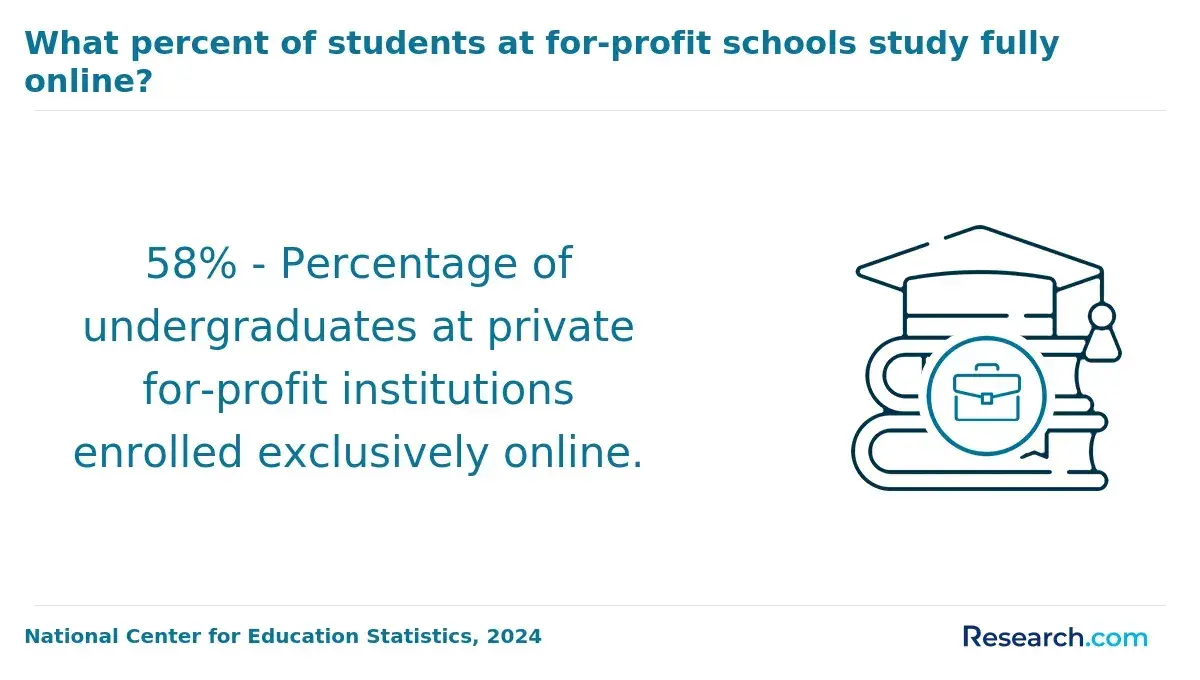
The expansion of fully online pediatric nurse practitioner programs has fundamentally shifted which states dominate program interest by removing proximity as a primary enrollment factor. Whereas students once chose programs within commuting or relocating distance, now certain states leverage reputation, accreditation, and cost competitiveness to draw learners nationwide, effectively becoming national hubs for pediatric nurse practitioner education. This shift challenges the traditional regional enrollment patterns and offers prospective students access to higher-quality or more affordable options regardless of location. However, the complexity of state-specific licensure remains a critical limitation, requiring careful alignment between chosen programs and intended practice states to ensure clinical hours and certification eligibility.
- Geographic Decoupling: The detachment of enrollment from local residency lets students attend reputable pediatric nurse practitioner programs far beyond their home state boundaries, disrupting historical regional monopolies.
- State Attractiveness: States with established online programs that maintain solid clinical partnerships, competitive tuition, and recognized accreditation-such as California, Texas, and Florida-are increasingly the preferred destinations for out-of-state students.
- Student Access: The broadened reach especially benefits candidates in rural or underserved areas, expanding their program choices and potentially diversifying the workforce across regions.
- Licensure Complexities: Students must navigate state-specific licensing rules that do not follow the national breadth of online program availability, often requiring verification to ensure compliance with clinical practicum and exam prerequisites.
- Market Implications: The rise of online program concentrations in particular states may shift regional workforce supply-demand dynamics, influencing employer expectations for credentials and clinical experience.
- Decision-Making Considerations: Selecting an online program now requires evaluating how state licensure policies and employment markets will affect long-term career mobility, beyond merely assessing program quality and cost.
What Demographic Trends Are Fueling Pediatric Nurse Practitioner Degree Growth in Specific States?
States experiencing growth in pediatric nurse practitioner degree enrollment reflect distinct demographic trends that directly shape healthcare workforce demand. Such growth is far from uniform, driven by localized factors that signal where pediatric services are expanding and where enrollment in state-specific programs is responding to these unique needs. Prospective students must evaluate these trends thoughtfully, as they highlight regions with potentially stable, long-term employment versus areas vulnerable to cyclical fluctuations or oversaturation.
For instance, nurses aiming to practice in family-focused clinics in states with aging populations might face different challenges than those entering urban centers with diverse immigrant communities. The decision to target programs aligned with these demographic realities is critical in optimizing job market outcomes and career longevity.
- Population Aging: States like Florida and Arizona see growing older adult populations alongside multigenerational family units. This demographic complexity increases demand for pediatric nurse practitioners trained to coordinate care across age groups, influencing enrollment growth in programs serving these regions.
- Immigration Patterns: California, Texas, and New York report high immigration rates coupled with elevated birth rates. Their healthcare systems require practitioners skilled in culturally competent care, driving program demand as pediatric patient volumes rise with younger, diverse populations.
- Urbanization: Rapid metropolitan expansion in states such as Colorado and Georgia fuels concentrated pediatric healthcare needs, from preventive screenings to behavioral health. This urban growth corresponds with enrollment spikes in programs near these population centers.
- K-12 Enrollment Growth: Increased public school enrollments in states like Utah and Idaho correlate with heightened demand for pediatric nurse practitioners in school-based health roles, creating niche opportunities reflected in regional program popularity.
- Mental Health Diagnoses: Midwestern and Northeastern states, including Illinois and Massachusetts, report rising pediatric mental health diagnoses, expanding the role of pediatric nurse practitioners toward behavioral care with specialized training, influencing enrollment patterns accordingly.
Those examining pediatric nurse practitioner degree enrollment growth by state should integrate these demographic factors with regulatory and labor market realities to assess the practical value of programs. A state's demographic trajectory serves as a proxy for workforce demand stability, guiding strategic educational choices. For students balancing cost, licensure reciprocity, and long-term employability, recognizing these patterns helps mitigate risks of underemployment in oversupplied locales. In some cases, exploring interdisciplinary or dual-focus tracks-such as behavioral health or family care-offers additional career resilience.
For those interested in broader healthcare pursuits, resources like an online pharmacy school offer alternate advanced degree pathways aligned with evolving market needs.
How Do State Funding Levels for Pediatric Nurse Practitioner Services Influence Degree Program Growth?
State funding directly shapes the development and vitality of pediatric nurse practitioner degree programs, impacting both educational institutions and graduate workforce outcomes. States with robust public investment-manifested as competitive Medicaid reimbursement rates, targeted block grants, and dedicated funding for school-based mental health and community health centers-tend to foster environments where degree programs not only expand but also sustain steady enrollment. This financial foundation encourages universities to commit resources to faculty hiring, clinical partnerships, and student support, which in turn bolsters graduates' ability to find stable employment locally. In contrast, states that underfund these services often see limited program growth and higher graduate outmigration, which exacerbates existing pediatric healthcare provider shortages and discourages institutional expansion.
- Funding Stability: Reliable Medicaid reimbursement and public investments reduce financial uncertainty for healthcare employers and training sites, permitting universities to confidently grow or maintain pediatric nurse practitioner programs.
- Workforce Retention: Graduates in well-funded states frequently remain within local health systems supported by public initiatives, helping to sustain viable in-state career pipelines.
- Program Expansion: Public funding correlates with the ability of institutions to invest in specialized faculty and clinical placements that align program offerings with real labor market needs.
- Underfunding Consequences: Limited public support leads to stagnant programs and compels graduates to seek opportunities in more resourced states, amplifying local shortages.
- Legislative Indicators: Analyzing recent state legislative activity around pediatric nurse practitioner funding offers insight into future program viability and local job prospects.
- Career Strategy: Prospective students benefit from assessing both funding commitments and alumni retention rates to gauge long-term professional stability within a state's healthcare ecosystem.
One graduate recalled initially applying to programs in several states, but hesitated on enrolling while awaiting clarity on funding changes in her preferred location. During the rolling admissions cycle, she encountered delayed responses from schools tied to state budget uncertainties affecting pediatric nurse practitioner program slots. This unpredictability forced her to weigh the risk of losing a guaranteed seat elsewhere against the potential for stronger career prospects if she stayed in a better-funded market. Ultimately, her decision to accept an offer in a state with steady public pediatric health investment proved instrumental in securing meaningful clinical experiences and a reliable in-state job after graduation.
Which States Are Emerging as Unexpected Leaders in Pediatric Nurse Practitioner Degree Interest?
States without a traditional footprint in pediatric nurse practitioner education are emerging as significant growth centers, reflecting complex policy shifts and market dynamics rather than steady institutional expansion. A practical consideration is that while less competitive admissions and lower tuition in these areas can ease entry barriers, graduates face varying clinical training depth and job market fluidity, which may impact long-term career stability in pediatrics. This pattern highlights the necessity for students to analyze how state-specific workforce investments and licensure frameworks align with their professional goals and geographic flexibility.
- Indiana: Once overshadowed by its Midwest neighbors, Indiana's pediatric nurse practitioner enrollment surge aligns with the broadened availability of accredited online graduate programs and focused state workforce initiatives tackling rural pediatric care shortages. This expansion partially depends on ongoing public funding beyond the pandemic, underscoring a volatility risk for program continuity against broader budget cycles.
- Arkansas: Arkansas's enrollment growth is attributable to its recent inclusion in the Nurse Licensure Compact, enhancing interstate practice opportunities attractive to mobile students. However, the state's limited program capacity tempers potential for sustained large-scale enrollment increases, constraining employment prospects to more localized healthcare settings.
- Nevada: The state's new graduate pediatric nurse practitioner programs, combined with employer hiring incentives amid expanding pediatric services, encourage student interest. Yet, the relatively modest market size and dependency on ongoing investment in clinical training and faculty recruitment pose uncertainties about long-term enrollment trends.
- West Virginia: West Virginia leverages targeted grants and academic-health system collaborations to foster steady growth. While offering lower tuition and less competitive entry, the rural environment restricts clinical exposure diversity, making it a strategic choice primarily for students prioritizing affordability and easier admission over metropolitan clinical breadth.
These fastest growing pediatric nurse practitioner programs in the United States suggest that prospective students must weigh less saturated markets against program durability and clinical quality constraints. For many, especially geographically mobile students, balancing these tradeoffs is essential when selecting programs aligned with realistic employment trajectories.
Integration of flexible, accelerated paths such as 1 year nurse practitioner programs online further shapes enrollment decisions, offering expedited routes suitable for professionals with clear workforce objectives amid evolving state-specific educational landscapes.
How Does State Population Size Affect the Interpretation of Pediatric Nurse Practitioner Degree Growth Data?
Interpreting pediatric nurse practitioner degree growth data without adjusting for state population size can significantly distort workforce realities. For example, a large state graduating 2,000 new pediatric nurse practitioners annually might seem to dominate hiring markets, but its absolute growth masks a modest per-capita increase. Conversely, a smaller state adding 300 graduates can signal faster market expansion when evaluated per population, pointing to a less saturated and more accessible job market. This distinction between absolute growth and per-capita growth is crucial because raw numbers fail to reflect true market demand and workforce gaps.
The impact of state population on pediatric nurse practitioner enrollment trends is also reflected in workforce saturation metrics. States with a lower ratio of licensed pediatric nurse practitioners relative to their population typically offer stronger hiring prospects for new graduates. When assessing opportunities, students and career changers should prioritize regions where demand genuinely outpaces supply, as indicated by below-average practitioner-to-population ratios.
- Licensure Complexity: Some states impose multi-step or restrictive licensing processes that delay workforce entry despite high enrollment growth, prolonging job placement timelines.
- Regulatory Variation: Differences in scope-of-practice laws affect local demand; full-practice states often show stronger program growth and employment opportunities.
- Population Demographics: States with younger populations or higher birth rates see increased pediatric care needs, driving enrollment and workforce expansion.
- Educational Infrastructure: Availability of accredited pediatric nurse practitioner programs varies by state, influencing local training possibilities and workforce supply.
Prospective students should also consider complementary pathways such as APA accredited PsyD programs when evaluating degree options, balancing career flexibility and market demands within their geographic and regulatory contexts.
What Role Do State Licensing Requirements Play in Driving or Suppressing Pediatric Nurse Practitioner Enrollment?
The complexity and transparency of state licensing requirements exert a decisive influence on pediatric nurse practitioner enrollment trends. States with streamlined, clearly articulated licensure processes tend to foster higher enrollment by minimizing uncertainty and reducing hidden costs tied to credentialing delays or additional mandates. For example, a career changer weighing programs may avoid a state requiring multiple post-graduation exams or prolonged supervised clinical hours beyond degree completion-factors that not only increase time to practice but may reduce overall earning potential during the transition. This dynamic underscores how licensure frameworks shape not only educational choices but also labor market readiness and financial outcomes, given that median pediatric nurse practitioner salaries vary substantially by region and licensure complexity.
- Transparency: Clear, accessible licensing guidelines lower barriers for prospective students, helping them anticipate licensure hurdles and better evaluate return on investment, a crucial consideration when median starting salaries can range significantly depending on the state's demand and cost of living.
- Stringency: Rigorous or frequently updated requirements, such as extra clinical hours or multiple certification exams, create unpredictable burdens that deter especially mobile professionals or those balancing work and family commitments.
- Licensing Board Influence: Boards set the credentialing standards employers depend on; employers in states with well-defined license criteria often mandate licensure, boosting demand for graduates and encouraging program expansion in those jurisdictions.
- Feedback Loop: Robust licensing systems cultivate professional networks and advocacy, reinforcing regulatory stability and enhancing program reputation and workforce quality.
- Regional Variation: States balancing rigor with clarity tend to see sharper enrollment growth compared to those with opaque or punitive licensing pathways, directly affecting graduate supply and local workforce sufficiency.
- Student Evaluation: Prospective pediatric nurse practitioners must assess the entire licensure trajectory in their target states-not just academic requirements-to ensure post-graduation credentialing is manageable relative to other regions, impacting time-to-employment and mobility options.
References
- Easiest States to Get an NP License https://www.bartonassociates.com/blog/5-quickest-states-to-get-a-np-license/
- States - NPSchools https://www.npschools.com/states
- National Nurse Practitioner Organizations Express Concern Over Department of Education Negotiated Rulemaking https://www.aanp.org/news-feed/national-nurse-practitioner-organizations-express-concern-over-department-of-education-negotiated-rulemaking
- Online Pediatric Nurse Practitioner (PNP) Programs https://nursinglicensemap.com/nursing-degrees/online-nurse-practitioner-programs/pediatric-nurse-practioner-pnp-programs/
- Pediatric Nurse Practitioner Jobs: Growing Demand in Texas and Nationwide | Houston Christian University https://hc.edu/articles/pediatric-nurse-practitioner-jobs/
- How To Become a Pediatric Nurse Practitioner | Betternurse.org https://betternurse.org/pediatric-nurse-practitioner/
Other Things You Should Know About Pediatric Nurse Practitioner
Higher tuition combined with elevated cost of living in states showing fast growth often creates a tradeoff where some students enroll but face financial strain during or after their studies. Conversely, states with moderate tuition and affordable living attract a broader range of candidates, including career changers and working professionals. However, less expensive states may offer fewer clinical placements or less specialized pediatric tracks, potentially affecting graduate preparedness. Students must weigh upfront and ongoing living expenses against the practical quality of training and access to relevant pediatric clinical experiences.
Rural and underserved states experiencing workforce shortages are increasingly investing in pediatric nurse practitioner programs that focus on community-based care and out-of-hospital settings such as schools and mobile clinics. These expansions often include partnerships with local health systems to embed students in underserved areas, enhancing graduate job placement in unmet demand zones. However, limited faculty and infrastructural resources can affect program depth and clinical variety. Students interested in rural practice should prioritize programs with explicit rural health emphases and strong local clinical networks, even if overall enrollment numbers are smaller.
Rising enrollment in a state signals increasing interest but may not directly translate into job market saturation; prospective students should interpret growth data in conjunction with local healthcare demand and regulatory environment. High-growth states often implement stricter licensing or practice authority changes that influence job availability and autonomy. Students ought to prioritize programs accredited and licensed for the state they intend to practice in, focusing on those demonstrating consistent graduate employment outcomes rather than solely on popular enrollment trends. Utilizing growth data as one input among workforce needs, program quality, and licensure pathways will support more effective decision-making.