2027 Pediatric Nurse Practitioner Degree Enrollment Trends by Age Group: Traditional Students vs Adult Learners

Co-Founder and Chief Data Scientist
Pediatric nurse practitioner programs face unique enrollment dynamics shaped by licensing prerequisites and clinical practicum demands. Traditional students, typically aged 22 to 26, often enroll immediately after undergraduate nursing degrees, aligning with conventional academic progression. In contrast, adult learners, frequently aged 30 and above, enter these programs driven by career transitions or employer-sponsored upskilling amid pediatric workforce shortages.
Notably, the U. S. Bureau of Labor Statistics projects a 32% growth in pediatric nurse practitioner roles from 2021 to 2031, intensifying demand across age groups. This age-diverse enrollment signals evolving educational accessibility and varied workforce integration strategies within pediatric healthcare delivery.
Key Things to Know About Pediatric Nurse Practitioner Degree Enrollment Trends by Age Group
- Enrollment skews younger, with 60% of pediatric nurse practitioner students aged 22-30; this concentration reflects employers' preference for clinicians exhibiting extended post-degree tenure, shaping long-term workforce stability.
- Adult learners face higher cumulative costs and longer completion timelines due to part-time enrollment; this tradeoff necessitates careful planning around financial aid and employer tuition reimbursement options.
- Programs with substantial adult learner enrollment increasingly incorporate clinical hours tailored to career-switchers' prior experience, reflecting evolving accreditation standards emphasizing practical readiness over traditional age-based metrics.
- Key Things to Know About Pediatric Nurse Practitioner Degree Enrollment Trends by Age Group Key Things
- Which Age Groups Represent the Largest Share of Pediatric Nurse Practitioner Students? Students by Age Group
- Why Do Traditional Students Choose Pediatric Nurse Practitioner Degree Programs? Traditional Students
- Why Do Adult Learners Return to School for a Pediatric Nurse Practitioner Degree? Adult Learners
- How Do Academic Goals Vary Between Younger and Older Pediatric Nurse Practitioner Students? Academic Goals by Age Group
- How Do Financial Concerns Differ Between Traditional Students and Adult Learners? Financial Concerns by Age Group
- What Challenges Do Adult Learners and Traditional Students Face While Earning a Pediatric Nurse Practitioner Degree? Student Challenges by Age Group
- How Does Age Affect Pediatric Nurse Practitioner Degree Student Retention? Age and Student Retention
- Which Pediatric Nurse Practitioner Specializations Are Most Popular Among Adult Learners? Top Specializations for Adult Learners
- How Does Age Affect Job Opportunities for Pediatric Nurse Practitioner Graduates? Impact of Age in Job Opportunities
- What Do Current Pediatric Nurse Practitioner Enrollment Trends Reveal About Future Demand? Enrollment Trends
Which Age Groups Represent the Largest Share of Pediatric Nurse Practitioner Students?
Pediatric nurse practitioner programs draw students from varied life stages, yet enrollment predominantly clusters in specific age groups shaped by career timing, financial readiness, and the structure of educational pathways. This age distribution is less about academic preference and more a reflection of workforce demands, career progression patterns, and access to flexible learning options.
Understanding these dynamics helps clarify why certain age demographics lead in pediatric nurse practitioner enrollment and how education and labor market factors converge in this field.
- Ages 25 to 34: This group typically holds the largest share of pediatric nurse practitioner students, as many individuals enter this field after gaining nursing experience. Their transition often aligns with mid-career specialization goals, balancing the desire for advanced roles with economic and family commitments. Educational formats like part-time or online options further facilitate enrollment for learners navigating work-life obligations.
- Ages 18 to 24: Traditional students enrolling soon after completing undergraduate degrees make up a significant portion, motivated by direct progression into specialized practice. Their fewer external responsibilities often enable quicker degree completion, appealing to those prioritizing rapid workforce entry, though they may lack the clinical experience valued by many employers.
- Ages 35 to 44: Representing a smaller yet growing segment, this cohort often pursues pediatric nurse practitioner programs to pivot within healthcare, usually bringing substantial clinical background. However, extended program durations and competing life demands can slow their progression, partially limiting the size of this group relative to younger peers.
- Ages 45 and above: This group consistently enrolls at lower rates due to longer career tenures prior to advanced study and greater life responsibilities. Many encounter financial and time constraints that influence their decision-making, reflecting practical tradeoffs even as demand for experienced specialists rises.
Adult learners in pediatric nurse practitioner enrollment bring applied knowledge that complements theoretical training, meeting employer expectations for autonomous pediatric care practitioners. Meanwhile, younger students often capitalize on structured academic pathways but may face steeper learning curves in clinical settings.
These enrollment patterns correspond with healthcare labor market shifts favoring both freshly minted specialists and seasoned professionals adapting to pediatric roles. Flexible program delivery, as seen in many of the cheapest nurse practitioner programs, increasingly shapes accessibility, influencing how age demographics distribute across pediatric nurse practitioner programs.
Why Do Traditional Students Choose Pediatric Nurse Practitioner Degree Programs?
Traditional students often choose pediatric nurse practitioner degree programs driven by a combination of academic interests and strategic early career planning. These programs serve as clear signals of specialization and commitment, appealing to those eager to establish a focused professional identity soon after high school. Early exploration of pediatric healthcare roles allows students to align their coursework and clinical experiences with a defined career trajectory, responding to an employment landscape where specialized credentials are increasingly valued.
According to the National Nursing Workforce Study, 62% of traditional students identified the opportunity to work specifically with children as a primary motivator, highlighting the role of targeted career aspirations in enrollment decisions related to traditional pediatric nurse practitioner degree motivations. Guidance counselors and academic advisors often play a critical role by channeling students toward pediatric nursing tracks with structured pathways and integrated clinical training, which are perceived to offer more straightforward transitions into employment.
The perceived stability of the pediatric healthcare job market, reinforced by positive placement rates, further incentivizes enrollment. Additionally, early exposure to pediatric healthcare concepts either in high school or through introductory college coursework enhances familiarity and reduces informational barriers, contributing to the appeal of these degrees. Many institutions also provide options parallel to fasttrack medical programs, increasing accessibility for students intent on accelerated certification and clinical readiness.
Why Do Adult Learners Return to School for a Pediatric Nurse Practitioner Degree?
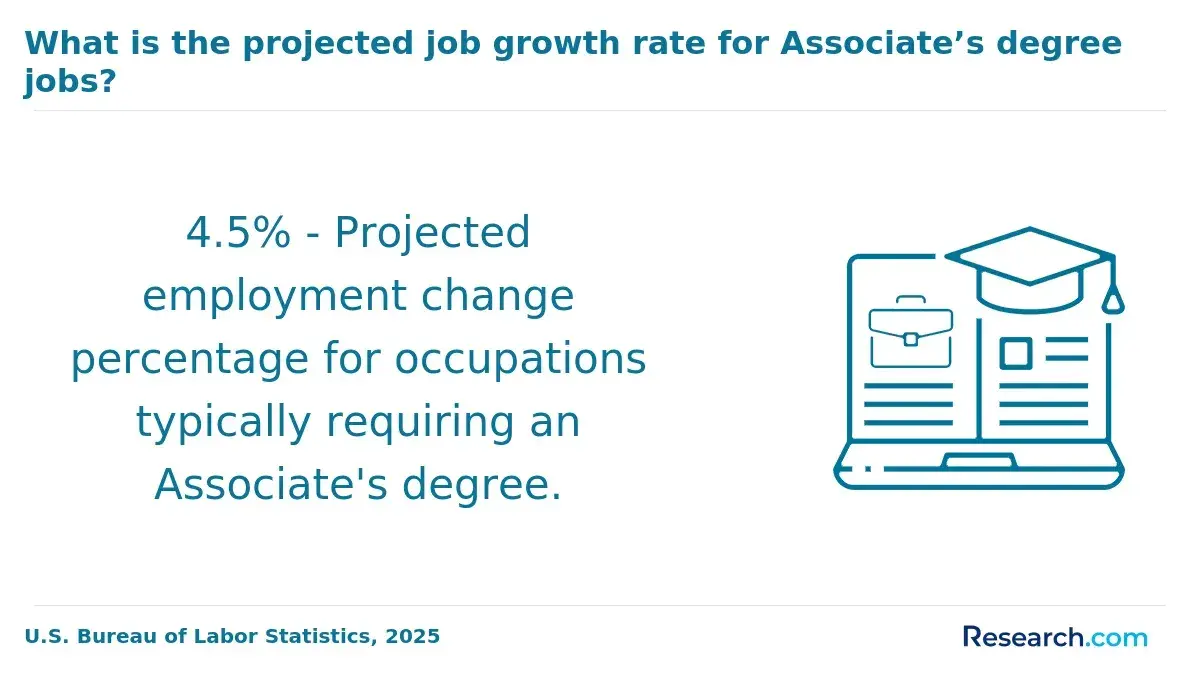
Adult learners pursuing a Pediatric Nurse Practitioner degree often do so with clear goals tied to professional advancement, wage improvement, and industry repositioning. For many, returning to school is a deliberate strategy to navigate credential inflation and secure roles requiring higher qualifications amid a competitive healthcare labor market. The U.S. Bureau of Labor Statistics projects a 45% growth in advanced practice registered nurse positions through 2032, which reflects expanding demand and reinforces the economic rationale behind upskilling.
Experienced nurses and allied health professionals recognize that specialized pediatric credentials can open doors to leadership roles or lateral moves into pediatric care settings that offer both increased responsibility and compensation. Additional factors influencing enrollment decisions include employer-provided tuition support and the proliferation of flexible online or part-time programs designed to fit professional and family obligations. These program features are critical for adult learners who must balance education with ongoing work commitments.
Moreover, rapidly evolving pediatric care protocols and technologies require ongoing skill upgrading, making returning to school not only a pathway to new roles but a necessity to maintain clinical competency. Adult learners thus often prioritize institutions offering accelerated or competency-based tracks that minimize time away from the workforce while maximizing relevance and applicability.
The growing presence of adult learners has tangible effects on program delivery and peer dynamics, encouraging schools to expand remote learning options and rethink cohort models. This demographic shift supports more diverse and experience-rich classroom environments but also demands instructional approaches that integrate practical knowledge with academic rigor. As such, adult learner participation serves as both a response to and a driver of evolving educational structures that must address complex workforce demands while accommodating varied life stages and learning preferences.
How Do Academic Goals Vary Between Younger and Older Pediatric Nurse Practitioner Students?
Younger pediatric nurse practitioner students often engage with their programs primarily as a step toward establishing foundational clinical competencies and securing entry-level positions or preparing for further study. Their academic focus tends to be exploratory, emphasizing hands-on skills essential for immediate application in pediatric healthcare settings. This group, frequently enrolling full-time shortly after earning their undergraduate nursing credentials, prioritizes rapid skill acquisition to meet licensure and certification benchmarks.
According to the 2024 National League for Nursing report, approximately 72% of these students attend full-time, reflecting a concentrated approach aligned with early-career development and clinical immersion. Older pediatric nurse practitioner students generally approach their education with defined professional objectives tied to advancing within the healthcare hierarchy, expanding leadership capabilities, or fulfilling credentialing requirements relevant to their current roles.
Balancing employment and family duties, these students often select flexible delivery options, such as part-time or hybrid programs, to integrate study with ongoing career responsibilities. Their motivation frequently stems from strategic transitions, such as shifting to supervisory positions or adapting to evolving clinical demands, rather than foundational training alone. The Bureau of Labor Statistics noted in 2024 that nearly 60% of these learners pursue degrees aiming for promotion or leadership opportunities, underscoring a targeted use of education as a lever for workplace advancement.
How Do Financial Concerns Differ Between Traditional Students and Adult Learners?
Traditional students pursuing a pediatric nurse practitioner degree usually depend heavily on family support, federal financial aid, or student loans to cover tuition and living expenses. Their primary financial concerns revolve around managing upfront educational costs and balancing the long-term burden of debt repayment. About 62% of traditional graduate students finance their education through federal loans, typically planning to defer repayment until after graduation, which shapes their acceptance of borrowing and delayed financial responsibility.
This cohort's relative financial dependency often means decisions are influenced by anticipated future income, rather than immediate earning capacity or existing financial obligations, emphasizing different cost considerations than those faced by adult learners. In contrast, adult learners confront a more complex financial calculus shaped by ongoing family commitments, housing expenses, and existing debt, alongside the opportunity cost of reduced work hours or foregone wages.
Many adult learners draw on personal savings or employer tuition assistance-reported by approximately 45% of this group-but must also weigh the immediate financial strain of lost income and living costs that can impede enrollment and persistence. Balancing work, family, and schooling often leads these students to prefer flexible or online formats, which while accommodating ongoing employment, may extend program duration and increase total cost.
The dynamics highlight distinct cost considerations adult learners navigate compared to traditional students, reflecting a financial pressure pattern that demands more cautious assessment of program affordability and funding sources. These differing financial concerns shape enrollment patterns, program selection, and long-term return on investment calculations within pediatric nurse practitioner programs. Traditional students frequently prioritize accelerated completion and straightforward financial packaging, while adult learners often seek program formats that accommodate work-life balance despite higher total expenses.
Educational institutions offering flexible scheduling and diversified funding support are better positioned to serve adult learners' complex needs. Prospective students evaluating educational pathways should also consider alternative credentials or flexible options, including evaluating an online degree in exercise science, to understand how program accessibility and financial trade-offs affect their career trajectory within healthcare fields.

What Challenges Do Adult Learners and Traditional Students Face While Earning a Pediatric Nurse Practitioner Degree?
Traditional students in pediatric nurse practitioner programs frequently confront challenges rooted in academic adjustment and emerging independence within a structured educational setting. Often aged 18 to 24, they must cultivate effective time management skills while juggling coursework that demands both theoretical mastery and scientific rigor. Many lack extensive prior healthcare experience, which can complicate understanding complex clinical concepts and applying evidence-based practices efficiently.
According to recent data from the National Center for Education Statistics, nearly half of traditional nursing graduate students report difficulties adapting to demanding scientific curricula, which may affect retention and progression within these rigorous programs. Adult learners tend to experience a distinctly different set of challenges shaped by their life stage and external obligations. Managing full-time employment, caregiving responsibilities, and academic requirements simultaneously constrains their available time, often leading to increased stress and limited flexibility for clinical placements.
Nearly 60% of graduate nursing students over 30 balance work and family commitments, which affects how they navigate program demands and institutional expectations. Moreover, returning to an academic environment after a professional hiatus may require refreshing foundational knowledge and updating clinical skills to ensure competency in evolving healthcare practices, adding another layer of complexity to their educational journey. Programs aiming to retain diverse student populations increasingly recognize the importance of adaptable support structures.
This includes flexible scheduling, tailored advising, and hybrid learning models designed to accommodate varying life circumstances and learning styles. Institutions that effectively address these disparities tend to improve completion rates and better prepare graduates to meet employer expectations in pediatric nurse practitioner roles. Understanding and responding to these lifecycle-driven differences is essential for aligning educational delivery with the practical realities of both traditional and adult learners.
How Does Age Affect Pediatric Nurse Practitioner Degree Student Retention?
Retention challenges for younger pediatric nurse practitioner students frequently stem from difficulties adapting to the increased academic rigor and self-directed learning demanded by graduate-level programs. These students often face obstacles in sustaining motivation during the critical first year, where uncertainty about career direction and limited integration into healthcare environments can diminish persistence.
Early engagement strategies and tailored support are crucial, as initial struggles with balancing coursework and institutional expectations contribute to higher attrition rates observed within this group, a pattern affirmed by the National Student Clearinghouse Research Center's 2024 findings. By contrast, adult learners in pediatric nurse practitioner programs tend to demonstrate higher retention, driven largely by clearer professional objectives and prior healthcare experience that provide context and resilience. Nevertheless, their persistence frequently contends with external pressures such as family obligations and ongoing employment, which create competing demands on time and focus.
Programs that accommodate these realities through flexible schedules and comprehensive support services often see improved completion outcomes, reflecting data from the American Association of Nurse Practitioners reporting roughly 10% greater retention for this demographic. Yet, the balance of motivation and external constraints underscores the necessity for institutions to calibrate resources to diverse life circumstances rather than applying uniform retention models.
Which Pediatric Nurse Practitioner Specializations Are Most Popular Among Adult Learners?
Adult learners pursuing pediatric nurse practitioner degrees generally select specializations that directly enhance their professional flexibility and income potential while accommodating their existing workload and personal commitments. Unlike younger students, these mature professionals often seek paths that build on current clinical skills or facilitate a career pivot within pediatric healthcare.
Specializations that promise strong employer demand, opportunities for salary growth, and manageable schedules are preferred, reflecting pragmatic considerations rooted in real-world workforce dynamics.
- Primary Care Pediatrics: This specialization is favored for its broad applicability across outpatient and community health settings, supporting roles focused on preventive care and chronic condition management. Adult learners with experience in nursing find it aligns well with steady employment prospects and often more predictable hours.
- Acute Care Pediatrics: Attracting those with prior hospital or critical care nursing backgrounds, this track prepares practitioners for high-acuity environments, offering potential for salary advancement and clinical skill refinement. It suits professionals aiming to deepen expertise in managing complex pediatric cases.
- Neonatal Pediatric Nurse Practitioner: Although enrollment among adult learners is lower due to high entry requirements, this niche appeals to those targeting specialized care in neonatal intensive care units, often requiring significant prior neonatal experience.
- Psychiatric Pediatric Nurse Practitioner: This emerging specialization is less common but chosen by those seeking to address pediatric mental health needs, often combining clinical interest with a growing labor market focus on behavioral health.
- Functional Medicine Pediatric Nursing: Increasingly recognized for its holistic and integrative approach, this specialization attracts adult learners aiming to expand skill sets beyond conventional pediatrics, as seen in rising interest for functional medicine NP programs.
Data from the National Association of Pediatric Nurse Practitioners highlights that about 62% of adult learners concentrate in primary care pediatric nurse practitioner specialization, compared to 28% in acute care. This distribution underscores how workforce reskilling and specialization selection among mature students prioritize adaptability and stable employment over highly specialized but narrower roles. Understanding these trends is critical for prospective students evaluating pediatric nurse practitioner specialization trends among adult learners and the most in-demand pediatric nurse practitioner specializations for mature students.
How Does Age Affect Job Opportunities for Pediatric Nurse Practitioner Graduates?
Younger pediatric nurse practitioner graduates often benefit from hiring patterns that favor early-career entrants willing to accept entry-level positions, which can foster rapid accumulation of clinical experience. Their age aligns with employer expectations for workforce longevity and mobility, enabling placement within internship pipelines or hospital-based residency programs designed for fresh graduates. This early access tends to generate more immediate job opportunities, although these roles may come with lower starting salaries and limited initial leadership prospects.
Such dynamics illustrate how age interfaces with employment lifecycle positioning, influencing job offers and career trajectory for traditional students navigating pediatric nurse practitioner job opportunities by age. Conversely, older pediatric nurse practitioner graduates frequently leverage prior healthcare experience and advanced interpersonal skills amassed through previous roles, which can facilitate transitions into clinical practice with a richer professional context.
However, potential employer biases regarding technological adaptability and retention risks may shape their access to certain roles, particularly fast-track leadership positions. Despite these challenges, a 2024 U.S. Bureau of Labor Statistics report indicates adult learners achieve comparable employment rates within six months of graduation, reflecting the high value placed on competence over age alone. Candidates weighing enrollment decisions might also explore alternative allied health pathways, such as a speech pathology degree online for veterans, to diversify healthcare qualifications relevant to workforce demand.
What Do Current Pediatric Nurse Practitioner Enrollment Trends Reveal About Future Demand?
Shifts in enrollment patterns for Pediatric Nurse Practitioner degree programs highlight evolving perceptions of career value and specialization appeal. A rising share of adult learners, now about 38% of enrollees according to the 2024 National Council of State Boards of Nursing report, suggests expanded interest beyond traditional college-age students. This demographic shift reflects a growing recognition of pediatric specialization as a strategic qualification for experienced nurses seeking advanced roles.
Additionally, flexible learning formats that accommodate working professionals are increasingly integral to program accessibility and attractiveness, signaling a more diverse student base drawn by practical employment outcomes rather than solely entry-level credentialing. Enrollment trends closely mirror labor market signals indicating sustained demand for pediatric healthcare providers amid workforce shortages and complex pediatric care needs.
Employers value combined clinical experience and advanced pediatric expertise, reinforcing educational pathways that integrate real-world practice with academic advancement. Technological changes and preventive care emphasis further drive specialization growth, while program expansions aim to respond to these systemic pressures. Consequently, enrollment behavior not only forecasts rising demand for pediatric nurse practitioners but also underscores an education-to-employment pipeline shaped by evolving care models and workforce dynamics.
References:
- Are You Considering a Career as a Pediatric Nurse Practitioner? https://www.aanp.org/news-feed/are-you-considering-a-career-as-a-pediatric-nurse-practitioner
- Online Pediatric Nurse Practitioner (PNP) Programs https://nursinglicensemap.com/nursing-degrees/online-nurse-practitioner-programs/pediatric-nurse-practioner-pnp-programs/
- The End of the Traditional Student Era: Higher Ed’s New Enrollment Reality - Collegis Education https://collegiseducation.com/insights/end-of-traditional-student-era/
- Pediatric Nurse Practitioners in the United States: Current Distribution and Recent Trends in Training https://www.abp.org/publications/pediatric-nurse-practitioners-united-states-current-distribution-and-recent-trends-training
- Safeguarding the Future of Pediatric Care | PNCB https://www.pncb.org/safeguarding-future-pediatric-care
- Why choose pediatric nursing https://www.wolterskluwer.com/en/expert-insights/why-choose-pediatric-nursing
- Family NP vs Adult NP: Which Specialty to Choose? https://blog.methodistcollege.edu/fnp-or-agnp-degree-that-is-the-question
- Exploring the challenges faced by first-year adult nursing students without prior clinical experience - British Journal of Nursing https://www.britishjournalofnursing.com/content/education/exploring-the-challenges-faced-by-first-year-adult-nursing-students-without-prior-clinical-experience
- Traditional Vs. Non-Traditional Students in Higher Education https://moderncampus.com/blog/traditional-vs-non-traditional-students-in-higher-education.html
- Pediatric Nursing Career Opportunities - Davis & Elkins College https://www.dewv.edu/top-pediatric-nursing-career-opportunities-a-comprehensive-guide/
Other Things You Should Know About Pediatric Nurse Practitioner
Programs with a wide age range of pediatric nurse practitioner students create richer discussions due to varying life and healthcare experiences. However, adult learners may sometimes feel isolated if younger classmates dominate technology-driven or fast-paced learning styles. Conversely, traditional students may benefit from mentorship opportunities but might find it difficult to relate to the practical concerns adult learners raise. When choosing a program, consider how cohort diversity aligns with your learning preferences and the availability of peer support mechanisms tailored to different age groups.
Adult learners often benefit more from pediatric nurse practitioner programs that offer comprehensive career services focused on networking, job placement, and transitions for those re-entering the workforce. These supports address unique challenges such as credential updating and employer skepticism about career gaps. Traditional students usually require less intensive job market navigation assistance but may prioritize programs with strong clinical reputation. For adult learners, selecting programs with robust career counseling services can significantly influence successful employment outcomes post-graduation.
Many employers in pediatric healthcare value practical experience alongside the degree, which can advantage adult learners who bring prior nursing expertise, enhancing their employability despite potential age bias. Traditional students might need additional clinical internships or residencies to bridge their experience gap. However, older students should critically evaluate whether their prior experience offsets concerns about career longevity or adaptability to new technologies. Those without extensive prior clinical practice should seek programs emphasizing hands-on training to meet employer expectations.