2027 Pediatric Nurse Practitioner Career Hotspots: Cities With the Best Pay, Job Openings, and Growth

Co-Founder and Chief Data Scientist
According to the latest projections from the Bureau of Labor Statistics in 2024, metropolitan areas show significant variation in pediatric nurse practitioner employment growth rates, with some cities anticipating growth nearly double the national average. For those early in their career, choosing a city with strong demand and competitive salaries can accelerate advancement and financial stability.
However, higher pay often aligns with increased living costs and varying workload expectations, requiring careful consideration. This article examines cities offering the best pay, job openings, and growth prospects for pediatric nurse practitioner graduates to help guide informed career decisions.
Key Things to Know About Pediatric Nurse Practitioner Career Hotspots
- San Francisco and Seattle report 12% higher average pediatric nurse practitioner salaries than the national median in 2024, highlighting cities where cost-of-living tradeoffs are critical in evaluating compensation.
- Houston shows a 15% increase in pediatric nurse practitioner job openings over the past year, driven by expanding pediatric specialty clinics, indicating sector-specific regional demand.
- Data from the U.S. Bureau of Labor Statistics projects 14% employment growth for pediatric nurse practitioners in New York by 2030, signaling sustained urban health infrastructure investments affecting career longevity.
- Key Things to Know About Pediatric Nurse Practitioner Career Hotspots Key Things to Know
- Which Cities Offer the Best Career Opportunities for Pediatric Nurse Practitioner Graduates? Best Cities for Opportunities
- Which Cities Pay the Highest Salaries for Pediatric Nurse Practitioner Professionals? Top-Paying Cities
- Which Cities Have the Fastest Job Growth for Pediatric Nurse Practitioner Careers? Fastest Job Growth
- Which Industries Drive Pediatric Nurse Practitioner Hiring in Different Cities? Hiring Industries
- How Does Cost of Living Affect Pediatric Nurse Practitioner Career Value by City? Living Cost
- Which Skills Help Pediatric Nurse Practitioner Graduates Compete in Top Job Markets? Helpful Skills
- How Do Remote and Hybrid Work Affect Pediatric Nurse Practitioner Career Hotspots? Remote Work
- How Can Students Prepare for Relocating to a Pediatric Nurse Practitioner Career Hotspot? Relocation Tips
- How Do Different Pediatric Nurse Practitioner Career Hotspots Compare? City Comparison
- Which City Best Fits Your Pediatric Nurse Practitioner Career Goals? Best City
Which Cities Offer the Best Career Opportunities for Pediatric Nurse Practitioner Graduates?
Choosing the right metropolitan area greatly impacts the career trajectory for pediatric nurse practitioner graduates, as job availability, employer demand, and salary levels vary widely. According to 2024 data from the U.S. Bureau of Labor Statistics and prominent healthcare research organizations, cities with large, specialized pediatric healthcare networks, like Boston and San Francisco, offer competitive salaries often exceeding $120,000, alongside a steady influx of job openings.
However, focusing solely on compensation ignores critical factors such as regional economic stability, volume of pediatric patient populations, and opportunities for professional growth, which are equally essential when evaluating the best cities for pediatric nurse practitioner jobs.
For example, while New York City offers a lower average salary than Boston or San Francisco, its unmatched concentration of hospitals and clinics creates a high number of positions, including roles in public health and research settings that fuel diverse career pathways. Houston combines above-average pay with ongoing suburban expansion, translating into growing demand for pediatric care providers.
Meanwhile, Seattle and Denver stand out for their long-term employment growth prospects, reflecting expanding family health services and community care initiatives. These cities demonstrate how sustained growth and quality of life can be as important as immediate salary in shaping a fulfilling career.
Assessing pediatric nurse practitioner careers requires balancing short-term financial gains with longer-term job security and advancement possibilities tailored to individual goals and specialties. Prospective students should also consider factors such as cost of living and local healthcare industry trends.
For those weighing their options, guidance on how much does it cost to become a medical billing and coding professional can provide additional insight into navigating healthcare career pathways with strategic economic awareness.
Which Cities Pay the Highest Salaries for Pediatric Nurse Practitioner Professionals?
Salary levels for pediatric nurse practitioner-related occupations vary significantly across U.S. cities due to differences in healthcare infrastructure, regional demand, and cost of living. Urban centers with dense populations and renowned medical facilities typically offer higher salaries as they compete to attract specialized healthcare talent.
Geographic location also influences earning potential through variations in employer budgets, state regulations, and local economic conditions. These factors mean that while some cities boast top-paying jobs, the net benefit may be offset by expenses such as housing or commuting.
Here are five U.S. cities generally recognized for offering the highest pediatric nurse practitioner salaries, reflecting these complex tradeoffs.
- San Francisco, California: San Francisco presents some of the highest median salaries for pediatric nurse practitioners, often approaching $140,000 annually. The city's advanced healthcare networks and competitive market are major factors, although the steep cost of living, especially housing, tempers the financial advantage. Practitioners here frequently balance lucrative pay with significant personal expenses.
- New York City, New York: New York City offers median salaries in the range of $130,000 to $140,000, driven by large hospital systems and specialty clinics. High demand coexists with equally high living costs, where childcare and transportation significantly impact take-home pay, especially for those enduring long shifts.
- Boston, Massachusetts: Boston's concentration of leading medical institutions pushes pediatric nurse practitioner salaries above $120,000 for experienced professionals. The region's strong emphasis on specialty care creates consistent opportunities but also intense competition for coveted roles.
- Seattle, Washington: Emerging as a high-paying market, Seattle shows upward salary trends around $110,000 to $120,000. Its expanding healthcare sector and population growth fuel demand, though salaries remain below California and New York levels. The city's moderate cost of living makes it a strategic choice for early-career practitioners.
- Denver, Colorado: Denver offers competitive salaries typically ranging from $105,000 to $115,000, buoyed by growing healthcare facilities and a robust job market. The city balances decent compensation with a lower cost of living than coastal metros, presenting a practical option for those prioritizing both salary and lifestyle.
Early-career pediatric nurse practitioners should weigh these factors carefully because the highest pediatric nurse practitioner salaries by city do not guarantee the best overall opportunity. Balancing salary with job availability and quality of life can better support long-term career sustainability.
For insight into how credentials impact salary prospects across healthcare roles, consider comparing certification pathways like CPC vs CCS, which influence specialization and pay trajectories within related fields.
Which Cities Have the Fastest Job Growth for Pediatric Nurse Practitioner Careers?
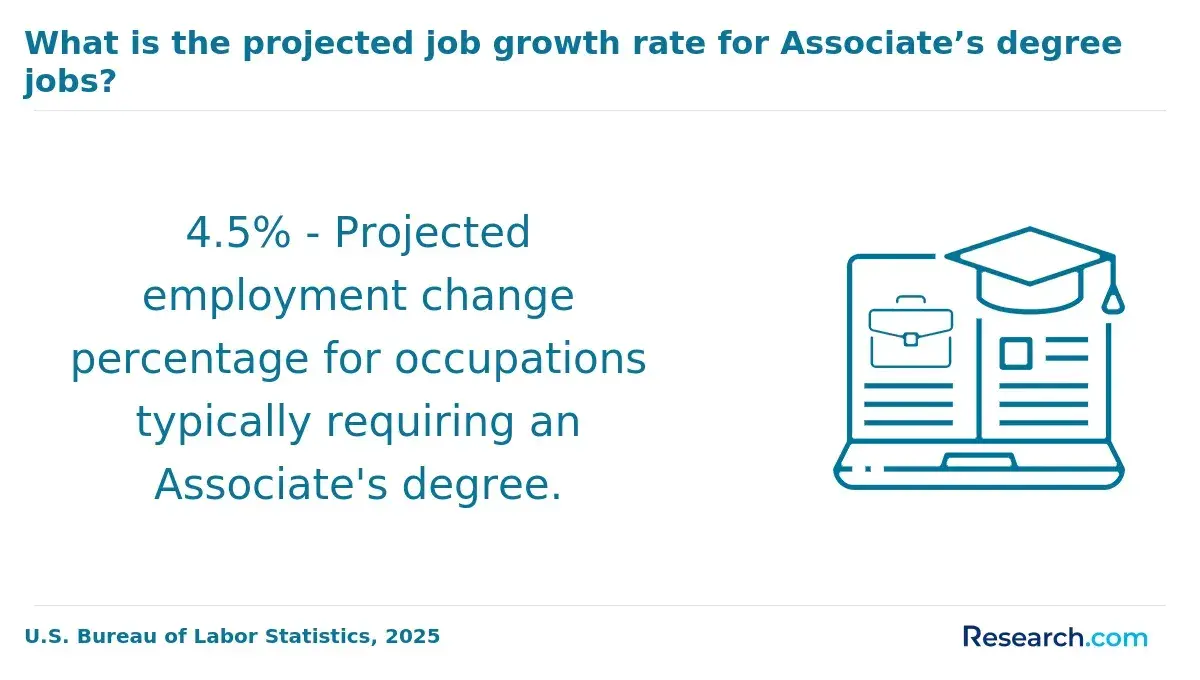
Demand for pediatric nurse practitioners is shifting rapidly in select metropolitan areas where demographic changes and healthcare investments converge. Job growth rates above 4% signal robust expansion in pediatric care roles, but these figures reflect more than just numbers.
They indicate systemic changes in healthcare delivery, funding, and population needs that directly shape day-to-day responsibilities. Practitioners eyeing these hotspots should weigh the benefits of abundant opportunities against the challenges of evolving care models and potential workload pressures.
Below are five cities leading the charge in pediatric nurse practitioner employment growth based on the latest 2024 labor projections.
- Austin, Texas: Austin exhibits a compound annual growth rate exceeding 5% for pediatric nurse practitioner positions, fueled by its booming population and growing investments in children's health services, spanning hospitals and outpatient clinics. This dynamic market offers expanding roles in both preventive care and specialty pediatric practices.
- Raleigh, North Carolina: The Research Triangle's surge in pediatric healthcare research underpins a 4.8% job growth, driven by new specialty clinics and outpatient facilities targeting family-centric services. Raleigh benefits from demographic shifts with more young families relocating, bolstering demand for innovative pediatric care models.
- Denver, Colorado: Denver's expanding suburban areas contribute to over 4% growth by increasing access to pediatric care through community clinics and prevention programs. Healthcare networks here focus on bridging gaps in pediatric services for growing populations outside urban cores.
- Nashville, Tennessee: Nashville's healthcare infrastructure growth supports pediatric practitioner roles with a similar growth rate to Denver, as hospitals and outpatient providers develop new pediatric prevention and chronic care initiatives addressing rising community health needs.
- Charlotte, North Carolina: Charlotte is emerging with a job growth rate close to 4%, influenced by rising urbanization and expanding pediatric specialty services. The integration of multidisciplinary care teams in this area underscores a complex, yet opportunity-rich practice environment.
One recent graduate recalls weighing options between staying in their hometown with slower market growth or moving to Austin where the pediatric nurse practitioner positions were growing rapidly. Initially hesitant about the higher patient volumes and adapting to a fast-paced setting, the graduate ultimately found the transition rewarding due to increased clinical exposure and diverse specialty opportunities.
This experience highlights how pursuing opportunities in these top-growth cities can accelerate both skills development and professional impact, despite the challenges posed by fast-expanding healthcare systems.
Which Industries Drive Pediatric Nurse Practitioner Hiring in Different Cities?
Demand for pediatric nurse practitioners varies significantly by city, shaped by the dominant healthcare sectors and local population needs. According to 2024 data from the U.S. Bureau of Labor Statistics and the Healthcare Workforce Report, hospital systems continue to lead hiring overall.
However, outpatient clinics, school-based health programs, and community health organizations are becoming vital in specific metropolitan areas, reflecting diverse career trajectories beyond traditional hospital roles. Understanding how these industries distribute work opportunities can help pediatric nurse practitioner students and early professionals target cities with sustainable demand and potential for skill specialization.
Below are key industries fueling pediatric nurse practitioner employment across various U.S. cities:
- Hospital Systems: Large hospitals, especially in cities like Boston and Seattle, remain the primary employers due to their extensive pediatric specialty departments and affiliated research centers. These institutions offer stable positions focused on acute and specialized pediatric care, often attracting practitioners interested in subspecialties and academic collaboration.
- Outpatient Care Centers: Growing in cities like Austin and Denver, outpatient centers emphasize accessible, preventative pediatric services. These facilities respond to parental demand for convenient care options, often employing nurse practitioners in roles that blend clinical expertise with patient education, fostering proactive health management.
- School-Based Health Programs: Urban areas with rising youth populations, such as Atlanta and Miami, increasingly integrate pediatric healthcare into educational settings. Pediatric nurse practitioners in these roles support early health screenings, chronic condition management, and health education, thus playing a critical part in early intervention and community health improvement.
- Community Health Organizations: Community clinics and nonprofit health initiatives, especially in economically disadvantaged cities, create demand by addressing social determinants of health. Pediatric nurse practitioners here often work in multidisciplinary teams focusing on holistic child wellness, contributing to broader public health outcomes.
- Employee Health Programs: In manufacturing hubs like Pittsburgh and Minneapolis, employers incorporate pediatric health within family wellness benefits. These programs provide opportunities for pediatric nurse practitioners to engage in preventive care and health promotion tailored to employees' families, representing an emerging, niche market.
- Government-Funded Health Initiatives: Cities with high child poverty rates offer openings through federally or locally funded programs aimed at improving pediatric access and equity. Nurse practitioners in these roles support public health goals by managing care delivery in under-resourced communities and addressing complex socio-economic challenges.
How Does Cost of Living Affect Pediatric Nurse Practitioner Career Value by City?
Evaluating pediatric nurse practitioner salary adjusted for cost of living in US cities reveals critical nuances often overlooked when comparing nominal wages alone. High-paying urban centers such as San Francisco or New York offer starting salaries frequently above $130,000; however, these locations come with housing costs that can exceed double the national average, alongside significant expenses in transportation, taxes, and healthcare.
For instance, a recent graduate earning $130,000 in San Francisco may effectively retain significantly less disposable income than a counterpart earning $95,000 in Louisville, Kentucky, due to the latter city's substantially lower living costs. This disparity highlights why the real purchasing power and quality of life must factor heavily into job decisions beyond salary figures.
The impact of regional living expenses on pediatric nurse practitioner career growth extends to financial stability and long-term wealth accumulation. Mid-sized cities in the Midwest or South, where salaries typically range between $90,000 and $110,000, can provide more sustainable households with lower rent, affordable transportation, and reduced daily expenses. These conditions often translate into increased savings potential and less financial stress, which are crucial in the early stages of a healthcare professional's career.
Moreover, cities like Austin, Texas, represent a balanced environment combining moderate salaries with manageable cost of living and expanding healthcare markets, offering a strategic alternative for those prioritizing both economic and professional growth. Tools such as cost of living calculators and salary comparison reports employing 2024 data from the U.S. Bureau of Labor Statistics and recognized economic research can provide invaluable insights into these tradeoffs.
For students and early-career professionals exploring pathways toward specialization, considering factors beyond immediate salary is essential. Pursuing the fastest post master's FNP certificate programs allows quicker entry into the workforce, but selecting a city with favorable living costs enhances the true value of compensation.
Balancing geographical location with professional credentials supports more informed decisions that optimize earnings, lifestyle, and career satisfaction over time, underscoring the importance of integrating cost of living adjustments into pediatric nurse practitioner career planning.
Which Skills Help Pediatric Nurse Practitioner Graduates Compete in Top Job Markets?
Top urban job markets for pediatric nurse practitioners demand more than clinical competence; employers increasingly recruit professionals who combine specialized knowledge with strong interpersonal and adaptive skills. This dual emphasis stems from the complexity of pediatric care in diverse metropolitan environments where social, cultural, and technological factors shape patient outcomes.
For example, a graduate working in New York City's pediatric clinics must navigate language barriers and family dynamics as adeptly as diagnostic protocols. Success in such competitive settings requires mastery beyond textbooks.
The following key skills sharpen the edge of pediatric nurse practitioners vying for premier roles and higher pay.
- Advanced Clinical Expertise: Proficiency in pediatric assessment, diagnosis, and evidence-based treatment forms the foundation of effective practice. According to the U.S. Bureau of Labor Statistics 2024 Occupational Outlook, strong clinical skills remain the baseline for employment growth, with a projected 27% increase in demand. Ongoing clinical training and certification updates help maintain this essential competency.
- Effective Communication: The ability to engage young patients and their families clearly and compassionately is vital. Surveys from the National Association of Pediatric Nurse Practitioners emphasize communication as a top hiring factor, especially in multicultural urban centers. Graduates can develop this skill through role-playing, cultural competence workshops, and feedback from experienced mentors.
- Health Informatics and Telehealth: Familiarity with electronic health records and virtual care platforms is increasingly indispensable. In tech-savvy markets like Seattle and Austin, these skills improve care coordination and broaden service accessibility. Hands-on experience with current software and telemedicine tools bolsters employability and adaptability.
- Leadership and Quality Improvement: Employers favor pediatric nurse practitioners who contribute to clinical innovation and system efficiency. Demonstrated leadership in quality improvement projects signals readiness for complex roles across inpatient, outpatient, and community health settings. Pursuing leadership development opportunities and project involvement enhances this capability.
- Cultural Competence and Collaboration: Navigating socioeconomic and linguistic challenges with sensitivity enhances care equity and team effectiveness. Urban healthcare often requires negotiation among diverse stakeholders. Building cultural competence through immersion, training, and interdisciplinary teamwork strengthens this skill.
How Do Remote and Hybrid Work Affect Pediatric Nurse Practitioner Career Hotspots?
The advent of remote and hybrid work models has notably expanded the geographic scope of career opportunities for pediatric nurse practitioners, lessening the traditional reliance on major metropolitan hubs long prized for their robust pediatric healthcare systems. Data from the 2024 National Healthcare Employment Report by the Bureau of Labor Statistics indicates that about 15% of pediatric nurse practitioners currently engage in some form of remote work, a figure likely to grow with ongoing telemedicine advancements.
However, the intrinsic need for hands-on clinical care, especially in hospital or emergency settings, means many roles remain location-dependent. Consequently, while remote work enables practitioners to consider jobs in smaller cities or even suburban areas without sacrificing salary potential, factors like the nature of the employer's telehealth infrastructure and regional healthcare demand continue to shape viable opportunities.
The value of remote and hybrid arrangements for pediatric nurse practitioners also hinges on employer policies and the structure of the local labor market, including networking possibilities and pathways for professional growth. Hybrid models offer work-life balance advantages that may attract early-career professionals prioritizing affordable living costs and digital connectivity over traditional high-paying urban centers.
Yet, proximity to large pediatric hospitals still plays a pivotal role in career progression, given the necessity for in-person collaboration and emergency responsiveness in many clinical duties. Therefore, graduates must weigh the benefits of geographic flexibility against the realities of industry expectations and long-term career development embedded in regional healthcare ecosystems.
One recent graduate recounted hesitating between accepting a hybrid position based in a mid-sized city versus relocating to a major metropolitan area known for its pediatric specialization. Initially drawn to the flexibility and lower cost of living offered by the hybrid role, the graduate ultimately recognized that certain advanced clinical training and mentorship opportunities favored the urban hospital setting.
The decision to later transition to the city reflected a nuanced balance of immediate remote conveniences and the recognition that deeper career advancement required onsite experience and stronger professional networks.
How Can Students Prepare for Relocating to a Pediatric Nurse Practitioner Career Hotspot?
Relocating to a pediatric nurse practitioner career hotspot requires more than just landing a job offer; it demands strategic planning before graduation. Students must understand that successful relocation involves aligning professional goals with local market realities, legal licensing frameworks, and practical living considerations.
Recent data from the U.S. Bureau of Labor Statistics and the National Council of State Boards of Nursing highlights that cities like Boston, Seattle, and Denver see both high demand and competitive salaries for pediatric nurse practitioners, making targeted preparation essential. A thoughtful approach increases the likelihood of seamless employment and career growth in these dynamic urban centers.
Below are five practical steps to prepare for relocating to a pediatric nurse practitioner hotspot.
- Conduct In-Depth Market Research: Identify cities with robust pediatric healthcare demand, favorable salary trends, and growth potential. This insight enables students to align their career aspirations with realistic job markets, enhancing long-term success.
- Understand Licensure and Mobility: Verify licensure requirements and the state's participation in the Nurse Licensure Compact (NLC). Multistate licensure expedites eligibility across regions, an advantage highlighted by the American Association of Nurse Practitioners for job market readiness in top pediatric nurse practitioner cities.
- Engage in Targeted Networking: Connect with local nursing organizations, specialty groups, and online forums. These networks provide mentorship, insider job market knowledge, and critical community engagement necessary for smooth relocation transitions.
- Secure Regional Clinical Experience: Pursue internships or clinical placements near the chosen city whenever possible. Hands-on experience within the target locale not only develops relevant skills but also builds employer relationships crucial for post-graduation employment.
- Plan Financial and Logistical Details: Account for moving expenses, housing costs, and local cost-of-living variations. Budgeting ahead prevents unexpected financial burdens, allowing students to focus on professional integration. For specialized guidance on healthcare career pathways, consider resources related to the autopsy technician profession as a comparative example of relocation and training challenges.
How Do Different Pediatric Nurse Practitioner Career Hotspots Compare?
No single city holds an absolute advantage for every pediatric nurse practitioner graduate because career success depends on balancing various factors like salary, job growth, living costs, and healthcare infrastructure.
Evaluating multiple labor market elements provides a grounded basis for strategic career decisions rather than relying solely on nominal wages or job counts. Prioritizing these dynamics enables early-career professionals to target locations where their personal and professional priorities align optimally.
Below is a comparison of notable pediatric nurse practitioner career hotspots highlighting distinct strengths and applicable tradeoffs.
- San Francisco, CA: Known for some of the highest pediatric nurse practitioner salaries in the U.S., exceeding $120,000 annually, San Francisco offers appealing earning potential but comes with a significantly higher cost of living. This tradeoff suits those prioritizing income and willing to navigate the premium housing market.
- Boston, MA: Boston combines top-tier salaries with a robust healthcare ecosystem and extensive research institutions, ideal for pediatric nurse practitioners seeking clinical and academic growth. However, affordability challenges mirror those of other coastal metros.
- Houston, TX: With salaries around $100,000 and projected job growth rates surpassing the national average of 15% through 2030, Houston offers expansive employment opportunities in a lower-cost environment, appealing to those valuing stability and economic balance.
- Charlotte, NC: Charlotte's healthcare expansion fuels demand for pediatric nurse practitioners, pairing steady job openings with manageable living expenses. This city suits practitioners aiming for sustainable growth without the expenses of larger metros.
- Minneapolis, MN: Offering moderate salaries, steady employment, and a strong community focus, Minneapolis delivers a balanced career environment for those emphasizing quality of life alongside professional engagement.
- Denver, CO: Denver's growing healthcare infrastructure supports reliable job openings and work-life balance, making it attractive for pediatric nurse practitioners who seek a blend of career opportunity and lifestyle quality.
- Additional Considerations: Prospective students should also consider educational investment and related expenses when planning their careers, including tuition variations documented in online speech pathology degree programs cost resources, which parallel some nursing education costs and can inform financial planning.
Understanding pediatric nurse practitioner salary comparison by city alongside job market growth for pediatric nurse practitioners in U.S. cities sharpens decision-making for early-career professionals navigating competitive labor landscapes.
Which City Best Fits Your Pediatric Nurse Practitioner Career Goals?
Determining the optimal city for a pediatric nurse practitioner career extends beyond headline salary figures or job counts. Each professional's priorities, whether maximizing income, accessing a diverse range of clinical settings, or maintaining a balanced lifestyle, play a pivotal role.
For example, while New York City offers one of the highest median salaries, around $130,000, the city's steep cost of living can erode financial gains. Conversely, Houston's growing healthcare market pairs strong employment prospects with a more affordable cost of living, making it an attractive option for those valuing both stability and manageable expenses.
Decision-making should integrate multiple factors, including regional employment growth, industry concentration, and networking opportunities, alongside salary and living costs. Los Angeles and similar metropolitan areas provide broad clinical experiences and competitive wages near $120,000 but also come with elevated living expenses that may influence quality of life. Emerging cities like Phoenix and Charlotte demonstrate expanding pediatric care demand with moderate expenses, which may appeal to those seeking growth without compromising affordability.
Ultimately, there is no universal "best" city for pediatric nurse practitioner graduates; the strongest career choice aligns with individual professional objectives and personal circumstances. Evaluating a city through a holistic lens, informed by 2024 labor statistics and metropolitan trends from reputable sources, ensures that relocation decisions support sustainable, long-term career fulfillment.
References
- 12 Highest-Paid Nurse Practitioner Specialties - Nurse Practitioner Degrees https://npdegrees.org/resources/highest-paid-nurse-practitioner-specialties/
- 10 Highest Paid Nurse Practitioner Specialties in 2025 https://www.nphub.com/blog/highest-paid-nurse-practitioner-salaries
- 10 different career options for NPs https://comphealth.com/resources/career-options-nps
- What does a Pediatric Nurse Practitioner (PNP) do? Career Overview, Roles, Jobs | ASAM https://careers.asam.org/career/pediatric-nurse-practitioner-pnp
- Nurse Practitioner Careers | BC Children's Hospital https://www.bcchildrens.ca/about-us/careers/nursing-careers/nurse-practitioner-careers
- What are the Best States for Nurse Practitioners & Other APRNs? https://www.npschools.com/blog/top-states-for-nurse-practitioners
- Pediatric Nurse Practitioner Jobs: Growing Demand in Texas and Nationwide | Houston Christian University https://hc.edu/articles/pediatric-nurse-practitioner-jobs/
Other Things You Should Know About Pediatric Nurse Practitioner Career Hotspots
Access to well-established children's hospitals and specialized pediatric clinics significantly impacts a pediatric nurse practitioner's scope of practice and professional growth. Cities with a concentration of such facilities tend to offer richer clinical experiences and opportunities to work with complex cases, which can accelerate skill development. However, these roles often demand longer hours and higher workload intensity, so practitioners should weigh the benefits of advanced clinical exposure against potential burnout risks.
High-demand cities usually offer more job openings and higher salaries but often come with increased patient loads and less predictable schedules. In contrast, cities with more moderate demand may provide pediatric nurse practitioners with more regular hours and lower stress, even if salaries are comparatively lower. Prioritizing work-life balance over immediate earnings can lead to better long-term job satisfaction and retention, especially important early in a practitioner's career.
Employers in top-performing cities frequently expect new pediatric nurse practitioners to demonstrate a broad skill set, including acute care competencies and family-centered communication. Graduates should research job descriptions beyond titles to understand whether extensive experience with certain pediatric subpopulations or certifications (like pediatric acute care) are prerequisites. Opting for employers who offer structured orientation and mentorship can mitigate the steep learning curve common in competitive markets.
Rapidly growing pediatric nurse practitioner markets may indicate increasing demand, but they also risk oversaturation if education programs expand too quickly or if healthcare funding fluctuates. Professionals should cautiously interpret growth projections and consider the maturity of local healthcare infrastructure. Sometimes, cities with steady, sustained growth offer more reliable employment trajectories and opportunities to build lasting professional networks.