2027 Pediatric Nurse Practitioner Tuition Inflation Report: How Fast Are Program Costs Rising?

Co-Founder and Chief Data Scientist
Rising tuition for pediatric nurse practitioner programs reflects disciplinary demands beyond typical academic inflation. Increasing accreditation standards require expanded clinical training hours and enhanced simulation laboratories, driving up costs related to specialized equipment and faculty with pediatric expertise. The 2024 National Nursing Workforce Survey highlights a 15% rise in demand for pediatric nurse practitioners, intensifying pressure on institutions to invest in scalable, high-quality instruction. Additionally, evolving licensing expectations and regulatory requirements necessitate continuous curriculum updates, adding operational expenses unique to this field. Enrollment shifts toward younger, career-switching students also influence program delivery models. This report analyzes how these dynamic factors shape tuition trends and the broader educational landscape.
Key Things to Know About Pediatric Nurse Practitioner Tuition Inflation
- Tuition for pediatric nurse practitioner programs rose over 7% annually from 2021-2024, outpacing inflation and pressuring potential students to weigh increased debt against long-term career flexibility.
- Employers increasingly expect advanced certifications, making higher tuition a strategic investment but also raising barriers for candidates from lower-income backgrounds, impacting workforce diversity.
- Rising costs often delay enrollment timing, narrowing access windows especially for mid-career applicants, which affects the supply of new pediatric nurse practitioners amid growing healthcare demand.
- Key Things to Know About Pediatric Nurse Practitioner Tuition Inflation Key Things to Know About Pediatric Nurse Practitioner Tuition Inflation
- How Much Has Pediatric Nurse Practitioner Tuition Increased Over the Past Decade? How Much Has Pediatric Nurse Practitioner Tuition Increased Over the Past Decade?
- How Does Pediatric Nurse Practitioner Tuition Inflation Compare to Overall Inflation? How Does Pediatric Nurse Practitioner Tuition Inflation Compare to Overall Inflation?
- Which Types of Schools Have Experienced the Fastest Pediatric Nurse Practitioner Tuition Growth? Tuition Growth by School Type
- What Factors Are Driving Rising Costs in Pediatric Nurse Practitioner Degree Programs? Tuition Cost Drivers
- How Does Pediatric Nurse Practitioner Tuition Growth Vary by State and Region? Tuition Growth by State
- Are Online Pediatric Nurse Practitioner Programs Becoming More Affordable Than Campus-Based Programs? Online Program Affordability
- How Have Financial Aid and Scholarships Changed as Pediatric Nurse Practitioner Tuition Has Increased? Impact on Financial Aid and Scholarships
- How Does Rising Pediatric Nurse Practitioner Tuition Affect Student Debt After Graduation? Impact on Student Debt
- Do Higher-Cost Pediatric Nurse Practitioner Programs Deliver Better Career Outcomes or Earnings? Impact on Career Outcomes
- What Do Current Tuition Trends Suggest About the Future Cost of a Pediatric Nurse Practitioner Degree? What Do Current Tuition Trends Suggest About the Future Cost of a Pediatric Nurse Practitioner Degree?
How Much Has Pediatric Nurse Practitioner Tuition Increased Over the Past Decade?
Tuition for pediatric nurse practitioner programs has risen sharply over the past ten years, with increases typically falling between 40% and 70%, according to recent data from the National Center for Education Statistics and the U.S. Department of Education College Scorecard. Public institutions have generally seen more restrained growth, often around 40%, with total program costs ranging from $20,000 to $40,000. In contrast, private schools frequently experience steeper hikes surpassing 60%, pushing tuition closer to $50,000 to $70,000. These shifts reflect broader patterns in graduate healthcare education costs rather than isolated fluctuations, underscoring the need to view pediatric nurse practitioner tuition increase over the last ten years as part of a systemic trend affecting advanced nursing credentials.
Several factors drive these rising expenses, including inflationary pressures and diminishing state funding that shift a larger financial burden onto students. Increased spending on faculty salaries, clinical training coordination, and advanced simulation technology also contributes notably to program costs. Additionally, growing demand for nurse practitioner education, especially in pediatric specialties, influences pricing dynamics as institutions respond to market pressures and enrollment patterns. These cumulative elements intertwine with evolving institutional priorities and operational expenses, explaining why regional trends in pediatric nurse practitioner program cost growth often outpace general tuition inflation across higher education.
For prospective students, these tuition trends bring significant affordability challenges and complicate return-on-investment assessments. While the pediatric nurse practitioner role benefits from steady employment prospects, the heavier debt loads combined with comparatively moderate starting salaries require careful financial planning. Navigating program selection involves weighing tuition costs against long-term value, sometimes directing learners toward scholarships or more cost-effective options, such as exploring online PharmD programs as alternative pathways in healthcare education. Understanding the nuanced interplay between tuition growth drivers and career outcomes remains critical for those pursuing this advanced nursing track.
How Does Pediatric Nurse Practitioner Tuition Inflation Compare to Overall Inflation?
Recent data shows that pediatric nurse practitioner tuition inflation has consistently outpaced general consumer price inflation. While the U.S. Bureau of Labor Statistics reports that the Consumer Price Index grew by about 3.4% annually from 2021 to 2024, graduate nursing program tuition, including pediatric nurse practitioner degrees, increased at rates closer to 5-7% per year according to the National Center for Education Statistics and the College Board. This gap reflects more than just divergent inflation metrics-it signals fundamental differences in how healthcare education markets function compared to broader consumer sectors. Regional trends in pediatric nurse practitioner program cost increases further underscore that these rises are not uniformly distributed but often linked to local market pressures and institutional funding realities.
The structural drivers behind this tuition growth gap stem from several converging factors. Declining state appropriations for public institutions have shifted more financial responsibility onto students, while administrative and operational costs in higher education continue to expand, driven partly by regulatory compliance and expanded student support services. Pediatric nurse practitioner programs also require significant investments in clinical placements, simulation technologies, and technology infrastructure, which do not parallel the cost trajectories of general consumer goods. These institutional pressures contribute to a tuition inflation rate that diverges markedly from overall inflation, highlighting the unique cost behavior and funding models endemic to specialized healthcare education.
For prospective students and families, this inflationary divergence translates into tangible affordability challenges, affecting borrowing patterns and long-term educational investment returns. The growing gap also influences program selection, as many weigh the value proposition of different formats, including part-time or online options, to manage costs while maintaining career outcomes. Meaningful financial planning must consider not only current tuition but also the system-wide pressures inflating these costs and the evolving landscape of employer expectations in pediatric nurse practitioner roles, much like those seen in a master of healthcare administration and other healthcare fields where cost and value considerations are increasingly scrutinized.
Which Types of Schools Have Experienced the Fastest Pediatric Nurse Practitioner Tuition Growth?
Tuition increases for pediatric nurse practitioner programs diverge notably across institutional types, influenced by distinct funding models, competitive dynamics, and program delivery approaches. Public universities often face state budget constraints that moderate tuition hikes, whereas private institutions, especially for-profit colleges, rely heavily on tuition revenue, incentivizing steeper price escalations. Understanding these structural variations is essential to accurately assess the long-term affordability and value proposition of pediatric nurse practitioner education.
- Public Universities: These institutions typically receive substantial state funding, which cushions tuition growth despite rising operational costs. However, reductions in public subsidies over recent years have pressured many public universities to incrementally increase tuition, though generally at a slower pace compared to private counterparts.
- Private Nonprofit Universities: With a strong focus on reputation and research, these schools balance tuition growth with maintaining enrollment and program quality. They often reinvest tuition funds into faculty expertise and state-of-the-art clinical training, driving moderate but steady price increases in pediatric nurse practitioner programs.
- For-Profit Institutions: For-profit colleges depend primarily on tuition as their main revenue source, leading to some of the fastest pediatric nurse practitioner tuition growth rates-averaging around 7.2% annually as reported by the National Center for Education Statistics 2024. Aggressive expansion strategies and less public accountability contribute to these rapid increases, which raise concerns about affordability and return on investment.
- Research-Intensive Universities: These universities often embed pediatric nurse practitioner programs within broader health sciences portfolios, incurring higher costs due to advanced simulators, faculty research funding, and interdisciplinary collaboration. These factors can prompt tuition growth outpacing regional or national averages, reflecting the premium placed on cutting-edge educational resources.
- Regional Colleges and Online Universities: Many regional and primarily online providers leverage flexible, part-time formats to attract adult learners. While online delivery models can contain some costs, expansion and infrastructure investments have pressured tuition upwards, though often less sharply than at private for-profit institutions.
What Factors Are Driving Rising Costs in Pediatric Nurse Practitioner Degree Programs?
Rising costs in pediatric nurse practitioner degree programs stem from a combination of intertwined economic and institutional factors rather than a single cause. Program expenses have shifted significantly as schools balance declining public funding with growing operational demands. This dynamic forces many institutions, especially public ones, to depend more heavily on tuition revenue to sustain program quality and meet workforce needs. The increasing complexity of clinical training, coupled with regulatory compliance and accreditation requirements, further drives up operational overhead. These pressures are shaping pricing strategies and influencing how programs allocate resources amid a competitive higher education landscape.
Key contributors to cost escalation include the steady increase in faculty salaries to attract and retain experienced nurse educators in a market with growing clinical and academic demands. Expanded administrative roles managing accreditation, student support, and digital infrastructure add new layers of expense beyond traditional teaching costs. Investments in simulation labs and electronic health record systems also reflect a shift toward integrated technology that aligns education with evolving pediatric healthcare standards but require substantial ongoing funding. According to a 2024 report by the American Association of Colleges of Nursing, nurse educator salaries have risen by over 5% annually, a trend that significantly impacts tuition levels. Together, these elements create a complex cost structure where institutional funding gaps, inflationary pressures, and market expectations intersect, making cost containment a persistent challenge across diverse program settings.
One pediatric nurse practitioner program alum shared that the admissions cycle felt uncertain and drawn out due to rolling admissions and variable application processing times. Although initially hesitant to commit early, knowing that tuition costs were rising quickly influenced a decision to submit materials sooner than planned to avoid potential price increases. The graduate recalled how navigating this timing tension underscored the practical impact of program cost dynamics on decision-making and financial planning, especially for those balancing family responsibilities and employment while pursuing advanced clinical education.
How Does Pediatric Nurse Practitioner Tuition Growth Vary by State and Region?
Pediatric nurse practitioner tuition growth varies widely across states and regions due to multiple intersecting factors beyond simple geographic location. Differences in state-level funding priorities, the mix of public versus private institutions, and regional economic conditions all contribute to uneven tuition inflation patterns. For example, areas with significant private university presence often experience steeper tuition hikes as these institutions rely heavily on tuition revenue to sustain specialized clinical training and faculty expertise. This variation in pediatric nurse practitioner tuition growth by state reflects not only the cost structures of institutions but also broader economic pressures and policy decisions that shape educational financing.
Key drivers influencing these regional differences include state appropriations for higher education and healthcare programs, which significantly impact public university tuition policies. States maintaining or increasing investment in healthcare education can mitigate tuition increases, while those facing cutbacks often shift costs to students. Additionally, labor market demand for pediatric nurse practitioners in certain regions encourages institutions to adjust pricing accordingly, especially where clinical training must compete with high local living expenses and program-related fees. The concentration of research-intensive universities in the Northeast and West, where tuition growth often exceeds 5% annually, contrasts with more moderate increases seen in Midwestern states around 2% to 4%, illustrating how institutional funding models combine with regional economic factors to shape cost trajectories.
These disparities in pediatric nurse practitioner tuition growth influence not only program affordability but also student mobility and long-term return on investment. Higher tuition states may offer compensatory employer incentives such as loan repayment programs or higher starting salaries, but prospective students must carefully weigh these against regional living costs and career prospects. Tuition inflation compounded by local economic conditions can erode accessibility, making it crucial for students and researchers to analyze these regional patterns when choosing programs. For those exploring interdisciplinary options, comparing data with related fields like the affordable online MBA healthcare management pathways may also provide insight into financing strategies that balance cost and workforce demand.
Are Online Pediatric Nurse Practitioner Programs Becoming More Affordable Than Campus-Based Programs?
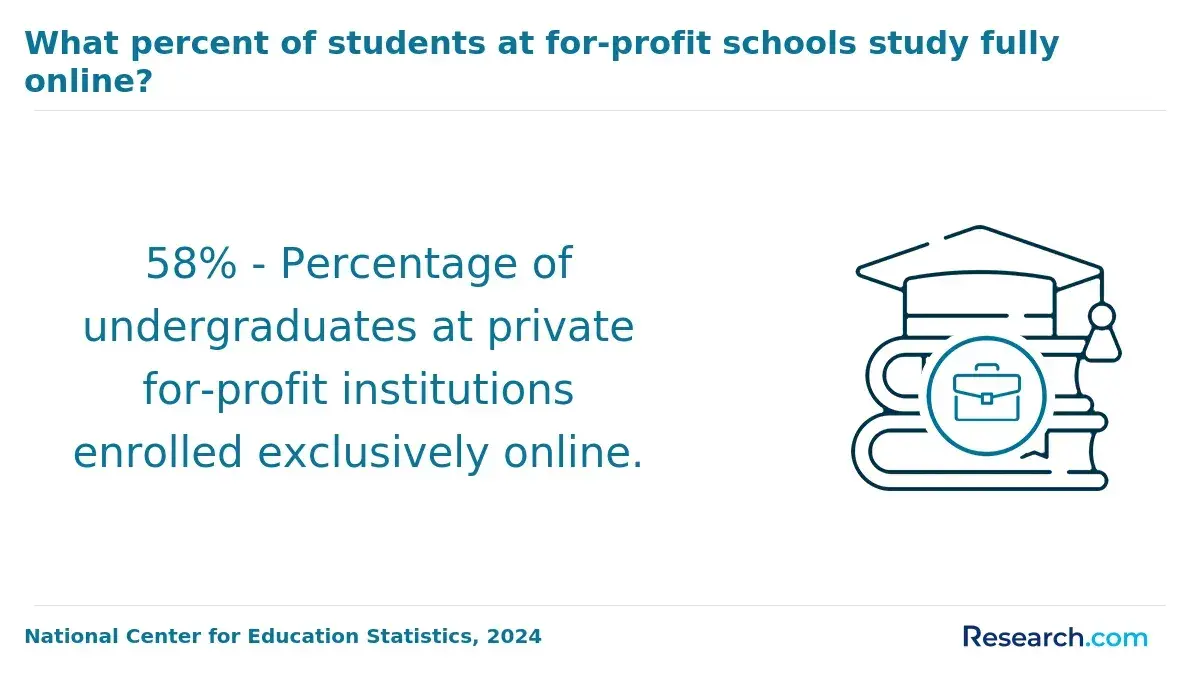
Recent data from the National Center for Education Statistics indicates a measurable divergence in tuition inflation rates between online and campus-based pediatric nurse practitioner programs, with online programs experiencing roughly a 3.5% increase annually compared to about 5.2% for traditional campus options from 2022 to 2024. This disparity suggests a gradual structural shift in cost dynamics rather than a temporary fluctuation. Unlike campus programs that maintain comprehensive physical infrastructures, online offerings leverage scalable digital delivery models that allow institutions to moderate tuition hikes despite necessary investments in technology and specialized instructional design tailored for virtual clinical practice.
The affordability gap arises from fundamental differences in institutional cost structures. Campus-based programs incur rising expenses in maintaining facilities, coordinating in-person clinical placements, and providing on-site faculty and student services, which drives tuition increases beyond inflationary pressures common across higher education. Conversely, online programs offset some physical plant costs but allocate substantial resources into advanced learning management systems, virtual clinical simulations, and continuous technology upgrades. Additionally, faculty-paid instructional loads and student support mechanisms adapt differently in online formats, often shifting toward broader access but with distinct resource demands that prevent simple cost savings. These factors collectively underscore that while online pediatric nurse practitioner programs trend toward relatively slower tuition growth, affordability is shaped by complex, institution-specific strategies rather than uniform pricing models.
A graduate from an online pediatric nurse practitioner program recalled facing a tense admissions cycle marked by rolling deadlines and uncertain timelines. Initially hesitant to apply due to budget concerns and balancing work commitments, she delayed submitting her application until late in the cycle. Waiting anxiously through protracted communications, she eventually secured admission just weeks before the program began, grateful that the online format's evolving cost structure allowed her to attend without additional debt. Her experience highlighted the practical realities of program accessibility amid fluctuating tuition and the strategic patience often required when navigating modern enrollment processes for these increasingly popular online degrees.
How Have Financial Aid and Scholarships Changed as Pediatric Nurse Practitioner Tuition Has Increased?
As tuition for Pediatric Nurse Practitioner programs has escalated, financial aid and scholarship models have shifted to partially address affordability challenges, though often lagging behind tuition growth. Institutional aid has increased in nominal terms, but many schools have tightened eligibility or prioritized merit-based awards, limiting broad-based need support. Simultaneously, the expansion of federal funding remains constrained by loan limits that have not kept pace with inflation in program costs, compelling students to shoulder higher debt loads. Scholarship funds targeting Pediatric Nurse Practitioner students have grown, especially those tied to specific service commitments or demographics, but their reach remains insufficient to offset the rising net price for most enrollees.
These adaptations reflect multiple pressure points within higher education finance. Competitive recruitment dynamics have driven schools to deploy merit scholarships to attract high-achieving candidates, sometimes at the expense of need-based aid. Meanwhile, federal and state aid programs have seen incremental rather than transformative adjustments, with Pell Grants and federal loans still pivotal but unable to fully bridge increasing cost gaps. Institutional pricing strategies often incorporate tuition discounting practices, yet the overall net price burden persists or increases for many students, as aid growth often fails to match rapidly inflating tuition expenses. The expanded reliance on merit scholarships and service-based awards reflects an effort to align aid with workforce priorities, but also narrows eligibility and geographic flexibility.
In the broader context, these financial aid shifts influence both debt accumulation and program accessibility. The disproportionate rise in Pediatric Nurse Practitioner tuition relative to aid growth contributes to higher cumulative borrowing, shaping career decisions about specialization, location, and employment conditions. Prospective students must evaluate not only sticker price but the dynamic interplay of institutional aid policies, scholarship criteria, and federal funding limits to realistically anticipate net costs. For many, this growing financial complexity complicates program choice and long-term planning amid evolving healthcare demands and employer expectations.
How Does Rising Pediatric Nurse Practitioner Tuition Affect Student Debt After Graduation?
Rising pediatric nurse practitioner tuition significantly increases the amount students must borrow to finance their education, directly elevating their debt levels upon graduation. As program costs outpace wage growth in many healthcare roles, students become increasingly reliant on loans to bridge the affordability gap. This trend is particularly pronounced when federal and institutional financial aid fail to keep pace with tuition inflation, forcing larger loan balances with compounded interest accrued during multi-year programs. Higher borrowing ultimately translates into heavier repayment burdens during the early career stages when salaries remain relatively modest.
Several factors compound the financial challenges facing pediatric nurse practitioner students. The widening divide between tuition hikes and financial aid availability, especially in private versus public institutions, often determines the scale of debt incurred. Interest accumulation during enrollment and grace periods further inflates total repayment amounts, disproportionately impacting students who cannot secure employer-sponsored loan assistance or tuition reimbursement. Moreover, variations in starting incomes within pediatric nurse practitioner roles influence how quickly graduates can diminish their debt, with many still contending with substantial balances as they negotiate housing, family, and other financial priorities. This dynamic emphasizes the importance of assessing the long-term economic impact of escalating program costs on individual financial outcomes and career decisions.
Escalating debt levels also intensify repayment stress, making income-driven repayment plans and loan forgiveness programs critical components of managing long-term affordability. Rising tuition contributes to a shift in how students select programs, with increased scrutiny on cost versus expected return on investment. Prospective students often weigh options such as 1 year FNP programs that may offer accelerated pathways but vary in pricing and debt implications. Understanding how rising pediatric nurse practitioner tuition influences student loan debt in the US supports more informed choices that balance educational aspirations with realistic financial planning.
Do Higher-Cost Pediatric Nurse Practitioner Programs Deliver Better Career Outcomes or Earnings?
Higher-cost pediatric nurse practitioner programs do not inherently guarantee stronger career outcomes or higher earnings. While tuition prices may reflect certain program qualities, such as facilities or faculty expertise, cost alone is a poor predictor of long-term success in this field. Comprehensive data from the National Center for Education Statistics in 2024 indicate that graduates from premium-priced programs often earn starting salaries comparable to those from more affordable institutions. This highlights that tuition inflation in pediatric nurse practitioner programs frequently fails to correspond with measurable advantages in employment or compensation.
Career outcomes hinge more critically on variables beyond price, including institutional prestige, depth of specialization options, and the quality of clinical practicum partnerships. Programs that cultivate close ties with healthcare employers through robust internship pipelines and alumni networks frequently enhance job placement prospects. Geographic location also plays a significant role, with demand for pediatric nurse practitioners varying regionally and influencing salary levels. Specializations and certifications obtained during or after the degree further shape employment outcomes, underscoring the multifactorial nature of career success unrelated to tuition costs.
Prospective and current students should assess pediatric nurse practitioner tuition impact on earnings alongside long-term financial sustainability, weighing debt burden against actual career benefits. Strategic decision-making involves evaluating institutional resources, practical training opportunities, and employer connections rather than assuming higher-cost programs deliver superior outcomes. For applicants seeking accessible entry points into nursing advancement, exploring options like the easiest accelerated nursing programs to get into may provide useful alternatives. In sum, educational investment decisions in this field require nuanced consideration of return-on-investment factors beyond sticker price to optimize career and financial outcomes.
What Do Current Tuition Trends Suggest About the Future Cost of a Pediatric Nurse Practitioner Degree?
Recent tuition trends suggest that the cost of a Pediatric Nurse Practitioner degree is likely to continue rising at a rate exceeding general inflation. Data from the 2024 National Center for Education Statistics indicates graduate healthcare program tuition increased by about 5.8% in the last year alone, reflecting sustained upward pressure on education expenses. Historically, this pattern reveals that price growth in specialized nursing programs consistently outpaces inflation, driven by evolving workforce demands and institutional cost structures that rarely permit tuition rollback or stagnation.
Key drivers shaping future tuition include expanded clinical training requirements and investments in simulation technology that raise program delivery costs. Additionally, constrained public funding for higher education and increased demand for Pediatric Nurse Practitioner competencies contribute to pricing pressure. The rise of hybrid and online learning models introduces both efficiencies and added investment in digital infrastructure and student support services, influencing cost in complex ways. Institutions also face competitive hiring markets for faculty with advanced pediatric expertise, a factor that can increase salary expenses passed on through tuition.
These trends pose affordability challenges that shape student decision-making, particularly for adult learners balancing professional and financial responsibilities. Anticipated continued tuition increases may prompt future students to weigh borrowing risks more carefully and seek programs offering flexible formats or greater financial aid. While enrollment growth in pediatric nursing roles supports demand, rising costs risk limiting access for some candidates, making thorough analysis of program value and funding options essential when planning education pathways.
References
- Effect of Nursing Student Loans https://www.brighthorizons.com/article/education/the-profound-effect-of-nursing-student-loans
- Inside Pediatric Nurse Practitioner Online Programs https://www.edumed.org/online-schools/nurse-practitioner-programs/pediatric-nursing/
- Student debt hurts nursing students, too https://www.nysna.org/student-debt-hurts-nursing-students-too
- Most Affordable Online NP Programs for 2025–2026 - Nurse Practitioner Degrees https://npdegrees.org/degrees/most-affordable-np-programs/
- Pediatric Nurse Practitioner Jobs: Growing Demand in Texas and Nationwide | Houston Christian University https://hc.edu/articles/pediatric-nurse-practitioner-jobs/
- Five Reasons to Pursue Your Pediatric Nurse Practitioner Degree https://www.herzing.edu/blog/five-reasons-pursue-your-pediatric-nurse-practitioner-degree
- Are You Considering a Career as a Pediatric Nurse Practitioner? https://www.aanp.org/news-feed/are-you-considering-a-career-as-a-pediatric-nurse-practitioner
- What the Outrage over Nursing Loan Limits Gets Wrong | American Enterprise Institute - AEI https://www.aei.org/education/what-the-outrage-over-nursing-loan-limits-gets-wrong/
- Guide to Student Loan Forgiveness for Nurse Practitioners (NPs) https://www.npschools.com/blog/np-student-loan-forgiveness
- Primary Care Pediatric Nurse Practitioner DNP https://www.rushu.rush.edu/college-nursing/programs-admissions/pediatric-nurse-practitioner-pc-pnp-program
Other Things You Should Know About Pediatric Nurse Practitioner
As tuition rises, students must consider not only costs but also program duration and workload. Programs with shorter, more intensive schedules might have higher per-semester costs but reduce total living expenses and lost income from fewer months out of work. Prioritizing programs that balance tuition inflation with efficient completion times can minimize overall debt and time-to-practice, which is critical when workplace demands and employer expectations favor swift credentialing.
Rising tuition does not guarantee better clinical experiences or faculty access, especially as programs face budget constraints from inflation. Some higher-cost programs may cut back on hands-on training or limit practicum availability to offset inflation-related expenses. Students should critically evaluate clinical site partnerships and preceptor ratios alongside tuition trends, as robust clinical training is essential for employability and competency despite inflated sticker prices.
Employer tuition reimbursement can mitigate inflation's burden but varies widely across healthcare settings. Depending on institutional policies and union contracts, some pediatric nurse practitioner students might receive substantial support, offsetting rising program costs. When tuition inflation outpaces reimbursement caps or eligibility criteria, students risk increased out-of-pocket expenses and debt, so carefully verifying employer assistance programs should be a priority before committing to expensive programs.
Given rapid tuition inflation, selecting programs with more stable costs can preserve long-term financial flexibility, especially for students focused on entering the workforce promptly. While highly specialized programs may carry premium prices, if their cost trajectories outpace typical salary gains or offer marginal employability advantages, less expensive, broadly focused programs might provide better return on investment. Prioritizing cost containment alongside core clinical competencies can better align education expenses with realistic career outcomes.