2027 Top Industries Hiring Pediatric Nurse Practitioner Graduates: Demand, Pay, and Growth Trends

Co-Founder and Chief Data Scientist
Considering a career as a pediatric nurse practitioner can lead to many paths, but choosing the right industry after graduation often poses a challenge. A prospective student or recent graduate must weigh more than just job availability. Understanding where pediatric nurse practitioner graduates are most in demand reveals critical insights into workplace environments, salary variations, and long-term job stability. These factors influence educational focus, skill development, and career planning.
Salary differences across industries and growth trends shape the scope of future opportunities and earning potential. Switching sectors can mean vastly different experiences and compensation. This article examines key industries hiring pediatric nurse practitioner graduates, highlighting where salaries are highest, which sectors expand fastest, how employer expectations shift, and how students can best align their skills to stand out. Such analysis supports better-informed career decisions in a competitive healthcare landscape.
Key Things to Know About the Top Industries Hiring Pediatric Nurse Practitioner Graduates
- Hospital settings employ over 60% of pediatric nurse practitioner graduates, reflecting the sector's sustained investment in specialized pediatric care roles despite rising outpatient shifts.
- Private pediatric practices offer 15-20% higher median salaries than public clinics, indicating that targeted outpatient environments may provide stronger career growth for focused clinical expertise.
- Demand for pediatric nurse practitioners in telehealth expanded 35% in 2024, emphasizing evolving employer trends towards remote pediatric care and hybrid staffing models expanding geographic hiring reach.
- Key Things to Know About the Top Industries Hiring Pediatric Nurse Practitioner Graduates Key Things to Know About the Top Industries Hiring Pediatric Nurse Practitioner Graduates
- Which Industries Hire the Most Pediatric Nurse Practitioner Graduates? Top Industries
- Which Industries Offer the Highest Salaries for Pediatric Nurse Practitioner Graduates? Highest Salaries
- Which Industries Have the Fastest Growth for Pediatric Nurse Practitioner Careers? Growth Trends
- Which Employers Commonly Recruit Pediatric Nurse Practitioner Graduates? Top Employers
- Which Skills Are Most In Demand Across Pediatric Nurse Practitioner Industries? In-Demand Skills
- How Do Career Paths Differ Across Industries for Pediatric Nurse Practitioner Graduates? Career Paths
- How Do Industry Trends Affect Future Opportunities for Pediatric Nurse Practitioner Graduates? Industry Trends
- How Can Students Prepare for High-Demand Pediatric Nurse Practitioner Industries? Career Preparation
- How Do Different Pediatric Nurse Practitioner Degree Programs Prepare Students for Industry Careers? How Do Different Pediatric Nurse Practitioner Degree Programs Prepare Students for Industry Careers?
- Which Industry Is the Best Fit for Your Pediatric Nurse Practitioner Career Goals? Which Industry Is the Best Fit for Your Pediatric Nurse Practitioner Career Goals?
Which Industries Hire the Most Pediatric Nurse Practitioner Graduates?
Employment patterns show that pediatric nurse practitioner graduates most frequently find positions in settings where specialized pediatric healthcare intersects with accessibility and acute care delivery. According to 2024 statistics from the U.S. Bureau of Labor Statistics, over half of pediatric nurse practitioners work primarily within ambulatory healthcare services, hospitals, and educational programs. These sectors offer distinct yet complementary opportunities that align with the demand for both preventative and intensive pediatric care. The following highlights the top industries recruiting pediatric nurse practitioners and the rationale behind their sustained hiring.
- Ambulatory Healthcare Services: This sector leads in hiring due to its focus on outpatient pediatric care, including clinics, family practices, and outpatient centers. Pediatric nurse practitioners here perform diagnosis, chronic condition management, and routine check-ups, making this setting attractive for those interested in continuity of care without hospitalization. The convenience of outpatient care paired with preventive health initiatives drives steady demand.
- Hospitals: Pediatric units in hospitals require nurse practitioners to provide critical support for inpatient and emergency services. Large children's hospitals and regional medical centers prioritize candidates skilled in managing acute and complex conditions. The fast-paced nature and interdisciplinary teams in hospitals make this a compelling option, particularly for graduates seeking involvement in surgical and emergency pediatric care.
- Educational Services: School-based health programs and university medical clinics employ pediatric nurse practitioners to address chronic disease management and health promotion in children. Although smaller in scale, these roles are critical for bridging healthcare and educational environments, supporting preventive care and early intervention within community settings.
- Government and Public Health Organizations: Community health centers and federally funded programs often recruit pediatric nurse practitioners to serve under-resourced populations. These roles focus on reducing health disparities and enhancing pediatric access in rural or underserved areas, reflecting an ongoing public sector commitment to equity in child health services.
For students evaluating where pediatric nurse practitioners are most in demand, these industries provide consistent employment opportunities with varied clinical experiences and career trajectories. Candidate preferences related to location, specialization, and patient population will influence which sector is most suitable. Additionally, prospective professionals interested in cost-effective education pathways might explore options highlighted by the cheapest online healthcare administration degree to supplement their career planning and financial strategy.
Which Industries Offer the Highest Salaries for Pediatric Nurse Practitioner Graduates?
Salary variations across industries for pediatric nurse practitioners often stem from differences in patient complexity, setting-specific demands, and organizational funding structures. Specialty outpatient care centers typically require advanced expertise in niche pediatric conditions, which can command higher pay. Hospital inpatient roles, while offering slightly less compensation, may provide more comprehensive patient care experiences and stability. Government healthcare positions tend to balance moderate salary levels with benefits such as pensions and loan repayment, appealing to those prioritizing long-term security. These distinctions reflect the interplay of specialized skills, schedule rigidity, and institutional support shaping pediatric nurse practitioner salary trends by industry. Below are the primary industries offering the strongest earning potential.
- Specialty Outpatient Care Centers: Pediatric nurse practitioners in specialty clinics and ambulatory surgery centers often earn about 12-15% above the national median, with median salaries near $120,000 according to the 2024 Bureau of Labor Statistics. These roles demand high expertise managing complex pediatric conditions and involve rigorous on-call and procedural responsibilities, driving the premium pay. Graduates aiming for top-tier salaries should be prepared for intensive schedules and specialized skill development.
- Hospital Inpatient Services: This sector offers median annual salaries around $110,000 to $115,000. Working in children's hospitals or large urban medical centers provides structured career growth, interdisciplinary collaboration, and more predictable hours than outpatient specialty care. While compensation is slightly lower, these settings attract those valuing job stability and comprehensive clinical experience.
- Government Healthcare Facilities: Federal and state agencies, including public health clinics and military medical centers, average salaries near $105,000. Though lower than hospital or specialty center wages, government roles often include robust retirement benefits and loan repayment options. Practitioners focused on long-term financial planning and work-life balance may find these positions strategically advantageous.
Career decisions should weigh salary alongside personal priorities. For instance, a recent pediatric nurse practitioner graduate weighing an offer from a specialty outpatient center versus a government clinic will encounter a clear pay gap but must consider schedule demands and benefits packages. Exploring multiple pathways with an informed perspective aids in aligning compensation with career goals. For those exploring educational pathways to enter this field, a useful resource for cost considerations is the RN to BSN online programs cost comparison.
Which Industries Have the Fastest Growth for Pediatric Nurse Practitioner Careers?
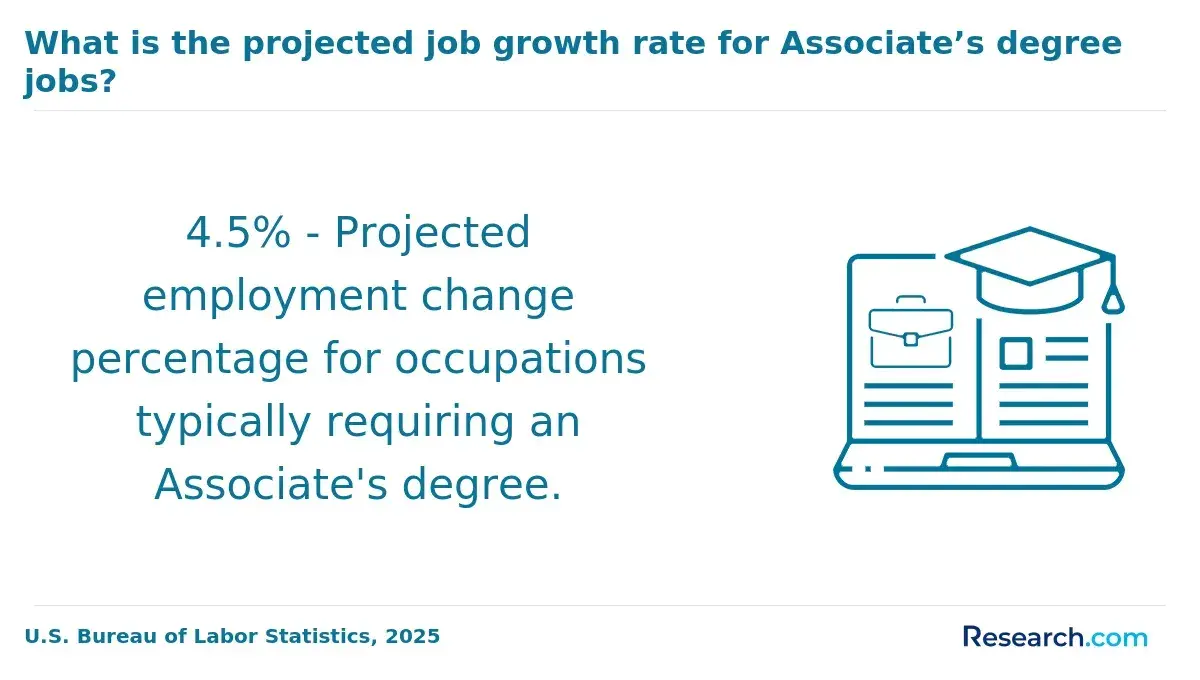
Industry growth plays a crucial role when evaluating long-term career prospects for Pediatric Nurse Practitioners, as expanding sectors often offer greater job stability, advancement potential, and diversified opportunities. Identifying which fields are growing fastest helps graduates target their education and experience toward settings where demand-and potentially compensation-are strongest. However, growth can vary by location, specialization, and institutional priorities, making informed decisions essential. The following industries reflect the most promising paths for Pediatric Nurse Practitioner employment according to recent projections from the U.S. Bureau of Labor Statistics and other authoritative sources.
- Ambulatory healthcare services: This sector, including pediatric clinics and urgent care centers, is expanding rapidly, projected to grow around 45% over the next decade. The shift toward outpatient management of chronic conditions and accessible care drives consistent hiring. Pediatric Nurse Practitioners in these roles often engage in preventive care and health education, benefiting from policies aimed at cost containment and patient-centered service delivery.
- Educational institutions: Schools and related health centers have increased hiring of Pediatric Nurse Practitioners to address mental health challenges, chronic disease management, and preventive care in children. Supported by government initiatives aimed at improving youth health outcomes, growth in this area falls between 20% and 30%, offering roles that blend healthcare with education and community outreach.
- Specialized hospitals and neonatology units: Although overall hospital growth is slower due to outpatient care advances, these specialized pediatric facilities continue to require advanced clinical skills for complex cases. Pediatric Nurse Practitioners here provide critical care in highly technical environments, and demand remains steady due to the ongoing need for specialized neonatal and pediatric expertise.
- Telehealth services: Representing one of the fastest emerging fields, telehealth-related roles for Pediatric Nurse Practitioners are expected to grow over 50%, driven by technological adoption and changing reimbursement models. Practitioners deliver remote consultations and health monitoring, expanding access for underserved populations and adapting to evolving healthcare delivery frameworks.
A recent graduate wrestled with whether to accept a position in a suburban pediatric clinic or a telehealth startup. The clinic promised a stable environment with in-person patient interaction, while the telehealth option offered rapid growth potential but less predictable hours and a steep learning curve with new technologies. Ultimately, the graduate chose telehealth, drawn by the opportunity to shape emerging care models and serve rural families lacking local pediatric specialists. The decision involved weighing financial security against professional autonomy, illustrating how understanding industry growth factors informs real-world career choices.
Which Employers Commonly Recruit Pediatric Nurse Practitioner Graduates?
Recognizing which employer types frequently hire pediatric nurse practitioner graduates allows students to tailor their studies, clinical experiences, and job searches toward organizations with strong, sustained demand. Hiring patterns depend heavily on specialization, geographic region, and the evolving needs within various healthcare sectors. For instance, students aiming to work in urban hospitals versus rural outpatient clinics may prioritize different skill sets and internships. Understanding where the most consistent employment opportunities lie helps graduates navigate the competitive job market more strategically. The following list highlights key employer categories that regularly recruit pediatric nurse practitioners based on the latest workforce data from 2024.
- Outpatient Care Centers: These facilities, including specialty clinics and urgent care sites, prioritize pediatric nurse practitioners for their proficiency in managing chronic conditions and providing preventive care. Their focus on accessible, community-based health positions pediatric nurse practitioners to support ongoing wellness visits and early intervention, making these centers stable employers in the pediatric care landscape.
- Hospitals with Pediatric Services: Children's hospitals and pediatric departments within larger hospital systems employ pediatric nurse practitioners to address both acute and complex chronic illnesses. These roles often require handling severe or multidisciplinary cases, offering practitioners experience in high-acuity environments that emphasize teamwork with other specialists.
- Private Pediatric and Family Practices: These smaller clinical settings seek pediatric nurse practitioners to alleviate physician caseloads and enhance patient access. They are well-suited for nurses interested in developing sustained patient relationships and delivering comprehensive outpatient care to families over time.
- Public Health and Educational Institutions: Emerging hiring trends show increased opportunities in organizations focused on community health education and preventive initiatives. Pediatric nurse practitioners in these roles contribute to broader child wellness efforts beyond direct clinical care, reflecting growing recognition of their expertise in population health management.
Which Skills Are Most In Demand Across Pediatric Nurse Practitioner Industries?
Across industries employing pediatric nurse practitioner graduates, certain skills retain consistent value because they underpin effective clinical work and adaptable collaboration in varied healthcare settings. These competencies transcend individual job descriptions, enabling practitioners to meet evolving patient and organizational demands. For example, a pediatric nurse practitioner transitioning from a hospital to a community health program leverages core diagnostic and communication skills while adjusting to different team dynamics and patient populations. Recognizing which abilities hold enduring demand helps students and recent graduates focus on areas that enhance employability regardless of sector shifts. Below are key skills employers repeatedly emphasize across pediatric nurse practitioner industries.
- Advanced Clinical Assessment: Foundational for nearly all pediatric nurse practitioner roles, strong assessment skills ensure accurate diagnosis and treatment planning. Students build this competency through hands-on clinical rotations and simulation labs, supporting success across outpatient clinics, hospitals, and specialty pediatric settings.
- Pediatric Pharmacology Expertise: Comprehensive knowledge of pediatric medication management reduces risks and improves therapeutic outcomes. Developing this skill during education and ongoing practice keeps graduates competitive as medication protocols evolve.
- Family-Centered Communication: This skill integrates empathy and cultural competence to engage diverse families effectively, crucial in multidisciplinary teams. Programs emphasizing role-playing and community-based training build this transferable asset, key to improving adherence and outcomes.
- Healthcare Technology Fluency: Proficiency with electronic health records, telehealth, and pediatric-specific software streamlines care delivery and expands access. Familiarity guides practitioners through digital health transformations impacting all industry sectors.
- Interprofessional Collaboration: The ability to work seamlessly with physicians, social workers, and educators supports integrated care models. Exposure to team-based clinical environments in training prepares nurse practitioners to excel in schools, hospitals, and community health.
- Mental Health Assessment and Management: With rising demand for comprehensive pediatric wellness, skills in behavioral health are increasingly valued. Gaining experience in mental health settings offers versatility in primary care and specialty roles.
- Chronic Condition and Preventive Care: Expertise in managing long-term pediatric conditions and emphasizing prevention enhances provider relevance in evolving healthcare landscapes. Practical experience in primary care settings sharpens this skill, which sustains employability across multiple pediatric nurse practitioner industries.
The U.S. Bureau of Labor Statistics highlights that over 70% of employer postings for pediatric nurse practitioners now explicitly require a combination of advanced clinical skills and strong interpersonal abilities, underscoring the importance of integrating both technical and transferable competencies. For students exploring related fields, pursuing an online degree in nutrition can complement pediatric nurse practitioner training by enhancing understanding of pediatric dietary needs, a valuable adjunct in holistic care delivery.
How Do Career Paths Differ Across Industries for Pediatric Nurse Practitioner Graduates?
Choosing an industry can shape a pediatric nurse practitioner graduate's career trajectory as significantly as selecting the degree itself. Different healthcare sectors prioritize varied skills, experiences, and career objectives, meaning that the pathways for growth and job roles often diverge. For instance, some fields emphasize clinical expertise and hierarchical advancement, while others reward versatility and broader public health engagement. Understanding these variations helps graduates target industries that align with both their professional ambitions and work-life preferences. Below are key distinctions in how career paths unfold across sectors for pediatric nurse practitioners.
- Employment Concentration and Stability: Outpatient care centers and pediatric clinics employ the largest share of pediatric nurse practitioners, offering relatively stable roles with incremental clinical advancement. Graduates eyeing consistent patient-focused responsibilities often find these environments conducive to continued growth without steep institutional hurdles.
- Salary and Advancement Structure: Hospitals generally provide salaries 15-20% above the median for pediatric nurse practitioners, reflecting more complex duties and leadership potential. However, promotion timelines can be longer due to institutional protocols and competition for limited senior positions such as unit managers or clinical directors.
- Role Diversity and Impact: Positions in school health and community organizations lean toward public health roles, including program development and policy advocacy. Although pay tends to start lower, these roles offer meaningful avenues for diversifying one's expertise and influencing child health beyond direct clinical care.
- Emerging Telehealth Opportunities: Telehealth has grown rapidly post-2020, providing flexible schedules and competitive pay models. Yet, typical upward mobility in clinical ranks is less clear, often requiring a shift toward program coordination or technology-focused roles to advance professionally.
- Job Satisfaction and Work Environment: Community health roles score higher on autonomy and job satisfaction despite slower wage growth, whereas hospital settings emphasize clinical hierarchy and structured promotion paths. Personal preference for independence versus structured career ladders heavily influences long-term contentment.
- Long-Term Career Mobility: According to 2024 data from the U.S. Bureau of Labor Statistics and the National Association of Pediatric Nurse Practitioners, career mobility varies widely: hospital-based pediatric nurse practitioners face competitive advancement but greater earning potential, while others may pivot into interdisciplinary public health leadership or telehealth innovation roles over time.
- Professional Specialization vs. Innovation: Graduates focused on clinical specialization and leadership typically gravitate toward hospitals, whereas those attracted to novel care models and flexible work arrangements often choose telehealth or community health sectors to foster innovative career paths.
How Do Industry Trends Affect Future Opportunities for Pediatric Nurse Practitioner Graduates?
Industry trends hold considerable sway over the career paths available to pediatric nurse practitioner graduates by reshaping employer needs, practice settings, and required competencies. As healthcare evolves, the demand in various sectors shifts accordingly, shaping where and how graduates can apply their skills. Understanding these developments enables students and recent graduates to align their training with emerging job markets. The following points summarize key trends set to influence pediatric nurse practitioner employment opportunities in the near future.
- Rapid Employment Growth: The U.S. Bureau of Labor Statistics projects a 45% growth in advanced nursing roles including pediatric nurse practitioners through 2034, well above the average for all occupations. This surge underscores rising demand driven largely by pediatric chronic disease management and preventive care, making these areas strategic targets for students seeking stable roles.
- Shift to Community Settings: While hospitals remain significant employers, there is increasing movement toward community-based clinics and specialty practices such as neonatal care and adolescent medicine. This expansion requires practitioners skilled in interdisciplinary collaboration and adaptable to different care models, encouraging students to diversify their clinical experiences.
- Telehealth Integration: Updated CMS policies in 2024 have broadened reimbursement for telehealth, significantly expanding virtual pediatric services. This trend is especially impactful for rural and underserved populations and necessitates proficiency with digital health technologies, positioning tech-savvy graduates for unique opportunities outside traditional clinical settings.
- Specialization and Salary Variation: Pediatric nurse practitioners working in hospitals generally receive higher compensation compared to those in outpatient or community health roles. Students should weigh financial expectations alongside personal interests in emerging areas such as school-based health centers or culturally specific wellness programs to optimize long-term satisfaction and earnings.
One recent graduate shared that after concluding their pediatric nurse practitioner program, they hesitated between accepting a higher-paying hospital position or joining a new telehealth initiative serving rural clinics. They ultimately chose the telehealth role, motivated by a desire to increase access to care for underserved children despite the lower initial salary. This decision reflected a nuanced understanding of industry trends and personal values, illustrating how emerging healthcare models can shape practical career decisions beyond traditional job offers.
How Can Students Prepare for High-Demand Pediatric Nurse Practitioner Industries?
Success in the pediatric nurse practitioner field hinges on targeted preparation that aligns with industry demands. The U.S. Bureau of Labor Statistics highlights practical clinical experience as a decisive factor in employability, with over 60% of hired graduates having completed internships or rotations in pediatric-specific settings. For students aiming to specialize in areas like pediatric oncology or neonatology, foundational skills must be complemented by strategic career choices. The following approaches help cultivate the competencies and professional network necessary to thrive amid growing demand.
- Targeted Clinical Experience: Prioritize internships and clinical rotations in pediatric primary care, hospitals, or community health centers. Hands-on exposure in real-world environments builds crucial skills and increases familiarity with child healthcare priorities, enhancing readiness for competitive roles.
- Advanced Certifications: Obtain credentials like Pediatric Advanced Life Support (PALS) or certifications in pediatric mental health and adolescent care. These qualifications differentiate candidates and prepare them for high-demand sectors such as urgent care and school-based health services.
- Interdisciplinary Training: Engage in academic programs emphasizing collaboration across pediatric specialties and evidence-based practice. This training is essential for fields expanding rapidly, like pediatric emergency care, where multifaceted skill sets drive effectiveness.
- Professional Networking: Join organizations such as the National Association of Pediatric Nurse Practitioners and participate in mentorship programs. These connections offer career guidance and access to exclusive job opportunities in thriving pediatric industries.
- Continuous Education: Stay updated on clinical advances and pediatric healthcare trends through ongoing training. Adaptability remains critical as treatment modalities and care technologies evolve swiftly.
- Career Planning with Realism: Understand how demand varies by subfield and geography. For example, a student focusing on rural community health may strategize differently than one pursuing pediatric oncology, aligning training and job searches accordingly.
- Complementary Degree Options: Consider a related exercise science degree online to broaden skill sets and increase versatility in pediatric wellness and rehabilitation roles.
How Do Different Pediatric Nurse Practitioner Degree Programs Prepare Students for Industry Careers?
Pediatric nurse practitioner degree programs vary significantly in how they prepare students for diverse healthcare industries. The most career-ready graduates often emerge from programs blending rigorous academics with extensive clinical practice, particularly in pediatric specialty units. According to a 2024 report by the National Organization of Nurse Practitioner Faculties, hands-on practicums in acute and chronic pediatric care correlate strongly with job readiness across hospitals, clinics, and community health settings. Selecting a program aligned with personal career goals and one that encourages practical experience outside the classroom is critical. Below are key factors students should consider when evaluating pediatric nurse practitioner degree curriculum for career readiness.
- Clinical Practicum Intensity: Programs vary in the volume and diversity of clinical hours. Those emphasizing immersive, high-stakes environments such as inpatient pediatric units or urgent care foster stronger acute care competencies sought by hospitals and specialty clinics.
- Curriculum Specialization: Some programs incorporate advanced courses in pediatric pharmacology and family-centered care strategies, better preparing graduates for roles requiring nuanced medication management and holistic patient engagement.
- Interprofessional Collaboration: Degree programs that train students in working with multidisciplinary teams and telehealth technologies align well with rapidly growing integrated care systems and telemedicine roles.
- Accreditation and Standards: Choosing programs accredited by the Commission on Collegiate Nursing Education (CCNE) or the Accreditation Commission for Education in Nursing (ACEN) ensures curriculum rigor and clinical diversity, enhancing employability across industries.
- Health Informatics Training: Exposure to health data management and informatics develops skills vital for leadership roles and administrative positions in public health agencies and nonprofits.
- Flexibility and Accessibility: Students should evaluate program formats, including options such as online RN programs for non nurses in Florida, which may suit career changers balancing work and study, though these require confirming clinical placement support.
- Focus on Industry Demand: Understanding employer expectations, including skills in chronic condition management and community-based care, helps tailor education toward sectors with the highest pediatric nurse practitioner demand and salary potential.
Which Industry Is the Best Fit for Your Pediatric Nurse Practitioner Career Goals?
The optimal industry for Pediatric Nurse Practitioner graduates varies widely based on individual priorities rather than any universal standard. Key factors include preferred work environment, long-term career advancement, specialization interests, earning expectations, work-life balance, and the type of impact a student aims to make. For instance, one graduate may prioritize hospitals for higher median salaries and diverse clinical exposure despite the stress and long hours, while another may choose outpatient clinics seeking regular hours and focused, preventive pediatric care. Both choices can satisfy different professional goals despite the same degree.
Students can refine their industry selection by thoroughly researching employer expectations, projected sector growth, required skill sets, available internships, and long-term career trajectories. According to 2024 surveys by the American Association of Nurse Practitioners and data from the U.S. Bureau of Labor Statistics, considerations such as job stability, benefits, and opportunity for specialization often outweigh salary alone. Aligning personal strengths and interests with these factors typically leads to more sustainable career satisfaction than simply pursuing the highest-paying or fastest-growing sectors. Successful Pediatric Nurse Practitioner careers emerge across many industries when choices reflect this strategic matching of goals and opportunities.
References
- Highest Paid Nurse Practitioner Specialties https://practiceseeker.com/resources/highest-paid-nurse-practitioner-specialties
- How to Become a Pediatric Nurse - Career Guide https://nursinglicensemap.com/nursing-specialties/registered-nurse/pediatric-nurse/
- Are You Considering a Career as a Pediatric Nurse Practitioner? https://www.aanp.org/news-feed/are-you-considering-a-career-as-a-pediatric-nurse-practitioner
- Pediatric Nursing Specializations: Career Paths & Salaries | Prolink https://prolinkworks.com/perspectives/pediatric-nursing-specializations-career-paths-salaries-and-work-environments
- What does a Pediatric Nurse Practitioner (PNP) do? Career Overview, Roles, Jobs | Sigma https://jobs.sigmanursing.org/career/pediatric-nurse-practitioner-pnp
- 46 NP - Pediatrics jobs https://comphealth.com/jobs/nurse-practitioner/nurse-practitioner-pediatrics
- Pediatrics APP Salary 2026: NP and PA Pay, Hourly Rates, and Locum Income https://www.bartonassociates.com/pediatric-app-salary-guide/
- How To Become a Pediatric Nurse Practitioner | Betternurse.org https://betternurse.org/pediatric-nurse-practitioner/
- Career Outlook: Pediatric Nurse https://www.angelesinstitute.edu/nightingale/career-outlook-pediatric-nurse
- The Pediatric Nurse Practitioner Shortage | Houston Christian University https://hc.edu/articles/pediatric-nurse-practitioner-shortage-career-opportunities/
Other Things You Should Know About Pediatric Nurse Practitioner
Hospital environments typically demand longer shifts, frequent on-call duties, and exposure to high-acuity cases that can increase stress and burnout risk. Outpatient and primary care settings often provide more regular hours and lower immediate acuity, which may lead to better work-life balance but possibly lower patient complexity. Graduates prioritizing sustainable schedules and gradual skill development might favor outpatient roles, while those seeking rapid clinical growth should consider hospital roles despite the workload tradeoffs.
Industries vary widely in their expectations for clinical autonomy. In some outpatient or specialty clinics, pediatric nurse practitioners may practice with significant independence, shaping care plans directly and managing patient panels. Conversely, institutions like hospitals or academic settings may impose stricter protocols and closer physician oversight. Graduates should assess their readiness and career objectives: greater autonomy can accelerate decision-making skills but may demand stronger confidence and responsibility from the outset.
Diverse industry settings offer different trajectories for specialization and advancement. For instance, working in pediatric endocrinology clinics or rehabilitation centers allows focused practice, leading to niche expertise. In contrast, general pediatric practice in community settings supports broader skillsets but may limit specialized pathways. Graduates aiming for particular subspecialties should seek employers that provide relevant caseloads and mentorship, whereas those valuing diversity might prioritize generalist roles.
Support structures, such as orientation programs, continuing education funding, and access to mentors, vary considerably and influence early career success. Industries with robust investment in new graduate development foster faster competence and job retention. Graduates should prioritize employers that offer structured onboarding and ongoing training, as this can mitigate skill gaps and ease the transition from student to independent practitioner, impacting long-term satisfaction and performance.