2027 Organizational Leadership Job Market Report: Open Roles, Salary Bands, and Hiring Momentum

Co-Founder and Chief Data Scientist
Labor market patterns within the organizational leadership field increasingly reflect shifting employer priorities shaped by technological adoption and evolving credential expectations. Open roles and salary bands signal more than workforce demand; they highlight areas where skill shortages coincide with organizational restructuring and changing industry investment cycles.
For instance, 2024 data from the Bureau of Labor Statistics suggest that leadership occupations are undergoing transformation amid a growing emphasis on digital fluency and cross-functional management. These dynamics produce uneven geographic concentration of opportunities and influence wage trajectories beyond conventional inflation adjustments. Analyzing hiring momentum in this context reveals underlying pressures affecting talent pipelines and professional evolution.
This report examines open roles, salary ranges, and hiring trends within organizational leadership as manifestations of broader labor conditions. It aims to clarify how workforce demographics and credential inflation impact recruitment patterns differently than in other sectors.
The age distribution of leadership program enrollees, often skewed toward mid-career professionals, may indicate intensifying pathways for skill respecialization rather than traditional entry-level growth, offering insights into future workforce needs and education accessibility within the field.
Key Things to Know About Organizational Leadership Job Market
- Open roles in organizational leadership are increasingly specialized, demanding cross-disciplinary skills; this narrows candidate pools and requires tailored career strategies beyond generic leadership credentials.
- Salary growth in the field lags broader management trends, signaling employer caution and emphasizing negotiation skills and demonstrated impact over relying solely on degree credentials.
- Recent hiring momentum data show cyclical fluctuations affected by economic shifts, meaning timing educational investment is crucial to avoid periods of limited opportunity and maximize return on effort.
- Key Things to Know About Organizational Leadership Job Market Key Things to Know About Organizational Leadership Job Market
- How Strong Is Demand for Organizational Leadership Graduates in Today's Job Market? Demand for Graduates
- Which Organizational Leadership Careers Have the Most Open Job Opportunities? In-Demand Careers
- What Salary Bands Are Employers Offering Across Organizational Leadership Careers? Offered Salary Bands
- Which Industries Are Hiring the Most Organizational Leadership Graduates? Top-Hiring Industries
- How Does Hiring Demand Vary by State, Region, and City? Hiring Demand by Location
- What Skills Are Employers Prioritizing in Organizational Leadership Job Postings? In-Demand Skills
- Which Certifications Increase Employability and Salary Potential? High-Value Certifications
- How Do Remote and Hybrid Opportunities Affect the Organizational Leadership Job Market? How Do Remote and Hybrid Opportunities Affect the Organizational Leadership Job Market?
- Which Organizational Leadership Careers Show the Strongest Long-Term Hiring Momentum? Strongest Careers
- How Can Students Use Job Market Data to Make Better Career Decisions? How Can Students Use Job Market Data to Make Better Career Decisions?
How Strong Is Demand for Organizational Leadership Graduates in Today's Job Market?
Demand for organizational leadership graduates in the US shows moderate but steady growth, with the U.S. Bureau of Labor Statistics projecting a 5% increase in management roles by 2032. LinkedIn's 2024 Workforce Report underscores rising employer preference for candidates who combine leadership skills with emotional intelligence, signaling a shift toward more holistic hiring criteria.
Despite this growth, entry into organizational leadership positions remains competitive, particularly for recent graduates lacking cross-functional experience or industry internships. This trend reflects broader hiring dynamics where measurable impact and strategic contributions are highly valued from day one, influencing hiring momentum across sectors.
The increasing complexity of organizational environments and expanding sectors such as healthcare administration, nonprofit management, and corporate strategy drive demand for leadership competencies. Technological advancements and workplace transformations require leaders who can navigate change and foster effective team dynamics in diverse settings, particularly in larger metropolitan labor markets.
Regional economic shifts also affect opportunity distribution, with urban centers concentrating more leadership openings. These factors combine with skill shortages that emphasize the importance of soft skills alongside technical know-how, reshaping who employers target and how candidates must position themselves.
For students considering organizational leadership degrees, these labor market signals imply the need to align academic credentials with practical experience and networking efforts. Given that such degrees often serve as one element within broader career portfolios, candidates should actively seek experiential learning and industry certifications to remain competitive.
Awareness of emerging roles and long-term stability requires interpreting demand beyond immediate job availability, including readiness for evolving leadership challenges. Resources like quickest online degrees may offer insights into accelerated pathways that complement leadership education with market-relevant skills and credentials.
Which Organizational Leadership Careers Have the Most Open Job Opportunities?
Open job opportunities within organizational leadership careers reflect broader shifts in industry growth, evolving employer demands, and acute skills shortages. Rather than isolated listings, these openings signal where businesses actively seek leadership talent capable of managing complexity, technological integration, and cross-functional collaboration.
Industries with rapid expansion or transformation-such as healthcare, technology, and professional services-drive much of this demand, emphasizing roles that balance operational oversight with strategic agility. Understanding this distribution helps clarify which leadership paths offer not only volume but alignment with current market realities.
- Project Managers: Project management roles continue to top hiring charts due to their central role in driving complex initiatives amid shifting market conditions. Employers prioritize candidates who combine technical proficiency in agile methodologies with strong stakeholder communication skills. Healthcare, technology, and construction sectors especially contribute to sustained openings, as organizations require leaders able to deliver projects on time and within scope amid evolving regulatory and innovation environments.
- Operations Managers: Rising demand for operations managers correlates with enterprises seeking efficiency gains in distributed and hybrid work models. Those with experience in data-driven decision-making, process optimization, and team coordination lead recruitment efforts. Organizations within manufacturing, logistics, and service delivery industries frequently recruit operations managers to enhance competitive agility and cost control.
- Human Resources Managers: As competition for talent intensifies across sectors, HR managers are crucial in developing workforce strategies that integrate diversity, retention, and employee engagement. Positions in this area see growth reflecting employers' need for leaders adept in navigating organizational change, particularly in professional services and healthcare systems adapting to regulatory and cultural shifts.
- Change Management Specialists: The digital transformation wave continues to fuel openings for change management experts who facilitate adaptation to new technologies and business processes. Their strategic focus on minimizing disruption while driving adoption places them in high demand, notably within tech firms and large corporate environments undergoing continual operational transitions.
- Program Managers: These roles attract attention for managing multiple interrelated projects, supporting broader strategic objectives. Program managers' skill sets in aligning cross-functional teams and leveraging analytics to track performance resonate strongly in industries like technology and government contracting, where oversight of complex portfolios is critical.
- Healthcare Administrators: Growing patient populations and regulatory complexities drive hiring for leadership adept at balancing clinical, financial, and compliance priorities. Healthcare administrators' skill in managing multidisciplinary teams and regulatory frameworks underpins their demand, especially in hospital systems and outpatient care networks expanding services.
- Organizational Development Managers: Increasingly, businesses seek leadership roles focused on cultivating culture, leadership pipelines, and continuous improvement. Organizational development professionals who can measure and influence change impact are highly sought after in professional services and tech industries prioritizing long-term workforce agility.
A 2024 Glassdoor analysis indicates the prominence of project management-related openings, underscoring their status as some of the most accessible entry points for leadership aspirants. For those evaluating options against real-world outcomes, understanding these hiring patterns within organizational leadership careers with highest job openings guides more informed decisions about skill development and sector focus.
Early-career professionals should weigh the demand for cross-functional leadership and data-driven results when mapping career trajectories.
Job seekers exploring leadership pathways might also consider educational investments aligned with evolving employer needs, such as programs emphasizing practical leadership, technological fluency, and change management. For candidates balancing cost and career impact, evaluating options like the cheapest executive MBA online may offer meaningful returns without excessive financial burden.
What Salary Bands Are Employers Offering Across Organizational Leadership Careers?
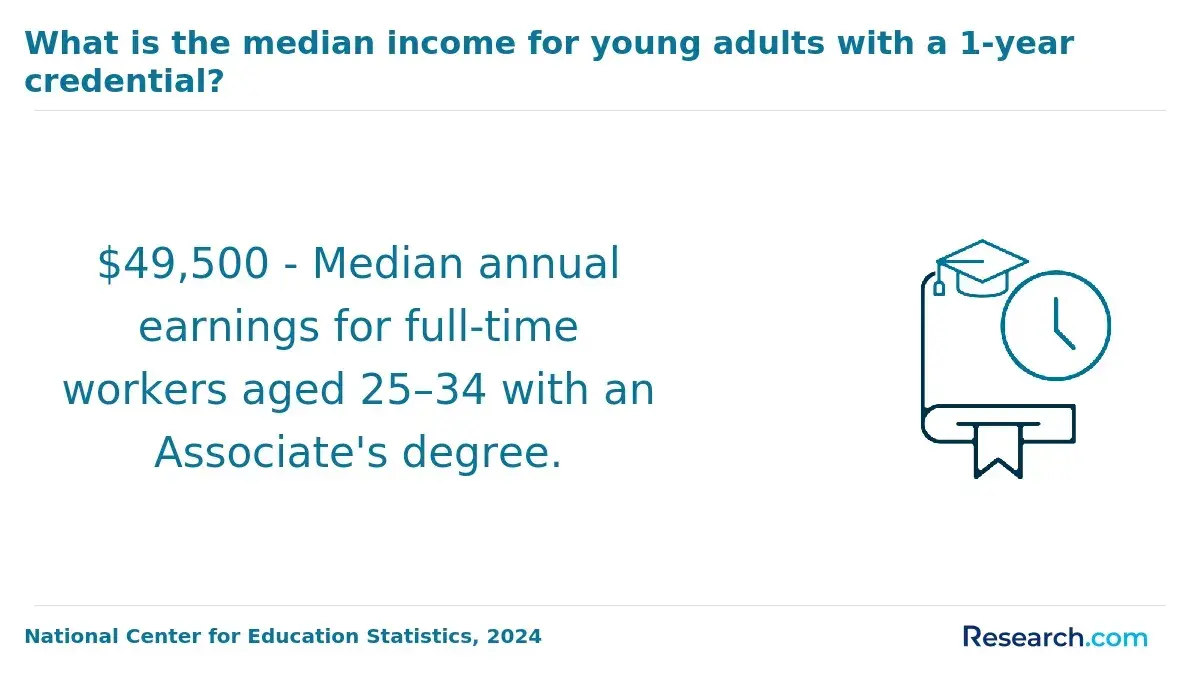
Current 2024 labor market data from the U.S. Bureau of Labor Statistics and LinkedIn Salary Insights show that salary bands in organizational leadership reflect distinct experience tiers and evolving role complexity. Entry-level positions, often suitable for recent graduates or those with limited management exposure, typically offer annual wages between $55,000 and $75,000, focusing more on potential and foundational skills than extensive oversight.
Those with several years of demonstrated leadership and strategic influence can expect mid-level roles paying between $85,000 and $120,000, where responsibilities expand to team management and cross-departmental coordination.
Senior leadership, including titles such as director or chief operations officer, frequently commands compensation ranging from $130,000 to over $200,000 annually, with packages that may integrate performance bonuses reflecting broader organizational impact and accountability.
Wage disparities stem from multiple forces: industry sector is pivotal, as finance and tech firms often outbid nonprofits and government agencies due to capital availability and competitive talent markets. Geographic location also plays a critical role, with urban centers and regions with high living costs driving salary premiums that may not translate to smaller markets.
Employers place significant value on specialization, particularly candidates skilled in data-informed decision-making, change management, and cross-functional collaboration, which remain scarce and highly sought after.
Company size likewise affects compensation depth, with larger organizations offering more layered pay structures and incentive opportunities than smaller entities. These factors collectively shape how organizations allocate salary ranges, balancing skill demands, economic conditions, and internal hierarchy to attract and retain leaders capable of navigating complex operational landscapes.
One graduate recalled waiting anxiously during the program's rolling admissions process, uncertain if applying early would help secure a spot amid rising demand. "Every week felt like a gamble," they said, describing how shifting priorities meant timing their application to align with funding cycles and advisor availability was almost as critical as preparing their academic credentials.
This wait-and-see approach introduced unexpected stress, underscoring that beyond grades and experience, understanding institutional timelines can influence entry into organizational leadership pathways and subsequently affect early salary positioning.
Which Industries Are Hiring the Most Organizational Leadership Graduates?
Hiring demand for organizational leadership graduates is particularly concentrated in sectors navigating digital transformation, expanding workforces, or facing critical skill gaps. These economic shifts reflect the need for adaptable leaders who can manage complex change, regulatory challenges, and cross-functional coordination.
Rather than isolated recruitment spikes, industry-specific dynamics-such as innovation pressures and evolving governance models-are driving sustained demand for leadership talent.
- Healthcare: The sector's ongoing restructuring towards value-based care and patient-centered models is intensifying the need for leadership that improves efficiency and staff engagement. With over 30% of leadership job openings attributable to healthcare systems undergoing operational transformation, employers prioritize skills like strategic resource allocation, interdisciplinary collaboration, and change management.
- Technology: Rapid scaling and constant innovation demand leaders who can guide teams through fast-paced projects and organizational shifts. Tech firms increasingly seek graduates fluent in project leadership, agile methodologies, and strategic planning, with a 15% year-over-year rise in leadership role postings underscoring this trend.
- Finance: Complex regulatory landscapes and heightened compliance pressures create a premium on leaders capable of navigating risk while maintaining competitive positioning. Roughly one-fifth of new organizational leadership hires enter finance annually, where critical thinking, regulatory literacy, and strategic foresight are vital competencies.
- Nonprofit: The sector's growth and diversification, coupled with increased donor accountability and partnership networks, elevate demand for managers adept at program development and stakeholder engagement. Demand for skilled organizational leadership in nonprofits rose by 12% recently, reflecting a broader need for leaders who can balance mission focus with operational rigor.
How Does Hiring Demand Vary by State, Region, and City?
Hiring demand for organizational leadership varies widely across states and larger regions. States like California, Texas, and New York demonstrate elevated demand reflecting their large, multifaceted economies and concentrations of corporate headquarters, nonprofits, and public sector agencies. This demand is documented in labor market analyses from sources such as the U.S. Bureau of Labor Statistics and regional reports.
These states offer a volume of leadership roles that corresponds with their complex, dynamic economic ecosystems. By contrast, Midwestern and Southern states are experiencing noticeable growth in organizational leadership job demand. This growth is driven primarily by expanding manufacturing, healthcare, and education sectors seeking practical leadership skills tailored to local community needs.
These regional hiring trends for organizational leadership roles highlight important tradeoffs between opportunity volume and factors such as cost of living and industry specialization that affect long-term career alignment.
At the city level, hiring intensity and compensation for organizational leadership roles often reflect localized industry clusters and urban economic infrastructure. Metropolitan hubs like the San Francisco Bay Area and Manhattan command premium pay owing to their tech, finance, and advanced services ecosystems, which foster competitive employer landscapes and require leaders versed in managing complex organizations.
Secondary metros such as Chicago, Atlanta, and Dallas show steady growth influenced by healthcare, education, and manufacturing clusters, where demand balances moderate salary gains with lower costs of living and solid talent pipelines.
Variations among cities also stem from differing nonprofit versus private sector densities and infrastructure factors that influence organizational leadership employability. For individuals evaluating educational pathways, options like the online hospitality management course exemplify the kind of specialized training increasingly aligned with sector-specific regional demands in leadership roles.
What Skills Are Employers Prioritizing in Organizational Leadership Job Postings?
Employer expectations for organizational leadership roles in 2024 reflect the profound impact of technological advancement, automation, and evolving industry demands. These forces require candidates to possess a multifaceted skill set that bridges technical knowledge with nuanced interpersonal capabilities.
Adaptability to interdisciplinary challenges is increasingly critical, signaling that proficiency in isolated skills is insufficient to meet workforce needs. The following competencies illustrate how hiring criteria are shifting in response to these trends.
- Strategic Thinking and Complex Problem-Solving: This remains the cornerstone of leadership roles, as employers seek professionals capable of analyzing multifaceted challenges and steering organizations through uncertainty. With 78% of job ads emphasizing this ability, it reflects a need to integrate predictive insights and long-term planning amid rapid industry transformation.
- Effective Communication and Conflict Management: Nearly 85% of listings cite this skill, underscoring its role in facilitating collaboration across diverse teams and stakeholders. Mastery of communication not only supports operational alignment but also mitigates friction during change initiatives, a growing workplace reality.
- Adaptability to Change and Innovation Leadership: As digital disruption accelerates, leaders must champion innovation while managing transitions. Employers increasingly associate these skills with resilience and the capacity to guide agile, forward-thinking cultures, responding to dynamic market demands.
- Technological and Digital Literacy: With about 65% of postings requiring fluency in analytics tools and digital platforms, technological competence is no longer peripheral. Leaders are expected to leverage data-driven insights to optimize decision-making and foster integration between human and automated processes.
- Emotional Intelligence and Interpersonal Skills: Beyond technical proficiencies, high emotional intelligence enables leaders to cultivate trust, motivate teams, and sustain productivity. Surveys consistently place EI at the forefront of leadership effectiveness, linking it to lower turnover and enhanced organizational cohesion.
These prioritized skills illuminate the labor market realities where organizational leadership demands both quantitative analysis and qualitative judgment. Candidates demonstrating this balance are positioned not only to secure roles but to advance in environments characterized by complexity, digitization, and ongoing change.
Employer Confidence in Online vs. In-Person Degree Skills, Global 2024

Which Certifications Increase Employability and Salary Potential?
Certifications in the organizational leadership field act as crucial indicators of specialized capabilities, technical proficiency, and practical readiness for complex leadership roles. These credentials strategically complement formal education by validating relevant skills that employers prioritize, enhancing a candidate's competitiveness amid shifting industry demands.
Rather than serving as mere formalities, certifications signal alignment with current organizational priorities such as project execution, change management, and operational efficiency, directly influencing hiring decisions and salary offers.
- Project Management Professional (PMP): This certification is widely regarded due to its rigorous demonstration of managing projects under stringent deadlines and budget constraints. PMP holders are often seen as reliable leaders who can deliver results, addressing widespread employer concerns around efficiency and risk mitigation. Data from the U.S. Bureau of Labor Statistics shows PMP-certified leaders command salaries up to 20% higher than their uncertified counterparts, reflecting its strong labor market value.
- Certified Manager (CM): Valued for its broad scope, the CM credential validates comprehensive leadership and organizational skills across industries. Its practical appeal lies in fostering fast-tracked hiring, with research indicating CM holders are 15-18% more likely to secure leadership positions within a year. Employers view this certification as evidence of versatile management expertise and readiness to handle diverse operational challenges.
- Change Management Certifications (Prosci, ACMP): With organizational agility increasingly critical, certifications focused on change leadership address recognized skill shortages in guiding transitions and transformation initiatives. Practitioners with these credentials typically see salary premiums around 12%, underscoring demand for leaders adept at navigating uncertainty and driving strategic shifts.
One graduate in organizational leadership recounted navigating the admissions cycle amid rolling deadlines, where timing certification decisions felt pivotal. After completing the CM certification midway through the application process, the added credential unexpectedly accelerated interview invitations and employer engagement, alleviating earlier doubts about competitive fit.
This experience highlighted how well-timed, relevant certifications can alter candidacy trajectories-not only by boosting perceived qualifications but also by providing tangible evidence of expertise exactly when employers evaluate leadership potential.
How Do Remote and Hybrid Opportunities Affect the Organizational Leadership Job Market?
Remote and hybrid work arrangements are actively reshaping hiring trends within organizational leadership roles, with 2024 labor market analytics revealing distinct shifts in talent acquisition strategies. Employers increasingly prioritize candidates capable of managing virtual teams and sustaining productivity without traditional oversight, emphasizing digital communication and technology proficiency.
Hybrid models demonstrate stronger retention of leadership personnel by balancing flexibility with necessary on-site interactions, while purely remote roles often come with compensation packages blending modestly lower base salaries and enhanced benefits.
These evolving expectations reflect the broader shift toward decentralized leadership structures seen across many industries adapting to post-pandemic workforce realities, which is a key factor defining organizational leadership remote work trends in the United States.
The expansion of remote and hybrid opportunities is broadening geographic hiring pools beyond local or regional limitations, intensifying competition for top leadership talent while enabling access to diverse candidate backgrounds. This wider catchment area drives a normalization of salary bands across different regions, although some variance remains based on hybrid versus fully remote role requirements.
Employers now expect leaders to demonstrate cultural adaptability and sophisticated skills in virtual collaboration and conflict resolution, influencing labor market dynamics profoundly.
As these trends solidify, organizational leadership careers will increasingly reward digital fluency alongside traditional management capabilities. For those considering long-term career paths in leadership, navigating these changes is crucial, much like understanding what can you do with an environmental science major is vital for specific fields navigating workforce shifts.
Which Organizational Leadership Careers Show the Strongest Long-Term Hiring Momentum?
Long-term hiring momentum in organizational leadership careers is shaped by deep structural shifts rather than transient job market fluctuations. These shifts include accelerating digital transformation, evolving regulatory environments, and persistent skill shortages in business analytics and change management.
Such enduring economic and technological trends create sustained demand for leaders who combine strategic foresight with operational agility, positioning certain roles as critical levers for organizational success over the coming decade.
- Project and Program Managers remain in steady demand due to their ability to lead initiatives that integrate agile and hybrid methodologies. As organizations continue adapting to rapidly changing markets, these professionals facilitate cross-functional collaboration and iterative development, reinforcing their role as essential drivers of innovation and efficiency.
- Human Resources Leadership specializing in talent development and culture management is increasingly vital amidst ongoing workforce transformations. The rise of remote work and diversity initiatives underlines HR leaders' key role in shaping resilient organizational cultures equipped to support evolving employee expectations and regulatory requirements.
- Operations Managers focused on process optimization and technology integration maintain strong hiring momentum by improving productivity and cost efficiency. Their expertise in leveraging automation and data analytics aligns with broader trends toward digitization and sustainable business practices.
- Change Management Consultants are critical partners in guiding organizations through digital transformation and restructuring efforts. Demand persists due to the complex interplay of technology adoption, compliance, and workforce adaptation, which requires nuanced leadership and communication skills.
According to the U.S. Bureau of Labor Statistics (2024), employment for management occupations, which encompass many organizational leadership roles, is projected to grow 8% from 2022 to 2032-surpassing the average growth rate for all occupations. This statistic highlights the structural demand underlying organizational leadership career growth trends in the United States and reflects durable hiring momentum worldwide.
Employers increasingly favor candidates with a blend of broad leadership competencies and technical skills, including data analytics and strategic decision-making, rather than relying solely on advanced degrees. Early-career professionals benefit from engaging in transformational projects and diverse team leadership to build adaptable skill sets.
For a grounded perspective on compensation data related to specialized roles within healthcare systems, resources such as how much does a child life specialist make can offer relevant salary insights in adjoining leadership-adjacent fields.
How Can Students Use Job Market Data to Make Better Career Decisions?
Students can leverage job market data from 2024 labor reports, hiring platforms, and salary databases to evaluate demand, compensation, and growth potential within organizational leadership fields. These sources provide granular insights into which industries-such as healthcare administration or technology management-are experiencing hiring momentum, highlighting where strategic thinking, adaptability, and interpersonal skills are prized alongside formal credentials.
Salary band analysis helps clarify realistic earnings expectations at various career stages, enabling students to differentiate between entry-level roles with high growth potential and higher-paid but stagnant positions. Such data-driven assessments are essential to understanding how geographic trends and sector-specific shifts impact employment opportunities in organizational leadership.
Interpreting this data requires balancing immediate labor market signals against long-term career sustainability and personal fit. Students should weigh regional demand and skill alignment carefully, recognizing that overemphasis on short-term hiring spikes or salary peaks may compromise future stability or satisfaction.
Integrating labor market intelligence with individual career goals fosters more nuanced decisions about education investments and professional development. This approach highlights the risks of relying solely on data without accounting for evolving industry disruptions and the importance of cultivating complementary skills such as certifications and practicum experience to remain competitive within organizational leadership.
References
- Strategic Organizational Leadership Certification https://courses.msicertified.com/course/strategic-organizational-leadership-certification
- Leadership certificates | edX https://www.edx.org/certificates/leadership-certificates
- 5 Career Paths in Organizational Leadership https://www.jobconvo.com/blog/en/5-career-paths-organizational-leadership/
- Future Skills Centre • Centre des Compétences futures https://fsc-ccf.ca/projects/hybrid-work-models/
- Analysis of 301 Org Design and Organizational Development Jobs https://axialsearch.com/insights/organizational-development-jobs/
- Executive hiring search trends in North America: what HR leaders need to know for 2026 https://www.frazerjones.com/hiring-advice/executive-hiring-search-trends-in-north-america-what-hr-leaders-need-to-know/
- How to Stand Out in a Competitive Job Market https://www.nsls.org/blog/how-to-stand-out-in-a-competitive-job-market
- 5 Organizational Leadership Careers https://claremontlincoln.edu/news-blog/organizational-leadership-careers/
- Organizational Leadership Job and Salary Opportunities https://www.pointloma.edu/resources/business-leadership/organizational-leadership-job-salary-opportunities
- What Jobs Can I Get With a Degree in Organizational Leadership? | CSU Global https://csuglobal.edu/blog/what-jobs-can-you-get-bachelors-degree-organizational-leadership
Other Things You Should Know About Organizational Leadership
Employers in organizational leadership often expect demonstrated leadership capabilities, not just academic credentials. Candidates with limited management experience should prioritize roles that emphasize team collaboration or project coordination to build relevant skills before pursuing direct leadership positions.
This strategic stepping stone approach reduces the risk of early career mismatches and supports more sustainable career growth by aligning job responsibilities with actual experience.
Smaller organizations typically offer broader, hands-on leadership responsibilities but may come with less formalized mentorship and lower starting salaries. Larger corporations often provide structured career development and potentially higher salary bands, yet roles can be siloed with narrower responsibilities. Candidates should weigh their need for skill diversity and autonomy against stability and advancement clarity when choosing between these environments.
Immediate managerial roles demand greater operational responsibility and people management skills but often have clearer salary trajectories.
Strategic influence roles without direct reports may offer exposure to higher-level decision-making and cross-functional collaboration but can delay progression to formal leadership status. For early-career professionals, prioritizing managerial roles can build essential leadership experience faster, while those with some experience might benefit from strategic positions to develop broader influence.
Salary bands can tighten during periods of slower hiring momentum, making flexibility crucial. Candidates should consider compensating for lower upfront pay with roles offering stronger professional development or better long-term growth potential. Rigid salary expectations may limit access to promising positions that provide valuable leadership experience or industry exposure, which are essential for future salary advancement.