2027 Organizational Leadership ROI by Institution Type: Public vs Private vs Nonprofit Online Programs

Co-Founder and Chief Data Scientist
Organizational Leadership ROI shows a stark divergence by institution type, with public universities offering the lowest median debt-to-earnings ratio at 1.8:1 in 2024; this cost efficiency drives enrollment but may limit access to the exclusive executive networks often found in private sectors. Institutionally, private non-profit online programs command the highest tuition premiums, averaging $45,000 more than public counterparts, yet they frequently leverage alumni connections to secure faster promotions that justify the initial outlay for mid-career professionals. Graduate enrollment in public online programs has surged 22% since 2022, reflecting a shift toward affordable upskilling; however, the lower cost often correlates with fewer personalized mentorship opportunities, potentially slowing the pace of salary growth compared to graduates from elite private institutions that offer intensive networking despite the higher price tag.
This article examines the nuanced return on investment of public, private, and nonprofit online organizational leadership programs to help prospective students align costs, outcomes, and career impact.
Key Things to Know About Organizational Leadership ROI by Institution Type
- Public programs typically offer lower tuition but longer average completion times, increasing opportunity costs; this tradeoff affects working professionals weighing immediate income loss versus upfront affordability.
- Private institutions often leverage stronger alumni networks and brand recognition, influencing employer perceptions and career advancement opportunities yet demanding higher financial commitment and debt exposure.
- Nonprofit online programs emphasize flexible pacing and robust learner supports, reducing dropout risk; however, limited scalability can lead to variable graduation rates, affecting time-to-degree and ROI consistency.
- Key Things to Know About Organizational Leadership ROI by Institution Type Key Things to Know About Organizational Leadership ROI by Institution Type
- What Does ROI Mean for a Organizational Leadership Program and How Is It Measured? Understanding Organizational Leadership Program ROI
- How Do Public, Private, and Nonprofit Online Organizational Leadership Programs Differ in Overall Value? Value by Institution Type
- How Do Tuition Costs Affect the ROI of a Organizational Leadership Program Across Institution Types? Tuition Costs and ROI
- How Do Graduation Rates Influence Organizational Leadership Program ROI? Graduation Rates Impact ROI
- What Role Do Career Outcomes Play in the ROI of a Organizational Leadership Degree? Career Outcomes and ROI
- How Does Student Debt Impact the Long-Term ROI of a Organizational Leadership Program? Debt vs. Long-Term ROI
- How Do Flexibility and Adult Learner Support Affect Organizational Leadership Program Value? Flexibility and Program Value
- How Do Accreditation and Institutional Reputation Influence Organizational Leadership ROI? How Do Accreditation and Institutional Reputation Influence Organizational Leadership ROI?
- How Does Time-to-Degree Affect the ROI of Public, Private, and Nonprofit Organizational Leadership Programs? How Does Time-to-Degree Affect the ROI of Public, Private, and Nonprofit Organizational Leadership Programs?
- How Can You Choose the Best Organizational Leadership Program Based on Your ROI Goals? Choosing Programs by ROI
What Does ROI Mean for a Organizational Leadership Program and How Is It Measured?
ROI in an organizational leadership program must be assessed through a multifaceted lens that goes beyond tuition costs and salary benchmarks. For example, a working professional choosing between a public online program with lower tuition but a 65% graduation rate and a private institution with higher costs but more extensive career services must weigh how these factors affect time-to-degree and debt burden. Opportunity costs, including lost wages while studying, become critical when programs vary in length or intensity, especially for students balancing education with work. Measuring ROI requires a nuanced view that considers not only direct expenses but also completion likelihood and post-graduate career trajectories.
Decision-relevant ROI calculations must incorporate differences in institutional reputations, learner support, and long-term employability outcomes alongside financial metrics. Many employers value leadership programs that effectively develop skills and networks, so a lower sticker price does not always translate into the best career advancement or salary growth. Diverse student goals also shape ROI-whether minimizing debt or maximizing promotion potential-which means prospective students should analyze how graduation rates and debt levels interact with their personal circumstances. Using publicly available data and employment surveys can enhance these evaluations, exemplified by a growing trend toward transparent metrics like those found in affordable online MSW programs for cross-disciplinary comparison.
How Do Public, Private, and Nonprofit Online Organizational Leadership Programs Differ in Overall Value?
The overall value of public, private, and nonprofit online Organizational Leadership programs hinges on more than just sticker price, with differences in tuition, support services, and graduate outcomes shaping long-term return on investment. Public universities usually offer lower tuition, easing debt burdens for cost-conscious students, though this can sometimes come at the cost of less personalized career coaching or networking opportunities. Nonprofit programs often strike a balance by providing both affordability and more focused student support, while private institutions tend to justify their higher fees through stronger mentoring and employer connections, which correlate with early career earnings that can be 10-15% higher on average, according to data from the Brookings Institution in 2024. Flexibility also plays a crucial role; public programs typically allow for part-time study and transfers, suiting working professionals, but may have a wider variance in instructional quality compared to smaller nonprofit cohorts, where tailored instruction is more common.
Choosing between these options requires thoughtful consideration of one's professional stage, financial tolerance for debt, and desired career benefits. For example, a working adult switching into leadership roles might prioritize a nonprofit program that balances cost with quality support, whereas another may lean toward a public institution's affordability and flexible schedule despite potential tradeoffs in career placement. The reputational weight and accreditation of the institution also influence how employers evaluate credentials, impacting hiring and salary prospects. These factors combine to create nuanced tradeoffs among institutional types, where students with limited financial resources often benefit from public school affordability, while those seeking shorter-term wage gains might prioritize private or nonprofit offerings with stronger alumni and employer engagement.
One prospective student wrestled with this complex choice by comparing tuition rates, financial aid availability, and graduation outcomes across public, private, and nonprofit online Organizational Leadership programs. Concerned about incurring significant debt, the student initially favored a well-known private school for its prestige but hesitated due to high costs and uncertain return relative to expenses. After reviewing data on career support and early earnings from nonprofit programs, along with the flexible scheduling typical of public schools, the student ultimately selected a nonprofit option that offered personalized advising and a moderate tuition rate-aligning more closely with their financial goals and professional development needs while avoiding excessive debt and maintaining accreditation standards.
How Do Tuition Costs Affect the ROI of a Organizational Leadership Program Across Institution Types?
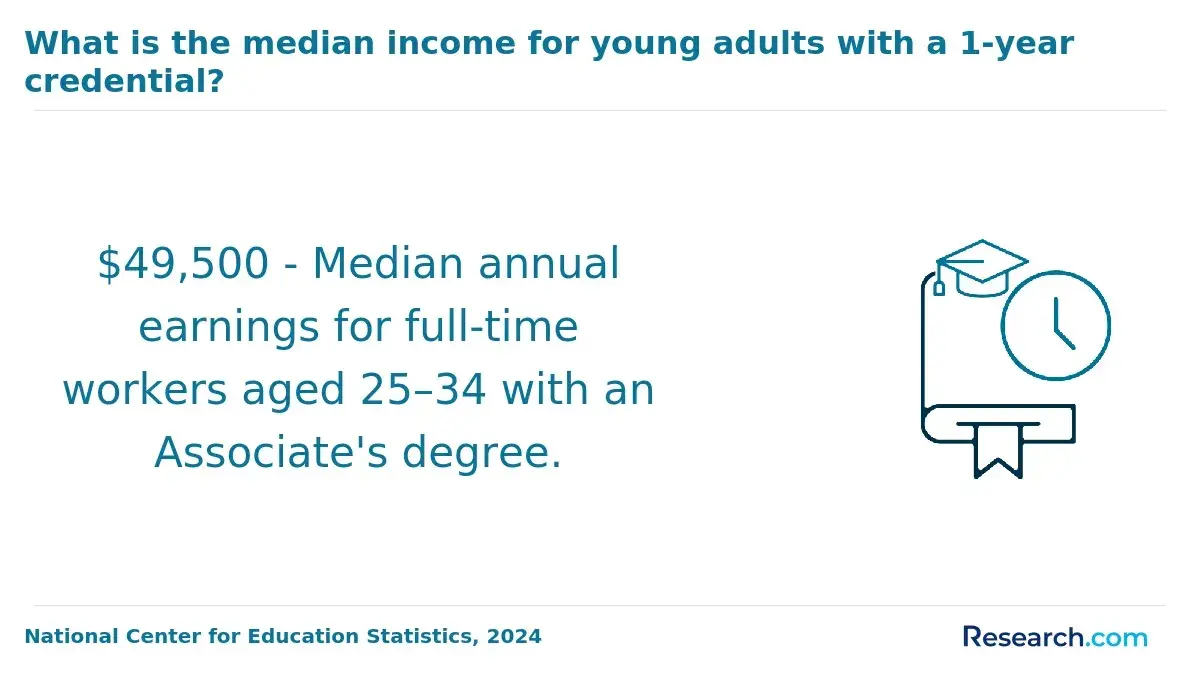
Tuition costs shape the tangible return on investment for organizational leadership programs, but lower sticker prices at public institutions do not inherently guarantee superior value. While public universities generally offer tuition between $10,000 and $20,000 for online master's programs, their true advantage often lies in accessible financial aid and higher completion rates, reducing the risk of wasted time and money. In contrast, private nonprofit programs, with tuition frequently exceeding $25,000, may justify the premium through targeted alumni networks and specialized curricula, yet this premium only translates into better ROI if graduates realize meaningful salary increases-a 2024 Education Trust report found such increases range from 15% to 25% for private nonprofit graduates, compared to 10% to 18% for public counterparts.
Debt burden and program flexibility further alter the investment calculus. Students from private nonprofits often incur greater borrowing, which can offset salary gains and prolong financial strain after graduation. Meanwhile, public institution learners typically face lighter debt loads and benefit from flexible pacing options designed for working adults, enabling quicker degree completion and entry into leadership roles. These dynamics emphasize that tuition cost must be weighed alongside completion likelihood and debt exposure; a lower-cost program with poor completion rates or inadequate support may cost more over the long term through lost earnings or extended debt repayment.
Choosing between public and private nonprofit online organizational leadership programs requires aligning cost with individual career objectives and financial realities. For professionals prioritizing affordability and efficient credential attainment, public schools frequently present a balanced option. However, for those whose goals include leveraging elite networks or deeply specialized content and who can absorb higher debt, private nonprofit programs may deliver worthwhile returns-though this relies on measurable job market benefits, not tuition alone.
How Do Graduation Rates Influence Organizational Leadership Program ROI?
Graduation rates significantly shape the return on investment for organizational leadership online programs by impacting both the timeframe to completion and the overall financial burden. According to the National Student Clearinghouse Research Center's 2024 data, public institutions exhibit a 6-year graduation rate near 55%, contrasted with about 65% at private nonprofit schools. This difference often reflects variations in academic support, student persistence, and learner demographics-public programs frequently serve working adults balancing multiple responsibilities, which can extend time-to-degree and influence debt accumulation. For cost-conscious adult learners, these factors directly affect how quickly they can leverage their degree into improved earnings and career opportunities.
While graduation rate is a useful indicator of institutional effectiveness, it alone does not capture all ROI dimensions. Programs with lower completion rates may offer greater flexibility or affordability that better accommodates part-time students or career changers. Students must weigh whether a slightly lower graduation rate from a public or nonprofit program might still deliver stronger long-term value through lower tuition or flexible pacing, especially when balancing work and study. A holistic assessment considering persistence challenges, support services, and costs provides a clearer picture than graduation statistics alone. For those exploring options, including examining the easiest online MSW program pathways can also offer insights into balancing accessibility with completion prospects.
What Role Do Career Outcomes Play in the ROI of a Organizational Leadership Degree?
Career outcomes decisively shape the ROI of organizational leadership degrees, particularly when analyzing public, private, and nonprofit online offerings through a practical lens. Data from the National Center for Education Statistics in 2024 reveals employment rates for graduates within six months of completion vary notably, with public programs leading at 82%, compared to 78% for private and 75% for nonprofit institutions. These differences suggest public institutions may offer stronger direct pathways to employment and regional employer networks, which can translate into faster job placement and reduced financial strain despite often lower tuition rates. For students facing significant debt or balancing work and study, the synergy between graduation timing, employability, and employer recognition often outweighs specialized program features offered by private or nonprofit options.
Beyond initial employment metrics, the tangible value of skills aligned to evolving industry needs-such as strategic management and change leadership-affects long-term ROI and career trajectory sustainability. While some private and nonprofit programs promote niche expertise, their actual impact on broad career mobility and employer recognition varies widely, emphasizing the importance of assessing professional networking opportunities and job market alignment. This interplay between degree cost, student debt, time-to-degree, and sustained career advancement requires prospective students to weigh realistic employment prospects against program price and institutional connections to avoid overestimating educational value based purely on tuition or specialization.
One organizational leadership graduate recalled weighing the decision to enroll online amid uncertainty about whether the degree would open doors beyond incremental pay raises. After completing the program through a public institution, they found themselves recommended for a mid-level management position within their current company-the credential carried weight with local employers, which accelerated internal promotion opportunities. Though initially skeptical about quantifying ROI strictly in dollars, the graduate recognized that extending responsibilities and enhanced leadership duties delivered a meaningful return that offset the financial and time investment.
How Does Student Debt Impact the Long-Term ROI of a Organizational Leadership Program?
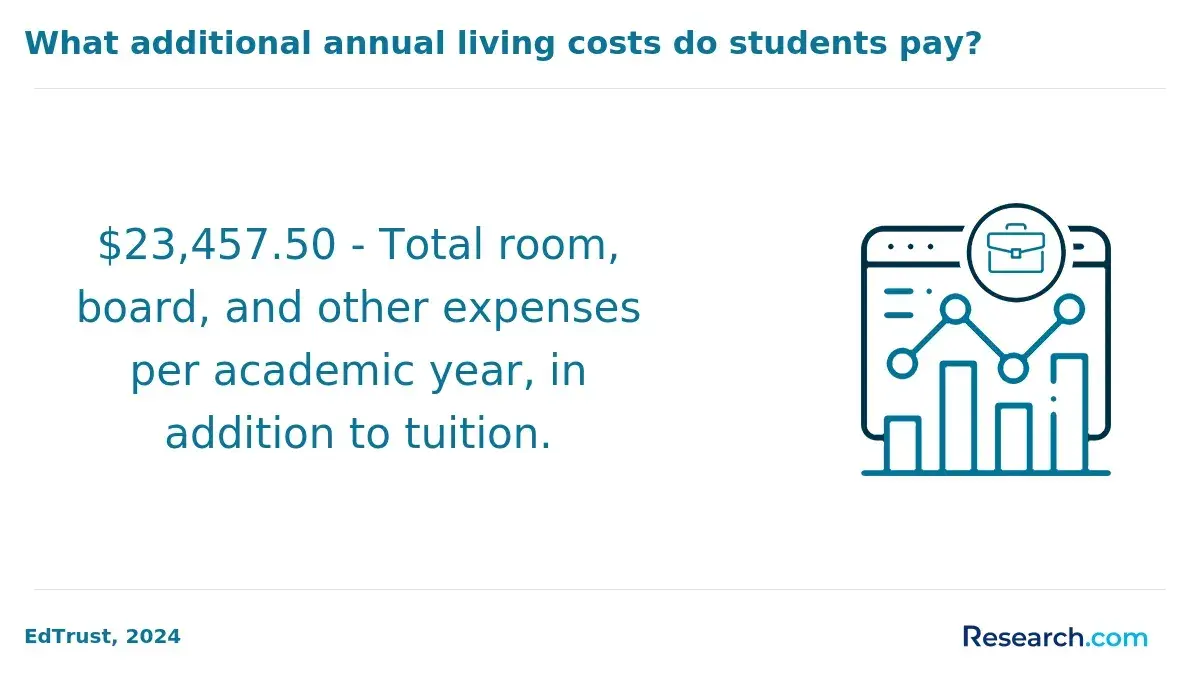
Debt levels significantly shape the long-term return on investment (ROI) of an organizational leadership program, particularly when weighing program costs against expected career growth. Students attending private online programs often graduate with debt exceeding $40,000, creating higher repayment burdens that may extend over many years without guaranteed salary improvements. In contrast, public institutions generally impose lower tuition and report stronger graduation rates, which help mitigate total borrowing and increase the chance that the credential translates to tangible workforce gains. This dynamic affects how working professionals balance upfront costs against long-term income potential and job market relevance.
The impact of graduate debt levels on online organizational leadership career growth hinges on several factors, including program completion, institutional quality, and employer perceptions. Lower graduation rates in some private programs raise the risk of repaying sizeable loans without securing equivalent salary benefits, whereas nonprofit providers often offer aid to moderate borrowing distorting ROI calculations. Moreover, employers value degrees differently based on origin and rigor, meaning that the debt-to-completion ratio should be analyzed alongside actual career outcomes. For learners evaluating options, understanding these nuances alongside financial aid resources is crucial to managing debt responsibly while targeting roles with competitive compensation.
For students comparing online leadership programs, practical decisions should integrate financial planning with realistic career benchmarks. Borrowers must assess how their debt load intersects with expected salary trajectories and personal repayment capacity. This evaluation becomes especially important for those prioritizing flexibility or exploring related fields like psychology, where accelerated degree options may provide alternative pathways. For insights tailored to degree comparisons and affordability, resources such as masters in psychology offer additional context relevant to those balancing educational quality, debt burden, and career advancement.
How Do Flexibility and Adult Learner Support Affect Organizational Leadership Program Value?
The interplay between flexible scheduling and targeted adult learner support critically shapes the return on investment for organizational leadership programs, especially for working adults balancing multiple commitments. Programs that incorporate asynchronous coursework and part-time options facilitate continued employment during study, thus reducing lost income and opportunity costs, as evidenced by a 2024 National Center for Education Statistics report showing a 15% higher retention rate in such structures compared to synchronous-only models. Yet, this flexibility often comes with tradeoffs: public institutions tend to offer these affordable, tech-accessible options but may provide less personalized advising, potentially prolonging degree completion and limiting immediate career impact.
Conversely, private and nonprofit providers frequently invest in robust academic advising, career counseling, and modular course designs aimed at expediting graduation and optimizing job-readiness, but these services carry higher tuition fees that can elevate debt burdens for cost-conscious students. Public programs' structured transfer pathways and military-friendly accommodations reduce credit loss and ease transitions for nontraditional learners, presenting a practical advantage for veterans and career changers prioritizing debt management. Ultimately, decision-makers must weigh the urgency of finishing with lower debt against longer-term outcomes linked to enhanced support; the choice between accessible affordability and intensive learner services profoundly influences persistence, time to degree, and employer-perceived value of credentials in leadership fields.
How Do Accreditation and Institutional Reputation Influence Organizational Leadership ROI?
Accreditation and institutional reputation play a decisive role in shaping the practical return on investment for organizational leadership programs, particularly when balancing tuition costs against career outcomes. Regional or programmatic accreditation often determines whether credits transfer easily or qualify for federal financial aid, which directly impacts debt levels and affordability. For instance, a 2024 report from the Council for Higher Education Accreditation shows that graduates from regionally accredited programs have a 12% higher employment rate within six months compared to those from nonaccredited institutions, reflecting employer preferences for recognized credentials. This makes accreditation an early filter for cost-conscious learners aiming to avoid sunk costs in credentials that may limit employability or further education.
Institutional reputation intersects with accreditation by influencing employer perceptions and networking opportunities, though its weight varies widely across sectors and regions. Public universities often leverage established brands and broad alumni networks, potentially easing entry into certain job markets, whereas some private and nonprofit programs may emphasize specialized curricula or leadership skills that appeal to niche employers. However, reputation alone does not guarantee higher salary or job stability; many less-known accredited programs offer robust student support services and retention rates that translate into comparable workforce readiness. For working professionals and career changers, evaluating this combination alongside program outcomes, support resources, and credit applicability is critical to maximizing ROI beyond initial sticker price or name recognition.
How Does Time-to-Degree Affect the ROI of Public, Private, and Nonprofit Organizational Leadership Programs?
Time-to-degree profoundly shapes the return on investment (ROI) for public, private, and nonprofit online organizational leadership programs by determining tuition exposure, debt accumulation, and the pace at which graduates enter or advance within the workforce. For example, a working professional enrolled part-time at a public institution may take an average of 3.5 years to finish, balancing income stability against extended educational costs. In contrast, private programs often deliver cohort-based formats that incentivize faster completion near 2.8 years but at higher tuition rates, presenting a tradeoff between upfront expenses and quicker workforce reentry. Nonprofit programs frequently offer accelerated options leveraging transfer credits to shorten time-to-degree to as little as 1.5 years, which can reduce total debt but might limit networking or depth of learning critical for leadership roles.
Considering the time-to-degree impact on organizational leadership program ROI means weighing more than cost alone. Part-time enrollment supports income continuity but prolongs completion, delaying promotions or raises. Programs with structured pacing and robust support generally yield higher graduation rates, vital for maximizing long-term career outcomes. Flexibility versus acceleration debates align with individual circumstances: some learners prioritize manageable workloads, while others seek rapid credentialing to capitalize on emerging job opportunities. Adult learners and career changers must also scrutinize transfer credit policies and program design to ensure efficiencies without undermining essential leadership competencies. For those researching related graduate paths, reviewing graphic design graduate programs illustrates how different pacing and program structures influence ROI across disciplines.
How Can You Choose the Best Organizational Leadership Program Based on Your ROI Goals?
Identifying the best organizational leadership program for return on investment depends less on institution type and more on how each factor aligns with individual priorities. Public online programs often minimize upfront costs and student debt due to lower tuition, but their typically lower graduation rates and less generous financial aid can extend time-to-degree and increase total expenses. Conversely, private and nonprofit programs frequently offer stronger support services and higher retention, potentially accelerating graduation; however, their higher tuition demands careful analysis of expected salary gains and possible aid. Students balancing work and family should weigh program flexibility and asynchronous course options, as maintaining employment during study can substantially influence net return.
Graduation rates, accreditation, and reputation also shape employer evaluations and career outcomes, directly affecting organizational leadership ROI. According to a 2024 survey by the Lumina Foundation, graduates of private nonprofit leadership programs experience a 12% higher median salary increase post-degree than public counterparts, a significant consideration for those prioritizing income growth. Yet starting salaries vary by region and sector, cautioning against assumptions that higher cost always equals better economic payoff. For candidates focused on minimizing debt and duration, public programs may offer practical advantages, while those seeking the highest salary boost might invest in private nonprofit options. Real-world success often hinges on these nuanced tradeoffs rather than institutional prestige alone.
Financial aid packages, program delivery models, and learner support systems interplay uniquely in each institutional type to influence ROI differently based on personal circumstance and career goals. Prospective students should integrate these dimensions when evaluating the best online organizational leadership programs for career advancement. For those curious about income expectations in law enforcement-related leadership roles, understanding comparative salary trajectories like the FBI criminal profiler salary can provide context for the broader labor market relevance of leadership credentials.
References
- Leadership Development Through Adult Learning https://hyperspace.mv/leadership-development-through-adult-learning/
- Measuring the Impact & ROI on Leadership Development – ROI Institute https://roiinstitute.net/roi-leadership/
- How to Measure the ROI of Leadership Training (And Prove Business Impact) - Aptitude Management Training Solutions https://aptitudemanagement.com/how-to-measure-the-roi-of-leadership-training-and-prove-business-impact/
- The Economics of Accreditation: Costs, Benefits, ROI - Course Accreditation https://course-accreditation.com/blog/the-economics-of-accreditation-costs-benefits-roi/
- Components of Adult Education: How to Support Adult Learners? https://moderncampus.com/blog/components-of-adult-education.html
- ROI of Leadership Development https://www.ddi.com/blog/roi-of-leadership-development
- 7 Ways to Get the Best ROI from Your People Development Budget — 3fold https://3foldpartners.com/insights/2024/12/12/roi
- 7 Key Differences Between Nonprofit and For-profit Organizations https://online.norwich.edu/online/about/resource-library/7-key-differences-between-nonprofit-and-profit-organizations
- 7 Adult Learning Strategies for Professional Development | Park University https://www.park.edu/blog/adult-learning-strategies-for-professional-development/
- Organizational Leadership: Fueling Growth in Nonprofits https://www.snu.edu/blog/organizational-leadership-fueling-growth-in-nonprofits
Other Things You Should Know About Organizational Leadership
Employer recognition tends to vary based on industry connections and networking opportunities tied to the institution type, rather than simply public, private, or nonprofit status. Public programs often benefit from regional reputation and state networks, which can aid job placement locally, while private programs may leverage brand recognition that appeals to certain sectors. Nonprofit institutions might emphasize mission-driven leadership, resonating better with organizations in social services or education. Prospective students should prioritize programs linked closely to their target employment sectors to maximize ROI, rather than assuming institutional type alone drives employer perception.
Yes, program design significantly affects ROI, particularly for those balancing work and studies. Public institutions often offer larger cohorts and semester-based pacing, which may limit scheduling flexibility but provide more standardized experiences. Private and nonprofit programs frequently incorporate accelerated or modular formats with more personalized support, potentially reducing time-to-completion and opportunity cost. However, these benefits must be weighed against higher tuition in private options. Working professionals should prioritize program structures that align realistically with their availability to avoid extended time-to-degree, which erodes ROI despite institutional prestige.
Transfer policies are a critical yet often overlooked factor influencing ROI in online organizational leadership programs. Public institutions typically have more transparent and generous credit transfer agreements within their state systems, potentially reducing time and cost to degree completion. Private and nonprofit schools may have stricter credit acceptance, which can extend program duration and increase expenses. For transfer students, prioritizing programs with explicit, flexible transfer credit guidelines enhances efficiency and keeps ROI intact, especially when prior coursework aligns with leadership competencies.
Long-term ROI hinges not only on degree completion but on meaningful career growth support, which varies by institution type. Public universities often provide extensive alumni networks and ongoing professional development tailored to regional markets, facilitating promotions and lateral moves. Private institutions may invest more in personal career coaching and connections to global employers, beneficial for those targeting leadership roles in competitive corporate sectors. Nonprofits might focus on leadership in mission-driven organizations with specialized networking events. Students should align program alumni services with their intended career trajectory to optimize ROI beyond graduation.