2027 Organizational Leadership Affordability by State: Where Students Pay the Most and Least

Co-Founder and Chief Data Scientist
Deciding between two organizational leadership programs-one in-state with moderate tuition but high living costs, the other out-of-state with lower tuition yet steep travel expenses-forces students to weigh total affordability beyond sticker price. Recent 2024 data from the National Center for Education Statistics shows that average out-of-state tuition can be over 2.5 times higher than in-state rates, but states with low tuition often have higher ancillary costs like housing and transportation.
This divergence influences student borrowing patterns and employment timing after graduation, impacting long-term financial stability. This article examines affordability variations across states to help students identify where organizational leadership degrees offer the best financial access.
Key Things to Know About Organizational Leadership Affordability by State
- States with lower published tuition often have higher total attendance costs due to elevated living expenses, complicating affordability assessments and disadvantaging students unable to relocate or study online.
- In-state versus out-of-state tuition gaps influence employer perceptions, as graduates from states with substantial subsidies may face skepticism regarding program rigor and industry preparedness.
- Recent shifts in state funding have tightened financial aid timing, pressuring students to choose programs with predictable out-of-pocket costs, affecting enrollment patterns and potentially increasing student borrowing for organizational leadership degrees.
- Key Things to Know About Organizational Leadership Affordability by State Key Things to Know About Organizational Leadership Affordability by State
- Which States Have the Most Affordable Organizational Leadership Degree Programs? Most Affordable State Programs
- Which States Have the Highest Organizational Leadership Degree Costs? Highest State Tuition Costs
- How Much Does an Organizational Leadership Degree Cost by State? Degree Costs by State
- Why Does Organizational Leadership Affordability Vary So Much Between States? State Affordability Variations
- How Do In-State and Out-of-State Tuition Rates Affect Organizational Leadership Affordability? In-State vs. Out-of-State Rates
- How Does the Cost of Living Impact Overall Organizational Leadership Affordability by State? Living Costs and Affordability
- Which States Offer the Best Value for an Organizational Leadership Degree? Best Value State Degrees
- What Financial Aid and Scholarship Opportunities Can Reduce Organizational Leadership Costs? What Financial Aid and Scholarship Opportunities Can Reduce Organizational Leadership Costs?
- Are Online Organizational Leadership Degree Programs More Affordable Than On-Campus Options? Are Online Organizational Leadership Degree Programs More Affordable Than On-Campus Options?
- Is an Organizational Leadership Degree Worth the Cost Based on Career Outcomes and ROI? Degree ROI and Outcomes
Which States Have the Most Affordable Organizational Leadership Degree Programs?
States that consistently offer the most affordable organizational leadership degree programs do so primarily because of sustained public investment in higher education and policies that favor resident students through significant in-state tuition discounts. For example, Wyoming's average in-state tuition is nearly half the national average, driven by one of the highest per-student funding levels nationally, enabling universities to maintain lower sticker prices without compromising program quality.
This policy distinction creates a practical tradeoff for prospective students: choosing to enroll as a resident can yield substantial savings but may require relocation or establishing residency, which affects overall cost-benefit calculations. Such dynamics are critical to consider for budget-conscious learners weighing the immediate savings of lower tuition against the time and expense of becoming a state resident for enrollment purposes.
Moreover, regional cost-of-living factors and the extent of institutional infrastructure influence affordability beyond tuition alone, shaping the best value organizational leadership degrees by state. States like Florida leverage vast public university systems and online program delivery to reduce ancillary expenses like housing and commuting, making degree completion more feasible for working adults and nontraditional students.
Financial aid frameworks further distinguish affordability; states with robust grant aid packages that cover close to half of tuition costs significantly decrease out-of-pocket spending, which can correlate with lower student loan debt after graduation. When evaluating programs, students must integrate these variables, as affordability varies widely depending on individual circumstances and broader educational economics, affecting both enrollment decisions and long-term financial outcomes.
In practice, prospective students balancing cost and convenience may explore options such as an online accelerated psychology degree or hybrid formats common in states with extensive public educational systems, allowing greater flexibility while managing expenses. Recognizing how state-level funding, residency policies, and delivery models interact provides a nuanced framework for selecting organizational leadership programs that align with both financial constraints and career objectives, rather than relying solely on headline tuition figures.
Which States Have the Highest Organizational Leadership Degree Costs?
Cost disparities in organizational leadership degrees often stem from a mix of reduced state funding, high local living expenses, and institutional profiles favoring private over public universities. States like California and New York exemplify this dynamic, where public universities face declining subsidies, prompting tuition increases that shift educational costs sharply onto students.
Meanwhile, metropolitan areas with elevated housing and transportation expenses further inflate the total cost of attendance, disproportionately affecting learners who must balance education with living affordability. These factors combine to create a financial environment where the price of a degree in organizational leadership does not necessarily correspond with improved employment outcomes or salary advantages, requiring students to carefully assess whether the investment justifies expected career returns in such high-cost regions.
Residency requirements and the limited accessibility of affordable online or hybrid programs in expensive states add layers of complexity for prospective students. Those unable to meet in-state tuition criteria frequently face steep out-of-state fees, pushing some to consider programs in lower-cost states or entirely remote options as cost-containment strategies. Financial aid availability can offset expenses but varies widely, making careful comparison across geographic and institutional lines essential.
For students weighing these tradeoffs, the decision to enroll locally versus relocating or opting for online study often involves balancing not only direct costs but also longer-term impacts on professional networking, local job markets, and personal circumstances that influence the practical value of the degree.
One organizational leadership student from a high-cost state shared how they meticulously compared tuition and living expenses across several public and private institutions, both in-state and out-of-state. They hesitated over paying premium prices locally, concerned that the higher cost might not translate into sufficient job prospects or salary growth post-graduation.
After exploring online programs and financial aid packages, they ultimately chose an accredited hybrid program in a neighboring state that offered lower tuition and reduced living costs, despite initial uncertainty about leaving their home region. This experience highlights the nuanced decisions learners face when cost structures create significant barriers to traditional enrollment pathways in organizational leadership education.
How Much Does an Organizational Leadership Degree Cost by State?
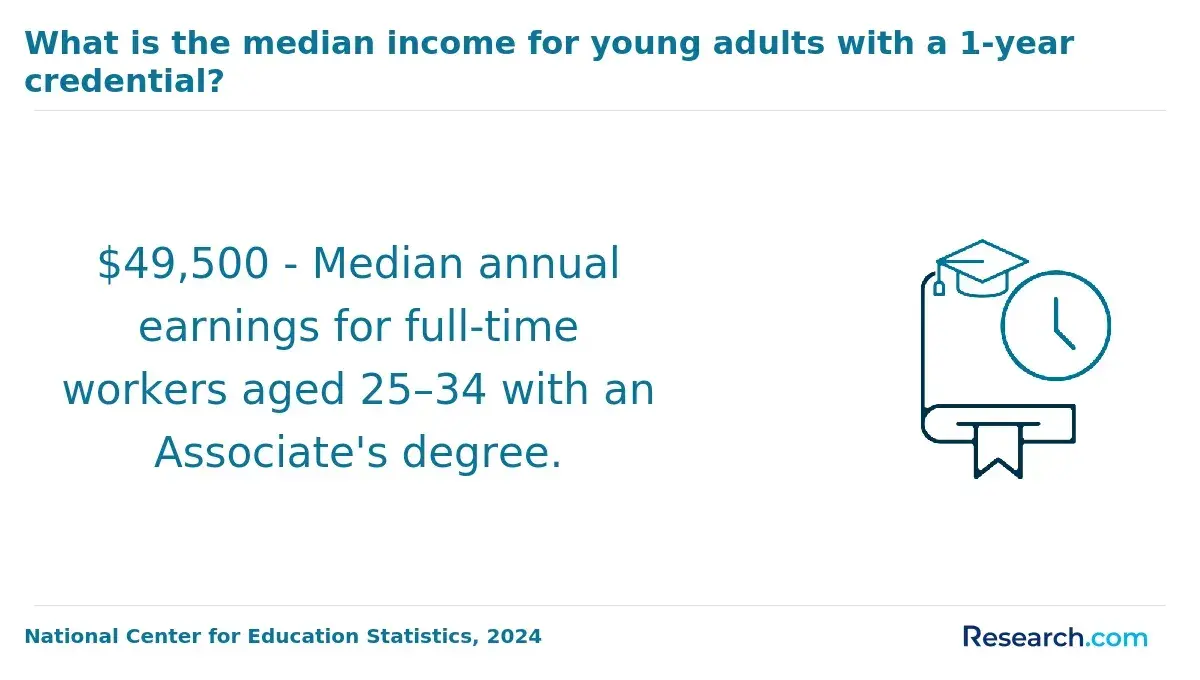
Tuition for organizational leadership degrees varies sharply across states, shaped largely by differences between public and private institutions, residency classifications, and local economic factors. For instance, in 2024, in-state tuition at public colleges ranges from around $5,000 annually in states like Wyoming to more than $15,000 in Massachusetts, according to the National Center for Education Statistics.
This disparity can significantly influence whether students choose to remain in-state or pursue more costly private programs, especially since private colleges in states like New York often charge upwards of $30,000 yearly, substantially increasing the financial burden regardless of residency. Out-of-state tuition policies further complicate decisions, as some states double fees for non-residents, pushing students to weigh relocation or online alternatives carefully.
States with moderate out-of-state premiums, such as Florida and Texas, offer more flexibility for regional enrollees, but students unable to establish residency might face steep costs elsewhere. Additionally, variations in cost-of-living-especially between coastal and Midwestern or Southern states-impact overall educational expenses beyond tuition, affecting budgeting for housing and materials, which can tip the scales for learners balancing limited resources against program accessibility and career outcomes.
States' financial aid approaches also affect the net cost, with some regionally targeting aid toward workforce-relevant fields like organizational leadership to offset higher sticker prices. Prospective students should analyze these layered factors-tuition, residency policies, local living costs, and available aid-to develop sound borrowing and enrollment strategies. This comprehensive understanding helps align educational investment with career goals while avoiding excessive debt, particularly when crossing state lines or selecting between in-person and online pathways in a field increasingly sensitive to financial tradeoffs.
Why Does Organizational Leadership Affordability Vary So Much Between States?
Differences in affordability for organizational leadership degree programs between states largely hinge on how public higher education is funded and managed. States that maintain strong per-student investments often buffer tuition costs for in-state learners, while others with tighter budget allocations shift more financial burden to students, pushing tuition increases upward-some by as much as 20% over five years.
This dynamic forces many budget-conscious students to weigh not only sticker price but also residency policies and the availability of online alternatives, which can provide cost savings or access beyond geographic limits. Cost of living further complicates affordability by influencing operational expenses for institutions and students alike, with urban areas typically demanding higher tuition rates to cover faculty salaries and campus maintenance.
States with smaller program enrollments may also see elevated per-student charges due to fewer economies of scale, directly affecting students' total investment and, consequently, their willingness to enroll or transfer. Financial aid structures, especially robust need-based grants and targeted funding for workforce-driven degrees, can mitigate costs, making it crucial for prospective students to examine these elements carefully when comparing organizational leadership degree cost differences by state.
For detailed program options aligned with affordability considerations, a list of CACREP-accredited programs can serve as a resource for those seeking accredited counseling paths within leadership education.
How Do In-State and Out-of-State Tuition Rates Affect Organizational Leadership Affordability?
Residency-based tuition policies directly influence the financial calculus for students pursuing an organizational leadership degree, often dictating whether a program is realistically affordable or not. Data from the National Center for Education Statistics in 2024 shows in-state tuition at public four-year universities averages approximately 60% less than out-of-state rates, a gap that can add thousands to the total cost of earning a degree.
This disparity forces students weighing cross-border enrollment to consider not only sticker price but also the availability of state-sponsored financial aid, the impact of regional agreements like the Western Undergraduate Exchange, and the potential tradeoffs involved in relocating versus attending an online program that may have uniform tuition regardless of residency.
These tuition differences are tied closely to state funding strategies, where many public institutions incentivize local enrollment to preserve resources for residents. For prospective organizational leadership students, this often means out-of-state pricing may outweigh perceived benefits of select institutions unless they can leverage residency reclassification or reciprocity deals.
Additionally, private schools usually charge a flat rate, somewhat simplifying the decision but often raising the financial barrier overall. Choosing an online program can reduce geographic cost disparities but sacrifices in-person networking opportunities critical for leadership roles, making affordability decisions a nuanced balance between cost, educational delivery, and career preparation.
One organizational leadership student recalled hesitation after moving to a neighboring state and paying out-of-state tuition unexpectedly higher than anticipated. Although the program's reputation was strong, the financial strain prompted reassessment of whether the move was justified without eligibility for immediate residency reclassification or applicable reciprocal tuition agreements.
This experience underscored for them the importance of thorough upfront research into tuition policies and aid eligibility tied to residency status before committing to enrollment, as these factors reshaped their educational budget and timeline substantially.
How Does the Cost of Living Impact Overall Organizational Leadership Affordability by State?
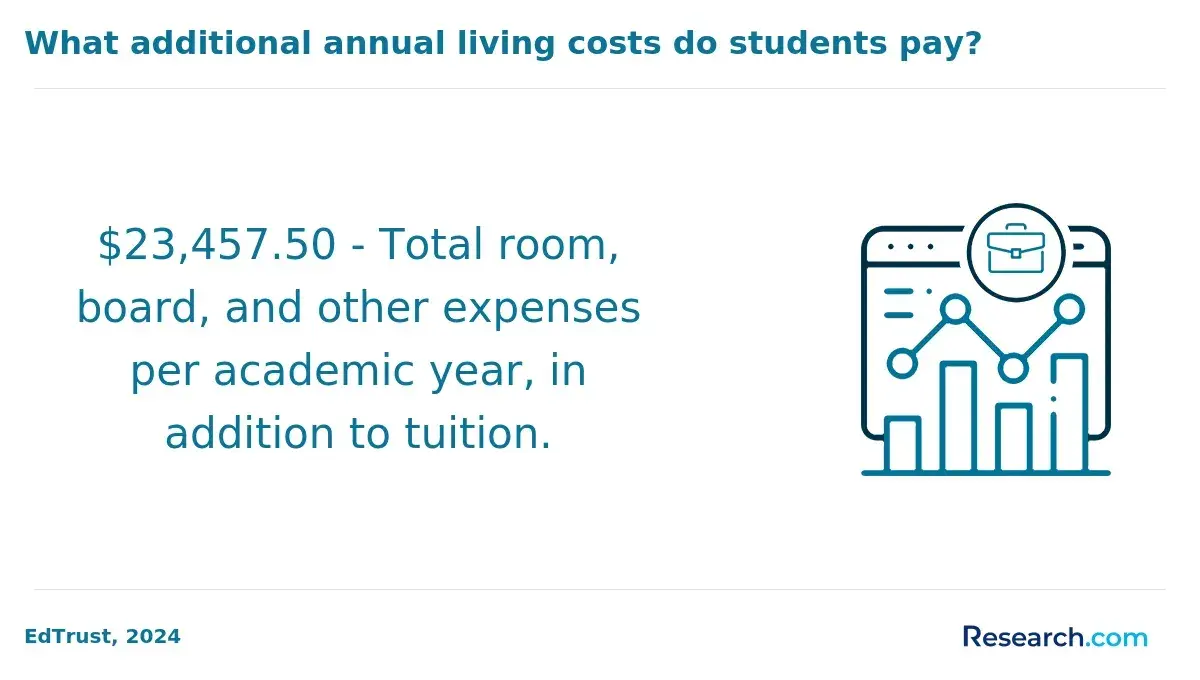
Housing costs are a pivotal factor shaping the true financial commitment of earning an organizational leadership degree, often outweighing tuition differences across states. For instance, students pursuing this degree in California or New York confront rent and home prices that can double national averages, forcing difficult choices such as reducing course loads or extending program duration to manage expenses.
Conversely, states in the Midwest and South provide more affordable living conditions that ease the burden on off-campus learners. This interplay between geography and cost highlights how regional living expenses and organizational leadership degree costs directly affect budgeting strategies and educational persistence.
Transportation, food, healthcare, and utilities further complicate cost considerations, especially in less urbanized states where reliance on private vehicles elevates transportation spending well above the national average of 16% of household budgets. Coastal and metropolitan areas exert upward pressure on food and health insurance prices, impacting students' discretionary income and debt levels.
These variables influence not only how students allocate financial aid but also their decisions on commuting, part-time work, and even preference for online versus in-person study. Budget-conscious learners must weigh these tangible costs against program quality and labor market outcomes, as cost-of-living effects on organizational leadership affordability by state significantly alter the calculus of long-term value.
Given these financial tradeoffs, prospective students should incorporate a detailed assessment of local economic conditions alongside tuition when selecting programs. Those facing higher living expenses might explore hybrid models or the best online data science master's options as a proxy example of cost-effective degree pathways balancing affordability with outcomes. Ultimately, understanding these factors helps avoid underestimating the total investment required, shaping more informed decisions and mitigating unexpected debt from hidden regional cost disparities.
Which States Offer the Best Value for an Organizational Leadership Degree?
Evaluating value in pursuing an organizational leadership degree requires weighing more than just tuition rates-students must consider how state residency policies, degree completion rates, and local economic conditions collectively impact both affordability and return on investment. For instance, while Indiana offers some of the lowest in-state tuition among Midwestern states, its approximately 60% graduation rate suggests students should also assess academic support structures and job market alignment before deciding.
Conversely, North Carolina's higher funding for public institutions often translates into smaller classes and personalized advising, factors linked to higher retention and completion, which can offset modestly higher tuition by reducing the overall time and cost to degree. Furthermore, financial aid availability plays a pivotal role in states like Georgia, where targeted grant programs have successfully lowered average student debt burdens, a critical consideration for learners prioritizing long-term financial flexibility.
Students must also factor in cost-of-living differences: Utah's combination of affordable tuition and below-average living expenses can stretch a budget further while supporting a graduation rate above 65%, making it a pragmatic choice for those balancing expenses with timely program completion. Importantly, prospective enrollees should recognize that states with high sticker prices but average completion, such as Massachusetts, may deliver strong educational quality but present challenges for those sensitive to upfront costs and potential debt, underscoring why the cheapest option frequently does not equate to the best value.
What Financial Aid and Scholarship Opportunities Can Reduce Organizational Leadership Costs?
Financial aid's practical impact on organizational leadership degree affordability varies widely, shaped not just by raw dollar amounts but by intersecting policies and eligibility constraints. Federal Pell Grants remain critical for low-income students, covering up to $7,395 annually without repayment obligations, yet relying solely on federal aid overlooks significant state-level divergences.
For example, students in California benefit from the Cal Grant, while New York offers its Tuition Assistance Program, providing substantial non-repayable support that directly lowers out-of-pocket costs. However, these programs often require continuous full-time enrollment, proof of residency, and academic progress, which disproportionately challenge part-time and working students trying to balance professional commitments with education.
Institutional merit-based scholarships frequently reward high GPA and leadership experience, but reliance on these awards introduces inconsistency, as selection criteria and availability differ sharply between institutions. Employer-sponsored tuition assistance programs present a tangible way to relate education costs directly to workforce advancement, yet they hinge on employer policies and are unevenly accessible, often excluding freelancers or gig workers.
Crucially, aid stacking rules and renewal requirements mandate strategic planning; missteps in application timing or failure to maintain eligibility can result in sudden aid loss, altering financial feasibility unexpectedly. According to the National Center for Education Statistics (NCES) 2024 data, approximately 85% of undergraduates receive some form of financial aid, underscoring that most students must navigate a complex mosaic of aid rather than expect a single source to cover costs fully.
The takeaway for prospective organizational leadership students is that cost comparisons across states and institutions require reviewing not just tuition sticker prices but the practical accessibility and renewal stability of aid packages. Navigating residency rules, renewal metrics, and employment-based benefits strategically often yields deeper affordability than surface-level tuition comparisons allow.
Are Online Organizational Leadership Degree Programs More Affordable Than On-Campus Options?
While online organizational leadership degree affordability comparison often highlights lower tuition rates-typically 15-25% less than on-campus equivalents, according to recent data-the actual cost advantage depends heavily on individual circumstances and institutional policies. For example, a student living in a state that charges out-of-state tuition for online learners may see little to no savings compared to attending on-campus.
Additionally, savings from eliminated housing and transportation costs are counterbalanced by technology expenses, including reliable internet and adequate hardware, which may add $1,000-$2,000 annually. These nuances illustrate how cost differences between online and on-campus organizational leadership programs require careful analysis beyond headline tuition figures.
Residency-based tuition policies represent a critical factor in assessing affordability. Some states offer discounted rates for residents enrolling in online programs, whereas others maintain higher or equivalent costs for online learners regardless of location. This results in significant variability in total expenses across states and institutions, particularly when considering fees and financial aid disparities.
Furthermore, while federal financial aid is generally accessible to online students, institution-specific scholarships often have limited availability for distance learners, affecting net affordability. Balancing these financial elements with flexible scheduling benefits can make online degrees a practical choice for those managing work and study, especially in complex scenarios such as navigating military-friendly online colleges.
Ultimately, prospective students must weigh the practical cost tradeoffs within their unique contexts when choosing between program formats. Understanding the interplay of tuition structures, ancillary costs, residency rules, and financial aid availability sharpens decision-making on where and how to pursue an organizational leadership degree with realistic expectations of affordability and return on investment.
Is an Organizational Leadership Degree Worth the Cost Based on Career Outcomes and ROI?
The financial and career returns of an organizational leadership degree vary widely depending on tuition cost, completion rates, and local job markets, making affordability a critical factor in assessing value. For example, graduates in states like California and New York face higher tuition fees and greater debt burdens, which, combined with slower program completion, can delay workforce entry and reduce net gains.
In contrast, students in states such as Florida and Texas benefit from lower tuition rates and often shorter completion times, improving the practical ROI despite similar mid-career salary potentials. Evaluating career outcomes for organizational leadership graduates in the US means considering how geographic mobility and labor demand shifts can affect employment prospects beyond initial salary figures.
A key tradeoff lies in understanding total cost versus opportunity cost: extended programs with lower completion rates increase debt and lost income, diminishing financial value even if salaries rise mid-career. Students must also weigh institutional factors like financial aid availability and program quality, since a well-supported institution can mitigate debt impact.
While demand for leadership roles remains steady across industries from healthcare to technology, geographic job availability affects accessibility to these positions. Those researching pathways should explore resources such as the best online MPA to compare program length and cost structure against local job markets before committing.
References
- Navigating the Cost-of-Living Crisis and Its Impact ... https://hr.mcleanco.com/research/navigating-the-cost-of-living-crisis-and-its-impact-on-the-workplace
- The State Of Leadership Development https://www.leadershipiq.com/blogs/leadershipiq/leadership-development-state
- What Is Organizational Leadership? A Roadmap to Culture | ACE Blog https://ace.edu/blog/what-is-organizational-leadership-a-roadmap-to-culture/
- How to Create a Successful Leadership Development Program - Harvard Business Impact https://www.harvardbusiness.org/insight/how-to-create-a-successful-leadership-development-program/
- Online Bachelor's Degree in Organizational Leadership | CSU Global | Accredited https://csuglobal.edu/academic-programs/undergraduate-degrees/bachelors-degree-organizational-leadership
- Similarities and Differences between Public and Private Sector Leadership Strategies in the Caribbean: Empirical Findings on the Link between Leadership, Culture, and Performance https://redfame.com/journal/index.php/bms/article/view/1863/0
- Master's in Organizational Leadership Online https://www.montreat.edu/online/organizational-leadership/
- New Rankings Reinforce Connecticut’s Decades-Long Affordability Problem https://www.yankeeinstitute.org/2026/03/02/if-cost-of-living-is-the-top-concern-why-are-lawmakers-raising-costs/
- Most Affordable Master’s In Organizational Leadership | Grad School Hub https://www.gradschoolhub.com/affordable/online/masters/organizational-leadership/
- Importance of Cost of Living | Goldwater Institute https://www.goldwaterinstitute.org/cost-of-living/
Other Things You Should Know About Organizational Leadership
Yes, tuition affordability often correlates with regional institutions whose reputations may carry varying weight outside their state. Lower-cost programs might be tied to smaller or less nationally recognized schools, which can limit access to broad professional networks and top employers. Students prioritizing long-term career mobility should weigh initial savings against potential impacts on how employers value credentials beyond local markets.
In states with lower tuition, organizational leadership programs may lean more heavily on part-time or asynchronous coursework to accommodate working students. While more affordable options often offer flexibility, this can mean less direct faculty engagement or fewer in-person leadership labs, which might affect hands-on skill development. Budget-conscious students should evaluate whether savings justify potential tradeoffs in mentorship and experiential learning vital to leadership roles.
Not necessarily. Some affordable states offer programs focused narrowly on administrative skills or nonprofit leadership, which may not align with a student's intended career path in corporate or governmental sectors. Choosing a program primarily for cost savings can limit exposure to critical leadership competencies valued by specific employers. Students should prioritize programs that match their career focus, even if costs are moderately higher, as relevant specialization enhances employability more than generalized affordability.
States with lower tuition sometimes require a higher total number of credit hours or more extensive practicum components to compensate for lower per-credit costs, which can lengthen time to graduation. This increases indirect costs such as lost income or extended living expenses. Prospective students should consider annual workload and program duration alongside tuition to understand true affordability and how it aligns with their financial and personal circumstances.