2027 Organizational Leadership Degree Program Availability Report: Which States and Schools Offer the Most Options

Co-Founder and Chief Data Scientist
The concentration of organizational leadership degree programs often mirrors regional economic structures and employer demand for strategic management skills. States with diversified industries and expanding service sectors tend to support a broader array of academic options, reflecting a responsive alignment between educational institutions and workforce needs. According to the U. S. Bureau of Labor Statistics, managerial occupations in business and finance are projected to grow 8% from 2022 to 2032, underscoring the increasing relevance of leadership capabilities across sectors.
Examining which states and schools offer the most programs reveals insights into how educational access and institutional focus shape career pathways within the field. This report analyzes those availability patterns, presenting a practical framework for understanding how program distribution corresponds to both labor market shifts and educational investment priorities in organizational leadership.
Key Benefits of States and Schools That Offer the Most Organizational Leadership Degree Program Options
- States and schools with many organizational leadership programs often present varied specializations, yet this diversity can complicate credit transferability, requiring students to meticulously assess course relevance before committing.
- Employers increasingly favor candidates from regions offering diverse organizational leadership curricula, interpreting breadth as exposure to adaptive management practices aligning with evolving workplace needs.
- Availability of multiple programs correlates with shorter application-to-enrollment cycles, enhancing access speed but sometimes increasing tuition volatility due to market-driven program expansion strategies.
- Key Benefits of States and Schools That Offer the Most Organizational Leadership Degree Program Options Key Benefits
- Which States Offer the Most Organizational Leadership Degree Programs? Top States
- Why Do Some States Have More Organizational Leadership Programs Than Others? Program Availability
- Which Colleges Offer the Largest Number of Organizational Leadership Degree Options? Top Schools
- How Do Online Programs Improve Access in States With Limited Options? Online Program Access
- How Much Does Organizational Leadership Program Tuition Vary by State? Tuition by State
- How Does Organizational Leadership Program Demand Affect Admissions Decisions? Program Demand
- How Do Organizational Leadership Specialization Options Vary by Region? Specialization Options
- How Does Regional Employer Demand Affect Career Outcomes? Employer Demand
- What Factors Matter Most When Comparing Organizational Leadership Programs Across States? Key Comparison Factors
- Which Regions May See the Fastest Growth in Organizational Leadership Education? Fastest Growing Region
Which States Offer the Most Organizational Leadership Degree Programs?
The geographic distribution of organizational leadership degree programs closely mirrors broader higher education and economic patterns across the United States. States with dense populations and extensive university systems tend to offer the highest concentration of these programs, responding to complex regional labor markets demanding leadership skills tailored to diverse industries.
The availability of program formats-ranging from traditional campus-based degrees to flexible online and hybrid options-further reflects the capacity of state educational ecosystems to support workforce needs and student accessibility. These factors collectively shape which states emerge as hubs for organizational leadership education, influencing student choice and specialization opportunities.
- California: As one of the largest states by population, California's organizational leadership programs benefit from a vast network of public universities, community colleges, and private institutions. The state's multifaceted economy spans technology, healthcare, entertainment, and government sectors, driving consistent demand for adaptable leadership skill sets. Its extensive infrastructure supports a variety of pathways, including online and evening classes, providing accessible options for working students and those seeking specialized leadership tracks.
- Texas: Texas's higher education landscape is marked by multiple flagship university systems, such as the University of Texas and Texas A&M, which prioritize practical leadership training aligned with employer needs. The state's emphasis on workforce development and management education is reinforced by strong partnerships between universities and local industries, particularly in energy, healthcare, and manufacturing sectors. Students benefit from program diversity and hands-on learning experiences that are regionally relevant.
- Florida: Florida's rapid population growth and expanding service-oriented economy have fostered a surge in organizational leadership programs. Institutions often integrate experiential learning components to prepare graduates for dynamic business environments. The growing emphasis on outcome-driven education and regional employer priorities enhances the practical value of these programs, creating diverse academic options concentrated in metropolitan hubs but increasingly accessible through hybrid models.
These top states illustrate how population density, institutional variety, and regional economic factors converge to determine where the most organizational leadership degree options are found nationwide. Prospective students should note that a greater program count often correlates with more specialized curricula and flexible delivery modes, which can be critical for aligning education with career trajectories.
Still, quantity alone does not guarantee program quality or employability advantages, underscoring the need to evaluate program relevance and employer integration in each state's offerings. For those researching affordable pathways in related fields, the cheapest CSWE-accredited online MSW programs provide a useful comparison in program accessibility and delivery format innovation.
Why Do Some States Have More Organizational Leadership Programs Than Others?
Availability of organizational leadership degree programs varies significantly across states, primarily reflecting differences in higher education infrastructure and regional labor market demands. States with dense networks of colleges and universities naturally support a wider range of academic options, including specialized leadership curricula aligned with local economic sectors. This uneven distribution is influenced by how institutions respond to the specific workforce needs of their regions, ensuring graduates possess skills that match employer expectations.
As states with robust employment in management roles tend to develop more of these programs, this variation directly connects to localized demand for leadership talent and the practical outcomes students can expect. Key drivers behind these geographic differences include state funding priorities that shape institutional capacity and program innovation, as well as the presence of major industry clusters that demand leadership expertise in fields like healthcare, technology, or nonprofit management.
University research resources also determine whether programs can offer distinctive, competitive specializations rather than generic leadership training. Data from the National Center for Education Statistics indicates that states investing more heavily in workforce development related to leadership competencies see about a 15% higher prevalence of organizational leadership degree programs. Such incentives reflect how policy and employer demand intersect, reinforcing program expansion in states where economic and institutional conditions favor leadership education growth.
These disparities have broader implications for student access and regional workforce alignment. In states with fewer programs, prospective students may rely more on hybrid or online formats to meet their educational needs, encouraging growth in flexible delivery models responsive to adult learners and career changers. However, limited program availability can restrict pathways for local workforce development and affect how effectively regions cultivate leadership talent tailored to their economic realities.
Understanding these systemic patterns helps clarify the structural reasons underlying organizational leadership degree program availability by state and highlights why prospective students must consider both geography and industry context when evaluating educational options, including alternatives like the cheapest online degrees.
Which Colleges Offer the Largest Number of Organizational Leadership Degree Options?
The breadth of organizational leadership degree options available at a college largely correlates with the institution's size, funding, and academic organization rather than its geographic location alone. Larger universities with significant research activity and well-established professional schools tend to offer an array of specialized tracks, concentrations, and flexible delivery formats such as online or hybrid programs.
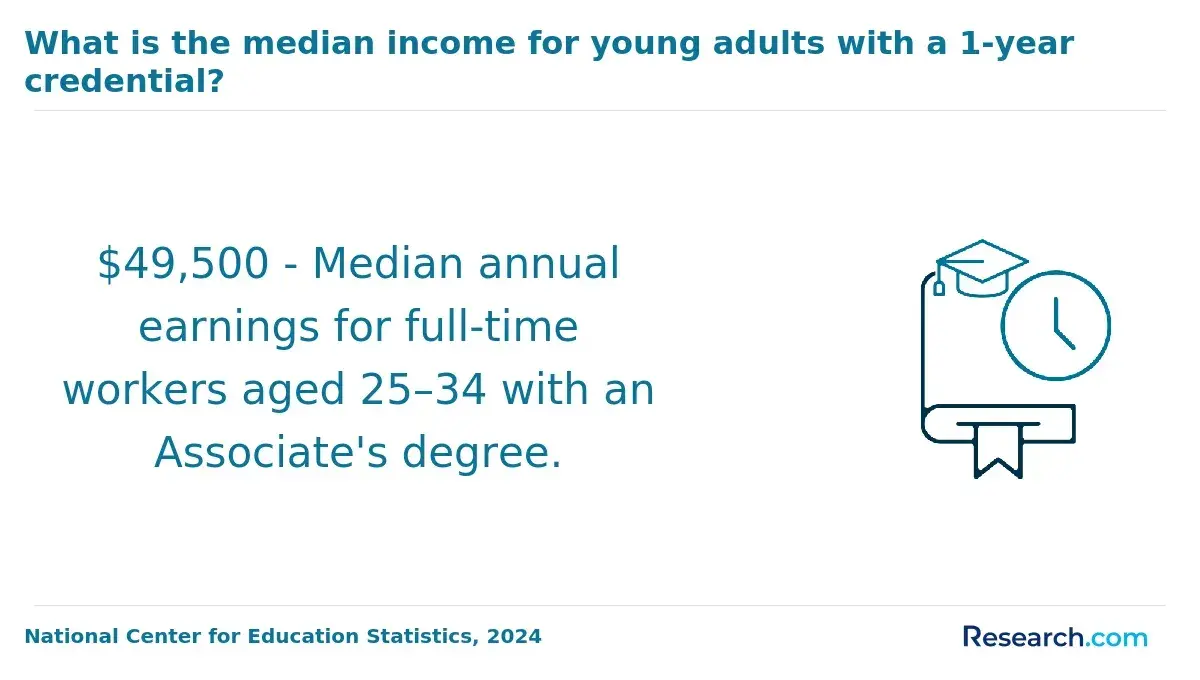
The diversification results from institutional capacity to integrate interdisciplinary curricula and respond dynamically to workforce needs across multiple sectors. Data from the National Center for Education Statistics in 2024 confirm that public flagship universities and comprehensive private research institutions consistently provide the most expansive program offerings.
- Public flagship state universities: These institutions leverage robust state funding and extensive research infrastructure to support multiple colleges-often business, education, and health sciences-that host varied organizational leadership degrees. For example, many within large systems like the University of California or Texas A&M provide pathways tailored to corporate, nonprofit, and public sector leadership, reflecting a strategy of cross-college collaboration and workforce alignment.
- Comprehensive private research universities: Well-endowed private universities with graduate and professional schools emphasize flexible formats and applied leadership skills, often incorporating internships and real-world projects. Institutions such as Duke and Northwestern develop niche concentrations within organizational leadership, drawing on their capacity to invest in program innovation and partnerships with industry.
- Specialized professional colleges within universities: Colleges focused specifically on business, education, or health studies expand their organizational leadership offerings by embedding those programs into sector-specific contexts. This approach creates curricula that meet employer expectations for both theory and applied expertise in fields like healthcare administration or educational leadership, supporting increased degree variation.
- Regional universities with hybrid and online programs: These schools grow their degree options by offering flexible scheduling and delivery models to reach working professionals, often expanding accessible pathways in organizational leadership that include certificate, bachelor's, and master's levels. The University of Florida's online expansion exemplifies how technology enables program diversification beyond traditional campus boundaries.
How Do Online Programs Improve Access in States With Limited Options?
In states where physical organizational leadership programs are scarce, online degree options significantly broaden student access by circumventing geographic limitations. The 2024 report from the National Center for Education Statistics highlights that nearly half of organizational leadership enrollees gravitate toward online formats primarily because they cannot relocate or easily commute to campus-based programs. This shift reshapes educational availability by enabling students in underserved or rural regions to engage with curricula and faculty from diverse institutions without sacrificing local responsibilities or employment.
Consequently, online delivery disrupts the regional monopoly of brick-and-mortar institutions that traditionally restricted program variety and accessibility. Crucial to this expanded access are asynchronous course designs that accommodate varied schedules, enabling working adults or military personnel to balance professional and personal commitments while studying. Additionally, the capacity for cross-state enrollment allows institutions to scale beyond their physical reach, fostering institutional competition and increasing the range of academic offerings available digitally.
This diminished reliance on local universities means students no longer must settle for limited or less competitive programs in their immediate vicinity, effectively leveling access disparities rooted in state-by-state educational infrastructure. This evolution in program delivery extends its influence beyond academics, impacting workforce development and student mobility patterns regionally.
By facilitating broader access to validated leadership training, online programs contribute to diversifying local leadership talent pools and addressing state-specific professional needs without necessitating physical relocation. Moreover, as institutions compete across state lines for digital enrollments, there is a growing dynamic of educational resource redistribution that challenges traditional state-centric models of higher education governance and market control.
How Much Does Organizational Leadership Program Tuition Vary by State?
Tuition for organizational leadership degree programs varies significantly across U.S. states, driven largely by differing public funding models, institutional types, and residency-based pricing structures. States that allocate substantial subsidies to their public university systems usually offer markedly lower tuition rates for in-state students, reflecting policy priorities to keep education affordable for residents.
Conversely, in regions where funding is constrained or where private institutions dominate, tuition can escalate, as private schools rely primarily on market pricing independent of state resources. This dynamic means that residency status often dictates cost, with out-of-state students facing higher fees that blur lines between public and private tuition costs.
Examining organizational leadership degree costs across different states reveals sharp disparities that align with these structural factors. For example, in-state tuition at many public universities in states like Wyoming, New Mexico, and South Dakota typically ranges from about $5,000 to $8,000 annually. By contrast, states with larger economies and extensive private university sectors, such as California, New York, and Massachusetts, report tuition figures frequently exceeding $15,000 to $25,000 per year for comparable programs.
These ranges are corroborated by data sources including the U.S. Department of Education and state university reports. Additionally, institutions offering hybrid or online options may adjust pricing due to differing operational costs and student demographics, influencing accessibility as seen with varied online program models like the UX degree online. The resulting tuition variation has practical implications beyond sticker price, affecting affordability, student mobility, and program choice.
The uneven cost landscape also influences decisions about pursuing degrees in-state versus out-of-state or through private versus public institutions, thereby shaping access and diversity in organizational leadership education nationally. Understanding how these tuition disparities reflect deeply rooted education finance systems, rather than arbitrary price setting, is essential for navigating the academic market effectively.
How Does Organizational Leadership Program Demand Affect Admissions Decisions?
Rising demand for organizational leadership programs often prompts schools to tighten admissions standards, intensifying competition among applicants. As more candidates pursue these degrees, institutions typically respond by raising benchmarks related to academic achievement, professional experience, and demonstrated leadership capacity. This increased selectivity serves as a gatekeeping mechanism to manage enrollment within fixed capacity limits while aiming to preserve program quality and outcomes.
The interplay between program size, faculty resources, and accreditation standards directly influences how demand shapes admissions. Programs with constrained physical or instructional capacity might restrict intake, forcing admissions committees to weigh applicants' potential against limited seats. Meanwhile, labor market signals indicating strong employer demand for leadership competencies can justify expansion efforts-such as hiring additional faculty or developing online cohorts-but these adjustments often lag behind demand surges.
As a result, the admissions process becomes a balancing act between maintaining rigorous standards and adapting to workforce-driven enrollment pressures. For applicants, growing program demand means preparing for a more holistic and selective review process that emphasizes qualitative factors beyond grades or test scores. Elevated competition can enhance a program's reputation and networking potential but may also limit accessibility, especially for candidates applying from saturated geographic areas or less traditional backgrounds.
How Do Organizational Leadership Specialization Options Vary by Region?
Specialization options within organizational leadership degree programs closely reflect the prevailing economic priorities and industry clusters of their respective regions. Coastal states with robust technology, healthcare, and nonprofit sectors often provide diverse tracks such as healthcare administration, technological innovation management, and nonprofit leadership to meet sector-specific managerial demand.
In contrast, programs in the South and Midwest emphasize leadership roles tied to manufacturing, supply chain oversight, and public administration, aligning curricula with the dominant employment fields in these areas. This localized focus signals to employers a candidate's preparedness for regionally relevant challenges, reinforcing the connection between academic direction and labor market needs.
Key factors driving regional variation include the mainstay industries, the research emphases of local universities, collaborative ties with employers, and distinct workforce skill shortages. Institutions situated in tech hubs or knowledge economies frequently tailor specializations around innovation leadership and organizational psychology, responding directly to employer preferences for specialized expertise that supports agility and transformation.
Conversely, programs in agricultural or industrial regions maintain broader leadership curricula that prioritize operational efficiency and resource management, reflecting visible labor market demands and pragmatic workforce development goals. Data from the U.S. Department of Education in 2024 indicates that approximately 65% of organizational leadership programs nationally offer multiple concentrations, with states like California and New York leading at nearly 80% availability, underscoring the effect of regional economic diversity on academic structuring.
How Does Regional Employer Demand Affect Career Outcomes?
Regional employer demand significantly shapes job availability and early career pathways for organizational leadership graduates. Locations with concentrated industry clusters, such as healthcare systems or manufacturing hubs, tend to offer more entry-level leadership roles aligned with specific sector needs. This localized demand often dictates not only the volume of job openings but also the kinds of skills prioritized by employers, influencing how quickly graduates can transition from education to practice.
The variability in organizational leadership career outcomes by state reflects these differences, as graduates in more economically diverse or rapidly growing regions encounter broader opportunities and more competitive salary ranges. The underlying mechanisms linking regional demand to career outcomes include wage competition among employers, established partnerships between universities and local businesses, and the presence of specialized hiring ecosystems that facilitate targeted recruitment.
Regions with robust employer engagement often invest in tailored leadership development pathways, enhancing promotion prospects and professional growth. According to a 2024 U.S. Bureau of Labor Statistics report, areas with business diversification can expect median salaries for organizational leadership roles to exceed those in less varied economies by approximately 15%. These dynamics underscore how regional economic health and employer concentration directly impact both compensation and career progression for graduates.
Long-term career trajectories are also shaped by geographic mobility decisions and evolving remote work trends, which can partially mitigate regional disparities but often require strategic adaptation by graduates. Those entering markets with limited organizational leadership demand may need to consider relocating or developing skills that match local or remote employer expectations.
Prospective students evaluating the return on investment of their programs must weigh such regional workforce realities carefully, especially when comparing program availability and employer demand across states. For those balancing education options, resources like the research.com guide on the online digital photography degree can provide insights into how program accessibility interacts with local labor market conditions.
What Factors Matter Most When Comparing Organizational Leadership Programs Across States?
Comparing organizational leadership programs across states involves assessing factors beyond mere program availability. State-level differences significantly impact tuition costs, specialization options, employer demand, and the educational infrastructure supporting these programs.
These dimensions influence not only access and affordability but also graduates' readiness for region-specific workforce needs. Students and researchers must weigh these practical considerations when evaluating program quality and long-term career prospects.
- Accreditation and academic rigor: The presence of accredited programs meeting standards from authorities such as the Council for Higher Education Accreditation ensures curriculum alignment with employer expectations. States with a higher concentration of such programs typically deliver more consistent educational quality, directly affecting graduate employability.
- Program flexibility and delivery modes: Students balancing employment often require hybrid, online, or evening classes. States offering diverse delivery formats enhance accessibility and completion rates. A 2024 National Center for Education Statistics (NCES) report highlights that over 60% of graduate students prefer flexible learning, making this a critical differentiator.
- Practical leadership experience and applied learning: Programs integrating internships, case studies, or capstone projects provide hands-on leadership exposure valued by employers. National Association of Colleges and Employers (NACE) research in 2024 confirms the premium placed on candidates demonstrating real-world leadership experience beyond theoretical knowledge.
- Cost, financial aid, and affordability: Tuition rates and available financial resources vary markedly by state, with public universities often offering competitive in-state rates and scholarships. These economic factors influence both access and the diversity of student backgrounds.
- Specialization availability and workforce alignment: States differ in the range of specialization options aligning with local industry demands. Evaluating organizational leadership program availability by state alongside tuition costs and specialization options reveals key tradeoffs between academic breadth and regional career opportunities.
Understanding these factors helps prospective students make informed decisions based on educational quality, career relevance, and financial feasibility rather than general rankings. For those interested in combining leadership education with advanced analytics, exploring pathways such as a data science PhD online may offer complementary competencies relevant to evolving workforce expectations.
Which Regions May See the Fastest Growth in Organizational Leadership Education?
Growth in organizational leadership education tends to track closely with regions experiencing simultaneous employer demand increases, population growth, and higher education investment. Expanding industries and changing workforce needs spur universities to develop or scale programs that emphasize practical leadership skills adaptable to diverse organizational contexts. Future program availability and specialization often reflect how well academic offerings align with regional economic and labor market developments rather than purely enrollment figures.
- Southeast: The Southeast is projected to lead growth due to significant population increases and expanding industries such as healthcare, technology, and services. University systems in states like Florida have invested in leadership curricula that address local workforce shortages and managerial complexity. This region's breadth of fully online and hybrid program options supports flexible access for working adults, likely fueling enrollment and program diversification.
- Southwest: The Southwest, notably Texas and Arizona, benefits from rapid urbanization and economic diversification, including energy, technology, and logistics sectors. Increased employer demand for leaders with applied skills intensifies program development at public universities. Strong institutional capacity to deliver specialized concentrations aligns closely with the regional job market.
- Mountain West: Moderate but steady growth is expected in the Mountain West, driven by smaller urban centers investing in higher education infrastructure and workforce development. Leadership programs here often integrate experiential learning tailored to healthcare systems and public administration.
- Midwest: Although long established, the Midwest shows slower growth due to stable or declining population trends and an industrial workforce focus that favors experienced leadership practitioners over academic credentials alone. However, select urban universities are expanding programs with an emphasis on operational leadership aligned with manufacturing and service industries.
- Northeast: The Northeast faces constrained growth prospects from population stagnation and high market saturation of leadership programs. However, strong employer networks and institutional resources support niche specializations and hybrid delivery formats that maintain steady enrollment among career changers and advanced professionals.
References:
- 5 High-Impact Careers in Organizational Leadership https://onlinedegrees.rockhurst.edu/blog/organizational-leadership-careers
- Organizational Leadership - Rogers State University https://www.rsu.edu/degree-programs/organizational-leadership/
- Leadership Development for State and Local Government Employees https://landing.ourpublicservice.org/open-programs-state-local
- 2025 Best Organizational Leadership Degrees Online https://www.onlineu.com/degrees/organizational-leadership
- Is Organizational Leadership Hard? | CSU Global https://csuglobal.edu/blog/is-organizational-leadership-hard
- The Impact of Organizational Leadership on Educational Outcomes and School Effectiveness https://www.scirp.org/journal/paperinformation
- Benefits of Organization Leadership Degrees in Management https://www.umassglobal.edu/blog-news/benefits-organization-leadership-degrees-management
- Leading Organizational Change Across Diverse Regions https://tigerhall.com/eclc-resources/leading-organizational-change-across-diverse-regions
- 10 Types Leadership Styles and How to Identify Your Own https://projectmanagement.ie/blog/leadership-styles/
- Swiss Leadership Education | Swiss International University in Zurich - Bishkek - Dubai - Luzern - London - Riga and online https://www.swissuniversity.com/leadership
Other Things You Should Know About Organizational Leadership
States and schools with numerous organizational leadership programs often offer a mix of formats, including traditional on-campus, hybrid, and fully online options. Prospective students should consider how each format aligns with their learning style, time commitments, and career goals. For example, programs with more in-person components may foster stronger networking and leadership practice opportunities, which are critical for leadership roles, while online programs provide flexibility but may require greater self-discipline and offer fewer direct team-based experiences.
While institutions offering numerous organizational leadership programs may have larger or more diverse alumni bases, bigger isn't always better for career outcomes. Students should evaluate the quality and engagement level of alumni networks rather than size alone. Institutions with fewer programs but closer ties to local industries or leadership organizations may provide more targeted employer connections and mentorship opportunities, which are often more valuable in career advancement.
States or schools that emphasize applied leadership skills and experiential learning tend to better prepare graduates for leadership roles that require navigating complex organizational dynamics. Conversely, programs focusing heavily on theoretical frameworks may limit graduates' readiness for immediate leadership challenges. For students aiming at rapid career progression in dynamic sectors, prioritizing programs with strong experiential components and opportunities for real-world leadership practice is critical.