2027 Is an Online Ed.D. in Leadership and Learning in Organizations a Good Fit for Community College Workforce Program Directors?
Audited and Verified:
Our Editorial and Data Verification Process
Research.com uses government datasets, official education statistics and primary institutional information to support its career and degree guides. Our review process checks factual accuracy, occupational definitions, source dates and the requirements associated with the credentials discussed.
How This Article Was Fact-Checked
Our editorial team verifies salary estimates, employment projections, education requirements and program information against original data providers and official organizations. Salary figures are checked against the relevant occupational definitions and reporting periods. Information about licensure, accreditation and required in-person training is reviewed separately.
Fact-checked and verified on:

Co-Founder and Chief Data Scientist
Community college workforce directors are often asked to expand employer partnerships, improve training outcomes, and show that programs serve local needs - all while managing limited budgets. An online Ed.D. in Leadership and Learning in Organizations could strengthen the leadership and evaluation skills behind that work, but it is a substantial investment, not a required next step. This guide examines where the degree fits a director's responsibilities, what to verify in a program, and when experience or shorter training may deliver more immediate value.
Key Things You Should Know
- An online Ed.D. is most useful when a workforce director needs sustained preparation in organizational change, adult learning, and applied evaluation - not simply a credential for promotion.
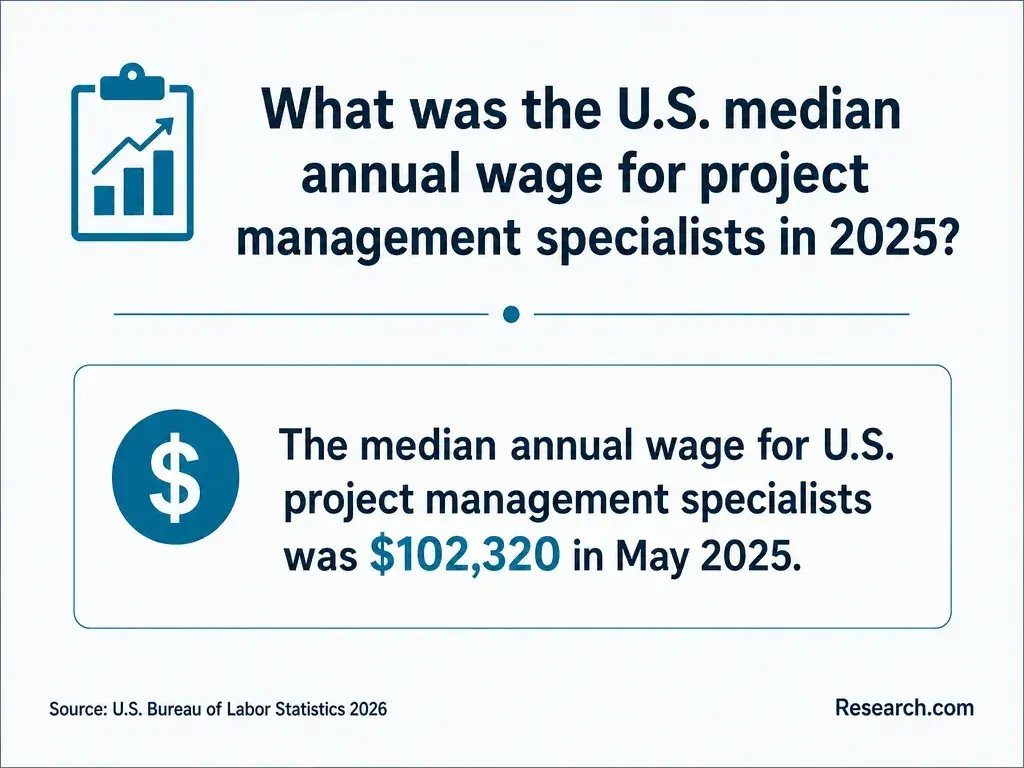
- The U.S. Bureau of Labor Statistics reports a $104,590 median annual salary for postsecondary education administrators in May 2025; that broad occupation is not a salary forecast for workforce directors or Ed.D. graduates.
- Before enrolling, verify the program's research requirements, live meetings, campus visits, total cost, and whether its projects can address a college workforce challenge with appropriate approvals.
Is an online Ed.D. in Leadership and Learning in Organizations a good fit for workforce directors?
It can be a good fit for an experienced director whose next challenge is leading change across programs, employers, faculty, and college administration. A practice-oriented Ed.D. can provide a structured way to study adult learning, organizational decisions, and evidence-based improvement. The fit is weaker if the immediate need is a specific technical skill, a new industry contact, or eligibility for a job that does not value a doctorate.
For a workforce director, the useful test is whether the curriculum connects to decisions they actually control. Consider a college with strong course completion but uncertain employment outcomes. The challenge might involve employer demand, scheduling, learner support, credential design, or how outcomes are measured. A suitable Ed.D. would help the director investigate those possibilities and lead a response - not presume that more instructor training alone will fix them.
The distinction between degree types matters. A leadership and learning Ed.D. generally emphasizes improving practice; a PhD is usually a better match for someone seeking sustained academic research training. An MPA, targeted evaluation course, or employer-sponsored leadership program may be more direct if the goal is public budgeting, one analytic skill, or an internal promotion. Compare understanding different Ed.D. degree formats and focuses with each school's actual curriculum rather than assuming similar titles mean similar preparation.
What careers can an Ed.D. in Leadership and Learning prepare community college leaders for?
The most plausible payoff is broader responsibility built on an existing record: leading multiple workforce programs, coordinating institutional partnerships, directing continuing education, or moving into a higher education administrative role. The degree can also support work in workforce consulting or organizational learning, but employers will still assess sector knowledge, budgets managed, partnerships built, and results demonstrated.
The comparison below separates nearby career directions by the experience each typically demands. It is a guide to role fit, not a list of jobs conferred by an Ed.D.
| Career direction | Relevant director experience | Preparation to assess |
| Senior workforce or continuing education leadership | Program strategy, employer relationships, and cross-college coordination | Institutional budgeting, governance, and supervision at a larger scale |
| Broader postsecondary administration | Student pathways and institutional partnerships | Experience outside workforce programs and knowledge of the target office |
| Workforce or organizational consulting | Needs assessment and partnership development | Client development, scoped deliverables, and evidence of independent work |
A director aiming for advancement should seek assignments that show decision-making authority: negotiating an employer partnership, redesigning a pathway with faculty, or evaluating whether a program meets its stated goals. Those examples may matter more in hiring than the degree title alone.
What accreditation should an online Ed.D. program have?
Start with institutional accreditation recognized by the U.S. Department of Education and confirm that it covers the university awarding the doctorate. Check the institution in the Department's accreditation database or with the accreditor; do not rely solely on an advertisement. Institutional accreditation speaks to the university's recognized status, not to the quality of a particular workforce-focused project or a graduate's eligibility for a job.
Do not assume an Ed.D. must hold a particular programmatic accreditation to be legitimate, or that institutional accreditation establishes licensure eligibility. If a college employer or prospective employer specifies a degree or accreditation standard, obtain that requirement in writing and check the proposed program against it.
Online study can let a director remain employed and use workplace questions as a focus for learning. It does not necessarily offer self-paced study: live seminars, cohort meetings, group projects, and campus convenings may still be required. Campus-based study may offer more routine in-person contact, but commuting or relocation can make it less practical for someone responsible for ongoing programs and employer relationships.
Compare the formats using the same weekly calendar. Ask each program when classes meet, how group work is scheduled, whether attendance is mandatory, how often travel is required, and what happens during a peak enrollment or grant-reporting period at work. Travel and leave can change the financial comparison substantially; guidance on reducing higher education leadership doctoral study costs can help frame questions about aid and employer support, but the school and employer must confirm actual terms.
Relevant programs may cover leadership theory, adult learning, organizational change, research methods, and program evaluation. For workforce directors, the important question is how deeply students apply those subjects to noncredit education, employer-designed training, learner transitions, and public accountability. Course titles alone cannot establish that a program teaches workforce finance, labor-market analysis, or partnership management.
Examine the required sequence and final scholarly work. A director might want to study how a training pathway is implemented across campuses, but an approved doctoral project requires a feasible question, faculty guidance, appropriate organizational permission, and a defensible way to interpret evidence. Access to student records may also raise FERPA, privacy, and data-use questions. Programs differ: some require a dissertation, while others use a dissertation in practice or another approved project. If project format is decisive, investigate education doctorates using alternative research projects, then confirm the exact graduation requirement with each institution.
Requirements vary by school. Applicants commonly need transcripts from prior degree study, recommendations, a statement of purpose, and evidence of relevant professional experience; a program may also set graduate-degree, grade, interview, or test requirements. A community college director can make a stronger application by describing decisions they have led, the stakeholders involved, and a genuine organizational problem they want to investigate - without claiming access to data or approval for a project they do not yet have.
Ask admissions staff whether your prior degree meets eligibility rules and whether any graduate credits can actually apply toward doctoral requirements. Credits accepted as evidence of preparation are not necessarily transferable. The program, not the applicant's job title or a general description of an Ed.D., determines eligibility.
There is no reliable single timeline or price for online Ed.D. programs. Required credits, enrollment pace, course availability, and the time needed to complete approved research all affect completion. Request the published curriculum and a term-by-term plan for someone who will remain employed full time.
Compare total cost rather than advertised tuition alone: required credits or term charges, fees, materials, travel and lodging for convenings, and any income lost to reduced work hours. Ask whether employer reimbursement applies to doctoral coursework, when payment occurs, and whether leaving the college triggers repayment. Published comparisons of Ed.D. program costs for prospective doctoral students can identify options to investigate, but use each university's current charges and your own enrollment plan for the decision.
No national salary figure in the occupational categories cited here isolates community college workforce program directors. The U.S. Bureau of Labor Statistics reports a $104,590 median annual salary for postsecondary education administrators in May 2025, with projected employment growth of 1.8% from 2025 to 2035. That category includes roles beyond workforce development, so neither figure predicts a director's pay, promotion prospects, or return on an Ed.D.
Use the college's posted salary range, public pay schedule, and comparable local vacancies instead. Public institutions may have classification rules that limit the effect of a new degree on pay. If salary growth is the main reason to enroll, establish whether the target position requires or prefers a doctorate and whether an attainable promotion would change compensation enough to justify the cost.
A general Ed.D. in Leadership and Learning in Organizations does not itself confer a higher education leadership license or professional certification. Community college administrative roles generally depend on the employer's qualifications rather than a single statewide administrator license. An Ed.D. also should not be mistaken for a state-approved K-12 principal or superintendent preparation program.
If you are considering a regulated role outside community college administration, ask the program whether it is designed to meet that state's requirements and confirm the answer with the relevant licensing authority. For an internal college role, the more pertinent document is the employer's job specification.
How can you choose a reputable online Ed.D. program?
Shortlist programs against the work you want to do, not the appeal of an online label. Compare required courses with your leadership gaps, review faculty expertise, and ask how students secure project approvals and guidance. Request clear answers on live attendance, campus visits, graduation requirements, total charges, and what support remains available if you change employers.
Before committing, take these steps to test both academic fit and financial feasibility:
- Identify one workforce challenge you have authority to address and ask each program whether it could support an appropriately scoped doctoral project.
- Confirm institutional accreditation, the exact degree awarded, and all required in-person or synchronous participation.
- Obtain a written cost and completion plan, then compare it with employer assistance and a shorter development pathway.
- Ask the target employer or hiring manager how the doctorate would be weighed alongside demonstrated leadership experience.
If cost is the deciding constraint, use tuition-focused choices for a leadership doctorate as a starting point, not a substitute for a program-specific estimate. Enroll when the degree develops capabilities you need and the time, project access, and finances are workable - not merely because the next credential is available.
Other Things You Should Know About EdD Leadership
Potentially. Noncredit programs can present substantial learning and implementation questions. The doctoral program must approve the project, and the college must authorize any necessary access to participants or records.
Coursework may continue, but a workplace-based project could need a new site, permissions, or scope. Ask the program about its change-of-employer policy before you depend on your current position for research access.
Not automatically. Academic approval does not override college confidentiality rules, data-use agreements, or publication restrictions. Clarify what may be shared before collecting data.
It may be if doctoral study supports a specific leadership or scholarly goal. If the goal is a near-term operational improvement, a focused course, mentor, or collaborative project may offer better value.
- Department Expectations: Curriculum | New York State Education Department https://www.nysed.gov/college-university-evaluation/department-expectations-curriculum
- The Role of Continuing Professional Training or Development in Maintaining Current Employment: A Systematic Review https://pmc.ncbi.nlm.nih.gov/articles/PMC10647344/
- An Overview of Accreditation of Higher Education in the United States | Congress.gov | Library of Congress https://www.congress.gov/crs-product/R43826
- Cost of Attendance (Budget) | 2025-2026 Federal Student Aid Handbook https://fsapartners.ed.gov/knowledge-center/fsa-handbook/2025-2026/vol3/ch2-cost-attendance-budget
- Types of Financial Aid: Grants, Work-Study, and Loans | studentaid.gov https://studentaid.gov/understand-aid/types
- Institutional Accrediting Agencies | ed.gov http://www.ed.gov/laws-and-policy/higher-education-laws-and-policy/college-accreditation/institutional-accrediting-agencies
- Exploring the Growing Impact of Career Pathways | ed.gov https://ies.ed.gov/learn/blog/exploring-growing-impact-career-pathways
- Doctorate of Education in Educational and Organizational Leadership | York College of Pennsylvania https://www.ycp.edu/academics/programs/doctor-education-educational-organizational-leadership
- UNC EdD Online: Organizational Learning and Leadership https://online.unc.edu/online-doctoral-programs/online-edd-organizational-learning-and-leadership/
- What Can You Do With a Leadership Degree? | Belmont Abbey College https://belmontabbeycollege.edu/2026/08/what-can-you-do-with-leadership-degree/