2027 Online vs Campus Nurse Executive Leadership Outcomes Report: Graduation Rates, Cost, and Career Trade-Offs

Co-Founder and Chief Data Scientist
Adult learners pursuing a nurse executive leadership program often confront significant hurdles when deciding between online and campus pathways, particularly regarding credit transfer maximization. A 2024 National Student Clearinghouse report found that only 62% of transfer credits are accepted on average, revealing systemic barriers that extend time-to-graduation and inflate overall costs. This fragmented credit recognition forces students to duplicate coursework or delay completion, disproportionately affecting working professionals balancing job demands with educational progress.
These dynamics underscore a wider institutional shift toward flexible degree models aimed at improving accessibility but with uneven execution across delivery methods. This article examines graduation rates, cumulative expenses, and career outcomes across online versus campus nurse executive leadership programs to help candidates navigate these critical trade-offs with precision.
Key Things to Know About Online vs Campus Nurse Executive Leadership Outcomes
- Graduation rates for online nurse executive leadership programs average 12% lower than campus formats, reflecting challenges in remote engagement that may extend time-to-completion and influence long-term educational investment decisions.
- Employer surveys from 2024 show hiring managers weigh campus-based program experience slightly higher, signaling potential networking and credibility trade-offs that affect leadership role competitiveness post-graduation.
- Total costs for online programs typically reduce relocation and opportunity costs but often shift expenses toward technology and extended enrollment periods, requiring careful financial planning aligned with career timing goals.
- Key Things to Know About Online vs Campus Nurse Executive Leadership Outcomes Key Things to Know About Online vs Campus Nurse Executive Leadership Outcomes
- What Are the Biggest Differences Between Online and Campus Nurse Executive Leadership Program Outcomes? Online vs Campus Outcomes
- How Do Graduation Rates Compare Between Online and Campus Nurse Executive Leadership Programs? Comparing Graduation Rates
- Why Do Online and Campus Nurse Executive Leadership Students Have Different Completion Rates? Why Completion Rates Differ
- How Do Online and Campus Nurse Executive Leadership Programs Compare on Total Cost? Total Cost Comparison
- What Hidden Costs Should Students Expect in Online vs Campus Nurse Executive Leadership Programs? Hidden Program Costs
- How Does Financial Aid Affect the Cost of Online and Campus Nurse Executive Leadership Programs? Financial Aid Impact
- Do Online and Campus Nurse Executive Leadership Graduates Have Different Career Outcomes? Comparing Career Outcomes
- How Do Employers View Online vs Campus Nurse Executive Leadership Degrees? How Do Employers View Online vs Campus Nurse Executive Leadership Degrees?
- Which Nurse Executive Leadership Degree Format Offers Better Flexibility for Working Adults? Which Nurse Executive Leadership Degree Format Offers Better Flexibility for Working Adults?
- How Should Students Choose Between an Online and Campus Nurse Executive Leadership Program? Choosing Your Program Format
What Are the Biggest Differences Between Online and Campus Nurse Executive Leadership Program Outcomes?
Graduation rates reveal a significant divide between online and campus nurse executive leadership programs, with campus settings averaging about 70% completion within six years versus roughly 60% for online formats, according to the National Center for Education Statistics. This difference often reflects the part-time enrollment patterns and external responsibilities that online students juggle, which can extend completion timelines and increase student debt exposure.
For example, a working nurse pursuing an online program might balance shift work and family care, leading to slower progress but maintaining employment-a trade-off that supports steady income yet may elevate total costs and persistence challenges. These dynamics influence strategic decisions as students weigh the structural support and peer engagement of campus cohorts against the geographic and scheduling flexibility of remote study.
Cost distinctions extend beyond sticker tuition to encompass fees, technology demands, and mandatory residencies, often narrowing the perceived savings of online pathways. The College Scorecard data indicates that debt per degree can be higher for online students, partly due to extended enrollment and fewer tuition benefit opportunities, which amplifies financial burdens over time.
Employer valuations tend to favor graduates from campus programs, which offer more in-person practicum and fieldwork experience vital for nurse executive roles, while online graduates benefit from maintaining continuous employment and career mobility. Given these factors, prospective nurses assessing the cost and career trade-offs in nurse executive leadership education should consider how program modality aligns with their capacity for time management, financial resilience, and need for tangible clinical leadership exposure before committing to a format.
Those exploring the nurse executive leadership pathway may also find value in comparing associated ancillary options like medical billing and coding classes, which can complement leadership skills and potentially enhance workforce flexibility. Ultimately, selection hinges on balancing online versus campus nurse executive leadership program graduation rates with real-world persistence, cost implications, and employer expectations to optimize both short-term convenience and long-term career signaling within the healthcare leadership landscape.
How Do Graduation Rates Compare Between Online and Campus Nurse Executive Leadership Programs?
Graduation rates between online and campus nurse executive leadership programs reflect distinctive challenges tied to student circumstances rather than inherent program quality differences. Campus programs often report graduation rates around 65% to 75% within 150% of the expected timeframe, benefiting from consistent cohort engagement, in-person advising, and fewer external pressures on students.
Online cohorts, which frequently include a higher proportion of working adults managing family care and part-time enrollment, tend to show completion rates closer to 55% to 65%. These students face competing demands and less direct faculty interaction, making steady progress more difficult without proactive academic support and structured pacing.
Interpreting graduation data demands consideration of program designs and institutional factors-some online programs admit more diverse academic backgrounds or offer open enrollment, influencing measured outcomes. The flexible scheduling and asynchronous nature of many online formats require greater self-discipline and time management, increasing stop-out risk compared to campus settings with regular face-to-face milestones.
Hybrid programs that integrate in-person elements attempt to mitigate these barriers by fostering engagement while accommodating complex learner schedules. For prospective students, understanding how personal commitments and program support align with pacing expectations is critical to setting realistic completion goals.
One nurse executive leadership student wrestled with choosing between formats after exploring reported graduation patterns. Concerned that the online option might lack the consistent cohort cohesion and timely advising of campus programs, and knowing she would study part-time while working full-time and caring for family, she hesitated.
Reviewing program structures and speaking with current students revealed that some online programs offered monthly check-ins and structured deadlines, which she valued. This nuanced insight helped her cautiously commit to an online pathway with clear academic support, easing fears about staying on track amid competing responsibilities.
Why Do Online and Campus Nurse Executive Leadership Students Have Different Completion Rates?
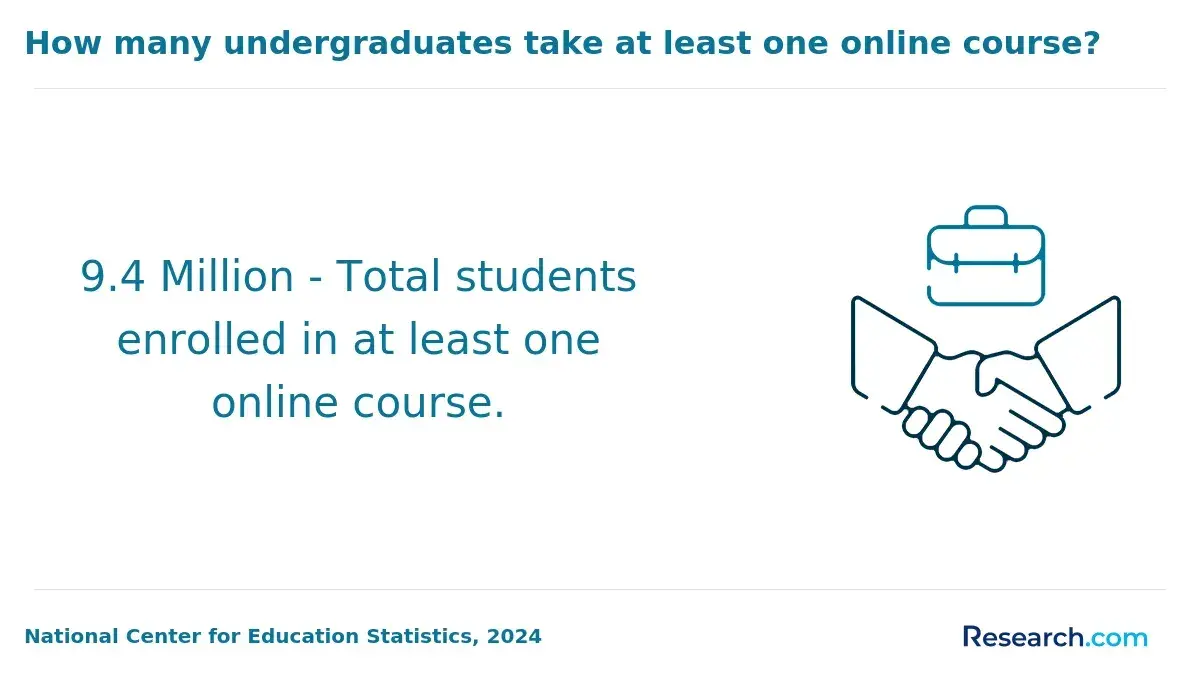
Completion rates for online and campus nurse executive leadership programs reflect more than instructional format-they reveal underlying differences in student demographics, enrollment patterns, and institutional supports. For instance, online learners frequently balance full-time jobs and family care, resulting in higher part-time enrollment and extended time to degree. According to 2024 data from the National Center for Education Statistics, traditional campus programs see graduation rates near 65-75% within six years, compared to 45-55% for online cohorts.
This disparity often stems from campus programs' structured pacing, mandatory cohort progression, and easier access to in-person advising, which collectively enhance consistent academic momentum. Online students face a distinct set of challenges: less immediate access to tailored academic advising, weaker cohort cohesion, and limited institutional resources such as on-site scholarships or work-study opportunities. These factors contribute to greater stop-out risk and delayed graduation, especially for older, more diverse learners balancing multiple responsibilities.
The absence of synchronous clinical or practicum scheduling flexibility can further complicate progression. Understanding these realities helps prospective students weigh whether they can sustain steady progress amid potential distractions and limited campus-based supports or if the autonomy of online learning aligns with their scheduling needs and self-directed habits.
Since completion rates intertwine with students' stability and program design rather than pure academic quality, interpreting these statistics requires attention to one's personal context. Learners with predictable schedules and a preference for cohort-driven accountability may find campus programs more reliable for on-time graduation. Meanwhile, those needing flexibility but anticipating interruptions should plan for the possibility of longer timelines and seek out virtual advising and support services. These nuanced differences shape how graduates navigate career timelines in nurse executive leadership roles.
How Do Online and Campus Nurse Executive Leadership Programs Compare on Total Cost?
Comparing total costs of campus versus online nurse executive leadership programs requires evaluating more than just tuition. Campus students often face additional fees for facilities and activities, typically ranging from $1,000 to $2,500 annually, and incur considerable expenses for housing and commuting-estimated between $12,000 and $15,000 per year. In contrast, online learners avoid many of these charges but may pay technology fees up to $1,200.
Mandatory clinical practicums, required in most programs regardless of format, add travel and lodging costs that narrow the cost gap significantly. This nuanced cost structure means that while online options can reduce living expenses, the overall financial advantage depends heavily on individual program requirements and student situations, including scholarship eligibility and employer support.
Financial aid dynamics further complicate comparisons. Campus students often benefit from more institutional grants, whereas online learners frequently rely on federal aid and employer tuition assistance, which can affect real out-of-pocket expenses and debt management. Online formats frequently enable continued employment during study, helping to offset opportunity costs and maintain income streams.
For working professionals weighing campus vs online nurse executive leadership program total cost comparison, these factors influence not only affordability but also program duration and work-study balance, impacting career trajectories and financial planning. Some learners may find online pathways align better with employment demands while others may prioritize campus resources despite higher living costs. Those seeking flexible entry with no prerequisites might also explore options like RN-to-BSN no prerequisites programs as part of long-term strategy.
What Hidden Costs Should Students Expect in Online vs Campus Nurse Executive Leadership Programs?
Evaluating online versus campus nurse executive leadership programs requires attention to hidden expenses that extend beyond tuition and shape overall affordability and completion timing. Online students often face significant technology-related fees, ranging from mandatory software licenses for clinical simulations to proctoring charges that can run several hundred dollars each term.
Meanwhile, campus learners typically absorb costs tied to commuting, parking, and on-campus housing, with annual transportation alone averaging around $1,200 according to the U.S. Department of Education 2024 data. These expenditures can inflate the total program cost, especially when factoring in childcare, meals, and travel for clinical rotations that campus formats emphasize. Such trade-offs influence whether a working adult can realistically maintain employment during study or must reduce hours, potentially impacting both income and timely graduation.
Financial aid availability also diverges between formats: traditional campus students often gain access to institutional grants or work-study, whereas online learners tend to rely more heavily on federal loans, contributing to an average debt load nearing $50,000 for nurse executive leadership graduates nationwide in 2024 as reported by the College Scorecard.
These dynamics make cost analyses complex; lower advertised tuition for online programs may mask substantial extra fees and lost wage risks tied to technology and fieldwork requirements in dispersed locations. As a result, prospective students must weigh not only sticker price but also indirect expenses, scheduling constraints, and the financial impact of residency or clinical mandates when choosing their pathway.
One recent graduate recalled comparing two programs: the online option appeared cheaper until she discovered obligatory technology fees plus high-speed internet upgrade costs essential for video-based clinical sessions. Conversely, the campus program required relocating temporarily and paying for off-campus housing, which drastically raised her expenses.
She noted, "It wasn't just tuition; things like parking, commuting time, and the unpredictability of clinical travel kept me up at night budgeting." This nuanced awareness ultimately helped her decide based on which hidden costs she could manage alongside her family and work obligations rather than just upfront price tags.
How Does Financial Aid Affect the Cost of Online and Campus Nurse Executive Leadership Programs?
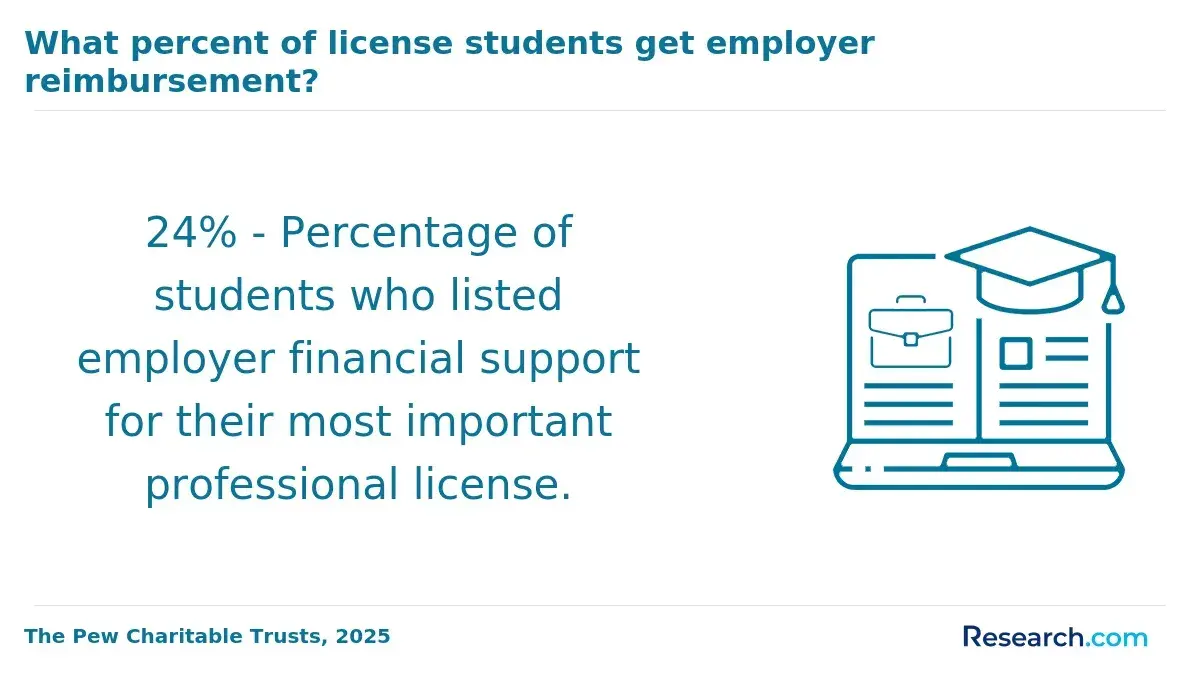
Financial aid's impact on the cost comparison between online and campus nurse executive leadership programs hinges on how institutional and external resources align with a student's enrollment status and logistical realities. Campus-based students typically gain greater access to scholarships and assistantships tied to on-site engagement, which can reduce net prices by about 25%, whereas online learners often see closer to 15% reductions due to limited institutional aid packages designed for distance education.
This disparity means that prospective students must weigh not only tuition rates but also eligibility for grant aid, residency requirements, and additional campus-based benefits like work-study when assessing true affordability within nurse executive leadership programs. The different financial aid landscapes also influence borrowing and program pacing decisions. Online students, frequently balancing work while enrolled part-time, may use employer tuition reimbursement more effectively, lowering upfront costs but potentially extending time-to-degree.
Meanwhile, campus students face higher living and commuting expenses, contributing to an average of nearly $5,800 more in debt at graduation, as reported by IPEDS. Technology fees and other online-specific charges further complicate cost assessments, making it critical for prospective students to scrutinize aid packages and anticipate total borrowing rather than assume one modality inherently offers better value.
Choosing between formats also means considering how aid interacts with career goals and workload capacity. For nurses evaluating financial aid impact on cost of online vs campus nurse executive leadership programs, it's essential to integrate these factors with broader workforce ambitions and job flexibility needs. Those interested in exploring related options might investigate specialized pathways such as an MBA in healthcare management to augment leadership credentials through affordable, flexible delivery.
Do Online and Campus Nurse Executive Leadership Graduates Have Different Career Outcomes?
Employment outcomes for graduates of online and campus nurse executive leadership programs are largely comparable, with both cohorts showing about an 85% job placement rate within six months post-completion, according to 2024 National Center for Education Statistics data. However, the hiring landscape reveals nuanced employer preferences: campus-trained graduates often benefit from perceived deeper hands-on experience and more immersive leadership practicums, which can influence selection for leadership roles where direct clinical exposure and networking are highly valued.
This dynamic is especially relevant for candidates targeting health systems emphasizing traditional mentorship and robust alumni connections-resources more readily accessible through in-person programs. The consistency of licensure and certification readiness across program formats depends heavily on accreditation status, making credentials from bodies like the Commission on Collegiate Nursing Education critical regardless of delivery mode.
Online programs offer increased flexibility and eliminate relocation costs but may carry slightly higher overall student debt and reduced personalized career advising, potentially limiting early job navigation advantages. For working adults balancing schedules, or those in regions lacking local campus access, the online format's geographic flexibility is significant, though students should weigh this against more limited networking opportunities, which can affect long-term career mobility within established healthcare networks.
How Do Employers View Online vs Campus Nurse Executive Leadership Degrees?
Employer assessments of online versus campus nurse executive leadership degrees hinge less on delivery mode and more on the credential's accreditation, institutional reputation, and integration of practical leadership experience. For example, a hospital hiring manager may treat a degree from a regionally accredited online program with a strong practicum component as equivalent to a campus degree, provided the transcript and diploma clearly communicate program rigor.
However, when online credentials come from lesser-known institutions or lack visible experiential learning, employers often remain cautious, reflecting concerns about graduate readiness for complex leadership roles. Data from the National Association of Colleges and Employers highlights that 68% of healthcare employers now consider accredited online degrees comparable to campus degrees, yet about one-quarter of employers still prefer campus graduates, valuing face-to-face peer networking and direct leadership practice.
These preferences can influence early leadership opportunities more than long-term career advancement, where demonstrated performance and leadership skills frequently outweigh degree format. For working adults balancing cost, schedule, and career goals, understanding this nuanced employer landscape is critical in selecting nurse executive leadership programs that offer recognized accreditation, effective applied learning, and clear credential signaling.
Which Nurse Executive Leadership Degree Format Offers Better Flexibility for Working Adults?
Flexibility in nurse executive leadership degree options for professionals hinges less on the mode of delivery and more on the balance of scheduling control, mandatory synchronous components, and commute demands. Online programs are often favored for asynchronous coursework that accommodates irregular hours and caregiving responsibilities, yet they still require in-person clinical fieldwork, which must be locally scheduled to avoid disrupting employment.
Conversely, campus formats offer structured cohorts and direct faculty interaction but mandate fixed class times and commuting, creating challenges for working adults managing shift work or family duties. For example, a nurse working rotating shifts may find online course pacing more adaptable but might face logistical hurdles arranging clinical placements outside institutional networks.
The persistence and graduation timing of students in these programs reflect nuanced trade-offs. According to recent IPEDS data, online and campus-based programs show comparable completion rates, indicating that flexibility alone does not guarantee timely graduation. Instead, factors like technological access, institutional support, and stop-out policies play critical roles.
Working adults invested in maintaining career continuity must weigh cost exposure and the potential for extended program duration when choosing between formats, considering how the structure aligns with their workload management and interaction needs. Prospective students can explore options such as hybrid or evening classes to optimize this balance, recognizing that real-world scheduling demands shape outcomes beyond the delivery method.
Given these considerations, those researching online nurse executive leadership programs for working adults should assess program designs against their personal constraints and professional contexts rather than assume convenience by default. Employers increasingly endorse flexible degree pathways, particularly when credentials align with workforce development goals without compromising job performance. For professionals starting with foundational credentials, pathways like the 6-month RN to BSN program online may provide a relevant comparison point for evaluating flexible academic progression in nursing careers.
How Should Students Choose Between an Online and Campus Nurse Executive Leadership Program?
Deciding between an online and campus nurse executive leadership program hinges on balancing structural support, cost factors, and career implications rather than simple convenience. Campus programs frequently have higher graduation rates-averaging around 68% per National Center for Education Statistics 2024 data-reflecting potentially stronger engagement and retention, crucial for roles requiring leadership development with clinical or hands-on exposure.
However, these programs typically carry 20-30% higher total attendance costs due to housing, commuting, and facility fees, necessitating a clear assessment of financial resources against the benefits of direct mentorship and immersive experiences. For working professionals managing caregiving or shift duties, online nurse executive leadership program selection factors often prioritize scheduling flexibility that campus formats cannot match.
Yet, this flexibility may come at the expense of face-to-face networking and leadership lab opportunities that employers value when assessing candidate readiness and practical competence. Recognizing that employer perceptions can favor campus-based graduates for richer experiential learning, students must weigh these career trade-offs without assuming online pathways lack quality, especially when financial aid or opportunity costs shape their access and persistence.
Ultimately, selecting a format is a strategic decision aligned with personal and professional goals, including accreditation status and program support. Students exploring this path can also research allied fields or alternative credentials such as the best easiest counseling degree programs to diversify leadership skill sets in healthcare management contexts with growing demand. Evaluating graduation outcomes, total cost, scheduling demands, and networking access helps frame a realistic pathway toward leadership roles in nursing administration.
References
- 35 Best Online Masters in Nursing Administration - Healthcare Administration Degree Programs https://www.healthcare-administration-degree.net/best/online-masters-in-nursing-administration/
- Six Ways to Reduce the Cost of a Healthcare Education https://blog.methodistcollege.edu/six-ways-to-reduce-the-cost-of-a-healthcare-education
- Nursing Loan Repayment, Scholarship, and Grant Programs https://bhw.hrsa.gov/nursing-programs
- Virtual learning: Nurse leaders offer strategies for choosing online programs https://www.myamericannurse.com/virtual-learning-nurse-leaders-offer-strategies-for-choosing-online-programs/
- How Employers View Online Degrees: Interviews with Nine Hiring Executives https://www.onlineeducation.com/features/how-employers-view-online-degrees
- Top 15 Best Online Master’s in Nursing (MSN) Leadership Degree https://www.bestmasterofscienceinnursing.com/best/online-leadership/
- MSN, Nurse Executive Specialization https://www.chamberlain.edu/academics/nursing-school/graduate-programs/msn-executive-track
- School of Nursing https://www.ohsu.edu/school-of-nursing/dnp-executive-leadership-classes-and-requirements
- From Nurse to Leader: How Online Courses Can Propel Your Healthcare Career https://www.care-learning.co.uk/from-nurse-to-leader-how-online-courses-can-propel-your-healthcare-career
- Master of Science in Nursing: Nurse Executive Leadership and Administration - Cumberland University https://www.cumberland.edu/master-of-science-in-nursing-nurse-execitive-leadership-and-administration/
Other Things You Should Know About Nurse Executive Leadership
Campus programs generally provide more structured, face-to-face networking opportunities with faculty, peers, and healthcare leaders, which can translate to stronger professional connections and mentorship. Online programs often rely on virtual interactions that may lack the immediacy and depth of in-person relationships, potentially limiting informal channels for career advancement. For those prioritizing leadership roles requiring expansive local networks, campus programs tend to offer a practical advantage; however, online students must proactively engage in additional networking activities outside of class to bridge this gap.
Online programs typically offer greater scheduling flexibility, enabling working nurses to balance studies with ongoing job responsibilities more effectively. However, this flexibility demands a high level of self-discipline and time-management skills because deadlines and engagement are less structured. Campus programs, by contrast, have fixed class times that can interfere with work hours but provide more consistent routines and immediate access to faculty for quick clarification. Working professionals should weigh their ability to self-regulate versus their need for structured environments when deciding on format.
Campus-based learning often includes in-person simulations, group projects, and real-time leadership exercises critical for hands-on skill development. Online formats, while increasingly incorporating virtual simulations and case studies, may lack the immediacy and dynamic complexity of face-to-face practice. This could affect readiness for high-pressure decision-making scenarios common to executive roles. Candidates who seek immersive, practice-oriented preparation might benefit more from campus settings or hybrid options that blend online theory with local experiential components.
Lower tuition and reduced living expenses usually make online programs more affordable upfront, but campus degrees sometimes carry higher market recognition, potentially leading to faster salary growth or leadership opportunities. Students targeting employers in regions or institutions that prioritize traditional degrees may find campus programs yield better financial returns in the long term despite higher costs. Conversely, those constrained by budget or requiring flexible study often gain sufficient career uplift through online programs, provided they supplement their credentials with strong professional experience and networking.