2027 Nurse Executive Leadership Degree Popularity by Gender, Region, and Degree Level

Co-Founder and Chief Data Scientist
A prospective nurse executive leadership student analyzing 2024 enrollment data might notice that completion rates vary sharply by region, with the Midwest reporting a 22% higher graduation rate than the Northeast. This discrepancy influences perceptions of program quality and local industry demand, impacting access to peer networks and educational resources.
Additionally, male enrollment in these programs has increased by 15% nationally but remains concentrated in urban centers, signaling uneven workforce diversification. Such trends reveal that regional factors and gender representation critically shape both educational experiences and career trajectories for nurse executive leadership students. Understanding these patterns can guide informed program selection and career planning.
The article will examine nurse executive leadership degree popularity by gender, region, and degree level to provide actionable insights for education and workforce decisions.
Key Things to Know About Nurse Executive Leadership Degree Popularity by Gender, Region, and Degree Level
- Men represent roughly 15% of nurse executive leadership enrollees, reflecting ongoing gender segmentation; this imbalance may limit diverse leadership perspectives in healthcare management roles.
- Enrollment is concentrated in the Northeast and West Coast, regions with larger health systems that value advanced nurse leadership skills, influencing workforce distribution and regional care innovation.
- Master's degrees dominate, accounting for 70% of enrollments, indicating cost and time efficiency preferences; however, this may constrain leadership depth compared to doctoral-level preparation, affecting long-term career mobility.
- Key Things to Know About Nurse Executive Leadership Degree Popularity by Gender, Region, and Degree Level Key Things to Know About Nurse Executive Leadership Degree Popularity by Gender, Region, and Degree Level
- How Does Job Market Demand Influence Nurse Executive Leadership Degree Popularity? Market Demand and Degree Popularity
- How Does Online Nurse Executive Leadership Degree Enrollment Compare to Traditional Campus Programs? Online vs. Campus Enrollment
- What Degree Level Is Most Common Among Nurse Executive Leadership Students? Most Common Degree Levels
- How Do Enrollment Trends Differ Between Associate, Bachelor's, Master's, and Doctoral Nurse Executive Leadership Degrees? Enrollment Trends by Degree Level
- How Popular Is the Nurse Executive Leadership Degree Compared to Other College Majors? Degree Popularity vs. Other Majors
- Why Is the Nurse Executive Leadership Degree More Popular in Certain States and Regions? Regional Popularity Drivers
- What Demographic Groups Are Driving Growth in Nurse Executive Leadership Degree Programs? Growth by Demographic Groups
- What Is the Future Outlook for Nurse Executive Leadership Degree Enrollment by Gender, Region, and Degree Level? What Is the Future Outlook for Nurse Executive Leadership Degree Enrollment by Gender, Region, and Degree Level?
- How Have Nurse Executive Leadership Degree Enrollment Trends Changed Over the Past Decade? How Have Nurse Executive Leadership Degree Enrollment Trends Changed Over the Past Decade?
- Where Is the Nurse Executive Leadership Degree Most Popular Across the United States? Geographic Popularity Analysis
How Does Job Market Demand Influence Nurse Executive Leadership Degree Popularity?
Employer demand and regional healthcare dynamics strongly shape who pursues a nurse executive leadership degree, reflecting both the nuances of local labor markets and broader workforce trends. For example, the Northeast and West Coast, with their concentrated healthcare systems and rapid industry expansion, see higher enrollment rates fueled by employers seeking candidates with formal leadership credentials. This regional variation often translates into differences in graduate education pathways, where nurses in these areas more frequently undertake master's or doctoral-level nurse executive leadership degrees to meet institutional requirements and advance toward executive roles.
Labor market demand also intersects with gender and degree level, though not always in proportion to enrollment patterns. While many organizations require advanced degrees for nurse executive positions, some prioritize clinical experience or internal promotions, which can limit degree popularity among experienced practitioners balancing work and family commitments, often impacting women disproportionately. Additionally, despite projected growth in leadership roles, constraints such as program cost and geographic access mean that enrollment growth in nurse executive leadership degree programs may lag behind actual hiring demand, complicating workforce planning and individual educational decisions.
These dynamics highlight why prospective students must weigh practical considerations beyond job market signals, including time commitment and regional availability, especially when exploring programs like those found at nursing schools that are easy to get into. Understanding how regional job market demand for nurse executive leadership graduates aligns with their own career trajectory and life circumstances is critical for making informed choices. Together, these factors illustrate the complex relationship between nurse executive leadership degree labor market trends and real-world enrollment outcomes across gender, region, and degree level.
How Does Online Nurse Executive Leadership Degree Enrollment Compare to Traditional Campus Programs?
Enrollment in online nurse executive leadership degree programs has grown notably faster than traditional campus offerings, driven primarily by the adult learner demographic seeking flexible schedules compatible with career and family demands. Data from the National Center for Education Statistics in 2024 shows an 18% increase in online nursing leadership enrollments over two years, a trend that contrasts with relatively flat or slightly declining campus numbers.
This divergence reflects how online formats expand access for students in rural or underserved regions, particularly where local institutions lack nurse executive leadership programs, although challenges like inconsistent internet infrastructure remain. Meanwhile, campus programs typically attract younger students transitioning directly from undergraduate degrees, highlighting a clear age- and life-stage divide impacting overall enrollment patterns.
These modality-driven differences have tangible consequences beyond access. Online students often face higher attrition rates, influenced by isolation and fewer peer interactions, while campus students benefit from immersive environments that support networking and mentorship.
Employers increasingly regard accredited online qualifications as equivalent to traditional degrees, yet practical experience remains crucial, with both formats demanding clinical or leadership practicums for full credibility. Geographic convenience offered by online programs frequently outweighs the value of campus immersion for mid-career nurses balancing multiple responsibilities, making the choice between formats a strategic decision informed by individual circumstances and career goals rather than a simple preference.
A nurse executive leadership student from a rural Midwest community recalled skepticism about online degrees during her application process, worried that lack of in-person interaction might weaken learning outcomes and professional networking. With no local campus programs available and a full work schedule, she pragmatically chose an online program and was surprised by the quality of virtual mentorship and cohort connections.
Still, she noted ongoing tension between flexibility gained and occasional feelings of disconnect compared to peers who experienced more traditional, campus-based engagement, illustrating the nuanced tradeoffs many face when weighing online versus campus-based education.
What Degree Level Is Most Common Among Nurse Executive Leadership Students?
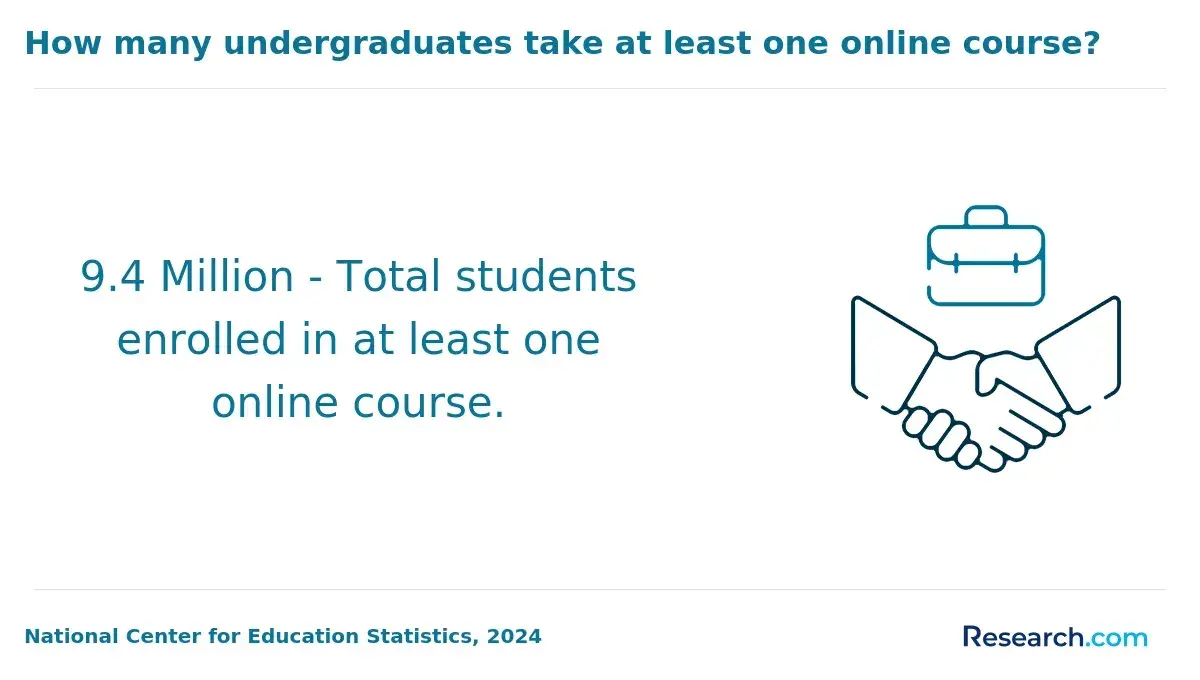
Master's-level education dominates the nurse executive leadership landscape, accounting for roughly 60% to 70% of enrollments and completions according to data from the National Center for Education Statistics in 2024. This prevalence reflects employer expectations for advanced clinical expertise paired with strategic leadership and operational management skills that are not typically covered in undergraduate or associate degree programs.
Those holding associate or bachelor's degrees often find themselves needing to pursue graduate education to remain viable candidates for executive roles, given that healthcare organizations increasingly prioritize formal leadership credentials linked to patient care quality and organizational efficiency.
Doctoral pathways like the DNP or PhD, while less common-comprising around 10% to 15% of students-serve a distinct niche focused on high-level administrative leadership, policy influence, or academic research. The rising availability of online master's programs has also widened access, enabling full-time practitioners to advance without pausing their careers, which reinforces the master's degree's central role.
Regional trends further accentuate demand disparities, with urban health systems exhibiting higher concentrations of advanced degree holders, underscoring the influence of local healthcare infrastructure and employer requirements on degree level selection within nurse executive leadership.
How Do Enrollment Trends Differ Between Associate, Bachelor's, Master's, and Doctoral Nurse Executive Leadership Degrees?
Enrollment patterns in nurse executive leadership degree programs by level reveal a clear stratification tied to professional expectations and career trajectories. Associate degree enrollments remain steady but limited, often serving as entry points into clinical roles rather than leadership tracks, highlighting a practical barrier for those seeking executive functions without further education. Bachelor's programs capture broader participation and steady growth, reflecting employer preferences for a clinical-administrative foundation, while master's programs experience the most rapid expansion-as increasing demand across healthcare systems favors specialized leadership expertise with skills in policy and systems management.
According to data from the National Center for Education Statistics, bachelor's level nursing leadership completions grew about 4% annually between 2020 and 2023, underscoring this trend.
The doctoral level maintains smaller but strategically significant enrollment, appealing primarily to nurses targeting academic, policy, or senior executive roles. These programs, though niche, have steady growth consistent with their role in advancing healthcare strategy and research, with geographic differences noted in regions dense with academic medical centers.
Enrollment choices in these degree tiers critically shape long-term professional pathways, as many employers increasingly require at least a master's credential for nurse executive roles, thereby influencing how students prioritize educational investment. This dynamic is evident in shifting demographics as well, with master's programs reflecting increasing diversity across gender and racial lines, signaling evolving workforce and leadership expectations within the field.
Prospective students evaluating options in nurse executive leadership must weigh foundational accessibility against specialization depth and career ambition, a calculus affecting both program selection and ultimate employability. Those navigating associate or bachelor pathways might consider acceleration options offered by fast track schools to bridge gaps toward advanced credentials more aligned with leadership demands.
Understanding regional differences in nurse executive leadership associate, master, and doctoral enrollment further aids in tailoring academic choices to local workforce conditions, optimizing both educational return and strategic positioning within the healthcare leadership landscape.
How Popular Is the Nurse Executive Leadership Degree Compared to Other College Majors?
The relatively low enrollment numbers for nurse executive leadership degrees compared to broader nursing or healthcare majors do not necessarily indicate diminished value but rather reflect its specialized focus and targeted career path. According to 2024 data from the National Center for Education Statistics, while roughly 150,000 bachelor's degrees in nursing were awarded in 2023-2024, nurse executive leadership-related degrees are far fewer and predominantly concentrated at the graduate level. This narrower pool affects program availability and peer group size but corresponds with employer demand for advanced administrative expertise rather than broad popularity among students seeking generalist options.
Enrollment growth in nurse executive leadership has been steady over recent years, suggesting rising recognition of leadership roles in healthcare, especially in urban regions with established medical infrastructure. Women dominate enrollment, mirroring the overall demographic composition of the nursing workforce, reinforcing how gender trends influence both the supply and demand for this specialization. Prospective students should consider that smaller class sizes and fewer programs offer both challenges and opportunities-more specialized attention and potentially stronger alignment with leadership roles but less extensive networks compared to mainstream nursing tracks.
A former graduate recalled initially being uncertain about committing to nurse executive leadership due to its limited visibility compared to more traditional nursing majors. Their cohort's small size meant fewer classmates but enabled deeper connections and focused discussions on administration and policy. Conversations with academic advisors underscored the tradeoffs between immediate broad workforce entry and longer-term leadership preparation, highlighting how the degree's niche status shaped both expectations and professional pathways in subtle but significant ways.
Why Is the Nurse Executive Leadership Degree More Popular in Certain States and Regions?
Regional workforce demand and educational infrastructure heavily influence nurse executive leadership degree popularity by state, shaping both enrollment patterns and career opportunities. States with large healthcare systems, such as California and New York, see consistently higher demand for nurse management roles, encouraging professionals to pursue these advanced leadership credentials.
Conversely, regions with less concentrated healthcare employment often experience lower enrollment, limiting local networking and diminishing perceptions of the degree's immediate value. For example, Florida's aging population drives increased interest in nurse executive leadership programs, reflecting a direct connection between demographic pressures and institutional priorities supporting workforce expansion.
Access to accredited programs and online learning also plays a critical role in shaping regional trends in nurse executive leadership programs. Northeastern and West Coast states benefit from dense educational infrastructures and employer incentives that reduce barriers and enhance degree completion rates. This influences prospective students' decisions on where to study, affecting the competitive landscape and available professional connections post-graduation.
Conversely, rural and underserved areas depend increasingly on online education to bridge gaps, although licensure restrictions and institutional reputation may complicate their options. For those exploring specialized healthcare education pathways, comparing regional differences in program availability and outcomes remains essential, especially when considering long-term career implications.
Economic factors and state policies further differentiate popularity patterns, as states with higher median incomes and healthcare expenditures tend to support advanced nurse leadership education through tuition assistance and competitive salaries. These conditions directly affect return on investment calculations for potential students, altering where nurse executive leadership degree demand by state is strongest.
Students evaluating programs should consider both workforce demand and these supportive economic factors, alongside the practical realities of degree portability and employer expectations, to choose pathways aligned with their career goals. For additional insights into healthcare management education options, prospective learners might explore resources such as the best online MHA programs.
What Demographic Groups Are Driving Growth in Nurse Executive Leadership Degree Programs?
Rising enrollment in nurse executive leadership degrees is closely tied to workforce demands emphasizing gender representation and flexible learning formats. Women, who make up roughly 85% of current enrollees, are increasingly pursuing these degrees as pathways to formalize leadership credentials in healthcare settings where female practitioners dominate but remain underrepresented in executive roles. This influences program culture and peer dynamics, often fostering environments attuned to advancing women's leadership, though it may also shape networking opportunities and mentorship availability differently than more gender-diverse cohorts.
Geographically, growth is concentrated in Southern and Western states such as Texas, California, and Florida, where healthcare expansion and population increases drive demand for nurse leaders with advanced management skills. The heavy uptake of online and hybrid formats—accounting for about 60% of enrollments—reflects practical constraints among adult learners balancing ongoing professional responsibilities and personal commitments. This trend broadens access but also requires programs to address challenges around maintaining engagement and cohort cohesion across virtual platforms while meeting employers' expectations for applied leadership competencies.
Demographic shifts toward greater racial and ethnic diversity, alongside a growing presence of first-generation college students, signal modest but meaningful changes in program inclusivity. These trends mirror industry-wide calls for leadership that reflects broader communities, yet they also underscore the importance of tailored support structures to address barriers facing underrepresented students.
For prospective students and educators alike, understanding these nuanced enrollment patterns informs realistic expectations for peer interactions, resource availability, and the evolving competencies prioritized by healthcare organizations seeking nurse executives equipped to lead in diverse, regional healthcare environments.
What Is the Future Outlook for Nurse Executive Leadership Degree Enrollment by Gender, Region, and Degree Level?
Enrollment in nurse executive leadership degree programs is poised to shift in composition and regional strength as workforce demands and educational delivery models evolve. While female students will likely continue to dominate enrollment, reflecting the profession's demographics where women comprise nearly 90%, the gradual rise in male participation signals a diversification that may slowly reshape recruitment strategies and program cultures. This demographic change occurs alongside institutional adaptations such as increased online offerings, which reduce geographic barriers and enable mid-career nurses to engage in advanced leadership education without relocating or leaving their jobs.
Regionally, the fastest enrollment growth is expected in the Southern and Western United States, driven largely by population expansion and healthcare system growth in these areas. This contrasts with more mature healthcare markets in the Northeast, where enrollment stabilizes due to established leadership staffing and less pronounced infrastructure expansion. These geographic disparities affect program availability and competitive dynamics for prospective students, influencing academic planning and resource allocation at institutions serving these regions.
Master's degrees will remain the primary path for nurse executive leadership preparation, capturing around 65-70% of enrollments, but doctoral programs, including DNPs with an executive leadership focus, are gaining traction. According to a 2023 report from the American Association of Colleges of Nursing, doctoral leadership enrollments increased by 12% year-over-year, highlighting employer preferences for clinical leadership competencies at the executive level. This trend implies that students weighing degree options should consider how advanced credentials align with organizational expectations and the practical demands of leadership roles in quality improvement and innovation.
How Have Nurse Executive Leadership Degree Enrollment Trends Changed Over the Past Decade?
Enrollment changes over the past decade in nurse executive leadership degree programs reveal significant shifts in how these degrees align with evolving workforce demands and educational accessibility. Master's degree programs have led growth, reflecting employer demand for advanced credentials in leadership roles, while doctoral enrollments, though smaller, increased by 20%, showing rising interest in policy, research, and academic pathways. These shifts shape perceptions of degree relevance, as graduates with higher-level qualifications tend to access more specialized management roles, yet this creates competition and tradeoffs regarding time and financial investment in advanced degrees.
Gender and regional dynamics further nuance these trends. Women remain the majority, encompassing over 85% of enrollments, but gradual increases in male participation indicate slowly diversifying representation in nursing leadership fields. Regionally, the South and Northeast experience sharper increases in nurse executive leadership degree enrollment trends by gender and region, driven by dense healthcare systems and institutional support.Meanwhile, the Midwest and West regions report more modest growth, suggesting that economic and educational resource disparities influence program availability and practical decision-making for students based on location.
Several workforce and policy factors reinforce these patterns, including heightened demand for qualified nurse leaders and shifts toward leadership competencies in certification requirements. The expansion of online and hybrid programs improves access for working professionals balancing career and study but also highlights retention challenges among underrepresented and rural populations.
Prospective students should weigh these realities carefully when evaluating their educational options and long-term career plans, as degree attainment remains a critical factor influencing employability and leadership opportunities in nursing administration. Those interested in related fields may also consider the health information management bachelor degree salary as part of broader workforce considerations.
Where Is the Nurse Executive Leadership Degree Most Popular Across the United States?
Nurse executive leadership degree popularity clusters in regions with dense healthcare infrastructures and educational ecosystems capable of supporting advanced nursing leadership training, rather than spreading evenly across the United States. Areas like the Northeast and West Coast benefit from major metropolitan health systems that demand skilled nurse leaders to manage complex operations, creating a strong incentive for both enrollment and degree completion.
This pattern reflects higher employment density and institutional concentration, meaning students in these regions often access more specialized programs and richer networking opportunities, which can translate into greater career mobility post-graduation. Regional nurse executive leadership degree enrollment trends in the US generally mirror these economic and workforce realities.
The Mid-Atlantic's rising enrollments correlate with proximity to federal health agencies and policies promoting leadership within healthcare organizations, reinforcing how local workforce demand shapes educational choices. Conversely, the Southeast and central states, with fewer large urban medical centers, show lower enrollment levels, limiting options for prospective students and potentially affecting perceptions of degree value based on geographic context.
Such variation implicates practical tradeoffs: students outside major hubs may face challenges finding programs aligned with employer expectations and may need to weigh relocation or online pathways, including those in adjacent fields like online sociology bachelor programs, to complement their career advancement.
These enrollment and graduation patterns reveal critical regional disparities that influence how nurse executive leadership degrees are perceived and leveraged in different states. Recognition by employers and workplace access to leadership roles often depend on being within or connected to geographic clusters with established health systems and accredited graduate nursing programs. Therefore, prospective students should integrate regional workforce realities and program availability into their decision-making to maximize the practical value of their degree investment.
References
- Rounds with Leadership: A Deeper Dive into the Data | Newswise https://www.newswise.com/articles/rounds-with-leadership-a-deeper-dive-into-the-data
- Your Guide to Understanding the Different Types of Nursing Degrees https://www.herzing.edu/types/nursing-degrees
- Nurse Executive Certification: Overview and FAQ https://credenzahealth.com/career-advice/nurse-executive-certification-overview-and-faq
- Nurse Hierarchy | What Are the Levels of Nursing? https://nursinglicensemap.com/resources/nurse-hierarchy/
- Nurse Executive https://www.uthsc.edu/nursing/dnp/nurseexecutive.php
- Should I pursue a MSN in leadership or education if I'm not sure I want to be in management? https://www.incrediblehealth.com/nurse-advice/questions/dd972f2d/should-i-pursue-a-msn-in-leadership-or-education
- Schools of Nursing Enrollment Increases Across Most Program Levels, Signaling Strong Interest in Nursing Careers https://www.aacnnursing.org/news-data/all-news/schools-of-nursing-enrollment-increases-across-most-program-levels-signaling-strong-interest-in-nursing-careers
- Leading with impact: How the Nurse Executive Leadership Program is transforming careers – Australian College of Nursing https://www.acn.edu.au/nurseclick/leading-with-impact-how-the-nurse-executive-leadership-program-is-transforming-careers
- The Different Levels of Nursing Explained | USAHS https://www.usa.edu/blog/levels-of-nursing-explained/
- Online Master’s in Nursing Administration & Nurse Executive Leadership Programs https://www.onlineeducation.com/nursing/nursing-administration-executive-leadership-programs
Other Things You Should Know About Nurse Executive Leadership
Gender imbalances in nurse executive leadership degree enrollments often reflect broader workforce dynamics, where women dominate clinical roles but men may have higher representation in leadership tracks. Prospective students should consider how these disparities might affect networking opportunities, mentorship availability, and workplace culture after graduation. Prioritizing programs with targeted support for underrepresented genders can lead to improved leadership skill development and better alignment with evolving employer expectations for diverse management teams.
Regions with higher nurse executive leadership degree popularity frequently offer more specialized coursework, experiential learning, and partnerships with healthcare organizations. These elements can enhance practical leadership readiness but may also mean higher competition and workload. Students must evaluate how regional program strengths correspond to their career goals and consider that graduating locally might ease job placement but limit exposure to broader institutional practices found in other areas.
Higher degree levels often emphasize research, policy, and strategic leadership theory, whereas master's-level programs typically focus more on applied management and operational skills. Students seeking immediate leadership roles in clinical settings might benefit more from master's programs with strong practicum components, while doctoral candidates should be prepared for greater academic demands and less direct leadership practice. Choosing the right degree level requires weighing the intended career trajectory against the nature of program content and workload.
Yes. Employers increasingly value nurse leaders who understand complex healthcare systems beyond nursing, including finance, technology, and public health. Programs integrating interdisciplinary studies better prepare graduates to navigate these demands and assume influence in diverse organizational contexts. Students focused on leadership roles in larger healthcare settings should prioritize programs explicitly emphasizing cross-functional learning to enhance employability and leadership effectiveness.