2027 Nurse Executive Leadership Degree Completion Time Report: How Long Students Actually Take to Graduate

Co-Founder and Chief Data Scientist
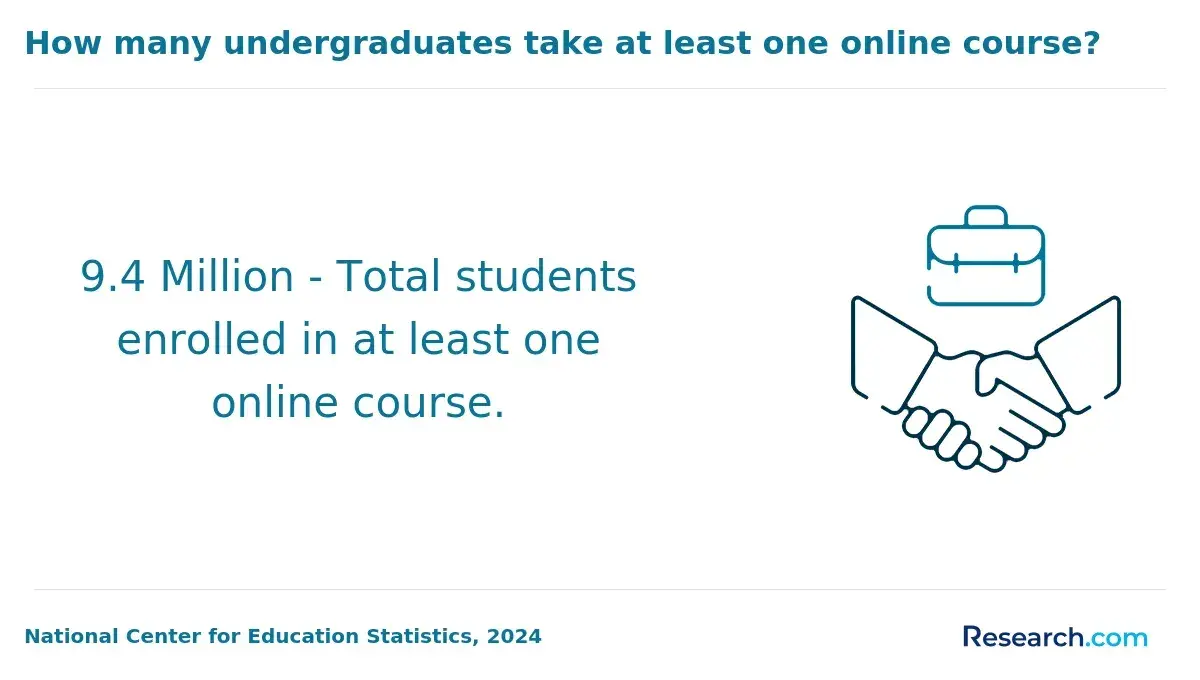
Completion timelines for nurse executive leadership degrees often reflect complex challenges beyond credit requirements. Many students juggle full-time employment, family obligations, and clinical duties, which elongate enrollment durations. A 2024 National Center for Education Statistics report highlights that part-time enrollment has increased in graduate health programs, signaling a shift toward extended completion periods driven by workforce demands and life balance.
Additionally, transfer students frequently face credit articulation issues, delaying progress. This article examines actual time-to-degree outcomes, identifying key factors such as course availability, institutional support, and individual circumstances that shape realistic graduation timelines for nurse executive leadership students.
Key Things to Know About Nurse Executive Leadership Degree Completion Time
- Most students take longer than the advertised program length. Only about 45% of first-time, full-time bachelor's students graduate within four years, while roughly 64% finish within six years, making the actual completion time longer for many learners.
- The average college graduate is often older than expected. The median age of bachelor's degree recipients is around 23 years, while master's degree recipients are typically in their early 30s, reflecting the growing number of adult and returning students.
- Completing a degree can significantly increase lifetime earnings. Workers with a bachelor's degree earn roughly 65% more per week than those with only a high school diploma, and graduate degree holders typically earn even higher median wages over their careers.
- What Is the Average Graduation Time for Nurse Executive Leadership Students? Average Graduation Timeline
- What Factors Have the Biggest Impact on Graduation Speed? Graduation Timeline Factors
- How Does Full-Time Versus Part-Time Enrollment Affect Graduation Timelines? Full-Time vs. Part-Time Graduation Timeline
- Do Online Nurse Executive Leadership Students Graduate Faster Than Campus-Based Students? Online vs. On-Campus Timeline
- How Many Months or Years Can Transfer Credits Save? Transfer Credits
- Do Accelerated Nurse Executive Leadership Programs Significantly Reduce Completion Time? Accelerated Program Timeline
- Which Nurse Executive Leadership Program Requirements Most Often Extend Graduation Timelines? Factors Extending Graduation Timeline
- Does Taking Longer to Graduate Increase the Cost of a Nurse Executive Leadership Degree? Impact on Program Cost
- Does Graduating Faster Improve Career Prospects? Impact on Career Prospects
- Which Scheduling Mistakes Commonly Delay Graduation? Mistakes to Avoid
What Is the Average Graduation Time for Nurse Executive Leadership Students?
Typical nursing leadership programs, such as nurse executive leadership degrees, generally require two to three years of full-time study to complete, reflecting the standard timeline for most master's-level healthcare administration courses. Part-time enrollment is common given the professional obligations many candidates maintain, extending average completion timelines to four years or more. This variability in duration is significant when considering realistic educational planning, as the pace of progression must often accommodate ongoing employment and family responsibilities, which influence how quickly students can accumulate required credits.
Key factors driving differences in the average graduation time for nurse executive leadership programs include program design, credit transfer policies, and practicum requirements, which frequently add complexity beyond traditional coursework. Students who transfer credits may experience shorter completion periods if prior studies align with program expectations, while those in fully online or flexible formats might face extended enrollment due to balancing work commitments. According to a 2024 analysis by a leading higher education research organization, programs with flexible scheduling attract more working nurses but correspond with longer part-time durations. Practical leadership experience gained during study often justifies these extended timelines, reflecting a tradeoff between accelerated academic progress and comprehensive skill mastery.
For prospective students and workforce planners, understanding these dynamics is essential. Graduation timing directly influences financial planning, professional timing, and readiness to assume executive roles. Employers often prioritize demonstrated leadership competencies over the speed of degree completion, which encourages students to select pathways balancing pace with depth. Aligning expectations around typical degree completion timelines for nurse executive leadership students reinforces informed decision-making and supports strategic academic and career investments that accommodate the demands of healthcare leadership roles and personal circumstances. Resources like healthcare administration courses provide additional insight into these considerations.
What Factors Have the Biggest Impact on Graduation Speed?
Graduation speed for nurse executive leadership master's degree completion time is shaped by a complex interplay of academic planning, institutional design, and personal life circumstances. No single variable dictates how quickly a student will finish; instead, enrollment status, credit transfer policies, program formats, and individual commitments converge to influence outcomes. Recognizing these factors enables students to make strategic decisions about course load, enrollment format, and pacing suited to their professional and personal contexts.
- Enrollment Status and Course Load: Students enrolled full-time generally progress faster, as uninterrupted semesters and heavier course loads compress overall timelines. Part-time students, often balancing work and family duties, face protracted durations since reduced course loads extend the total timeframe. This factor interacts closely with workload demands both inside and outside school, as many nurse executive leadership students hold senior healthcare positions requiring significant time investments.
- Transfer Credits and Prior Academic Preparation: The ability to apply transfer credits shortens time-to-degree by recognizing previous graduate-level coursework; however, acceptance policies vary widely across institutions. Students who strategically plan for transfer credit can bypass foundational courses, accelerating degree completion, while those with limited credit recognition often contend with full program requirements, extending their studies.
- Program Delivery Format: Online and hybrid formats offer flexible pacing, enabling students to modulate semester intensity depending on professional obligations. While flexibility can hasten completion for motivated learners leveraging accelerated scheduling, it also permits lighter workloads that dilute momentum and lengthen average duration. This tradeoff reflects how program design affects temporal efficiency and student autonomy.
- Employment and External Responsibilities: Many candidates concurrently maintain demanding healthcare roles, whose scheduling constraints reduce dedicated study time. Extended working hours and shift variability often necessitate slower academic progression, illustrating how employment obligations directly influence graduation speed in nurse executive leadership programs.
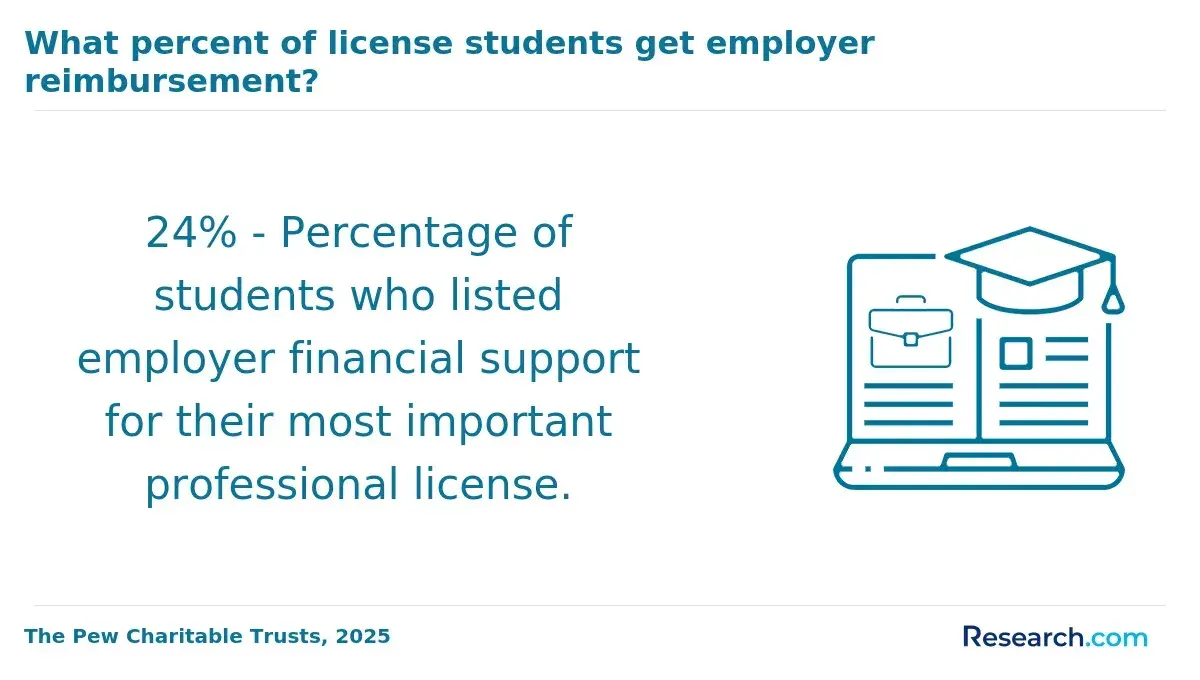
- Financial Resources and Institutional Support: Tuition affordability and financial aid availability impact enrollment continuity. Students facing funding gaps may interrupt studies or take fewer courses per term, delaying graduation. Institutions with robust financial aid and employer-sponsored tuition assistance can indirectly compress time to completion by enabling steadier, sustained enrollment patterns.
- Academic Advising and Support Systems: Consistent access to tailored advising accelerates degree progress by helping students navigate course sequencing, policy changes, and balancing professional duties. Evidence from a 2024 survey by the American Association of Colleges of Nursing indicates that students with sustained advising graduate approximately 20% faster than those lacking such support, underscoring the structural value of institutional guidance in reducing attrition and delay.
Considering these factors together clarifies why nurse executive leadership graduation timelines vary widely even within the same program. Strategic enrollment and academic planning aligned with real-world demands enable some students to complete more efficiently, while others accept extended durations to accommodate workforce and life complexities. For planners and working professionals, understanding these dynamics helps create realistic expectations and informed pathways toward degree completion. Those evaluating the best approach to balance study and work may also explore related options like medical billing and coding programs, which offer alternative career-entry timelines and financial aid structures.
How Does Full-Time Versus Part-Time Enrollment Affect Graduation Timelines?
Full-time enrollment in nurse executive leadership programs typically leads to degree completion within two to three years, as supported by recent 2024 data from accredited higher education research. This accelerated pace results from students taking heavier course loads each semester and progressing through sequenced coursework and practicum requirements without extended breaks. Conversely, part-time students often extend their timelines to four years or more, reflecting the practical necessity to balance coursework with ongoing professional and personal responsibilities. This divergence creates distinct pathways not only in duration but also in how students maintain academic momentum and access leadership roles within healthcare systems.
The variation in completion speed stems from several interacting factors. Full-time students usually enroll in a concentrated credit load that demands consistent, intensive study, enabling continuous progression without semester-to-semester interruptions. Part-time enrollment accommodates external demands such as employment and family obligations by limiting course loads, which introduces scheduling flexibility but slows academic progression. Institutional program structures also influence outcomes; for instance, rigid course sequencing and cohort-based models may restrict part-time students' ability to accelerate, while online or hybrid formats can partially mitigate these constraints. These dynamics highlight the tension between workload intensity and outside life circumstances, which ultimately shape students' capacity to complete program requirements on preferred timelines.
Enrollment decisions carry important long-term consequences beyond mere graduation dates. Full-time study often requires short-term financial sacrifice due to reduced work hours but aligns with faster workforce reentry and earlier qualification for advanced roles, which can enhance salary trajectory and leadership influence. Part-time pathways provide critical work-study balance that may reduce burnout, a significant factor in healthcare, yet delay credential completion and potentially slow access to higher compensation and responsibility. Employers frequently view timely program completion as a metric of readiness for executive positions, making the speed and continuity of academic progress a key consideration for those seeking to align educational choices with evolving professional demands.
Do Online Nurse Executive Leadership Students Graduate Faster Than Campus-Based Students?
Online nurse executive leadership students often complete their degrees more quickly than those enrolled in traditional on-campus programs, but this trend is not universal. Recent data from the National Center for Education Statistics in 2024 indicates that online learners in healthcare leadership fields typically finish in about 2.5 to 3 years, while campus-based students usually take between 3.5 and 4 years. Yet, actual graduation timelines differ significantly across individuals, influenced by the structure and policies of specific programs as well as the students' personal circumstances and commitments.
The faster completion associated with online programs largely stems from flexible scheduling and self-paced coursework, allowing students-often working adults-to accelerate their studies through condensed terms or by leveraging credits for prior experience. In contrast, campus programs often have fixed class schedules, traditional semester pacing, and may include in-person internship requirements that extend time to degree. Additionally, part-time enrollment patterns, workload management, and how each format supports student engagement play crucial roles in shaping progression speed. Institutional policies on course load limits and credit transfer flexibility also affect how quickly students can finish, making modality only one factor within a complex set of influences.
Choosing between online and campus formats affects not just time-to-graduation but also academic discipline, the balancing of professional and personal responsibilities, and readiness to enter senior healthcare leadership roles. The autonomy demanded by online learning can expedite completion for motivated individuals but may challenge those needing more structured support. Conversely, campus environments provide stability and direct faculty interaction that may encourage steady if slower progress, sometimes aligning better with students whose external demands interfere with intensive self-directed study.
One nurse executive leadership graduate recalled feeling anxious during the rolling admissions period for their preferred online program, unsure whether delaying application would mean missing early start dates given their full-time job. After hesitating to submit materials due to uncertainty about prerequisites, they eventually moved forward with an application just weeks before the term began. The compressed acceptance window and limited advising availability created pressure, but once enrolled, the program's accelerated format allowed them to complete the degree faster than expected despite initial doubts about timing and preparation.
How Many Months or Years Can Transfer Credits Save?
Transfer credits can meaningfully shorten the total time required to complete a nurse executive leadership degree, but the actual duration saved varies significantly. Depending on the volume and relevance of prior coursework, students may reduce their program length from several months up to two years. This variability reflects how well transferable credits align with the receiving program's curriculum and degree requirements. According to data from the National Center for Education Statistics and the Community College Research Center in 2024, many students who transfer relevant credits save between six months and two years, though this figure depends heavily on institutional policies and the rigor of credit evaluations.
The extent of time saved through transfer credits is influenced by several institutional factors, including accreditation compatibility, course equivalency assessments, and residency requirements. Most nurse executive leadership programs enforce caps on transfer credits, commonly accepting only 50% to 75% of total degree credits from other institutions. These limits preserve the integrity of key coursework, especially in advanced leadership and practicum components, which often lack exact equivalents elsewhere. Additionally, strict evaluation processes ensure that transferred credits meet academic quality standards and correspond to foundational or prerequisite content, which directly affects how many courses can be waived or bypassed. This complexity explains why the impact of transfer credits varies widely across students and schools.
Transfer credits also affect academic planning by reshaping course sequencing and potentially accelerating progression through prerequisite material. While they can lower tuition costs and reduce time to degree completion, they may limit opportunities for immersive, program-specific leadership training and networking integral to nurse executive leadership development. Students should weigh how transfer credits influence not just time saved but also hands-on learning and professional readiness.
Those exploring advanced healthcare education pathways may also consider options like a PhD in healthcare management online to complement leadership credentials within the evolving healthcare workforce landscape.
Do Accelerated Nurse Executive Leadership Programs Significantly Reduce Completion Time?
Accelerated nurse executive leadership programs aim to condense traditional graduate degree timelines, often squeezing a two-year curriculum into roughly 12 to 18 months. These programs generally compress coursework by increasing the pace at which classes are delivered and reducing or eliminating breaks between terms. The intent is to expedite credentialing for experienced nurses seeking leadership roles, with program designs leveraging factors like transfer credits and prior graduate coursework to streamline progression. However, this compression requires a dense curriculum delivery model that demands a continuous and intensive academic commitment from students.
Whether accelerated formats deliver meaningful time savings depends heavily on program structure and individual student circumstances. Key determinants include the total credit load per term, the sequencing and availability of prerequisite courses, and how clinical practica, internships, or capstone projects fit into the timetable. Some programs maintain unchanged experiential requirements despite shortened terms, limiting the potential reduction in overall duration. Additionally, the heavier course load each term can stress students' capacity to absorb complex leadership competencies and complete significant projects swiftly, which may affect academic performance and satisfaction.
The intensified workload typical of accelerated programs often restricts scheduling flexibility, reducing opportunities for part-time employment or family time. This trade-off can impact learning depth and the cultivation of practical leadership skills if students prioritize pace over reflective engagement. Employers may recognize the credential similarly to traditional tracks but may assess graduates' hands-on readiness more critically. Thus, accelerated pathways present real operational advantages in timing but require careful consideration of the balance between speed, workload, and experiential learning quality.
One accelerated nurse executive leadership graduate recalled grappling with the uncertainty of rolling admissions that complicated timely enrollment. Having anticipated transferring several credits, they hesitated because confirmation came late, risking missing critical deadlines. This delay forced a difficult decision between waiting for formal acceptance or starting a traditional program to avoid postponing leadership goals further. Ultimately, the candidate accepted the accelerated offer upon last-minute notice but emphasized that the compressed timeline left little room for unexpected contingencies, underscoring the importance of strategic planning before committing to an accelerated path.
Which Nurse Executive Leadership Program Requirements Most Often Extend Graduation Timelines?
Lengthened graduation timelines in nurse executive leadership programs often stem less from total credit hours and more from embedded curricular elements designed to ensure practical competence and applied skills. These core components-practicums, research, and course sequencing-reflect the rigor expected in graduate-level leadership preparation but simultaneously impose distinct constraints on pacing. The interplay between program design, institutional policies, and students' competing responsibilities creates bottlenecks that slow progression beyond nominal two-year completions.
- Extended Practicum or Residency Requirements: Clinical placements in leadership roles demand completion of specified practicum hours to develop management competencies in real healthcare environments. These experiences hinge on healthcare facility availability and institutional partnerships, often leading to scheduling difficulties. According to a 2024 workforce report by Lightcast, around 40% of students take longer than two years primarily due to challenges in securing and fulfilling these placements.
- Complex Research or Capstone Projects: Many programs require original research or quality improvement initiatives focused on healthcare administration that involve substantial data collection, stakeholder engagement, and iterative reviews. This multilayered process can add significant time, especially for students balancing employment, extending timelines well beyond coursework completion.
- Prevalence of Part-Time Enrollment: Given the workforce demands on nurses pursuing leadership roles, full-time study is often not practical. O*NET data highlights that approximately 55% of these students work while enrolled, effectively stretching completion times as part-time schedules slow academic progress and limit course availability per term.
- Supplemental Coursework in Business and Informatics: Required classes outside direct clinical content-such as financial management, organizational behavior, and health informatics-introduce additional credits to develop administrative expertise. Variability in prerequisites and transfer credit evaluations often disrupt planned sequencing, delaying progression especially for transfer or career-switching students.
- Credit Transfer and Prerequisite Challenges: Misalignment of transferred credits or unmet prerequisites commonly forces course repetition or sequencing delays. Institutional policies differ widely, complicating smooth credit articulation and hampering timely program navigation.
Each of these requirements is integral to preparing nurse executives capable of meeting complex leadership demands but they represent real time investments that require proactive scheduling strategies and institutional support to mitigate completion delays.
Does Taking Longer to Graduate Increase the Cost of a Nurse Executive Leadership Degree?
Extending the time required to complete a nurse executive leadership degree generally results in higher tuition and associated expenses, particularly when institutions charge on a per-credit or per-semester basis. Students taking longer may incur repeated charges for technology fees, course retakes, or mandatory administrative costs, and such delays can reduce eligibility for specific financial aid programs, increasing out-of-pocket spending. Employer tuition assistance often requires maintaining steady enrollment, so interruptions can diminish financial support, further raising total expenses. These factors together create a dynamic where prolonged completion timelines amplify the financial consequences of extended nurse executive leadership graduation time beyond mere tuition increases.
However, longer completion periods do not always translate into substantially higher costs, especially when programs employ flat-rate tuition models or allow part-time enrollment with consistent per-credit pricing. In these cases, students can strategically adjust course loads to spread expenses without incurring penalties. Employer tuition assistance programs vary widely in flexibility, and some providers offer policies permitting extended pacing without financial disadvantage. Enrollment behavior and academic pacing directly influence cost accumulation, as students balancing professional roles may trade increased duration for manageable expenses.
Given the growing demand for nurse executive leadership professionals and the competitive DNP salary landscape, analyzing these financial structures is critical for education planning and workforce outcomes.
Does Graduating Faster Improve Career Prospects?
Graduating faster from a nurse executive leadership degree program can provide an advantage in entering the workforce sooner, potentially allowing candidates to begin their job search ahead of peers. Early completion may signal motivation and the ability to manage rigorous schedules, which can be attractive traits to employers in fast-moving healthcare environments. However, hiring managers rarely evaluate graduation speed in isolation; instead, they consider the overall readiness and depth of experience a candidate brings. Rapid progression without substantial leadership practice or exposure to complex scenarios may limit the signaling value of finishing early when competing for leadership roles.
The impact of completing a nurse executive leadership program ahead of the typical 18 to 24 months depends on several critical factors. Employers prioritize demonstrable leadership skills nurtured through practicum experiences, the strength of leadership portfolios, and connections developed within healthcare networks. These elements often outweigh acceleration alone in influencing hiring and career advancement. Moreover, alignment with current labor market demand and the ability to balance work, study, and practical development meaningfully contribute to whether faster graduation improves job prospects. Early graduates sometimes face challenges illustrating the depth of their preparation, underscoring that speed does not replace comprehensive skill mastery.
Faster graduation involves trade-offs between time savings and experiential learning, which can affect long-term career trajectories. While an accelerated timeline may appeal to professionals seeking to re-enter the workforce quickly, sacrificing network building and practicum involvement could hinder sustained leadership growth. Prospective students should weigh their individual circumstances against the importance of developing robust leadership competencies to optimize nurse executive leadership career advancement speed.
For those interested in program selection nuances, resources such as information on which online MPH programs are easiest to get into may offer additional context for balancing duration and career goals.
Which Scheduling Mistakes Commonly Delay Graduation?
Graduation delays in nurse executive leadership programs often stem from avoidable scheduling and enrollment mistakes rather than academic difficulty alone. These issues affect students across different degree levels and program formats, disrupting the carefully structured sequencing that ensures timely degree completion. Recognizing these common pitfalls aids in preserving steady academic momentum within the constraints of credit requirements and institutional policies.
Improper Course Sequencing and Missed Prerequisites: Nurse executive leadership curricula rely on strict prerequisite chains, and misordering courses can block access to advanced classes. This forces students to pause progression or retake courses, extending their timeline.
Inconsistent Enrollment Intensity: Overloading credits risks burnout or course withdrawal, while underloading lengthens program duration. Working adults balancing roles often misjudge sustainable course loads, amplifying time-to-degree. National statistics in 2024 show 45% of part-time students exceed six years to graduate due to such patterns.
Late or Delayed Course Registration: Delaying enrollment decisions narrows available class options, particularly for required courses, pushing them into future terms. This effect intensifies in programs with limited scheduling flexibility.
Transfer Credit Processing Delays: Transfer students frequently encounter administrative hold-ups and course equivalency reviews. These delays impede registration for higher-level courses until credit gaps are resolved, prolonging completion.
Insufficient Academic Advising Engagement: Avoiding or deferring regular advisor consultations reduces early detection of planning errors. Proactive advising aligns course selection with program progression and workforce expectations, minimizing bottlenecks.
Other Things You Should Know About Nurse Executive Leadership
Managing a leadership role in healthcare while pursuing a nurse executive leadership degree often extends the time to graduate. Employers typically demand sustained on-the-job performance, which limits the hours available for study and project work. Students should realistically evaluate their weekly capacity and prioritize programs offering flexible deadlines or asynchronous formats to avoid burnout and prolonged completion timelines.
While shorter clinical requirements may reduce total program length, they can also limit exposure to critical leadership challenges faced in healthcare settings. Nurse executive leadership roles demand strong practical experience, and insufficient practicum engagement risks diminished employer confidence and weaker career outcomes. Prioritizing programs that balance hands-on experience with efficient scheduling often yields better long-term value despite modestly longer completion times.
Programs linked with employer tuition assistance often expect steady progress within prescribed time frames, creating implicit pressure to maintain consistent enrollment. Such partnerships can motivate timely graduation but may also restrict flexibility when personal or professional disruptions occur. Students must weigh these benefits against potential penalties for delayed progress and decide if a program's structure aligns with their capacity for steady academic pacing.
Balancing work and coursework is crucial in achieving timely degree completion for the 2027 Nurse Executive Leadership program. Effective strategies include prioritizing tasks, utilizing flexible study options, and seeking employer support or tuition assistance to alleviate time pressures and promote focused study periods.