2027 Nurse Executive Leadership Affordability by State: Where Students Pay the Most and Least

Co-Founder and Chief Data Scientist
Choosing between an in-state program with lower tuition but higher living costs and an out-of-state option with steep tuition yet affordable housing can overwhelm prospective nurse executive leadership students. In 2024, average out-of-state tuition increased by 6.2%, outpacing the 3.5% rise for in-state rates, shifting the traditional cost-benefit balance. This dynamic forces students to weigh not just sticker price but total cost of attendance and potential debt burden.
Understanding these state-level disparities is critical since borrowing decisions directly influence long-term financial stability and career flexibility for nurse leaders. This article analyzes where nurse executive leadership programs are most and least affordable by state to guide financially sound enrollment choices.
Key Things to Know About Nurse Executive Leadership Affordability by State
- States with the lowest tuition often have higher living costs or limited financial aid, offsetting apparent savings and requiring budget-conscious nurse executive leadership students to evaluate total expenses, not just sticker price.
- In-state tuition advantages reflect state funding priorities, but employers increasingly value program reputation and clinical experience over residency status, influencing job prospects more than tuition savings alone.
- Online nurse executive leadership programs provide access for nonlocal students, yet recent 2024 data shows some online options can have similar total costs due to fees and technology requirements, impacting timing and budgeting choices.
- Key Things to Know About Nurse Executive Leadership Affordability by State Key Things to Know About Nurse Executive Leadership Affordability by State
- Which States Have the Most Affordable Nurse Executive Leadership Degree Programs? Most Affordable State Programs
- Which States Have the Highest Nurse Executive Leadership Degree Costs? Highest State Tuition Costs
- How Much Does a Nurse Executive Leadership Degree Cost by State? Degree Costs by State
- Why Does Nurse Executive Leadership Affordability Vary So Much Between States? State Affordability Variations
- How Do In-State and Out-of-State Tuition Rates Affect Nurse Executive Leadership Affordability? In-State vs. Out-of-State Rates
- How Does the Cost of Living Impact Overall Nurse Executive Leadership Affordability by State? Living Costs and Affordability
- Which States Offer the Best Value for a Nurse Executive Leadership Degree? Best Value State Degrees
- What Financial Aid and Scholarship Opportunities Can Reduce Nurse Executive Leadership Costs? What Financial Aid and Scholarship Opportunities Can Reduce Nurse Executive Leadership Costs?
- Are Online Nurse Executive Leadership Degree Programs More Affordable Than On-Campus Options? Are Online Nurse Executive Leadership Degree Programs More Affordable Than On-Campus Options?
- Is a Nurse Executive Leadership Degree Worth the Cost Based on Career Outcomes and ROI? Degree ROI and Outcomes
Which States Have the Most Affordable Nurse Executive Leadership Degree Programs?
States that consistently offer more affordable nurse executive leadership degree programs typically balance lower in-state tuition rates with substantial public funding and targeted financial aid, creating a cost environment that reflects more than just sticker price. For example, Wyoming's substantial legislative investment in higher education shifts the financial burden away from students, resulting in average graduate tuition costs nearly half the national median. This funding model allows students to incur less debt, but the tradeoff can include fewer networking opportunities compared to larger, higher-profile programs. Students from outside such states must also consider residency policies carefully, as out-of-state tuition often diminishes the affordability advantage and may affect decisions about enrollment or program completion timelines.
The nurse executive leadership tuition costs in the United States vary widely not only by public funding but also regional living expenses and institutional pricing strategies designed to attract certain demographics. States with lower overall cost of living, like New Mexico and Montana, reduce the total cost of attendance beyond tuition through affordable housing and transportation, which supports students balancing work or family commitments. However, programs in these areas may rely more heavily on online or hybrid formats to extend access, affecting the practical classroom and clinical networking experience. For budget-conscious students aiming for efficient degree completion, comparing these tangible cost components alongside program rigor and career placement rates is crucial; otherwise, apparent savings may translate into longer pathways or fewer job connections after graduation.
When weighing options, financial aid availability and institutional policies around resident tuition discounts significantly impact the net cost and long-term educational value of nurse executive leadership degrees. Some students may find pursuing programs in states with higher upfront costs but stronger employer networks or reputational advantages ultimately more advantageous for career progression despite larger initial expenses. Exploring specialized offerings such as the RN to BSN no clinicals pathway or hybrid models can alter affordability calculus depending on personal circumstances and educational infrastructure. Ultimately, understanding how these state-level differences influence both the total cost and the quality of educational outcomes helps students make more strategic, sustainable decisions about where to pursue their leadership credentials in nursing.
Which States Have the Highest Nurse Executive Leadership Degree Costs?
Higher nurse executive leadership degree costs in certain states largely reflect a combination of institutional makeup, funding policies, and regional economic pressures rather than just sticker price. States with a dense concentration of private universities offering these programs tend to set tuition significantly above public counterparts, compounded by shrinking state subsidies that push public universities to raise fees. Additionally, living expenses in areas like the Northeast and West Coast intensify the financial burden; for example, total attendance costs in California can surpass $70,000, a figure that includes tuition, fees, materials, and housing. These factors force prospective students to weigh whether attending a prestigious, high-cost program justifies the upfront investment versus opting for more affordable in-state or regional options that may lack the same brand recognition but offer better economic feasibility and less debt risk.
Geographic constraints and limited program availability also shape student decisions. In states with fewer nurse executive leadership programs, flagship universities attract a high volume of applicants and command premium prices, reducing competitive options for budget-conscious learners. Residency requirements can restrict access to lower in-state tuition, pushing some students toward expensive out-of-state or purely online formats, which may vary in return on investment depending on employer preferences and local healthcare market saturation. Such dynamics highlight tradeoffs between program quality, cost containment, and post-graduation employability tied to specific locations, underscoring the need for careful financial planning and strategic selection aligned with intended career geography and network development.
A nurse executive leadership student from the Midwest shared how she initially targeted programs in New York, attracted by their reputation, but grew concerned about whether the high tuition and living costs aligned with her budget and long-term goals. She extensively compared private and public institution prices and considered online options to maintain residency benefits, ultimately selecting a hybrid program closer to home that offered lower tuition and some in-person networking despite less prestige. She noted that juggling financial aid opportunities and out-of-pocket expenses required more research than anticipated, especially to anticipate hidden costs like professional fees and travel for clinical components, underscoring the complexity behind evaluating the true affordability of different state-based programs.

How Much Does a Nurse Executive Leadership Degree Cost by State?
State-by-state differences in the cost of earning a nurse executive leadership degree reflect deeper structural and economic variations that directly affect students' financial decisions. For example, California's public universities charge in-state students around $25,000 annually, with out-of-state tuition exceeding $40,000, a rate influenced by higher living expenses and institutional funding models that limit in-state subsidies. Contrastingly, states like Texas and Florida offer more economical tuition, often under $15,000, due to broader public university networks and more aggressive state support for residents, which can notably reduce borrowing needs and the financial strain of relocation.
The gap between public and private institutions further complicates affordability, as private schools frequently levy fees twice as high regardless of location, a factor that particularly limits access in states with fewer public nursing leadership programs. Additionally, varying state policies on residency, coupled with local cost-of-living differences and targeted financial aid availability, create a landscape where prospective students must weigh tuition prices against overall educational expenses, including housing and transportation. Choosing a higher-cost program might enhance networking opportunities but may also increase debt burden, while lower-cost programs could require tradeoffs in program prestige or employer connections, necessitating strategic long-term planning.
According to 2024 data from IPEDS, understanding these state-specific factors is vital for nurse executive leadership students considering enrollment across borders or via online options that can bypass residency constraints. The variation in costs influences where learners choose to study, their need for financial aid, and ultimately their career investment calculus. Instead of focusing solely on sticker prices, students would benefit from assessing how state policies, institutional types, and living costs intersect to shape the true affordability and practical value of their degree path.
Why Does Nurse Executive Leadership Affordability Vary So Much Between States?
State funding levels and institutional mixes are primary drivers behind nurse executive leadership tuition cost differences by state, often determining whether in-state learners face manageable expenses or prohibitive fees. For instance, California and Texas allocate substantial public resources to flagship universities, resulting in lower tuition for residents, while states with diminished budgets push more costs onto students, especially where private institutions dominate and tuition premiums rise. These funding decisions shape not only sticker prices but also the scope of financial aid, influencing where budget-conscious students choose to enroll or whether they seek online alternatives to balance cost and access. According to 2024 data from the National Center for Education Statistics, states with higher public investment in higher education frequently offer significantly better affordability, directly affecting enrollment patterns in nurse executive leadership programs.
Beyond tuition, regional cost-of-living disparities profoundly impact the total financial commitment required, with states like New York imposing greater burdens through housing and daily expenses than more affordable regions. This reality can steer candidates to prioritize program locations or delivery modes that align with their financial limits while factoring in workforce demand shifts that lead some states to subsidize nursing leadership education to address shortages. Availability of targeted state grants varies and can offset high sticker prices but remains inconsistent, compelling prospective students to carefully weigh these tradeoffs when planning their education path. Those navigating these variables benefit from resources such as the best medical billing and coding schools lists that highlight financially supported options within healthcare education, offering parallels in funding strategies relevant to nurse executive leadership affordability decisions.
How Do In-State and Out-of-State Tuition Rates Affect Nurse Executive Leadership Affordability?
Differences between in-state and out-of-state tuition rates exert a decisive impact on the economic feasibility of pursuing a nurse executive leadership degree, effectively shaping program choice and geographic flexibility. Public universities typically levy over twice the tuition for non-resident students, with 2024 data from the National Center for Education Statistics showing average annual charges of about $10,500 for residents versus $22,000 for non-residents. This gap forces many candidates to weigh whether relocating to establish residency or selecting institutions within regional reciprocity consortia is worth potential delays and complexities, particularly since the degree often demands clinical experience tied to local healthcare systems. Moreover, private and online programs generally maintain consistent tuition regardless of residency, but their higher baseline costs and variable networking advantages create a nuanced tradeoff between price certainty and career-relevant engagement.
Residency-based financial aid further complicates planning, as state-funded scholarships frequently exclude out-of-state enrollees, deepening disparities in net price. Prospective students must consider how local funding policies interact with employer expectations and the value of the credential in different labor markets, balancing the upfront savings of in-state tuition against potential restrictions on mobility or program fit. Regional reciprocal agreements provide some relief, but these remain limited and unevenly applicable to nurse executive leadership tracks, underscoring the importance of strategic enrollment decisions informed by individual circumstances and long-term career goals.
One nurse executive leadership student shared that despite moving states for a higher-ranked program, unexpected residency classification rules meant paying full out-of-state tuition for two years, significantly straining their budget. They expressed frustration over the complex residency requirements and limited guidance available, which complicated financial planning and fostered doubt about whether the program's prestige justified the extra expense. Ultimately, this experience highlighted the critical need for clear residency policies and early consideration of tuition implications when selecting a program across state lines.
How Does the Cost of Living Impact Overall Nurse Executive Leadership Affordability by State?
Housing costs frequently become the decisive factor in weighing program expenses, particularly for nurse executive leadership students navigating vastly different regional markets. For example, in states like California and New York, housing expenses can more than double those in lower-cost states such as Mississippi or Arkansas-an increase that meaningfully inflates the overall financial burden beyond mere tuition fees alone. This disparity in regional living expenses influence on nurse executive leadership education costs shapes not only immediate budgets but also long-term debt exposure, pushing many students to reconsider campus-based attendance in favor of online or hybrid formats when possible.
Transportation and food costs introduce additional complexity to affordability decisions. Students living in sprawling metropolitan areas with limited public transit infrastructure often face higher commuting expenses compared to counterparts in cities with robust transit systems, affecting their daily financial realities and degree-completion timelines. Moreover, healthcare expenses vary by state, particularly in places with elevated medical costs such as Massachusetts or Maryland, where insurance premiums and out-of-pocket care contribute notably to student budgets. Budget-conscious learners are therefore advised to conduct comprehensive assessments of total cost-not just tuition-taking into account how these cost of living effects on nurse executive leadership affordability by state impact loan requirements, financial aid dependency, and ultimately, educational outcomes. Practical strategies to mitigate these expenses may be found by comparing programs like the best online radiology tech programs that also emphasize cost efficiency and flexible learning options.
Which States Offer the Best Value for a Nurse Executive Leadership Degree?
Evaluating the best value for a nurse executive leadership degree requires weighing more than just tuition costs; factors like completion rates, financial aid availability, and local labor market demand critically shape total educational return. For instance, states such as North Carolina combine under-$9,000 average annual tuition with graduation rates near 65%, which boosts the likelihood of timely credential attainment versus states where lower costs may coincide with limited program capacity or weaker student support. This nuanced balance in public institutions can significantly affect not only affordability but also the practical timeline and feasibility of entering leadership roles within healthcare systems.
In states like Texas and Florida, strong public funding and extensive nursing networks reduce net costs when coupled with aid, while regional healthcare sector growth translates into higher employment prospects post-graduation, a vital consideration for budget-conscious students evaluating potential return on investment. Conversely, very low-tuition states such as Wyoming often face tradeoffs around fewer program choices and less robust financial aid, which may lead to longer completion times and increased indirect costs. Prospective students should also consider in-state tuition eligibility, online program availability, and regional cost of living because these factors influence the actual economic burden far beyond sticker prices.
Ultimately, cheapest tuition does not necessarily yield the highest value for nurse executive leadership students, particularly where program quality, workforce connections, and financial aid structures vary widely. Strategic decisions about where to study-whether relocating to states with strong healthcare employment growth or selecting flexible hybrid programs to reduce relocation costs-will impact both educational outcomes and long-term career viability. Data from recent national education statistics affirm that aligning these elements, rather than focusing solely on sticker costs, better positions graduates for successful leadership roles within complex healthcare environments.
What Financial Aid and Scholarship Opportunities Can Reduce Nurse Executive Leadership Costs?
Financial aid can transform the cost calculus of nurse executive leadership programs, but students must navigate an uneven landscape shaped by eligibility rules, funding cycles, and geographic limitations. For instance, federal grants like those from the Health Resources and Services Administration (HRSA) provide targeted, non-repayable support for candidates meeting income or service commitments, yet these are scarce and prioritized for underserved areas, making planning and timing critical. State grants vary considerably in availability and award size, often tethered to residency requirements that complicate decisions for out-of-state learners. This variance means that a student's choice of institution and enrollment status-full-time versus part-time-can materially affect the net cost after aid.
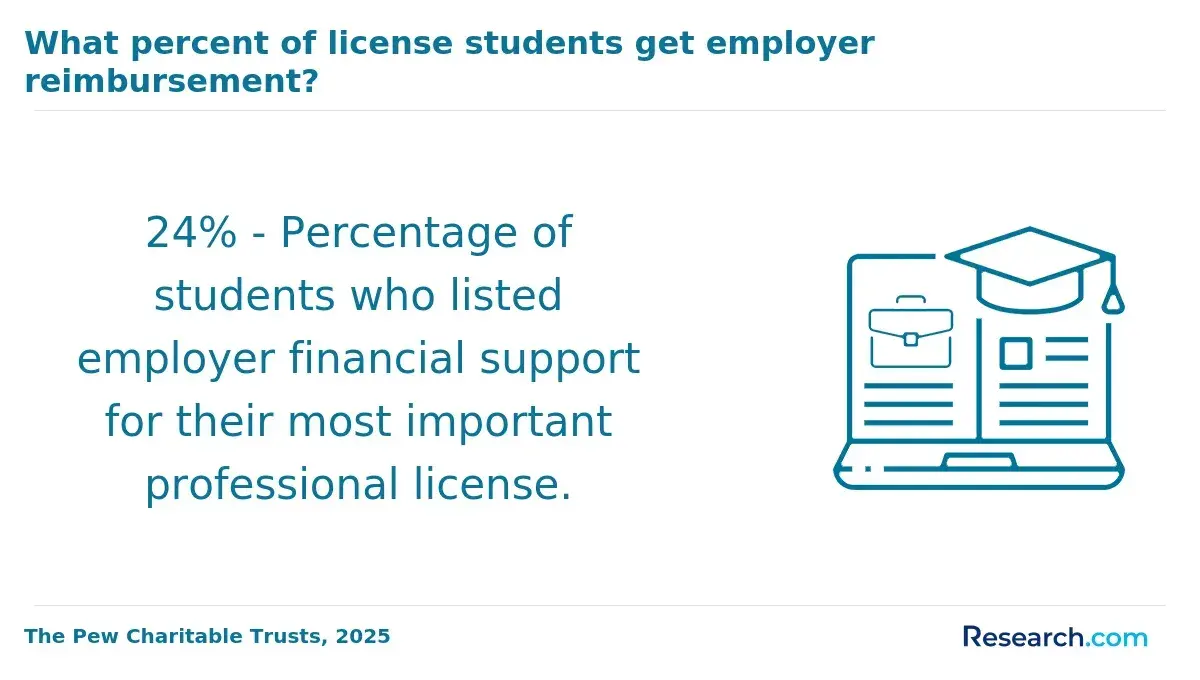
Institutional scholarships, particularly merit-based ones, frequently favor traditional, full-time on-campus students, potentially disadvantaging those pursuing flexible online or part-time nurse executive leadership tracks common in workforce-driven cohorts. Employer tuition reimbursement programs present substantial relief but usually require employment commitments that may limit job mobility or necessitate balancing work and study rigorously. With over 85% of graduate nursing students tapping some form of financial assistance according to the National Center for Education Statistics, strategic use of aid-considering renewal criteria and stacking limitations-is essential. Tuition reciprocity agreements can mitigate geographic cost disparities, yet the long-term impact on debt burden and career flexibility demands careful evaluation of how these layered funding sources interact in each state and institutional context.
Are Online Nurse Executive Leadership Degree Programs More Affordable Than On-Campus Options?
Online nurse executive leadership degree affordability in the United States cannot be generalized simply by comparing sticker tuition prices, as real-world costs hinge on varied factors like technology fees, residency requirements, and state-by-state pricing policies. For example, students in rural areas or those far from campus may find online programs more affordable when avoiding relocation and commuting costs, but this advantage may diminish if a program mandates in-person clinical intensives that incur travel and lodging expenses. Additionally, private institutions with strong branding sometimes charge online tuition rates comparable to or exceeding their on-campus fees, complicating the typical assumption that online automatically means cheaper.
Cost comparison of online versus on-campus nurse executive leadership programs by state reveals nuanced differences shaped by local financial aid patterns and institutional policies. In some states, public universities offer lower tuition plus generous aid exclusively for on-campus students, making in-person attendance economically preferable, especially for students living at home. Meanwhile, working professionals juggling employment often benefit from online options enabling steady income alongside study, which translates into lower opportunity costs. Importantly, employer tuition reimbursement programs frequently supplement online learners, partially offsetting grant disparities that traditionally favor on-campus enrollment.
Prospective students should carefully evaluate programs considering total cost of attendance rather than tuition alone, factoring in practical realities like technology needs, travel commitments, and state-specific financial supports. Those researching optimal pathways for their circumstances might also consult curated resources such as the best schools for BCBA to understand institutional distinctions beyond pricing, aiding informed decisions that balance affordability with educational and workforce outcomes.
Is a Nurse Executive Leadership Degree Worth the Cost Based on Career Outcomes and ROI?
The cost of earning a nurse executive leadership degree varies widely across states, significantly shaping its return on investment in the United States. For example, students in Texas or Florida often benefit from lower tuition rates, which can reduce total debt and improve financial outcomes upon graduation compared to peers in higher-cost states like Massachusetts or California. While salary potential tends to be relatively strong nationwide, differences in local job markets and cost-of-living constraints mean that graduates must carefully weigh whether the higher upfront expenses in certain regions translate into meaningful long-term gains. This strategic assessment is crucial given that the average student debt nationally approximates $40,000, with some states exceeding $60,000.
Beyond tuition, students should consider program completion rates, opportunity costs, and the alignment of degree credentials with employer expectations when evaluating the value of a nurse executive leadership degree. Programs with higher graduation rates can shorten time to career advancement, while geographic mobility may be limited if debt loads are burdensome. Employers increasingly expect proven management competencies that go beyond academic achievement, thereby influencing career outcomes and salary potential for nurse executive leadership graduates by state. Budget-conscious learners may also examine related fields for comparison, such as how much does an online speech pathology degree cost, to inform their investment decision or explore alternative pathways within healthcare leadership.
References
- 50 Cheapest RN to MSN Online Programs | Starting at $19,000 https://www.rntomsn.org/programs/cheapest-online-rn-to-msn-programs/
- IHEP Analysis Finds the Majority of State Flagship Universities Fall Short of Their Promise of an Affordable Education for Students https://www.ihep.org/press/ihep-analysis-finds-the-majority-of-state-flagship-universities-fall-short-of-their-promise-of-an-affordable-education-for-students/
- The evolving landscape of nursing leadership https://www.myamericannurse.com/the-evolving-landscape-of-nursing-leadership/
- Impact of cost of living on nursing staff - Care Management Matters https://www.caremanagementmatters.co.uk/impact-of-cost-of-living-on-nursing-staff/
- Certified Nurse Executive (NE) Career Guide https://nursinglicensemap.com/nursing-specialties/registered-nurse/nurse-executive/
- MSN, Nurse Executive Degree Program https://www.methodistcollege.edu/nursing/master-of-science-in-nursing/msn-executive
- Six Ways to Reduce the Cost of a Healthcare Education https://blog.methodistcollege.edu/six-ways-to-reduce-the-cost-of-a-healthcare-education
- SHEEO Report Examines State Tuition, Fees, and Financial Assistance Policies https://www.higheredtoday.org/2023/09/18/sheeo-report-examines-state-tuition-fees-and-financial-assistance-policies/
- How Much Do Nurse Executives Make? | NursingEducation https://nursingeducation.org/careers/nurse-executive/salary/
- Scholarships & Financial Aid https://www.aacnnursing.org/students/scholarships-financial-aid
Other Things You Should Know About Nurse Executive Leadership
The balance between affordability and quality of clinical leadership opportunities varies across states. Lower-cost programs may offer fewer or less diverse practicum placements, which can limit exposure to complex healthcare management scenarios. Students targeting senior executive roles should prioritize programs in states with strong hospital networks and leadership mentorship-even if tuition is higher-to ensure valuable hands-on experience that employers expect.
Yes, states with robust healthcare sectors usually provide better job placement and salary outcomes post-graduation, which impacts long-term value despite upfront costs. Students paying more for programs in states with high demand for nurse executives may recoup those expenses faster through higher starting salaries and advancement potential. When affordability is tight, learners should consider states where employer demand is steady to maximize return on investment.
Part-time options can reduce immediate financial strain but often extend the time to degree completion, increasing indirect costs like lost wages and ongoing expenses. Some states have more flexible part-time nurse executive leadership programs, allowing working professionals to continue employment. Prospective students should judge whether paying a premium for accelerated, full-time enrollment aligns better with career timelines than spreading out costs but delaying advancement.
Certain states set higher licensure or certification standards for nurse executives, which can add training costs beyond tuition and affect program selection. Enrolling in an affordable program without state-specific credentialing features might require additional certifications later, increasing career expenses and delaying entry into leadership roles. Prioritizing programs aligned with state requirements reduces hidden costs and eases transition into the local job market.