2027 Nurse Executive Leadership Degree Oversupply or Undersupply? Student Volume vs Employer Demand

Co-Founder and Chief Data Scientist
Prospective students face a critical choice: will earning a nurse executive leadership degree translate to viable job prospects or flood a saturated market? Recent data from 2024 shows enrollment in these programs rising by 8%, yet employer demand according to the Bureau of Labor Statistics is growing at only 3% annually. This imbalance suggests potential oversupply in some regions, heightening competition and underemployment risks for graduates lacking regionally valued skills. Simultaneously, some healthcare hubs report leadership vacancies remaining unfilled, indicating geographic mismatches. Understanding these dynamics is essential to evaluating the degree's practical value and planning a sustainable career path.
This article compares nurse executive leadership student volume with employer demand, job growth, industry needs, regional conditions, and skill gaps to help readers judge whether the field offers sustainable opportunities or rising competition.
Key Things to Know About Nurse Executive Leadership Graduate Supply and Employer Demand
- Graduate completions outpace entry-level nurse executive leadership roles by nearly 20% nationally, creating heightened competition that challenges recent grads' job market entry and pressures programs to tailor practical skills.
- Employer surveys reveal a growing demand for nurse leaders with acute care specialization, indicating uneven workforce needs that favor candidates with targeted expertise over generalist nurse executive leadership graduates.
- Geographic clusters in urban centers concentrate opportunities, forcing candidates outside these hubs to weigh travel or relocation costs against slower hiring cycles and fewer openings, impacting accessibility and career progression timelines.
- Key Things to Know About Nurse Executive Leadership Graduate Supply and Employer Demand Key Things to Know About Nurse Executive Leadership Graduate Supply and Employer Demand
- Is There an Oversupply or Undersupply of Nurse Executive Leadership Graduates? Graduate Oversupply or Shortage
- How is Nurse Executive Leadership Degree Enrollment Changing? Degree Enrollment Trends
- How Many Nurse Executive Leadership Graduates Enter the Workforce Each Year? Annual Graduate Workforce Entry
- Does Job Growth Support the Rising Supply of Nurse Executive Leadership Graduates? Job Growth Versus Supply
- How Competitive is the Entry-Level Market for Nurse Executive Leadership Graduates? Entry-Level Market Competition
- Which Industries Have the Greatest Demand for Nurse Executive Leadership Graduates? Top Hiring Industries
- Where are Nurse Executive Leadership Graduates Most in Demand? Top Geographic Demand
- Which Nurse Executive Leadership Specializations and Degree Levels Face the Strongest Demand? Which Nurse Executive Leadership Specializations and Degree Levels Face the Strongest Demand?
- Are Employer Skill Gaps Affecting Demand for Nurse Executive Leadership Graduates? Are Employer Skill Gaps Affecting Demand for Nurse Executive Leadership Graduates?
- What is the Future Supply-and-Demand Outlook for Nurse Executive Leadership Graduates? Future Supply-Demand Outlook
Is There an Oversupply or Undersupply of Nurse Executive Leadership Graduates?
The current supply of nurse executive leadership graduates generally aligns with employer demand at the national level, but this balance masks substantial regional and sectoral disparities. While expanding enrollments have increased graduate volumes, particularly as many programs respond to projected leadership gaps, states like California, Texas, and New York experience ongoing shortages in this workforce due to large healthcare infrastructures and specialty settings such as acute care. Consequently, graduates entering markets with fewer healthcare employers may face heightened competition and extended job searches despite steady overall occupational growth projected by the U.S. Bureau of Labor Statistics.
For those weighing advanced educational paths, institutions offering a breadth of credentials-such as those highlighted by the best online pharmacy school rankings-provide useful models for integrating practical skill requirements with academic rigor.
How is Nurse Executive Leadership Degree Enrollment Changing?
Enrollment in nurse executive leadership degree programs has seen modest overall growth, particularly at the master's level, reflecting a cautious but steady response to expanding leadership needs in healthcare organizations. This increase is partly driven by working nurses seeking advanced administrative roles, supported by wider adoption of flexible online and hybrid formats that accommodate professionals balancing job demands. However, doctoral-level enrollments remain uneven, with some institutions noting declines due to time and cost barriers, signaling that higher-level credentials may not see proportional demand growth.
These trends suggest a nuanced labor market dynamic: while additional graduates may help alleviate some executive shortages, especially in urban healthcare hubs, reliance on national enrollment growth alone risks obscuring regional mismatches where competition may intensify or opportunities remain limited.
Geographic concentration in established healthcare sectors means graduates face variable employment prospects, with saturation risk growing in some metropolitan areas despite overall workforce shortages elsewhere. Moreover, the slow diversification of the student body highlights ongoing challenges in expanding access to leadership roles within underrepresented groups, which has implications for equity and long-term sector resilience. Employers increasingly emphasize reputation and quality of online programs amid this expansion, affecting which graduates are considered competitive hires. Data from the National Center for Education Statistics estimates a 5% rise in nurse executive enrollment nationally from 2022 to 2024, underscoring growth that is steady but far from uniform across degree types and delivery methods.
One recent nurse executive leadership student noted the program's cohort size had noticeably increased compared to earlier years, with a broader mix of backgrounds reflecting a push toward inclusivity. She observed that while the expanded online options made the degree accessible amid a demanding work schedule, some classmates voiced uncertainty about whether the swelling applicant pool meant more opportunity or simply heightened post-graduation competition. This dual perspective captures a real-world tension faced by many entering the field today-balancing optimism about filling critical leadership gaps with pragmatic recognition of potential overcrowding in preferred job markets.
How Many Nurse Executive Leadership Graduates Enter the Workforce Each Year?
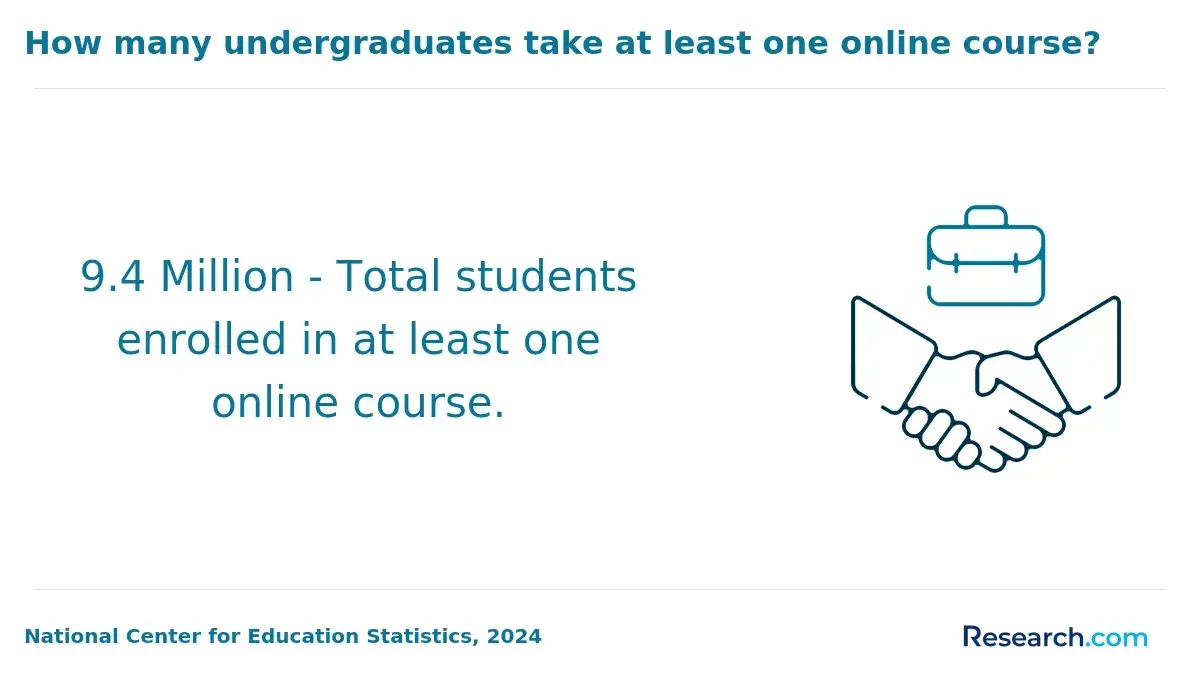
Annual graduate counts alone do not reveal whether nurse executive leadership is oversupplied or undersupplied because not all graduates enter the workforce simultaneously or seek comparable roles. Data from the National Center for Education Statistics and Integrated Postsecondary Education Data System show roughly 3,000 to 3,500 graduates complete relevant master's and doctoral programs yearly, but only about 60-70% transition directly into nurse executive leadership positions within a year. This gap reflects that some graduates pursue alternative careers in clinical nursing, education, consulting, or policy, and some require additional experience or credentials before employers consider them for leadership roles.
Comparing graduate output to job availability is complicated by factors such as geographic hiring variations, incumbents holding many leadership positions, and the distinct skill sets employers expect. Workforce data demonstrate that while annual graduate numbers align moderately with leadership vacancies and replacement demand, competition intensifies in saturated regions and larger health systems. Misinterpreting raw graduation figures without accounting for these dynamics risks overestimating immediate job market capacity or underappreciating the nuanced timing and qualifications necessary for ascending to executive roles in nursing leadership.
Does Job Growth Support the Rising Supply of Nurse Executive Leadership Graduates?
Projected job growth for nurse executive leadership roles does not fully absorb the rising volume of graduates, creating a nuanced imbalance between supply and demand. Although the U.S. Bureau of Labor Statistics anticipates a 6% to 8% increase in employment for medical and health services managers between 2022 and 2032, many job openings largely reflect replacement needs rather than new positions.
This dynamic limits immediate opportunities for new graduates, who often encounter employers prioritizing extensive clinical experience and demonstrated management success alongside formal degrees. For example, a recent graduate with a nurse executive leadership degree may find limited entry-level roles in crowded urban centers, where demand is tempered by an expanding pool of candidates and internal promotion practices.
Regional disparities significantly influence employment demand for nurse executive leadership graduates by region, with some areas experiencing pronounced competition due to the clustering of educational programs and healthcare institutions. The proliferation of accelerated and online programs has surged the number of credentialed candidates, outpacing corresponding job growth and leading to underemployment risks for those without specialized skills or geographic mobility.
Prospective students should critically assess whether their chosen educational pathway aligns with employer expectations or consider diversifying into specialized healthcare administration niches. Insight into these market realities, combined with resources such as best online self paced colleges, can help in making informed decisions that anticipate practical workforce outcomes.
How Competitive is the Entry-Level Market for Nurse Executive Leadership Graduates?
The 2024 entry-level job market for nurse executive leadership graduates reveals a nuanced balance between steady demand and competitive pressures, reflecting a complex interplay of graduate supply, employer expectations, and uneven regional opportunities. While openings for nurse leaders remain available, these roles typically require more than academic credentials, often demanding demonstrated operational experience and management proficiencies. This threshold contributes to delayed employment in leadership positions for many new graduates, who may temporarily accept non-leadership roles to build relevant skills. The competitive landscape is further shaped by internal promotions and healthcare professionals pivoting from clinical to administrative careers, intensifying applicant pools.
Key factors influencing competition include:
- Experience Prerequisites: Employers commonly require several years of clinical and operational experience, significantly narrowing immediate prospects for fresh graduates and emphasizing practical skill acquisition.
- Applicant Volume: The number of graduates entering the field, combined with incumbent staff transitioning internally, increases competition, particularly in urban healthcare markets with high applicant concentration.
- Specialized Competencies: Growing emphasis on healthcare informatics, financial oversight, and integrative leadership skills creates disparities between graduate preparation and employer expectations.
- Geographic Variability: Job availability and competition vary widely by region, with urban centers offering more positions but also attracting larger, more experienced candidate pools.
- Supply-Demand Disconnect: According to U.S. Bureau of Labor Statistics and reports like Indeed Hiring Lab, growth in educational program graduates has outpaced new leadership role creation, stabilizing hiring rates.
- Role Development Pathways: Graduates often face an initial period of underemployment or lateral moves to acquire operational management experience favored by employers.
- Employer Selectivity: Preference for candidates demonstrating leadership practicums or internships highlights the competitive edge gained through applied experience beyond degree completion.
A recent nurse executive leadership graduate described a challenging post-graduation job search marked by multiple near-misses in interviews due to limited hands-on management experience. Unable to secure leadership roles in a large metropolitan area saturated with candidates, they shifted focus to healthcare systems in mid-sized cities where competition was less intense. Although accepting a temporary coordinator position felt like a setback, it provided critical operational exposure. This strategy reflected a pragmatic understanding of market realities-balancing immediate employment needs with long-term leadership ambitions under uneven demand and rigorous experience expectations.
Which Industries Have the Greatest Demand for Nurse Executive Leadership Graduates?
Demand for nurse executive leadership graduates is concentrated primarily in sectors facing complex operational and strategic challenges, where healthcare delivery must reconcile clinical expertise with administrative oversight. These roles demand not only a strong clinical background but also executive skills to navigate regulatory pressures, cost management, and evolving care models. A realistic scenario could involve a graduate choosing between abundant hospital openings requiring extensive clinical leadership experience versus fewer, highly competitive government roles emphasizing policy implementation and workforce management.
Comparing these options illustrates how job volume, competition, role expectations, and career trajectory differ markedly by industry. The nurse executive leadership job market by industry shows distinct concentration patterns driven by these dynamics.
- Hospitals: Hospitals generate the highest volume of nurse executive leadership job postings due to their size and regulatory complexity. Entry-level roles often focus on unit management or quality improvement, advancing to chief nursing officer or director of nursing positions. Practical clinical leadership combined with cost management acumen is essential here.
- Long-Term Care Facilities: Nursing homes and assisted living centers require leaders focused on compliance with care standards and navigating demographic shifts toward aging populations. Candidates with experience in regulatory adherence and operational management are favored.
- Health Insurance and Managed Care: These organizations increasingly seek nurse executives who integrate clinical insight with payer strategy to improve care coordination and control costs. Strategic planning and policy knowledge are key skills for executives in this sector.
- Public Health Agencies: Although offering fewer positions, public health roles value nurse executives adept at developing health initiatives and managing bureaucratic complexities. Competition is higher due to limited openings and the appeal of stable government employment.
- Pharmaceutical and Medical Device Industries: Demand remains limited in these sectors, which prioritize roles linked to clinical trials and regulatory affairs rather than nurse executive leadership, reflecting different organizational priorities.
Prospective students and graduates should weigh these sector-specific demands against their professional strengths and career goals. For those evaluating educational investments, exploring an MBA in healthcare may complement nurse executive leadership credentials by enhancing management capabilities relevant across these industries.
Where are Nurse Executive Leadership Graduates Most in Demand?
National figures for nurse executive leadership graduate demand mask significant regional disparities shaped by healthcare infrastructure density, employer concentration, and local workforce characteristics. For example, a graduate considering relocation to a large metro area like Houston may find that while job openings are plentiful due to extensive hospital systems, competition is steep and cost of living is high. Conversely, smaller states with limited healthcare networks often have fewer openings but also less applicant competition, though graduates may face underemployment or slower career progression if they remain in markets with modest hiring growth such as Montana or Vermont.
Healthcare sectors demanding nurse executive leadership talent tend to cluster in states with diverse and expanding provider networks, favoring candidates with specialized skills in operational management and data-driven decision-making. However, the practical value of these opportunities also hinges on employer expectations for financial acumen and integrated care experience, which can vary widely by region and organization type. Remote work options remain limited in this hands-on leadership role, making geographic flexibility and strategic targeting of urban versus rural markets essential for aligning graduate pipelines with sustainable job prospects.
As LinkedIn Economic Graph and U.S. Bureau of Labor Statistics data from 2024 illustrate, aligning educational pathways with high-demand regions reduces time-to-employment and enhances career viability, but candidates must weigh this against relocation costs and market saturation risks. A nurse executive leadership graduate in California's sprawling health systems encounters both abundant positions and intense applicant pools, requiring nuanced consideration of specialization fit and employer niche to optimize outcomes. Ultimately, successful alignment between graduate volume and demand necessitates an informed, location-sensitive approach beyond headline job counts.
Which Nurse Executive Leadership Specializations and Degree Levels Face the Strongest Demand?
Demand for nurse executive leadership specializations is unevenly distributed, with distinct skill sets and credential levels commanding stronger employer interest. Current market dynamics indicate that doctoral-level qualifications, especially Doctor of Nursing Practice (DNP) or PhD degrees with executive leadership focus, align more closely with labor needs in large health systems and academic medical centers. By contrast, master's-level graduates face a crowded candidate pool, leading to stiffer competition despite steady role availability. For example, a DNP graduate specializing in health systems management may secure leadership roles overseeing interdisciplinary clinical operations, while a master's graduate with less targeted experience might find hiring opportunities more constrained by regional supply and specific job requirements.
Data from labor market analyses by Lightcast and the U.S. Bureau of Labor Statistics show faster growth in advertised nurse executive positions at the doctoral level compared to supply growth. Additionally, regional shortages exist in states with expanding healthcare infrastructure, such as Texas and California, underscoring the value of executive skills linked to change management and population health.
Demand centers around several key specialization and degree-level combinations:
- Doctoral Executive Leadership: Positions requiring DNP or PhD credentials focus on strategic oversight, healthcare policy, and advanced clinical integration. Employers value these credentials for high-level roles involving finance, regulatory compliance, and interdisciplinary coordination.
- Healthcare Informatics Specialization: Candidates with informatics expertise paired with executive leadership are sought after to navigate increasing digital health adoption and data-driven decision-making across organizations.
- Health Systems Management: This specialization addresses operational strategy and resource optimization in large systems, with strong demand in regions undergoing health system growth or restructuring.
- Master's in Nursing Leadership: While more common, these graduates remain competitive for mid-level management positions, particularly when combined with relevant clinical experience and certifications.
- Population Health Executive Leadership: Roles focusing on integrating community health metrics with organizational policy remain scarce, especially in states expanding outpatient and preventive care services.
- Change Management Experts: Nurse leaders skilled in guiding institutional transitions are increasingly prioritized, reflecting complex healthcare delivery landscape transformations.
Are Employer Skill Gaps Affecting Demand for Nurse Executive Leadership Graduates?
Employer skill gaps are significantly impacting demand for nurse executive leadership graduates, but this reflects a deficiency in candidate readiness rather than an absolute shortage of graduates. Healthcare organizations often face challenges filling senior nursing leadership roles because many candidates lack applied experience in financial management, health informatics, and strategic decision-making-critical competencies that employers prioritize alongside formal credentials. For instance, a hospital may keep a chief nursing officer position open because available graduates fail to demonstrate proficiency in crisis leadership or interdisciplinary collaboration, thereby skewing perceptions of an undersupplied talent pool despite sufficient student volume in some regions.
These nuances are crucial when assessing whether there is a genuine supply imbalance. Regional shortages of nurse executive leadership graduates with specialized credentials exacerbate hiring difficulties, especially when specific certifications and real-world exposure are prerequisites. Employers frequently weigh familiarity with industry tools, regulatory frameworks, and communication effectiveness heavily, which means graduates from programs with limited practical components face higher competition in entry-level leadership roles. Prospective students and current degree holders should recognize that aligning their education with evolving employer expectations-such as gaining hands-on leadership practice and digital literacy-is essential for improving job market positioning and addressing these skill gaps.
Understanding how these factors interplay can save aspiring nurse executives from misunderstandings about job availability or workforce saturation. For those navigating career decisions, resources like how long to become a nurse practitioner provide context on timelines but must be coupled with strategic skill development to meet employer demand effectively. Awareness of these distinctions empowers learners and educators to bridge the disconnect between graduate supply and employer expectations in healthcare organizations.
What is the Future Supply-and-Demand Outlook for Nurse Executive Leadership Graduates?
Targeted job searches for nurse executive leadership graduates consistently outperform broad, unfocused applications because they align candidates' unique skills with precise employer needs. For example, a graduate focusing on entry-level nurse manager roles in rural hospitals-where shortages persist-will likely face less competition than one applying widely in metropolitan areas saturated with candidates. Prioritizing industries and locations with stronger demand, tailoring resumes to incorporate employer language, and showcasing relevant leadership and financial competencies through concrete projects can significantly improve interview conversion rates. Data from 2024 labor projections highlight that customized applications emphasizing cross-functional skills and strategic leadership resonate more effectively with hiring managers.
Many candidates fail to invest effort where their qualifications closely match job descriptions, often resulting in numerous rejections. Conducting thorough market research to identify regional supply and employer needs for nurse executive leadership degrees enables graduates to focus on sectors with stable or growing vacancies. Timing applications to coincide with hiring cycles and demonstrating evidence of job readiness through internships or specialized projects also enhance employability. Unlike generic advice to simply apply to more positions, success depends on calculated decisions about where and how to apply, combined with a clear understanding of future nurse executive leadership graduate demand trends.
Prospective students evaluating programs may also consider ease of entry as one factor; for less competitive options, the list of easiest NP programs to get into offers insights into program accessibility and alignment with workforce realities. Ultimately, aligning application strategies with nuanced labor market insights, rather than volume alone, better positions graduates for sustained career growth in nurse executive leadership roles.
References
- Leading with impact: How the Nurse Executive Leadership Program is transforming careers – Australian College of Nursing https://www.acn.edu.au/nurseclick/leading-with-impact-how-the-nurse-executive-leadership-program-is-transforming-careers
- Skills Gap in Nursing - UBIS Cybersecurity Jobs https://www.ubis.com.au/skills-gap/
- Certified Nurse Executive (NE) Career Guide https://nursinglicensemap.com/nursing-specialties/registered-nurse/nurse-executive/
- Become a Nurse Executive - Certification & Education https://www.nursingcolleges.com/careers/nurse-executive
- What New Graduates Need from Their Leaders - Emerging Nurse Leader https://www.emergingrnleader.com/new-graduates-need-leaders/
- How to Become a Nurse Executive | NursingEducation https://nursingeducation.org/careers/nurse-executive/how-to-become/
- The evolving landscape of nursing leadership https://www.myamericannurse.com/the-evolving-landscape-of-nursing-leadership/
- The Future of Nursing: Predictions and Trends Every Health Leader Must Know | Shiftmed Blog https://www.shiftmed.com/insights/knowledge-center/the-future-of-nursing-predictions-and-trends-for-the-next-decade/
- Online Master’s in Nursing Administration & Nurse Executive Leadership Programs https://www.onlineeducation.com/nursing/nursing-administration-executive-leadership-programs
- The Future of Nursing Leadership https://nursing-survey.com/the-future-of-nursing-leadership-2/
Other Things You Should Know About Nurse Executive Leadership
Longer nurse executive leadership programs that emphasize strategic management and healthcare policy tend to better align with employer expectations for senior roles. However, these programs require greater time and financial commitment. Students should prioritize programs with practical leadership components, such as internships or capstone projects, as these experiences often differentiate candidates in competitive hiring. Opting for a program that balances depth with applied leadership training can improve employability despite fluctuations in graduate supply.
The workload and operational challenges faced by nurse executives vary widely between hospital systems, outpatient clinics, and long-term care facilities. Programs that prepare graduates to handle diverse, high-pressure environments tend to produce more adaptable leaders, which employers favor in fluctuating market conditions. Students should consider whether their chosen curriculum addresses cross-setting leadership demands, as narrow program scopes increase the risk of skill mismatches and limited job mobility.
While program reputation can influence initial hiring, its long-term impact diminishes without demonstrated leadership outcomes. Graduates from highly connected programs may find it easier to access leadership pipelines, but this advantage narrows in oversupplied markets where practical leadership experience weighs more heavily. Prospective students should prioritize programs that facilitate measurable career advancement and networking opportunities rather than relying solely on brand recognition.
For incumbent nurse managers, pursuing a nurse executive leadership degree can mean enhanced promotion prospects and skill refinement, but its value depends largely on how closely the program's learning objectives match organizational needs. If employer demand is volatile, it's advisable to select programs offering flexible delivery (part-time or online) to maintain current employment while advancing. Prioritizing curricular relevance and actionable leadership skills will provide the best return on investment amid uncertain hiring climates.