2027 How Employers Are Changing Hiring Criteria for Marketing Graduates in the AI Era

Co-Founder and Chief Data Scientist
A prospective marketing graduate might expect that earning a degree will open doors in a competitive job market. However, in 2024, Artificial Intelligence (AI) integration in marketing roles has accelerated, with a Deloitte report revealing that over 70% of marketing organizations have adopted AI tools to improve decision-making and customer engagement. This shift means that a traditional degree alone no longer guarantees an edge, as employers increasingly demand candidates who understand how to leverage AI technologies alongside core marketing principles.
Employers now emphasize AI literacy, data analysis, and adaptable skill sets more than ever before. According to the U. S. Bureau of Labor Statistics, jobs requiring technological and interpersonal skills are growing fastest, reshaping hiring criteria for marketing graduates. This article explores how these expectations are evolving, highlighting the rising importance of AI competence and transferable skills, while offering strategies students can use to stay competitive in the AI era.
Key Things to Know About the Changing Hiring Criteria for Marketing Graduates in the AI Era
- Employers now prioritize data-driven decision-making skills in marketing roles, reflecting a 45% surge in AI tool adoption, pushing graduates to demonstrate measurable campaign impact through analytics integration.
- AI literacy, including proficiency with automation platforms, is increasingly essential; without it, graduates risk obsolescence as 60% of marketing tasks forecasted to be automated by 2026.
- Critical thinking and adaptability remain decisive as employers seek candidates who synthesize AI insights with creative strategy, emphasizing hybrid skills over purely technical expertise.
- Key Things to Know About the Changing Hiring Criteria for Marketing Graduates in the AI Era Key Things to Know About the Changing Hiring Criteria for Marketing Graduates in the AI Era
- How Is AI Changing What Employers Look for in Marketing Graduates? How Is AI Changing What Employers Look for in Marketing Graduates?
- Which AI Skills Are Employers Expecting Marketing Graduates to Have? AI Skills
- Which Human Skills Are Employers Looking for in Marketing Graduates? Human Skills
- How Are AI Tools Changing Daily Work in Marketing Careers? AI Workplace Tools
- How Are Employers Evaluating Marketing Candidates Beyond Academic Credentials? Hiring Criteria
- How Are Marketing Degree Programs Adapting to AI? AI Curriculum
- Which Industries Are Changing Hiring Expectations Most for Marketing Graduates? AI and Industry Expectations
- How Is AI Changing Career Growth for Marketing Professionals? AI and Career Growth
- How Should Marketing Students Prepare for AI-Driven Hiring? Career Preparation
- How Should Students Choose a Marketing Program for the AI Era? How Should Students Choose a Marketing Program for the AI Era?
How Is AI Changing What Employers Look for in Marketing Graduates?
Employers today increasingly seek marketing graduates who can move beyond executing routine technical tasks to strategically working alongside AI technologies. As reported by the U.S. Bureau of Labor Statistics in 2024, about 70% of marketing roles now demand proficiency with AI-driven tools, signaling a shift toward candidates who blend technical fluency with strategic insight.
For example, graduates adept at leveraging AI-powered customer relationship management platforms and predictive analytics deliver more targeted, data-driven campaigns, which directly influence business outcomes. This trend reflects a move toward a hybrid skill set where AI complements human creativity rather than replaces it.
Changing hiring criteria for marketing graduates in the AI era emphasize not only technical skills such as machine learning fundamentals and data interpretation but also soft skills adapted for AI-augmented environments. Employers prioritize adaptability, problem-solving, and the ability to communicate AI-generated insights clearly to diverse stakeholders, facilitating cross-functional collaboration.
Meanwhile, graduates who commit to continuous learning and seek additional certification-such as an accelerated BCBA program online or targeted AI tools training-can differentiate themselves in a competitive market. Ultimately, sustaining a balance between human judgment and ethical awareness alongside technical competence remains essential as AI reshapes what employers expect from marketing graduates.
Which AI Skills Are Employers Expecting Marketing Graduates to Have?
Artificial intelligence is reshaping employer expectations for marketing graduates, shifting the focus from purely creative skills to a hybrid of technical and analytical competencies. Companies are seeking candidates who can not only understand traditional marketing concepts but also effectively use AI-driven tools to deepen customer insights and automate complex processes.
This evolution reflects a broader labor market trend where AI skills correlate with stronger wage growth and increased job security. As a result, graduates must demonstrate practical AI competencies to align with these market demands and stand out in competitive hiring pools. Below are five crucial AI skills increasingly valued by employers in marketing roles.
- Data-Driven Decision Making: Employers expect marketing professionals to interpret and act on AI-powered analytics rather than relying on intuition alone. Being able to navigate customer data platforms (CDPs) and translate complex data outputs into strategic campaign decisions is essential. Students can strengthen this skill through hands-on projects utilizing real datasets and AI analytics software.
- AI Tool Literacy: Proficiency with AI-enhanced marketing tools such as programmatic advertising platforms and automated content generators is a baseline expectation. These tools help optimize targeting and bidding strategies, reducing manual workload. Gaining familiarity through internships or certifications in relevant AI applications is advised.
- Machine Learning Insight Application: Understanding how machine learning models predict customer behavior allows marketers to tailor personalized campaigns effectively. This involves grasping algorithmic logic and its limitations, which aids in refining targeting approaches. A 6-month master's degree or practical experience in machine learning fundamentals can build this competence.
- Ethical AI Use and Bias Awareness: As companies deploy AI to personalize content, awareness of ethical issues and algorithmic biases becomes critical. Graduates should be able to critically evaluate AI outputs to avoid reinforcing stereotypes or unfair targeting. Ethics-focused training integrated with marketing curricula bolsters this capability.
- Automation and Workflow Optimization: The ability to automate routine marketing tasks using AI tools enhances efficiency and scalability. Employers value professionals who can identify automation opportunities and implement them, freeing time for strategic work. Practical experience with AI-driven automation platforms during studies can cultivate this skill.
Which Human Skills Are Employers Looking for in Marketing Graduates?
Artificial intelligence is rapidly automating routine marketing tasks such as data collection and initial analytics, which shifts the value toward skills that AI cannot easily replicate. This transformation favors professionals who bring judgment, emotional understanding, and creative insight to interpret and apply technological outputs.
According to the 2024 Future of Jobs Report by the World Economic Forum and labor data from the U.S. Bureau of Labor Statistics, marketing employers increasingly seek graduates who integrate human-centered abilities with AI tools to generate strategic value. Below are five key human skills gaining importance for marketing graduates navigating this new landscape.
- Critical Thinking and Problem-Solving: AI excels in identifying patterns but struggles to weigh subtle contextual factors. Marketers who can analyze complex data, anticipate market shifts, and craft actionable strategies fill this gap. Developing this skill involves engaging with case studies that require interpreting ambiguous information and drawing reasoned conclusions.
- Creative Storytelling: While AI generates content at scale, originality and emotional resonance remain distinctly human. Graduates should focus on refining narrative techniques and designing campaigns that connect authentically with audiences, thus standing out amid AI-generated material.
- Interpersonal Communication and Emotional Intelligence: Relationship-building with clients and teams depends on empathy and cultural insight, areas where AI lacks finesse. Strengthening these skills through group projects and real-world client interactions helps foster collaboration and trust.
- Adaptability and Lifelong Learning: The marketing tech landscape evolves swiftly, requiring professionals to continuously absorb new tools and approaches. Cultivating a mindset open to change and proactively pursuing ongoing education ensures alignment with emerging AI capabilities.
- Strategic Judgment: Navigating the interplay of AI outputs and human creativity means making nuanced decisions about when and how to use automated insights. Exposure to integrated campaigns combining data analytics with brand strategy sharpens this essential discernment.
A recent graduate shared how their internship involved managing social media analytics through AI dashboards but required daily decisions about which trends to prioritize in content creation meetings. Initially hesitant to override AI recommendations, the graduate learned to trust their judgment by observing customer feedback and measuring engagement outcomes. This iterative process highlighted that while AI provided valuable metrics, authentic marketing impact depended on interpreting those figures through a human lens-balancing data-driven logic with creativity and emotional understanding in real time.
How Are AI Tools Changing Daily Work in Marketing Careers?
AI tools are streamlining daily workflows in marketing by automating repetitive tasks such as data entry, scheduling, and basic reporting. This allows professionals to allocate more time to interpreting insights, strategizing campaigns, and crafting creative content. According to a 2024 Pew Research Center report, over 70% of marketing teams have integrated AI platforms to enhance campaign management and improve the accuracy of performance measurement, significantly boosting productivity while reducing administrative burdens.
Beyond automation, AI-driven analytics and natural language processing enable nuanced customer segmentation and predictive modeling, sharpening marketers' ability to deliver personalized messaging that increases engagement and conversion rates. For example, a marketer using AI-powered tools can quickly identify emerging trends within target demographics, adapting strategies faster than traditional methods allow. This shift requires professionals to develop critical thinking and ethical judgment skills to oversee AI-generated outputs.
Job expectations in marketing are evolving, with employers placing rising value on proficiency in AI analytics and automation technologies alongside foundational skills like communication and creativity. The U.S. Bureau of Labor Statistics notes that marketing roles increasingly demand familiarity with these technologies, while the World Economic Forum emphasizes that fluency in AI tools is becoming essential for effective collaboration and strategic decision-making. Early-career marketers who cultivate competencies in data literacy and adaptive learning stand a better chance of thriving as AI reshapes the profession's core responsibilities.
How Are Employers Evaluating Marketing Candidates Beyond Academic Credentials?
Employers evaluating marketing candidates increasingly look beyond traditional academic credentials, focusing on practical experience and demonstrable skills. Recent data from LinkedIn's 2024 Workforce Report reveals that 74% of marketing recruiters prioritize hands-on experience with AI technologies such as automation software and machine learning platforms. This reflects a broader shift where employers place significant value on adaptability, AI fluency, and the ability to apply data analytics creatively-traits that academic grades alone cannot verify.
For example, a candidate who presents a portfolio showcasing AI-driven campaign optimization or digital marketing automation projects often stands out more than one with only a solid transcript. This evolution in how employers assess marketing candidates beyond degrees also emphasizes interpersonal qualities like communication, teamwork, and critical thinking. The World Economic Forum's 2024 Future of Jobs report highlights emotional intelligence and collaborative problem-solving as key differentiators in AI-enabled marketing roles.
Hiring managers increasingly incorporate simulations, case studies, and project-based assessments during recruitment to gauge these competencies practically. Prospective marketing students and graduates should recognize the value of internships or project work that validates these skills, often more impactful than coursework alone. Those exploring pathways to enhance their qualifications might also consider certifications in AI-related marketing tools, which serve as credible signals of job readiness.
Such holistic hiring practices respond to employer demands for candidates who demonstrate not only foundational knowledge but also the ability to adapt and contribute immediately. Developing a profile that combines a marketing degree with practical AI-related experience and strong soft skills significantly improves competitiveness. For individuals interested in broadening their educational background, exploring options like online colleges for real estate can also illustrate the diversity of fields embracing this practical, skill-based hiring model.
How Are Marketing Degree Programs Adapting to AI?
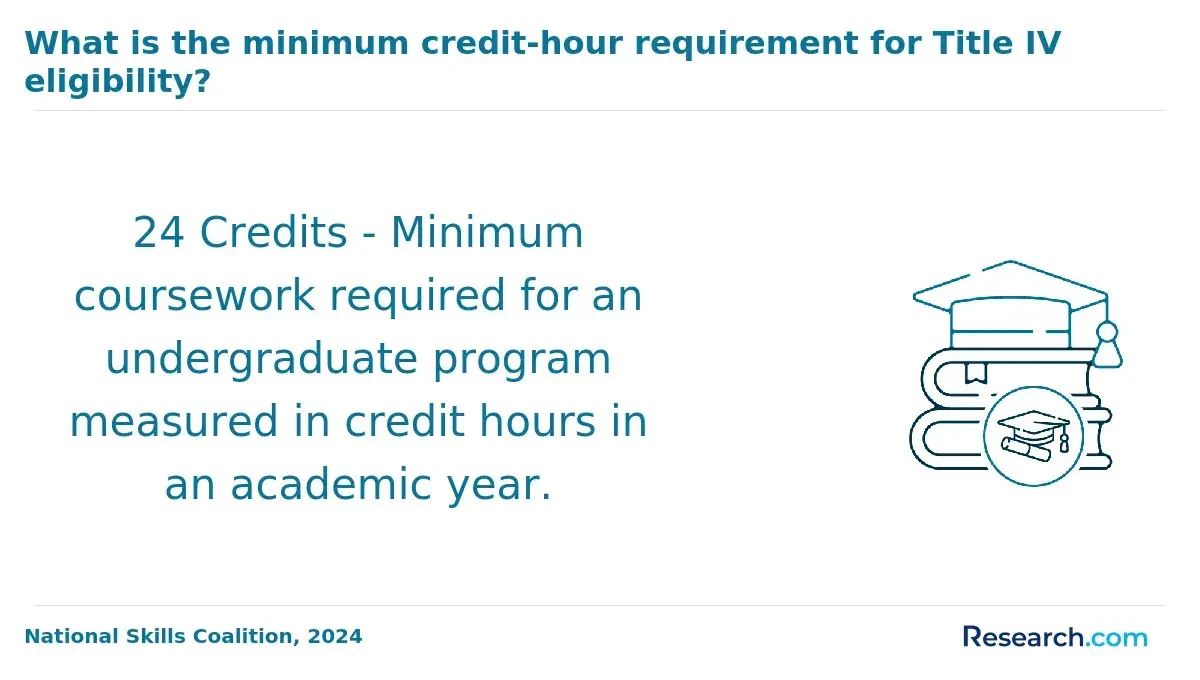
Marketing degree programs are actively reshaping their curricula to equip students for a labor market increasingly influenced by artificial intelligence. According to the 2024 National Center for Education Statistics, over 65% of marketing programs now integrate coursework on AI tools, data analytics, and automation-more than double the figure from 2020. This inclusion reflects employers' greater demand for graduates who not only understand traditional marketing principles but can also manage AI-driven platforms to enhance customer engagement and campaign effectiveness.
For example, a student may use predictive analytics software in a capstone project to tailor digital marketing strategies based on real-time consumer behavior data, blending analytical skills with creative decision-making. Colleges are balancing technical competencies with core marketing knowledge and interpersonal skills by embedding hands-on experience with AI applications such as machine learning and natural language processing into broader interdisciplinary studies.
Collaboration with departments like computer science and ethics ensures students grasp the complexities of AI, including responsible usage. Many programs now emphasize ethical considerations and lifelong learning to prepare students for continual adaptation amid fast-evolving technologies. Workforce surveys, such as those by AACSB in 2024, illustrate this shift, showing that nearly 70% of employers prioritize candidates who demonstrate the ability to translate AI insights into practical marketing solutions, underscoring adaptability alongside technical fluency as essential graduate attributes.
Which Industries Are Changing Hiring Expectations Most for Marketing Graduates?
The speed at which industries incorporate artificial intelligence into their operations varies greatly, influencing how employer expectations shift for marketing graduates. This uneven adoption means skills valued in one sector might be less critical in another. For instance, a graduate evaluating opportunities in healthcare versus retail will find differing emphases: technical fluency with AI tools is prioritized differently, and the nature of marketing challenges evolves accordingly.
Recognizing these sector-specific demands helps graduates target learning and experience acquisition toward relevant expertise. Below are five industries most actively redefining hire criteria for marketing professionals under the influence of AI and related technologies.
- Technology: This sector leads AI integration, with over 65% of firms embedding AI in marketing workflows, per the Deloitte Global AI Adoption Index 2024. Employers seek graduates skilled in AI analytics, automation platforms, and machine learning fundamentals who can translate complex data insights into strategic campaigns.
- Healthcare: Rapid growth in personalized medicine and digital patient engagement drives demand for marketers who combine traditional promotional skills with AI-driven consumer data analysis. Forecasts from the U.S. Bureau of Labor Statistics indicate a 15% job increase in healthcare outreach roles by 2027, underscoring the value of ethical, AI-informed messaging.
- Financial Services: Heavy AI investment to enhance customer experiences and detect fraud means employers expect marketers to wield big data and predictive analytics proficiently. Graduates with cross-disciplinary knowledge spanning finance and technology alongside marketing stand out in this evolving landscape.
- Retail: Especially in e-commerce, AI personalization engines and dynamic pricing have become standard practice. The National Retail Federation's 2024 survey notes 70% of retailers look for candidates familiar with AI-based segmentation, content optimization, and automated campaign tools.
- Consumer Goods: While slower than tech or finance, this sector is increasingly incorporating AI for demand forecasting and targeted marketing. Marketers capable of blending creative insights with AI-augmented trend analysis gain advantage as companies navigate increasingly complex consumer preferences.
A recent marketing graduate recalled weighing job offers in both financial services and healthcare. Initially drawn to finance for its dynamic use of predictive analytics, the graduate hesitated because the sales-driven culture felt less aligned with their values. Choosing healthcare instead, they found the slower adoption curve allowed deeper learning of AI's role in ethically shaping health communications. This nuanced industry difference helped refine their focus on data literacy paired with strategic empathy, ultimately boosting confidence in long-term career fit despite the pressure to quickly adopt shiny new tools in more aggressively AI-driven fields.
How Is AI Changing Career Growth for Marketing Professionals?
The pace of AI adoption significantly varies across industries, influencing how employers revise their hiring expectations for marketing graduates. Industries with high data volume, digital infrastructure, and customer interaction tend to accelerate the integration of AI-driven tools, reshaping the skills marketing professionals must possess. Conversely, more traditional or regulated sectors often adopt AI more cautiously, resulting in slower evolution in hiring criteria.
These disparities mean that marketing graduates should tailor their skill development to industry-specific demands to remain competitive. Below are five industries where changing hiring expectations are most pronounced due to AI and related technologies.
- Technology Sector: With rapid innovation cycles, tech companies seek marketing professionals fluent in AI-driven analytics, customer segmentation algorithms, and automation platforms. Candidates must combine creative messaging with deep data literacy to optimize product positioning and growth strategies in highly competitive markets.
- Financial Services: Banks and investment firms increasingly leverage AI for personalized customer experiences and risk analysis. Marketing graduates here need expertise in predictive analytics and regulatory compliance considerations, emphasizing the integration of AI ethics with data-driven campaigns.
- Retail and E-commerce: AI-powered personalization at scale defines customer engagement in this sector. Employers prioritize skills in real-time data processing and multichannel campaign automation, pushing marketing professionals to master specialized platforms that optimize conversion rates and customer retention.
- Healthcare and Pharmaceuticals: AI enhances market research and patient outreach through sophisticated data modeling. Marketing graduates must understand not only AI tools but also compliance with privacy regulations while communicating complex health information effectively to diverse audiences.
- Media and Entertainment: As content personalization and audience analytics evolve, this industry demands marketing professionals skilled in natural language processing and AI-based content curation. Graduates are expected to innovate with AI to drive engagement and adapt swiftly to dynamic consumer preferences.
According to the 2024 Workforce Transformation Report by the World Economic Forum, over 60% of marketing roles now require proficiency in AI tools such as predictive analytics and customer segmentation algorithms, underscoring the AI impact on marketing career growth. Employers increasingly value candidates capable of blending creativity with technical know-how, accelerating career advancement for marketing professionals in the AI era. For those starting out, gaining experience with AI-powered platforms is essential to stand out.
AI is streamlining workflows by automating routine tasks like campaign optimization, allowing marketers to concentrate on strategic challenges. This shift has born new roles like AI marketing strategists, widening career pathways and necessitating continuous skill development in data analysis and AI ethics. Students and recent graduates benefit from educational programs that integrate AI modules tailored to marketing.
For marketing professionals considering interdisciplinary growth, understanding salary trajectories is crucial. For example, aspiring specialists may explore fields like psychology; a master's in child and adolescent psychology salary data can provide perspective on cross-sector opportunities that combine human behavior insights with marketing acumen.
How Should Marketing Students Prepare for AI-Driven Hiring?
Preparing for AI-driven hiring now requires more than just earning a marketing degree; it demands developing a blend of technical expertise, proficiency with AI tools, and strong human-centered skills. Employers increasingly look for candidates who can interpret AI-generated insights, integrate automation into campaigns, and remain adaptable in a swiftly evolving landscape.
A recent 2024 World Economic Forum report notes that 65% of marketing positions require capabilities involving AI-enabled customer insights and automation platforms. These shifts mean students must go beyond theory, gaining real-world experience and ethical awareness to stand out. Below are practical strategies for preparing marketing graduates for AI-driven jobs.
- Build Data Literacy: Understanding how to collect, analyze, and apply consumer data is essential. Developing skills in data visualization and interpretation enables students to leverage AI insights effectively in targeted campaigns.
- Master AI Tools: Familiarity with AI-powered software such as chatbots, programmatic advertising, and predictive analytics equips students to meet employer expectations. Hands-on projects or internships allow practical experience integrating these tools.
- Enhance Creative-Technical Integration: Creativity remains vital but must align with technology. Being able to design campaigns that combine innovative ideas with AI optimizations improves outcomes and signals readiness for complex roles.
- Practice Ethical Awareness: Rapid AI adoption raises concerns about privacy and bias. Marketing students should understand ethical considerations and develop critical thinking skills to navigate responsible AI use.
- Commit to Continuous Learning: The AI landscape evolves rapidly. Staying informed through certifications, workshops, or courses-even exploring options at best online colleges with weekly start dates-helps maintain a competitive edge.
These strategies address essential skills for marketing students in the AI era while promoting adaptability and ethical judgment as core competencies in today's job market.
How Should Students Choose a Marketing Program for the AI Era?
Choosing a marketing program today demands attention beyond traditional markers like school reputation or tuition fees. The rapid integration of AI in marketing transforms employer expectations, requiring graduates to possess skills in AI-driven analytics, ethical AI use, and digital strategy. For example, a student aiming to work in consumer insights must select a program with hands-on AI tools training rather than one focused solely on classic advertising techniques.
Recent findings from the National Center for Education Statistics (2024) confirm that graduates from programs with AI literacy components achieve significantly higher employment rates. Below are key factors to consider when evaluating marketing programs for the AI era.
- Curriculum Integration of AI: Programs should embed AI literacy, machine learning, and predictive analytics throughout coursework. This ensures students develop practical skills essential for modern marketing roles, directly impacting employability.
- Interdisciplinary Opportunities: Combining marketing with data science or computer science enhances technical proficiency and fosters adaptability in diverse AI applications.
- Ethical AI Training: Understanding transparency, bias, and data privacy is critical, as ethical issues increasingly influence consumer trust and regulatory demands.
- Up-to-Date Syllabi: Courses must reflect the latest AI developments and industry trends to prepare students for evolving job market realities, as emphasized by the AACSB.
- Real-World Experience: Access to internships or projects with firms deploying AI-driven marketing strategies provides practical exposure and networking opportunities crucial for career launch.
References
- 17 Best AI Marketing Tools Marketers Rely On in 2026 https://insiderone.com/best-ai-marketing-tools-marketers/
- AI Recruiting in 2026: The Definitive Guide https://www.phenom.com/blog/recruiting-ai-guide
- 7 Digital Marketing Skills Employers Want in 2025 https://nowskills.co.uk/digital-marketing-skills-employers-want/
- AI is changing the hiring practices of marketing agencies | MarTech https://martech.org/ai-is-changing-the-hiring-practices-of-marketing-agencies/
- Marketing Hiring Key Strategies, AI & Trends | Discovered https://discovered.ai/the-definitive-guide-to-hiring-marketing-strategies-ai-and-trends/
- Top 5 Marketing Jobs For New Graduates—And Why Starting An A.I. Agency Might Be The Best One - SaaSQL https://saasql.ai/top-5-marketing-jobs-for-new-graduates-in-2025/
- Top Career Opportunities in AI Digital Marketing https://www.aipowereddigital.marketing/blog/top-career-opportunities-in-ai-digital-marketing
- Top 5 marketing skills employers are looking for in 2025 https://www.konkergroup.com/top-5-marketing-skills-employers-are-looking-for-in-2025/
- From Classroom to Job Market: 6 Skills Employers Want in Your Graduates | Digital Marketing Institute https://digitalmarketinginstitute.com/blog/from-classroom-to-job-market-6-skills-employers-want-in-graduates
- Beyond Academic Credentials—Toward Competency-Informed Hiring | Report | WES https://knowledge.wes.org/canada-report-beyond-academic-credentials-toward-competency-informed-hiring.html
Other Things You Should Know About Marketing
Employers increasingly expect marketing graduates to balance technical AI skills with creative thinking, but mastery of AI tools alone rarely guarantees hiring success. Candidates must demonstrate the ability to leverage AI for data-driven insights while producing original, compelling campaigns that differentiate brands. Graduates should prioritize roles and programs that develop both analytical proficiency and creative problem-solving, as overemphasizing one skill set may limit practical effectiveness and hiring prospects.
Specializing in AI-related skills can make graduates attractive for cutting-edge marketing roles but may narrow their versatility across diverse tasks or industries. Conversely, broader foundational knowledge supports adaptability but risks leaving candidates underprepared for specific AI-driven expectations. Graduates should assess their career goals carefully and prioritize holistic programs that integrate AI fluency within a wide marketing skill base to maximize employability and long-term growth.
The demand for AI competence has increased workplace expectations for entry-level marketers, often requiring them to handle complex analytics alongside traditional marketing tasks. This can intensify workloads and create steeper learning curves, potentially impacting job satisfaction and retention. Graduates must consider whether employers provide structured training and realistic performance targets or expect immediate AI tool proficiency without sufficient onboarding support.
While formal credentials remain important, employers are placing greater emphasis on portfolios that showcase real-world application of AI tools in marketing campaigns. Demonstrated project experience often outweighs purely academic achievements, reflecting practical readiness. Graduates should invest time in building diverse, outcome-oriented portfolios that highlight their ability to solve marketing challenges using AI, as this tangible evidence often decisively influences hiring decisions.