2027 Marketing Transfer Credit Trends: How Schools Are Adapting for Adult Learners

Co-Founder and Chief Data Scientist
Jamal, a military spouse and working professional, recently discovered that nearly 40% of his previously earned credits from a community college lacked direct transfer acceptance in his target Marketing bachelor's program. This setback meant unexpected tuition costs and at least an additional semester before graduation. A 2024 study by the National Student Clearinghouse revealed that credit mobility rates vary widely, with adult learners often facing stricter evaluations compared to recent high school graduates. This reflects institutional caution around applied credits and workforce relevance, complicating planning for those seeking efficient degree completion.
The article examines how Marketing programs revise transfer policies and prioritize credit acceptance to help students minimize delays and expense while achieving professional goals.
Key Things to Know About Marketing Transfer Credit Trends for Adult Learners
- Institutions increasingly accept prior learning and workforce credits, but varied evaluation criteria create tradeoffs in credit applicability, complicating adult learners' transfer decisions and prolonging degree completion time.
- Employers value credentials tied to credit-for-experience policies, prompting programs to integrate military and workforce credits, yet inconsistent recognition limits uniform employability signaling across industries.
- Technology-enabled transcript reviews accelerate credit evaluation, reducing administrative delays that historically hinder access, yet cost-related barriers remain for some adult learners navigating these streamlined pathways.
- Key Things to Know About Marketing Transfer Credit Trends for Adult Learners Key Things to Know About Marketing Transfer Credit Trends for Adult Learners
- How Are Marketing Programs Changing Transfer Credit Policies for Adult Learners? Evolving Adult Transfer Policies
- Why Are More Marketing Schools Accepting Credit for Prior Learning and Work Experience? Prior Learning Credit Benefits
- How Do Marketing Colleges Evaluate and Award Transfer Credits Today? Transfer Credit Evaluation Process
- Which Alternative Credits Are Most Commonly Accepted by Marketing Programs? Accepted Alternative Credits
- How Are Marketing Schools Improving Transfer Pathways for Community College Students? Improved Community College Pathways
- How Can Transfer Credits Help Marketing Students Graduate Faster? Accelerating Degree Completion
- How Much Money Can Students Save Through Marketing Transfer Credit Opportunities? Cost Saving Through Transfers
- How Are Marketing Programs Supporting Military Students and Workforce Learners Through Transfer Credits? How Are Marketing Programs Supporting Military Students and Workforce Learners Through Transfer Credits?
- What Transfer Credit Innovations Are Shaping the Future of Marketing Education? What Transfer Credit Innovations Are Shaping the Future of Marketing Education?
- How Can Adult Learners Maximize Transfer Credits in a Marketing Program? Maximizing Your Transfer Credits
How Are Marketing Programs Changing Transfer Credit Policies for Adult Learners?
Transfer credit policies in marketing programs are shifting toward greater flexibility as institutions recognize the diverse educational and professional backgrounds of adult learners. Data from the National Student Clearinghouse Research Center (2024) show that about 70% of transfer students benefit from expanded credit acceptance, reflecting a growing trend to incorporate prior learning and relevant industry experience into degree pathways. For example, a working professional with certifications and military training may find their college awards credit that directly reduces redundant coursework, shortening time to degree and lowering overall education costs. However, differing institutional standards and course evaluation practices mean students must carefully compare schools' articulation policies to ensure maximum credit mobility and avoid unexpected delays or extra coursework.
Marketing transfer credit acceptance practices for working professionals increasingly include streamlined transcript evaluations and strengthened partnership agreements with community colleges, addressing a key barrier for many adult learners who start their education in two-year programs. These adaptations also involve broader recognition of prior learning assessments and competency-based credits, offering alternatives to traditional course sequences that better fit the schedules and skills of returning students. Yet, challenges remain in aligning experiential credits with specific marketing curricula, especially when military or workplace learning does not fit neatly into existing frameworks. Students seeking to optimize their transfer credits must engage proactively with academic advisors to navigate these nuances while weighing how policies might affect affordability and degree completion pace.
Adult learners looking to transfer or re-enter marketing programs should also consider emerging digital and hybrid degree options that further enhance flexible credit pathways. These innovations support a more customized, accelerated progression by integrating portfolio reviews and alternative assessments, balancing academic rigor with practical knowledge. Prospective students can explore related fields such as an AI degree, where similar credit recognition trends provide parallels for maximizing prior educational investments. Ultimately, understanding how marketing programs adapt transfer credit policies enables more informed decisions that optimize both access and long-term career outcomes.
Why Are More Marketing Schools Accepting Credit for Prior Learning and Work Experience?
The rising acceptance of credit for prior learning and work experience among marketing programs reflects a strategic response to shifting institutional priorities rather than mere leniency in transfer policies. Schools increasingly view these credits as tools to enhance enrollment diversity and shorten degree completion times for adult learners and military-affiliated students juggling competing commitments. For instance, a 2024 report from the Council for Adult and Experiential Learning revealed that institutions expanding such pathways often see a 15% boost in adult learner enrollment, underscoring how these policies are closely tied to accessibility and retention goals. However, this expansion requires balancing rigor and relevance, as programs must carefully validate professional certifications, military training, and competency assessments to protect academic standards while meeting real-world workforce expectations.
This approach also shapes key decisions for working professionals and transfer students who weigh the tradeoffs between accelerated progression and the risk of limited credit acceptance due to variable evaluation standards across institutions. Employers value graduates whose credentials reflect both academic foundation and verified practical expertise, making industry-recognized certifications and employer-based learning increasingly crucial in credit assessments. While prior learning credit can reduce total educational costs - an important consideration given that adult learners often face significant financial pressures - inconsistent documentation requirements and assessment processes introduce uncertainty that can impact a student's persistence and time-to-degree planning. Marketing programs must therefore navigate complex intersections of policy design, student needs, and labor market alignment to maintain program integrity and graduate outcomes.
One adult learner, a former military logistician transitioning to marketing, recounted the challenges in translating military training into academic credit. Though initially skeptical about the process, she found the institution's emphasis on detailed portfolio submissions and competency exams both rigorous and validating. She had to provide extensive documentation and underwent multiple assessment reviews, which delayed her registration timeline but ultimately credited her for key coursework. This experience highlighted how evolving institutional policies on prior learning are essential yet can introduce procedural complexity, requiring students to be proactive and well-prepared to maximize their prior experiences within marketing degree programs.
How Do Marketing Colleges Evaluate and Award Transfer Credits Today?
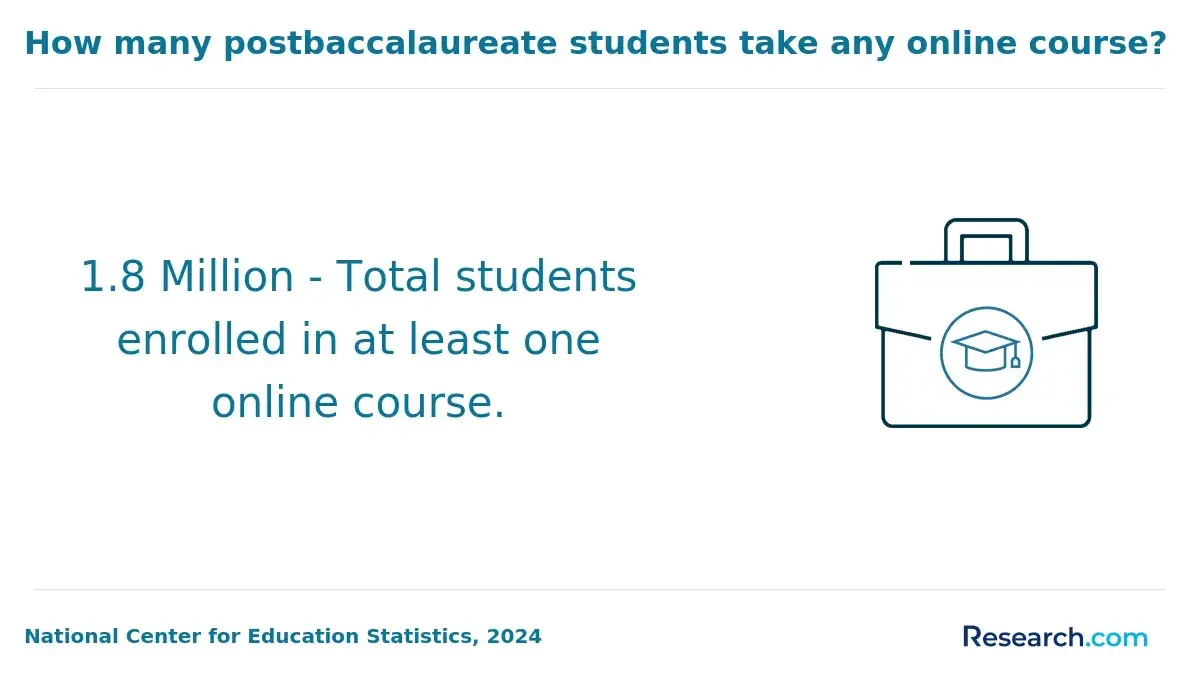
Transfer credit evaluation in marketing programs now functions as a strategic element of enrollment management and student retention rather than a mere administrative hurdle. Admissions teams assess transcripts with a focus on course content alignment, credit hours, and accreditation status to ensure credits meet core curriculum standards, balancing institutional policies with practical degree progress. For example, a military-affiliated student applying previously earned professional training credits must navigate inconsistent acceptance that depends on how closely those experiences map to marketing competencies, potentially affecting time to graduation and overall tuition costs. These decisions often involve weighing the value of credits as fulfilling core versus elective requirements, which can significantly influence academic planning and degree timelines.
Institutions increasingly use course equivalency databases and articulation agreements to expedite these evaluations, but their availability varies widely by state and school type, influencing student mobility and credit transferability. According to the 2024 National Student Clearinghouse Research Center report, about 62% of marketing transfer students receive some credit for prior coursework, yet how those credits contribute to degree completion depends heavily on residency and upper-division credit standards. Additionally, recognition of nontraditional credits from certifications, workplace learning portfolios, or standardized assessments like DSST integrates alternative pathways, appealing to adult learners but requiring careful scrutiny for alignment with marketing program outcomes. The adoption of AI-powered tools enhances efficiency and consistency in credit matches but cannot replace nuanced human judgment essential to maintain academic and industry relevance in the evolving marketing field.
Which Alternative Credits Are Most Commonly Accepted by Marketing Programs?
Alternative credit acceptance in marketing programs has evolved into a deliberate strategy to improve degree accessibility and accelerate completion for adult learners, rather than a mere adjustment in transfer policy. Many institutions systematically evaluate credit for prior learning (CPL), which includes documented workplace training, professional certifications, and relevant experience, alongside military training credits aligned with American Council on Education standards. However, institutional policies often impose limits on how much CPL or military credit can fulfill core marketing requirements, reflecting concerns about maintaining academic rigor and accreditation compliance. Navigating these policies requires adult learners to carefully assess course equivalency and residency rules to maximize transferable credit without extending time to degree.
Standardized exams like CLEP remain a common alternative pathway, offering an affordable option to demonstrate foundational marketing knowledge, though their acceptance is subject to program-specific restrictions on upper-division credits. Emerging competency-based assessments and selected online platforms have gained some traction, yet their credit transferability varies widely, often accepted only as electives. This patchwork of transfer credit policies for adult marketing students necessitates proactive planning to optimize degree progression and affordability. For example, military-affiliated students or working professionals may find that integrating nontraditional credits strategically can reduce redundancy and cost, but must also anticipate varying institutional constraints. Adult learners balancing work, study, and life demands often benefit from comparing options carefully, including programs with flexible pathways such as those featured in the engineering online degree space, to align transferable credit with career goals and academic expectations.
How Are Marketing Schools Improving Transfer Pathways for Community College Students?
Marketing programs have increasingly prioritized streamlining transfer pathways to address the persistent challenge of credit attrition among community college students. By implementing targeted articulation agreements and degree maps that emphasize clear course equivalencies, institutions aim to reduce redundancy and accelerate time to bachelor's degree completion. Data from the National Student Clearinghouse Research Center (2024) shows that students following formal transfer pathways are 30% more likely to graduate within four years post-transfer, highlighting how coordinated advising and credit alignment directly impact academic momentum and retention. Nevertheless, students must navigate varying institutional policies where some marketing credits-especially upper-division courses-may not transfer uniformly, compelling proactive engagement with advisors to avoid delays.
Many Marketing programs now incorporate prior learning assessment and veteran credit recognition into their transfer evaluation frameworks, a key adaptation for adult learners balancing professional commitments. In addition, consortium agreements across state university systems create expanded networks allowing seamless credit mobility, although these frameworks can differ widely in scope and reliability. These adaptations improve accessibility but also require students to critically assess transferability upfront, as differences in curriculum rigor and degree requirements still pose substantial tradeoffs. Ultimately, well-structured transfer models reduce financial and time burdens but hinge on transparent communication and individualized planning to maximize credit applicability without compromising academic requirements.
A marketing transfer student recounted their experience of transferring credits from a community college, initially facing uncertainty due to mixed messages from the receiving institution's admissions and registrar offices. After several consultations with transfer advisors who delineated a clear articulation agreement, the student found that most core business and introductory marketing credits would count toward their degree, though some specialized courses required substitution or repetition. This process, while frustrating at first, provided relief and a concrete roadmap, enabling strategic course selection to maintain steady progress without unexpected credit loss, demonstrating how detailed advising and formal partnerships can mitigate common transfer hurdles.
How Can Transfer Credits Help Marketing Students Graduate Faster?
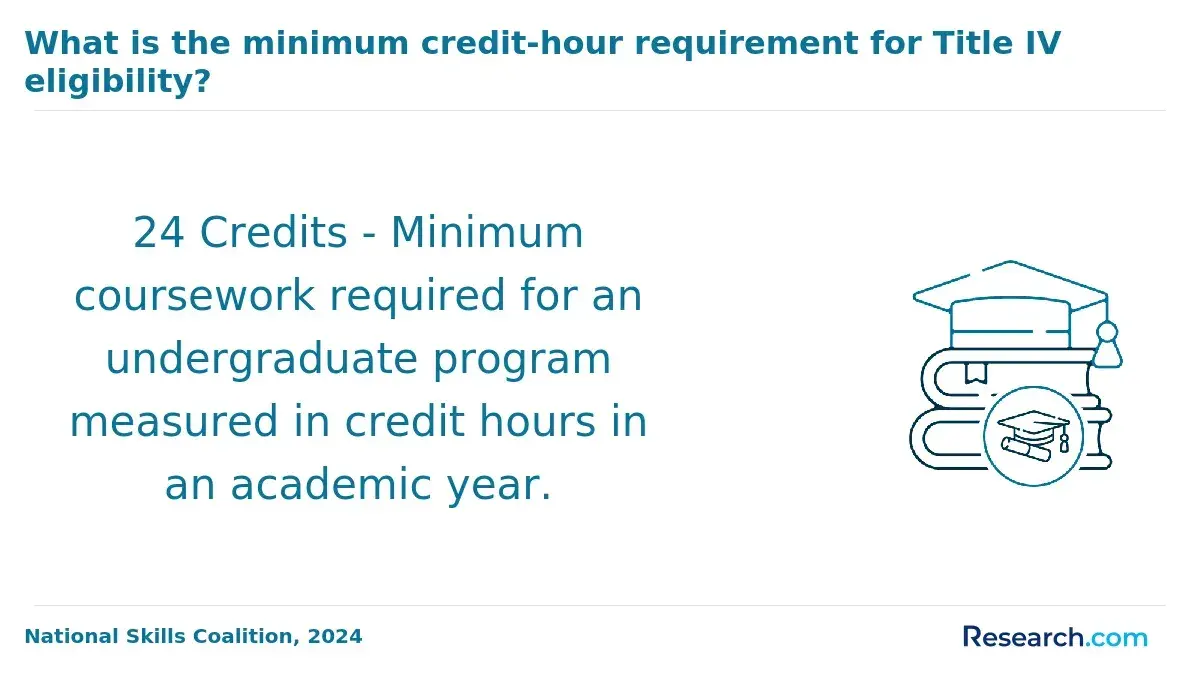
Transfer credit benefits for marketing students hinge on how institutions apply those credits to core degree requirements rather than on mere credit totals. For example, a working professional transferring from a community college or holding military training certificates might accumulate a high volume of credits, but if many apply only as electives, the mandatory upper-division marketing courses must still be completed, lengthening the path to graduation. Additionally, residency requirements and evolving program curricula often limit how many transfer credits can count toward the degree, compelling students to strategically plan their enrollment and course sequencing to avoid delays or unnecessary expenses.
How transfer credits shorten marketing degree time depends significantly on articulation agreements and prior learning assessments (PLAs), which some institutions increasingly recognize. These pathways can reduce redundancies in general education and foundational courses, particularly benefiting adult learners and veterans balancing professional demands. However, PLAs require detailed validation and institutional approval, potentially delaying credit recognition despite effectively shortening overall degree timelines when successful. As transfer-friendly policies evolve, these flexible options influence affordability and completion strategies for many marketing students but require careful academic advising to navigate program-specific credit applicability and guard against pitfalls such as credit caps or misaligned coursework.
Students evaluating how transfer credits apply should also consider alternative degrees aligned with their professional goals. For those exploring clinical or counseling roles intertwined with management expertise, options like online PsyD programs can complement marketing backgrounds. Ultimately, practical planning that factors in how transfer credit benefits for marketing students align with degree requirements, career timelines, and workforce expectations will yield the most effective pathways to timely graduation.
How Much Money Can Students Save Through Marketing Transfer Credit Opportunities?
Transfer credit policies in marketing programs offer tangible financial benefits, particularly when students can apply previously earned credits from community colleges, military training, or professional experience. For instance, working professionals who leverage credit for prior learning or military-affiliated students utilizing specialized credit pathways may reduce both tuition and course load, accelerating degree completion and minimizing lost income during enrollment. However, these advantages often come with constraints-such as institutional caps on transferable credits, commonly around 60 semester hours, and residency requirements mandating key coursework be completed on campus-which can limit the overall cost savings and extend timeframes if credits are not fully accepted.
The variability in how schools evaluate course equivalency also influences outcomes. Some institutions require exact curriculum matches for transferable credits, limiting acceptance and potentially leading to redundant courses, while others adopt more flexible policies recognizing vendor certifications or workforce training relevant to marketing. According to a 2024 report from the National Student Clearinghouse Research Center, students who successfully transfer credits can save between 20-30% on tuition costs, a figure that underscores real but conditional savings dependent on institutional practices and individual credit portfolios. Navigating these nuances is crucial for adult learners to align transfer opportunities with both educational costs and career objectives, ensuring that accelerated program completion does not compromise the degree's applicability or employer expectations.
How Are Marketing Programs Supporting Military Students and Workforce Learners Through Transfer Credits?
Marketing programs increasingly rely on rigorous transfer credit evaluations to convert military training and workforce learning into tangible academic progress, but this process remains uneven. While many institutions integrate American Council on Education (ACE) recommendations to award credit for military experiences, up to 30% of relevant credits are still denied or undervalued, leading to duplicated coursework and extended time to degree. Prior Learning Assessment options such as portfolio reviews and competency exams attempt to bridge this gap for professionals with certifications or apprenticeships, yet inconsistent acceptance policies across schools create significant hurdles for adult learners balancing employment and academic goals.
The practical effect of these credit recognition efforts is a mixed one: students who successfully navigate complex articulation agreements and flexible pathways often reduce their remaining credit requirements substantially, shortening time to graduation. However, variation in evaluation standards and lack of clear guidance on credit applicability can leave military-affiliated and workforce learners uncertain about how much prior learning will translate into degree progress. According to a report by the U.S. Department of Education, over 60% of military students gain measurable advantage from these policies, but inconsistent implementation limits the broader accessibility and predictability of degree-completion planning in marketing programs.
Consequently, adult learners must weigh the tradeoffs between investing effort to document and validate prior learning and the risk of insufficient credit recognition that may prolong enrollment and increase education costs. These realities highlight the ongoing need for transparent transfer policies and robust support services that align nontraditional learning with marketing curriculum requirements to enhance educational accessibility and improve the return on investment for military and experienced professionals alike.
What Transfer Credit Innovations Are Shaping the Future of Marketing Education?
Emerging transfer credit practices are shifting degree pathways for adult learners by improving flexibility and credit mobility in marketing education. AI-assisted transcript evaluation, for example, can reduce credit assessment time by up to 60%, accelerating credit decisions but often requiring significant upfront institutional investment. Meanwhile, competency-based education models enable students to earn credit for demonstrated skills, aligning more directly with employer expectations but demanding rigorous, resource-heavy assessments that some programs struggle to sustain. These innovations affect not only how quickly students complete degrees but also raise concerns about maintaining consistent academic quality.
Expanding credit for prior learning policies plays a pivotal role, especially for military-affiliated students and working professionals who bring relevant experience to marketing programs. Although over 70% of institutions have broadened their CPL options in 2024, disparities in how credits are awarded can complicate transfer decisions and limit portability. Technology-driven transfer credit assessment in marketing programs increasingly incorporates digital credentialing and micro-credentials, offering alternative recognition forms tied to real-world skills. Yet, smaller colleges may lack the capacity to adopt these systems fully, creating uneven credit acceptance that impacts affordability and access. For those balancing work and study, selecting programs with streamlined articulation agreements or exploring online military college options can significantly improve degree completion prospects.
How Can Adult Learners Maximize Transfer Credits in a Marketing Program?
Maximizing transfer credits in a marketing program demands strategic navigation of transfer evaluations and institutional policies to avoid unnecessary coursework that delays graduation. Adult learners frequently encounter inconsistent credit recognition, with nearly 40% of transfer students not applying all eligible credits due to discrepancies in course equivalencies or documentation gaps. For example, a military-affiliated student seeking to translate technical training into marketing credits must compile detailed course descriptions and competencies to overcome common barriers such as outdated syllabi or mismatched content emphasis. Transfer credit limits and residency requirements also impose practical constraints, requiring students to prioritize credits that fulfill core marketing requirements instead of electives to maintain degree relevance and reduce time-to-degree effectively.
Prior learning assessments and alternative pathways like credit-by-exam (CLEP, DSST) serve as critical tools in maximizing prior learning credits in marketing degree completion, especially when professional certifications or military experience align with curriculum outcomes. However, adult learners must verify that these credits apply specifically within their marketing coursework, as policies vary widely across institutions. Negotiating articulation agreements or selecting schools involved in statewide transfer agreements can improve credit acceptance, while degree-mapping tools aid in planning coursework sequencing to maintain academic flexibility. These decisions also impact educational costs and employability readiness, underscoring the importance of proactive credit strategy, particularly for working professionals balancing career and academic demands. For those interested in accelerated options, reviewing 1 year MBA programs may provide insights into flexible, time-efficient business education pathways.
References:
- Hack WGU’s BS in Marketing: Finish Cheaper and in 6-12 Months https://www.degreehacked.org/program/finish-your-b-s-in-marketing-at-wgu-faster
- 7 Effective Marketing Tips to Recruit Transfer Students https://www.hannonhill.com/blog/2024/7-effective-marketing-tips-to-recruit-transfer-students.html
- How the College Credit Transfer Process Works and How it Can Be Improved | ACE Blog https://ace.edu/blog/how-the-college-credit-transfer-process-works-and-how-it-can-be-improved/
- Advanced Placement (AP) https://sunyorange.edu/registrar/transfer_credit.html
- Increasing Community College Transfers: Progress and Barriers - Public Policy Institute of California https://www.ppic.org/publication/increasing-community-college-transfers-progress-and-barriers/
- How Work Experience Can Help You Return to College - Athens State https://www.athens.edu/online-degree-completion-programs-working-adults/how-work-experience-can-help-you-return-to-college/
- The Complete Guide to Alternative College Credit: Save Time, Save Money, Graduate Faster https://www.straighterline.com/blog/degreecompletion-the-complete-guide-to-alternative-college-credit-save-time-save-money-graduate-faster
- How to Transfer College Credits and Finish Your Degree Faster https://www.park.edu/blog/transfer-college-credits-finish-degree-faster/
- The Missing Link: Adult Learners and the Transfer Process https://www.cael.org/resouces/pathways-blog/the-missing-link-adult-learners-and-the-transfer-process
- Engaging Adult Learners | Higher Education | Level Agency https://www.level.agency/perspectives/engaging-adult-learners-in-higher-education/
Other Things You Should Know About Marketing
Accepting transfer credits can accelerate degree completion but may fragment the learning experience if courses lack alignment with the core marketing curriculum. Schools vary in how they integrate transferred courses, with some allowing direct substitution of major requirements while others only accept them as electives. This can affect the coherence of skill development and conceptual understanding employers expect from marketing graduates. Adult learners should prioritize programs that map transfer credits clearly onto their marketing major to ensure a focused, cumulative learning trajectory.
Maximizing transfer credits often reduces on-campus or synchronous learning, which can limit opportunities for interaction, networking, and real-time case study work-elements highly valued in marketing careers. While credits from unrelated or older courses may count, they might not provide the up-to-date, applied knowledge employers seek. Students must weigh the benefit of shorter time-to-degree against potential gaps in practical skills and current industry-relevant content that full program participation offers.
Transfer credits can reduce course loads but might increase pressure to excel in fewer, more intensive upper-division marketing classes, which are often complex and project-based. Adult learners juggling work and family commitments must prioritize programs offering flexible pacing and support for capstone or experiential courses. Optimizing workload means choosing programs that recognize transfer credits without overloading remaining required courses, ensuring manageable progress without compromising learning depth.
Credits from non-accredited or less reputable sources may be accepted academically but hold limited weight with employers or professional certification bodies in marketing. This discrepancy can complicate career advancement or professional licensing where credential origin matters. Adult learners should prioritize transfer credits from accredited institutions with recognized marketing curricula to safeguard the long-term value of their degree for career mobility and credibility in competitive job markets.