2027 Marketing Salary Trends Report: Are Wages Keeping Up With Tuition and Inflation?

Co-Founder and Chief Data Scientist
A prospective marketing student or recent graduate faces a complex decision when weighing the value of a marketing degree. Rising tuition costs, coupled with inflation, have made it harder to determine if future salaries will justify the initial investment.
Evaluating whether earnings keep pace with both education expenses and the changing cost of living requires more than comparing raw salary figures. The challenge lies in understanding how wage growth aligns-or fails to align-with these financial pressures over time.
Salary increases, education costs, and inflation often move at different rates, affecting the actual purchasing power of marketing graduates. Ignoring these factors can give a misleading picture of the financial return on a degree.
This article examines trends in marketing salaries alongside tuition inflation and economic shifts to assess affordability. It considers the return on investment and the key factors shaping the long-term financial value of earning a marketing degree.
Key Things to Know About Marketing Salary Trends
- Graduate starting salaries in marketing grew by just 3% in 2024, lagging behind 6% inflation and tuition hikes, signaling real wage erosion that challenges immediate ROI expectations.
- Specializing in digital analytics or customer experience management correlates with 15% higher median earnings, highlighting how skill-specific demand influences long-term financial returns.
- Networking and internships remain critical; studies show they increase job offer rates by 25%, underscoring experiential engagement's role in maximizing marketing degree value amid market saturation.
- Key Things to Know About Marketing Salary Trends Key Things to Know About Marketing Salary Trends
- What Is the Current Salary Outlook for Marketing Graduates? Salary Outlook
- Are Marketing Salaries Keeping Up With Inflation? Inflation Impact
- How Do Tuition Costs Compare With Marketing Salary Growth? Tuition vs Salary
- Does a Marketing Degree Deliver a Positive Return on Investment? Degree ROI
- Which Industries Offer the Highest Salaries for Marketing Graduates? Which Industries Offer the Highest Salaries for Marketing Graduates?
- Which States and Cities Offer the Highest Pay for Marketing Professionals? Which States and Cities Offer the Highest Pay for Marketing Professionals?
- How Do Marketing Salaries Grow Throughout a Career? Career Growth
- How Do Marketing Salaries Compare With Similar Degrees? Salary Comparison
- How Is Employer Demand Affecting Marketing Salary Trends? Employer Demand
- How Can Students Maximize Their Lifetime Earnings With a Marketing Degree? Maximizing Earnings
What Is the Current Salary Outlook for Marketing Graduates?
The current marketing graduate salary trends 2024 show a cautiously positive trajectory, though the picture is nuanced. Median annual earnings for marketing specialists hover around $68,500, according to the U.S. Bureau of Labor Statistics, with entry-level roles starting closer to $45,000-$50,000.
However, two graduates with identical degrees might see markedly different outcomes: one focusing on digital marketing and SEO in a major city could command offers well above this range, while another entering a less specialized or rural market might earn significantly less. This divergence highlights the importance of aligning skill sets with high-demand areas to maximize starting compensation.
Assessing current earning potential for marketing graduates requires viewing salaries within the broader context of rising tuition costs and long-term career growth. While starting salaries have increased roughly 3.5% year-over-year, slightly outpacing inflation, tuition hikes near 4% annually mean net gains are slimmer than they appear at first glance.
Prospective students should weigh this against evolving job demands; automation reduces the need for routine tasks but increases value in strategic, data-driven roles. Continuous upskilling and certifications often lead to accelerated wage growth, making salary outcomes more reflective of ongoing professional investment rather than initial pay.
In evaluating whether a Marketing degree makes financial sense today, students might consider flexible education options such as quick online degrees, which can reduce debt burden while focusing on in-demand skills. Ultimately, salary trajectories vary widely depending on chosen niches, geographic location, and commitment to skill development, emphasizing that a one-size-fits-all expectation can be misleading.
Approaching the marketing graduate salary trends 2024 with this balanced understanding supports more strategic, evidence-based decisions rather than reliance on entry-level figures alone.
Are Marketing Salaries Keeping Up With Inflation?
Nominal wage increases for marketing professionals often give the impression of financial progress, yet when juxtaposed with inflation rates, the reality is less encouraging. Recent data from the U.S. Bureau of Labor Statistics reveals that while average hourly earnings for marketing managers grew by around 5.2% between 2022 and 2023, the Consumer Price Index (CPI) inflation rate during the same period was 6.4%.
This gap means that despite earning more in dollar terms, the real purchasing power of marketing salaries has actually declined, damping the financial rewards graduates might expect after completing their degrees.
Consider a recent marketing graduate starting an entry-level position with a salary increase of 4.7%, as projected by industry salary trends. With inflation outpacing wage growth, their effective income buys less, making it harder to manage living expenses or repay tuition debts, which have risen by nearly 3% annually over the past decade.
This scenario illustrates the wider impact of inflation on marketing wages and highlights important tradeoffs prospective students should weigh, including the potential benefits of pursuing cost-effective alternatives like certifications or targeted experience instead of more expensive degree programs.
Factors such as geographic location, specific marketing roles, and industry sectors contribute to variations in how salaries keep pace with inflation. However, a consistent real-term erosion of wages in many marketing positions suggests that raw salary growth figures alone do not capture the full economic picture.
For those evaluating the long-term value of a marketing degree, understanding these dynamics alongside tuition costs can inform more strategic decisions, including exploring pathways like the cheapest master's in counseling online that might mitigate financial risk while supporting career goals.
How Do Tuition Costs Compare With Marketing Salary Growth?
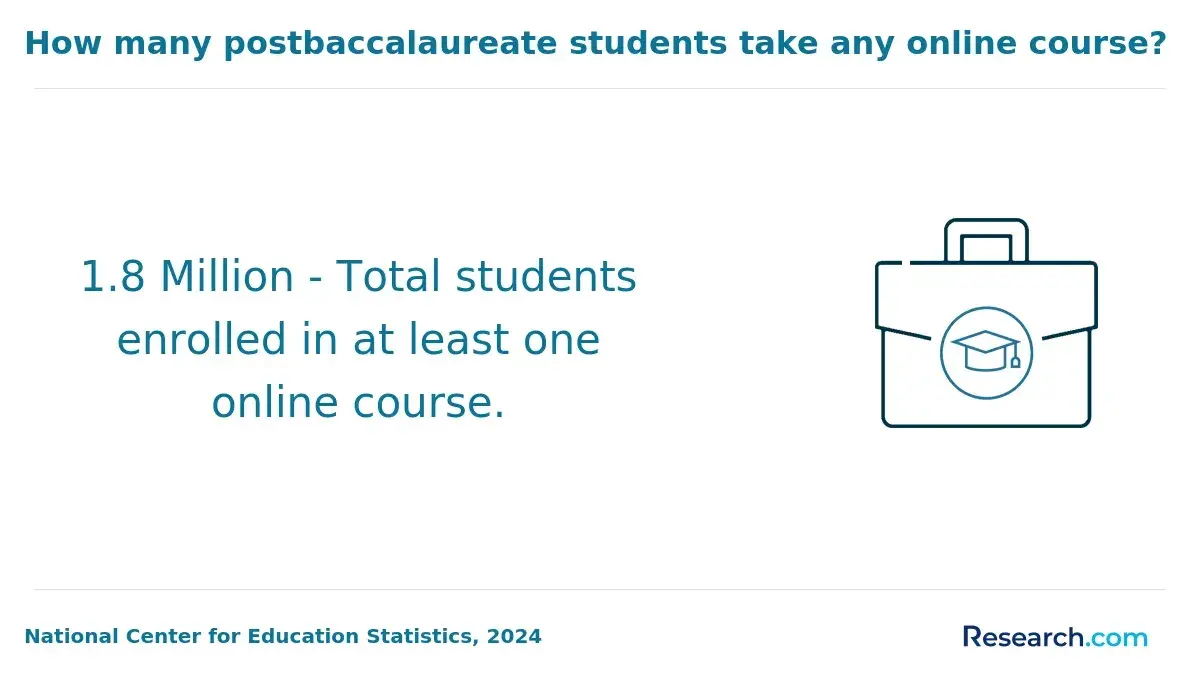
Tuition costs for marketing degrees have increased at a faster pace than many realize, complicating a straightforward assessment of their financial value. In 2024, average annual tuition and fees at public four-year universities stood near $11,500, while private nonprofit institutions often charged upward of $40,000, according to the National Center for Education Statistics.
Meanwhile, early-career salaries for marketing graduates averaged around $55,000 annually, with mid-career figures reaching roughly $85,000 to $90,000 as reported by the U.S. Bureau of Labor Statistics. Although salaries grow over time, inflation-adjusted wage growth tends to hover near 2% annually, lagging behind tuition inflation rates that often exceed 3-5% per year, which narrows the real return on educational investment.
Comparing these trajectories highlights that focusing solely on tuition or salary data individually misses the essential dynamic-how the rising cost of education directly interacts with earning potential over time.
Consider a student facing rising tuition fees who expects an entry-level marketing salary near $55,000. If that student borrows heavily to cover yearly tuition increases exceeding inflation, their post-graduation debt burden may require several years to repay without substantial salary growth beyond inflation.
Conversely, a graduate from a more affordable public institution who secures internships in high-demand marketing niches might experience steadier progress in salary relative to debt. This contrast demonstrates how factors such as institution choice, economic conditions, and individual career pathways influence whether tuition cost increases align reasonably with salary gains.
Without taking these variables into account, students risk overestimating the immediate financial benefits of a marketing degree amid an evolving cost and wage environment.
A recent marketing graduate reflected on these challenges, recalling how rising tuition at their preferred private university made them hesitate before enrolling. They weighed the financial risks carefully and opted for a public university with lower fees while supplementing their income through part-time internships.
This strategy helped ease initial debt concerns, though they remain cautious about stagnant wage growth relative to living costs. Their experience underscores the importance of proactive financial planning and leveraging opportunities to enhance earning potential alongside managing education expenses.
Does a Marketing Degree Deliver a Positive Return on Investment?
Return on investment (ROI) in higher education extends beyond the immediate starting salary and focuses on the balance between the total cost of obtaining a marketing degree and the sustained career opportunities and earning capacity it enables.
According to 2024 data from the U.S. Bureau of Labor Statistics and the National Association of Colleges and Employers, graduates with marketing degrees typically begin their careers with salaries in the $50,000 to $60,000 range. However, recognizing ROI requires looking at long-term wage growth, industry demand, and the potential for skill development that impacts earning trajectories over time, not simply entry-level pay.
Consider a recent graduate who finances their marketing degree through a combination of savings and moderate student loans totaling $40,000. If this individual secures a role within a dynamic industry segment and commits to ongoing learning in areas like digital advertising or data analytics, their earnings over a 10-year horizon can outpace the initial investment despite rising tuition costs and inflation.
Conversely, those who graduate from less recognized institutions or fail to update their skill set may find wage growth slower and ROI diminished. Georgetown University's Center on Education and the Workforce highlights that marketing degrees offer returns that surpass many humanities fields but typically fall short of STEM majors, especially when accounting for tuition debt repayment and regional salary variations.
Factors such as institutional reputation, geographic location, and the ability to adapt to evolving marketing technologies significantly influence whether a marketing degree yields a net positive economic benefit.
The field's inherent versatility offers some insulation against career volatility, but the relatively modest wage inflation compared to tuition hikes means students must strategically manage costs and actively cultivate market-relevant skills. Ultimately, a marketing degree's ROI is highly individualized, contingent on financial planning, continued professional development, and market conditions prevailing after graduation.
Which Industries Offer the Highest Salaries for Marketing Graduates?
Salary potential for marketing graduates varies significantly across industries, influenced by factors such as sector growth, regulatory complexity, and the strategic value placed on marketing roles.
According to the U.S. Bureau of Labor Statistics and National Association of Colleges and Employers data, marketing professionals achieve the highest earnings in fields where brand differentiation, data-driven strategies, and specialized knowledge are integral to business success. Understanding which fields pay top dollar helps in making informed career decisions that align with skills and long-term financial goals.
Below are key industries recognized for offering the strongest salary prospects to marketing graduates based on recent 2024 insights:
- Technology Sector: This industry leads in compensation due to rapid innovation and fierce competition. Marketing roles often focus on product launches, digital marketing, and customer acquisition, supplemented by bonuses and stock options. Expertise in digital tools and tech trends significantly enhances earning potential here.
- Financial Services: Including banking, investment, and insurance, this sector values sophisticated data analytics and fintech knowledge. Marketing professionals craft personalized campaigns to attract high-value clients, resulting in elevated salary packages.
- Pharmaceutical and Healthcare: Complex regulations and public trust make this a premium-paying field. Graduates with skills in healthcare marketing and regulatory understanding can command higher wages due to the industry's specialized communication needs.
- Consulting Industry: Consulting firms reward marketing graduates who combine creative insight with strategic business acumen. Roles often involve brand strategy and client advisory, attracting competitive pay due to the high impact of marketing on firm growth.
- Luxury Goods: This sector demands marketing professionals skilled in brand equity and customer loyalty management. High salaries reflect the value placed on maintaining exclusive brand images and premium customer experiences.
- Consumer Internet Services: Marketing professionals here focus on user engagement and growth hacking tactics. High salaries are driven by data-centric marketing strategies and the need to quickly scale platforms in a competitive landscape.
- Real-World Scenario: A marketing graduate entering the technology sector with strong data analytics and digital marketing skills can expect a base salary 20-30% higher than peers in general retail. Opportunities to earn performance bonuses and equity help offset the often high cost of living in tech hubs like San Francisco or Seattle.
Prospective Marketing students and career changers should carefully evaluate these industries when considering their education and career paths. Additionally, some may benefit from certifications such as becoming a certified bookkeeper to enhance their financial acumen, which is valuable in several high-paying sectors. Targeting the top marketing salary sectors in the US demands aligning one's skillset with industry expectations to maximize long-term income and career advancement.
Which States and Cities Offer the Highest Pay for Marketing Professionals?
Earnings for marketing professionals vary significantly by location, influenced by local industry concentrations, living costs, and regional economic conditions. While certain urban centers offer top-tier pay, these salaries often reflect compensation for higher expenses, including tuition inflation and housing. Graduates and career changers must weigh immediate salary gains against overall affordability and potential debt burdens.
The following summarizes key states and metro areas with the strongest compensation profiles for marketing roles, based on 2024 data from the U.S. Bureau of Labor Statistics and corroborating industry reports:
- California (San Francisco Bay Area): Known for its tech-driven economy, this region leads with median annual earnings surpassing $110,000 for marketing roles. High demand for digital marketing and tech-savvy professionals drives pay up, but the steep cost of living and tuition inflation require careful financial planning.
- New York City: A global media and finance hub, NYC offers median marketing salaries near $105,000. The dense cluster of agencies and corporate marketing teams ensures consistent demand, though intense competition and costly living expenses can limit net benefits.
- Massachusetts (Boston Metro): Boston combines competitive wages-around $95,000 median pay-with relatively moderate tuition inflation compared to other coastal metros. Its mix of education, healthcare, and tech industries supports diverse marketing opportunities with balanced cost-to-earnings ratios.
- Chicago: With wages generally between $90,000 and $100,000, Chicago's diversified industrial and financial sectors offer marketing professionals solid prospects. Moderate living costs compared to coastal cities make it appealing for those prioritizing affordability alongside career growth.
- Seattle: The city's strong tech and manufacturing base fuels demand for marketing talent earning median salaries near $95,000. Though housing prices have risen, educational costs remain more contained, offering a reasonable tradeoff for emerging professionals.
How Do Marketing Salaries Grow Throughout a Career?
Marketing salaries generally increase with experience and responsibility, but this growth is neither uniform nor guaranteed to outpace costs like tuition and inflation. Entry-level positions such as marketing assistants often start around $45,000 to $55,000 annually, reflecting foundational skills rather than immediate high earnings.
By mid-career, roles like marketing managers typically see median salaries near $85,000 according to the U.S. Bureau of Labor Statistics, driven by more complex duties in strategy and team leadership. Senior roles, including marketing directors and brand managers, can command between $110,000 and $160,000 or more, often enhanced by bonuses and equity, yet these figures vary substantially by industry and region.
Consider two graduates with identical marketing degrees: one pursues specialized training in digital analytics and obtains certification, while the other remains in entry-level roles without further credentialing. The former may see a faster salary trajectory due to market demand for technical skills, while the latter might encounter slower growth despite similar educational backgrounds.
Long-term earning potential hinges less on the degree itself and more on continuous skill development, strategic career moves, and leadership experience. Data from 2024 industry reports underscore that those investing in advanced competencies can substantially improve their financial outcomes amid a competitive and evolving field.
Early in her marketing career, one graduate hesitated before committing to a costly certification program targeting data analysis. Balancing student debt and immediate expenses made the decision feel risky, but she opted to proceed, recognizing that the credential might open doors beyond traditional roles.
Years later, while peers with similar degrees remained near mid-level salaries, she steadily advanced into specialized and leadership positions, reflecting not just the degree's baseline value but how targeted upskilling shaped her compensation path. The uncertainty she faced highlights how salary growth often depends on personalized decisions and timing rather than a fixed trajectory.
How Do Marketing Salaries Compare With Similar Degrees?
Graduates with a marketing degree typically start with competitive salaries, though these are often slightly lower than those with degrees in closely related business fields. According to data from the U.S. Bureau of Labor Statistics and the National Association of Colleges and Employers (NACE), the median starting salary for marketing graduates is around $56,000 annually.
This figure falls short of business administration graduates, who begin near $60,000, and finance graduates, who can start closer to $62,000. These differences reflect variations in industry demand, skill sets, and the analytical versus creative focus required in each discipline.
Below is a comparison that helps clarify how marketing wages stack up against similar college majors:
- Business Administration: Business administration graduates often enjoy a modest salary advantage at the outset, with median starting pay roughly $4,000 higher than marketing. Careers typically involve management roles and broad organizational functions, emphasizing leadership and operational expertise, which can command early financial premium.
- Finance: Finance graduates tend to earn the highest starting salaries within this group, due in part to the quantitative skills and financial modeling expertise required. Median entry salaries near $62,000 reflect strong demand in banking, investment, and corporate finance sectors, though these roles may also entail higher stress and longer hours.
- Marketing: Marketing focuses on creativity, strategy, and communication, which are essential but less likely to yield top-tier starting pay. However, marketing offers substantial long-term potential, especially in digital marketing, brand management, and analytics roles where salaries can become highly competitive.
- Applied Psychology: Though not a direct business field, applied psychology graduates pursuing roles like organizational development or consumer research may start with lower salaries. Specialized paths like online masters clinical psychology can open opportunities with differing income trajectories that compete over time with traditional business roles.
Evaluating marketing salary comparison with business degrees requires attention to both starting salary and career progression. Realistically, students should weigh how well their skills match industry needs and consider specialized certifications or graduate education to maximize return on investment. Inflation and rising tuition costs heighten the importance of such strategic decisions.
How Is Employer Demand Affecting Marketing Salary Trends?
Employer demand plays a critical role in shaping marketing salary trends by directly influencing competition for qualified candidates, hiring volume, and compensation policies. As demand rises, particularly for those with advanced digital capabilities or data analytics expertise, employers face intensified competition, which tends to push wages upward.
For instance, in urban markets where startups and tech firms aggressively seek digital marketing specialists, salary premiums can be significant compared to regions with more saturated labor pools. However, even strong demand does not guarantee uniform wage growth; experience level, specialization, and organizational budget constraints still weigh heavily on compensation decisions.
According to the U.S. Bureau of Labor Statistics' 2024 projections, employment for marketing specialists is growing steadily, but wages are rising fastest in niche areas aligned with emerging technologies. This dynamic shows how employer demand impacts marketing salary trends by rewarding skills that meet current market needs.
Yet for many recent graduates, modest salary increases may not keep pace with rising tuition and inflation, especially where graduate oversupply limits starting pay. Those assessing the value of a marketing credential should also consider varied demand across industries and locations, akin to how job seekers evaluate types of paralegals within legal fields, recognizing distinct earning potentials based on specialization.
How Can Students Maximize Their Lifetime Earnings With a Marketing Degree?
Maximizing lifetime earnings with a marketing degree requires deliberate choices beyond simply completing coursework. Recent insights from the U.S. Bureau of Labor Statistics and the National Association of Colleges and Employers (NACE) highlight specific factors that distinguish higher earners in the field.
For example, consider a graduate who targets digital marketing roles in San Francisco, supplements their degree with Google Analytics certification, and completes two internships. This scenario aligns well with data-driven market demands and geographic salary premiums.
The following strategies are essential for students aiming to optimize their long-term financial outcomes in marketing:
- Specialize in High-Demand Areas: Focus your studies on digital marketing, data analytics, or brand management, where technical skills meet growing employer needs for data-driven decision-making, enhancing your value and salary prospects.
- Gain Practical Experience: Secure internships or part-time roles during your studies to build relevant skills and demonstrate adaptability, factors strongly correlated with higher starting salaries and quicker promotion.
- Pursue Credentials: Obtain professional certifications like Google Analytics or HubSpot Academy to signal expertise, differentiating yourself in competitive job markets and increasing earning potential over time.
- Choose Strategic Locations: Target metropolitan areas such as New York, San Francisco, or Chicago, where marketing roles offer higher salary ranges due to concentration of corporate headquarters and competitive markets.
- Commit to Lifelong Learning: Stay current with trends like AI integration and sustainability marketing by participating in workshops and conferences, ensuring ongoing relevance and career growth.
- Leverage Networking Opportunities: Engage with professional organizations to access hidden job markets and mentorship, expanding opportunities beyond typical entry-level roles.
References
- Top UK Marketing Salary Increases (Updated for 2026) | Hays https://www.hays.co.uk/market-insights/article/which-marketing-jobs-saw-the-biggest-salary-increases-in-2021
- Senior marketing salaries increase ahead of inflation https://www.marketingweek.com/senior-marketing-salaries-increase-ahead-of-inflation/
- Do increases in public sector wages affect inflation? :: Public Sector Economics https://www.pse-journal.hr/en/archive/do-increases-in-public-sector-wages-affect-inflation_13377/
- Marketing Salary Guide 2025 | Ashdown Group https://www.ashdowngroup.com/salary-guide/marketing
- Job Market Trends 2026 - Generations Recruitment https://generationsrecruitment.com/job-market-trends-2026/
- Marketing Career Path Guide [Roles, Progression, Skills, Salaries & More!] - Cultivated Culture https://cultivatedculture.com/marketing-career-path-guide/
- Marketing Salary - This is what you earn after graduation | CBS https://www.cbs.de/en/blog/marketing-salary
- Average Cost of College [2025]: Yearly Tuition + Expenses https://educationdata.org/average-cost-of-college
- Marketing salaries: The trends you need to know about - EMR | Marketing, Digital & Communications Recruitment Agency https://www.emrrecruitment.co.uk/marketing-salaries-the-trends-you-need-to-know-about/
- 5 Careers in Marketing | Program Resources | Rivier University https://www.rivier.edu/academics/online/resources/program-resources/5-careers-in-marketing-with-the-best-future-outlook/
Other Things You Should Know About Marketing
Specialization often leads to higher starting salaries and faster salary growth, but it also narrows job opportunities. For example, experts in data analytics or digital marketing typically command better pay than those in broad, generalist roles. Students should weigh the tradeoff between developing niche expertise, which can offer better returns, and maintaining flexibility, which might slow initial earnings but broaden career options long term.
Internships provide practical skills and networking opportunities that are highly valued by employers, often translating directly into better starting salaries. Additional coursework might deepen theoretical knowledge but does not always impact early earnings. Prioritizing internships can accelerate entry into well-paying roles, so students with limited time or resources should focus on securing quality internships for stronger, immediate salary potential.
Graduates from private institutions often face higher tuition debt but do not always see proportionally higher salary gains compared to those from public schools. The key tradeoff involves weighing the debt burden against incremental salary improvements and brand recognition benefits. Those targeting cost efficiency should consider respected public programs with strong employer ties to minimize debt without sacrificing earning power.
Geographic mobility can significantly influence salary progression; relocating to regions with stronger marketing job markets can offset stagnating wages and high living costs. However, moving also entails personal and financial costs that may outweigh short-term salary increases. Graduates should evaluate mobility as a strategic option when local wage growth lags behind inflation and tuition debt pressures, prioritizing moves that align with long-term career development over immediate payoffs.