2027 Marketing Affordability by State: Where Students Pay the Most and Least

Co-Founder and Chief Data Scientist
Choosing between a state university offering in-state tuition at $8,000 annually and an out-of-state option charging over $25,000 can upend a marketing student's entire financial plan. Such disparities don't just affect upfront costs; higher debt loads often follow, influencing long-term career flexibility and financial security. A 2024 report by the State Higher Education Executive Officers Association reveals average tuition growth is slowing in some states but accelerating in others, reflecting varied policy decisions and economic pressures.
This divergence forces students to weigh not only sticker prices but regional cost of living and borrowing implications. This article analyzes marketing affordability by state to reveal where students face the steepest and most manageable financial barriers in their education choices.
Key Things to Know About Marketing Affordability by State
- States with lower published tuition often have higher living costs or fewer financial aid options, forcing budget-conscious marketing students to weigh immediate savings against total attendance expenses.
- In-state tuition advantages reflect state funding priorities that influence employer perceptions of graduate readiness, making locally subsidized marketing degrees more attractive for regional job markets.
- Growing enrollment in online marketing programs signals demand for flexible timing but requires scrutiny of costs beyond tuition, as fees and credential recognition vary widely across states.
- Key Things to Know About Marketing Affordability by State Key Things to Know About Marketing Affordability by State
- Which States Have the Most Affordable Marketing Degree Programs? Most Affordable State Programs
- Which States Have the Highest Marketing Degree Costs? Highest State Tuition Costs
- How Much Does a Marketing Degree Cost by State? Degree Costs by State
- Why Does Marketing Affordability Vary So Much Between States? State Affordability Variations
- How Do In-State and Out-of-State Tuition Rates Affect Marketing Affordability? In-State vs. Out-of-State Rates
- How Does the Cost of Living Impact Overall Marketing Affordability by State? Living Costs and Affordability
- Which States Offer the Best Value for a Marketing Degree? Best Value State Degrees
- What Financial Aid and Scholarship Opportunities Can Reduce Marketing Costs? What Financial Aid and Scholarship Opportunities Can Reduce Marketing Costs?
- Are Online Marketing Degree Programs More Affordable Than On-Campus Options? Are Online Marketing Degree Programs More Affordable Than On-Campus Options?
- Is a Marketing Degree Worth the Cost Based on Career Outcomes and ROI? Degree ROI and Outcomes
Which States Have the Most Affordable Marketing Degree Programs?
States that consistently offer the most affordable marketing degree programs often do so because of deliberate public funding strategies combined with aggressive tuition policies aimed at supporting in-state residents. This creates a significant pricing gap between resident and nonresident students, directly influencing enrollment patterns and the financial feasibility of pursuing a degree within those states. For example, a student from Wyoming considering programs in a neighboring state might face substantially higher tuition costs, prompting them to prioritize in-state options where public universities dedicate funding to maintain lower tuition, often averaging below $6,000 annually. Such cost differentials not only shape initial enrollment decisions but also impact a student's ability to complete their degree on time without accruing excessive debt.
Affordability in marketing degree programs also hinges on broader regional economic factors, including lower living expenses that complement reduced tuition rates. States like New Mexico and Mississippi combine targeted financial aid packages with overall lower costs for housing and transportation, improving the total value proposition for local students. However, these savings sometimes come with tradeoffs, such as fewer specialized program options or less expansive professional networks compared to higher-cost states. This dynamic underscores the need for budget-conscious students and families to weigh tuition affordability against long-term career outcomes and networking opportunities when comparing states with lowest marketing degree tuition costs. Additionally, growing demand for flexible learning options has inspired some institutions to expand online degree offerings, providing further cost management tools for students balancing education with other personal responsibilities, including options like BCBA programs.
Which States Have the Highest Marketing Degree Costs?
States with the highest costs for marketing degrees typically combine several financial pressures that drive their overall price tags well above most others. These include elevated tuition rates-often due to a higher concentration of private universities-limited state funding that pushes more expenses onto students, and regional living costs that can significantly inflate annual budgets. For instance, some in-state tuition fees for public institutions in certain states now exceed $14,000 annually, with private options in major metropolitan areas reaching over $50,000. This complex interplay means that while studying in such states might connect students to robust industry networks, the financial tradeoffs can be substantial, especially when weighed against outcomes and debt burden.
Residency policies also play a critical role, as stricter criteria frequently restrict access to lower in-state tuition, compelling many learners-especially international or out-of-state students-to face premium pricing. These factors reverberate beyond sticker costs; students must carefully evaluate the full spectrum of expenses, including housing and transportation, which are markedly higher in economically dense regions. Comparatively, programs located in Midwestern or Southern states often benefit from lower operational expenses and broader public subsidies, creating more affordable pathways without necessarily sacrificing core competencies. The decision to pursue an on-campus versus online degree, or to relocate, hinges on navigating these financial and practical considerations alongside program quality and employment prospects.
A recent graduate recalled extensively comparing out-of-state tuition fees and residency requirements when deciding where to enroll. They hesitated over a prestigious coastal program due to unexpectedly high ancillary costs like rent and limited access to scholarships. Ultimately, the student opted for an in-state public university with a more modest tuition rate and additional financial aid, despite concerns about fewer networking opportunities. This choice reflected a nuanced balancing act between cost, perceived value, and long-term career ambitions, underscoring the importance of thorough research and realistic budgeting in the face of wide regional disparities in marketing degree expenses.
How Much Does a Marketing Degree Cost by State?
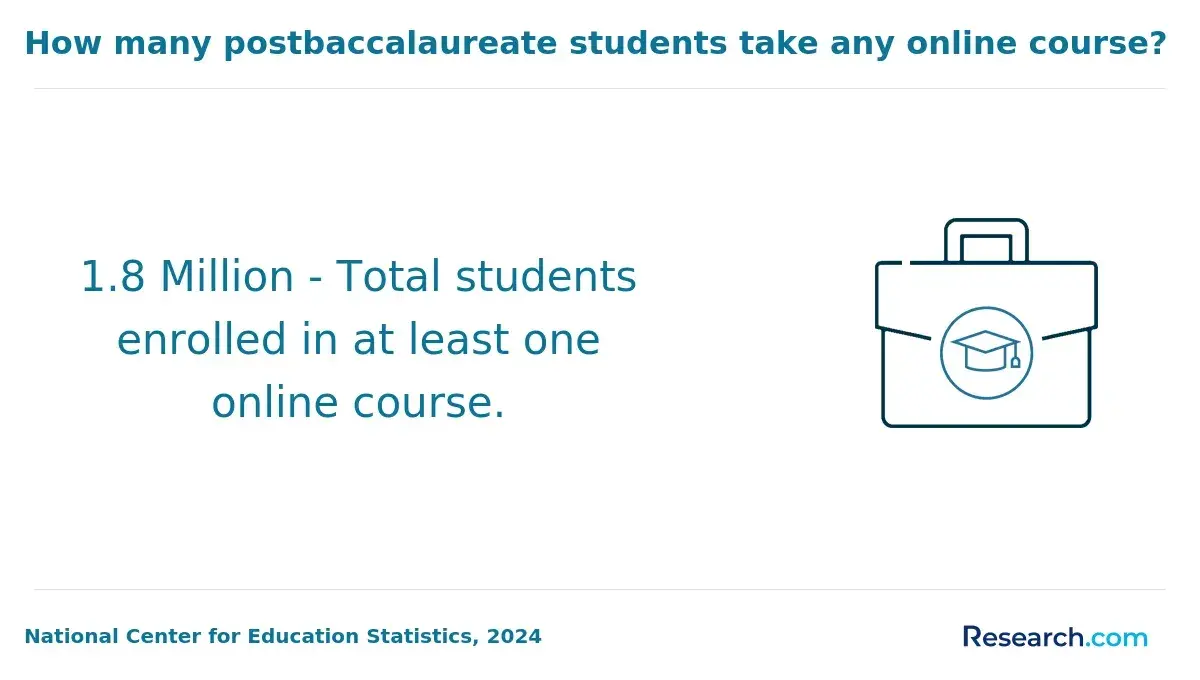
State-by-state differences in tuition and associated costs heavily influence the financial feasibility of earning a marketing degree, often requiring students to weigh in-state residency benefits against higher out-of-state or private institution fees. For example, California and New York schools frequently charge over $15,000 annually for in-state students, with out-of-state or private options exceeding $35,000, according to the College Board's 2024 data. These tuition figures, paired with elevated living expenses in metropolitan areas, can substantially increase student debt and affect post-graduation financial flexibility. Navigating these cost disparities demands strategic decisions about where to enroll, especially when factoring in state policies that affect subsidies and scholarships availability.
In contrast, states like Wyoming, New Mexico, and Alabama present lower tuition burdens, often under $7,000 annually for residents, reflecting less competitive funding but offering a lower overall cost of attendance due to affordable living costs. Such economic realities may prompt budget-conscious students to prioritize regional public institutions or explore online marketing programs to avoid relocation expenses and manage debt load. However, this tradeoff can also affect access to certain networks and internship opportunities tied to larger urban centers or prestigious schools, which employers may value. Ultimately, understanding the interplay between tuition rates, residency status, and local living expenses is essential for long-term financial planning and aligning career ambitions with reasonable educational investments.
Why Does Marketing Affordability Vary So Much Between States?
Differences in state funding for public colleges largely drive disparities in marketing tuition, directly shaping affordability for in-state students. For instance, states with strong financial support often offer considerably lower resident tuition, allowing students to save thousands annually compared to states with limited public investment. This dynamic influences enrollment patterns, as budget-conscious learners may opt to transfer or enroll in out-of-state or online programs where costs better align with their financial realities. Data from the National Center for Education Statistics (NCES) 2024 highlights these variations, revealing clear correlations between state subsidies and marketing degree pricing.
Cost-of-living disparities further complicate state-by-state marketing degree affordability comparisons. Regions with higher housing and transportation expenses typically face elevated tuition and fees to offset institutional operating costs, which can price out local students despite abundant workforce demand. Additionally, states differ widely in need-based and merit scholarship availability, impacting net costs and accessibility. The mix of private versus public institutions plays a crucial role as well, since private colleges generally command higher tuition, pushing overall costs above average in states with more private marketing programs. These factors shape practical student decisions related to residency, financial aid reliance, and program selection. For learners weighing options, consulting rankings of the best online degrees can help identify cost-effective pathways aligned with career objectives.
How Do In-State and Out-of-State Tuition Rates Affect Marketing Affordability?
Residency-based tuition policies meaningfully shape the financial calculus for marketing students by creating sharp cost disparities that influence institutional choice and geographic mobility. According to the National Center for Education Statistics in 2024, the average in-state tuition at public four-year colleges averages about $10,000 annually, less than half of the $27,000 charged to out-of-state students. This gap often forces budget-conscious students to weigh saving on tuition against accessing specialized programs or employment networks farther from home. Furthermore, reciprocity agreements like the Midwest Student Exchange Program provide partial relief by lowering out-of-state tuition for select neighboring states, but such arrangements remain limited in scope and can affect long-term affordability depending on regional policy shifts and eligibility criteria.
Students considering out-of-state enrollment must also factor in how private institutions and online programs disrupt traditional residency cost structures, as private schools typically set uniform rates irrespective of residency, though their sticker prices can exceed public tuition by a wide margin. Online degrees offer a flat rate model that bypasses state residency, but prospective students must scrutinize quality and accreditation to ensure value aligns with savings. The interplay of state funding priorities, available financial aid, and the complexities of establishing residency for tuition purposes further complicate these decisions, making long-term financial planning essential for those navigating the variability of marketing degree affordability across state lines.
A recent marketing graduate reflected on their experience transferring to a public university out of state. Despite efforts to qualify for in-state tuition, residency requirements were stricter than anticipated, resulting in an unexpected yearly expense increase that altered their financial plan. They described juggling part-time work and loans while questioning if the out-of-state tuition premium was justified by program reputation and internship opportunities. This uncertainty shaped their enrollment decision and underscored how nuanced and context-dependent tuition affordability really is when pursuing a marketing degree outside one's home state.
How Does the Cost of Living Impact Overall Marketing Affordability by State?
Housing costs are the most significant factor altering the total expense of pursuing a marketing degree across states, with rent often consuming 30% to 40% of a student's budget. For instance, a student attending college in New York may face median rent prices and transportation costs that sharply inflate their monthly outlays compared to a peer in Ohio or Texas, even if tuition rates are similar. These disparities affect how students structure their educational plans and manage financial aid, as higher living expenses necessitate larger budgets or increased borrowing, which can extend debt repayment timelines and influence decisions about whether to live on-campus, commute, or enroll part-time.
Transportation and healthcare costs, along with local food prices, further complicate affordability. Students in sprawling metro areas with limited public transit options often face elevated commuting costs, whereas those in smaller states enjoy reduced travel expenses, directly impacting discretionary spending and academic focus. Understanding regional living expenses affecting marketing education costs is crucial for students weighing the tradeoffs between in-person and remote learning modes, as well as for families assessing the real-world financial commitment behind a degree.
For budget-conscious learners, interpreting such cost-of-living and marketing degree affordability by state should include a thorough assessment of how non-tuition expenses influence long-term employability and career pathway decisions. Considering total cost profiles alongside educational quality can help students optimize their investment in marketing education. Individuals interested in adjacent fields may also benefit from exploring options like a project management degree, which can offer different financial and career tradeoffs worth comparing in this context.
Which States Offer the Best Value for a Marketing Degree?
Evaluating the value of a marketing degree across states requires balancing tuition costs with more complex factors like local economic conditions, financial aid structures, and graduation rates. For example, while Wyoming offers tuition roughly 40% below the national average for public four-year colleges, students there must also consider living expenses and job market demand before committing. Conversely, states like Minnesota and Iowa demonstrate that investing in regions with above-average graduation rates and steady marketing job growth may yield greater long-term returns, even if initial costs are moderately higher.
Financial aid policies significantly affect affordability and net cost, with states such as Oregon and Wisconsin reducing reliance on loans through state-funded grants targeted at lower- and middle-income students. This mitigates debt burdens, improving post-graduation financial stability and making these states attractive despite other economic tradeoffs. In contrast, areas like California and New York, although home to prestigious institutions, combine high tuition with elevated living expenses, often resulting in disproportionate starting debt levels. Students must weigh whether the reputation premiums offset these costs relative to regional salary prospects and job availability.
Ultimately, the lowest sticker price does not automatically equate to the best value in marketing education. Prospective students should assess residency-based tuition benefits, degree completion rates, and local employer demand alongside affordability metrics. A marketing graduate who can capitalize on a stable regional economy with robust hiring may achieve better career outcomes than one who minimizes upfront cost but faces greater financial strain or uncertain job prospects. Data from the National Center for Education Statistics and the Bureau of Labor Statistics in 2024 reinforce that a nuanced view of these intersecting factors is essential for an informed enrollment decision.
What Financial Aid and Scholarship Opportunities Can Reduce Marketing Costs?
Financial aid dynamics can drastically alter the net cost of pursuing a Marketing degree, often making the difference between affordability and prohibitive expense depending on a student's state of residence and institutional choice. Nearly 85% of undergraduates receive financial aid, with grants and scholarships covering about 42% of educational costs on average, according to the National Postsecondary Student Aid Study (NPSAS) 2024. Federal programs like the Pell Grant provide critical baseline support mainly for low- and moderate-income students, yet they rarely cover full expenses, pushing students to navigate overlapping state grants, institutional scholarships, and employer tuition benefits to bridge gaps. For example, a student in New York might access substantially larger state grant awards than a peer in a state with limited funding, reducing out-of-pocket tuition and influencing the overall return on investment for the degree.
The complexity intensifies as eligibility restrictions-such as residency requirements, full-time enrollment mandates, and renewal conditions-can limit access or complicate long-term educational planning. Merit-based scholarships often favor high-achieving full-time students, which can disadvantage part-time learners balancing work and study. Employer-sponsored tuition reimbursement offers an alternative pathway but typically requires ongoing employment and may exclude certain courses or credits. Additionally, reciprocity agreements across neighboring states provide options to pay reduced in-state rates, but this depends heavily on regional policy structures. Understanding these tradeoffs is essential: students must assess not only which financial aid sources are available but how stacking rules and eligibility criteria impact their sustained ability to fund degree completion in varying state and institutional contexts.
Are Online Marketing Degree Programs More Affordable Than On-Campus Options?
Online marketing degree affordability compared to on-campus programs hinges on the interplay between tuition pricing, residency policies, and ancillary costs that often complicate surface-level comparisons. While data from the National Center for Education Statistics indicates that online bachelor's degrees in marketing generally list about 15% lower tuition annually than their on-campus public university counterparts, this gap narrows once technology fees, software requirements, and higher internet expenses are factored in. Moreover, states with residency-based tuition reciprocity commonly favor in-person students, which means an out-of-state online learner might encounter higher per-credit charges, undercutting the presumed savings. This nuance is critical for prospective students weighing cost differences between in-state and out-of-state online marketing degrees where residency rules and pricing structures vary widely.
Cost savings for online learners often stem from avoiding substantial housing and transportation expenses. On-campus marketing students could face room and board costs exceeding $10,000 per year, making online formats financially attractive for those in high-cost regions or with family obligations. However, the tradeoff includes longer time-to-degree in many cases, as balancing employment with part-time study extends completion timelines. Variations in financial aid availability also influence affordability; some online programs limit grant and scholarship access, adjusting aid toward reducing credit costs rather than providing comprehensive packages. Students must therefore evaluate program design, funding limits, and personal circumstances carefully to determine whether an online marketing degree genuinely aligns with their financial and academic needs.
For budget-conscious learners exploring practical pathways, decision-making extends beyond tuition comparison to include employment continuity and cost of living factors. Combining work and study online can sustain income but may delay graduation, while on-campus attendance may expedite degree completion but bring immediate living cost pressures. Those researching options might consider resources like degrees for felons as examples of how affordable online programs can support varied student populations. Ultimately, no one-size-fits-all answer exists; decision makers should integrate true cost calculations with real-world tradeoffs to assess where and how pursuing a marketing degree delivers the best long-term value.
Is a Marketing Degree Worth the Cost Based on Career Outcomes and ROI?
Evaluating the true worth of a marketing degree requires more than comparing tuition fees; it demands scrutiny of how geographic location, institutional type, and completion rates affect career outcomes. States like Wyoming offer much lower annual in-state public tuition-around $6,000-compared to California or New York where costs can exceed $30,000, significantly shifting potential debt burdens. With marketing graduates frequently accumulating about $30,000 in student debt, those starting in regions with slower salary growth may face extended periods before seeing a positive return on investment. Career outcomes for marketing graduates across states reveal that robust local demand in places such as New York and Texas often offsets higher costs through elevated salaries and more abundant job opportunities, contrasting with lower-demand areas where the degree's financial viability diminishes.
Students must weigh these factors alongside non-tuition elements like opportunity costs and employer expectations, including the value of degrees versus alternative educational pathways like certifications or graduate school. Strategic planning-coupled with selecting programs aligned with career goals-can mitigate long-term financial risk. For example, a budget-conscious learner might explore a public university in a lower-cost state while supplementing education with credentialing.
Bachelor's in project management programs exemplify how alternative degree paths can diversify skills while managing costs. Considering the marketing degree return on investment by state underscores the importance of geographic and economic context in deciding if the degree aligns with an individual's career trajectory and financial situation.
References
- Cost of Online College vs. Traditional | Champlain College Online https://online.champlain.edu/blog/cost-of-online-education-vs-traditional-education
- The Hidden Costs Of Marketing | Things You Didn't Know https://nakatomi.pl/en/the-hidden-costs-of-marketing/
- Financial Aid for Undergraduate International Students https://www.nafsa.org/about/about-international-education/financial-aid-undergraduate-international-students
- 50 Most Affordable Marketing School Programs | UniversityHQ https://universityhq.org/business/marketing/most-affordable-degrees/
- The 5 most common pricing strategies | BDC.ca https://www.bdc.ca/en/articles-tools/marketing-sales-export/marketing/pricing-5-common-strategies
- 2025 Most Affordable Online Marketing Degrees https://www.onlineu.com/most-affordable-colleges/marketing-degrees
- RE-DWELL: Definition https://www.re-dwell.eu/concept-definition/30
- Importance of Cost of Living | Goldwater Institute https://www.goldwaterinstitute.org/cost-of-living/
- Cost Confusion: Americans' Misconceptions of College Costs | Strada Education Foundation https://www.strada.org/reports/cost-confusion-americans-misconceptions-of-college-costs
- Housing Affordability Across the Country | HUD USER https://www.huduser.gov/portal/pdredge/pdr-edge-frm-asst-sec-072425.html
Other Things You Should Know About Marketing
Lower tuition states often have public universities with solid regional reputations, but fewer nationally recognized programs, which can affect graduate employability in competitive markets. Employers in marketing-heavy industries may prioritize candidates from schools with stronger local industry ties or specialized curricula, sometimes found in higher-cost states. Prospective students should weigh savings against the likelihood of placement support and networking opportunities critical to marketing careers.
States with vibrant marketing sectors, even if their tuition is moderate, often provide better internships and experiential learning opportunities, directly impacting employment success. Conversely, highly affordable programs in states with limited marketing industries may leave students with fewer local job openings or networking channels. Students aiming for immediate regional employment should prioritize programs aligned with active marketing markets over mere affordability.
Hidden costs like fees, travel for internships, professional certifications, and access to technology differ markedly by state and can erode upfront tuition savings. Additionally, workload differences in program intensity can impact a student's ability to work while studying, affecting total affordability. Students should carefully analyze program structure and all associated expenses, not just sticker price, to avoid surprises and optimize financial and time investments.
Generally, investing in programs with robust employer networks, even if pricier, tends to yield better long-term career returns in marketing, given the field's reliance on relationships and internships. Graduates from well-connected states often experience faster job placement and higher starting salaries, which can offset initial costs. However, students should consider personal career goals and whether local market strength aligns with their geographic and financial constraints before prioritizing cost alone.