2027 Marketing Career Outcomes by Degree Level Report: Pay, Employment, and Advancement Patterns

Co-Founder and Chief Data Scientist
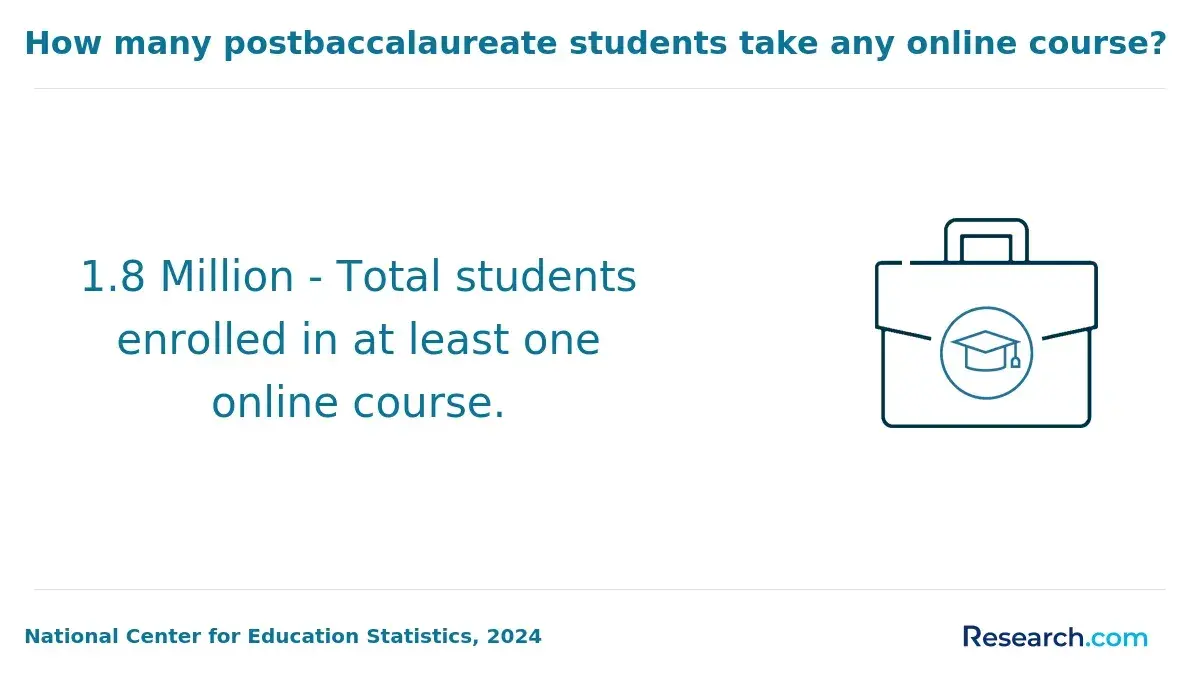
The choice between an associate, bachelor's, or graduate degree in marketing can feel like navigating a maze with incomplete maps. Many learners confront contradictory data about pay and job stability across degree levels, complicating decisions that impact financial security and career growth. A 2024 study from the National Center for Education Statistics shows that bachelor's-level marketing graduates experience notably faster employment entry than those with lower credentials, highlighting degree completion's effect on job market access.
Yet, variability in advancement rates blurs the returns on higher education, especially for mid-career changers and military-affiliated students. This article examines pay, employment, and advancement patterns by marketing degree level to clarify these outcomes for informed decision-making.
Key Things to Know About Marketing Career Outcomes by Degree Level
- Associate degrees in marketing offer faster labor-market entry but tend to limit advancement potential compared to bachelor's degrees, reflecting employer preference for broader strategic skills tied to higher-level credentials.
- Employer data from 2024 show master's holders achieve 25% higher promotion rates in marketing roles, highlighting advanced degrees' role in signaling specialized expertise and leadership readiness in competitive markets.
- Certificate programs provide targeted skill upgrades with minimal time and cost, yet their limited credential weight often restricts long-term career mobility, stressing a tradeoff between quick upskilling and sustained advancement opportunities.
- Key Things to Know About Marketing Career Outcomes by Degree Level Key Things to Know About Marketing Career Outcomes by Degree Level
- What Career Outcomes Can Students Expect From Each Marketing Degree Level? Career Outcomes by Degree
- How Much Do Marketing Graduates Earn by Degree Level? Salary by Degree Level
- Which Marketing Degree Level Offers the Strongest Employment Prospects? Best Degrees for Employment
- What Entry-Level Jobs Can You Get With a Marketing Degree? Entry-Level Career Opportunities
- How Do Marketing Degree Levels Affect Career Advancement and Promotion Opportunities? Career Growth by Degree
- Is a Marketing Degree Worth It Based on Salary, Employment, and ROI? Salary, ROI, and Value
- How Do Associate, Bachelor's, Master's, and Doctoral Marketing Degrees Compare? Comparing Degree Levels
- Which Industries and Employers Hire Marketing Graduates by Degree Level? Which Industries and Employers Hire Marketing Graduates by Degree Level?
- What Skills, Credentials, and Experience Improve Marketing Career Outcomes? What Skills, Credentials, and Experience Improve Marketing Career Outcomes?
- Which Marketing Degree Level Is Best for Your Career Goals? Choosing the Right Degree
What Career Outcomes Can Students Expect From Each Marketing Degree Level?
Career outcomes in marketing depend heavily on degree level, affecting not only initial job access but also long-term pay progression and role flexibility. Those with associate degrees or certificates typically enter support or tactical roles with limited upward mobility, often needing to pursue further education to shift toward strategic positions. Bachelor's degree holders benefit from a stronger foundation in data analysis and digital marketing tools, aligning with employer preferences for entry-level marketing analyst or content strategist roles, and many programs promote transfer pathways that accommodate working adults and military-affiliated students seeking to avoid redundant coursework. According to the U.S. Bureau of Labor Statistics, individuals with bachelor's degrees frequently enjoy enhanced advancement potential compared to those with lower-level credentials, underscoring the practical value of completing or transferring into these programs over time.
For professionals targeting managerial or highly specialized positions, a master's degree offers critical exposure to market segmentation and campaign management, often paired with applied learning experiences that employers prize. This credential markedly improves access to leadership roles in brand management or strategic research, with the National Center for Education Statistics highlighting increased managerial placement within five years post-graduation. Doctoral pathways, by contrast, focus on theory and research to meet the needs of academia and consultancy, but face a narrower employment market despite offering superior job security within niche sectors. Certifications such as the Professional Certified Marketer complement formal degrees across levels by signaling industry-relevant skills, which helps workers mitigate employment risk amid varying regional demands. Adult learners can strategically navigate these outcomes by choosing credential levels that balance time investment against career mobility, supported by flexible formats and strong transfer options exemplified in 2 year bachelor degree programs.
Employment and advancement patterns for marketing graduates reveal that degree-level decisions deeply influence specialization opportunities and employer credential expectations. Associate degrees often serve as stepping stones rather than terminus points, given their practical focus but limited strategic training. In contrast, bachelor's and graduate programs better equip students to meet evolving employer demands for applied experience and analytical rigor, which can enhance long-term pay trajectories and mobility across sectors. For working professionals weighing options, a layered approach combining degree attainment with targeted certifications and internships typically yields the most resilient career pathways in a dynamic marketing field.
How Much Do Marketing Graduates Earn by Degree Level?
Earnings for marketing graduates differ sharply depending on credential level, but these pay disparities reflect more than just education-they signal distinct access to roles, responsibilities, and career trajectories. For example, bachelor's degree holders often secure positions with a median salary near $75,000, yet associate degree holders generally see starting pay closer to $45,000, reflecting limited eligibility for strategic or leadership roles. This gap warrants consideration beyond raw income: moving from an associate to a bachelor's can require substantial additional time and financial investment, and transfer policies or work experience might influence whether the jump in compensation justifies these costs. Moreover, pay premiums for master's degree holders-often around 20-30% higher than bachelor's graduates-are more common in specialized or managerial marketing roles requiring advanced analytical and strategic skills, though this advantage may narrow in certain regions or sectors where experience weighs heavier than credentials.
Employment stability also correlates with degree level, with bachelor's and master's graduates typically facing unemployment rates below 3%, compared to roughly double that for certificate holders. This difference highlights how advanced study can buffer against market volatility but also suggests that some employers link stability to proven comprehensive education or a certain career stage. For working adults and military-affiliated learners weighing further education, the decision to pursue a higher degree in marketing must balance potential salary uplift and job security against the realities of program rigor, time commitment, and how specific employer expectations in their local job market align with credential demands.
One recent graduate reflected on comparing published earnings data with local job postings while deciding whether to pursue a bachelor's after completing a marketing certificate. They found that although starting salaries appeared substantially higher for degree holders, many entry-level roles in their area favored candidates with practical digital marketing experience over formal education. This led to hesitation: the prospect of investing more time and money in school felt uncertain until they connected with industry professionals, who emphasized networking and niche certificates as equally critical. Ultimately, adapting expectations based on local hiring trends helped this individual chart a more realistic path that balanced credential upgrades with gaining marketable skills and experience.
Which Marketing Degree Level Offers the Strongest Employment Prospects?
The bachelor's degree in marketing generally offers the broadest employment opportunities due to employer preferences for well-rounded candidates who demonstrate competence across branding, consumer insights, and digital strategies. With a 2024 unemployment rate near 3.1% for bachelor's holders in marketing roles according to the U.S. Bureau of Labor Statistics, this credential aligns closely with entry expectations for positions such as marketing coordinators or brand managers. While certificates or associate degrees can expedite workforce entry, especially in technical duties like social media management, they often limit eligibility for mid-level and supervisory roles without additional experience or further education. For example, an associate degree graduate might secure an initial position more quickly but face barriers when applying for promotions commonly requiring a bachelor's credential.
Advanced degrees such as master's programs typically enhance earning potential and access to strategic roles, reflecting a roughly 15% median salary increase over bachelor's graduates, as reported by the National Center for Education Statistics. This level often suits professionals targeting leadership, specialized analytics, or consultancy tracks, where deeper expertise and networking yield tangible career leverage. Doctoral or professional marketing degrees serve narrower markets, primarily academia or high-level research, with limited impact on general employment prospects. Deciding whether to pursue an associate credential for rapid entry, transfer credits toward a bachelor's, or invest in graduate studies requires balancing immediate job access against long-term career flexibility and growth, particularly in regions or industries with heightened degree inflation or competitive credential demands.
What Entry-Level Jobs Can You Get With a Marketing Degree?
Entry-level marketing jobs with a bachelor's degree often serve as a gateway to roles requiring a blend of analytical ability and communication skills, yet these positions typically demand prior internships or hands-on projects to stand out. Graduates with only an associate degree may access more administrative or support roles, which can limit initial advancement unless supplemented by additional qualifications or demonstrated work experience. For many employers, certifications like Google Analytics add value but do not substitute for tangible portfolio work or measurable internship results, especially in digital marketing specialties where practical impact carries significant weight.
Job seekers should consider the geographic and operational context of marketing roles; urban centers tend to provide more entry-level positions, while remote opportunities usually favor candidates with proven digital literacy and strong self-management capabilities. About 40% of available entry-level openings now request one to two years of experience, indicating that fresh graduates must strategically build relevant skills early to compete effectively. Planning education pathways should factor in these employment dynamics alongside decisions about pursuing additional credentials or graduate-level study. Those weighing their options might also explore related game design courses online to expand digital skill applicability in evolving market niches.
How Do Marketing Degree Levels Affect Career Advancement and Promotion Opportunities?
In marketing, the level of education attained substantially affects the timing and scope of career progression, particularly when moving into supervisory or management roles. Most employers use a bachelor's degree as a baseline credential for mid-level responsibilities, valuing its emphasis on strategic thinking and analytical skills, a reality underlined by recent IPEDS data showing that nearly 60% of marketing manager job postings prefer candidates with at least a bachelor's degree. Associate degree holders can enter the workforce quickly but often face slower promotion trajectories unless supplemented by specialized certifications or relevant work experience in digital marketing niches. Graduate degrees, especially MBAs or specialized master's programs, tend to open faster paths to senior leadership by equipping professionals with advanced competencies in leadership and strategic decision-making, a pattern corroborated by the National Center for Education Statistics' observation of senior role transitions within five to seven years post-graduation.
Transfer credit options and adult learner pathways further complicate the decision between entering the workforce early versus continuing education to improve long-term mobility. Candidates balancing prior experience and education must weigh the practical benefit of pursuing advanced credentials against immediate workforce entry, particularly where firms emphasize formal education requirements or leadership capacity. The data suggest that while advanced degrees enhance eligibility for competitive promotions and leadership roles, the value of experience in tandem with flexible learning pathways remains significant-especially for nontraditional learners and military-affiliated students navigating both education and career simultaneously.
A recent marketing graduate recalled hesitating before enrolling in a bachelor's program after completing an associate degree while working full-time. Their employer encouraged pursuing the bachelor's to be considered for a team lead position but had no formal promotion timetable, creating uncertainty around the return on investment. Over time, the graduate found the additional coursework particularly helpful in digital analytics, boosting confidence and credibility when applying for internal openings. Though the wait for promotion extended beyond initial expectations, the blend of prior work experience and the bachelor's credential eventually secured a supervisory role, validating the pragmatic decision to invest in further education despite short-term ambiguity.
Is a Marketing Degree Worth It Based on Salary, Employment, and ROI?
The decision to pursue a marketing degree should be informed by how salary potential, employment stability, and career mobility vary across education levels and individual circumstances. Entry-level roles often do not require a formal degree, with practical skills and certifications heavily influencing hireability. For working adults and transfer students, the time investment and opportunity cost of a bachelor's-often four years with significant financial outlay-must be weighed against the possibility of advancing to higher-paying roles typically reserved for those with professional experience or graduate credentials. Geographic factors and local labor demand also crucially affect the salary and employment outcomes for marketing degree holders, modifying the return on investment for marketing degrees on a case-by-case basis.
In industries shifting toward digital specialization, only holding a degree without up-to-date skills may restrict access to preferred positions, challenging employment stability over time. Associate degrees offer lower costs and quicker entry but often cap earnings and advancement options, making them suitable mainly for those prioritizing immediate workforce entry. Graduates carrying significant debt should consider how delayed workforce entry and loan repayment pressure impact long-term financial stability. Many who balance study with work find strategic use of internships, certifications, and networks critical to converting education into tangible employment outcomes. Prospective marketing students might also explore options like online data science programs to complement marketing skill sets and enhance career flexibility and earnings potential.
Reliable projections of marketing roles' growth validate steady demand, but adaptation to evolving employer preferences is essential. Those assessing marketing degree salary and employment outcomes should factor in a realistic appraisal of opportunity costs, program affordability, and credentials most valued by employers. This nuanced approach supports informed decision-making beyond raw figures, providing working professionals and students with a clearer understanding of how educational choices translate into career trajectories.
How Do Associate, Bachelor's, Master's, and Doctoral Marketing Degrees Compare?
Choosing between associate, bachelor's, master's, and doctoral degrees in marketing directly affects employability and career trajectory, especially when factoring in time and financial investment. While an associate degree offers faster entry into the workforce, it typically confines graduates to support or sales roles with limited promotion prospects and often requires careful transfer planning to avoid credit loss when pursuing a bachelor's. Bachelor's degrees remain the dominant credential, opening access to mid-level positions with roughly a 10% higher employment rate compared to associate holders, and provide crucial specialization in areas such as digital marketing or analytics that reflect current employer demands.
Advancing to a master's degree often yields a notable advantage for strategic and managerial roles, with industry projections indicating workforce growth areas that favor graduate-level expertise. However, the decision to pursue a master's must weigh increased tuition and completion times against the potential for leadership positions and higher salaries. Doctoral degrees, meanwhile, serve a narrower job market focused mostly on academia and high-level consulting, offering deep analytical skills but limited broader industry demand. For professionals balancing work and education, a master's degree typically represents the practical upper limit for meaningful career mobility, while certifications and real-world experience continue to carry substantial weight alongside formal degrees.
Which Industries and Employers Hire Marketing Graduates by Degree Level?
Hiring patterns for marketing graduates distinctly reflect degree level, influencing the types of employers and roles candidates can realistically target. Associate degree holders often enter technical or support positions in retail and small-to-medium enterprises where foundational skills in customer engagement and product promotion suffice. For example, a graduate with an associate credential might take on roles supporting sales teams in regional retail chains, but would typically encounter limitations advancing beyond entry-level without further education. The U.S. Bureau of Labor Statistics notes that these positions, while accessible, emphasize operational proficiency over strategic input, which narrows long-term progression.
Bachelor's degree graduates dominate hiring in diverse sectors such as advertising agencies, corporate marketing departments, and digital media firms where analytical and creative skills intersect. Many employers set this credential as a minimum for roles like brand management and digital marketing specialists, especially in urban job markets where competition is fierce. Master's degree holders, conversely, are preferred for mid- and senior-level roles in consulting firms, large multinationals, and market research organizations that demand strategic planning and quantitative expertise. According to the Georgetown University Center on Education and the Workforce, these advanced qualifications support leadership trajectories that bachelor's degrees alone rarely sustain.
Doctoral graduates rarely enter practitioner roles but are in demand within academia, research institutions, and public policy environments requiring deep theoretical and methodological proficiency. Meanwhile, certificate holders typically fill niche digital marketing or analytics roles with more limited scope, often in freelance or entry-level capacities. Strategic decisions about continuing education should weigh employer screening priorities, technical specialization needs, and whether one's career goals require immediate labor market entry or longer-term leadership roles. This stratification underscores critical trade-offs between quicker employment and expanded advancement potential.
What Skills, Credentials, and Experience Improve Marketing Career Outcomes?
Employers prioritize candidates who demonstrate proficiency in technical marketing skills such as digital tools, data analytics, and content management, which directly impact job readiness and initial placement success. For instance, an associate degree graduate with certifications in Google Analytics or HubSpot may offset a shorter academic background by showcasing validated competencies that employers link to faster onboarding. This emphasis reflects a broader trend where practical evidence of skills, such as portfolios built during internships or apprenticeships, significantly enhances employability and supports career progression, especially when combined with communication and leadership abilities tailored to degree level.
Soft skills and applied experience increasingly tip the balance for promotion and mobility, particularly for bachelor's or master's holders, who often advance through leadership roles in student organizations or workplace projects. Marketing certification programs for career advancement play a pivotal role here, serving not only as proof of specialized knowledge but also improving adaptability to evolving business needs. Military experience and prior industry exposure add further layers of transferable skills valued for discipline and operational understanding. Adult learners and working professionals must weigh the cumulative benefit of stacking such credentials and practical experiences, sometimes considering pathways like doctoral programs online no dissertation that offer flexibility without extending time away from work.
Which Marketing Degree Level Is Best for Your Career Goals?
Employers often prioritize bachelor's degrees for managerial marketing roles, reflecting a clear divide in advancement potential compared to associate credentials. While an associate degree can enable entry into roles like marketing assistant or social media coordinator with quicker completion and lower tuition costs, it typically constrains upward mobility and specialization. Employment rates for associate degree holders in marketing-related positions average around 70% within six months post-graduation, indicating steady but limited demand relative to bachelor's graduates, who are reported to enjoy roughly 15% higher job stability and broader role eligibility. For working adults and transfer students, balancing credit transfer policies and program flexibility is crucial when considering how far to pursue the marketing degree level that aligns with their career goals and financial situation.
Graduate degrees, such as MBAs or master's in marketing, target those pursuing leadership or specialized research positions, offering a near 90% employment rate post-completion according to recent national data. However, the additional time and financial investment can be prohibitive, particularly for military-affiliated students or adults balancing professional commitments. Certification options like the Professional Certified Marketer may complement any degree level for enhanced job readiness, yet leadership roles frequently require formal graduate credentials. Prospective learners weighing which marketing degree level offers the best career advancement opportunities should also consider opportunity costs, personal workforce timing, and long-term mobility. Those seeking tailored pathways may benefit from comparing employment outcomes by marketing degree level while exploring credit transfer strategies and part-time program options tailored for working professionals. For example, individuals interested in a specialized pathway might investigate relevant alternatives such as an online spanish degree for military veterans that align with their unique context and goals.
References
- Marketing Career Path: Skills, Roles & Roadmap to Leadership https://cxl.com/b2b-marketing-career-guide/marketing-career-guide/
- Accelerating your marketing career | CIM | CIM https://www.cim.co.uk/content-insights/articles/accelerating-your-marketing-career-how-to-take-control-of-your-progression/
- What can you do with a marketing degree? Your career guide https://www.kingstonisc.com/blog/what-can-you-do-with-a-marketing-degree
- Boost Your Marketing Career with the Most Sought-After Skills https://www.tate.co.uk/career-advice/blog/boost-your-marketing-career-with-the-most-sought-after-skills/
- Skills Required for a Career in Marketing https://careers.churchdwight.com/winning-together/marketing/skills-required-for-a-career-in-marketing/
- 18 jobs you can get with a Marketing degree https://www.torrens.edu.au/stories/blog/business/18-jobs-you-can-get-with-a-marketing-degree
- How do I get a graduate job in marketing? https://targetjobs.co.uk/careers-advice/marketing-advertising-and-pr/how-do-i-get-graduate-job-marketing
- What is a Marketing Specialist? - Career Insights | Teal https://www.tealhq.com/career-paths/marketing-specialist
- Marketing Job Search | Higherin https://higherin.com/search-jobs/marketing-parent
- Is a Marketing Degree worth it? (ROI & reality) https://craftedcharts.com/blogs/marketing/marketing-degree-roi-career-reality
Other Things You Should Know About Marketing
Marketing programs vary significantly in depth and workload by degree level, impacting how well graduates can handle practical job demands. Bachelor's degrees typically emphasize broad foundational skills with manageable workloads, which are suitable for entry-level roles but may leave gaps in strategic thinking. Master's programs, by contrast, often require intensive projects and case-based learning that better simulate real marketing challenges, making graduates more prepared for complex roles but demanding greater time commitment. Choosing a program should factor in your current capacity to engage deeply and your need for practical versus theoretical mastery.
Opting for advanced marketing degrees often delays workforce entry but can enhance long-term salary and leadership prospects. However, real-world marketing values hands-on experience highly, so extended academic study without relevant internships or employer engagement may put graduates at a disadvantage compared to peers who start working earlier while continuously upskilling on the job. For many, prioritizing timely employment supplemented by targeted certifications or short specialized courses can be a more efficient path to career advancement than prolonged full-time study.
Employers' expectations vary: some marketing roles prioritize bachelor's degrees combined with experience, while specialized or strategic positions often require master's-level education. Students focusing on creative or digital marketing roles might benefit more from skill-building and certifications than advanced degrees. Conversely, those targeting management or data-intensive marketing careers should consider prioritizing graduate programs that integrate analytics and leadership training, as employers often treat these qualifications as signals of readiness for higher responsibility.
Many bachelor’s marketing programs require a 120-credit degree with a 3-credit internship or practicum, often completed in the final year. Employers commonly treat 1,000–2,000 internship hours as relevant experience for entry-level analyst, coordinator, or account roles, especially in 2027 hiring reviews.