2027 Marketing Admissions Trends Report: Acceptance Rates, GPA Expectations, and Test Policy Changes

Co-Founder and Chief Data Scientist
Shifts in admissions criteria for marketing programs often mirror evolving industry demands and academic priorities rather than isolated policy changes. Rising enrollment driven by digital marketing's expanding role challenges institutions to balance capacity with quality, influencing acceptance rates and GPA thresholds. The decline in standardized test requirements aligns with both accessibility goals and recognition that traditional metrics may less accurately predict success in marketing's applied, creative domains.
Concurrently, changes in applicant demographics reflect broader workforce trends, including the influx of career changers and international students. Examining acceptance rates, GPA expectations, and test policies reveals how marketing education adapts to labor market needs and educational accessibility.
Key Things to Know About Marketing Admissions Trends
- Marketing acceptance rates have tightened by 5% since 2023, reflecting growing competition; applicants must weigh the tradeoff between reaching for selective programs and securing admission at more accessible schools.
- Average GPA expectations now hover near 3.5, signaling employer preference for candidates with consistent academic rigor, directly influencing graduate employability and long-term career trajectory.
- More institutions adopting test-optional policies reduce upfront application costs and barriers but shift emphasis onto essays and portfolios, affecting timing and strategy for prospective Marketing applicants.
- Key Things to Know About Marketing Admissions Trends Key Things to Know About Marketing Admissions Trends
- What Are the Current Acceptance Rates for Marketing Degree Programs? Current Acceptance Rates
- What Is the Average GPA of Accepted Marketing Students? GPA Requirement
- Are SAT or ACT Scores Still Required for Marketing Degree Programs? SAT/ACT Requirement
- How Many Marketing Programs Have Adopted Test-Optional Admissions Policies? Test-Optional Programs
- What Non-Academic Factors Do Marketing Admissions Committees Consider? What Non-Academic Factors Do Marketing Admissions Committees Consider?
- Which Types of Schools Are the Most Selective for Marketing Applicants? Which Types of Schools Are the Most Selective for Marketing Applicants?
- How Do Admissions Standards Differ Across States and Regions? Admission Standards by State
- How Do Admissions Requirements Compare Between Online and Campus Programs? Online vs On-Campus Admissions
- Is There a Relationship Between Admissions Standards and Student Success? Admission Standards & Student Success
- How Can Students Strengthen a Marketing Program Application? Program Application Preparation
What Are the Current Acceptance Rates for Marketing Degree Programs?
Acceptance rates for marketing degree programs in the United States, according to the latest data from the U.S. Department of Education's College Scorecard, generally range from approximately 40% to 70%. More selective institutions, including flagship state universities and competitive private colleges, tend to accept fewer than half of applicants, reflecting constrained program capacity and stronger applicant pools.
Conversely, regional public universities and smaller private schools often report acceptance rates above 60%, suggesting a broader accessibility aligned with different enrollment priorities. This variability highlights the nuanced landscape prospective students face when considering application strategies to marketing programs with differing selectivity levels.
Several factors influence these competitive admission statistics for marketing majors, including institutional prestige, program size, and geographic demand. Elite business schools with specialized marketing tracks frequently narrow admissions by emphasizing not just GPA but also relevant experience and communication competencies, thereby lowering acceptance rates further.
In contrast, community colleges and transfer pathways into four-year marketing programs typically exhibit higher acceptance thresholds, sometimes exceeding 75%, especially where articulation agreements streamline student transitions. Differences between public, private, and increasingly online institutions also shape these trends, with many online options improving accessibility while balancing quality and employer expectations.
As acceptance rates fluctuate, they reflect broader enrollment dynamics that shape both student positioning and program reputation in marketing education. Programs with stringent admissions often aim to deliver resource-intensive training aligned with evolving market needs such as digital analytics and brand strategy, while more open programs may prioritize inclusivity and network diversity.
Prospective students and advisors should weigh acceptance data alongside outcomes and professional relevance to craft informed pathways, recognizing that admissions statistics are one component within a complex ecosystem. For those exploring intersecting options or alternative fields, examining related areas like AI degrees can offer valuable insight into emerging interdisciplinary demand profiles.
What Is the Average GPA of Accepted Marketing Students?
Recent admissions data indicates that the average GPA for marketing program admissions typically falls between 3.2 and 3.7 on a 4.0 scale. This range reflects a broad spectrum of institutional selectivity, with more competitive universities admitting students whose GPAs cluster near or above 3.5, while programs with broader access often accept applicants in the lower part of this range. Data from university admissions profiles and national education statistics reveal that these averages serve as a meaningful benchmark for gauging academic preparedness and align closely with the typical GPA requirements for accepted marketing students across varied program types.
Several factors influence GPA expectations in marketing admissions, including institutional selectivity, program demand, and the grading cultures of different schools. Research-intensive universities and private institutions often maintain higher GPA thresholds, signaling a preference for students demonstrating strong academic performance, while regional public and online schools may adopt a more holistic approach that balances GPA with practical experience and extracurricular involvement.
These variations illustrate how GPA functions as one component within multifaceted admissions strategies, impacted by the program's competitive positioning and the diversity of its applicant pool.
Understanding typical GPA ranges can shape applicant preparation and decision-making, as programs with higher GPA thresholds tend to signal elevated academic rigor and selectivity. However, broader evaluation policies-especially post-pandemic adjustments to grading scales and test-optional admissions-also encourage applicants to emphasize internships, leadership, and personal statements to complement their GPA.
For those exploring program options, it is worth noting similar flexible models in fields like lMFT programs, where admissions often weigh multiple facets of candidate potential rather than relying solely on academic metrics.
Are SAT or ACT Scores Still Required for Marketing Degree Programs?
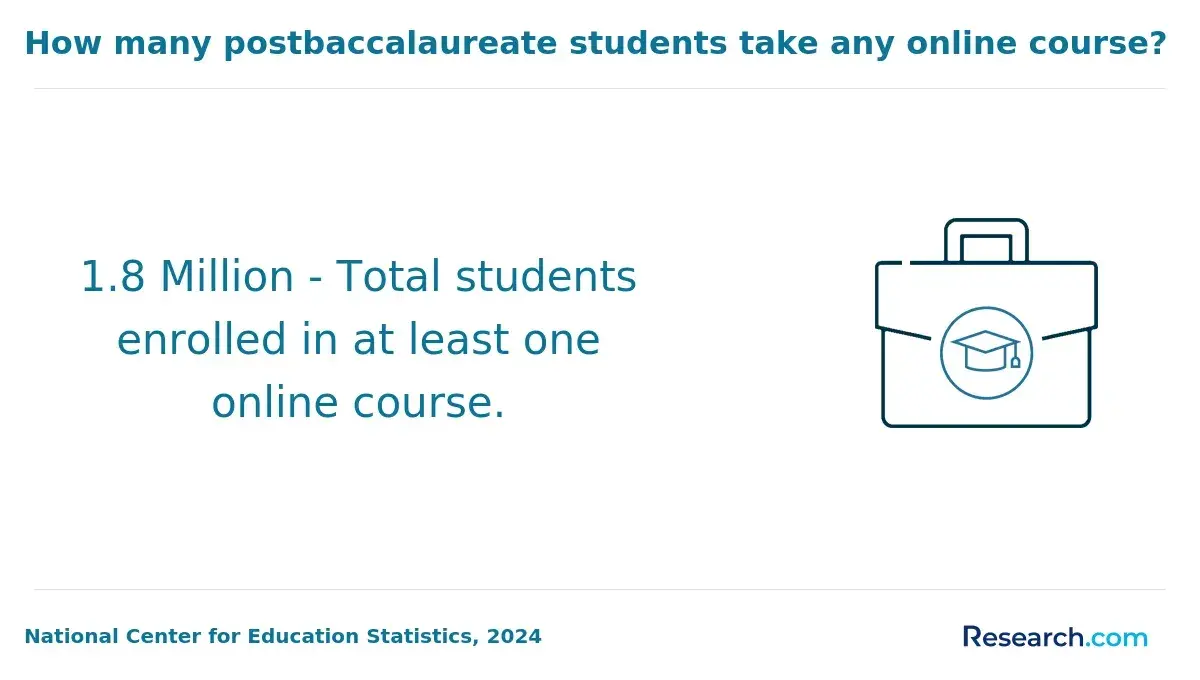
As of 2024, a growing number of marketing degree programs have moved toward test-optional or test-blind admissions, reflecting shifts documented by sources such as the National Center for Education Statistics and recent College Board reports. This means many institutions no longer require SAT or ACT scores for applicants, although some still consider them when submitted.
The declining emphasis on these standardized tests comes as schools weigh a broader set of criteria including GPA, coursework rigor, and personal statements, which collectively provide a more nuanced view of candidate potential for marketing programs that prioritize creativity and practical skills. However, certain selective universities and programs that emphasize quantitative analysis within marketing continue to require or recommend test scores as part of their applicant evaluation process.
Key drivers behind these evolving policies include concerns about equity and access, institutional strategies to balance applicant pools, and the desire to align admissions with workforce-relevant skills. Test-optional policies often aim to reduce barriers for underrepresented groups while allowing flexibility in a competitive admissions landscape.
Differences also appear across public and private sectors, with highly selective or capacity-limited programs more likely to maintain testing requirements as initial filters. This stratification in admissions reflects both practical enrollment management and ongoing debates about the predictive value of standardized tests in assessing student success, particularly in fields like marketing that demand diverse competencies beyond academic aptitude.
How Many Marketing Programs Have Adopted Test-Optional Admissions Policies?
Recent data from FairTest, College Board research, and the National Center for Education Statistics indicate that between 60% and 70% of marketing programs in the United States had embraced test-optional admissions policies by 2024. This more flexible approach is somewhat less common among elite universities and major state institutions, where about half still require standardized test scores to maintain selectivity.
Conversely, smaller private colleges and many less selective schools offering marketing degrees show adoption rates exceeding 80%, signaling a distinct stratification in admissions models across institutional types.
The widespread shift to test-optional policies reflects multiple intersecting factors. Pandemic-driven disruptions initially encouraged many schools to pilot these changes, but long-term adoption also stems from growing skepticism about the predictive value of standardized tests specifically within business-related fields like marketing.
Equity considerations play a significant role, as test-optional frameworks aim to lower barriers for underrepresented and first-generation applicants by emphasizing GPA, coursework rigor, and holistic application elements. Institutions also face competitive pressures to attract diverse student pools while balancing demands for academic standards and institutional reputation.
These policy changes influence both applicant behavior and institutional dynamics. Test-optional models tend to increase application volume due to the removal of testing obstacles, but this can dilute admissions selectivity and complicate comparisons between candidates.
For prospective marketing students and transfer applicants, understanding evolving policies is critical to crafting effective admissions strategies that prioritize strong academic records and extracurricular depth over reliance on standardized testing alone. As these trends persist, the future of marketing program admissions will likely center on nuanced holistic evaluation paired with ongoing questions about equity and access.
What Non-Academic Factors Do Marketing Admissions Committees Consider?
Admissions decisions for marketing programs increasingly rely on a holistic review process that balances academic achievements with a spectrum of non-academic factors. This comprehensive evaluation aims to identify students whose potential extends beyond grades and test scores by assessing personal qualities, experiences, and contextual elements that contribute to program fit and future success.
Understanding how committees weigh these dimensions is crucial for prospective applicants and advisors in navigating application expectations effectively.
- Creativity and Problem-Solving Skills: Admissions committees prioritize applicants who demonstrate innovative thinking and the ability to approach challenges with strategic solutions. These traits reflect the dynamic, fast-paced nature of marketing roles where adapting to shifting consumer trends is essential. Evidence of creativity in essays, portfolios, or recommendations often complements quantitative academic indicators, highlighting potential for practical impact.
- Communication and Interpersonal Skills: Effective communication is central to marketing, so committees examine how applicants convey ideas clearly and collaborate with diverse stakeholders. Participation in group projects, leadership roles in student organizations, or client-facing internships provides context beyond grades, signaling readiness for professional environments that emphasize teamwork and client relations.
- Relevant Professional Experience: Prior internships and work experience related to marketing strongly influence evaluations, with about 58% of competitive programs placing significant weight on this dimension. Such experiences provide pragmatic insights into applicants' industry engagement and help predict their employability and ability to leverage classroom learning in real-world contexts.
- Personal Statements and Reflective Essays: Nearly 65% of marketing programs require personal statements that articulate motivation, resilience, and adaptability. These narratives offer admissions panels a window into applicants' self-awareness and commitment, factors that support long-term academic persistence and professional growth alongside traditional academic credentials.
- Diversity and Cultural Competency: Given marketing's focus on varied consumer markets, demonstrated exposure to diverse populations, multilingualism, and global awareness is increasingly critical. Admissions committees view these experiences as assets that enrich classroom dialogue and prepare students for the cultural nuances of global marketing landscapes.
- Extracurricular Involvement: Engaged participation in student organizations or entrepreneurial ventures signals initiative and leadership potential. While not a substitute for academic performance, active involvement contextualizes grades by highlighting applicants' ability to manage commitments and develop soft skills that are valued by employers within the marketing sector.
- Recommendations: Letters of recommendation are scrutinized for evidence of traits such as work ethic, teamwork, and client-facing professionalism. These third-party evaluations help validate self-reported skills and experiences, adding an external dimension to the holistic assessment framework.
This multifaceted assessment reflects the evolving criteria marketing admissions committees use to select students likely to succeed in complex, collaborative, and rapidly changing professional settings. Those preparing applications should consider how their non-academic experiences and personal statements convey their suitability beyond GPA and test scores.
Prospective students interested in efficient pathways may also explore online MBA programs ranked for strategic options that align with practical and financial considerations in marketing education.
Which Types of Schools Are the Most Selective for Marketing Applicants?
Selectivity in admissions for Marketing programs varies widely across different types of institutions, driven by factors such as applicant volume, program size, and institutional goals. The most competitive schools often balance limited capacity with high demand and strong reputations, affecting how many qualified students are admitted. At the same time, funding models and regional market needs shape program accessibility and shape admission thresholds.
Understanding these dynamics clarifies why selectivity patterns differ rather than merely reflecting institutional prestige.
- Private Research Universities: These institutions typically have smaller, highly sought-after marketing cohorts with acceptance rates often below 30%. Their strong brand recognition and extensive alumni networks increase applicant volume, intensifying competition. Program capacity constraints combined with a focus on academic excellence and holistic criteria, including GPA benchmarks above 3.6, establish a rigorous admissions environment.
- Public Flagship Universities: Usually part of larger state systems, these schools balance accessibility with quality, admitting roughly 40-50% of applicants to their marketing programs. Their moderate selectivity relates to broader enrollment targets and state funding mandates, leading to less intense competition than private counterparts but still requiring competitive academic preparation. Test-optional policies are increasingly common, shifting emphasis toward comprehensive candidate evaluation.
- Community Colleges and Non-Flagship State Schools: With open or minimally selective admissions, these schools prioritize broader access over exclusivity, focusing on workforce readiness and transfer pathways. Their marketing programs typically face less pressure from oversubscription and are less competitive due to larger capacity and mission-driven inclusion efforts. Applicants should consider supplementary experiences to improve employability given these schools' lower direct placement rates.
How Do Admissions Standards Differ Across States and Regions?
Admissions standards for marketing programs differ markedly across U.S. states and regions, shaped by diverse institutional missions, funding levels, and local workforce needs. Data from 2024 sources like the National Center for Education Statistics and state university reports reveal that more competitive regions, especially in metropolitan hubs on the Northeast and West Coast, maintain elevated GPA thresholds often exceeding 3.5 and incorporate comprehensive application reviews including extracurricular and personal insights.
In contrast, states in the South and Midwest generally adopt more inclusive criteria, with public institutions frequently accepting GPAs from 2.8 to 3.3 and leaning heavily on test-optional policies. These variations reflect how admissions processes balance selectivity with broader access, responding to differing demand pressures and applicant pool profiles across regions.
Underlying these distinctions are several structural factors: states with dense urban centers often possess public universities with constrained capacity and robust funding, prompting higher selectivity to align with local economic competitiveness and employer expectations for analytical rigor. Conversely, states with larger rural areas or growing populations may emphasize expanded admissions access to meet workforce shortages and support transfer agreements from community colleges to marketing programs.
Regional education policies and labor market demands further influence institutions' threshold settings, where resource allocations and strategic priorities dictate how strictly GPA, testing, or experiential criteria are weighted. As a result, admissions frameworks reflect a complex interplay of demographic trends, institutional selectivity models, and evolving talent needs rather than uniform academic standards nationwide.
How Do Admissions Requirements Compare Between Online and Campus Programs?
Admissions requirements in marketing programs show clear disparities between online and campus-based formats, shaped by evolving institutional policies and student demographics. According to 2024 data from national education reports, campus programs typically demand higher academic thresholds, with minimum GPAs near 3.0 and standardized tests still factored into selection processes despite growing test-optional trends.
Meanwhile, online marketing programs accept lower GPAs, often around 2.5, and predominantly apply test-blind or test-optional policies, reflecting different priorities in student assessment. These patterns correlate strongly with observed differences in online versus campus marketing program acceptance rates, where online tracks generally maintain higher acceptance to expand access for nontraditional and working adult learners.
The divergence in admissions standards arises primarily from institutional missions and the practicalities of program delivery. Online programs emphasize flexibility and holistic review, including professional experience and motivation, accommodating transfer and returning students with varied educational paths. Campus programs, constrained by physical resources and structured cohorts, prioritize more stringent academic records and curriculum rigor.
This distinction also ties into scalability and academic support frameworks, with online models optimized to manage larger, more diverse enrollments and career-focused individuals, whereas campuses maintain closer academic oversight, influencing their selective admissions.
This differentiation has broad implications: prospective students must weigh admissions criteria alongside personal circumstances and career goals rather than assuming one mode inherently signals higher quality. Employers increasingly recognize online credentials in marketing when paired with relevant experience but often regard campus degrees as indicators of traditional academic preparation.
For those balancing cost considerations, detailed information on online interdisciplinary studies tuition costs can supplement decisions within this complex landscape of admissions and program accessibility.
Is There a Relationship Between Admissions Standards and Student Success?
Recent data indicate a nuanced impact of selective marketing admissions on student outcomes rather than a straightforward correlation between admissions standards and success. A 2024 report from the National Center for Education Statistics found that institutions admitting students with average GPAs above 3.5 experienced a 15% higher graduation rate in marketing-related business disciplines compared to those with lower GPA thresholds, illustrating a positive link between selectivity and on-time degree completion.
However, this correlation between marketing program acceptance rates and graduation success does not fully capture the complexity of educational outcomes, as employment rates and academic engagement often vary independently of admissions rigor. This suggests that while stricter GPA requirements often align with better academic progress, they may not always translate into enhanced career readiness or adaptability in the marketing workforce.
Factors complicating this relationship include diverse student demographics, institutional support systems, funding levels, and curricular designs that differ significantly across programs. For example, schools with robust academic advising, experiential learning opportunities, and tailored retention initiatives can help less traditionally admitted students succeed just as well as those from highly selective programs.
Simultaneously, test-optional policies adopted by many marketing programs have demonstrated minimal negative effects on graduate employability, reinforcing that holistic admissions approaches can sometimes substitute effectively for rigid metrics. These dynamics underscore that admissions decisions must balance academic benchmarks with an appreciation of practical skills, creativity, and varied life experiences essential to marketing innovation.
Prospective students should therefore consider that admissions selectivity alone is not a comprehensive indicator of educational quality or long-term career success. Employers in marketing increasingly value portfolios, internships, and digital competencies over strict academic indicators, emphasizing real-world aptitude over traditional credentials.
Those exploring programs can also examine resources such as ALA accredited MLS programs for broader insights on credential relevance to market demands, reinforcing the importance of evaluating program fit beyond selective admissions data.
How Can Students Strengthen a Marketing Program Application?
Successful marketing program applications combine academic rigor, practical experience, and clear evidence of alignment with program objectives. Admissions committees increasingly seek candidates who demonstrate readiness and fit instead of merely meeting baseline criteria. This approach reflects a broader shift toward holistic review, where a 2024 National Center for Education Statistics report highlights that over 60% of marketing programs now weigh contextual factors alongside GPA and test scores.
- Emphasize Academic Rigor: Admissions officers often interpret a strong GPA-typically above 3.5-combined with challenging coursework like business analytics or communication classes, as indicators of intellectual preparedness and resilience. This signals to committee members a capability to handle demanding curricula rather than just numerical performance.
- Highlight Relevant Practical Experience: Internships and project work offer tangible proof of applied skills and professional engagement. Such experiences enhance perceived employability and indicate familiarity with industry-specific tools, strengthening an applicant's real-world readiness beyond academic achievements.
- Demonstrate Analytical and Creative Skills: Through personal statements or interviews, applicants who present specific examples of combining data analysis with innovative problem-solving show competencies valued in marketing fields. This dual skill set often differentiates candidates in competitive pools that prioritize adaptive thinking.
- Showcase Engagement in Marketing-Related Activities: Active participation in competitions, clubs, or obtaining certifications related to digital marketing platforms provides admissions with evidence of genuine interest and sustained commitment. These elements help contextualize academic and experiential strengths within a coherent narrative.
- Secure And Leverage Strong Recommendations: Letters emphasizing leadership and teamwork validate interpersonal qualities essential for marketing roles. When admissions panels assess collaborative abilities alongside individual accomplishments, such references enhance assessments of fit and long-term potential.
References:
- 11 Application Season Strategies to Drive More Completed Apps https://vitaldesign.com/application-season-marketing-best-practices/
- Deception Perception: The Marketing of Student Loans https://digitalcommons.bryant.edu/honors_marketing/53/
- Which Colleges Are Test-Optional in 2026? https://fortunaadmissions.com/which-colleges-are-test-optional-2026/
- FTC sues marketers of student loan “debt relief” – and financer who helped it happen https://www.ftc.gov/business-guidance/blog/2019/09/ftc-sues-marketers-student-loan-debt-relief-financer-who-helped-it-happen
- List of Colleges Dropping & Reinstating ACT/SAT Requirements https://progresslearning.com/news-blog/colleges-dropping-reinstating-act-sat-requirements/
- What Does Test-Optional Mean? Understanding the College Application Process - Honest Game https://honestgame.com/blog/what-does-test-optional-mean/
- Marketing Universities - Updated 2026 https://uniscopio.com/en/university/marketing-schools/
- Selective Schools and Holistic Admissions | HESA https://higheredstrategy.com/selective-schools-and-holistic-admissions/
- Test-Optional Colleges 2026 https://www.applerouth.com/blog/what-does-test-optional-mean
- 10 Effective Marketing Strategies for 2025 https://www.park.edu/blog/effective-marketing-strategies/
Other Things You Should Know About Marketing
While GPA remains a significant benchmark, its weight compared to practical experience varies widely across programs. Candidates with slightly lower GPAs but strong internships or portfolio work may stand out in admissions processes that value real-world marketing skills. Applicants should prioritize programs that recognize hands-on experience if they aim for roles emphasizing creativity and digital marketing tools, as those competencies often carry more employer value than GPA alone.
Test-optional policies have increased applicant diversity but also introduced variability in measuring academic readiness. Without standardized test scores, admissions rely more heavily on contextualizing GPA and non-academic achievements, which can benefit candidates with unconventional backgrounds. However, this shift may challenge programs to identify students fully prepared for the analytical demands of marketing, making it critical for applicants to demonstrate quantitative and strategic thinking through other means, such as work samples or coursework.
Highly selective marketing programs often have extensive theoretical coursework and competitive peer environments that can enhance networking but may also increase stress and workload. Conversely, less selective programs might offer more applied learning opportunities and personalized faculty interactions. Prospective students should assess how program rigor, faculty expertise, and industry connections align with their career goals rather than focusing solely on selectivity or brand prestige.
Test-optional programs can broaden access, but for analytics-heavy marketing roles, proficiency in quantitative reasoning is essential. Applicants targeting data-centric careers should ensure these programs offer robust coursework and opportunities to develop analytical skills beyond admissions criteria. Therefore, choosing a test-optional program should come with a thorough evaluation of curriculum strength, not just admissions leniency, to safeguard employability prospects.