2027 Online vs Campus Marketing Outcomes Report: Graduation Rates, Cost, and Career Trade-Offs

Co-Founder and Chief Data Scientist
Working professionals and transfer students frequently face a tough calculus when choosing between online and campus marketing programs, especially when trying to maximize transfer credits without extending time to graduation.
In 2024, only 58% of institutions fully accepted external credits for degree completion, signaling a growing divide between flexible policies and institutional rigidity. This results in hidden costs, such as repeated courses or delayed graduation, disproportionately affecting non-traditional students who rely on credit portability to accelerate career advancement.
This article evaluates graduation rates, total expenses, and career trade-offs across delivery formats to clarify which path aligns best with individual goals and constraints.
Key Things to Know About Online vs Campus Marketing Outcomes
- Online marketing programs show a 12% lower graduation rate per a 2024 NCES study, reflecting challenges in student retention that may delay workforce entry and affect long-term career momentum.
- Campus-based programs typically incur higher overall costs but benefit from integrated career services, which 68% of employers in a 2024 survey cite as key for candidate readiness in marketing roles.
- Online formats reduce logistical barriers, enabling working adults to upskill concurrently; however, this tradeoff often limits immersive networking, which can constrain immediate postgraduation job mobility in competitive marketing sectors.
- Key Things to Know About Online vs Campus Marketing Outcomes Key Things to Know
- What Are the Biggest Differences Between Online and Campus Marketing Program Outcomes? Online vs Campus Outcomes
- How Do Graduation Rates Compare Between Online and Campus Marketing Programs? Comparing Graduation Rates
- Why Do Online and Campus Marketing Students Have Different Completion Rates? Why Completion Rates Differ
- How Do Online and Campus Marketing Programs Compare on Total Cost? Total Cost Comparison
- What Hidden Costs Should Students Expect in Online vs Campus Marketing Programs? Hidden Program Costs
- How Does Financial Aid Affect the Cost of Online and Campus Marketing Programs? Financial Aid Impact
- Do Online and Campus Marketing Graduates Have Different Career Outcomes? Comparing Career Outcomes
- How Do Employers View Online vs Campus Marketing Degrees? Employer Views
- Which Marketing Degree Format Offers Better Flexibility for Working Adults? Flexible Degree Formats
- How Should Students Choose Between an Online and Campus Marketing Program? Choosing Your Program Format
What Are the Biggest Differences Between Online and Campus Marketing Program Outcomes?
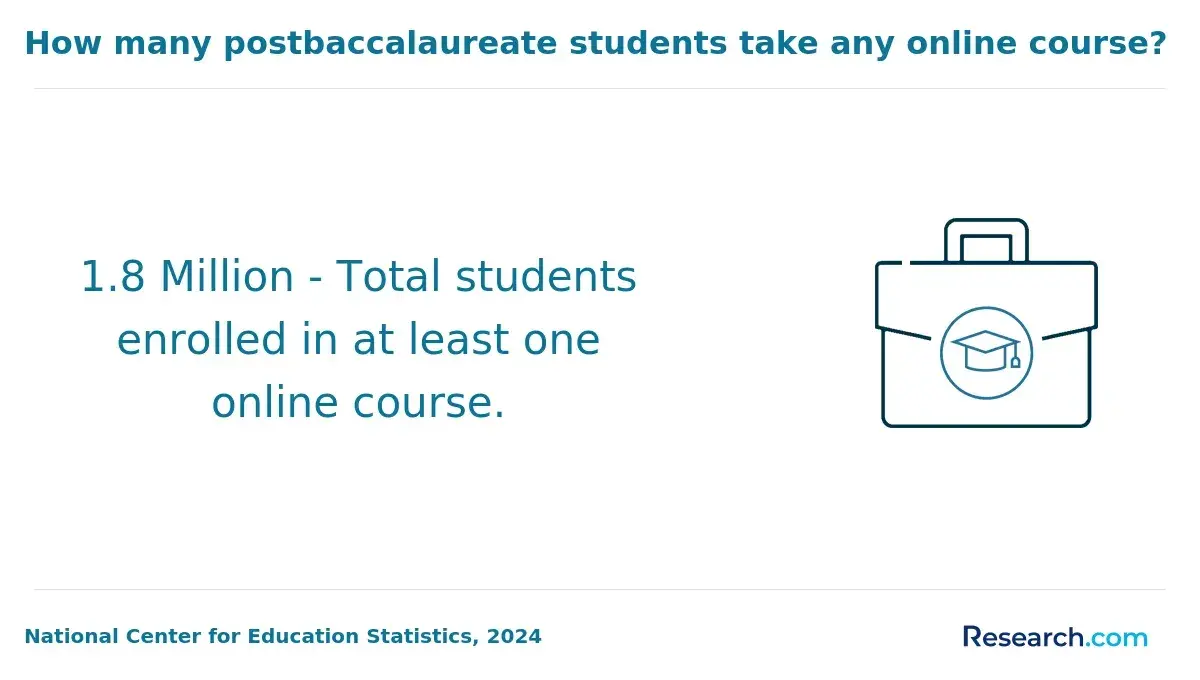
Graduation rates and student persistence present one of the clearest distinctions in outcomes between online and campus marketing programs, with traditional campus pathways averaging completion rates around 60-65% within six years, while online formats often fall closer to 45-50%, according to recent National Center for Education Statistics data.
This disparity reflects real-world challenges faced by online learners, who are frequently working adults balancing employment and coursework, leading to extended completion timelines or increased dropout risk. In practice, a student choosing an online program for flexibility must weigh the potential cost savings against a higher likelihood of delayed graduation and weaker campus-based peer support, factors that can influence long-term career momentum and debt exposure.
Cost considerations further complicate program selection; despite lower advertised tuition per credit in many online programs, total expenses can approach parity once technology fees, course materials, and proctoring costs are included, while campus students may face added living costs offset by access to institutional scholarships tied to residency. Importantly, comparable student debt levels for graduates of both formats underscore that financial advantage is not guaranteed by modality alone.
When employer perceptions come into play, campus degrees often benefit from integrated internships and hands-on project opportunities that enhance career readiness, especially in larger firms, whereas online credentials demand stronger individual portfolios and digital skill proofs. For marketing students evaluating these trade-offs, understanding how graduation outcomes, support access, and employer expectations impact both near-term academic persistence and long-term professional mobility is crucial to informed program choice, particularly as flexible options like the fastest associates degree online gain traction across a diverse learner population.
How Do Graduation Rates Compare Between Online and Campus Marketing Programs?
Graduation rates for online marketing programs often fall short of those for traditional campus-based tracks, but these figures reflect more than just delivery methods. A 2024 report from the National Center for Education Statistics shows that while campus marketing students graduate at about a 62% rate within six years, fully online students complete degrees at roughly 40-45%.
This gap largely stems from demographic and enrollment differences: many online learners juggle work, family, and part-time study, which naturally impacts persistence. Moreover, campus programs generally offer structured cohorts, immediate faculty interaction, and in-person advising that reinforce completion, whereas online offerings vary widely in support and format, affecting student engagement and retention.
Raw graduation rates also don't fully capture nuances like transfer patterns or the tendency of online students to stop out and return later, which can depress appearance of timely completion. Programs embedding live sessions and proactive advising tend to see better outcomes than those relying solely on self-paced coursework.
For prospective students weighing options, understanding these operational differences is critical; choosing online may mean balancing flexibility with a need for strong self-motivation and supplemental resources, while campus options offer embedded social structures but less schedule freedom. Neither path guarantees success-context, personal circumstances, and program design play decisive roles in completion and ultimately, career readiness.
One marketing student recalled grappling with how graduation rates informed her choice. Working full time and caring for family, she initially leaned toward an online program for flexibility but hesitated after learning about lower completion benchmarks and fewer cohort connections.
Her search included reviewing advising availability and pacing options, ultimately selecting a hybrid program to blend campus support with remote convenience. This decision reflected her concern that purely online formats might lack enough structure to keep her on track amid competing responsibilities. The real-world decision highlighted how graduation statistics are just one element in a complex calculus for nontraditional learners.
Why Do Online and Campus Marketing Students Have Different Completion Rates?
Completion rates for marketing students enrolled online versus on campus often reflect differences in student demographics and program designs more than disparities in academic quality. Campus learners tend to be younger and enrolled full-time, benefiting from structured cohorts, consistent academic advising, and face-to-face peer engagement-all factors that support steady progression toward graduation.
In contrast, many online marketing students juggle work and family obligations as part-time enrollees, increasing the likelihood of enrollment interruptions, course withdrawals, and extended time to degree. National Center for Education Statistics data from 2024 indicates campus students graduate at rates approximately 15% higher than their fully online peers within six years, highlighting these practical challenges.
Program pacing and support structures also influence outcomes significantly. Online programs often offer self-paced or accelerated options, appealing to motivated learners but demanding strong self-discipline and time management. For example, a working adult pursuing an online marketing degree may delay coursework during busy seasons at their job, causing stop-outs that complicate credit transfer and slow completion.
On-campus formats usually enforce fixed schedules and provide real-time advising, which help students stay accountable and maintain momentum. The reduced immediacy of interaction and less proactive guidance in online modalities can hinder students who need close academic support, especially those balancing competing responsibilities.
Interpreting graduation rates thus requires prospective students to consider their own scheduling stability and support preferences alongside program delivery modes. If a student's life demands unpredictable hours or part-time study, an online marketing program's flexibility may outweigh the risk of slower completion.
Conversely, those who prioritize structured environments and immediate access to academic resources might favor campus study to maximize timely graduation. Recognizing these nuanced factors helps align educational choices with practical realities of career and life circumstances rather than relying solely on aggregated completion statistics.
How Do Online and Campus Marketing Programs Compare on Total Cost?
Total cost comparisons of online versus campus marketing programs reveal significant complexities beyond sticker price differences. While public institutions typically list online tuition 15-20% lower than their in-person equivalents according to 2024 data from the National Center for Education Statistics and College Scorecard, campus students face added expenses such as mandatory fees, housing, transportation, and meals that often exceed $10,000 annually.
Conversely, online students avoid these living costs but may incur technology fees ranging from $100 to $300 per term and sometimes need specialized equipment or software, affecting the net expense. These distinctions influence repayment timelines and debt load planning, particularly for working adults balancing job commitments and education.
Private nonprofit programs generally have higher tuition regardless of format, and campus options can demand more comprehensive cost-of-attendance payments, including campus-specific fees. For-profit online marketing programs often present lower upfront tuition but shift financial burdens through ancillary fees and demonstrate lower graduation rates, which can delay workforce entry and increase long-term debt.
Employer tuition assistance frequently favors online formats due to scheduling flexibility, impacting the affordability and duration of study for employed learners. Those weighing online marketing program cost versus campus tuition and fees must also consider how program length, residency requirements, financial aid, and employer support intersect with personal circumstances. For a detailed look at affordability in related fields, compare the online engineering degree cost.
What Hidden Costs Should Students Expect in Online vs Campus Marketing Programs?
Stated tuition often masks significant indirect expenses that reshape the actual cost comparison between online and campus marketing programs. Online students frequently encounter extra technology fees, mandatory proctoring charges, and the need for reliable high-speed internet or upgraded devices—costs reported by nearly 70% of participants in recent surveys.
Campus-based learners, meanwhile, absorb costs for housing, commuting, and parking that can easily top $10,000 annually, especially for non-local enrollees. Beyond finances, scheduling and attendance constraints reduce available work hours differently across formats, with commuters facing longer time losses that translate into opportunity costs impacting their overall affordability and program completion planning.
These hidden expenses complicate straightforward cost assessments, forcing prospective marketing students to evaluate trade-offs in terms of budget flexibility and time management. For example, a student juggling childcare and a part-time job may find that the convenience of an online program's flexible schedule contrasts with the potentially greater direct and indirect costs of required software subscriptions and exam proctoring fees.
Conversely, campus learners might benefit from bundled software licenses and institutional resources but incur additional commuting and housing charges along with rigid daily attendance demands. Awareness of these nuanced financial and time commitments is essential for making realistic, outcome-focused decisions about which educational setting aligns best with one's career trajectory and life circumstances.
One former marketing student recalled carefully comparing an online program's advertised lower tuition to the aggregate of hidden fees, which included proctoring and specialized software access costs, ultimately narrowing the expected savings. She also noted surprise at the campus option's additional need for parking fees and budgeted weekly commute time, which threatened to reduce her work availability significantly.
After balancing these factors against her family responsibilities and employer demands, she made a cautious, informed choice that accounted not only for sticker price but for total program affordability and scheduling realities, a decision shaped decisively by uncovering these less visible costs.
How Does Financial Aid Affect the Cost of Online and Campus Marketing Programs?
Financial aid patterns significantly shape the net cost differences between online and campus Marketing programs, demanding careful comparison beyond sticker tuition. Campus marketing programs financial aid benefits often include institutional scholarships, grants, and assistantships tied to residency and enrollment intensity, frequently reducing costs by 30% to 50%.
These awards also support on-campus engagement roles, which online learners rarely access, limiting their institutional aid options. Consequently, online students typically rely more on federal grants, loans, and employer tuition reimbursement, a dynamic that tends to elevate their average net price despite fewer upfront fees.
Real-world affordability tradeoffs emerge from these distinctions. For example, a working professional pursuing a marketing degree online might leverage employer sponsorship to offset costs, especially when balancing work and study, but may encounter higher net prices due to additional technology fees and lack of in-state tuition discounts.
Military veterans on campus can often tap into specialized institutional scholarships and support services unavailable remotely, impacting total borrowing needs and pacing decisions. Prospective students assessing financial aid impact on online marketing program costs should weigh residency rules, scholarship availability, and federal aid eligibility precisely because these factors influence not just immediate finances but also long-term debt burden and program flexibility.
Insights on these nuances can further be explored through comprehensive resources that compare aid profiles by format, such as those in finance degree online programs.
Do Online and Campus Marketing Graduates Have Different Career Outcomes?
Graduates from online and campus marketing programs often face diverging career trajectories shaped less by diploma format and more by tangible factors such as program reputation, accreditation, and experiential learning opportunities. For example, a hiring manager might favor a campus graduate who completed internships and built a portfolio through cooperative education, perceiving stronger readiness for client-facing or creative roles.
Although employment rates within six months post-graduation hover near 85% across both groups according to the National Center for Education Statistics, nearly two-thirds of recruiters still express a preference for campus-based candidates, citing more robust interpersonal skill development and networking access.
Online marketing programs generally offer flexibility and lower costs, which reduce student debt burdens by about 15% on average according to IPEDS 2024 data, positively affecting graduates' financial agility.
However, online students often contend with fewer direct industry connections and less face-to-face mentorship, which can limit local job placement and reduce satisfaction with career advising services compared to campus peers. Since many certifications and licensure paths do not differentiate by delivery mode, the perceptual and practical disparities in advancing through internships, alumni networks, and real-world exposure become key differentiators influencing long-term career mobility and the ability to navigate competitive local markets.
How Do Employers View Online vs Campus Marketing Degrees?
Employer perceptions of online versus campus marketing degrees hinge less on delivery format and more on how well a program signals rigorous academic standards, applied experience, and institutional accreditation. According to a 2024 survey by the National Association of Colleges and Employers, 65% of employers see no significant credibility difference if a degree comes from a reputable, accredited program, either online or campus-based.
However, hiring managers often scrutinize whether the program includes substantial experiential learning like internships or projects, which remain key indicators of a candidate's readiness and practical skills in marketing roles that frequently demand real-world problem solving and collaboration.
Despite growing acceptance of online credentials, trade-offs endure in industries and roles where professional networks and soft skills assessment weigh heavily. For instance, a 2024 SHRM report found that 28% of hiring managers still view campus degrees as offering better opportunities for developing and demonstrating interpersonal skills crucial to marketing, such as communication and relationship-building.
Students pursuing online marketing degrees may face challenges if their programs lack strong employer ties or alumni networks, potentially limiting immediate career mobility where personal connections and campus recruiting events remain pervasive. Ultimately, prospective students should weigh factors like program selectivity, accreditation including AACSB status, internship availability, and employer familiarity with online credentials to align educational format choices with long-term employment realities.
Which Marketing Degree Format Offers Better Flexibility for Working Adults?
Flexibility in marketing degree programs significantly impacts working adults' ability to persist and complete their education without disrupting career and family responsibilities. Unlike campus-based programs, which often require fixed scheduling and physical attendance during business hours, online marketing programs frequently allow asynchronous access to coursework, enabling students to study during nontraditional hours.
Yet this flexibility is not uniform; hybrid or online degrees with synchronous sessions or mandatory residencies can diminish scheduling freedom, potentially complicating work-life balance for those with caregiving duties or shift work. For example, a retail manager shifting between evening and weekend shifts may find the rigid timing of campus classes unworkable, whereas fully asynchronous online lectures better accommodate such irregular hours.
The practical consequences of these scheduling differences extend to graduation timing and total education cost exposure. Part-time pacing options, more prevalent in online marketing degree options for working adults, allow gradual progress that aligns better with long-term financial planning and reduces the risk of dropping out due to unsustainable course loads.
However, students in campus programs might benefit from cohort structures and more regular faculty interaction, which can support some learners' persistent engagement despite lower schedule flexibility. These trade-offs should factor into decisions not only about immediate convenience but also about how program format intertwines with employment continuity.
Employer preferences increasingly favor online learning as it often minimizes interference with job performance, underscoring workforce trends that value adaptable education while maintaining career momentum.
Choosing between online versus campus marketing programs flexibility requires careful consideration of personal and professional constraints alongside academic demands. Adult learners must weigh the real-world implications of course sequencing, commute times, and live participation requirements against the potential benefits of access to on-campus resources and in-person networking.
Those seeking to understand the evolving landscape of educational pathways might also explore how ancillary credentials influence employability, such as by reviewing career options associated with an AI degree, to inform integrated career and education planning.
How Should Students Choose Between an Online and Campus Marketing Program?
Graduation rates offer a crucial lens for deciding between an online and campus marketing program, with 2024 data from the National Center for Education Statistics showing campus programs graduating about 62% of students versus roughly 49% for fully online formats. This gap highlights how persistence and course sequencing can be affected by the delivery mode.
Students seeking structured environments with direct faculty access and hands-on internship opportunities may find campus settings more accommodating. In practical terms, a working adult balancing family obligations might prioritize the scheduling flexibility of online study, yet they must weigh this against potentially weaker networking avenues and employer preferences for candidates who demonstrate applied experience often gained on campus.
Cost considerations extend beyond tuition alone; campus programs typically include commuting, housing, and facility fees, inflating the total cost of attendance, whereas online options may reduce these but still require careful verification of financial aid and accreditation status. These financial and logistical trade-offs significantly influence career trajectory because employer demand for graduates with robust professional networks remains strong, often favoring those with campus-based mentorship and alumni access.
Evaluating the comparative career outcomes of online versus campus marketing degrees means scrutinizing how each format aligns with personal learning styles, immediate workforce needs, and long-term mobility.
Students aiming to optimize both educational and career returns should consult data-driven resources such as the project management bachelor degree listings for insight on balancing cost, flexibility, and employer credibility. Aligning these factors with internal motivations and external job market realities helps bridge the gap between choosing a marketing program based on convenience and selecting one that sustains career advancement in competitive environments.
References
- What Do Employers Think About Your Online Degree? | OnlineMBA.com https://www.onlinemba.com/resources/employers-thoughts-on-online-degrees/
- The Surprising Cost of Online Education: Why 83% of Online Degrees Aren’t More Affordable https://www.nexford.edu/insights/the-surprising-cost-of-online-education-why-83-of-online-degrees-arent-more-affordable
- Understanding Cost Per Inquiry in Higher Education Marketing - UPCEA https://upcea.edu/understanding-cost-per-inquiry-in-higher-education-marketing/
- Choosing Between Online and Classroom Learning? Here’s What Affects Your Future https://www.scholaro.com/db/News/choosing-between-online-and-classroom-learning-313
- Online College Tuition Comparison: Online vs. In-Person https://www.uagrantham.edu/blog/online-college-tuition-comparison-online-vs-in-person/
- How employers see your online degree https://www.calcoast.edu/news/truth-about-how-employers-view-your-online-degree
Other Things You Should Know About Marketing Online vs Campus Outcomes
Online marketing programs often rely on frequent quizzes, self-paced assignments, and automated grading, which can lead to less direct faculty interaction in evaluating nuanced understanding. Campus programs typically involve more in-person presentations, group projects, and real-time case study discussions that foster deeper skill development. Prospective students should prioritize program formats that challenge them with practical, collaborative projects if their goal is to master complex marketing skills rather than just completing coursework.
Campus marketing programs frequently offer more organic access to networking through face-to-face interactions with peers, professors, and on-site recruiters, which can translate into stronger professional connections. Online programs require extra effort from students to engage in virtual networking events or forums, often yielding less robust relationships. For those targeting roles heavily dependent on industry contacts, attending a campus program or supplementing online study with active networking efforts is advisable.
Online marketing programs tend to condense workload into shorter, intensive time frames to accommodate flexible schedules, which can create bursts of high pressure. Campus programs often spread assignments over a longer semester timeline with set class times, offering more predictable pacing. Students who struggle with self-discipline or prefer steady work rhythms might find campus programs easier to manage, while highly self-motivated learners may thrive with online deadlines.
Employers increasingly recognize online degrees but often hedge their preference toward graduates who demonstrate applied skills through internships, portfolios, or real-world campaign experience-regardless of format. Campus students may have easier access to internships promoted by their institution, but online learners must proactively secure equivalent experiences independently. Students should prioritize programs that integrate practical, project-based work and offer pathways to internships to align with employer demands rather than focusing solely on the delivery format.