2027 Forensic Nursing Job Market Report: Open Roles, Salary Bands, and Hiring Momentum

Co-Founder and Chief Data Scientist
The forensic nursing labor market reflects shifts in regulatory frameworks, evolving credential requirements, and selective adoption of emerging technologies that redefine operational priorities. Open roles and salary bands serve as signals of how employers navigate budget constraints while responding to changing expectations for clinical expertise and interdisciplinary collaboration. Geographic concentration and workforce demographics create uneven talent demand, with specialized skills in trauma-informed care and digital evidence collection gaining prominence.
Recent data from the Bureau of Labor Statistics (2024) highlights nuanced hiring momentum driven less by workforce shortages and more by program funding cycles and compliance mandates. The age distribution of forensic nursing students suggests a blend of career changers and new entrants, indicating a gradual renewal amid evolving educational access and professional standards.
Key Things to Know About Forensic Nursing Job Market
- Open roles in forensic nursing remain concentrated in urban centers and specialized medical-legal facilities, reflecting a tradeoff between geographic flexibility and access to opportunity.
- Recent 2024 workforce data show hiring momentum has slowed slightly, signaling employers' preference for candidates with advanced clinical and legal training rather than rapid entry-level onboarding.
- Salary bands often depend on jurisdictional certification and case volume, so extended education and credentialing timelines can delay ROI despite strong long-term earning potential.
- Key Things to Know About Forensic Nursing Job Market Key Things to Know About Forensic Nursing Job Market
- How Strong Is Demand for Forensic Nursing Graduates in Today's Job Market? Demand for Graduates
- Which Forensic Nursing Careers Have the Most Open Job Opportunities? In-Demand Careers
- What Salary Bands Are Employers Offering Across Forensic Nursing Careers? Offered Salary Bands
- Which Industries Are Hiring the Most Forensic Nursing Graduates? Top-Hiring Industries
- How Does Hiring Demand Vary by State, Region, and City? Hiring Demand by Location
- What Skills Are Employers Prioritizing in Forensic Nursing Job Postings? In-Demand Skills
- Which Certifications Increase Employability and Salary Potential? High-Value Certifications
- How Do Remote and Hybrid Opportunities Affect the Forensic Nursing Job Market? How Do Remote and Hybrid Opportunities Affect the Forensic Nursing Job Market?
- Which Forensic Nursing Careers Show the Strongest Long-Term Hiring Momentum? Strongest Careers
- How Can Students Use Job Market Data to Make Better Career Decisions? How Can Students Use Job Market Data to Make Better Career Decisions?
How Strong Is Demand for Forensic Nursing Graduates in Today's Job Market?
Recent labor data from the U.S. Bureau of Labor Statistics (2024) reflects a modest yet targeted demand for forensic nursing graduates within the broader healthcare employment landscape. While registered nurse roles with forensic specialization show growth consistent with overall nursing employment trends, openings specifically titled for forensic nursing remain limited and concentrated in select geographic regions. According to LinkedIn Workforce Reports, metropolitan areas housing expansive criminal justice or medical examiner infrastructures tend to generate the bulk of these opportunities, indicating that demand fluctuates based on local institutional priorities and funding availability. This nuanced dynamic means that job seekers pursuing forensic nursing graduate roles must navigate a competitive landscape that places a premium on specialized certifications and practical experience beyond basic clinical training.
The demand drivers for forensic nursing professionals pivot around multiple interrelated factors, including the increasing complexity of healthcare cases intersecting with legal processes and the expanding requirement for proficient evidence collection and interdisciplinary collaboration. Employers emphasize candidates' abilities not only in clinical care but also in managing forensic documentation and legal testimony, which narrows the talent pool and elevates qualification thresholds. Additionally, regional economic variations and institutional budgets heavily influence hiring patterns, with more robust demand in areas adapting to technological advancements in forensic science or responding to rising criminal justice system caseloads. Given these challenges, students must integrate targeted skill development and consider analyzing regional labor markets critically to align educational investments with realistic employment prospects, especially when evaluating accelerated options such as a fastest DNP program to enhance their credentials.
Which Forensic Nursing Careers Have the Most Open Job Opportunities?
Job opportunities in forensic nursing careers are increasingly shaped by expanding service demands, persistent skills shortages, and evolving employer expectations that prioritize multifaceted clinical and investigative competencies. Openings tend to concentrate in roles that integrate healthcare expertise with legal or law enforcement collaboration, reflecting broader labor market shifts toward trauma-informed, evidence-based approaches to forensic cases. These trends are supported by data from the U.S. Bureau of Labor Statistics showing heightened growth rates in specialized forensic healthcare sectors. Understanding which forensic nursing careers have the most open job opportunities requires assessing these market dynamics alongside sector-specific workforce needs.
- Sexual Assault Nurse Examiners (SANEs): SANEs remain the most in-demand forensic nursing roles in the US, largely due to their integral role in evidence collection and survivor-centered care in hospitals, sexual assault response centers, and law enforcement agencies. Employers frequently seek candidates with certifications like SANE-A or SANE-P, emphasizing trauma-informed approaches and meticulous forensic documentation that directly impact prosecution outcomes. The high volume of sexual assault cases nationwide sustains demand for this specialized skill set.
- Forensic Nurse Death Investigators: Driven by an aging workforce and increased federal attention on death investigation standards, these professionals are essential in medical examiner and coroner offices. Their dual expertise in clinical assessment and investigative procedures fulfills the growing need for accurate, quality-driven approaches to unexplained or suspicious deaths. Demand is expanding as agencies aim to improve death review processes aligned with National Institutes of Justice recommendations.
- Forensic Psychiatric Nurses: With mental health awareness rising within legal and correctional systems, forensic psychiatric nurses are seeing growing openings. Facilities require nurses skilled in assessing and treating patients with complex behavioral health and legal intersections, making this a niche where mental health expertise merges with forensic acuity. The Substance Abuse and Mental Health Services Administration notes steady workforce growth supporting this sector.
- Forensic Nurse Examiners Supporting Child Abuse Cases: While hiring is regionally variable, urban centers and states with comprehensive victim services often prioritize forensic nurse examiners with validated pediatric expertise. Employers value specialized training and the ability to navigate multidisciplinary teams responding to child abuse, underscoring a demand shaped heavily by local statutory and service frameworks. Certificates in pediatric forensic examination frequently distinguish candidates.
- Correctional Forensic Nurses: Correctional health systems increasingly require nurses trained in both forensic and medical care to address incarcerated populations' complex needs. Rising attention to inmate healthcare and legal rights is driving institutions to fill roles that stress forensic documentation, mental health evaluation, and substance use disorder management. The role's hybrid demands reflect broader criminal justice reform effects on healthcare delivery.
These forensic nursing careers with highest job openings illustrate labor market shifts influenced not only by evolving crime and healthcare landscapes but also by targeted workforce development efforts emphasizing certification and cross-disciplinary skill building. Job seekers should carefully evaluate certification pathways alongside sector-specific demand to align their qualifications with employer priorities effectively. Exploring specialized credentials often proves instrumental in accessing these high-demand roles.
For those considering advanced education as a strategic step, understanding how targeted programs align with workforce needs is crucial. In fields related to healthcare leadership and operational management that impact forensic nursing services and broader clinical environments, consulting data on health administration master programs can offer insights into cost-effective pathways supporting long-term career sustainability across healthcare sectors where forensic nursing intersects with administration.
What Salary Bands Are Employers Offering Across Forensic Nursing Careers?
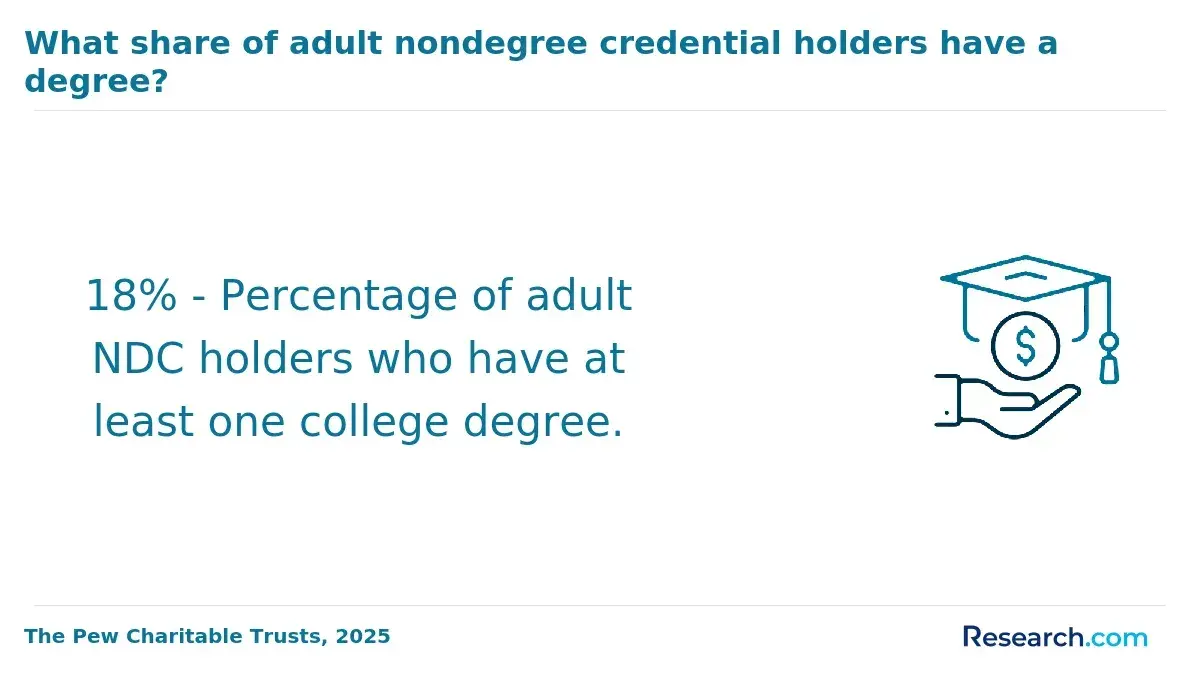
Salary bands within forensic nursing reflect a structured progression closely tied to experience and role complexity, with 2024 data from industry salary surveys and government labor reports indicating clear segmentation. Entry-level forensic nurses, often those newly certified or with under three years of experience, typically earn between $55,000 and $70,000 annually; these positions focus on direct patient care and foundational forensic duties without leadership expectations. Mid-level practitioners, frequently holding specialized credentials such as Sexual Assault Nurse Examiner certification and possessing three to seven years in the field, generally command $70,000 to $90,000, given their added responsibilities in training, case oversight, and forensic documentation. Senior-level nurses with over seven years, often engaged in program management, courtroom testimony, or federal-level work, can see earnings from $90,000 to $120,000 and beyond, with some specialized roles exceeding $130,000, reflecting the premium placed on advanced forensic and legal expertise.
Several factors drive the variability in forensic nursing salaries beyond experience, including geographic cost of living and the density of forensic healthcare infrastructure. Urban centers and regions with higher demand for forensic services tend to offer more competitive compensation due to labor market competition and caseload volume. Employers also weigh the depth of forensic specialization and relevant certifications heavily, rewarding candidates who maintain up-to-date credentials and demonstrate proficiency in evidence handling and legal collaboration. Organizational characteristics-whether a hospital system, forensic hospital, or federal agency-also influence compensation, as larger or more specialized institutions can allocate budgets for premium salaries to attract and retain highly qualified forensic nurses, underscoring the role of market scarcity and institutional priorities in shaping wage distribution.
One forensic nursing graduate recalled applying amid a rolling admissions window that extended over several months, leading to unexpected waiting periods and uncertainty about acceptance timing. Initial hesitation to commit stemmed from balancing work obligations and the desire to secure financial aid, prompting multiple inquiries to admissions counselors before gaining clarity. This experience highlighted how strategic timing and proactive communication during admission cycles can impact prospective students' ability to plan for both education costs and career transitions, reflecting real-world complexities behind entering forensic nursing programs aligned with evolving market demands.
Which Industries Are Hiring the Most Forensic Nursing Graduates?
Demand for forensic nursing graduates is strongest in sectors experiencing structural workforce shifts, skill shortages, or technological evolution that emphasize multidisciplinary expertise. These industries are not only expanding their workforces but increasingly require practitioners who can integrate clinical nursing skills with investigative and legal processes. Recruitment trends reflect broader changes in healthcare delivery, criminal justice integration, and victim advocacy, where forensic nursing roles serve critical cross-functional objectives.
- Healthcare Facilities: Hospitals and trauma centers lead employment for forensic nursing graduates due to urgent needs in emergency departments and specialized programs like Sexual Assault Nurse Examiner (SANE) units. The rising emphasis on trauma-informed care and precise injury documentation to support legal cases drives hiring, particularly for candidates adept at clinical assessment combined with forensic evidence collection. According to the International Association of Forensic Nurses 2024 report, hospitals typically offer starting salaries between $65,000 and $80,000, reflecting the premium placed on these skills.
- Law Enforcement Agencies: Police departments and forensic units are increasingly integrating forensic nurses to enhance the accuracy and professionalism of evidence gathering and victim examination. This trend is linked to growing expectations for multidisciplinary approaches in criminal investigations, where forensic nurses contribute specialized knowledge in medical-legal documentation and interview techniques that improve prosecutorial outcomes.
- Correctional Institutions: Facilities managing inmate health are turning to forensic nurses to address the unique medical and forensic needs within criminal justice populations. Employers seek professionals skilled in conducting forensic evaluations that support both healthcare delivery and legal compliance, highlighting growing demand driven by institutional efforts to manage complex inmate cases and legal scrutiny.
- Legal and Consulting Firms: As courts and consulting practices require increasingly sophisticated medical testimony, forensic nurses with the ability to translate clinical findings into legal language are in higher demand. These roles emphasize analytical skills, precision in case review, and the capacity to provide expert testimony that bridges healthcare and judicial standards.
- Nonprofit and Advocacy Organizations: Agencies focused on victim support are expanding forensic nursing roles to enhance trauma-informed outreach, education, and community-based services. These organizations prioritize candidates with strong advocacy skills combined with clinical expertise to address both immediate medical needs and long-term psychosocial support.
How Does Hiring Demand Vary by State, Region, and City?
Forensic nursing job demand by state reflects deeper economic and structural patterns beyond mere population size. States such as California, Texas, and New York show sustained hiring momentum driven by their dense healthcare networks and complex legal frameworks that necessitate forensic expertise. Regional hiring trends for forensic nursing roles indicate stronger demand in the Northeast and West Coast, where well-funded public health initiatives and criminal justice sectors support a higher volume of openings. Conversely, many Midwestern and Southern states, particularly in rural areas, report fewer immediate positions, which often correlates with less developed healthcare infrastructure and lower crime-related service needs. These geographic variations underscore how state-level economic conditions, institutional density, and workforce development strategies shape the breadth and intensity of forensic nursing job markets, making some states more competitive and better resourced than others according to data from labor market analyses and workforce analytics firms.
At the city level, demand for forensic nursing roles intensifies in metropolitan areas with robust healthcare clusters, law enforcement agencies, and specialized clinics. Urban centers like Los Angeles, Chicago, Houston, and Philadelphia offer diverse employers competing for talent, which translates into broader salary ranges aligned with higher living costs and institutional budgets. The concentration of healthcare infrastructure and established talent pipelines in these cities attracts skilled professionals but also raises competition levels. Mid-sized cities, by contrast, often provide entry-level opportunities with more predictable hiring volumes and moderate salary scales, serving as practical starting points for early-career candidates. Infrastructure capabilities, cost-of-living variances, and the density of forensic nursing employers critically influence local hiring dynamics. For individuals considering educational pathways, exploring options such as online MSN PMHNP programs could offer flexible routes to developing the diverse skill sets these varied markets demand.
What Skills Are Employers Prioritizing in Forensic Nursing Job Postings?
Employer priorities in forensic nursing roles are shifting as technological advancements, evolving legal standards, and interdisciplinary demands reshape the skillsets needed in the field. The integration of digital evidence management, alongside stringent clinical documentation and trauma-informed care, requires candidates to master a hybrid of technical, investigative, and interpersonal capabilities. This evolving landscape reflects broader industry changes, where automation and data systems augment but do not replace the need for specialized human judgment and sensitive communication.
- Advanced Clinical and Forensic Assessment Skills: Employers emphasize these capabilities due to their direct impact on evidence integrity and patient outcomes. Proficiency in detailed physical exams and forensic documentation remains foundational as forensic nurses bridge healthcare with justice systems, ensuring investigative and legal processes rely on accurate, defensible medical findings.
- Trauma-Informed Care Expertise: This skill reflects growing awareness of psychological and physical trauma within forensic populations. Hiring managers prioritize it to secure nurses capable of providing empathetic, victim-centered support that upholds professional standards under stressful and legally sensitive circumstances, thereby reducing retraumatization risks.
- Communication and Interviewing Proficiency: Effective, compassionate communication is critical in forensic nursing due to intense interactions with victims, law enforcement, and multidisciplinary teams. Employers seek demonstrated ability to conduct sensitive interviews while maintaining documentation precision, as this directly influences both case quality and patient trust.
- Digital Case Management and Health Record Competence: Increasing reliance on electronic health records and case tracking tools demands technical literacy. Candidates skilled in these systems enhance workflow accuracy and legal compliance, signaling adaptability to industry digitization and improving employability in a rapidly modernizing practice environment.
- Relevant Certifications Coupled with Practical Experience: Certifications like SANE are valued for standardizing expertise but rarely suffice alone. Employers often stipulate hands-on clinical exposure, reflecting a pragmatic stance that experience applying knowledge in real-world forensic settings strongly correlates with successful job performance and career advancement.
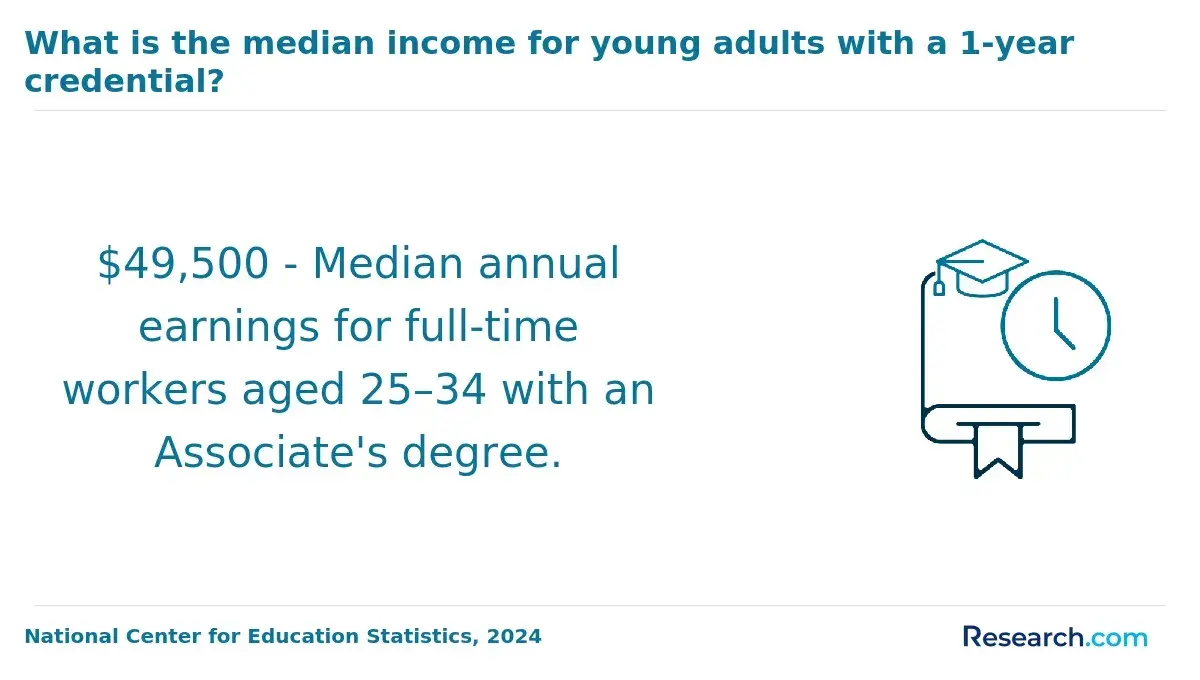
Data from the U.S. Bureau of Labor Statistics in 2024 underscores that over 70% of forensic nursing job postings require advanced physical assessment and evidence collection skills, illustrating the profession's dual demands. These priorities embody a workforce transition toward professionals who not only possess rigorous clinical capabilities but also navigate evolving legal, technological, and psychosocial complexities integral to modern forensic healthcare delivery.
Which Certifications Increase Employability and Salary Potential?
Certifications in the forensic nursing field function as critical signals of specialized expertise, clinical competence, and readiness for complex interdisciplinary roles. They complement formal education by validating capabilities that many employers see as essential for meeting current staffing and skill shortages in forensic healthcare. Rather than simply adding credentials, these certifications influence hiring by distinguishing candidates who possess not only baseline qualifications but also focused abilities aligned with evolving legal and medical demands.
- Certified Sexual Assault Nurse Examiner (SANE): This certification remains the most widely recognized credential, reflecting proficiency in handling sensitive sexual assault cases with expert clinical and forensic skills. Employers value SANE-certified nurses because they reduce training time and liability risks, while median salaries for certified individuals consistently run about 15% higher, indicating tangible market demand and compensation premiums.
- Certified Forensic Nurse (CFN): The CFN credential attests to multidisciplinary expertise applicable across healthcare, law enforcement, and legal settings. It meets a broader skill gap where forensic nurses are expected to liaise effectively with multiple agencies, thus improving job placement speed and geographic flexibility. This versatility can enhance career progression toward coordinator or educator roles.
- Certified Advanced Forensic Nurse (CAF-N): Designed for those targeting leadership or highly specialized clinical roles, this certification aligns with increasing employer demand for nurses who can manage complex cases and mentor junior staff. Holding this credential often positions professionals for elevated salary brackets and supervisory responsibilities, reflecting an investment in long-term career trajectories.
- Forensic Nurse Death Investigator (FNDI): This certification addresses a niche but critical need for expertise in medical examiner partnerships. Nurses with FNDI credentials fill a specialized demand that correlates with higher pay scales due to the technical and investigative complexity involved in death investigations.
- Certified Forensic Healthcare Provider (CFHP): Recognized primarily within public health networks, CFHP certification signifies preparedness to integrate forensic nursing practices in broader healthcare systems. This ability to bridge clinical and forensic contexts enhances employability in diverse institutional environments experiencing growing forensic nursing applications.
Data from the 2024 Bureau of Labor Statistics highlights that forensic nurses with any advanced certification achieve annual earnings 12-18% higher on average compared to non-certified peers. This wage premium stems from employer recognition of certification as an objective measure of reduced onboarding effort, enhanced credibility, and critical skills that improve team effectiveness and case outcomes.
A forensic nursing graduate described their admissions journey with mixed anticipation. They applied during rolling admissions and delayed certification pursuit initially, unsure of balancing clinical hours with exam preparation. The uncertainty of when acceptance would come created pressure to strategically time credential completion. After finalizing the SANE certification close to program entry, they experienced tangible relief and confidence, realizing that their proactive choice to acquire this key credential had significantly bolstered both their acceptance chances and future job market competitiveness.
How Do Remote and Hybrid Opportunities Affect the Forensic Nursing Job Market?
The evolution of remote forensic nursing job opportunities is reshaping hiring patterns by enabling employers to expand their talent search beyond traditional geographic limits, responding to increased demand across healthcare systems and legal sectors. According to recent labor market analyses from reputable workforce reports, many organizations now formalize hybrid work models in forensic nursing careers, allowing case documentation and interdisciplinary collaboration to occur offsite while maintaining critical onsite duties. This shift affects salary structures, with many hybrid or remote positions reporting slightly lower base pay than fully on-site roles due to perceived decreases in immediate patient engagement. Employers also prioritize candidates capable of managing sensitive, hands-on responsibilities, reflecting a continued emphasis on practical skills critical for courtroom testimony and patient interaction.
These hybrid work models encourage greater geographic mobility but contribute to a more competitive job market as candidates from outside traditional local pools compete for fewer fully on-site roles. Salary normalization across regions can limit earning potential in high-cost areas but may offer more consistent compensation overall. Employers increasingly expect forensic nurses to possess strong digital communication skills and proficiency with remote reporting tools, blending clinical expertise with legal procedural knowledge. Workforce data suggests these trends will deepen, influencing long-term job market structures by favoring flexible practitioners who can navigate both in-person and virtual demands. Prospective forensic nurses evaluating educational pathways should also consider programs offering relevant remote collaboration training, such as direct entry MSN programs online, to better align their skills with evolving employer expectations.
Which Forensic Nursing Careers Show the Strongest Long-Term Hiring Momentum?
Long-term hiring momentum in forensic nursing careers reflects structural shifts in healthcare, law enforcement, and legal systems rather than short-term fluctuations. These enduring economic and technological trends shape workforce demand by emphasizing specialized skills needed to address evolving public health and justice priorities. As evidence protocols advance and funding landscapes shift, roles that bridge clinical expertise with investigative responsibilities maintain persistent demand. The focus on these roles mirrors broader transformation in how healthcare and criminal justice sectors intersect.
- Sexual Assault Nurse Examiners (SANEs) maintain strong hiring momentum due to increasing societal recognition of assault victims' rights and the expansion of forensic evidence collection standards. Persistent shortages in rural and underserved areas fuel the need for trained SANEs, as many healthcare providers struggle to meet growing service demands in these regions.
- Forensic Nurse Death Investigators benefit from expanding capacities of medical examiner offices and law enforcement agencies to handle increasingly complex death investigations. Their unique expertise in interpreting medical and forensic data sustains demand as jurisdictions seek more precise integration of healthcare insights within legal investigations.
- Forensic Psychiatric Nurses are experiencing steady growth tied to their role in evaluating individuals within criminal justice and mental health intersections. The rising reliance on psychological assessment to support forensic testimony and case management underpins long-term employment stability.
The U.S. Bureau of Labor Statistics projects employment growth of roughly 14% in forensic nursing-related occupations through 2034, well above average healthcare trends. Hiring momentum is reinforced by certification demands and evolving employer preferences favoring combined clinical and forensic skills. However, certification can create barriers to entry despite improving employability, while variable funding affects sustainability of community programs supporting these roles. Candidates pursuing forensic nursing careers should weigh these operational realities alongside their interest areas to align qualifications with market needs effectively.
For prospective students and early-career professionals evaluating educational pathways, understanding which roles show sustained demand is critical. Considering practical program outcomes and workforce expectations is essential, especially given persistent regional shortages. For those exploring entry options, reviewing best easiest LPN programs to get into may provide an accessible step toward foundational healthcare experience, which can support later transition into specialized forensic nursing roles. These pathways respond directly to long-term labor market dynamics unique to forensic nursing in North America.
How Can Students Use Job Market Data to Make Better Career Decisions?
Students can leverage labor market data from 2024 reports, hiring platforms, and salary databases to gauge demand, compensation, and growth potential in forensic nursing. Analyzing employer hiring momentum and regional trends reveals where job opportunities are expanding and which specializations command premium salaries. This information helps identify programs with relevant industry connections and highlights skill sets that yield better pay or quicker job placement. Market data also clarifies variations by experience level and certifications, enabling students to prioritize credentials that align with current and projected workforce needs.
When interpreting this data, students must balance immediate job availability with long-term career stability and geographic flexibility. Relying solely on short-term hiring spikes risks mismatch with sustained industry demand, so combining quantitative insights with personal interests and skill alignment is crucial. Prospective forensic nurses should view labor market indicators as part of a broader decision-making framework, weighing tradeoffs between entry speed, wage growth potential, and regional employer expectations to plan education and career paths grounded in durable employability outcomes.
References
- Future Skills Centre • Centre des Compétences futures https://fsc-ccf.ca/projects/hybrid-work-models/
- Forensic Nurse Jobs (with Salaries) - SEEK https://au.seek.com/forensic-nurse-jobs
- How much do Forensic Nurses Make in The USA? | Shiftmed Blog https://www.shiftmed.com/professionals/blog/how-much-do-forensic-nurses-make/
- Forensic Nurse Salary, Career Outlook & Education Requirements https://www.forensicscolleges.com/careers/forensic-nurse
- FNCB Homepage - Forensic Nursing Certification Board https://goforensicncb.org/
- Forensic Community & Liaison Nurse, Registered Nurse (RN)/ Registered Psychiatric Nurse (RPN), Forensic Psychiatric Vancouver Regional Clinic - Vancouver, BC | Working at Provincial Health Services Authority | Careers at PHSA https://jobs.phsa.ca/job/forensic-community-liaison-nurse-registered-nurse-rn-registered-psychiatric-nurse-rpn-0
- Forensic nursing: Finding work-life balance • Informa Connect Australia https://www.informa.com.au/insight/forensic-nursing-finding-work-life-balance/
- Trainee Forensic Nurse Examiner https://www.jobs.nhs.uk/candidate/jobadvert/C9213-24-0150
- Forensic Nursing https://nursinglicensemap.com/advanced-practice-nursing/forensic-nursing/
- Are Remote Nursing Jobs Recession-Proof? | Nurse Fern https://nursefern.com/remote-nurse-job-security/
Other Things You Should Know About Forensic Nursing
While specialized forensic nursing credentials can open doors to niche roles, many employers still value extensive general clinical experience more heavily, especially in emergency or trauma settings. Prioritizing programs that balance forensic-specific skills with robust hands-on clinical practice may improve employability. Candidates should critically assess whether their chosen pathway offers exposure to real-case investigations and multidisciplinary team collaboration, as these experiences often influence hiring decisions beyond mere certification.
Higher salaries in forensic nursing often correlate with roles involving intensive case management, frequent court testimonies, and emotionally demanding patient interactions. These positions can carry a significantly increased risk of burnout, affecting long-term career sustainability. It's crucial to weigh compensation against the mental and physical demands of the role and seek employers providing robust support systems, such as counseling and workload flexibility, to maintain well-being over time.
Geographic mobility can substantially influence access to more selective forensic nursing opportunities and higher pay, particularly in urban centers or regions with well-funded forensic services. However, relocating may involve tradeoffs such as cost of living increases and social disruption. Prospective professionals should prioritize markets with steady job openings and invest in region-specific training to maximize relevance, rather than focusing solely on salary differences that might be offset by living expenses.
Accepting roles in areas with moderate hiring momentum can provide critical hands-on experience that strengthens qualifications for advanced forensic nursing specialties later. Waiting exclusively for high-demand niches might delay entry into the field and limit clinical exposure. Therefore, a pragmatic approach is to gain diverse forensic nursing experience early, even if these positions are less prestigious or lower paid, as this foundational practice enhances long-term employability and career resilience.