2027 Forensic Nursing Skills Gap Analysis: What Employers Want vs What Degree Programs Teach

Co-Founder and Chief Data Scientist
Imagine a recent forensic nursing graduate entering the job market only to find that many employers seek skills not emphasized in their degree program. Despite solid foundational knowledge, gaps in practical application and specialized techniques often hinder their readiness. This misalignment creates frustration and uncertainty about how to bridge the divide between academic preparation and workplace demands.
Employers typically expect forensic nurses to exhibit proficiency in evidence collection, trauma-informed communication, and legal documentation beyond what some programs emphasize. Such discrepancies challenge new professionals navigating career entry and progression. This article analyzes the core differences between employer priorities and forensic nursing curricula, offering insights to enhance workforce preparedness and strategic decision-making.
Key Things to Know About Forensic Nursing Skills Gap
- Degree programs often emphasize theoretical knowledge, but employers expect forensic nursing graduates to demonstrate advanced trauma assessment and evidence collection skills, requiring hands-on clinical experience beyond typical curricula.
- A 2024 study found 67% of forensic nursing employers value critical thinking and interdisciplinary communication more than core coursework, underscoring a gap in practical skill development that graduates must address.
- Students can improve career readiness by pursuing specialized internships and simulation labs focused on legal reporting and multidisciplinary teamwork, directly enhancing employability in forensic nursing roles.
- Key Things to Know About Forensic Nursing Skills Gap Key Things to Know
- What Skills Do Employers Expect From Forensic Nursing Graduates? Employer Expectations
- What Do Forensic Nursing Degree Programs Typically Teach? Program Curriculum
- Where Is the Biggest Skills Gap Between Forensic Nursing Programs and Employers? Biggest Skills Gap
- Which Technical Skills Are Most Important for Forensic Nursing Careers? Technical Skills
- Which Workplace Skills Matter Beyond Technical Knowledge? Workplace Skills
- How Do Internships and Real-World Experience Improve Career Readiness? Career Experience
- How Can Students Close the Forensic Nursing Skills Gap Before Graduating? Closing Skills Gap
- How Is the Forensic Nursing Job Market Changing Employer Skill Requirements? Job Market
- How Do Different Forensic Nursing Programs Compare in Career Preparation? Career Preparation
- How Should Students Choose a Forensic Nursing Program That Builds Career-Ready Skills? Choosing a Program
What Skills Do Employers Expect From Forensic Nursing Graduates?
Employers searching for forensic nursing graduates in 2024 expect a blend of precise clinical expertise and specialized forensic knowledge tailored to complex legal environments. Job market data from sources like Lightcast labor analytics reveal that 85% of openings require strong forensic and clinical skills combined with effective communication and digital competency.
Forensic nursing graduate job market expectations emphasize not only technical proficiency but also the ability to bridge healthcare and legal systems effectively. Consider a scenario where a forensic nurse's accurate evidence collection and clear courtroom testimony can decisively influence case outcomes, underscoring the need for nuanced training beyond basic nursing.
Below are the essential forensic nursing skills employers seek:
- Evidence Collection and Preservation: Employers demand meticulous protocols for gathering and safeguarding physical evidence to maintain chain-of-custody integrity. This skill is often honed during clinical rotations and forensic coursework, ensuring graduates can withstand rigorous legal scrutiny.
- Forensic Documentation Expertise: Precise and standardized record-keeping is crucial for legal proceedings. Training in forensic nursing programs typically integrates practice in drafting detailed reports that translate clinical findings into legally admissible language.
- Advanced Communication: The ability to clearly explain complex medical information to legal professionals and juries is a frequent employer priority. This includes both written report writing and verbal courtroom testimony developed through simulation exercises and real-world exposure.
- Digital Literacy in Healthcare Systems: Familiarity with electronic health records (EHR), forensic databases, and cybersecurity principles enhances case management efficiency. As digital tools become ubiquitous in forensic nursing, proficiency here reduces errors and protects sensitive data.
- Interdisciplinary Collaboration: Working effectively with law enforcement, social services, and legal teams requires adaptability and teamwork. Graduates strengthen this skill through multidisciplinary practicums, helping them navigate complex, multi-agency investigations.
- Legal and Ethical Acumen: Understanding relevant laws, patient rights, and ethical constraints is vital. Employers value graduates who can balance clinical care with legal obligations, often fostered by dedicated forensic law courses.
- Critical Thinking and Emotional Intelligence: Handling trauma cases involves nuanced judgment and empathetic patient interaction. These soft skills are emphasized alongside clinical training to prepare nurses for the emotional and situational complexities of the role.
Integrating these skills into a forensic nursing education strengthens employability, aligning graduates with the evolving demands in the forensic nursing graduate job market expectations. Prospective students should seek programs offering robust forensic documentation, legal process exposure, and practical teamwork opportunities. Exploring options like a 1 year DNP program online can also accelerate workforce readiness without sacrificing depth or quality.
What Do Forensic Nursing Degree Programs Typically Teach?
Forensic nursing degree programs intertwine core healthcare principles with the specifics of legal and investigative protocols to prepare students for complex real-world scenarios. Students learn to approach patient care through a trauma-informed lens while integrating forensic science practices that impact legal outcomes. A common challenge emerges when nurses must preserve evidence integrity while addressing urgent medical needs-a situation demanding precise technical skill and ethical judgment.
The programs reflect evolving workforce demands by emphasizing multidisciplinary coordination, ethical decision-making, and culturally competent care. Below are key knowledge areas and competencies that forensic nursing degree programs typically teach, informed by recent curriculum trends and the 2024 competency framework from the International Association of Forensic Nurses.
- Core forensic nursing skills taught in degree programs: Students develop proficiency in conducting forensic physical assessments, collecting and documenting evidence meticulously, and understanding legal constraints like the chain of custody. These skills underpin the nurse's role as both healthcare provider and legal advocate, ensuring that patient care does not compromise investigative processes.
- Trauma-informed patient care: Emphasis on empathetic approaches to patients who have experienced violence or trauma prepares nurses to manage both clinical and psychological needs. This focus supports holistic survivor care and acknowledges the lasting impact of trauma on recovery and testimony.
- Legal collaboration and testimony preparation: Programs educate students on court procedures, legal documentation, and professional conduct required when providing testimony. This area reinforces nurses' capacity to bridge medical facts with legal scrutiny, a critical factor in supporting justice outcomes.
- Multidisciplinary teamwork: Through simulated scenarios involving law enforcement, social services, and legal professionals, students learn to navigate complex interactions across agencies. This training cultivates communication skills and collaborative strategies necessary in fieldwork and institutional settings.
- Cultural competency and ethical decision-making: Reflecting a 2024 trend identified by the International Association of Forensic Nurses, curricula increasingly integrate cultural awareness and ethical frameworks. These competencies enhance nurses' effectiveness in diverse populations and complex ethical dilemmas.
- Psychological trauma and crisis intervention: Coursework includes managing acute psychological distress and crisis responses, aligning with employer demand for nurses adept at comprehensive survivor care. This instruction prepares graduates for frontline roles in emergency and forensic settings.
- Limitations in forensic science techniques: While foundational forensic knowledge is standard, many degree programs offer limited exposure to advanced laboratory or digital evidence analysis, often as electives. Prospective students should anticipate supplementing their training to meet employer expectations for technological expertise.
Prospective students comparing formats such as online, hybrid, and campus programs should consider how these core competencies are delivered and supported. Online formats may offer flexible access to theory-heavy modules but often lack immersive simulations critical for multidisciplinary teamwork.
Campus programs typically provide hands-on labs and legal collaboration experiences integral to mastering physical assessment and evidence handling. Hybrid models attempt to balance accessibility with practical exposure, though integration quality varies by institution. For those seeking the most comprehensive preparation that aligns with real-world forensic nursing demands, assessing how each format addresses these fundamental curriculum components is essential.
For additional options in flexible study programs, prospective students might explore the cheapest self-paced online college offerings that allow learners to tailor educational pacing around professional and personal commitments.
Where Is the Biggest Skills Gap Between Forensic Nursing Programs and Employers?
The disconnect between forensic nursing programs and employer needs mainly concerns how well students integrate practical, interdisciplinary, and legal skills into clinical work. Academic training largely builds theoretical knowledge, yet employers note a troubling lack of facility with complex real-world tasks such as forensic evidence collection under pressure or navigating emotionally charged patient interactions with trauma-informed care.
A 2024 National Institute of Justice report found that fewer than half of employers felt recent graduates were ready to meet the demanding multitasking and documentation standards forensic nursing positions require. Below are key areas illustrating where the largest skills gaps emerge.
- Applied Clinical Skills: Many graduates struggle to translate classroom learning into effective forensic practice, especially in time-sensitive situations like sexual assault examinations. Limited hands-on training during education leaves nurses unprepared for multitasking high-stakes patient care and evidence preservation. Students can narrow this gap through immersive clinical rotations with forensic specialists and certified training in forensic protocols.
- Interdisciplinary Communication: Forensic nursing depends on seamless collaboration with law enforcement, legal personnel, and social services. Yet, most programs insufficiently develop these cross-sector communication and advocacy skills, weakening graduates' ability to coordinate holistic investigations. Active participation in interdisciplinary case simulations and advocacy workshops offers practical experience missing from many curricula.
- Legal Documentation Competency: Precise and legally defensible documentation is crucial but often underemphasized in academic programs. Without proficient documentation skills, graduates' reports risk rejection in court proceedings, limiting employability. Pursuing additional certifications in forensic documentation standards and engaging in mock legal reviews during training can enhance readiness.
- Technological Fluency: The rise of digital evidence management and forensic data analytics demands nurses master both physical and electronic evidence handling. Few programs currently equip students to use electronic health records alongside specialized forensic software confidently. Supplementary tech-focused workshops and internships involving forensic informatics help bridge this gap.
Which Technical Skills Are Most Important for Forensic Nursing Careers?
Technical skills serve as the bridge between theoretical knowledge and effective practice in forensic nursing. As healthcare and legal environments evolve, so do the competencies that employers prioritize, reflecting changes in technology, data management, and interdisciplinary collaboration. Technical abilities that once were sufficient may now need updating to meet heightened standards for accuracy and legal defensibility.
Mastering the right skills not only facilitates immediate job performance but also positions professionals for adaptability throughout their careers. Below are key technical skills consistently valued across forensic nursing roles.
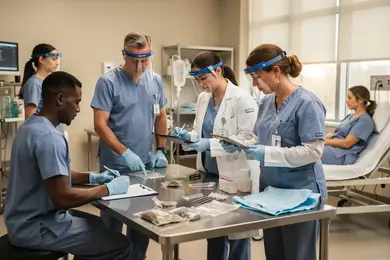
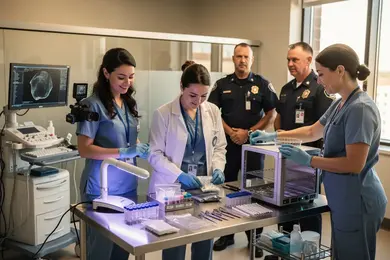
- Evidence collection and preservation: This fundamental competency ensures that physical evidence is gathered and maintained with precise protocols to maintain chain of custody and admissibility in court. Students develop these abilities through simulation labs and clinical practicums, learning to balance meticulous documentation with patient care priorities.
- Forensic photography: The capability to capture detailed images of injuries or scenes is crucial for legal cases and requires technical training in camera use and lighting, often taught alongside evidence collection techniques. Employing this skill correctly preserves visual proof critical for expert testimony.
- Trauma-informed care application: Integrating sensitivity with forensic protocols, this skill helps nurses navigate vulnerable populations while securing evidence. Coursework in psychology and specialized clinical experiences build this nuanced approach, enhancing communication and ethical practice.
- Legal documentation and testimony preparation: Proficiency in drafting clear, accurate reports and preparing for courtroom testimony distinguishes forensic nurses as credible expert witnesses. Programs emphasize writing skills and role-playing scenarios to simulate courtroom environments.
- Electronic health record (EHR) management: Familiarity with EHR systems tailored for forensic purposes reflects the digitization of healthcare data and is increasingly expected by employers. Hands-on experience with forensic documentation modules helps nurses manage sensitive information securely and efficiently.
- Interdisciplinary collaboration tools: Effective use of communication technologies and platforms facilitates coordination with law enforcement, social workers, and legal teams. Training includes simulations and group projects that mirror real-world case management.
- Clinical assessment and forensic integration: Balancing patient care with evidence examination requires skillful clinical judgment developed through both nursing education and forensic specialization. This integration supports holistic care while sustaining investigative accuracy.
According to recent analyses by the National Institute of Justice and the American Nurses Association in 2024, over 70% of forensic nursing employers prioritize candidates proficient in forensic evidence management and trauma-informed care, underscoring the importance of combining technical rigor with patient-centered sensitivity.
Which Workplace Skills Matter Beyond Technical Knowledge?
Success in forensic nursing careers depends on more than clinical proficiency; employers increasingly prioritize a blend of professional competencies that enhance practical effectiveness and legal reliability. While core technical skills form the foundation, complex forensic environments demand critical thinking and communication skills to navigate multidisciplinary teams and sensitive cases.
A 2024 report from the National Institute of Justice highlights that over 70% of forensic nursing employers identify gaps in soft skills as key barriers to new graduate readiness. The following list outlines the essential workplace skills beyond technical knowledge that strongly influence long-term employability and professional impact.
- Critical thinking and analytical reasoning: These skills enable forensic nurses to accurately interpret clinical evidence and maintain detailed documentation vital for courtroom settings. Students can strengthen this competency through case studies and simulated scenarios focusing on evidence evaluation, improving their ability to draw precise, legally defensible conclusions.
- Advanced communication: Effective communication involves empathetic dialogue with trauma survivors and clear collaboration with legal and law enforcement teams. Forensic nursing programs that integrate role-playing and interdisciplinary practica better prepare students to handle sensitive information and complex stakeholder interactions.
- Emotional resilience and stress management: The high-pressure nature of forensic cases demands maintaining composure and ethical judgment under stress. Experiential learning, such as mentorship and clinical rotations involving crisis scenarios, supports building these protective and adaptive responses.
- Ethical judgment and confidentiality: Upholding patient privacy and ethical standards is non-negotiable. Reinforcing ethics coursework with real-world discussions about confidentiality challenges ensures preparedness for delicate forensic contexts.
- Adaptability and continuous learning: Rapid changes in forensic protocols and emerging technologies require ongoing education. Graduates who engage proactively in professional development and adapt to evolving legal standards sustain relevance in their careers.
- Interdisciplinary collaboration: Success hinges on working seamlessly with nurses, legal professionals, social workers, and law enforcement. Programs emphasizing team-based projects and joint training exercises cultivate this essential collaborative mindset.
- Problem-solving and decision-making: Forensic nursing careers benefit from the ability to identify issues quickly and formulate coherent responses. Engaging in complex clinical simulations hones this skill, bridging academic preparation with real-world scenarios.
Prospective forensic nursing students can also explore related fields to expand their expertise and salary potential, such as the mental health nurse practitioner salary landscape, which overlaps in critical emotional and communication skill sets.
How Do Internships and Real-World Experience Improve Career Readiness?
Classroom instruction in forensic nursing, while essential for foundational knowledge, often falls short in fully preparing students for the demands of professional practice. Academic settings provide theoretical frameworks, but they rarely simulate the unpredictability and complexity encountered in real-world environments. Hands-on experiences such as internships enable students to translate textbook concepts into practical skills, building confidence and sound judgment.
A student who practices proper evidence collection and chain-of-custody protocols within a clinical internship gains critical operational fluency that mere classroom exposure cannot replicate. Experiential learning opportunities also enhance technical competencies, sharpen professional communication, and clarify workplace expectations. Internships and clinical placements foster interactions with multidisciplinary teams, including law enforcement, which cultivate essential collaboration skills.
Students expand their professional networks and receive mentorship, factors linked to improved decision-making and career clarity. Recent data from the National Institute of Forensic Nursing Education (NIFNE) shows graduates completing at least one internship are 28% more likely to secure employment within six months, underscoring the tangible advantage these experiences provide.
However, access to quality internships varies by location and institution, demanding that students proactively seek structured programs that integrate reflective practice alongside hands-on work. To maximize the benefits of experiential learning, students should pursue internships early in their education and engage deeply in applied projects that mirror everyday forensic nursing challenges.
Building ongoing professional relationships and critically reflecting on workplace experiences further solidify learning and support career planning. Success in forensic nursing depends on combining robust academic achievement with continuous skill refinement and strategic career development. Internships, while pivotal, are most effective when deliberately integrated into a comprehensive approach to workforce readiness that aligns practical experience with long-term professional goals.
How Can Students Close the Forensic Nursing Skills Gap Before Graduating?
Students pursuing a forensic nursing degree can cultivate critical workplace skills before graduation by actively integrating practical experiences with academic learning. Waiting until after earning a diploma to develop these competencies narrows employment opportunities and slows professional growth. Proactively engaging in targeted activities sharpens judgment, builds confidence, and aligns student capabilities with employer standards early on.
Recent data from the National Institute of Health Workforce and Education Report shows a 30% increase in hiring chances for graduates who complete internships or clinical practicums, underscoring the tangible benefits of early hands-on involvement. Below are key strategies to effectively narrow the forensic nursing skills gap prior to program completion.
- Hands-on Internships: Engaging in internships or clinical practicums provides real case exposure, improving skills in evidence collection, victim communication, and multidisciplinary collaboration. These experiences allow students to apply classroom concepts to unpredictable scenarios, making theoretical knowledge actionable and boosting employer confidence.
- Undergraduate Research: Participating in research projects enhances critical thinking and analytical abilities essential to forensic investigations. Students gain problem-solving experience and contribute to peer-reviewed publications, increasing professional visibility and demonstrating commitment to evidence-based practice.
- Project-based Learning: Simulation exercises and scenario drills mimic forensic nursing challenges, strengthening procedural accuracy and confidence in documentation and chain-of-custody protocols. Such immersive training addresses commonly cited skill deficits and prepares students for field realities.
- Certification Pursuit: Obtaining certifications like Sexual Assault Nurse Examiner (SANE) validates expertise and signals professionalism. Though requiring extra effort and resources, certified students benefit from higher employment rates and salary prospects, reflecting employer preferences for credentialed practitioners.
- Interprofessional Collaboration: Actively seeking opportunities to work with law enforcement, social workers, and legal professionals fosters understanding of forensic nursing's multidisciplinary nature. This experience sharpens communication and case management skills crucial for effective real-world practice.
- Reflective Practice: Maintaining detailed case logs and reflecting on clinical encounters promotes self-awareness and continuous improvement. This habit helps students identify personal strengths and recognize areas needing development before entering the workforce.
- Networking Engagement: Building connections through professional organizations and conferences opens doors to mentorship and employment leads. Early relationship-building exposes students to current industry expectations and emerging trends.
How Is the Forensic Nursing Job Market Changing Employer Skill Requirements?
The forensic nursing job market trends reflect growing integration of technology and digital tools that reshape employer skill requirements. Automation and data analytics demand that candidates bring expertise beyond clinical basics, including digital evidence collection and electronic health record management. The U.S. Bureau of Labor Statistics reports a steady rise in demand for forensic nurses skilled in these technologies, underlining a shift towards more tech-savvy professionals.
A forensic nurse involved in a multidisciplinary investigation might use forensic photography and data systems to support legal proceedings, requiring both technical proficiency and careful ethical judgment. The evolving landscape means employers increasingly value a blend of technical and soft skills. The World Economic Forum highlights communication, cultural competence, and adaptability as critical, complementing traditional knowledge of trauma-informed care and legal documentation.
LinkedIn's workforce insights demonstrate employers prioritize candidates experienced in crisis intervention and interagency collaboration. This gap between academic curricula and real-world employer needs underscores why continuous learning, practical experience, and versatility have become essential for workforce readiness in forensic nursing. Students can strengthen their alignment with employer expectations by combining foundational forensic nursing coursework with applied internships and certifications, particularly in forensic technology and communication training.
Engaging in hands-on projects across sectors enhances cross-disciplinary problem-solving skills, while professional networking supports ongoing skill development. Practical advice includes pursuing opportunities that expose students to both healthcare and legal environments, ensuring graduates adapt to the profession's dynamic demands and long-term career resilience. Those interested in broader healthcare fields may also explore related jobs for bioinformatics degree as complementary paths.
How Do Different Forensic Nursing Programs Compare in Career Preparation?
Career preparation in forensic nursing degree programs depends on far more than the degree title itself. The depth of practical training, the extent of partnerships with relevant agencies, and the focus on ongoing skill development greatly influence how well graduates perform in complex real-world settings. For example, a graduate encountering a sexual assault case in a busy urban hospital benefits considerably from prior clinical experiences coordinated with law enforcement and victim advocacy groups.
To assess forensic nursing degree programs career readiness meaningfully, students should weigh several critical factors. Recent 2024 studies indicate that programs integrating clinical placements with multidisciplinary collaboration see a 35% higher reported employer satisfaction rate with graduate preparedness.
- Experiential Learning Integration: Strong career preparation hinges on programs offering hands-on clinical placements or simulation labs. Programs may vary widely in allowing students to practice trauma-informed care and medico-legal documentation under supervised conditions that mimic forensic realities. Prospective students should ask whether the curriculum bridges theory and practice effectively.
- Agency Partnerships: Collaboration with law enforcement, medical examiners, and advocacy organizations enriches training by exposing students to authentic forensic workflows. Programs lacking such partnerships often leave graduates underprepared for the complex communications and procedural demands employers expect in forensic environments.
- Interpersonal Skill Focus: Employers emphasize not only clinical competency but nuanced interpersonal skills like communication under stress and multidisciplinary teamwork. Programs differ in prioritizing these soft skills versus foundational forensic knowledge; students should consider which balance better fits their career goals.
- Post-Graduation Development Opportunities: With forensic protocols constantly evolving, programs offering structured pathways for ongoing professional education prepare graduates for sustainable careers, whereas others may lack this forward-looking element.
Comparing forensic nursing education and employer expectations is key for students who want real workplace readiness rather than theoretical knowledge alone. Those seeking to strengthen preparedness may also explore complementary options such as accessing the best online speech pathology degree programs for veterans for additional communication skill building.
How Should Students Choose a Forensic Nursing Program That Builds Career-Ready Skills?
Choosing among online, hybrid, and campus forensic nursing programs involves assessing how each format shapes long-term career readiness and workforce success. Recent 2024 data emphasize that programs integrating applied learning and interprofessional collaboration yield stronger career outcomes. Reviewing critical distinctions can guide students whose schedules, learning preferences, and goals vary widely.
Consider these primary factors when deciding your ideal learning format.
- Hands-on Experience: Campus programs often provide direct clinical practicums with law enforcement or legal teams, crucial for mastering real-world evidence handling. Hybrid formats blend this with flexibility, whereas online formats may require extra effort securing local clinical sites. Students needing immersive application benefit most from campus or hybrid options.
- Networking Opportunities: Face-to-face interactions on campus facilitate mentorship from practicing forensic nurses and legal professionals, enriching learning with current industry insights. Hybrid students access some in-person networking, while fully online learners must proactively engage virtual communities.
- Curriculum Flexibility: Online programs offer maximum scheduling freedom, ideal for those balancing work or family, but may lack the spontaneous collaboration found in campus settings. Hybrid models provide a middle ground for learners needing structure plus accessibility.
- Skill Development: Critical thinking, ethical decision-making, and interdisciplinary communication are emphasized across formats, but campus environments typically encourage more immediate feedback and peer interaction, accelerating skill acquisition.
- Graduate Outcomes Transparency: Programs that publish certification rates and employment stats from 2024 show that hybrid and campus formats often report higher workforce placement, reflecting integrated experiential learning.
- Professional Ecosystem Access: Campus and hybrid students benefit from established forensic nursing networks, supporting long-term career growth, whereas online students may need to seek external connections independently.
References:
- Nursing skills for a resumé - SEEK New Zealand https://nz.seek.com/career-advice/article/nursing-skills-for-a-resume
- 7 Important Trends Shaping the Future of Nursing Careers | BioInformant https://bioinformant.com/7-important-trends-shaping-the-future-of-nursing-careers/
- Forensic Nurse Salary, Career Outlook & Education Requirements https://www.forensicscolleges.com/careers/forensic-nurse
- Soft Skills In Nursing | Fast CE For Less, Inc. https://fastceforless.com/the-importance-of-soft-skills-in-nursing/
- Strategies affect the Future of Forensic nursing and Global Anti ... https://ajner.com/HTML_Papers/Asian%20Journal%20of%20Nursing%20Education%20and%20Research__PID__2024-14-1-18.html
- A Comprehensive Guide to Forensic Nursing https://nursingcecentral.com/lessons/a-comprehensive-guide-to-forensic-nursing/
- How Forensic Nursing Training Prepares You for Success https://aihcp.net/2024/08/22/how-forensic-nursing-training-prepares-you-for-success/
- 5 Tips-Improve Technical Skills Through Practical Nursing Schools https://vervecollege.edu/technical-skills-practical-nursing-schools/
- How to Become a Forensic Nurse | Incredible Health https://www.incrediblehealth.com/blog/forensic-nurse/
- How to Become a Forensic Nurse https://www.allnursingschools.com/specialties/forensic-nursing/
Other Things You Should Know About Forensic Nursing
Many forensic nursing programs focus heavily on clinical assessment and evidence collection but often underprepare students in critical non-clinical skills such as communication with law enforcement, report writing, and courtroom testimony. Employers consistently highlight these as areas of deficiency. Students should prioritize developing these competencies through supplementary workshops or practicum opportunities, as their absence can limit early career effectiveness and slow professional advancement.
While gaining early employment can provide valuable practical experience, significant skill gaps in forensic nursing may undermine job performance and credibility in highly sensitive environments. Extended education or focused certificate programs addressing identified gaps-especially in legal processes and interdisciplinary collaboration-offer a more reliable foundation. Prioritizing structured learning before entering the field typically reduces the need for remedial training and can accelerate career progression.
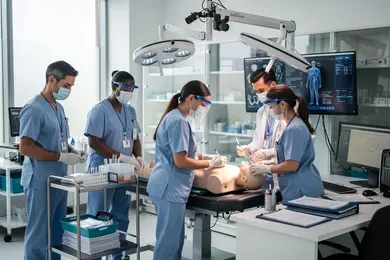
Simulation labs offer immersive, hands-on practice in scenarios that mirror real forensic nursing challenges, bridging critical gaps left by traditional coursework. While these programs may present financial or time constraints, their practical training directly correlates with employer readiness and confidence in graduates. Considering the complexity and stakes of forensic nursing work, investing in such programs often yields better outcomes than programs relying solely on theoretical instruction.
Employers increasingly require forensic nurses who can navigate diverse populations and communicate effectively across cultural and language barriers. Most degree programs provide limited training in these areas, creating a mismatch in workforce readiness. Students in regions serving diverse communities should seek additional language training or cultural competence education to meet this demand, as failure to do so may restrict employment opportunities and diminish the ability to serve vulnerable populations effectively.