2027 Forensic Nursing Degree Enrollment Trends by Age Group: Traditional Students vs Adult Learners

Co-Founder and Chief Data Scientist
The interplay between licensing mandates and clinical practicum requirements distinctly shapes enrollment patterns in forensic nursing degree programs. Traditional students, often entering directly from secondary education, face challenges balancing rigorous on-site training with limited prior clinical exposure. Conversely, adult learners typically leverage existing healthcare backgrounds to meet complex credentialing expectations more swiftly.
The field's 15% projected employment growth through 2030 reflects escalating demand for professionals adept in both medical and legal competencies, influencing how various age groups approach program entry. This age-diverse enrollment hints at evolving workforce strategies, revealing differential access and adaptation within forensic nursing education.
Key Things to Know About Forensic Nursing Degree Enrollment Trends by Age Group
- Traditional students dominate forensic nursing programs but face tradeoffs as compressed curricula may limit clinical diversity exposure, affecting preparedness for varied forensic scenarios.
- Adult learners' slower enrollment growth reflects employer hesitancy toward non-linear education paths, highlighting workforce preferences for continuous, discipline-specific experience.
- Older enrollees often encounter higher indirect costs, delaying completion compared to younger peers; this timing gap influences career entry points and long-term advancement opportunities.
- Key Things to Know About Forensic Nursing Degree Enrollment Trends by Age Group Key Things to Know About Forensic Nursing Degree Enrollment Trends by Age Group
- Which Age Groups Represent the Largest Share of Forensic Nursing Students? Students by Age Group
- Why Do Traditional Students Choose Forensic Nursing Degree Programs? Traditional Students
- Why Do Adult Learners Return to School for a Forensic Nursing Degree? Adult Learners
- How Do Academic Goals Vary Between Younger and Older Forensic Nursing Students? Academic Goals by Age Group
- How Do Financial Concerns Differ Between Traditional Students and Adult Learners? Financial Concerns by Age Group
- What Challenges Do Adult Learners and Traditional Students Face While Earning a Forensic Nursing Degree? Student Challenges by Age Group
- How Does Age Affect Forensic Nursing Degree Student Retention? Age and Student Retention
- Which Forensic Nursing Specializations Are Most Popular Among Adult Learners? Top Specializations for Adult Learners
- How Does Age Affect Job Opportunities for Forensic Nursing Graduates? Impact of Age in Job Opportunities
- What Do Current Forensic Nursing Enrollment Trends Reveal About Future Demand? Future Demand
Which Age Groups Represent the Largest Share of Forensic Nursing Students?
Forensic nursing programs enroll students from a wide range of age groups, but enrollment tends to concentrate within specific demographics due to differences in career stage, financial stability, and educational trajectories. This age distribution reflects structural workforce demands and educational accessibility rather than simply academic choice. Factors such as prior clinical experience, mid-career transitions, and program flexibility shape who pursues forensic nursing degrees at various life stages.
- Ages 25-34: This group comprises the largest segment in forensic nursing degree enrollment by age group. Many in this demographic have accrued general nursing experience and seek specialization to improve clinical skills and employability. Their clearer professional goals and financial readiness enable them to engage fully in programs designed for workforce advancement, making them the dominant group in enrollment data.
- Ages 35 and older: Adult learners pursuing forensic nursing often represent mid-career shifts or skill refreshment amid evolving healthcare requirements. Enrollment in this bracket is encouraged by programs offering flexible or online formats to accommodate work-life balance. However, family obligations, financial concerns, and approaching retirement usually limit sustained participation in the oldest age segments.
- Ages 18-24: Traditional students entering forensic nursing directly after high school constitute a smaller share. This reflects the practical demands of the field where employers prioritize clinical experience, so many younger students opt first for a general nursing degree before specializing. Their relatively limited workforce exposure delays their transition into forensic nursing programs.
Enrollment patterns highlight the interplay of career timing and educational pathways, where individuals in their mid-20s to early 30s leverage accumulated nursing experience to meet employer expectations for hands-on skills and critical thinking-attributes crucial in forensic nursing. Adult learners must often balance external responsibilities, while younger students typically build foundational nursing credentials prior to specialization.
Those evaluating program options should note enrollment trends correspond with broader national patterns emphasizing practical outcomes and job readiness. Programs that minimize clinical hours or offer accelerated tracks, including options like RN to BSN without clinicals, may enhance accessibility particularly for working professionals or nontraditional students navigating complex schedules and financial constraints.
Why Do Traditional Students Choose Forensic Nursing Degree Programs?
Traditional-age students often select forensic nursing degree programs due to their clear alignment with specific academic interests in healthcare and criminal justice, coupled with the degree's signaling value for targeted career paths. For these students, early career exploration is critical, and forensic nursing offers a defined trajectory combining clinical expertise with legal processes, which appeals to those intent on entering a specialized workforce. According to a 2024 survey by the National Center for Nursing Research, roughly 62% of traditional college entrants prioritize vocation-specific training, reflecting a desire for clarity in educational outcomes and professional roles within forensic nursing degree programs for traditional students.
The decision to pursue forensic nursing also reflects the influence of institutional pathways such as university recruitment efforts and guidance counseling that emphasize fields perceived as stable and in-demand. Exposure to forensic nursing content through secondary education or introductory college courses can spark interest and incentivize enrollment, especially when supported by programs offering practicums or internships that align with labor market expectations. Moreover, the availability of flexible program structures plays a role as students weigh academic rigor and scheduling, further shaping enrollment behavior within the forensic nursing space. For those evaluating alternative delivery formats, options like online self paced degrees may also influence how traditional students balance education and early career development.
Why Do Adult Learners Return to School for a Forensic Nursing Degree?
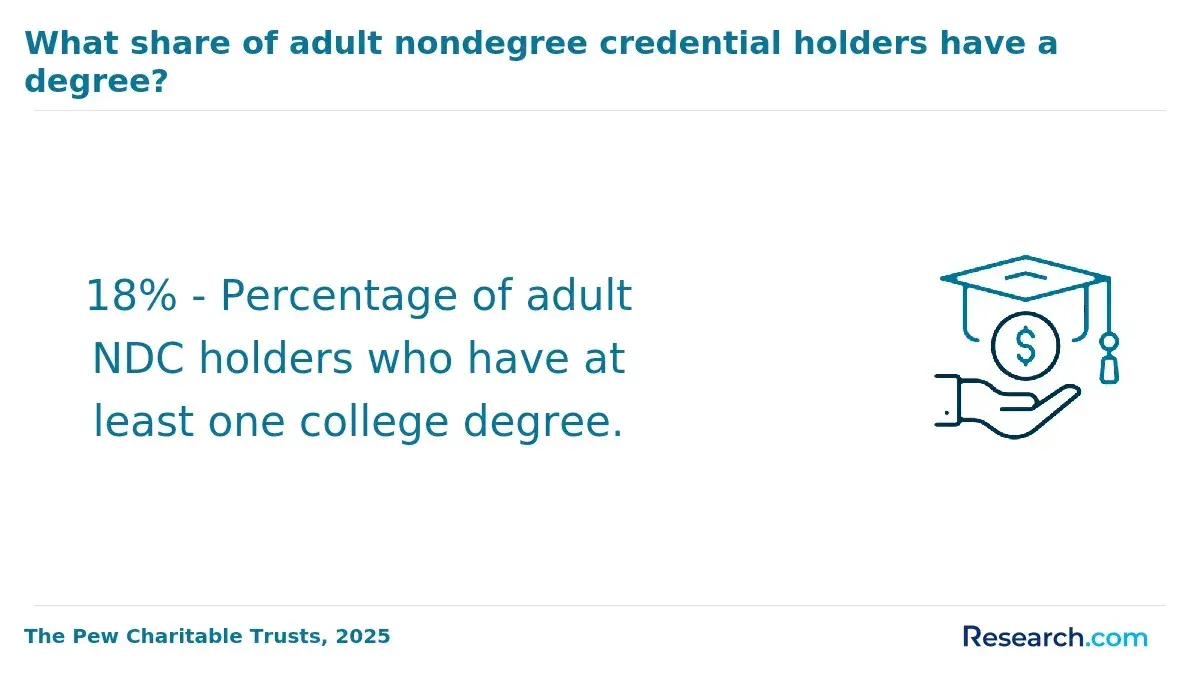
Adult learners pursuing a forensic nursing degree typically do so to navigate career shifts that demand specialized credentials beyond their existing nursing background. The need to access higher-paying positions or transition into forensic roles such as sexual assault nurse examiners or legal nurse consultants often drives these decisions. These learners prioritize education pathways that offer tangible professional returns, aligning closely with evolving employer expectations in healthcare and criminal justice environments. Data from the National Center for Education Statistics in 2024 indicates that nearly 60% of adult students select programs directly linked to work experience or promotion pathways, reflecting a strategic approach to wage growth and career mobility.
Additional factors influencing adult re-enrollment include expanded availability of hybrid and fully online forensic nursing programs that accommodate work-life balance and ongoing job responsibilities. Employer tuition assistance and credential inflation within healthcare contribute to this trend, pressuring nurses to update clinical and legal expertise continuously. The increasing complexity of forensic cases and the demand for multidisciplinary skills mean that adult learners often seek curriculum flexibility without sacrificing rigor. According to the 2024 Adult Learner Trend Survey, over 70% of adult learners pursue part-time study formats, underscoring the importance of accessible program delivery modes aligned with workforce re-entry and lifelong learning.
How Do Academic Goals Vary Between Younger and Older Forensic Nursing Students?
Younger forensic nursing students often enter programs with a focus on building a broad foundational skill set that supports entry into the workforce or further academic study. Their goals commonly center around mastering essential concepts, gaining practical clinical experience, and preparing for professional licensure, reflecting an exploratory phase typical of early career development. For many, the priority lies in completing degree requirements efficiently to access initial employment opportunities or graduate education. According to the 2024 National Center for Education Statistics, roughly 68% of these traditional-age students identify obtaining professional certification as their primary academic objective, underscoring credential-driven motivations tied closely to labor market entry.
In contrast, older students typically engage with forensic nursing education in a more targeted manner, often balancing existing professional roles and life responsibilities. Their academic goals emphasize acquiring specialized skills or certifications that facilitate career shifts, leadership advancement, or role enhancement within their current fields. This group frequently prioritizes flexible scheduling and practical application, reflecting their need to align academic progress with immediate workplace impacts. Data from the 2024 Adult Learner Survey by the American Association of Colleges of Nursing shows that 74% of adult learners focus on skill refinement and career progression rather than initial certification, illustrating a pragmatic approach to education as a tool for professional transformation rather than initial entry.
One adult learner recalled applying to a forensic nursing program while managing full-time work and family obligations. Although eager to enroll, she hesitated initially, concerned about timing and preparation for the rolling admissions process. After consulting with advisors and observing the program's flexible course offerings, she strategically delayed her application by several months, choosing to strengthen prerequisite skills first. This cautious yet intentional approach ultimately allowed her to start the program feeling more prepared and confident, highlighting how adult learners' academic goals often intertwine with complex timing and resource considerations beyond those typical of younger students.
How Do Financial Concerns Differ Between Traditional Students and Adult Learners?
Traditional students pursuing a forensic nursing degree often depend on family support, financial aid, or student loans to manage tuition costs, shaping their educational choices around debt tolerance and the goal of minimizing long-term financial burdens. Approximately 68% of these students rely on grants and scholarships, which helps reduce immediate out-of-pocket expenses but also ties their decision-making to the availability and conditions of financial aid. This demographic typically faces fewer concurrent financial responsibilities, allowing a concentrated focus on studies and accelerated degree completion to limit overall debt. For these students, evaluating cost involves predicting the return on investment over a longer career horizon, factoring in future earning potential and professional credentials.
Conversely, adult learners in forensic nursing programs contend with a broader spectrum of financial pressures that extend beyond tuition alone, including the challenge of lost income from reduced work hours and balancing ongoing family expenses such as childcare and mortgage payments. A significant 72% report concerns related to income disruption due to schooling, which elevates the opportunity cost of returning to education at this life stage. Many rely heavily on employer tuition assistance-over half in nursing-related fields-making access to supportive workplace reimbursement policies a critical factor in decision-making. This dynamic shifts financial behavior toward flexible payment options and program structures that accommodate part-time or evening study, emphasizing immediate job stability and promotion potential in financial calculations.
These divergent financial realities influence enrollment patterns and program preferences, with traditional students more likely to seek full-time, accelerated paths and adult learners gravitating toward part-time or hybrid formats to balance work-life obligations. The long-term return on investment for adult learners must weigh not only tuition costs but also the value of retained employment and career advancement opportunities. Understanding these distinctions is crucial for prospective students as they navigate their forensic nursing degree financial aid challenges and cost comparison for traditional versus adult forensic nursing students. For those exploring related healthcare education pathways, resources such as dietetics programs also illustrate varying financial aid landscapes aligned with life stage and career goals.
What Challenges Do Adult Learners and Traditional Students Face While Earning a Forensic Nursing Degree?
Traditional students pursuing a forensic nursing degree often face significant hurdles adapting to the demands of higher education, especially as they transition from the highly structured environment of high school to more autonomous college settings. Mastering time management and coping with a multidisciplinary curriculum that blends nursing with legal and criminal justice concepts can overwhelm many. This group frequently struggles with maintaining consistent academic performance, with retention rates in rigorous health programs sometimes dipping around 60%, reflecting challenges in balancing coursework intensity. Financial pressure also weighs heavily on younger students, who often depend on loans or part-time work, though their reduced family obligations may afford them more flexibility than adult peers.
In contrast, adult learners bring distinct challenges rooted in their broader life responsibilities. Managing full-time employment, caregiving duties, and academic demands simultaneously creates persistent scheduling conflicts that complicate attendance and the completion of essential clinical experiences. Stress related to juggling these roles is reported by over half of adult students in health fields, according to the American Association of Colleges of Nursing. Moreover, adults typically encounter more constrained access to traditional financial aid, relying on variable employer tuition assistance or personal income, introducing additional financial uncertainty. Reintegrating into academic environments also requires navigating updated educational technologies and methodologies, which can extend adjustment periods compared to younger students.
Educational institutions that serve forensic nursing students must recognize these divergent needs by offering flexible scheduling options, such as evening or online courses, and providing targeted support services, including academic advising attuned to adult learners' time constraints. While younger students may benefit more from structured tutoring and study skill workshops emphasizing discipline foundation, adults often require career-oriented counseling and stress management resources tailored to their complex external obligations. The availability and quality of such supports significantly influence persistence and degree completion, making institutional adaptability a critical factor in addressing the varied pathways of traditional and adult forensic nursing students.
How Does Age Affect Forensic Nursing Degree Student Retention?
Younger forensic nursing students often encounter retention challenges tied to adapting to the demands of higher education and managing emerging independence. These students may struggle with balancing academic rigor alongside social and exploratory interests, which can dilute focus and reduce sustained engagement with the program. Early-stage academic preparedness, combined with shifting motivation, often results in higher attrition compared to older peers. According to a 2024 report by the National Center for Education Statistics, retention rates for adult learners in health sciences programs, including forensic nursing, are about 8% higher than those for students aged 18 to 24, highlighting these adjustment difficulties among younger cohorts.
In contrast, adult learners in forensic nursing programs usually display stronger clarity of purpose and a keen alignment with professional objectives, which supports higher persistence. However, their retention is frequently affected by competing pressures such as work schedules, family caregiving, and time constraints, creating a complex balancing act that can delay progress. Institutions that offer flexible scheduling, targeted support services, and recognition of prior experience can better accommodate these realities, improving completion rates for mature students. The interplay between life obligations and intrinsic motivation in this group underscores the necessity for program structures sensitive to adult learners' distinct retention barriers.
One forensic nursing graduate recounted grappling with uncertainty during the rolling admissions cycle, having paused enrollment to improve her academic readiness after years in an unrelated career. She recalled, "I kept hesitating because I wasn't sure if I had enough clinical experience or if I was applying too late in the cycle. When the school finally accepted me, the relief was immense, but the journey taught me the importance of timing and preparation." This experience illustrates how strategic decision-making around admission timing and personal readiness plays a crucial role in retention outcomes, especially for older students navigating complex life and educational transitions.
Which Forensic Nursing Specializations Are Most Popular Among Adult Learners?
Adult learners in forensic nursing programs tend to select specializations that directly leverage their existing healthcare credentials or facilitate a strategic career transition. Their choices are guided by a need for immediate applicability of skills, potential salary improvements, and alignment with employer demands. This pragmatic focus reflects patterns in adult learner forensic nursing specialization trends, where enrollment favors tracks offering clear pathways to professional growth and workforce reintegration.
Data from a 2024 national survey by the American Academy of Forensic Sciences indicates around 62% of adult forensic nursing students prioritize Sexual Assault Nurse Examiner (SANE) training, underscoring its dominant appeal in career mobility and clinical forensics integration.
- Sexual Assault Nurse Examiner (SANE): Adult learners with RN backgrounds often choose SANE for its balance of clinical nursing and forensic investigation, offering scalable skill upgrades that meet growing demand in hospitals and community health roles.
- Forensic Psychiatric Nursing: This specialization attracts those with mental health nursing experience who seek to extend their capabilities into legal contexts, capitalizing on increased employer recognition of mental health's role in criminal justice.
- Death Investigation: Targeted at learners interested in medico-legal pathology and law enforcement collaboration, this track offers a specialized skill set beneficial for cross-sector transition and interdisciplinary careers.
- Forensic Nurse Examiner: Focused on evidence collection and legal testimony, this specialization appeals to adult learners aiming to translate bedside skills into forensic evidence management with strong labor market relevance.
- Child Abuse Forensic Nursing: Learners committed to pediatric care and advocacy select this path to leverage clinical experience in a niche that demands specialized expertise and carries significant social impact.
Such specialization choices illustrate a calculated approach to upskilling where practical applicability and career reinvention dominate decision-making. Adult learners weigh the intersection of their prior experience and projected salary advancement heavily, reflecting most in demand forensic nursing careers for adults. For those balancing work and study, this often means selecting programs with flexible pathways similar to recognized RN to BSN programs that accommodate accelerated skill acquisition without sacrificing quality.
How Does Age Affect Job Opportunities for Forensic Nursing Graduates?
Younger forensic nursing graduates often navigate initial job opportunities with limited practical experience, relying heavily on internships and institutional networks to access entry-level positions. Many employers prioritize candidates who have demonstrated hands-on clinical training, which traditional students typically gain through program-affiliated placements. This pipeline facilitates smoother hiring processes but also places younger graduates in roles where their adaptability and long-term potential are weighed carefully. According to recent data from the U.S. Bureau of Labor Statistics, forensic nursing positions increasingly require multidisciplinary skills, shaping early-career hiring patterns that favor comprehensive skill development alongside academic credentials, particularly affecting job prospects for adult learners in forensic nursing.
In contrast, older graduates frequently enter forensic nursing with relevant prior clinical experience, allowing them to leverage transferable skills that can offset challenges associated with later career entry. Employers may view these candidates as valuable assets for complex forensic environments, though concerns about adaptability and long-term retention occasionally influence hiring decisions. Balancing these factors, adult learners often face distinct career opportunities by age in forensic nursing that reflect tradeoffs between experience and employer expectations. Prospective students should carefully evaluate these dynamics when choosing educational pathways, including exploring what medical degrees can I get online, to align program accessibility with individual career aims and labor market realities.
What Do Current Forensic Nursing Enrollment Trends Reveal About Future Demand?
Rising enrollment patterns in forensic nursing degree programs reveal shifting student priorities and heightened recognition of this field's practical value among diverse learner groups. Notably, adult learners aged 25 and above are enrolling at a faster rate than traditional college-age students, reflecting a strategic pursuit of specialized credentials to enhance professional standing rather than general foundational education. This trend underscores a growing demand for programs that accommodate flexible scheduling and online delivery, enabling working professionals to integrate education with existing responsibilities. Such demographic shifts highlight an evolving perception of forensic nursing not only as an entry point but as a critical specialization offering long-term career differentiation.
The enrollment increase aligns closely with broader labor market signals indicating expanding employer demand, workforce shortages, and interdisciplinary skill needs. A 15% rise in forensic nursing job openings reported by the 2024 National Forensic Nurses Association points to sustained growth across healthcare settings, law enforcement, and victim advocacy agencies. These dynamics encourage program expansion in advanced certifications and integrated curricula combining mental health, legal, and forensic expertise. Consequently, evolving enrollment behaviors provide a forward-looking indicator of education-to-employment pipelines strengthening to meet specialized workforce gaps and technological advances shaping the forensic nursing profession's future relevance.
References:
- Online RN to MSN - Forensic Nursing | Aspen University https://www.aspen.edu/nursing/rn-msn-forensic-nursing/
- Adult students present unique challenges for two-year colleges https://www.ruffalonl.com/adult-students-present-unique-challenges-two-year-colleges/
- Forensic Nursing Education: Online Programs https://openmedicinejournal.com/VOLUME/3/PAGE/222/FULLTEXT/
- Adult Postsecondary Learners: Reviewing the Data and Evidence https://www.jff.org/idea/adult-learners/
- Strategies affect the Future of Forensic nursing and Global Anti-violence efforts https://ajner.com/AbstractView.aspx
- 11 Reasons to Consider Returning to College as an Adult https://www.georgefox.edu/bruin-blog/posts/2021/02/adp-11-reasons/index.html
- Bachelor’s in Nursing Enrollment Trends: How Healthy Is the Market? https://www.encoura.org/resources/wake-up-call/bachelor-s-in-nursing-enrollment-trends-how-healthy-is-the-market/
- Why college? A deep dive into adult learners’ journeys https://www.luminafoundation.org/news-and-views/why-college-a-deep-dive-into-adult-learners-journeys/
- Traditional Vs. Non-Traditional Students in Higher Education https://moderncampus.com/blog/traditional-vs-non-traditional-students-in-higher-education.html
- Post-MSN in Forensic Nursing with Certification in Investigative Forensics https://catalog.desales.edu/preview_program.php
Other Things You Should Know About Forensic Nursing
Adult learners in forensic nursing programs often juggle full-time employment, family responsibilities, and coursework, which can extend program completion time and impact academic performance. Traditional students, although typically less encumbered by external obligations, may lack the real-world experience adult learners bring, affecting their initial clinical readiness. Programs that offer flexible scheduling and asynchronous coursework tend to better support adult learners, but this flexibility may limit in-person collaboration critical for skill development, a tradeoff that students must weigh carefully.
Clinical placements in forensic nursing are demanding and often require physical stamina and emotional resilience, which traditional students may handle more readily due to fewer life stressors. Adult learners might face challenges scheduling clinical hours around existing jobs or family commitments, potentially restricting placement options. Prospective students should assess program support for coordinating clinical experiences, as insufficient assistance may disproportionately disadvantage adult learners and delay graduation.
Employers often value the proven professional maturity and practical experience adult learners bring, sometimes favoring them for advanced forensic nursing roles even if their academic path took longer. Conversely, traditional students may be seen as more adaptable to emerging technologies and protocols due to recent academic exposure but may require more on-the-job mentorship. For those prioritizing rapid career advancement in specialized forensic settings, adult learners' experience can be a strategic advantage when combined with their credential, suggesting a need to emphasize experiential learning in program selection.