2027 General Studies Roles With the Strongest Promotion Potential

Co-Founder and Chief Data Scientist
Choosing general studies can feel risky if you want a clear career ladder, but the degree can work well when paired with a focused promotion strategy. The U.S. Bureau of Labor Statistics' 2024 employment projections report about 1.2 million management openings per year from 2023 to 2033, mostly from replacement needs.
This guide is for students, adult learners, and career changers who want flexible education with upward mobility. You will learn which roles, sectors, skills, credentials, and program features best support advancement.
Key Things You Should Know
- General studies graduates usually advance fastest in roles where broad communication, operations, analysis, and people-management skills are rewarded, including project coordination, human resources, operations, sales, public administration, and healthcare administration support.
- The strongest promotion paths often move from coordinator or specialist roles into supervisor, manager, director, or program leader positions; BLS data published in 2024 shows management occupations had a median annual wage above the all-occupation median.
- A general studies degree is most valuable when paired with a concentration, internship, transfer credits, employer tuition benefits, or credentials such as CAPM, SHRM-CP, Google Project Management, CompTIA, Lean Six Sigma, or a state-specific public service requirement.
Which general studies careers offer the strongest paths to promotion and leadership?
The general studies careers with the strongest promotion potential are usually not "generalist" jobs forever. They are roles where the first job exposes you to budgets, workflows, customers, employees, compliance, or projects, then lets you move into formal responsibility for people, processes, or performance outcomes.
A general studies degree is an interdisciplinary bachelor's degree that often combines coursework in communication, social sciences, humanities, business, technology, and quantitative reasoning. That breadth can be useful in leadership tracks because many promotions depend on coordinating across departments rather than mastering only one narrow technical function.
The table below compares career paths that commonly fit general studies graduates and have visible advancement ladders. Use it to identify roles where the first job can realistically build toward management rather than leaving you in a flat support position.
| Career path | Typical starting role | Promotion target | Why the path can work for general studies graduates |
| Project management | Project coordinator or operations assistant | Project manager, program manager, portfolio lead | Rewards organization, communication, stakeholder management, and deadline control. |
| Human resources | HR assistant, recruiting coordinator, benefits coordinator | HR generalist, HR manager, talent acquisition manager | Uses writing, policy interpretation, employee relations, and confidentiality. |
| Operations management | Operations coordinator, administrative specialist, team lead | Operations manager, general manager, regional manager | Builds from workflow improvement, scheduling, reporting, and cross-functional problem solving. |
| Sales and account management | Sales development representative, account coordinator | Account manager, sales manager, customer success manager | Promotion is often performance-based and values persuasion, analysis, and relationship building. |
| Public administration and nonprofit services | Program assistant, case coordination aide, community outreach specialist | Program manager, grants manager, agency supervisor | Fits graduates who can communicate with diverse groups and manage documentation, programs, and compliance. |
| Healthcare administration support | Patient services coordinator, medical office specialist | Practice manager, department coordinator, health services manager | Combines service, scheduling, compliance awareness, data entry, and team coordination. |
Project management and operations roles are often the most transferable because nearly every industry runs projects and processes. HR, healthcare administration, and public service can offer more structured ladders, but they may require industry-specific rules, software systems, or compliance training.
Readers still comparing degree options may also want to understand how flexible majors are evaluated in broader bachelor's planning. A guide to the easiest bachelor degree options can help clarify when flexibility is useful and when a more specialized major may be a better fit.
How does a general studies degree prepare you for high-advancement roles across industries?
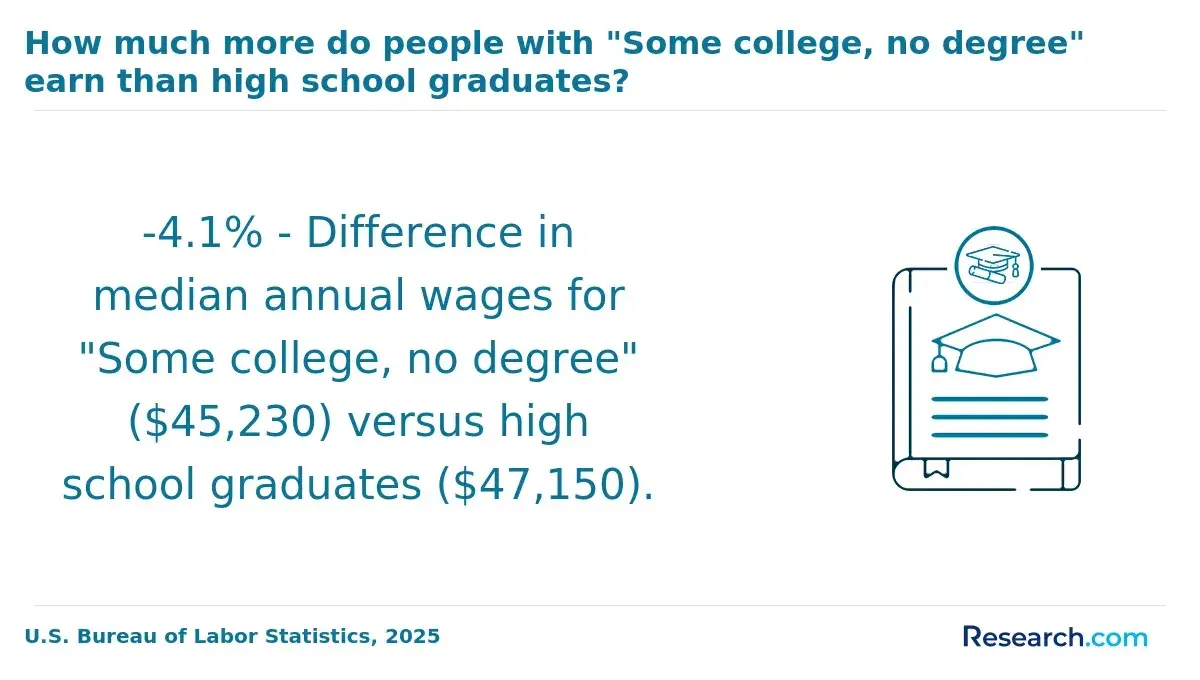
A general studies degree prepares students for advancement by building the mixed skill set many early managers need: writing, critical thinking, research, presentation, basic data interpretation, ethical reasoning, and workplace collaboration. It is not designed to make someone an engineer, nurse, accountant, or licensed teacher by itself, but it can prepare graduates for roles where leadership depends on coordinating people and information.
The degree works best when students intentionally shape it around a career direction. A student who chooses electives in business, statistics, organizational communication, and information systems is building a different advancement profile from one who selects unrelated courses only because they are convenient.
General studies can support high-advancement roles in three practical ways. These are the choices that usually separate a strategic degree plan from a random collection of credits.
- Choose a concentration or cluster of electives tied to a target field, such as business administration, public service, data literacy, communication, healthcare administration, or technology support.
- Use assignments and projects to create proof of skill, such as reports, presentations, process maps, policy memos, dashboards, or research portfolios that can be discussed in interviews.
- Combine the degree with work experience, internships, certificates, military training, or transfer credit so the resume shows both academic range and career direction.
AI and automation make this intentional planning more important. Employers increasingly expect entry-level professionals to use digital tools, summarize information clearly, and adapt to changing workflows.
General studies graduates who can combine human communication with AI-assisted productivity, spreadsheet skills, and basic data interpretation will usually be more competitive for advancement than graduates who market the degree as "broad" without showing practical capability.
What entry-level jobs can general studies graduates use as stepping stones to management?
The best entry-level jobs for general studies graduates are not always the highest-paying first offers. A better test is whether the role gives you measurable achievements, exposure to supervisors, and responsibility for customers, projects, scheduling, reports, or team coordination.
The table below shows common stepping-stone jobs and the management signals each one can develop. These signals matter because promotion decisions often depend on evidence that you can handle responsibility before you receive a manager title.
| Entry-level role | Useful responsibilities | Promotion signal to build | Likely next step |
| Administrative coordinator | Scheduling, documentation, vendor communication, meeting support | Reliability, organization, executive communication | Office manager or operations coordinator |
| Project coordinator | Task tracking, status updates, meeting notes, timeline monitoring | Deadline control and cross-team communication | Assistant project manager or project manager |
| HR assistant | Onboarding, recruiting support, records, benefits paperwork | Confidentiality, policy awareness, employee support | HR coordinator or HR generalist |
| Customer success associate | Client communication, issue resolution, usage tracking | Retention mindset and relationship management | Account manager or customer success manager |
| Program assistant | Community outreach, reports, participant records, event support | Grant or program accountability | Program coordinator or program manager |
| Sales development representative | Prospecting, lead qualification, CRM updates, product communication | Revenue contribution and resilience | Account executive or sales manager |
When comparing first jobs, ask about internal promotion patterns before accepting an offer. A lower starting salary may be reasonable if the employer trains coordinators into managers, but it is less attractive if the role has high turnover and no clear next step.
One common mistake is accepting a vague "assistant" title without understanding what skills you will actually build. A better approach is to ask the hiring manager which software tools you will use, what reports you will own, how success is measured, and what previous employees in the role were promoted into.
Which sectors hire general studies majors into roles with clear internal promotion ladders?
Sectors with clear internal promotion ladders tend to have repeatable job families, formal training, multiple layers of supervision, and measurable performance standards. For general studies graduates, these structures can be more important than the industry name because they create visible steps from entry-level work to leadership.
These sectors are especially worth exploring if you want a practical ladder rather than a one-off job. Each can reward broad skills, but each also has trade-offs that should shape your decision.
- Healthcare systems: Hospitals, clinics, and medical groups hire patient access, scheduling, billing support, compliance support, and administrative staff. Promotion can be strong, but healthcare requires attention to privacy, documentation, and regulated processes.
- Government and public agencies: Local, state, and federal offices often have defined classifications, pay grades, and supervisory tracks. Hiring can be slower, but advancement criteria may be more transparent than in small private employers.
- Higher education and student services: Colleges hire admissions coordinators, academic support staff, financial aid assistants, and program coordinators. Promotion often depends on policy knowledge, student service, and sometimes graduate education.
- Insurance, banking, and business services: These employers hire client service, operations, compliance support, claims, and analyst-adjacent roles. Internal training can be strong, but performance metrics are often closely tracked.
- Retail, logistics, and hospitality management: These sectors can promote quickly into team lead and assistant manager roles. Schedules may be demanding, so the path fits people who can handle frontline operations and customer pressure.
The U.S. labor market is also shifting toward skills-first screening in some large employers, which can help general studies graduates who can prove ability through experience and credentials. However, skills-first does not mean degree-free everywhere; many supervisory and analyst roles still list a bachelor's degree as a preferred or required qualification.
What skills from general studies programs are most valued for career advancement?
The most valuable general studies skills for promotion are the ones that help an employer reduce confusion, improve workflow, serve customers, and make decisions. Advancement is less about saying you are "well rounded" and more about translating broad coursework into workplace outcomes.
The table below connects common general studies competencies to the promotion value employers can recognize. Use it to refine your resume, choose electives, or decide which skill gaps to close before applying for higher roles.
| Skill area | How it appears in general studies | Why it supports promotion | How to prove it |
| Written communication | Research papers, policy memos, reports, discussion-based courses | Managers write updates, procedures, proposals, and performance documentation. | Writing samples, reports, email campaigns, process documentation |
| Oral communication | Presentations, group projects, seminars | Supervisors explain priorities, handle conflict, and brief stakeholders. | Presentation decks, meeting facilitation examples, training sessions |
| Critical thinking | Interdisciplinary analysis and problem-based assignments | Promotion requires judgment when information is incomplete or conflicting. | Case analyses, decision memos, project retrospectives |
| Data literacy | Quantitative reasoning, statistics, research methods | Leaders increasingly need to interpret dashboards, budgets, and performance metrics. | Spreadsheet models, dashboards, survey analysis, KPI tracking |
| Digital productivity | Learning management systems, online collaboration, office software | Hybrid and remote teams rely on organized digital workflows. | Software badges, portfolio screenshots, workflow templates |
| Cultural awareness | Humanities, social science, ethics, diversity-related coursework | People managers work with varied teams, customers, and communities. | Community projects, service learning, conflict-resolution examples |
If you enjoy quantitative reasoning and want a more technical advancement path, adding math-heavy electives or a minor can strengthen your profile. Students considering a deeper quantitative route may compare general studies with a mathematics degree online to see whether a specialized program better fits analytics, finance, or graduate study goals.
How do salaries and promotion timelines compare for top general studies career paths?
Salary outcomes for general studies graduates vary because the degree can lead into many occupations. The clearest way to compare earning potential is to look at the target occupation, not the major name.
BLS data published in 2024 reported a median annual wage of $116,880 for management occupations in May 2023, which shows why moving from support roles into management can substantially change long-term earning potential.
The table below uses representative U.S. occupational categories to show how common general studies pathways may compare. Treat the figures as labor-market context, not as promised outcomes for any individual graduate.
| Pathway | Common early role | Typical promotion timeline | Representative higher role | Salary context |
| Project management | Project coordinator | 2 to 5 years with documented project ownership | Project manager or program manager | BLS May 2023 median pay for project management specialists was near the high five figures. |
| Human resources | HR assistant or recruiting coordinator | 2 to 4 years with HR systems and policy experience | HR generalist or HR manager | HR manager roles typically pay more than HR specialist roles but often require deeper experience. |
| Operations | Operations assistant or team lead | 1 to 4 years in high-growth employers | Operations manager or general manager | Operations pay varies widely by industry, location, and size of team managed. |
| Healthcare administration | Patient services coordinator | 3 to 6 years, often with healthcare-specific systems knowledge | Practice manager or health services manager | Healthcare management roles can be strong, but compliance and experience requirements matter. |
| Public and nonprofit programs | Program assistant | 3 to 6 years with grants, reporting, or supervisory exposure | Program manager or community services manager | Pay may be lower than corporate management, but benefits and mission fit can be attractive. |
| Sales and account management | Sales development or account coordinator | 1 to 3 years when performance metrics are strong | Account manager or sales manager | Compensation can include commission, so earnings may be less predictable. |
Promotion timelines depend on employer size, turnover, performance, location, and whether the organization has formal advancement levels. A small office may give you broad experience but few openings; a large employer may have more openings but stricter requirements and more competition.
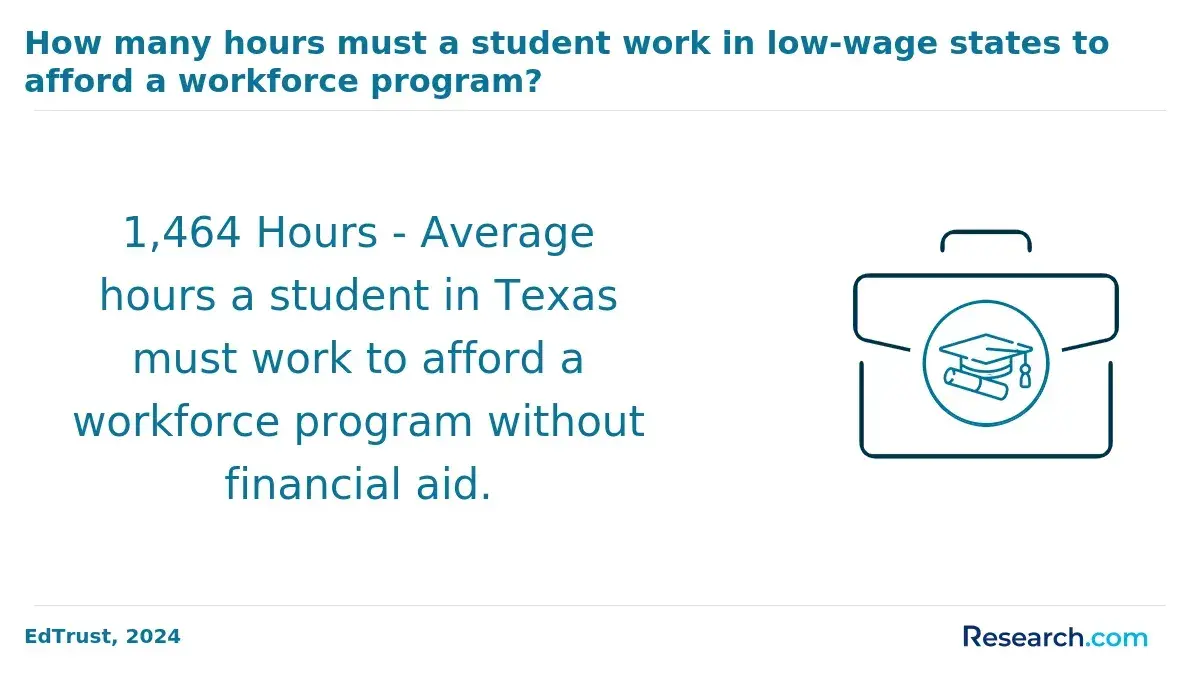
A smart way to evaluate ROI is to compare total education cost with the salary level of the realistic next job, not the highest possible executive role. This is especially important for students borrowing for school or returning as part-time adult learners.
What certifications or additional training help general studies professionals move into higher roles?
Certifications can make a general studies degree more career-specific. They are most useful when they match the job family you want, are recognized by employers, and help you qualify for responsibilities you cannot easily get through coursework alone.
The options below are commonly used to signal readiness for advancement. Before paying for any credential, check job postings in your target region to confirm that employers actually request it.
- Project management: CAPM, PMP for experienced professionals, Google Project Management Certificate, Agile or Scrum training, and employer-specific project software training.
- Human resources: SHRM-CP, PHR, HR information system training, recruiting analytics, benefits administration, and employment law workshops.
- Operations and process improvement: Lean Six Sigma Yellow Belt or Green Belt, Excel or spreadsheet analytics, inventory systems, quality assurance basics, and workflow mapping.
- Technology-adjacent administration: CompTIA A+, Google IT Support, Microsoft Office Specialist, Salesforce Administrator, or business analytics certificates, depending on the role.
- Healthcare administration support: Medical terminology, HIPAA training, revenue cycle basics, electronic health record systems, and practice management software training.
- Public and nonprofit management: Grant writing, program evaluation, volunteer management, emergency management, and state or agency-specific compliance training.
Credential stacking works best when each credential solves a specific hiring barrier. A common mistake is collecting unrelated certificates because they look impressive. A better strategy is to choose one target role, review 20 current job postings, and identify the three tools, credentials, or knowledge areas that appear most often.
For students trying to keep credential and degree costs manageable, comparing tuition models matters. A resource on the cheapest online college options can help identify lower-cost bachelor's pathways, especially when transfer credit and employer reimbursement are available.
How can adult learners and career changers leverage general studies to accelerate advancement?
Adult learners and career changers often get more value from general studies than traditional students because they can connect the degree to existing work history.
If you already have military training, community college credits, industry certificates, supervisory experience, or a portfolio of workplace achievements, a general studies program may help you finish faster while meeting bachelor's-degree requirements for promotion.
The key is to treat the degree as an advancement tool, not as a reset button. Employers will usually care about how your previous experience, new coursework, and target role fit together.
Adult learners can use the following steps to make a general studies degree more powerful for career mobility:
- Request a full transfer-credit and prior-learning evaluation before enrolling, including military, professional, technical, and community college credits.
- Choose electives that fill gaps in your resume, such as business writing, accounting basics, public administration, data analysis, leadership, or information systems.
- Ask your employer whether the degree qualifies you for internal postings, pay grades, tuition reimbursement, or management development programs.
- Build a promotion portfolio with measurable achievements, such as cost savings, customer satisfaction improvements, training materials, workflow improvements, or project results.
- Update your resume while enrolled so the degree reads as part of a targeted career story rather than an unrelated academic credential.
Career changers should be careful about fields with licensing rules. A general studies degree may help with administrative, business, or graduate-admission goals, but it usually will not replace state-approved preparation for regulated careers such as nursing, teaching, counseling, social work licensure, or accounting licensure.
Some adult learners use general studies for undergraduate completion and later pursue a focused graduate credential. If your interests lean toward education, public history, archives, or cultural organizations, comparing the cheapest online history master's degree can help you understand when a specialized graduate path may be more useful than adding more undergraduate electives.
Which online and campus general studies programs best support long-term career growth?
The best general studies programs for long-term career growth are accredited, flexible, transparent about transfer credits, and structured enough to help students build a coherent career concentration. Format matters, but program design matters more than whether the degree is online or campus-based.
Cost should be part of the decision. College Board's 2024 pricing data listed average published tuition and fees of $11,610 for in-state students at public four-year institutions and $43,350 at private nonprofit four-year institutions for 2024-25 before grants and aid. This gap matters because general studies ROI often depends on keeping costs aligned with realistic promotion targets.
The table below compares program features that can affect career growth. Use it when speaking with admissions advisors or comparing degree-completion options.
| Program feature | Why it matters for advancement | Strong sign | Red flag |
| Institutional accreditation | Employers and graduate schools are more likely to recognize accredited degrees. | Accreditation by an agency recognized for U.S. higher education quality assurance. | Unclear accreditation language or pressure to enroll before verification. |
| Transfer-credit policy | Adult learners can reduce time and cost if prior credits apply. | Written evaluation before commitment and generous but clear limits. | Verbal promises without an official degree plan. |
| Concentrations or tracks | Tracks make the degree easier to explain to employers. | Options such as business, leadership, public service, communication, or technology. | No advising on how electives connect to career goals. |
| Career services | Promotion-focused students need resume, internship, and employer support. | Career coaching, job boards, alumni connections, and internship help. | Career services available only as a generic website. |
| Applied learning | Projects give students proof of skill for interviews. | Capstone, internship, service learning, portfolio, or workplace project options. | Courses are flexible but disconnected from practical outcomes. |
| Scheduling format | Working adults need predictable pacing. | Online, evening, accelerated, part-time, or competency-based options with advising. | Accelerated terms with little support for students working full time. |
Online programs often make sense for working adults, military students, parents, and learners with significant transfer credit. Campus programs may be better for students who need in-person advising, local internships, student organizations, or stronger day-to-day structure.
Do not choose a school based only on speed or low tuition. Ask whether credits will transfer, whether the degree name appears clearly on the transcript, whether the program supports your target field, and what happens if you need to pause enrollment.
How should you evaluate employers and industries for promotion potential with a general studies background?
With a general studies background, employer choice can matter as much as degree choice. The same graduate may advance quickly in an organization with training, internal mobility, and supervisor openings, but stall in a workplace where duties are narrow and promotions are rare.
Before accepting a role, evaluate whether the employer has a real ladder. The questions below help you separate a promotion-friendly job from one that only sounds flexible:
- What roles have people in this position moved into during the last two years?
- Does the employer post jobs internally before advertising externally?
- Are there written levels, pay grades, or competencies for promotion?
- Will you manage projects, reports, customers, budgets, schedules, or training materials?
- Does the employer pay for certifications, conferences, tuition, or exam fees?
- How often will you receive performance reviews and development feedback?
- Which software systems, dashboards, or compliance processes will you learn?
- Is advancement tied to measurable performance, tenure, credentials, manager approval, or open positions?
Common red flags include vague job descriptions, high turnover, no examples of internal promotions, "family-like" language used to excuse unclear expectations, and roles where the duties are mostly clerical with no path to independent responsibility. None of these automatically makes a job bad, but they should affect how much you invest in that employer.
A practical promotion strategy is to set a 12-month evidence goal. By the end of your first year, aim to document one project improvement, one measurable performance result, one new technical skill, one leadership example, and one recommendation from a supervisor or stakeholder. That evidence can support an internal promotion or a move to a stronger employer.
Other Things You Should Know About General Studies
They are similar but not always identical. General studies often emphasizes flexible degree completion across multiple subjects, while liberal studies may have a stronger humanities, social science, and civic education focus. The exact meaning depends on the school's curriculum.
Some may if your resume does not show direction. You can reduce that risk by listing a concentration, relevant coursework, certificates, internships, projects, software skills, and measurable work achievements tied to the role you want.
In 2027, roles in areas such as project management, operations management, and human resources show strong promotion potential for individuals with a general studies degree. The diverse skill set developed in a general studies program aids in adaptability and problem-solving, making graduates competitive for advancement in these fields.
Most federal career-ladder jobs require at least a 3.0 GPA only for recent graduates entering through Pathways programs, while standard promotions rely on performance ratings and time-in-grade rules. Under 5 CFR, employees usually need 52 weeks at the current grade before moving up.
References
- Online Associate Degree Benefits Students Ready to Advance https://www.tuw.edu/school-news/online-associate-degree-benefits/
- Best Online Courses for Career Growth | University of Phoenix https://www.phoenix.edu/blog/step-up-your-career-with-individual-courses.html
- General Studies Degree Jobs: 10 Careers + Salaries (2026) | Extern https://www.extern.com/post/general-studies-degree-jobs-career-guide
- Meet Adult Learners, and All Students, Where They Are https://www.jff.org/blog/meet-adult-learners-and-all-students-where-they-are/
- Unlocking the Value of a Liberal Arts Degree for Career Advancement and Success - Liberal Arts https://liberalartsedu.org/blog/unlocking-the-value-of-a-liberal-arts-degree-for-career-advancement-and-success/
- What Can You Do With a General Studies Degree? https://www.calcoast.edu/news/what-can-you-do-with-a-general-studies-degree