2027 Forensic Nursing Degree Completion Rates by Format: Online, Hybrid, and Campus Programs Compared

Co-Founder and Chief Data Scientist
Choosing how to complete a forensic nursing degree presents a critical challenge for many students balancing work, family, and financial constraints. A prospective student may find campus programs offer more direct access to faculty and hands-on training but require significant commuting and fixed schedules. Conversely, online formats provide convenience and flexibility but risk isolation and less direct supervision, while hybrid programs attempt to blend these elements with varying degrees of success.
Completion rates often reflect these trade-offs, revealing important insights into which format best supports student persistence and timely graduation. Various factors influence success, including program structure, student engagement, and support services. This article compares online, hybrid, and campus forensic nursing completion rates, analyzes key influences on student outcomes, and offers guidance for selecting the format that aligns with one's educational and career objectives.
Key Things to Know About Forensic Nursing Degree Completion Rates by Format
- Data from a 2024 National Education Study shows online forensic nursing programs have a 12% lower completion rate than campus-based formats, suggesting reduced peer interaction impacts student persistence.
- Hybrid formats consistently show a 5% higher completion rate than fully online options, indicating the value of periodic in-person clinical practice for maintaining engagement and skill development.
- Campus programs' higher completion rates correlate with structured clinical placements and direct faculty supervision, essential for navigating complex forensic nursing competencies critical to employability.
- Key Things to Know About Forensic Nursing Degree Completion Rates by Format Key Things to Know About Forensic Nursing Degree Completion Rates by Format
- How Do Completion Rates Compare Across Online, Hybrid, and Campus Forensic Nursing Programs? Completion Rate Comparison
- What Factors Have the Greatest Impact on Forensic Nursing Degree Completion? Degree Completion Factors
- Which Forensic Nursing Degree Format Is Hardest to Complete? Completion Difficulty
- How Does Each Forensic Nursing Learning Format Affect Student Success? How Does Each Forensic Nursing Learning Format Affect Student Success?
- How Does Enrollment Status Affect Forensic Nursing Completion Rates? How Does Enrollment Status Affect Forensic Nursing Completion Rates?
- Can Transfer Credits Improve Forensic Nursing Degree Completion? Transfer Credits
- What Student Support Services Improve Forensic Nursing Completion Rates? Student Support Services
- How Do Forensic Nursing Completion Rates Affect Career Outcomes? Impact on Career Outcomes
- How Should Students Choose the Best Forensic Nursing Learning Format? Choosing the Best Format
- What Are the Long-Term Pros and Cons of Each Forensic Nursing Learning Format? Learning Format Pros & Cons
How Do Completion Rates Compare Across Online, Hybrid, and Campus Forensic Nursing Programs?
Differences in completion rates between online, hybrid, and campus forensic nursing programs frequently stem from how each format aligns with students' responsibilities and support needs. Those balancing work or family commitments may prefer online or hybrid options for flexibility, but the reduced in-person interaction and limited access to campus resources can challenge persistence. Students attending campus programs often benefit from more consistent access to faculty and peers, which supports engagement but demands more fixed scheduling. Ultimately, succeeding in any format depends on a student's ability to manage enrollment intensity, leverage support, and adjust study habits to their chosen learning environment.
Prospective forensic nursing students should integrate completion rate data with their personal learning preferences and life context to select the format that best fosters degree completion. For example, a working professional seeking flexibility might weigh hybrid or online options despite slightly lower completion rates, whereas a learner who thrives in immersive settings might prioritize campus programs. Understanding these trade-offs alongside career goals is key, and resources like cheapest online DNP programs can offer additional insight into affordable pathways. Comparing online hybrid and campus forensic nursing graduation rates serves as one useful tool in a broader decision-making strategy that centers on sustainable success.
What Factors Have the Greatest Impact on Forensic Nursing Degree Completion?
- Academic Preparedness and Prior Knowledge: Students entering forensic nursing programs with a solid foundation in science and healthcare have a clearer path through demanding coursework. Those lacking prerequisite skills are more likely to struggle or drop out; bridging this gap via remedial courses or supplementary learning can improve persistence substantially.
- Student Engagement and Peer Interaction: In online settings especially, limited interaction with peers and instructors can lead to isolation and disengagement. Students who proactively participate in structured discussion groups or faculty feedback sessions demonstrate higher retention and completion rates, highlighting the need for active community-building efforts regardless of program format.
- Institutional Support Services: Access to timely academic advising, tutoring, and mental health resources significantly raises completion likelihood. The National Center for Education Statistics reports that students with robust support systems are 30% more likely to graduate, indicating that institutional investment in these services benefits all students, with pronounced effects among non-traditional and part-time enrollees.
- Time Management and Scheduling Flexibility: Balancing coursework with work and family is a leading hurdle, notably for hybrid and online students who juggle multiple responsibilities. Well-structured yet flexible schedules and time management training can reduce attrition by helping students maintain steady progress and avoid burnout.
- Financial Stability and Resource Availability: Economic pressures often cause extended time-to-degree or dropout, especially among part-time students. Securing stable funding or employer support allows students to focus more sharply on their studies, while financial counseling services can mitigate risks stemming from cost-related stress.
- Hands-On Clinical Experience Access: Forensic nursing demands rigorous clinical competency, which campus-based programs facilitate more directly. Students who lack convenient access to practical training locations face barriers to progression and completion, underscoring the importance of well-coordinated clinical placements in all formats.
- Realistic Self-Assessment and Goal Setting: Students who critically evaluate their circumstances, including learning style, support systems, and external commitments, tend to select formats aligned with their needs. For example, a working parent pursuing a forensic nursing degree online may enhance success through disciplined scheduling and leveraging online engagement tools, illustrating how self-awareness contributes to graduation success.
For students weighing their options, integrating awareness of these factors with current program structures improves decision-making. Those interested in accelerated pathways may consider comparing options further by exploring fast track college programs tailored to their needs.
Which Forensic Nursing Degree Format Is Hardest to Complete?
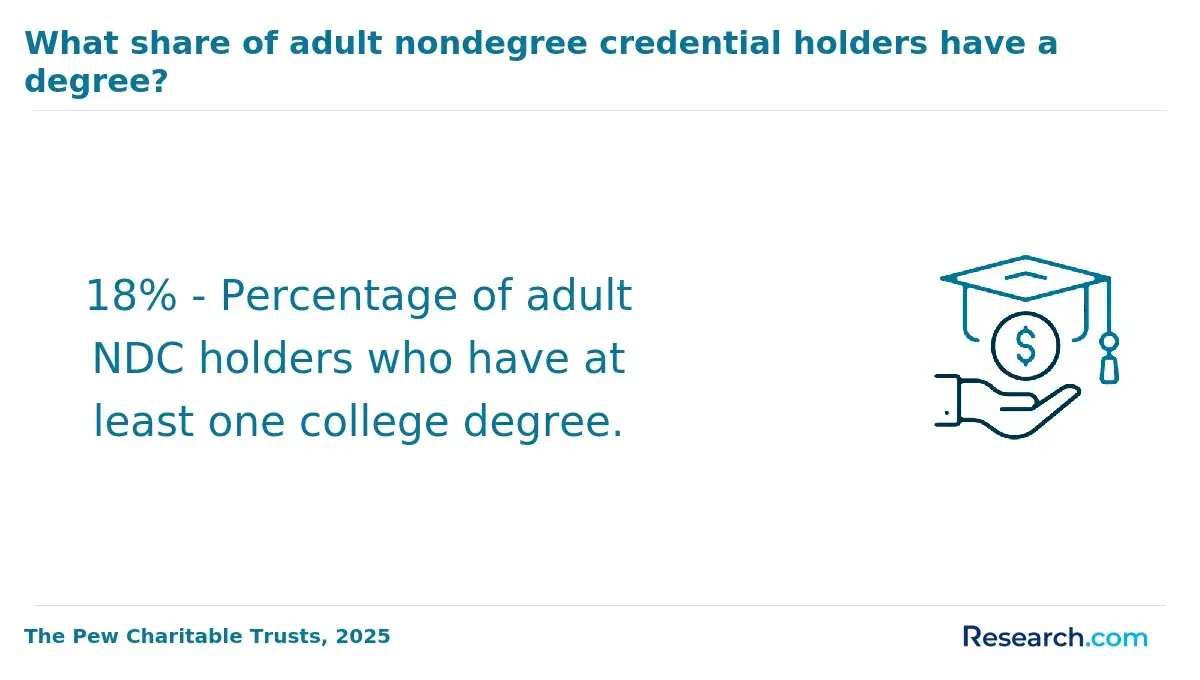
Completion rates for forensic nursing degrees vary notably by format, with fully online programs generally showing the greatest difficulty in retention. Data from the National Center for Education Statistics in 2024 reports that online completion rates lag behind campus-based programs by approximately 10-15%, largely due to challenges like limited real-time interaction and reliance on self-discipline. Hybrid programs fall in between, as their blend of remote and face-to-face components offers some structure but introduces logistical complexities, such as balancing travel and scheduling, which can disrupt student momentum. Campus programs, benefiting from a highly structured environment and direct access to clinical experiences and peer support, consistently sustain higher completion rates around 75-85%, making persistence easier for many students.
Considering these dynamics, it's clear no format is inherently simple; rather, success depends on a student's ability to navigate unique obstacles each mode presents. For example, a working parent enrolled in an online forensic nursing program may struggle with isolation and time management during late study hours, whereas a hybrid student might find frequent commutes to campus taxing alongside job commitments. The campus learner, despite the structured environment, might face pressure from fixed schedules and location constraints. Each setting demands tradeoffs in flexibility, engagement, and accountability that critically influence degree completion and subsequent career readiness.
One graduate recalled initially choosing the online route for its flexibility to balance caregiving and work but quickly found the lack of immediate peer interaction challenging. They described feeling isolated during complex coursework, leading to moments of self-doubt and nearly dropping out. Ultimately, reaching out to professors and establishing a virtual study group made a significant difference, underscoring how proactive support-seeking strategies can bridge gaps inherent in online learning. This experience highlights that while the online format can be the hardest to complete, individual resourcefulness and adapting study habits play a decisive role in overcoming these obstacles.
How Does Each Forensic Nursing Learning Format Affect Student Success?
Success in forensic nursing degree programs hinges less on the learning format itself and more on how well the chosen method fits a student's learning style, time constraints, and personal obligations. Some learners thrive in structured campus settings, while others need the flexibility offered by online or hybrid models to manage work and family demands. Realistic self-assessment about these factors is crucial to avoid mismatched expectations that can lead to lower completion rates. Below are key ways in which different formats shape student outcomes in forensic nursing education.
- Flexibility and Time Management Skills: Online programs offer unmatched scheduling flexibility, making them ideal for students balancing employment or caregiving responsibilities. However, this advantage can become a pitfall for learners who struggle with self-discipline, as the absence of fixed class times may reduce accountability and delay progress.
- Access to Hands-On Training: Forensic nursing demands practical clinical skills that are difficult to fully replicate online. Campus-based programs excel by providing immediate faculty supervision and hands-on labs, enhancing competency development and boosting student confidence in real-world settings.
- Peer Interaction and Support Networks: Hybrid programs uniquely blend face-to-face engagement with online convenience, fostering stronger academic support communities compared to fully online formats. Such interaction often correlates with higher retention and better performance, especially where collaboration and communication skills matter.
- Faculty Availability and Engagement: Direct access to instructors is a critical factor for navigating challenging material and maintaining motivation. Students in campus or hybrid settings typically benefit from more frequent, personalized contact, while those fully online may face delayed responses that hinder timely understanding and encouragement.
- Geographic and Lifestyle Constraints: Students in remote areas or with restrictive schedules may find campus attendance impractical, making online or hybrid options the only viable pathways. Nevertheless, this convenience can come at the cost of less immersive educational experiences, which can affect depth of learning and skill acquisition.
- Completion Rates Reflect Format Tradeoffs: According to the National Student Clearinghouse Research Center (2024), forensic nursing students in fully online programs exhibit noticeably lower completion rates than those enrolled on campus. Hybrid formats tend to bridge this gap, demonstrating better persistence likely due to their balanced blend of flexibility and structured interaction.
How Does Enrollment Status Affect Forensic Nursing Completion Rates?
Enrollment status remains one of the most critical determinants of forensic nursing degree completion rates, but its effect varies significantly depending on a student's wider life context, not just course load. Choosing between full-time and part-time study goes beyond simple calculations of credit hours; it involves balancing factors like work commitments, family responsibilities, and access to academic resources that influence sustained progress. Understanding these nuances helps students select an enrollment pace aligned with their practical realities and long-term goals. The following points outline key ways enrollment status impacts forensic nursing success.
- Time Commitment and Immersion: Full-time students benefit from the ability to fully immerse themselves in coursework and clinical experiences, supporting steady academic momentum. Those with fewer external demands can often complete the program more quickly, while part-time students juggling jobs or family must navigate a slower but more manageable pace.
- Structured Pacing Benefits: Online forensic nursing programs frequently implement schedules favoring full-time enrollees, with regular deadlines that help maintain engagement. Part-time students may struggle to meet these timelines amid other responsibilities, increasing the risk of attrition or extended completion times.
- Access to In-Person Support: On-campus options generally offer the highest full-time completion rates due to immediate faculty and peer support, which is harder to leverage for part-time students with limited campus presence. This disparity can influence persistence and the ability to address academic challenges promptly.
- Clinical and Practical Training Intensity: The demanding hands-on components of forensic nursing require consistent scheduling and physical presence, favoring full-time students who can prioritize these experiences. Part-time students often find coordinating clinical hours with external commitments challenging, potentially delaying graduation.
- Long-Term Workforce Entry: Data from recent government education reports indicate full-time students in forensic nursing programs finish degrees approximately 30% faster than part-time peers, translating to earlier workforce entry. However, those needing flexibility might prioritize part-time enrollment despite this tradeoff.
- Balancing Life Commitments: Part-time enrollment serves students managing significant outside obligations, such as caregiving or full-time employment, allowing steady progress without burnout. Prospective students should honestly assess their support systems to decide if slower pacing will ultimately improve completion likelihood.
- Impact of Social Integration: Full-time study enhances immersion in the academic community, which fosters motivation and resource access. Students who thrive on peer interaction may find part-time formats isolating, requiring proactive strategies to maintain engagement.
Forensic nursing degree completion rates by enrollment status must be weighed alongside individual circumstances to identify the optimal approach. Those seeking insight into program formats can also explore the best online registered dietitian programs as one example of assessing program structures that accommodate diverse student needs while ensuring practical career readiness.
Can Transfer Credits Improve Forensic Nursing Degree Completion?
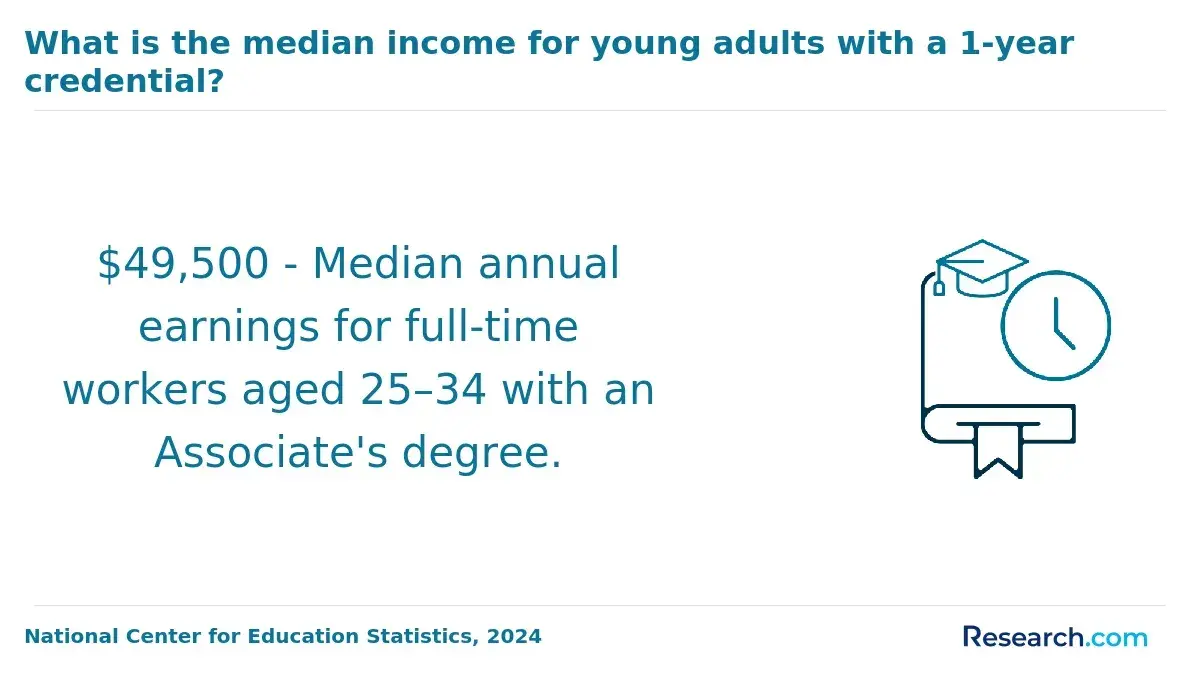
Transfer credits can play a significant role in speeding up the completion of forensic nursing degrees, but their impact differs based on program format and institutional policies. According to 2024 data from the National Center for Education Statistics, students who transfer applicable credits-especially those from accredited community colleges or prior recognized training-have about a 15% higher graduation rate within six years compared to those without transfer credits. This advantage, however, is most evident in online and hybrid forensic nursing programs, which tend to provide more flexibility and broader credit acceptance to accommodate working professionals and non-traditional learners.
Online programs often allow for a wider range of transfer credits, helping students avoid repetitive coursework and maintain momentum, thereby shortening their time to degree completion. Hybrid programs also balance flexibility with some in-person requirements, making credit transfers moderately beneficial. In contrast, campus-based forensic nursing programs frequently impose stricter residency requirements, limiting transferable credits and potentially extending the path to graduation. These variations mean that the mere availability of transfer credits does not guarantee a faster or easier completion timeline for every student.
Forensic nursing students with previous college credits, military education, or professional certifications may benefit differently depending on how those credits align with specific program prerequisites and the clinical experiences required. Since many forensic nursing programs have substantial hands-on components that cannot be substituted with transfer credits, students still need to fulfill critical on-site coursework regardless of transferred credit.
Prospective students should carefully review each program's transfer policies and clinical requirements, request an official credit evaluation, and compare remaining course loads with their personal ability to maintain a consistent enrollment pace. This deliberate approach helps determine whether transferring credits will meaningfully reduce time to degree. While transfer credits can enhance completion rates by eliminating redundant classes and lowering costs, they represent one element among many-including program format, academic support, and personal circumstances-that collectively influence successful degree attainment.
What Student Support Services Improve Forensic Nursing Completion Rates?
Student support services significantly influence completion rates in forensic nursing degree programs, with varying impacts depending on the delivery format. Research from the National Center for Education Statistics and recent industry analyses show that integrated academic and mental health supports contribute to persistence, especially in demanding fields like forensic nursing. Considering the diverse needs of online, hybrid, and campus students, the following key support mechanisms are most strongly linked to improved graduation outcomes.
- Virtual academic advising and tutoring: For online students, access to immediate, personalized academic assistance helps bridge the isolation gap inherent to remote learning. These services mitigate confusion over complex course material while accommodating diverse schedules.
- Flexible hybrid office hours: Hybrid students benefit from both virtual and on-site office hours that enhance engagement and adaptability. This flexibility supports balancing hands-on learning with remote coursework demands.
- Simulation labs and face-to-face faculty interaction: Campus students gain practical skills through simulation-based training and direct mentorship, reinforcing competency in forensic nursing's intricacies and boosting confidence.
- Early alert and peer mentoring systems: Proactively identifying students at academic risk through monitoring tools allows timely intervention. Peer mentors provide relatable guidance, fostering accountability and community support crucial for retention.
- Mental health counseling and stress management resources: These services address the emotional toll of forensic nursing studies and aid in sustaining motivation. Easy access, especially on campus, correlates with higher persistence rates.
- Integrated career services tailored to forensic nursing: Programs offering specialized career preparation and networking opportunities facilitate smoother transitions into the workforce, which reinforces students' commitment to completing their degrees.
- Personalized mentorship programs: Institutions with virtual mentorship frameworks report up to a 12% rise in completion rates by providing consistent, individualized support and professional role modeling.
One online forensic nursing graduate recounted how initially juggling full-time work and study seemed overwhelming. She hesitated to reach out, fearing impinging on limited faculty time, but when she finally engaged virtual advising and joined a mentorship program, her academic confidence improved. These services offered clarity on navigating the curriculum and emotional support during burnout episodes, ultimately enabling her to persist through challenging courses that she otherwise might have dropped. This experience underscores how tailored support amplifies completion chances by addressing both academic hurdles and personal resilience.
How Do Forensic Nursing Completion Rates Affect Career Outcomes?
Completion rates among forensic nursing degree programs have a direct impact on graduates' professional trajectories, influencing both immediate job prospects and long-term career mobility. Data from 2024 shows that students who complete bachelor's degrees in forensic nursing, regardless of whether their studies were online, hybrid, or campus-based, experience notably higher employment and earnings than those who do not finish. Yet, these outcomes depend heavily on the mode of delivery, with real tradeoffs between flexibility and hands-on experience shaping completion likelihood and skill mastery. Below are key career outcomes tied to successful degree completion.
- Increased employability in specialized roles requires completion of essential clinical training and certification: Graduates who finish their degrees demonstrate verified competencies sought by hospitals, law enforcement collaborations, and legal teams. Persistence through graduation establishes credentials that partial or incomplete study paths do not provide. Students balancing work and family often face challenges with online formats, which may reduce completion rates and delay workforce entry.
- Higher lifetime earnings and faster promotion trajectories often stem from program format and completion status: Campus-based programs typically yield higher completion due to structured schedules and in-person mentoring, leading to initial job placements that enable quicker advancement. Hybrid programs offer a middle ground, combining flexibility with crucial practicums that enhance readiness. However, degree completion alone does not guarantee promotions-it augments potential when paired with performance and market demand.
- Greater likelihood of pursuing graduate education and expanded professional roles follows successful degree completion: Completing a forensic nursing degree correlates strongly with enrollment in graduate programs, paving paths into research, teaching, and leadership positions. This progression depends on the foundational knowledge and credentials earned at the undergraduate level, which are less accessible without completion.
- Alignment with employer expectations improves when completion includes hands-on clinical experience: Employers prioritize candidates who have engaged in immersive practicum settings, which are more common in campus and hybrid formats. These experiences help bridge theoretical knowledge with practical skills, essential for forensic nursing roles involving real-world collaboration and investigation.
- Program format influences completion likelihood and, by extension, long-term career benefits: Online programs offer critical accessibility but often have lower completion rates, affecting earnings and re-entry speed into the forensic nursing workforce. Students should assess how well each program format supports completion and eventual career goals to make informed choices that reflect their personal circumstances and professional ambitions.
A prospective student considering how different formats affect career outcomes might also explore related healthcare training opportunities, such as accelerated pharmacist programs, which likewise illustrate the complex balance between completion rates, educational delivery methods, and workforce success in specialized nursing and healthcare fields.
How Should Students Choose the Best Forensic Nursing Learning Format?
Completion rates and long-term success in forensic nursing programs hinge on aligning one's learning environment with personal circumstances and study habits. Recent 2024 research from higher education authorities shows that factors like work commitments, time management, and preferred learning styles directly correlate with how well students perform across online, hybrid, and campus formats. For example, a working professional managing family duties might thrive in a hybrid program that balances flexibility with some structured engagement. Key considerations for choosing the best forensic nursing degree format follow.
- Self-discipline and Time Management: Online programs demand strong self-motivation and scheduling skills. Students without these may struggle with the higher attrition rates commonly reported in fully online forensic nursing programs.
- Access to Hands-On Training: Campus formats offer immersive, practical experiences essential to mastering forensic nursing skills, enabling immediate mentorship and clinical practice that virtual options may lack.
- Work and Family Commitments: Hybrid and online pathways cater to students balancing jobs or caregiving, but success depends on realistic assessments of available study time and institutional support.
- Learning Style Preferences: Those who benefit from direct, synchronous interaction often perform better in campus or hybrid settings, while self-directed learners may excel online if resource access is sufficient.
- Program Completion Rates by Format: Evidence indicates campus-based forensic nursing programs tend to have the highest completion rates, followed by hybrid models, with fully online programs exhibiting more variability depending on student support services.
- Long-Term Career Implications: Choosing a format that ensures completion without sacrificing practical skills is critical, as forensic nursing requires both theoretical knowledge and clinical proficiency.
- Availability of Support Services: Institutional resources like tutoring, career advising, and technical assistance often differ by format and can influence persistence and success.
For those exploring options in related fields, researching pathways such as an addiction counseling degree online might offer insights on balancing program formats with real-world obligations.
What Are the Long-Term Pros and Cons of Each Forensic Nursing Learning Format?
Long-term outcomes for forensic nursing students vary significantly between online, hybrid, and campus programs, each offering distinct benefits and challenges that shape completion rates and career readiness. For example, a working professional pursuing flexibility may choose an online format but risk lower hands-on skill mastery. Below are key considerations to guide students in selecting the most suitable learning approach.
- Completion Rates and Retention: Campus programs exhibit the highest graduation rates due to structured schedules and immersive support, while hybrid formats improve completion over fully online options by balancing flexibility with in-person engagement. Online learners often face increased dropout risk but benefit from accessibility.
- Practical Skill Development: Campus and hybrid students gain more hands-on experience critical for forensic nursing roles, whereas online programs may limit opportunities for clinical practice, potentially affecting employability in skills-based positions.
- Networking and Professional Connections: Face-to-face formats foster relationships with peers and mentors vital for career advancement, while online learners encounter fewer networking prospects, possibly slowing long-term growth.
- Flexibility and Accessibility: Online programs serve self-directed students managing work or family, offering scheduling freedom unattainable in campus settings, which require physical presence and fixed hours.
- Employer Perceptions and Credential Value: Hybrid formats often balance convenience with credibility, as employers favor demonstrated clinical competence typically stronger in campus-trained graduates, impacting job placement rates.
- Geographic and Personal Constraints: Candidates in remote areas or with caregiving duties may find online options essential, despite trade-offs in experience, while those able to attend campuses access richer resources and mentorship.
References
- UKAFNP | Courses https://www.ukafnp.org/courses
- FNCB Forensic Nurse Core Competencies - Forensic Nursing Certification Board https://goforensicncb.org/competency/
- What is a Forensic Nurse in the USA? | Shiftmed Blog https://www.shiftmed.com/professionals/blog/what-is-a-forensic-nurse/
- Forensic Nursing FAQs https://aihcp.net/forensic-nursing-faqs/
- Online RN to MSN - Forensic Nursing | Aspen University https://www.aspen.edu/nursing/rn-msn-forensic-nursing/
- The Best Online Forensic Nursing MSN Degree Programs https://www.edumed.org/online-schools/nursing-rn-programs/masters-msn/forensic-nursing/
- Forensic Nurse Salary, Career Outlook & Education Requirements https://www.forensicscolleges.com/careers/forensic-nurse
- Forensic Nurse Examiner Education for RNs https://www.bcit.ca/programs/forensic-nurse-examiner-education-for-rns-microcredential-part-time-0804cm/
- Forensic Nursing Degree Programs https://www.criminaljusticedegreeschools.com/degrees/forensic-nursing-degree/
- Online Forensic Nursing Graduate Certificate Programs https://www.graduatecertificate.org/programs/forensic-nursing/
Other Things You Should Know About Forensic Nursing
Clinical practicum requirements often pose a significant challenge that impacts completion rates differently by format. Forensic nursing programs delivered fully online may offer more flexible scheduling or partnerships with local clinical sites, easing completion obstacles. In contrast, campus programs typically have more structured, on-site clinical placements with less flexibility, which can result in schedule conflicts for students balancing work or family obligations. Hybrid students benefit from a blend, but must navigate both online coursework and in-person clinical demands effectively, making time management critical to completion.
Employer perceptions can directly affect students' motivation to complete their degrees. Campus programs frequently hold a traditional reputation that can be valued more highly by some healthcare employers, potentially encouraging students to persist despite challenges. Conversely, online forensic nursing degrees-while growing in acceptance-sometimes face skepticism in competitive job markets, which may affect the perceived return on investment and impact persistence rates. Hybrid programs often strike a middle ground but require students to verify employer preferences in their target job market before choosing a format.
Workload intensity and pacing differ considerably across program formats, influencing burnout rates significantly. Online formats often allow self-paced learning, which benefits students with competing responsibilities but may lead to procrastination and disengagement without strong discipline. Campus programs have fixed schedules and deadlines that can provide structure but may overwhelm students with full-time commitments, leading to higher dropout risks if support is insufficient. Hybrid models require balancing both modalities, demanding solid organizational skills; students struggling here risk burnout if they underestimate the combined workload.
Prioritizing flexibility typically benefits working adults and those with caregiving duties by accommodating unpredictable schedules, thus improving completion probability in online or hybrid formats. However, students who perform better with direct interaction and hands-on learning might increase their completion chances by choosing campus-based programs despite reduced scheduling flexibility. Forensic nursing's practical skill demands mean students who rely heavily on face-to-face mentorship and immediate feedback should lean toward campus or hybrid options, while those confident in self-directed learning should give higher priority to flexible online pathways.