2027 Forensic Nursing ROI by Institution Type: Public vs Private vs Nonprofit Online Programs

Co-Founder and Chief Data Scientist
Imagine a prospective forensic nursing student scrutinizing three online programs that seem equally convenient yet vary widely in tuition costs, graduation rates, and institutional support. The stakes are concrete: choosing a higher-cost private program with a 52% graduation rate versus a public alternative boasting 68% completion can sharply influence student debt levels and employability. A 2024 National Student Clearinghouse report highlights rising concerns about extended time-to-degree in online programs, impacting both debt accrual and workforce entry speed.
Such data underlines how institutional type affects real outcomes beyond sticker prices. This article analyzes forensic nursing ROI by institution type to clarify these critical differences for informed program selection.
Key Things to Know About Forensic Nursing ROI by Institution Type
- Public institutions often offer lower total costs but longer completion times, increasing indirect expenses and delaying workforce reentry, which may reduce immediate ROI despite affordability advantages.
- Private programs typically have higher tuition yet stronger employer recognition and accreditation, impacting job placement rates and credential value, though increased debt load can affect long-term financial flexibility.
- Nonprofit online schools tend to balance flexibility with moderate costs, benefiting working adults, but variance in learner support influences graduation rates, making institutional reputation crucial for career advancement prospects.
- Key Things to Know About Forensic Nursing ROI by Institution Type Key Things to Know About Forensic Nursing ROI by Institution Type
- What Does ROI Mean for a Forensic Nursing Program and How Is It Measured? Understanding Forensic Nursing Program ROI
- How Do Public, Private, and Nonprofit Online Forensic Nursing Programs Differ in Overall Value? Value by Institution Type
- How Do Tuition Costs Affect the ROI of a Forensic Nursing Program Across Institution Types? Tuition Costs and ROI
- How Do Graduation Rates Influence Forensic Nursing Program ROI? Graduation Rates Impact ROI
- What Role Do Career Outcomes Play in the ROI of a Forensic Nursing Degree? Career Outcomes and ROI
- How Does Student Debt Impact the Long-Term ROI of a Forensic Nursing Program? Debt vs. Long-Term ROI
- How Do Flexibility and Adult Learner Support Affect Forensic Nursing Program Value? Flexibility and Program Value
- How Do Accreditation and Institutional Reputation Influence Forensic Nursing ROI? How Do Accreditation and Institutional Reputation Influence Forensic Nursing ROI?
- How Does Time-to-Degree Affect the ROI of Public, Private, and Nonprofit Forensic Nursing Programs? How Does Time-to-Degree Affect the ROI of Public, Private, and Nonprofit Forensic Nursing Programs?
- How Can You Choose the Best Forensic Nursing Program Based on Your ROI Goals? Choosing Programs by ROI
What Does ROI Mean for a Forensic Nursing Program and How Is It Measured?
Return on investment for forensic nursing programs should be understood as a nuanced balance of educational expenses, time commitments, and the resulting career outcomes rather than a simple cost-versus-salary calculation. For example, choosing a public online program with lower upfront tuition may reduce debt burdens but could come with longer time-to-degree or fewer learner support services, potentially extending opportunity costs such as lost wages. Conversely, private or nonprofit online programs often charge higher tuition but may deliver enhanced graduation rates and access to specialized certificates, factors that can elevate employability and long-term earnings. Many students wrestle with these tradeoffs, weighing how institutional reputation and program completion speed affect realized return on investment given their personal circumstances and career goals.
Measuring forensic nursing program effectiveness demands attention to key metrics like total cost-including fees and ancillary expenses-combined with graduation rates and job placement in forensic nursing roles. A 2024 study from the American Association of Colleges of Nursing highlights that programs with robust learner support can boost graduation rates by up to 15%, a critical element in reducing time-to-degree and easing debt accumulation. Additionally, prospective students must evaluate how program accreditation influences credential recognition among employers, a practical consideration often missed in surface-level ROI comparisons. Those exploring the question of how much is the RN program should adopt a comprehensive outlook that aligns educational choices with both financial realities and long-term career advancement pathways.
How Do Public, Private, and Nonprofit Online Forensic Nursing Programs Differ in Overall Value?
Public, private, and nonprofit online forensic nursing programs present distinct tradeoffs that extend beyond tuition fees, shaping long-term value depending on student priorities. Public programs typically offer lower in-state tuition and modular course designs appealing to working adults needing flexibility, yet they may lag behind in graduation and retention rates compared to nonprofit options. Nonprofit programs often command higher costs but compensate with stronger accreditation, enhanced student support, and established employer partnerships, factors shown to improve graduate employment prospects and reflect in retention rates that can be 5-10% higher, according to recent Postsecondary Education Research Institute data. Private programs may entail elevated student debt but often feature smaller class sizes and specialized curricula that foster more intensive skill development; however, their financial returns depend heavily on personal career goals and tolerance for upfront expenses.
Employer preference trends suggest a slight bias toward graduates from accredited private or nonprofit institutions, driven by perceived academic rigor and reputational weight, which can influence job placement in competitive healthcare settings. Yet, for many cost-conscious learners, the lower debt burden associated with public institutions may yield better financial outcomes despite fewer amenities. This nuanced landscape compels prospective students to weigh affordability against support services, institutional reputation, and potential salary differences. The decision is rarely clear-cut, especially for career changers or transfer students balancing work and education who must factor in time to degree, financial aid availability, and how each model aligns with long-term career trajectories in forensic nursing.
One recent graduate tracked public, private, and nonprofit online forensic nursing programs, initially drawn to a reputable nonprofit for its career services and alumni network but hesitant about higher tuition and debt. After comparing real graduation metrics and considering employer feedback, they opted for a public program offering asynchronous courses suited for their shift work and manageable costs, supplemented by strong academic advising. This choice balanced practical flexibility with support, allowing them to complete the degree on schedule without excessive debt, illustrating how individual circumstances shape perceptions of overall program value beyond sticker price alone.
How Do Tuition Costs Affect the ROI of a Forensic Nursing Program Across Institution Types?
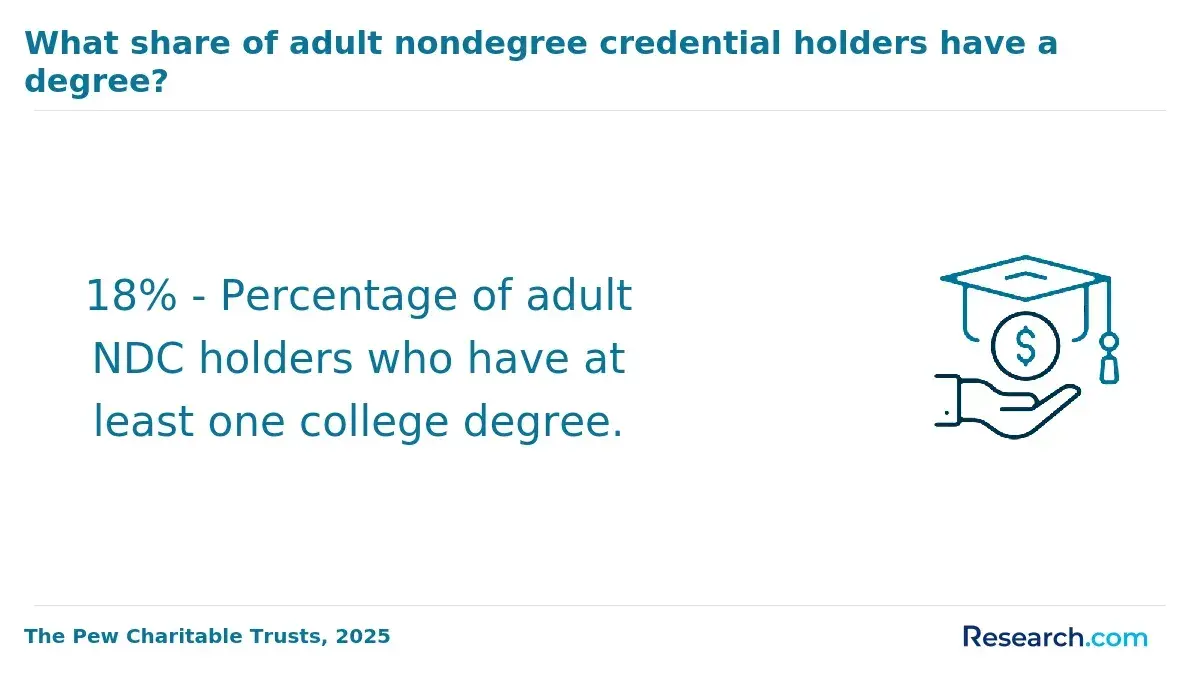
Tuition costs significantly influence the return on investment for forensic nursing programs, yet a lower sticker price does not guarantee better value. According to National Center for Education Statistics data from 2024, public online graduate programs typically charge between $8,000 and $15,000 annually, while private nonprofit counterparts range from $20,000 to $35,000. While lower-cost public programs may reduce student debt and speed financial recovery post-graduation, their reduced tuition often reflects differences in academic flexibility, student support, and completion rates. For example, a student graduating from a private nonprofit program, despite higher initial debt, might benefit from stronger employer networks and higher graduation rates, which collectively can improve job placement and long-term earnings in ways that offset upfront costs.
The overall ROI landscape depends on nuanced factors beyond tuition alone. Financial aid can cut total costs by 20 to 40 percent for many public programs, but private nonprofit programs often report graduation rates 10 to 15 percent higher, which directly reduces time-to-degree and associated expenses. Furthermore, borrowing patterns influence break-even timelines; students who incur higher debt from private institutions face increased financial pressure but sometimes access advanced career opportunities unavailable to those from lower-cost programs. Thus, learners must weigh the tradeoff between tuition, support services, and career relevance to align investments with their individual financial situations and professional aspirations.
How Do Graduation Rates Influence Forensic Nursing Program ROI?
Graduation rates act as a practical barometer of institutional effectiveness and have a direct influence on the return on investment (ROI) for forensic nursing online programs. Public institutions often demonstrate graduation rates near 55%, which tends to reflect greater academic support and resources, facilitating timely degree completion and earlier workforce entry. In contrast, private and nonprofit programs, with rates between 40% and 50%, may offer smaller class sizes and personalized advising but often serve nontraditional learners who face increased persistence challenges, which can delay completion and inflate costs.
Relying solely on graduation success rates oversimplifies the ROI calculus, especially for forensic nursing online programs where part-time enrollment and external obligations are common. Students balancing work and family may benefit from flexible pacing, even if it extends time-to-degree, impacting short-term ROI but potentially increasing completion likelihood. Additionally, debt levels relative to median forensic nursing salaries and employer recognition of program outcomes weigh heavily in cost-conscious decisions. Those exploring accelerated pathways may consider a LPN accelerated program as an alternative route to entering the field more rapidly while managing educational expenses.
Ultimately, prospective forensic nursing students must interpret graduation rates within the broader context of institutional mission, student demographics, and support systems to assess long-term educational value. While higher completion rates generally align with reduced financial risk and greater opportunity, evaluating program flexibility, retention efforts, and career relevance remains crucial for assessing the true ROI of these programs.
What Role Do Career Outcomes Play in the ROI of a Forensic Nursing Degree?
Career outcomes directly shape the return on investment (ROI) of forensic nursing degrees by determining how quickly graduates convert education into workforce value, especially when comparing public, private, and nonprofit online programs. According to a 2024 National Center for Education Statistics report, graduates from public and nonprofit institutions generally attain higher immediate employment rates-around 85%-versus 78% for private program completers. This gap reflects differing employer perceptions and curriculum alignment; public programs often embed state or federal healthcare priorities, enhancing skill relevance and job stability. Meanwhile, nonprofit schools may boost ROI through specialized training and community partnerships that facilitate networking and advanced study, whereas private programs can offer flexible formats but sometimes deliver less consistent employer recognition, affecting graduates' career mobility and earning potential over time.
Evaluating ROI must also consider how educational costs, student debt, and time-to-degree intersect with these employment outcomes. For instance, a working professional choosing a private online option might favor scheduling flexibility despite the possibility of slower career gains or weaker industry alignment, potentially extending the period before debt is recovered. Conversely, students aiming for long-term stability might prioritize public institutions with higher job placement and credential recognition, even if upfront tuition is marginally greater. These tradeoffs illustrate that career outcomes should not be viewed in isolation but integrated with financial considerations and job market realities specific to forensic nursing's evolving demands.
One graduate who pursued a nonprofit online forensic nursing program recounted initially wrestling with whether the degree's cost justified the uncertain career boost because the private sector's flexible alternatives seemed more immediately affordable. Over time, however, the graduate noted that employer recognition of the credential gradually opened doors to specialized assignments and internal promotions that had been elusive before. Though the salary increases were incremental, the expanded responsibilities and clearer pathway for credential-based advancement eventually validated the program's long-term ROI beyond mere financial metrics.
How Does Student Debt Impact the Long-Term ROI of a Forensic Nursing Program?
High student debt burden in forensic nursing education fundamentally alters the long-term ROI by shifting loan repayment obligations against salary potential and career progression. Graduates from private online programs often face significantly higher borrowing due to elevated tuition and less accessible financial aid, which can strain cash flow despite forensic nursing salaries aligning closely with public health benchmarks. In contrast, public institutions typically offer lower total costs and more substantial state-based aid, improving debt-to-earnings ratios and reducing the risk of delayed financial milestones like homeownership. For example, a forensic nurse graduating with $70,000 in debt from a private program may have fewer resources for savings or professional development compared to a peer who borrowed $40,000 from a public program with similar employment outcomes.
Graduation rates and time-to-completion also impact the financial impact of student loans on forensic nursing graduates. Nonprofit online programs, while sometimes charging higher tuition, often provide better completion rates and stronger financial counseling, which can minimize prolonged borrowing and support earlier workforce entry. Still, prospective students should carefully evaluate how debt interacts with program quality, flexibility, and networking value, as the ROI can vary notably across institutional types. Considering these factors is especially important for adult learners and career changers balancing education costs against long-term career adaptability. Exploring options like an online bachelor's degree in nutrition can offer insight into value-based program selection within healthcare education pathways.
How Do Flexibility and Adult Learner Support Affect Forensic Nursing Program Value?
Flexibility and adult learner support directly shape the long-term value of online forensic nursing programs by affecting persistence, time-to-degree, and overall costs. Programs emphasizing asynchronous coursework and part-time enrollment tend to improve completion rates, allowing students to maintain employment and family responsibilities concurrently. For example, a working parent benefiting from streamlined transfer policies and dedicated academic advising may reduce time lost between prior credits and degree progress, enhancing return on investment despite a potentially longer time-to-degree than more rigid schedules. Conversely, programs with accelerated timelines but less flexible support can result in higher immediate costs and income disruption, requiring careful weighing of short-term affordability against post-graduation outcomes.
Variation between public, private, and nonprofit institutions centers on how these supports are delivered and at what price. Public programs typically provide accessible advising and accommodations for nontraditional students, contributing to lower dropout rates but sometimes slower completion. Private institutions may offer more hands-on faculty interaction and intensive career services that can facilitate faster entry into the workforce, though often with a higher debt burden that offsets quick placement advantages. Nonprofits often prioritize transfer credit acceptance and services tailored to military-affiliated learners, balancing affordability with targeted student retention strategies. Given that employer demand increasingly favors candidates demonstrating not only qualifications but practical readiness, adult learner supports that align academic progress with workforce reentry are crucial in maximizing both educational and economic returns over time.
How Do Accreditation and Institutional Reputation Influence Forensic Nursing ROI?
Accreditation and institutional reputation critically shape the return on investment (ROI) for forensic nursing programs, especially when weighing public, private, and nonprofit online options. Programs with regional or programmatic accreditation not only support licensure eligibility and credit transfer but also significantly impact employability-graduates from regionally accredited programs show a 15% higher employment rate within 12 months according to the 2024 National Center for Education Statistics. Employers in forensic nursing often prioritize candidates from institutions known for rigorous academic and clinical standards, making reputation a practical filter during hiring. For example, a hiring manager may favor a graduate from a well-regarded nonprofit program with documented student support and high licensure pass rates over one from a lesser-known private online school lacking clear accreditation.
Choosing between public, private, and nonprofit online programs involves balancing cost, support, and long-term career flexibility. Public and nonprofit schools generally maintain consistent regional accreditation and offer transparent pathways for licensure and graduate study, often accompanied by better tuition rates and institutional support that can reduce student debt burdens. Private online programs might offer scheduling flexibility but vary widely in quality and recognition, risking weaker employer acceptance and limited credit transfer. The 2024 Healthcare Education Council found that 68% of forensic nursing hiring managers prefer graduates from reputable public or nonprofit programs, underscoring how institutional credibility directly affects ROI by shaping career opportunities and earning potential over time.
How Does Time-to-Degree Affect the ROI of Public, Private, and Nonprofit Forensic Nursing Programs?
Shorter time-to-degree can clearly reduce direct and indirect costs for students, but it also changes the opportunity cost landscape and sometimes the quality of education received. Public institutions, which often cater to working professionals through extended or part-time enrollment, generally have longer average completion times, often near four years for nursing-related master's degrees. This pacing tends to support higher completion rates and allows students to balance family and jobs, lowering risk of dropout and excessive debt burden. On the other hand, private and nonprofit online forensic nursing programs frequently promote accelerated pathways averaging around three years, which may appeal to those seeking swift credentialing but can heighten stress and reduce time for skill mastery, a key employer expectation in forensic nursing roles.
The effect of program duration on public private nonprofit forensic nursing return on investment becomes evident when weighing these tradeoffs. Transfer credit policies, more established in public institutions, can shorten time-to-degree and reduce costs further, influencing total debt levels and time before wage gains are realized. However, compressed timelines risk leaving gaps in clinical readiness or networking that often bolster long-term career stability. Adult learners must consider not just tuition and time saved but broader employment outcomes and career sustainability, especially when factoring in flexibility to accommodate work and family obligations typical of this field.
Prospective students evaluating accelerated NP programs will find these dynamics particularly relevant when comparing forensic nursing program ROI across institution types. While faster completion reduces the calendar cost of education, financial and professional returns are intricately linked to program rigor, flexibility, and success rates, highlighting that the shortest path is not always the highest return on investment for many adult learners balancing complex real-world demands.
How Can You Choose the Best Forensic Nursing Program Based on Your ROI Goals?
The highest ROI in forensic nursing program choices hinges on individual priorities rather than simply institution type. Public institutions often provide more affordable tuition and lower average student debt, making them appealing to cost-conscious learners aiming to minimize financial burden. However, private programs, despite typically higher costs and debt levels reaching upwards of $30,000 according to recent education data, may boast stronger graduation rates and access to specialized clinical partnerships that can accelerate employment outcomes. For working adults balancing employment and family, nonprofit online programs frequently offer a pragmatic balance through flexible pacing and asynchronous formats, which can reduce opportunity costs while maintaining reasonable educational quality.
Assessing forensic nursing program ROI requires evaluating beyond sticker price to include accreditation, career services, and institutional reputation relative to the local job market. Programs recognized by authoritative nursing bodies often correlate with improved employer acceptance, which matters for timely job placement and salary growth. Importantly, time-to-degree expectations and learner support structures significantly affect ROI, particularly for career changers or transfer students who require adaptable schedules. Students should also examine graduation and employment statistics carefully, as these vary widely between public, private, and nonprofit online institutions, shaping long-term career trajectories in forensic nursing and related areas like communication sciences and disorders programs.
Cost-conscious adult learners can enhance decision-making by consulting comprehensive sources such as communication sciences and disorders programs for comparative insights and trends. This comparison highlights the nuanced tradeoffs in financial aid opportunities, debt management, and career return on investment that vary across institution types, underscoring the necessity of matching program features with personal circumstances and professional goals to optimize forensic nursing program ROI.
References
- Forensic Nursing https://nursinglicensemap.com/advanced-practice-nursing/forensic-nursing/
- How to Choose the Right Nursing Program for Your Career Goals - Maria College https://mariacollege.edu/blog/how-to-choose-the-right-nursing-program-for-your-career-goals
- The Long-Term Effects of Student Loans | ACE Blog https://ace.edu/blog/the-long-term-effects-of-student-loans/
- Evaluating the Impact of Hospital Accreditation on Patient Safety Cult | JMDH https://www.dovepress.com/evaluating-the-impact-of-hospital-accreditation-on-patient-safety-cult-peer-reviewed-fulltext-article-JMDH
- Student debt hurts nursing students, too https://www.nysna.org/student-debt-hurts-nursing-students-too
- A Comprehensive Guide to Forensic Nursing https://nursingcecentral.com/lessons/a-comprehensive-guide-to-forensic-nursing/
- How Forensic Nursing Training Prepares You for Success https://aihcp.net/2024/08/22/how-forensic-nursing-training-prepares-you-for-success/
- Online RN to MSN - Forensic Nursing | Aspen University https://www.aspen.edu/nursing/rn-msn-forensic-nursing/
- How to Choose the Right Nursing Program | NursingEducation https://nursingeducation.org/resources/how-to-choose-the-right-nursing-program/
- New Certificate in Forensic Nursing Announced | Cedar Crest College https://www.cedarcrest.edu/cedar-crest-college-launches-new-certificate-in-forensic-nursing-to-tackle-nationwide-shortage/
Other Things You Should Know About Forensic Nursing
Private institutions often charge more, but they may offer accelerated formats and stronger employer networking that benefit working adults aiming for quick advancement. However, this premium only pays off if the student leverages enhanced career services and alumni connections to secure positions that compensate for the initial higher cost. For professionals prioritizing affordability and steady advancement over speed, public or nonprofit alternatives typically provide comparable outcomes with less financial strain.
Nonprofit programs frequently focus on mission-driven education, which can translate to strong clinical components and community engagement vital to forensic nursing roles. Yet, these programs may have less streamlined administrative processes or fewer elective options for specialization. Students should weigh the benefits of comprehensive practical training against potential limitations in flexible course offerings, particularly if they seek to tailor their education toward niche forensic nursing roles.
Employers typically prioritize clinical competency and certifications over the institution's public, private, or nonprofit status, but there can be nuanced preferences in competitive urban or specialized healthcare markets. Programs at private institutions might gain slight edge where brand recognition aligns with elite hospital affiliations. Still, focusing on gaining hands-on experience and maintaining certifications will generally have a more substantial impact on employability across all institution types than the institution's classification alone.
Transfer students often benefit most from public programs due to lower in-state tuition rates and established credit acceptance policies, which minimize overall time and cost to degree completion. Public institutions usually accommodate transfer credits more readily, reducing redundant coursework and extending ROI by accelerating entry into the workforce. For transfer students balancing cost and progression speed, public programs generally offer a more practical pathway compared to private or nonprofit institutions that may impose stricter transfer limitations.