2027 Forensic Nursing Career Outcomes by Degree Level Report: Pay, Employment, and Advancement Patterns

Co-Founder and Chief Data Scientist
Choosing the right degree level in Forensic Nursing can be a high-stakes dilemma for working professionals balancing time, cost, and long-term career impact. A 2024 study by the National Forensic Nursing Workforce Institute revealed that employment rates and promotional trajectories vary sharply by credential, emphasizing that advanced degrees significantly influence access to leadership roles and specialized positions. This pattern reflects not only employer preferences but also systemic barriers faced by transfer and military-affiliated students, who may struggle with degree mobility and credential recognition.
This article analyzes pay scales, employment outcomes, and advancement trends by degree level to help learners make informed decisions aligned with their career goals.
Key Things to Know About Forensic Nursing Career Outcomes by Degree Level
- Associate degrees yield quicker workforce entry, but 2024 labor data shows limited advancement beyond clinical roles, underscoring a tradeoff between fast employment and long-term career growth flexibility.
- Bachelor's and higher credentials correspond with 35% more hiring preference by forensic healthcare employers, reflecting a workforce trend favoring comprehensive clinical and investigative skills in candidate evaluation.
- Master's and doctoral pathways entail greater upfront time and cost, with certificate-only routes offering less advancement leverage, highlighting critical timing and investment considerations for career strategizing.
- Key Things to Know About Forensic Nursing Career Outcomes by Degree Level Key Things to Know About Forensic Nursing Career Outcomes by Degree Level
- What Career Outcomes Can Students Expect From Each Forensic Nursing Degree Level? Career Outcomes by Degree
- How Much Do Forensic Nursing Graduates Earn by Degree Level? Salary by Degree Level
- Which Forensic Nursing Degree Level Offers the Strongest Employment Prospects? Best Degrees for Employment
- What Entry-Level Jobs Can You Get With a Forensic Nursing Degree? Entry-Level Career Opportunities
- How Do Forensic Nursing Degree Levels Affect Career Advancement and Promotion Opportunities? Career Growth by Degree
- Is a Forensic Nursing Degree Worth It Based on Salary, Employment, and ROI? Salary, ROI, and Value
- How Do Associate, Bachelor's, Master's, and Doctoral Forensic Nursing Degrees Compare? Comparing Degree Levels
- Which Industries and Employers Hire Forensic Nursing Graduates by Degree Level? Which Industries and Employers Hire Forensic Nursing Graduates by Degree Level?
- What Skills, Credentials, and Experience Improve Forensic Nursing Career Outcomes? What Skills, Credentials, and Experience Improve Forensic Nursing Career Outcomes?
- Which Forensic Nursing Degree Level Is Best for Your Career Goals? Choosing the Right Degree
What Career Outcomes Can Students Expect From Each Forensic Nursing Degree Level?
Students and career changers must consider how these degree choices intersect with licensing, certification, and employment realities across diverse settings. For many, transferring prior credits into bachelor's or master's programs enhances progression efficiency. Practical factors such as internship availability, SANE certification alignment, and flexible delivery formats further influence career trajectories. Adult learners and military-affiliated students, for instance, may seek thoughtful program pathways to avoid redundant coursework while meeting state licensure and employer criteria. Those exploring specialized credentials like a cheapest online pharmacy school option can similarly benefit from evaluating how credential levels impact both immediate pay scales and emerging leadership prospects within forensic nursing.
How Much Do Forensic Nursing Graduates Earn by Degree Level?
Graduate degrees boost earning potential more distinctly; master's degree holders regularly surpass $95,000 due to eligibility for nurse practitioner roles, leadership posts, or academic positions, but this comes with added time and expense for completion, as well as more selective hiring requirements. Doctoral-level forensic nurses, though relatively few, command salaries ranging roughly from $105,000 to $120,000, reflecting work that blends advanced clinical expertise with research or policy influence.
Employment stability correlates with degree attainment as well, with lower unemployment rates reported for those holding bachelor's degrees or higher-under 3% compared to nearly 7% for associate-level or certificate holders, per 2024 National Center for Education Statistics data. For adult learners and working professionals, the decision to pursue further education should weigh these earnings and stability benefits against the costs and time involved, as well as the availability of transfer-credit routes or bridge programs. Geographic factors and employer preferences also shape compensation, suggesting that local market intelligence and realistic job matching are essential to interpreting wage data. Additionally, those aiming for leadership or specialized forensic nursing roles must anticipate more than paycheck differences; they should consider licensure, clinical experience, and credentialing hurdles linked to advanced degrees to fully assess the return on further education investment.
A forensic nursing graduate recalled hesitating to move from an associate degree program after seeing entry-level salaries and realizing the limited career scope without further credentials. She investigated local job postings and learned that many employers strongly preferred bachelor's-prepared candidates for examiner roles she targeted. Balancing the cost and time of additional schooling against the jump in median wages and better job security, she eventually pursued a bachelor's degree through a transfer-friendly program to accelerate completion while working part-time. This measured approach helped her avoid the frustration of stagnant pay while slowly building qualifications that aligned with her long-term career goals.
Which Forensic Nursing Degree Level Offers the Strongest Employment Prospects?
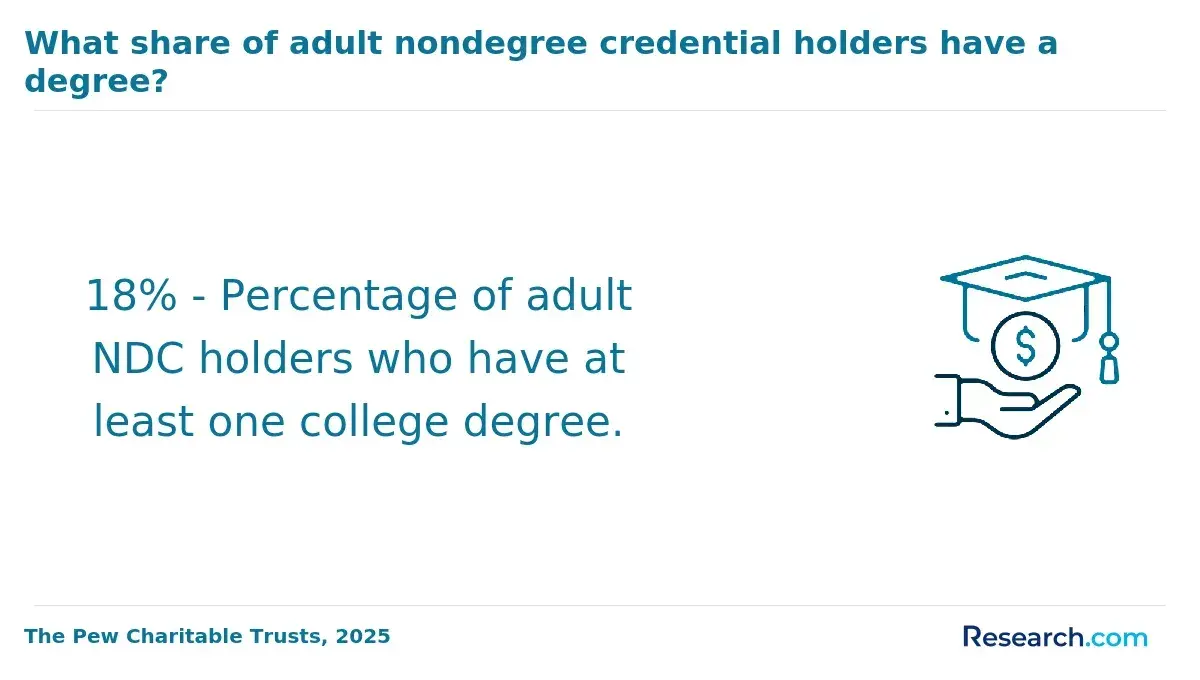
Employment outcomes for forensic nursing professionals vary notably by education level, with bachelor's degrees generally offering stronger market positioning due to employer preferences and credential requirements. Many forensic nursing roles, especially those involving independent clinical assessments or specialized investigations, mandate at least a baccalaureate education, which aligns with licensing standards and certification eligibility. For instance, a candidate holding only a certificate or associate degree may qualify for entry-level positions such as sexual assault nurse examiner under supervision, but will encounter limits in roles requiring autonomous judgment or leadership, particularly in regions with robust forensic healthcare sectors. Data from the U.S. Bureau of Labor Statistics indicates unemployment for bachelor's-prepared nurses in forensic specialties hovers near 3.5%, notably lower than the 6-8% range for associate or certificate holders, reflecting stronger employer confidence and expanded job access.
What Entry-Level Jobs Can You Get With a Forensic Nursing Degree?
Entry-level forensic nursing jobs in the United States often hinge on degree level and specialized credentials, shaping both job roles and career trajectories. While an associate degree can open doors to general nursing positions with some on-the-job forensic training, employers increasingly prioritize candidates with bachelor's or master's degrees for positions demanding direct forensic expertise, such as evidence collection or courtroom testimony. Practical experience through clinical rotations or internships significantly improves hiring prospects; a 2024 workforce analytics study showed that candidates with forensic practicum experience are 40% more likely to secure specialized forensic nursing roles. For many recent graduates, this distinction informs whether their entry position serves as a foundation for immediate forensic work or as a stepping stone requiring further certification and education.
Licensure as an RN is essential across all entry points, but additional certifications like Sexual Assault Nurse Examiner (SANE) provide critical differentiation, often required for roles focused on legal and investigative support. Geographic factors also influence opportunities, with urban centers offering more integrated forensic healthcare systems and thus more openings compared to rural areas, where hands-on forensic nursing remains less accessible. Understanding these variations is vital for forensic nursing career opportunities for recent graduates evaluating stability and skill development against advancement prospects.
Students seeking to optimize their path might research options through nursing schools that don't require TEAS, balancing exam prerequisites with program accessibility and workforce relevance.
How Do Forensic Nursing Degree Levels Affect Career Advancement and Promotion Opportunities?
Holding a bachelor's or higher degree in forensic nursing often expands access to supervisory and specialized roles unavailable to many associate degree holders, reflecting employer preferences for credentials linked to advanced clinical competence and leadership readiness. Forensic nurses with bachelor's or master's degrees typically experience more rapid career progression and eligibility for positions involving program management, policy development, or interdisciplinary coordination, largely because these roles demand comprehensive knowledge beyond initial licensure.
Conversely, those entering the field with an associate degree may start work sooner but frequently face slower promotion rates without supplementary certifications or continuing education, which highlights the tradeoff between early workforce entry and longer-term advancement potential. According to 2024 data from the National Center for Education Statistics and labor market analyses, most organizations prefer candidates with at least a bachelor's degree when filling roles that include evidence collection leadership or forensic education, underlining the importance of degree elevation for sustainable career mobility.
Transfer-friendly RN-to-BSN programs and graduate pathways serve as critical bridges for working nurses aiming to escape stagnation; however, returning professionals must weigh the opportunity cost of time and tuition against tangible promotion outcomes, especially given that ongoing certification maintenance often carries more long-term employability weight than the initial degree alone. Degree level also correlates with leadership readiness: master's graduates often find themselves uniquely qualified for administrative or academic appointments that require both clinical expertise and research literacy. For adult learners, military-affiliated students, or those with prior credits, strategically advancing to a bachelor's or graduate degree can unlock expanded roles but rarely guarantees automatic internal advancement without relevant experience or employer recognition.
A forensic nursing graduate recalled hesitating before committing to a master's program after several years in a clinical role because she wasn't certain the degree alone would increase eligibility for promotion in her hospital's hierarchical structure. She had witnessed colleagues with bachelor's degrees stagnate despite certifications, yet also saw that leadership roles frequently demanded a master's credential plus demonstrated program management skills. Ultimately, she decided to pursue the advanced degree while carefully documenting her clinical contributions, hoping the combination would position her competitively for upcoming supervisory vacancies. This experience underscores how degree attainment must be coupled with practical workplace validation to influence promotion opportunities decisively.
Is a Forensic Nursing Degree Worth It Based on Salary, Employment, and ROI?
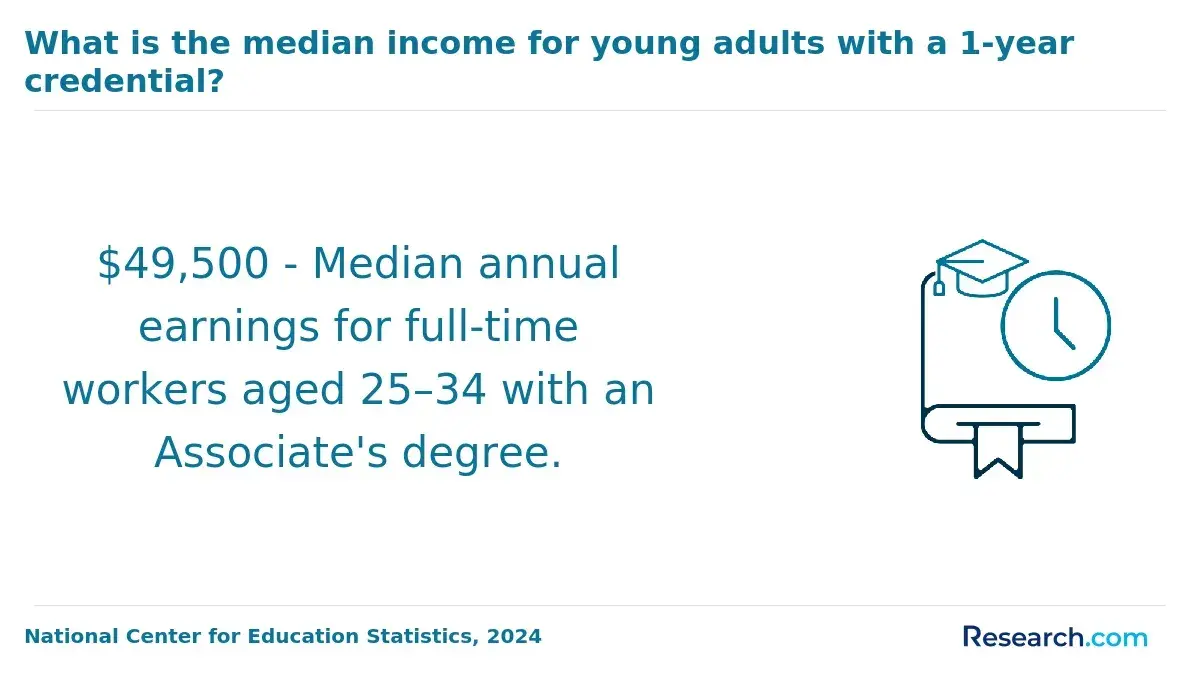
Salary trends for forensic nursing vary notably by degree level, with bachelor's degree holders generally earning significantly more than those with associate degrees due to expanded clinical duties and leadership roles. Forensic nursing salary trends by degree level reflect these differences, and real-world decisions hinge on whether the additional time and cost of a BSN program justify the expected increase in pay and job flexibility. For example, working adults balancing employment may find part-time or online BSN options necessary despite longer completion times, which affect opportunity costs and delay salary gains. Employment stability also ties closely to credentials-holding forensic certification alongside a nursing license enhances job security within niche labor markets that can otherwise be competitive or geographically limited.
Employment and ROI for forensic nursing graduates depend heavily on regional demand, institutional costs, and the ability to finish programs without substantial debt. Community colleges offer lower upfront costs with associate degrees but often yield reduced lifetime earnings, while bachelor's pathways involve larger initial investments that may pay off through higher salaries and leadership prospects. However, student loan default rates among nursing graduates caution against assuming universal financial benefit without considering debt burden and repayment feasibility. Career advancement typically favors those with BSN or higher, as employers value advanced credentials for forensic nursing roles, but prospective students must weigh these advantages against practical constraints like time, cost, and personal circumstances.
Prospective forensic nursing students seeking to upgrade their credentials or enter the field can explore various options, including online pathways designed for working professionals. For those comparing routes, the best RN to BSN programs offer flexible solutions, but choosing a degree entails understanding how degree level, employment prospects, and salary progression interact. Deciding whether to pursue further education in forensic nursing requires assessing not only immediate costs and salary potential but also local labor market demand, credentialing requirements, and long-term career mobility in a specialized and evolving healthcare sector.
How Do Associate, Bachelor's, Master's, and Doctoral Forensic Nursing Degrees Compare?
Choosing where to stop or continue education in forensic nursing has significant implications for professional trajectory, especially regarding role eligibility and leadership potential. Associate degrees often enable faster workforce entry due to shorter, less costly programs but confine graduates to fundamental care and evidence collection positions, limiting access to specialized certifications like SANE or supervisory roles. Employers increasingly view a bachelor's degree as a baseline credential, making it pivotal for those targeting more advanced licensure and broader job markets; data from the Bureau of Labor Statistics indicates over 15% projected growth for bachelor-prepared forensic nurses, highlighting more stable employment prospects.
Advancing to a master's degree typically opens pathways to advanced clinical responsibilities and administrative roles, leveraging interdisciplinary training valued for managing complex cases and influencing policy; this level also supports credit transfer from bachelor's programs, enabling strategic credential stacking but demands greater time and financial investment, which may not suit all learners.
Doctoral preparation primarily serves those pursuing executive leadership, academic faculty, or specialized forensic research, where the focus shifts from immediate pay to enhanced professional credibility and influence; however, these rigorous programs often pose completion challenges and do not guarantee proportional salary gains, underscoring a need to weigh long-term mobility against substantial educational commitment. Ultimately, aligning degree progression with specific career goals and employer expectations ensures practical returns, whereas indiscriminate pursuit of higher degrees may lead to diminishing operational value and extended time out of the workforce.
Which Industries and Employers Hire Forensic Nursing Graduates by Degree Level?
Employers in forensic nursing recruit differently based on degree credentials, reflecting distinct operational demands and role expectations. Associate degree holders typically enter clinical or correctional healthcare environments where direct patient care is essential, such as community hospitals or local health departments. For example, a nurse with an associate degree may serve in a correctional facility focusing on immediate trauma assessment, leveraging foundational nursing licenses like RN or LPN. The U.S. Bureau of Labor Statistics in 2024 highlights that about half of these graduates work in hospital or outpatient settings, indicating relatively stable entry-level opportunities but limited scope for specialized forensic functions or leadership roles.
Bachelor's degrees expand employment to government agencies, victim advocacy centers, and public health organizations with greater emphasis on evidence collection and legal collaboration. Many of these positions require certifications such as Sexual Assault Nurse Examiner (SANE), signaling that progression beyond the degree into specialized training is often expected. Meanwhile, master's and doctoral graduates occupy supervisory, educational, and research-focused roles within federal or academic institutions, where advanced clinical judgment and policy involvement are critical.
Certificate programs, often pursued by working nurses, augment credentials without replacing core licensure, supporting transitions into niche sectors like forensic psychiatric nursing but without broadening lead role eligibility. Employer screening practices frequently prioritize higher degrees for policy or research roles, underscoring a tradeoff: stopping at an associate or bachelor level may limit access to senior or multidisciplinary positions despite sufficient clinical preparation.
What Skills, Credentials, and Experience Improve Forensic Nursing Career Outcomes?
The most decisive factor influencing forensic nursing career outcomes is the strategic combination of specialty credentials, applied experience, and degree level, rather than any single qualification standing alone. For example, employers increasingly expect candidates with associate or bachelor's degrees to hold certifications such as the Sexual Assault Nurse Examiner (SANE), which directly verify clinical proficiency and improve screening success. Entry-level technical skills like trauma assessment and evidence collection remain necessary but are often insufficient without internships, apprenticeships, or military medical experience that strengthen practical judgment and employability. Balancing licensure requirements with forensic nursing licensure and certification requirements, including stacking credentials in leadership or legal education, significantly broadens the scope for interdisciplinary roles and upward mobility.
Bachelor's degree holders who have substantial field placements or portfolio evidence showcasing communication and critical thinking skills tend to be more competitive for positions that lead to supervisory or administrative responsibilities. In contrast, those with advanced degrees and specialized certifications enhance promotion readiness by demonstrating leadership experience and mastery of complex forensic workflows. This practical layering of credentials and experience is critical for working professionals and transfer students evaluating the tradeoffs between quicker workforce entry with an associate degree and the long-term employment gains linked to advanced education. Credential stacking combined with targeted experience supports smoother transitions within forensic nursing pathways and better alignment with employer expectations.
For students and adults balancing prior technical training and professional shifts, considering how each credential translates into tangible career benefits-including pay differences analyzed in related fields-is essential. Resources examining connected healthcare roles, like the master in health information management salary, illustrate how specialized certifications and advanced degrees drive improved compensation and roles with greater responsibility. Consequently, prospective forensic nursing candidates must critically assess how their educational progression and credentials interact with evolving employer valuations and licensure gateways to optimize both immediate employment prospects and longer-term lateral or vertical career moves.
Which Forensic Nursing Degree Level Is Best for Your Career Goals?
Choosing the appropriate forensic nursing degree level directly shapes employment opportunities and professional mobility, especially given that many employers prioritize bachelor's degrees or higher for forensic nursing positions involving evidence collection and court testimony. Associate degrees or diplomas can expedite entry into frontline roles but often restrict eligibility for specialized forensic certifications and limit advancement into leadership functions. For example, a working registered nurse seeking to transition into forensic nursing may find accelerated entry through bridge programs at the bachelor's or master's level more aligned with long-term career goals, balancing time-to-completion with practical skill acquisition and employer credential expectations.
Bachelor's degree programs remain the most recognized credential for meeting baseline licensure and clinical competencies, contributing to a 12% higher employment likelihood in forensic nursing roles compared to associate degree holders, according to 2024 Bureau of Labor Statistics data. Graduate degrees-master's and doctorates-offer expanded paths in research, policy influence, forensic nurse examiner roles, and leadership but come with increased opportunity costs, including higher tuition and longer completion timelines, which can particularly impact adult learners studying part-time. Those weighing degree options should also consider programs with integrated field experience and transfer credit policies that can shorten time to employment while maintaining alignment with employer demands and specialization requirements within forensic nursing.
Decision-making about the best forensic nursing credential for employment opportunities must factor in immediate workforce access versus long-term professional growth. Continuing education beyond an associate degree often becomes necessary for advanced forensic roles and certifications, while choosing programs known for their practical pathways, such as the easiest accelerated nursing programs, can reduce financial burdens and expedite career transitions. Ultimately, tailoring education to individual circumstances-including existing healthcare experience, financial considerations, and intended forensic nursing functions-yields the most operationally effective investment.
References
- Forensic Nurse Career Guide | NursingEducation https://nursingeducation.org/careers/forensic-nurse/
- Forensic Nursing Degree Programs https://www.criminaljusticedegreeschools.com/degrees/forensic-nursing-degree/
- How much do Forensic Nurses Make in The USA? | Shiftmed Blog https://www.shiftmed.com/professionals/blog/how-much-do-forensic-nurses-make/
- How Forensic Nursing Training Prepares You for Success https://aihcp.net/2024/08/22/how-forensic-nursing-training-prepares-you-for-success/
- New Certificate in Forensic Nursing Announced | Cedar Crest College https://www.cedarcrest.edu/cedar-crest-college-launches-new-certificate-in-forensic-nursing-to-tackle-nationwide-shortage/
- A Comprehensive Guide to Forensic Nursing https://nursingcecentral.com/lessons/a-comprehensive-guide-to-forensic-nursing/
- Forensic Nurse Salary, Career Outlook & Education Requirements https://www.forensicscolleges.com/careers/forensic-nurse
- Forensic Nurse Jobs (with Salaries) - SEEK https://au.seek.com/forensic-nurse-jobs
- Forensic Nurse: Career Guide, Salary, Certifications & More | Trusted Health https://www.trustedhealth.com/nursing-specialties-guide/forensic-nurse
- Forensic Nursing https://nursinglicensemap.com/advanced-practice-nursing/forensic-nursing/
Other Things You Should Know About Forensic Nursing
Longer and more intensive programs, such as master's and doctoral degrees, generally require a fuller time commitment that can limit the ability to work simultaneously. Students pursuing advanced degrees often face clinical rotations, research obligations, and capstone projects that demand significant hours beyond typical coursework. Those balancing employment should carefully assess whether part-time or hybrid options exist, as these formats can help manage workload without sacrificing educational quality. Prioritizing programs with flexible schedules may be crucial for working professionals aiming to advance without pausing their income stream.
Graduates with associate or bachelor's degrees often find their roles tightly focused on fundamental evidence collection and basic clinical care, with limited scope for independent decision-making. Their responsibilities may be constrained by employer policies and state regulations, reducing opportunities for leadership or specialized forensic procedures. Individuals seeking quicker entry into the workforce should weigh these entry-level restrictions against the need for broader clinical authority or advancement potential. In many settings, further education is practically necessary to access supervisory roles or specialized forensic tasks.
Doctoral programs in forensic nursing offer deeper specialization and research opportunities but require several years of full-time study with limited income potential during that period. Students must consider the delayed financial return and potential debt accumulation against the comparatively modest wage premium and niche job availability. For many, prioritizing a master's degree and gaining field experience first may present a more pragmatic path, allowing for career growth alongside continued education. Early career entry also helps accumulate practical exposure, which remains highly valued by employers.
Most forensic nursing employers prioritize bachelor's or master's degrees as minimum qualifications, particularly for positions with investigative or case management components. While associate degrees may suffice for technician-level roles, job postings and promotion criteria frequently emphasize advanced degrees for substantive forensic responsibilities. This preference subtly narrows career pathways for lower-degree holders, underscoring the importance of strategic degree selection aligned with long-term professional goals. Candidates should therefore consider employer expectations carefully when selecting programs to optimize hiring likelihood and career progression.