2027 Educational Policy Job Market Report: Open Roles, Salary Bands, and Hiring Momentum

Co-Founder and Chief Data Scientist
The labor market for educational policy professionals reflects deeper shifts beyond headline job counts or salary benchmarks. Changing regulatory frameworks, such as new federal guidelines on equity and accessibility, are redefining employer priorities and expectations for skills in data analysis and stakeholder engagement.
Investment cycles in public and private education sectors influence hiring momentum, while geographic clustering around policy hubs shapes workforce demographics. Open roles and compensation trends often signal where talent bottlenecks emerge or where specialized expertise in areas like digital learning strategies becomes critical.
Age distribution among students mirrors demand for adaptable policy approaches, indicating evolving workforce needs and the field's trajectory toward nuanced, accessible education systems.
Key Things to Know About Educational Policy Job Market
- Open roles in educational policy increasingly favor candidates with interdisciplinary expertise, signaling a tradeoff where specialization narrows opportunity compared to broader policy skill sets valued by employers.
- Recent 2024 salary studies reveal stagnation in median wages despite higher entry requirements, reflecting workforce saturation that forces graduates to weigh long-term career ladders critically.
- Hiring momentum shows geographic clustering around urban education hubs, meaning prospective candidates must consider relocation costs and delayed return on investment when accessing opportunities.
- Key Things to Know About Educational Policy Job Market Key Things to Know About Educational Policy Job Market
- How Strong Is Demand for Educational Policy Graduates in Today's Job Market? Demand for Graduates
- Which Educational Policy Careers Have the Most Open Job Opportunities? In-Demand Careers
- What Salary Bands Are Employers Offering Across Educational Policy Careers? Offered Salary Bands
- Which Industries Are Hiring the Most Educational Policy Graduates? Top-Hiring Industries
- How Does Hiring Demand Vary by State, Region, and City? Hiring Demand by Location
- What Skills Are Employers Prioritizing in Educational Policy Job Postings? In-Demand Skills
- Which Certifications Increase Employability and Salary Potential? High-Value Certifications
- How Do Remote and Hybrid Opportunities Affect the Educational Policy Job Market? Remote and Hybrid Opportunities
- Which Educational Policy Careers Show the Strongest Long-Term Hiring Momentum? Strongest Careers
- How Can Students Use Job Market Data to Make Better Career Decisions? Utilizing Job Market Data
How Strong Is Demand for Educational Policy Graduates in Today's Job Market?
Recent data from the U.S. Bureau of Labor Statistics and 2024 LinkedIn Workforce Reports indicate that demand for educational policy graduates remains moderate and somewhat segmented, reflecting the complexity of the field's employment landscape. While job titles explicitly linked to educational policy are not among the fastest growing, related roles in education administration, program evaluation, and public sector consulting provide critical entry points.
Employers are increasingly valuing candidates who combine analytical capabilities with practical experience in education systems, signaling a nuanced demand that goes beyond academic credentials alone. This trend highlights evolving expectations within the educational policy graduate job demand trends, where demonstrated impact and cross-sector skills often outweigh purely theoretical training.
Key demand drivers include shifts in public funding priorities, increased focus on equity and reform initiatives, and the integration of educational technology, all of which create fluctuating opportunities primarily at the state and local levels. These factors contribute to a somewhat cyclical labor market influenced by political and budgetary changes, amplifying the need for adaptable skill sets that blend policy analysis with technological proficiency.
Regional economic conditions and the rise of data-informed decision making also shape hiring momentum, underscoring skill shortages in specialized areas such as data-driven policy assessment. This context challenges emerging professionals to interpret labor market signals carefully and to pursue versatility in both knowledge and experience to remain competitive.
Long-term job stability for educational policy graduates is tied less to volume and more to the ability to cultivate niche expertise in evolving policy arenas, including legislative consulting and advocacy roles within nonprofits and research institutions. As new roles emerge around education reform and digital innovation, graduates should weigh these evolving demands alongside traditional pathways.
Early-career professionals must recognize that patience and strategic networking are essential, and that complementing core training with applied work, much like pursuing certifications in related areas such as medical coding certification, can significantly enhance employability and long-term career resilience.
Which Educational Policy Careers Have the Most Open Job Opportunities?
Job opportunity distribution within educational policy careers is closely linked to ongoing expansions in education sectors, persistent skills shortages, and shifting employer expectations demanding multi-disciplinary expertise. These open roles reflect broader labor market shifts toward data-driven decision-making, regulatory compliance, and equity-centered initiatives rather than isolated vacancies.
Understanding which positions dominate the job market requires attention to the interplay between policy priorities, sector-specific funding flows, and emerging competencies valued by employers.
- Education Policy Analysts: This role leads in open positions due to increasing demand in state education departments, think tanks, and nonprofits driving education reform and accountability agendas. Employers prioritize strong abilities in interpreting legislative and funding changes and translating complex policy data into actionable insights, especially amid growing focus on educational equity and performance measurement.
- Program Evaluators: Hiring surges for evaluators stem from federal and state governments boosting performance-based funding, requiring specialists who combine qualitative and quantitative research expertise. Educational agencies seek evaluators capable of rigorously assessing academic programs' effectiveness and policy impacts, emphasizing analytic precision and methodological versatility.
- Compliance Officers: Expanding regulatory requirements around federal funding, such as mandates from the Every Student Succeeds Act, drive growth in compliance roles. Schools and districts need experts to navigate legal frameworks, ensure adherence to complex rules, and mitigate risk, with a noted 12 percent increase in compliance-related openings reported by national education statistics.
- Equity Coordinators: While more niche, demand for coordinators focused on equity reflects institutional commitments to underserved populations and stakeholder engagement. These roles require skills in community engagement and understanding systemic barriers, aligning with broader equity-driven policy priorities that increasingly shape funding and program design.
- Community Engagement Specialists: Positions in this category grow as educational institutions integrate local voices into policy development and implementation, recognizing community input as critical to effective reform. Employers favor candidates skilled in stakeholder communications and collaborative problem-solving to foster inclusive environments supporting diverse educational outcomes.
These hiring patterns in top educational policy roles hiring in North America illustrate a convergence of analytical, regulatory, and interpersonal skills, dictated by evolving funding mechanisms and legal landscapes. For individuals navigating this labor market, balancing specialization with interdisciplinary competencies enhances employability and responsiveness to sector demands.
Prospective candidates aiming to position themselves effectively within this competitive landscape should prioritize opportunities that build expertise across multiple related domains of policy analysis, program evaluation, and compliance.
Those interested in exploring educational pathways aligned with these labor market trends may consider accredited options available among colleges with no application fee to evaluate their financial and academic prerequisites.
What Salary Bands Are Employers Offering Across Educational Policy Careers?
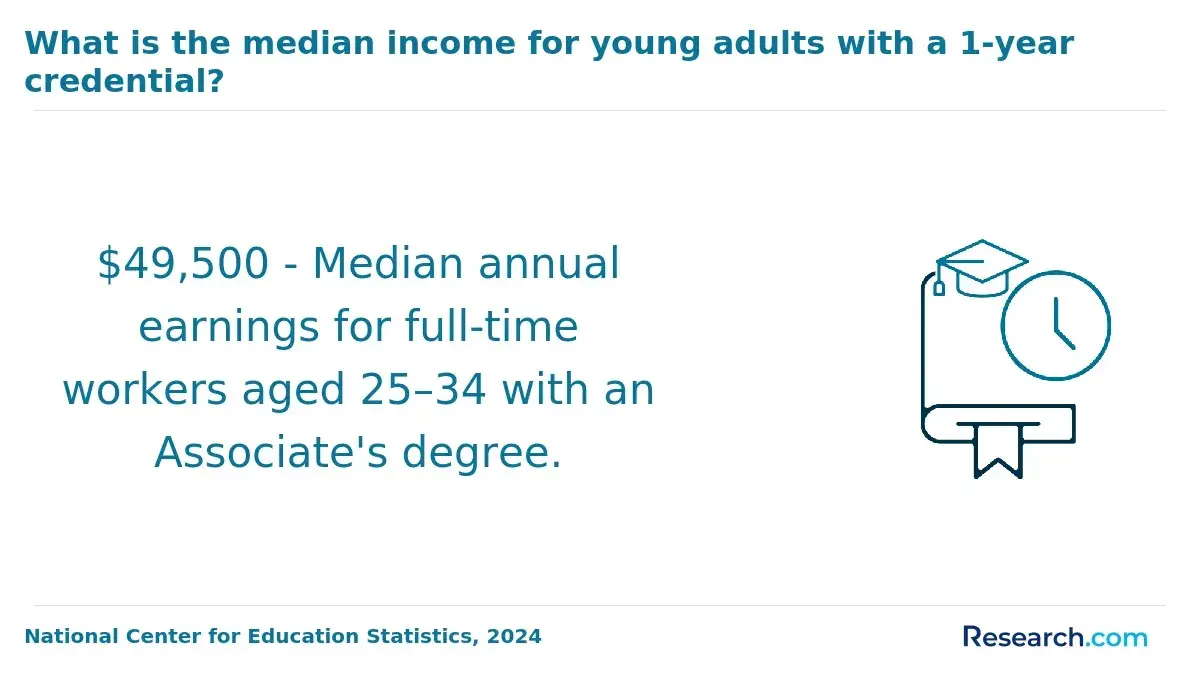
Compensation across educational policy roles in 2024 reveals clear stratification tied to experience and responsibility levels. Entry-level roles such as research assistants and policy analysts generally offer salaries between $50,000 and $65,000, reflecting positions that blend research breadth with foundational policy skills.
Mid-career professionals, including policy advisors and project managers, tend to earn between $70,000 and $95,000, a range shaped by growing managerial duties and increased stakeholder engagement. Senior-level positions like directors or chief education officers command salaries often exceeding $100,000 up to $140,000 or more, indicative of leadership demands, strategic oversight responsibilities, and stronger labor market competition for candidates with proven impact and expertise, as reported by Labor Statistics and LinkedIn Salary Insights.
Variations in these salary bands are driven by multiple intersecting factors. Specialization intensity and sector critically influence pay, where niche expertise in research-heavy or consultancy roles can push compensation higher. Geographic cost-of-living disparities and employer size also shape these ranges. Larger urban centers and established firms typically offer more competitive salaries to offset local economic pressures.
Additionally, scarcity of skills, particularly the ability to navigate complex policy environments with political acuity, creates wage differentiation within and across experience levels. These nuances signal that compensation in educational policy is not purely linear but reflects the economic landscape's responsiveness to expertise demand and system complexity.
One educational policy graduate recounted the challenge of navigating rolling admissions while weighing offers. Initially hesitant to commit amid uncertainty about timelines, they delayed applications to better prepare and gather work samples relevant to their target roles.
The waiting period caused stress, but ultimately allowed more strategic positioning when interviewed, demonstrating that flexibility and timing can materially affect entry into roles corresponding to the salary ranges discussed. Their experience highlights the non-linear path often required before salary progression becomes attainable in this field.
Which Industries Are Hiring the Most Educational Policy Graduates?
Demand for educational policy graduates is primarily clustered in sectors experiencing structural shifts such as ongoing digital integration, workforce scaling, and gaps in specialized expertise. These industries typically rely on experts capable of interpreting complex regulatory frameworks, designing effective policy interventions, and managing compliance in rapidly evolving environments.
The hiring activity reflects how policy roles are adapting to address both systemic challenges and opportunities created by political, technological, and social change.
- State and Local Government Agencies: These remain the largest employers, driven by mandates to update education systems amid regulatory reform and budgetary pressures. Agencies emphasize skills in policy analysis, stakeholder engagement, and administrative oversight to ensure programs meet legal and public accountability standards.
- Higher Education Institutions and Research Organizations: Universities and affiliated centers increase recruitment to support grant management, evaluate policy impact, and guide institutional compliance with federal and state education directives. There is a premium on data literacy, program evaluation expertise, and the ability to translate research findings into actionable policy advice.
- Nonprofit Education Advocacy Groups: These organizations respond to growing social equity demands by hiring graduates who can strategize on access, inclusion, and systemic reform. Competencies in coalition-building, policy advocacy, and community engagement are increasingly critical as these groups influence legislative agendas and public discourse.
- Education Technology and Consulting Firms: Expanding K-12 and higher education markets require policy professionals with skills in regulatory navigation, product compliance, and market strategy. Employers look for adaptability and cross-sector experience to help clients address evolving policies affecting digital learning solutions and institutional partnerships.
According to a 2024 American Educational Research Association survey, about 28% of educational policy graduates secure positions in academic or research roles within the first year, highlighting the sustained influence of universities and research bodies.
Meanwhile, government hiring remains strong due to continuing education reform priorities, and private and nonprofit sectors are adapting their approaches to meet increasingly sophisticated policy challenges. Graduates equipped with a combination of analytical rigor, applied research skills, and stakeholder communication are positioned to navigate these diverse employment landscapes effectively.
How Does Hiring Demand Vary by State, Region, and City?
Hiring demand for educational policy professionals is unevenly distributed across states and regions, shaped by variations in local education system size, funding priorities, and economic structure. Larger states such as California, Texas, and New York consistently present stronger openings because they host extensive state education departments and policy research organizations. These hubs benefit from concentrated institutional presence and specialized workforce ecosystems that sustain roles focused on research, analysis, and implementation.
According to recent labor market reports, regions like the Northeast and West Coast have dense networks of school districts and advocacy groups, fostering robust job availability. In contrast, the Southeast and Midwest, while showing some growth aligned with increased federal funding and regional initiatives, generally offer fewer positions and lower salary bands, reflecting more constrained budgets and less concentrated policy infrastructure.
This geographic variability underscores a critical tradeoff for candidates evaluating how educational policy job demand differs by state and region. At the city level, metropolitan areas such as Washington D.C., Boston, and Chicago dominate hiring intensity due to proximity to government agencies, major universities, and nonprofit research centers that form the core of educational policy ecosystems.
These urban centers not only attract more employers but also feature infrastructure that supports extensive talent pipelines and competitive salary structures reflecting higher living costs. For example, Washington D.C. remains the prime hub for educational policy opportunities because federal agencies create sustained, specialized demand.
Conversely, smaller cities and rural markets typically have fewer openings, but they offer roles that may focus more directly on local education challenges and community engagement. These localized dynamics compel candidates to weigh the tradeoffs between employer competition, salary expectations, and quality-of-life considerations, including cost of living and career trajectory potential.
Candidates concerned with compensation should note broader labor market data, including analyses on mental health NP salary, which illustrates that salary bands often mirror regional economic conditions.
Hiring demand for educational policy professionals varies significantly across states, regions, and cities, reflecting local policy priorities, funding levels, and economic conditions. States with larger education systems or those undergoing major reforms, such as California, Texas, and New York, show comparatively higher openings for roles related to educational research, analysis, and policy implementation. These states often house state departments of education and various think tanks, creating a concentrated need for skilled analysts and advisors.
Regionally, the Northeast and West Coast tend to lead in job availability, driven by dense urban centers and a greater number of school districts and advocacy organizations. However, the Southeast and Midwest have shown rising momentum, especially in cities where regional education initiatives and federal funding align to support policy development and evaluation roles. These areas may offer less competition per opening but often come with lower salary bands compared to coastal hubs.
At the city level, metropolitan areas like Washington D.C., Boston, and Chicago present the most robust hiring landscapes, thanks to proximity to government agencies, major universities, and nonprofit research organizations. Washington D.C. remains the single largest hub for educational policy career opportunities due to federal government presence. Conversely, smaller cities and rural areas frequently have fewer positions available, but roles there may offer more direct impact on local education systems and community-specific policy challenges.
Salary bands reflect these geographical distinctions, with urban centers in high-cost areas typically offering salaries well above the national median, while less populated regions compensate less but may provide benefits such as greater community engagement or opportunities for multidisciplinary work. Prospective candidates should weigh these tradeoffs carefully, considering not only pay but also job stability, growth potential, and quality of life factors inherent to each location.
Employers in well-funded districts or policy organizations expect candidates with a blend of analytical rigor, practical policy experience, and the ability to navigate complex stakeholder environments. This demand can be less pronounced in smaller markets but grows as states increase investments in educational equity and systemic reform efforts. Consequently, geographic choice intersects critically with one's career trajectory and specialization within educational policy.
What Skills Are Employers Prioritizing in Educational Policy Job Postings?
Employer demand in educational policy roles increasingly reflects the interplay of technological advances, automation, and the sector's unique complexities requiring interdisciplinary skill sets. As education systems integrate data-driven approaches and navigate shifting political landscapes, the profile of sought-after capabilities evolves continuously.
These shifts highlight the need for candidates who marry technical proficiency with strategic communication and adaptive project management. Understanding these priorities sheds light on how the labor market for educational policy professionals is transforming in 2024.
- Data Analysis: Mastery of quantitative and qualitative research methods remains foundational, as nearly 65% of current openings expect fluency in handling large datasets to extract actionable insights. This skill is crucial for translating complex information into policy solutions that respond to real-world educational challenges, enhancing both employability and impact.
- Policy Evaluation: Employers want professionals who can critically assess program effectiveness and regulatory outcomes. The growing emphasis on evidence-based decision-making means evaluation expertise directly supports accountable, measurable reforms, aligning with industry demands for transparency and impact assessment.
- Stakeholder Communication: Proficiency in bipartisan collaboration and public engagement appears in over half of advertised roles, reflecting the political and social contestation inherent in education policy. Effective communicators facilitate consensus building across diverse interests, a capability essential for advancing policy initiatives in complex governance environments.
- Project Management: Navigating budgeting cycles, regulatory compliance, and cross-agency coordination signals the rising value placed on organizational and management skills. Employers increasingly expect professionals to sustain long-term initiatives by balancing administrative savvy with strategic flexibility.
- Technical Literacy in Policy Tools: Familiarity with policy simulation software and legislative frameworks equips candidates to model scenarios and anticipate regulatory impacts proactively. This technical competence integrates with analytical and communication skills, positioning professionals to contribute substantively to policy design and revision.
- Adaptability and Critical Thinking: Fast-changing social and political dynamics require practitioners who can critically evaluate evolving conditions and pivot accordingly. These traits complement technical skills by ensuring responsiveness and innovation within fluid educational landscapes.
These priorities indicate that employers no longer seek narrowly specialized experts but rather versatile professionals who couple rigorous analysis with pragmatic implementation skills. Candidates who develop expertise across these domains stand to improve both immediate job prospects and long-term career trajectories in a labor market increasingly shaped by complexity and technological integration.
Data from the Bureau of Labor Statistics and the National Center for Education Statistics underscores the continued premium on this multifaceted skill set across educational policy job markets in 2024.
Which Certifications Increase Employability and Salary Potential?
Certifications in the educational policy field act as crucial indicators of specialized expertise, technical competence, and practical readiness, complementing formal degrees by signaling a candidate's alignment with employer expectations. These credentials often validate skills that address specific gaps in the workforce, improving job market competitiveness.
In a sector where nuanced knowledge of policy frameworks, data analysis, and equity considerations is increasingly demanded, strategic certification choices can strongly influence hiring decisions and salary trajectories.
- Certified Educational Planner (CEP): This credential is prized for its blend of theoretical understanding and applied policy skills, making holders more attractive for leadership and strategic planning roles. The CEP aligns closely with employer preferences for candidates who can navigate complex educational systems, and data from the National Center for Education Statistics shows such certified individuals achieve about 15% higher job placement rates within six months.
- Policy Analysis Certificate: Recognized by research institutions, this certification confirms proficiency in policy evaluation and implementation, skills that employers associate with effective decision-making and improved policy outcomes. Its relevance is boosted as organizations seek professionals adept in interpreting policy impacts, which often correlates with salary premiums and faster career advancement.
- Data Analysis and Research Methods Credential: As the demand for quantitative skills in educational policy rises, this certification signals mastery of statistical tools and program evaluation techniques. With a 12% growth in roles requiring data expertise noted by the Bureau of Labor Statistics, candidates holding this credential meet a pressing industry need, enhancing their employability and wage prospects.
- Diversity, Equity, and Inclusion (DEI) Certification: Emphasizing competencies in equity-focused policy, this certificate responds to growing institutional priorities around social justice and reform. Research from the Education Policy Institute shows professionals with DEI credentials earn roughly 8% more on average and gain preferential consideration for policy roles centered on systemic change.
Combining foundational policy certifications with credentials in data analysis or DEI tends to produce the most robust employment outcomes by bridging technical and social dimensions crucial to contemporary educational policymaking.
An educational policy graduate recall reveals the unpredictability of certification timing during job applications. After completing their master's, they hesitated to pursue certifications immediately, uncertain about the best fit amid evolving hiring needs. The rolling admissions and application review cycles added pressure.
Delays in certification completion initially hampered their competitiveness for preferred roles. Eventually, aligning certification pursuit with observed employer trends, specifically targeting data analysis skills, proved decisive, underscoring that optimal credential timing and responsive strategy are as critical as certification content itself.
How Do Remote and Hybrid Opportunities Affect the Educational Policy Job Market?
Since 2023, hiring trends in educational policy roles have increasingly incorporated remote and hybrid work arrangements, reshaping employer strategies and labor market dynamics. Data from 2024 workforce analytics shows many employers now value candidates able to work independently with strong technology skills, reflecting reduced direct supervision in remote settings. Hybrid positions often command salary premiums of 5% to 10% above fully remote roles, highlighting the added value placed on adaptability and in-person engagement.
This shift intensifies competition for mid-level policy analyst roles, especially those offering salaries between $60,000 and $85,000, as geographic boundaries expand and employers tap into a broader talent pool. The rise of hybrid work models and salary trends in educational policy careers demonstrates how flexible arrangements are influencing not just where employees work but also the skillsets and expectations demanded by employers.
These remote and hybrid opportunities are driving significant changes in geographic mobility and salary normalization across regions, which alters competition dynamics within the educational policy job market. Employers increasingly prioritize clear communication and digital collaboration skills over traditional qualifications, challenging candidates to refine diverse competencies.
While remote work broadens access to roles previously limited by location, it also reduces face-to-face networking, requiring candidates to navigate tradeoffs between work-life balance and professional visibility. As these trends evolve, they suggest a lasting transformation in how educational policy careers are structured, with workforce distribution shifting alongside a recalibration of employer expectations.
Early-career professionals contemplating pathways, such as accelerated programs like the RN to BSN in 3 months, must consider these labor market factors when assessing their long-term employability.
Which Educational Policy Careers Show the Strongest Long-Term Hiring Momentum?
Long-term hiring momentum in educational policy careers stems from deep structural shifts in how education systems manage resources, assess outcomes, and adapt to regulatory pressures. This momentum reflects enduring economic and technological trends that shape employer demand beyond short-term job market fluctuations.
Roles that integrate data analytics, compliance expertise, and equitable policy design demonstrate especially strong sustainability as school systems and government agencies prioritize evidence-based decision-making and accountability. These trends align closely with long-term hiring trends for educational policy professionals, driven by evolving workforce needs and policy complexity.
- Policy Analysts Specializing in Educational Equity and Resource Allocation remain in strong demand as agencies increasingly rely on sophisticated data interpretation to build inclusive policy frameworks. Ongoing shifts toward equity-centered legislation and funding mandate expertise to navigate these complex dynamics, positioning this role for sustained growth.
- Education Program Evaluators provide critical assessments of policy implementation effectiveness amid tightening accountability standards. As the education sector embraces continuous improvement models, the need for rigorous evaluation skills supported by advanced data tools reinforces stable hiring momentum.
- Federal and State Education Compliance Specialists address evolving regulatory landscapes related to funding formulas and legal requirements. Their expertise manages rising complexity in education finance and law, which is crucial as states revise policies and federal initiatives expand.
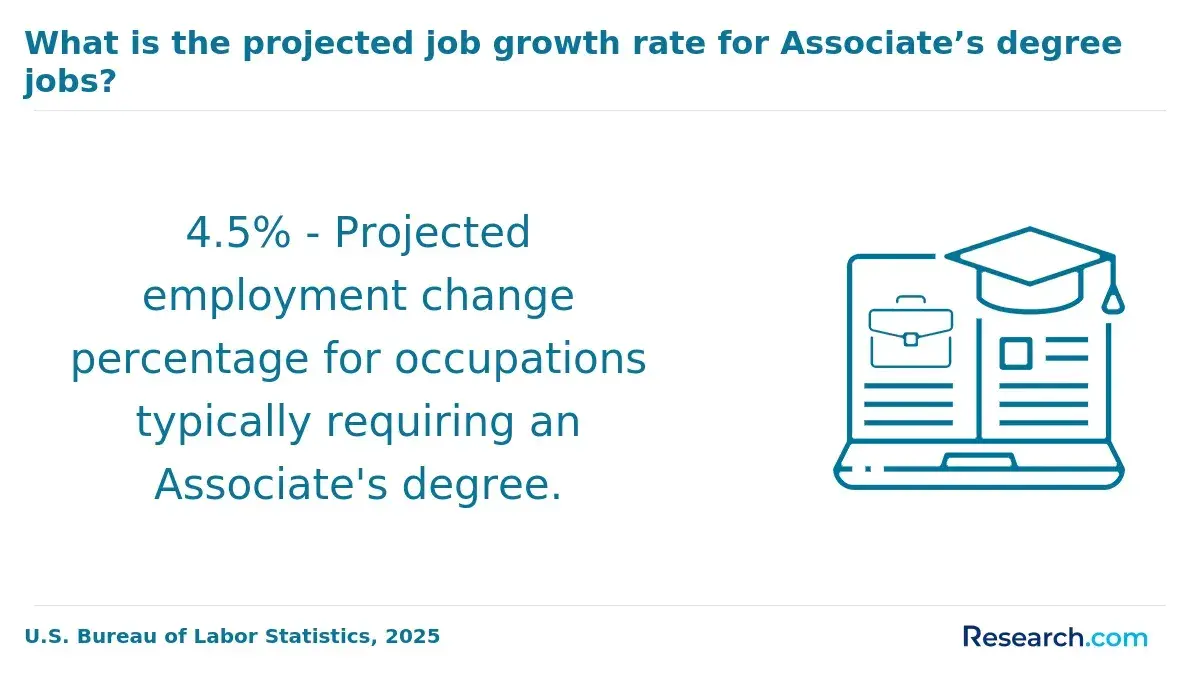
The U.S. Bureau of Labor Statistics reports an 8% projected growth in education administration and policy roles through 2034, indicating steady demand outpacing average occupational growth. Salary ranges typically span $65,000 to $110,000 annually, with higher pay in federal agencies and metropolitan regions reflecting skill premium for advanced analytic and leadership capabilities.
Candidates who combine real-world experience with advanced degrees in public policy, economics, or educational leadership are best positioned within these resilient labor markets. Those looking to enhance related skills may explore targeted credentials such as the fastest BCBA program, which can complement policy expertise with applied behavior analysis tools relevant to education settings.
How Can Students Use Job Market Data to Make Better Career Decisions?
Students can leverage recent labor reports, hiring platforms, and updated salary databases to evaluate demand, compensation levels, and growth potential within educational policy sectors. These data sources reveal where hiring momentum is strongest, such as in equity-focused policy roles or data-driven decision-making positions, helping students pinpoint emerging opportunities.
Analyzing salary bands across government, consulting, and nonprofit organizations provides insight into financial trajectories, contextualizing the tradeoffs between various employers and geographic regions. Understanding these patterns from 2024 labor market data allows students to target career paths aligned with sectors demonstrating sustained or increasing workforce needs rather than transient hiring spikes.
When interpreting this data, students should weigh long-term career stability and the geographic flexibility of available positions, recognizing that some roles may saturate certain markets or tie professionals to specific locales. Skill requirements highlighted in current job postings, such as program evaluation or stakeholder engagement, must be balanced against individual strengths and professional interests to ensure sustainable alignment.
Overreliance on short-term trends risks pursuing paths vulnerable to policy shifts or funding changes; therefore, labor data should inform but not dictate educational and career decisions. Integrating data-driven insights with personal goals ensures a pragmatic approach to navigating Educational Policy careers grounded in both market realities and individual aspirations.
References
- How Employers and Educators Can Help Teens Avoid Career Dead-Ends This Fall https://www.jff.org/employers-and-educators-help-teens-avoid-career-dead-ends/
- Pay Transparency in Poland: What obligations do employers have and what risks arise in recruitment? | News Flash - Accace https://www.accace.com/pay-transparency-in-poland/
- Are Universities Preparing Students for the Job Market? - Sprint CV https://www.sprintcv.com/blog/are-universities-preparing-students-for-the-job-market/
- Good Jobs for All: How Federal Laws Can Create Pathways From Education and Training to Good Jobs - Center for American Progress https://www.americanprogress.org/article/good-jobs-federal-laws-can-create-pathways-education-training-good-jobs/
- Jobs in Education Policy: Career and Salary Information | Resilient Educator https://resilienteducator.com/teaching-careers/education-policy-analyst/
- How Do Certifications Influence Salary Increases? https://certiprof.com/blogs/news/how-do-certifications-influence-salary-increases
Other Things You Should Know About Educational Policy Job Market
Positions in educational policy vary widely in expectations-some prioritize deep specialization in areas like equity, assessment, or funding, while others require versatile understanding across multiple policy domains. Candidates with highly specialized skills may find fewer but more targeted roles with potentially higher salary bands, whereas those with broader expertise often have more opportunities but might face lower starting pay or slower advancement. Prioritizing specialization is generally advisable if you have a clear focus and want to position yourself as indispensable in niche settings, whereas broad knowledge is better for early-career professionals seeking entry points into the field.
Salary bands in educational policy frequently differ based on whether roles are in government agencies, nonprofits, think tanks, or academic institutions, and these differences are often compounded by geographic cost of living variations. Higher salaries in urban or federal positions can come with increased workload and complex bureaucracies, while lower-paying roles might offer better work-life balance and more direct community impact. Job seekers need to balance compensation expectations with workload intensity and organizational culture rather than assuming salary alone indicates job quality or career growth potential.
Contractor and fellowship roles frequently serve as initial entry points allowing early-career candidates to build sector-specific networks and develop skills aligned with employer demands. However, these positions often lack stability and benefits, which can be a significant tradeoff. If financial stability is a priority, focusing on permanent roles-even if fewer and more competitive-may be more practical. Conversely, if gaining diverse experience quickly and demonstrating adaptability are the goals, short-term contracts can provide valuable stepping stones toward permanent positions.
Hiring momentum in educational policy can vary with shifting political priorities and funding cycles, making some subfields more volatile than others. Candidates considering advanced degrees or certifications should weigh whether their chosen specialty aligns with current and foreseeable hiring trends to avoid overinvesting in areas with declining demand. A pragmatic approach is to combine emerging high-momentum topics with foundational skills that remain relevant across policy cycles, thereby maximizing adaptability and long-term employability.