2027 Educational Policy Degree Oversupply or Undersupply? Student Volume vs Employer Demand

Co-Founder and Chief Data Scientist
Choosing to pursue an educational policy degree in 2024 requires assessing whether graduate output matches employer hiring needs. Recent data reveals that while national enrollment in educational policy programs rose 8% from 2021 to 2023, job openings in education administration and policy analysis grew only 3%, signaling a potential oversupply. Regional job markets differ sharply; states with large educational reforms see higher demand than others with stagnant budgets. Graduates entering oversaturated areas risk underemployment and intensified competition for limited roles, which can stifle career growth.
This article examines student volume against employer demand, job growth, industry needs, regional factors, and skill gaps to clarify whether educational policy offers sustainable opportunities or increasing competition.
Key Things to Know About Educational Policy Graduate Supply and Employer Demand
- Educational policy graduate completions outpace entry-level administrative job growth by 15% in 2024, signaling increased competition that pressures candidates to specialize or gain practical experience to remain competitive.
- Employers report a critical shortage of experts skilled in data-driven policy analysis, reflecting a growing sector demand concentrated in urban and federal agency roles, guiding students toward niche specializations for better alignment.
- Rising tuition and program duration disproportionately affect mid-career professionals, limiting access during peak workforce years and creating timing tradeoffs that may delay skill acquisition and career progression.
- Key Things to Know About Educational Policy Graduate Supply and Employer Demand Key Things to Know About Educational Policy Graduate Supply and Employer Demand
- Is There an Oversupply or Undersupply of Educational Policy Graduates? Graduate Oversupply or Shortage
- How is Educational Policy Degree Enrollment Changing? Degree Enrollment Trends
- How Many Educational Policy Graduates Enter the Workforce Each Year? Annual Graduate Workforce Entry
- Does Job Growth Support the Rising Supply of Educational Policy Graduates? Job Growth Versus Supply
- How Competitive is the Entry-Level Market for Educational Policy Graduates? Entry-Level Market Competition
- Which Industries Have the Greatest Demand for Educational Policy Graduates? Top Hiring Industries
- Where are Educational Policy Graduates Most in Demand? Top Geographic Demand
- Which Educational Policy Specializations and Degree Levels Face the Strongest Demand? Which Educational Policy Specializations and Degree Levels Face the Strongest Demand?
- Are Employer Skill Gaps Affecting Demand for Educational Policy Graduates? Are Employer Skill Gaps Affecting Demand for Educational Policy Graduates?
- What is the Future Supply-and-Demand Outlook for Educational Policy Graduates? Future Supply-Demand Outlook
Is There an Oversupply or Undersupply of Educational Policy Graduates?
Regional differences and specialization further complicate the picture. While some markets experience saturation, other areas-especially those with active education reform efforts in the South and Midwest-exhibit a shortage of candidates with strong data analysis and evaluation expertise. Doctoral-level graduates with research skills also face less competition relative to available positions, highlighting pockets of undersupply at the highest education levels where interdisciplinary knowledge is valued.
Employers prioritize candidates who combine credentials with applied experience, including policy fellowships or internships, underscoring the risk of credential mismatch despite rising enrollment. Students evaluating program options should carefully weigh these regional and specialization-specific dynamics alongside broader labor trends, and for comparative context, consider how fields like bachelors healthcare administration align graduate supply with increasing demand across healthcare systems, offering a distinct set of workforce tradeoffs.
This complex landscape means educational policy graduate employment supply and demand analysis requires detailed attention to degree level, practical skills, and geographic factors. National data alone can obscure meaningful shortages in advanced or specialized areas and overstate competition in more saturated segments. Prospective students and current degree holders must interpret labor market indicators with an awareness of how program focus and experience credentials affect employability, as well as how local policy initiatives shape demand. Ultimately, the field's labor dynamics reveal a layered reality where some graduates may face oversupply challenges, while others with targeted expertise encounter unmet employer needs.
How is Educational Policy Degree Enrollment Changing?
Enrollment growth in educational policy graduate programs reflects a nuanced shift rather than a simple expansion, with increases concentrated primarily at the master's level and a slowdown in doctoral candidate numbers. This pattern, according to the National Center for Education Statistics, points to a modest 4% rise in master's enrollment through 2024, driven in part by the rapid growth of online program availability. Such digital formats have broadened access for mid-career professionals who must balance work and study, yet this also means that more graduates enter the job market at similar times, potentially intensifying competition for mid-level policy roles. Employers seeking candidates with practical experience alongside academic credentials may find an expanding applicant pool, but the slower doctoral intake signals a stable supply of the highly specialized expertise often favored for senior positions.
Demographic changes further shape these enrollment dynamics; increased participation from underrepresented minority groups is expanding the diversity of the educational policy workforce, aligning with equity objectives but also requiring institutions and employers to adapt to a changing talent profile. The relatively flat enrollment among traditional college-age students suggests that national labor market demand remains selective, with growth largely reflecting shifting delivery methods and student circumstances rather than a surge in foundational interest. Importantly, regional labor markets and policy employer needs can differ dramatically from national aggregates, so assuming uniform opportunity or saturation risks misjudging career prospects. Institutions and students must weigh whether increased cohort sizes diminish post-graduate placement odds or represent a broadening of pathways into the policy field.
One current student noted that their cohort size noticeably expanded with the introduction of new hybrid online formats, which brought together working professionals from diverse backgrounds. While this growth was seen as a positive sign of program vitality, it also raised questions among peers about whether a larger graduate pool would translate to tougher hiring landscapes, especially in local education agencies where openings remain limited. The student appreciated the richer learning environment but remained cautious, recognizing that enrollment increases do not automatically guarantee stronger market demand or reduced competition.
How Many Educational Policy Graduates Enter the Workforce Each Year?
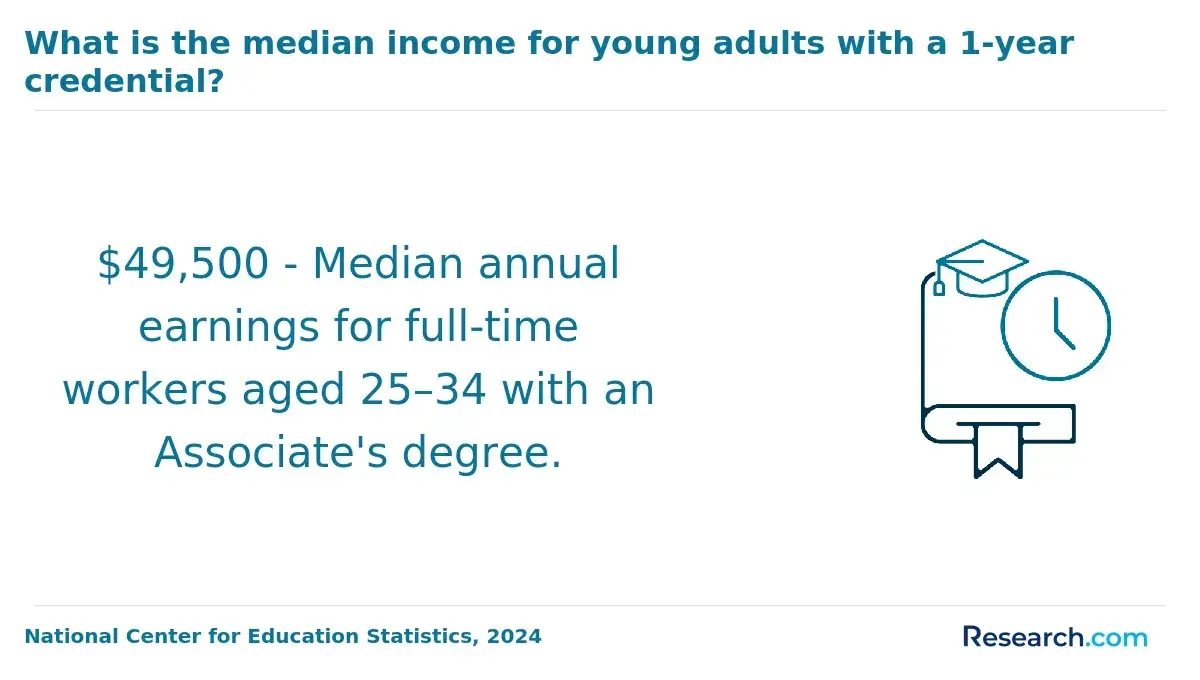
Annual graduate numbers alone do not provide a definitive measure of oversupply or undersupply in educational policy careers, as the comparison must account for degree level, employment timing, and job role alignment. Data from the National Center for Education Statistics and the Integrated Postsecondary Education Data System report roughly 6,000 to 8,000 combined bachelor's, master's, and doctoral completions annually, but a significant portion of these graduates do not transition immediately into educational policy positions. Many hold degrees with concentrated specializations, enroll through online or part-time pathways, or pursue alternative education sector roles, which reduces the active applicant pool for policy-specific jobs at any given time. Misinterpreting completion rates as direct labor market entry can lead to flawed expectations about competition and vacancy availability.
Employer demand in educational policy reflects steady but limited growth, influenced by public funding cycles and political priorities, which constrains hiring volumes relative to graduate output. Estimates suggest only 60% to 70% of graduates secure roles directly tied to educational policy, with others moving into K-12 education, higher education administration, or consulting. Furthermore, many positions require advanced qualifications or relevant work experience, delaying workforce entry and creating staggered hiring patterns across regions. Understanding these nuanced labor market dynamics is critical for prospective students and current degree holders to calibrate skills development, anticipate competition, and evaluate the practicality of entering this specialized public sector domain.
Does Job Growth Support the Rising Supply of Educational Policy Graduates?
Job growth projections for educational policy roles do not consistently match the rising number of graduates entering the market, creating a nuanced supply-demand imbalance. Even with anticipated growth near 5-7% in key positions such as postsecondary education administrators, the total openings-comprising both new jobs and replacements-often fall short of absorbing the influx of master's and doctoral graduates reported by the National Center for Education Statistics. This misalignment can lead to heightened competition, particularly in public sector roles where budget constraints limit hiring rates, pushing some graduates to seek positions requiring additional interdisciplinary skills or consider relocating to regions with stronger demand.
Regional differences play a critical role in employer demand for educational policy graduates by region, with urban centers and states actively advancing education reforms showing comparatively better absorption rates than slower-growing markets. Graduates lacking experience or specialized competencies in areas like data analysis or program evaluation may find themselves at a disadvantage, underscoring the labor market's preference for versatile candidates. Consequently, many individuals must navigate tradeoffs between immediate employment opportunities and the pursuit of niche skills or alternative fields.
For those weighing educational options, exploring related credentials such as programs in medical billing and coding online schools that accept financial aid might offer pragmatic pathways in sectors with increasing demand, compared to more saturated educational policy job markets.
How Competitive is the Entry-Level Market for Educational Policy Graduates?
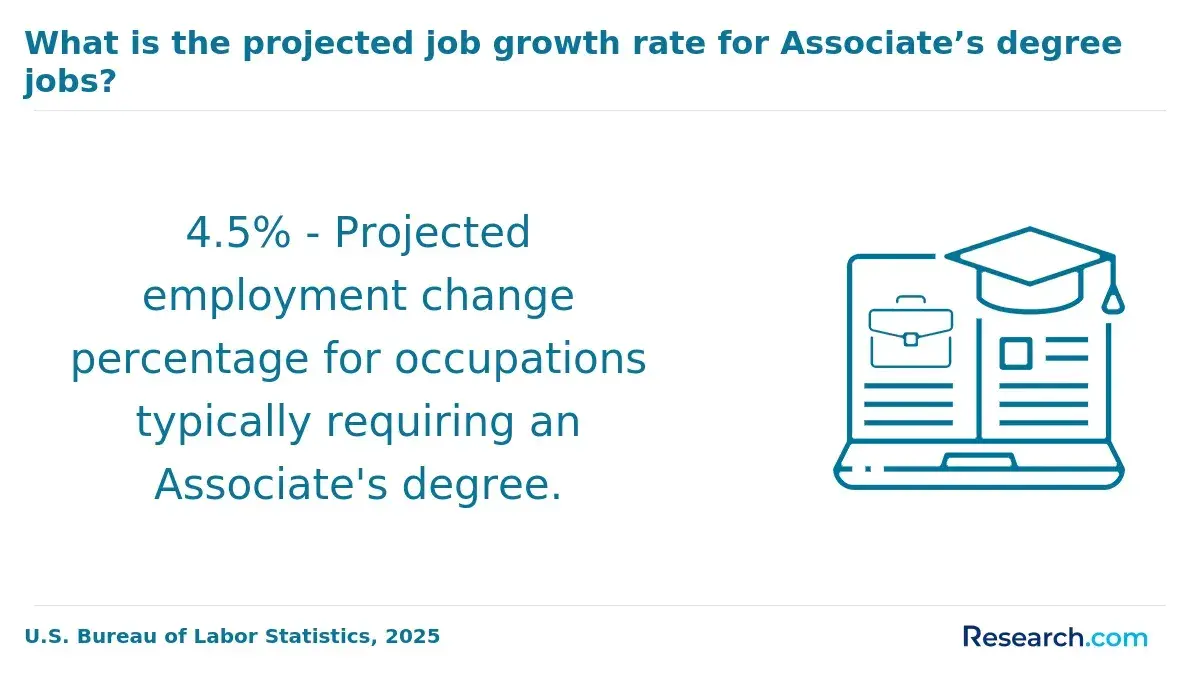
Entry-level roles for educational policy graduates in 2024 reveal a competitive but not uniformly saturated hiring environment. Job growth in relevant fields is steady yet modest, around 5% over the next decade according to the U.S. Bureau of Labor Statistics. This slow expansion means supply can outpace demand in many regions or sectors, especially where employers require prior experience. Competition intensifies in government and non-profit roles where applicant pools often exceed 50 candidates per posting. Success depends heavily on demonstrated applied skills and strategic positioning, rather than degree acquisition alone. Key dynamics shaping this competitive landscape include:
- Applicant Volume: High numbers of candidates routinely pursue entry-level jobs, pushing competition beyond raw graduate supply. Graduates should assess typical pool sizes in their target sectors to gauge realistic odds and adjust search strategies accordingly.
- Experience Expectations: Employers frequently require internships or hands-on research to even consider candidates. This creates a barrier for new graduates lacking relevant practical exposure and emphasizes the value of targeted pre-graduation opportunities.
- Industry Demand Variation: Demand is uneven across public agencies, think tanks, and advocacy groups. Graduates must weigh sector-specific hiring trends and be ready to pivot if certain fields are more saturated locally.
- Geographic Concentration: Urban centers may offer more opportunities but attract denser applicant pools, while rural or less traditional markets often have fewer openings but potentially less competition.
- Technical Skill Preference: Applied research abilities and proficiency in data analytics tools increasingly drive hiring decisions. Graduates should prioritize skill development aligned with where employers focus budget and resources.
One recent graduate encountered over 100 applicants per policy analyst posting in their metro area, facing repeated rejection despite two internships. Deciding to broaden their search to smaller states with fewer applicants but adequate roles, they secured interviews by emphasizing data visualization skills gained through volunteer projects. This experience reflects the necessity of balancing specialization and geographic flexibility amid a measured but challenging market for entry-level educational policy professionals.
Which Industries Have the Greatest Demand for Educational Policy Graduates?
Demand for educational policy graduates is heavily concentrated in sectors where policy development, implementation, and evaluation are integral to organizational missions. This clustering reflects the structural importance of education governance and advocacy roles that require nuanced expertise beyond academic theory. For example, a graduate assessing career pathways might find sizable job openings within public agencies but face stiff competition due to volume; conversely, niche nonprofit roles may be fewer but favor candidates with tailored experience in equity-driven program design.
Regional employer needs for educational policy professionals also impact opportunities, with state and local governments often prioritizing candidates who combine policy research with stakeholder engagement skills, while research institutions may seek advanced analytical capabilities for impact assessment. Below is a breakdown of key industries generating the strongest employer demand for educational policy graduates.
- Public Education Agencies: Federal, state, and local government departments present the highest volume of roles centered on policy development, program evaluation, and compliance monitoring. Entry-level positions often require mastery of regulatory frameworks and data analytics, while senior roles emphasize reform leadership and interagency coordination.
- Nonprofit Organizations: Foundations and advocacy groups focused on educational equity drive demand for professionals skilled in translating research into legislation and community engagement. Employers prefer graduates with both qualitative and quantitative expertise and practical experience in policy advocacy.
- Higher Education Research: Universities with dedicated centers for educational outcomes employ graduates for policy impact research and strategic advising. These roles typically demand advanced degrees and the ability to communicate research findings into actionable policy recommendations.
- Consulting Firms: Firms specializing in education help districts and states develop, implement, and evaluate policies. Professionals here need strategic planning skills and the ability to synthesize complex data for diverse stakeholders.
- Private EdTech Companies: An emerging sector hiring educational policy experts to align product development with evolving regulations and classroom technology standards. Candidates often require knowledge of both policy trends and technological integration challenges.
Understanding these sector-specific dynamics and aligning credentials with practical experiences such as internships or applied research can improve hiring prospects despite a competitive market fueled by steady graduate supply. Career-minded individuals may also consider interdisciplinary options, as seen in adjacent programs like MA to LPN, which reflect varying employer demand across fields.
Where are Educational Policy Graduates Most in Demand?
National demand data for educational policy graduates obscure significant regional disparities shaped by localized employer ecosystems and workforce dynamics. For example, a graduate targeting Washington, D.C., may find abundant opportunities due to the high concentration of federal education agencies and prominent policy institutes, but this advantage is offset by intense applicant competition and a high cost of living. Conversely, mid-sized metropolitan areas with fewer specialized roles may offer less volume but also lower competition and cost pressures, making them suitable for graduates prioritizing work-life balance or entry-level access.
States with large education sectors like California and Massachusetts benefit from diverse hiring across government, nonprofits, and research organizations. Yet these markets tend to favor advanced specializations in data-driven policy analysis or regulatory compliance, often requiring geographic flexibility and relevant experience. Meanwhile, regions grappling with teacher shortages and K-12 funding reforms, particularly in parts of the South and Midwest, value policy graduates capable of addressing systemic labor mismatches, though available positions may lean toward operational or implementation roles rather than high-level research.
Prospective graduates must weigh volume against contextual factors such as industry concentration, employer type density, and the potential for remote work, which can vary widely. According to 2024 labor-market analyses from Lightcast and the U.S. Bureau of Labor Statistics, simply pursuing the highest-demand metro area does not guarantee favorable outcomes if the local market saturates quickly or lacks tailored roles aligned with one's skills. Strategic geographic flexibility and alignment with sector-specific needs often prove more decisive for employability than headline job counts alone.
Which Educational Policy Specializations and Degree Levels Face the Strongest Demand?
Employer demand in educational policy is unevenly distributed across specializations and degree levels, reflecting a preference for targeted expertise rather than broad credentials. Recent data from the U.S. Bureau of Labor Statistics and LinkedIn Workforce Insights highlight concentrated needs in areas combining policy analysis with quantitative and equity-focused skills. For instance, a master's graduate specializing in education finance and analytics may find more hiring opportunities in state agencies compared to a doctoral graduate with a theoretical curriculum emphasis, who faces a saturated job market outside academia.
This divergence underscores that specialization and practical skills often outweigh degree level alone when aligning with employer priorities. The following points outline the strongest current demand sectors:
- Education Finance Master's: Demand centers on candidates with skills in budget management, funding formulas, and compliance with state and federal regulations. These roles typically appear in government departments and financial oversight bodies.Policy Analytics and Equity: Positions require analysis of demographic and outcome data to advance equity initiatives. Candidates with strong quantitative training and real-world application experience are preferred in NGOs and policy research institutions.Data-Driven Decision Making: Employers seek professionals adept at interpreting education data systems and producing actionable insights. Jobs in education technology firms and state workforce agencies reflect this trend.Doctoral Degree in Broad Educational Theory: Oversupply of graduates in this area creates stiff competition, especially outside academia, where practical analytic skills are more valued.Certificates in Policy Analytics and Leadership: Mid-career professionals gravitate toward these credentials to update skills aligned with data and equity demands, supporting transitions into public sector or nonprofit roles.State Policy Analyst Roles: Shortages persist for analysts adept at applying complex data in policy settings, making applied experience and economic or statistical training highly desirable.Master's in Education Policy with Economics/Statistics: Specialized training in these areas enhances employability in policy research organizations navigating education funding and systemic reform.
Are Employer Skill Gaps Affecting Demand for Educational Policy Graduates?
The apparent employer skill gaps in educational policy jobs reflect not a sheer shortage of graduates but a critical deficit in candidates who combine relevant technical competencies with applied experience. Employers consistently prioritize applicants demonstrating proficiency in data analytics, regulatory frameworks, and stakeholder engagement alongside strong communication skills and familiarity with industry tools. For example, an opening at a state education agency may remain unfilled not because too few graduates exist but because few have completed internships or projects that build these cross-disciplinary skills, leading to intense competition with candidates from adjacent fields like public administration. Misreading this demand as a general oversupply risks overlooking the need for graduates to tailor their skillsets strategically to sector-specific requirements and certifications.
This skill mismatch impacts educational policy graduate skills mismatch impact across regions and entry-level roles, creating pockets where the supply-demand balance appears inconsistent. While graduate volumes remain steady, those lacking experience in policy implementation or quantitative analysis struggle against professionals from business or social science backgrounds who better meet evolving employer expectations. Consequently, demand often favors candidates who supplement academic preparation with targeted internships or applied projects. Prospective students should consider these dynamics when selecting programs, ensuring they develop practical competencies alongside theoretical knowledge to improve employability in a competitive landscape.
Addressing these gaps involves active alignment of educational pathways with market realities, including gaining experience in technology integration and legal policy contexts. Programs that support applied learning or encourage participation in specialized internships stand to better prepare graduates to fulfill the nuanced requirements employers seek. Aspiring professionals might also explore related degree opportunities such as 5 year accelerated speech pathology programs that offer intensive practical training, reflecting an educational model increasingly valued in policy circles where real-world readiness is paramount.
What is the Future Supply-and-Demand Outlook for Educational Policy Graduates?
Targeted job searches in educational policy consistently outperform mass application approaches because they align effort with specific regional job market outlooks for educational policy degree holders and employer demand patterns. Graduates who narrowly focus on entry-level roles with titles like policy analyst or education program coordinator in states experiencing undersupply improve their chances over those applying broadly to saturated metropolitan areas. Poorly targeted applications often result in delayed hiring or job offers below skill level, reflecting a mismatch noted in recent workforce analyses. Tailoring resumes to reflect quantified outcomes and experience in specialties such as education equity or data-driven decision-making further strengthens candidacy, especially when combined with concrete internships or policy-related project work.
Employers increasingly assess demonstrated readiness over general credentials, so precision in matching qualifications to regional demand spikes is crucial for converting interviews into job offers. Timing applications to correspond with localized federal funding initiatives or education reform cycles enhances visibility and fit. The future supply and demand for educational policy graduates underscores that practical labor market research-beyond simplified volume metrics-guides sustainable employment strategies.
Programs emphasizing interdisciplinary skills and applied experience also position candidates advantageously, as seen in fields like applied behavior analysis, where an online applied behavior analysis degree accelerated model exemplifies integrating relevant expertise to meet evolving employer expectations.
References
- Top Degrees in Demand for the Future: 2026 & Beyond https://skillifysolutions.com/blogs/career-growth/top-degrees-in-demand-for-the-future/
- An Overview of Teacher Shortages: 2025 https://learningpolicyinstitute.org/product/overview-teacher-shortages-2025-factsheet
- Calling all parties: Oversupply of graduates might hinder economic growth - AIESEC | Blog https://blog.aiesec.org/oversupply-graduates-might-hinder-economic-growth/
- Graduate Medical Education and the looming physician shortage - Applied Policy https://www.appliedpolicy.com/graduate-medical-education-and-the-looming-physician-shortage/
- Where Degrees Meet Demand: Occupational Projections and Higher Education https://www.richmondfed.org/region_communities/regional_data_analysis/regional_matters/2026/where_degrees_meet_demand_occupation_projections_higher_education
- How state policies and laws affect college enrollment choices https://www.luminafoundation.org/resource/how-policies-and-laws-impact-college-enrollment/
- An Overview of Specialization Options in Education Degrees https://www.euroeducation.net/articles/an-overview-of-specialization-options-in-education-degrees.htm
- Expanding Pathways to College Enrollment and Degree Attainment - Ithaka S+R https://sr.ithaka.org/publications/expanding-pathways-to-college-enrollment-and-degree-attainment/
- Federal Policy Status Index for Higher Ed | EAB https://eab.com/resources/tool/policy-status-index/
- Changes in Education Policy and What They Mean for Adult Learners - ReUp Education https://reupeducation.com/blog/changes-in-education-policy-and-what-they-mean-for-you/
Other Things You Should Know About Educational Policy
Program reputation can open doors but may not guarantee alignment with employer needs if the curriculum is outdated or too theoretical. Candidates should prioritize programs that offer robust practical training, policy analysis skills, and real-world application opportunities like internships or capstones. Choosing a well-regarded program with a focused, applied curriculum better positions graduates for competitive roles and relevant employer expectations.
An advanced degree can deepen policy expertise but may limit immediate hands-on skill development that employers often value. For those already in the workforce, balancing graduate study with part-time roles or consulting may deliver stronger outcomes than full-time study alone. Prioritizing experiential components within or alongside degree programs improves employability and can offset supply-demand imbalances by demonstrating measurable impact.
Employers increasingly seek educational policy professionals with cross-sector knowledge such as data analytics, economics, or community engagement. Graduates focused narrowly on policy theory without these complementary skills may face narrower job prospects and slower career advancement. Integrating interdisciplinary competencies into study plans enhances adaptability and aligns supply with multifaceted employer demand.
Yes, because educational policy employment opportunities concentrate in certain regions, notably large metropolitan areas and policy hubs. Graduates unwilling to relocate may find limited openings and increased competition in their local markets. Prioritizing geographic flexibility can significantly improve employment outcomes and align graduate supply more effectively with localized employer demand.