2027 Top Industries Hiring Educational Policy Graduates: Demand, Pay, and Growth Trends

Co-Founder and Chief Data Scientist
A prospective educational policy graduate faces a critical decision: which industries promise the strongest career prospects after graduation? Understanding where educational policy graduates are most in demand helps clarify this choice. Equally important is knowing how salaries vary by sector, as these differences often reflect the skills and experiences valued in each field. Additionally, identifying the fastest-growing industries gives insight into longer-term stability and advancement opportunities. Without this knowledge, graduates risk overlooking fields that align better with their ambitions or miss out on sectors where their expertise commands higher compensation.
Labor market shifts and evolving employer expectations further complicate these decisions. Sectors vary not only in hiring volume but also in the kinds of roles and competencies they require. Grasping these trends enables students to tailor their education and skill development to meet market needs effectively. This article examines the industries that hire the most educational policy graduates, highlights where salaries peak, identifies areas of rapid job growth, reviews changing employer demands, and discusses how students can position themselves for the most promising career paths.
Key Things to Know About the Top Industries Hiring Educational Policy Graduates
- Government and nonprofit sectors employ over 60% of educational policy graduates, indicating strong institutional demand but often limited salary growth compared to private sectors.
- Private education technology companies show 15% annual salary growth for these graduates, suggesting higher earning potential but greater volatility linked to market shifts.
- Recent 2024 studies highlight a 10% rise in employer demand for data analysis skills within educational policy roles, emphasizing the need for interdisciplinary expertise alongside policy knowledge.
- Key Things to Know About the Top Industries Hiring Educational Policy Graduates Key Things to Know About the Top Industries Hiring Educational Policy Graduates
- Which Industries Hire the Most Educational Policy Graduates? Top Industries
- Which Industries Offer the Highest Salaries for Educational Policy Graduates? Highest Salaries
- Which Industries Have the Fastest Growth for Educational Policy Careers? Growth Trends
- Which Employers Commonly Recruit Educational Policy Graduates? Top Employers
- Which Skills Are Most In Demand Across Educational Policy Industries? In-Demand Skills
- How Do Career Paths Differ Across Industries for Educational Policy Graduates? Career Paths
- How Do Industry Trends Affect Future Opportunities for Educational Policy Graduates? Industry Trends
- How Can Students Prepare for High-Demand Educational Policy Industries? Career Preparation
- How Do Different Educational Policy Degree Programs Prepare Students for Industry Careers? How Do Different Educational Policy Degree Programs Prepare Students for Industry Careers?
- Which Industry Is the Best Fit for Your Educational Policy Career Goals? Which Industry Is the Best Fit for Your Educational Policy Career Goals?
Which Industries Hire the Most Educational Policy Graduates?
The fields employing the most educational policy graduates reflect a combination of longstanding institutional needs and emerging sectors shaped by broader social, political, and technological trends. According to 2024 data from the U.S. Bureau of Labor Statistics, nearly 60% of educational policy-related roles are concentrated within public education systems and government agencies, a share that has remained stable despite fluctuations in education budgets. Those pursuing careers in educational policy should consider how sector-specific demands, regional variations, and specialization areas affect hiring potential. The following outlines key industries with consistent recruitment of educational policy graduates and the unique professional challenges they present.
- Public Education Sector: This remains the dominant employer for educational policy graduates, particularly in public K-12 districts and state departments of education. Graduates typically engage in policy analysis, curriculum development, equity assessment, and governance support. The sector's scale and regulatory complexity create ongoing demand, although job stability can vary with political priorities and funding allocations.
- Government Agencies: Federal, state, and local education offices prioritize hiring policy experts to manage compliance, evaluate reform initiatives, and guide strategic education planning. These roles often involve navigating bureaucratic structures and contributing to broad policy frameworks that influence access, accountability, and inclusivity measures across states.
- Nonprofits and Think Tanks: Organizations focused on education reform and social justice attract educational policy graduates interested in advocacy, research, and community engagement. These employers value skills in data-driven policy evaluation and public discourse shaping, though job opportunities here may fluctuate based on grant cycles and political climates.
- Educational Technology and Consulting Firms: A growing niche, these private sector employers demand expertise in interpreting regulatory environments and designing scalable educational programs aligned with government standards. Professionals here often work on innovation adoption and market analysis, benefiting from typically higher salary prospects and dynamic work environments.
- Real-World Context: For example, a graduate employed by a state education board might lead initiatives to improve rural school internet access, coordinating public funds and ensuring compliance with federal mandates. This illustrates how employment in government agencies combines policy knowledge with practical implementation challenges tied to regional demographics and infrastructure.
Those evaluating educational policy graduate career demand trends should also explore interdisciplinary options. For instance, career changers from fields like nursing might consider programs such as nursing online programs to diversify professional opportunities, illustrating how blending education expertise with other sectors can expand career trajectories.
Which Industries Offer the Highest Salaries for Educational Policy Graduates?
Salary variations across industries for educational policy graduates largely stem from the differing scopes, funding sources, and operational complexities inherent to each sector. Government roles often demand navigating regulatory frameworks and managing large-scale programs, which commands higher compensation. By contrast, non-profits frequently emphasize community impact over pay, reflecting tighter budgets. Private sector employers typically offer competitive starting salaries and incentives, driven by market dynamics and innovation in educational technologies. These disparities illustrate how graduates must weigh financial goals against sector-specific demands and values. Below are key industries offering some of the highest salaries for educational policy professionals.
- Government Agencies: Federal and state education departments remain the highest paying employers, with median salaries for policy analysts and program managers regularly exceeding $90,000. Compensation here is buoyed by the complexity of policy implementation, budget oversight, and regulatory compliance. Positions often include roles focused on education reform, funding allocation, and legislative analysis, which reward specialized knowledge and experience.
- Private Educational Consultancies: Consulting firms specializing in education reform and strategic planning offer growing opportunities with starting salaries typically in the $80,000-$85,000 range. These firms prize analytical skills and data-driven policy recommendations, with bonuses tied to project outcomes. The sector's strong salary trends reflect its role in shaping education systems for diverse clients, including school districts and government bodies.
- Research Organizations: Independent research institutes and think tanks focusing on education policy tend to offer median salaries near $90,000, supported by grants and contracts. These roles emphasize empirical analysis and evidence-based recommendations, attracting graduates with strong quantitative capabilities. The sector benefits from ongoing demand for rigorous policy evaluation and impact assessments.
- EdTech Companies: The intersection of education and technology has created a niche for educational policy experts who understand both pedagogy and digital innovation. Salaries in edtech firms often start competitively, with the potential for growth through product development, compliance, and market strategy roles. Increasing digital transformation drives demand, requiring adaptability and interdisciplinary expertise.
A practical scenario illustrates this tradeoff: a graduate choosing a government policy analyst role might prioritize stability and a clear career ladder despite bureaucratic hurdles, whereas a peer entering a private consultancy may earn more quickly but face variable project demands and the need for continuous skill updating. This contextual understanding of the highest paying industries for educational policy graduates is essential for aligning career decisions with both financial and professional aspirations.
For those seeking efficient paths to enter these competitive sectors, exploring fast degree programs can accelerate preparedness, positioning graduates advantageously within the evolving employment landscape.
Which Industries Have the Fastest Growth for Educational Policy Careers?
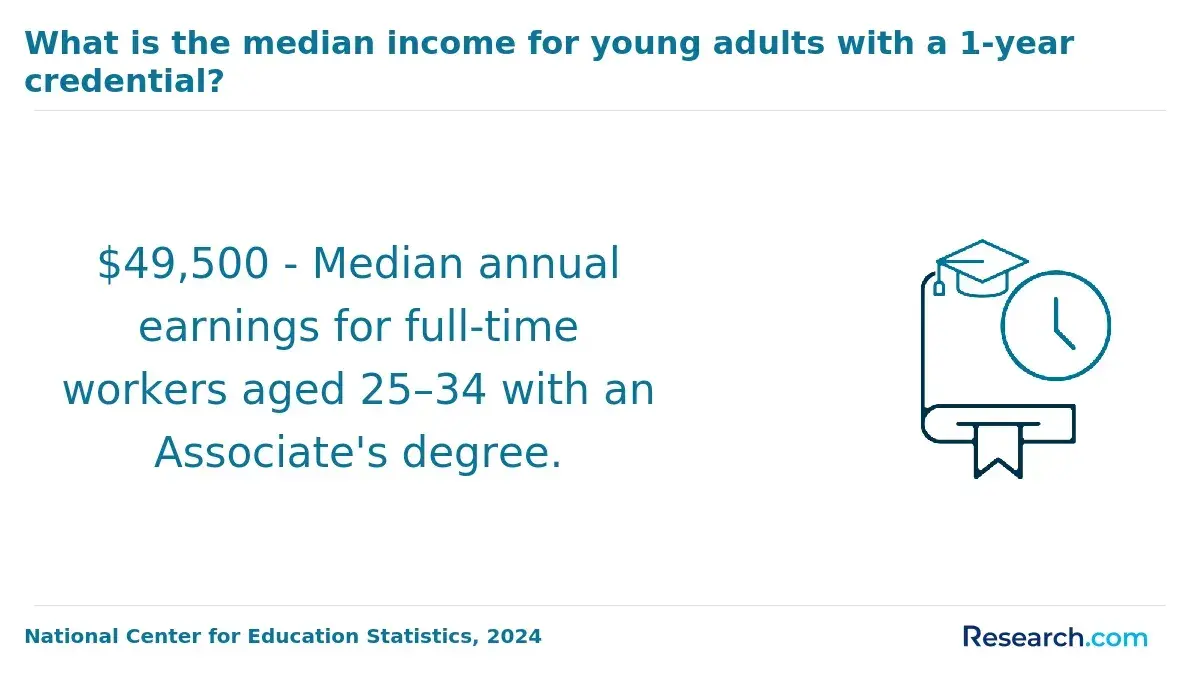
Evaluating industry growth is crucial for educational policy graduates seeking long-term career stability and advancement. Rapid expansion in certain sectors often signals stronger job security, higher demand for specialized skills, and evolving roles shaped by emerging challenges and policies. While salary potential matters, the sustainability of opportunities aligns closely with industries adapting to demographic shifts, legislative changes, and technological innovation. This context is especially vital as educational policy professionals navigate a landscape where public and private priorities frequently shift. Below are the sectors projected to offer the most robust growth in educational policy careers based on recent labor statistics and trends.
- Government Education Agencies: These continue to lead in employment growth for educational policy professionals, fueled by federal and state mandates focused on equity, inclusion, and data-driven accountability. Positions in policy analysis and program evaluation within departments at multiple government levels are expanding, supported by the U.S. Bureau of Labor Statistics' 2024 projection of steady job increases in education administration roles.
- Research and Consulting Organizations: Nonprofits, think tanks, and consulting firms have grown substantially by leveraging philanthropic investments to assess curriculum effectiveness and systemic reforms. Graduates find demand for skills that translate complex policy into actionable improvement strategies, particularly as funding streams diversify amid demographic and economic shifts.
- Higher Education Institutions: Colleges and universities require policy experts to navigate compliance, accreditation, and tech integration challenges. Growth in educational technology governance is notable, reflecting institutional efforts to address digital equity and privacy concerns in increasingly hybrid learning environments.
- Educational Technology Sector: This industry is expanding as schools and districts implement digital learning solutions, creating roles focused on policy development related to technology access, student data protections, and equitable tech use. Demand here varies widely by region and institutional resources.
Though private sector growth in educational policy is more cautious, graduates who adapt their expertise to changing political environments often find niche consulting roles. One graduate recalls hesitating between a nonprofit offer and a federal department position. The final choice to join a state education agency reflected a strategic bet on long-term growth driven by evolving equity-focused policies and data integration, underscoring how nuanced industry shifts directly shape career trajectories beyond initial job market impressions.
Which Employers Commonly Recruit Educational Policy Graduates?
Recognizing the types of employers that commonly hire educational policy graduates can help students tailor their academic focus, internship choices, and job search strategies to sectors with robust demand. Hiring trends depend heavily on factors such as geographic location, policy specialization, and evolving industry priorities, so aligning career planning with realistic employer needs boosts the chances of meaningful employment. For instance, a graduate interested in equity-driven reforms may gravitate toward nonprofit or advocacy organizations, while another focused on data analysis might pursue roles in consulting firms or government agencies. Below are several employer categories that consistently recruit individuals with educational policy expertise.
- Public Education Agencies: These remain the largest employers of educational policy graduates, encompassing state departments of education, school districts, and local education authorities. Positions often involve policy development, compliance monitoring, and program evaluation, aiming to enhance educational outcomes and meet federal and state mandates. According to recent figures from the U.S. Bureau of Labor Statistics and the National Center for Education Statistics, over 40% of educational policy roles are concentrated in this sector.
- Nonprofit Advocacy and Research Organizations: Groups dedicated to education reform and equity, such as policy research institutes and advocacy organizations, value graduates who can conduct rigorous program assessments, influence legislation, and foster community partnerships. These employers emphasize social justice issues and innovative policy solutions to address systemic disparities.
- Government Agencies Beyond Education: Departments of health, labor, and social services frequently hire policy analysts to work at the intersection of education with workforce development, health equity, and social welfare. These roles benefit from policy graduates' ability to analyze multifaceted programs, with some agencies offering competitive salaries tied to education and workforce funding.
- Private Educational Consulting Firms: As schools and educational technology companies increasingly rely on data-driven insights, consulting firms seek professionals skilled in policy analysis combined with quantitative methods. These employers provide advisory services, strategic planning, and impact evaluation, often offering salaries that reflect the lucrative nature of private sector consulting.
- Healthcare Foundations and Institutions: Emerging as new employers in this field, organizations focusing on social determinants of health have begun incorporating educational policies into their initiatives. Graduates in educational policy can help design strategies that address educational factors influencing public health outcomes, reflecting a growing interdisciplinary trend.
Which Skills Are Most In Demand Across Educational Policy Industries?
Skills that maintain their value across multiple industries reflect a blend of technical expertise and adaptive professional abilities. In educational policy-related fields, graduates equipped with these core competencies can navigate diverse work environments and shifting priorities, from government agencies to nonprofit organizations and edtech firms. The resilience of such skills lies in their role as foundational tools that support informed decision-making, stakeholder engagement, and continuous learning. For instance, a policy analyst working on pandemic-related learning adaptations must combine data literacy with strategic communication to influence multidisciplinary teams successfully.
The following are key competencies consistently prized across educational policy industries:
- Data Analysis Proficiency: Employers prioritize candidates skilled in statistical software like SPSS, R, or Python to analyze education outcomes. Educational policy students develop this through coursework and applied research, enabling evidence-based policy recommendations and ensuring career versatility.
- Research Methodology Expertise: Understanding how to design and evaluate policy research is critical. This skill allows graduates to assess program effectiveness rigorously, which is valuable across government, research institutions, and nonprofits.
- Legal and Regulatory Knowledge: Navigating federal and state education laws is essential as funding and priorities shift with legislation. Practical experience in compliance frameworks offers a competitive advantage and adaptability in policy roles.
- Communication Skills: Strong written and verbal communication enables clear articulation of complex policy to diverse audiences. Developing these skills through presentations and stakeholder engagement prepares graduates for leadership roles and cross-sector collaboration.
- Leadership and Strategic Planning: These skills empower graduates to manage initiatives and influence decision-making effectively. They are developed through project management experience and strategic coursework, supporting advancement in various educational policy careers.
- Problem-Solving and Adaptability: Given the rapid changes in education-such as equity challenges and technological integration-employers seek professionals who can innovate and respond flexibly to new issues.
- Collaboration and Interpersonal Skills: The interdisciplinary nature of education policy requires teamwork across sectors. Graduates who cultivate these abilities through group projects and external partnerships enhance their employability and impact.
According to data from the U.S. Bureau of Labor Statistics and the National Center for Education Statistics, 78% of employers in education policy emphasize a combination of technical skills and transferable abilities like communication and leadership. Prospective students seeking to build these competencies should consider programs that integrate applied research and real-world engagement. For example, those interested in combining policy with health or technical fields might explore relevant programs such as radiology tech online programs to diversify their expertise and expand interdisciplinary opportunities.
How Do Career Paths Differ Across Industries for Educational Policy Graduates?
Choosing an industry after earning a degree in educational policy can shape career growth as significantly as the degree itself. Different sectors prioritize distinct skills, reward unique specializations, and align variably with personal aspirations. For example, someone passionate about research might thrive in academia, while another focused on immediate policy impact may prefer government roles. Understanding these nuances helps graduates target environments suited to their professional and lifestyle goals. Below are key ways career paths diverge across fields for educational policy graduates.
- Career Progression Structure: Government agencies typically offer well-defined, hierarchical promotion tracks, promoting stability and gradual advancement. In contrast, consulting firms emphasize rapid skill acquisition and project-based roles, allowing faster salary growth but less predictable pathways.
- Salary Trajectories: Private sector consultants often outpace their public-sector peers in earnings, with mid-career salaries frequently exceeding $100,000 within 5-7 years. By comparison, public sector roles average around $75,000 annually but compensate with benefits and pension security.
- Workload and Job Security: Public institutions offer steadier employment and clear expectations, while consulting and nonprofit sectors involve fluctuating workloads and less formal job guarantees, requiring greater adaptability.
- Impact Focus: Nonprofit organizations attract graduates motivated by mission-driven work and social impact, often at the expense of slower promotions and lower remuneration. This sector suits those prioritizing purpose over pay.
- Professional Development Emphasis: Academic research and think tanks rely heavily on publication records and securing grants for advancement, causing slower but more specialized career growth that can open doors to consulting or policy influence later.
- Networking Opportunities: Consulting and nonprofits provide expansive external networks and collaboration across sectors, beneficial for professionals seeking diverse experiences. Government roles may limit exposure but strengthen internal policy expertise.
- Promotion Rates: Recent data from the National Council of Nonprofits indicate only 38% of educational policy professionals in nonprofits receive significant promotions within five years, highlighting slower upward mobility compared to other sectors.
How Do Industry Trends Affect Future Opportunities for Educational Policy Graduates?
Industry trends shape not only which sectors hire educational policy graduates but also the kinds of roles available and the compensation attached. Shifting priorities in public funding, technological innovation, and global education goals influence demand unevenly across government, nonprofit, private, and international spheres. These changes encourage graduates to align their skills with evolving employer needs rather than rely on traditional career paths alone. Awareness of these dynamics can sharpen strategic decisions about specialization and job targeting. Below are key trends likely to impact opportunities in the field.
- Government Investment Focus: Increased allocations at multiple government levels target reducing educational inequities and expanding access. This trend is expanding jobs in policy analysis, program development, and evaluation within public agencies. Graduates prepared to navigate complex regulatory environments and community engagement stand to benefit most.
- EdTech Industry Growth: Private companies developing educational technologies are actively seeking experts who understand policy frameworks to ensure products comply with emerging standards and meet equity mandates. These positions often offer higher salaries than traditional education roles but require agility in blending policy knowledge with technology insights.
- International Lifelong Learning Emphasis: Global organizations are prioritizing workforce development and continuing education initiatives, creating demand for graduates skilled in international education policy and program management. Experience with cross-cultural analysis and funding mechanisms enhances prospects here.
- Data-Driven Decision Making: Increasing use of analytics in education policy and reform requires specialists who can interpret complex datasets to inform evidence-based solutions. Employers seek candidates with combined expertise in policy, statistics, and evaluation methods.
The U.S. Department of Labor projects an 8% growth in employment for policy analysts and education administrators through 2030, outpacing many other occupations and underscoring the expanding scope of roles influenced by these trends.
One graduate recalled hesitating before accepting a role in a nonprofit focused on education reform after noticing a surge in government-backed initiatives aimed at equity. The decision to pivot toward policy evaluation rather than general administration was influenced by recognizing the growing intersection of public funding and data analysis. This choice proved pivotal as the organization later expanded its analytics team, enabling the graduate to leverage emerging trends rather than remain confined to static job descriptions. Their experience underscores how attentiveness to shifting industry priorities can transform potential uncertainty into strategic career moves.
How Can Students Prepare for High-Demand Educational Policy Industries?
Building a competitive profile for the educational policy labor market requires deliberate skill development, relevant experience, and networking. Recent data from respected labor analyses shows that internships and participation in policy-related research projects improve graduate employability by over 40%. These opportunities enable students to translate theory into practice within real-world education systems, enhancing critical understanding of legislative procedures and program evaluation. Below are key strategies that students can use to align themselves with industries demonstrating strong demand for educational policy expertise.
- Targeted internships: Seek placements with government agencies or nonprofits focused on education reform. These roles expose students to policymaking environments and stakeholder engagement, providing practical insights that classroom study alone cannot offer.
- Policy research projects: Engage actively in research that evaluates educational programs or analyzes policy impacts. This practice develops analytical abilities and familiarity with data interpretation critical for high-demand roles.
- Quantitative skills development: Prioritize learning statistical software and data analysis techniques. Employers increasingly expect proficiency in these areas to drive evidence-based decision-making in educational policy settings.
- Professional networking: Join educational policy associations and attend sector conferences. Building relationships with mentors and peers helps students stay informed on current trends and uncover job opportunities in evolving industries.
- Diverse population awareness: Gain experience or coursework focused on the effects of policy across underrepresented communities and STEM education. Understanding these dynamics is a growing priority for employers seeking inclusive reform strategies.
- Advanced education credentials: Pursue graduate degrees or certifications that combine interdisciplinary study with practical applications. This boosts competitiveness, especially in sectors emphasizing program evaluation and analytics.
- Strategic career planning: Combine academic success with continuous skill-building and proactive job search tactics. For those considering healthcare policy intersections, exploring pathways such as the quickest way to become a nurse practitioner can diversify career options.
Adopting a multi-faceted approach tailored to one's industry goals is essential. This balanced combination of hands-on experience, technical expertise, and professional connections forms the foundation for sustained success in high-demand educational policy careers.
How Do Different Educational Policy Degree Programs Prepare Students for Industry Careers?
Different educational policy degree programs vary significantly in how they prepare students for diverse industry careers, driven largely by their curricular focus, experiential learning opportunities, and interdisciplinary breadth. Prospective students should approach their program selection with an eye toward how specific skills gained from educational policy programs align with their targeted employment sectors. For instance, a graduate aiming for a policy analysis role within a government agency may prioritize programs emphasizing data analysis and policy evaluation, while someone interested in nonprofit advocacy might seek stronger communication and stakeholder engagement training. Research from the National Center for Education Statistics shows that over 70% of graduates who complete internships or applied projects within their coursework report significantly improved readiness for industry roles.
Key factors to compare include:
- Curricular Focus: Programs differ in balancing theory and applied skills. Some emphasize quantitative methods and policy evaluation, enhancing data-driven decision-making capabilities essential for roles in government and think tanks, while others prioritize qualitative analysis and legal frameworks suited for advocacy and educational administration.
- Experiential Learning: Inclusion of internships, fieldwork, or practicums varies widely. Hands-on experiences within school districts, nonprofits, or government agencies foster real-world understanding and networking, often tipping the scales in competitive job markets.
- Interdisciplinary Integration: Successful programs blend educational policy with economics, sociology, or public health to equip graduates for complex policy environments across multiple industries, increasing adaptability and long-term career resilience.
- Leadership Development: Some curricula incorporate leadership training and ethical decision-making, preparing students for managerial or consulting roles, as highlighted by findings from the American Educational Research Association.
- Stakeholder Communication: Effective communication skills with diverse groups are critical. Programs that embed negotiation and public engagement training contribute to stronger advocacy and policy implementation careers.
- Applied Research Skills: Emphasis on rigorous research design and strategic policymaking directly correlates with employability in sectors demanding evidence-based policy work, such as international organizations.
- Program Delivery Format: Flexibility of online versus in-person learning affects accessibility and networking opportunities. For example, students choosing specialized fields like education policy can explore options like marriage and family therapy master's programs online if interdisciplinary crossover interests them.
Which Industry Is the Best Fit for Your Educational Policy Career Goals?
The "best" industry fit for educational policy graduates is inherently subjective and hinges on individual priorities such as preferred work environment, salary expectations, specialization interests, and desired social impact. For example, one graduate may choose a government role valuing job stability and direct influence on policy reform, while another with the same degree might pursue educational technology firms seeking innovation and higher earnings. Factors like long-term career advancement and lifestyle preferences also play critical roles, shaping distinct paths despite shared academic backgrounds. According to 2024 data from the U.S. Bureau of Labor Statistics and the National Center for Education Statistics, employment demand and salary vary significantly across sectors, underscoring that no single industry universally suits all graduates.
To make informed choices, students should investigate employer expectations, industry growth forecasts, essential skills, and available internships while honestly reflecting on their strengths and interests. Research from the Foundation Center and Eduventures (2024) highlights that nonprofits and private companies offer different growth and compensation dynamics compared to government agencies. Ultimately, aligning personal goals with evidence-based industry opportunities-not just chasing the highest pay or fastest growth-produces stronger, more sustainable career outcomes. Well-prepared graduates can build successful careers across multiple sectors by leveraging niche expertise and pursuing pathways consistent with their professional and personal aspirations.
References
- The 25 Highest-Paying Jobs in Education (with Salaries) https://www.careeraddict.com/education-jobs
- What Employers Actually Want From Graduates https://bodyswaps.co/resources/blog/what-employers-actually-want-from-graduates
- Career Options With A Master's in Education Policy | Resilient Educator https://resilienteducator.com/degrees/career-masters-education-policy/
- Bridging the Gap: How Education Can Better Prepare Young People for Employment - Voices for Impact https://voicesforimpact.ai/bridging-the-gap-education-employment/
- Why Industry Trends Affect Education and Job Choices https://www.atlcf.org/how-industry-trends-influence-education-choices-and-career-paths/
- 5 Best Industries for College Graduates https://bhsg.com/resources/5-best-industries-for-college-graduates
- How to Become an Educational Policy Analyst - Graduate Programs for Educators https://www.graduateprogram.org/blog/how-to-become-an-educational-policy-analyst/
Other Things You Should Know About Educational Policy
Industries like government and nonprofit education policy tend to have more stable funding but face political shifts that can abruptly influence job security. Graduates targeting private sector roles, such as educational consulting firms, may experience higher variability in workload and employment based on contract availability and economic cycles. Prioritizing sectors with mixed funding sources can provide a balance between stability and innovation-driven opportunities, but this requires flexibility in adapting to different workplace cultures and performance expectations.
Higher salaries in corporate consulting or policy analysis roles often correlate with demanding workloads, including tight deadlines and extensive travel. In contrast, education-focused nonprofits typically offer lower pay but provide more predictable hours and meaningful engagement with communities. Graduates must weigh financial goals against lifestyle preferences and stress tolerance, as entering higher-pay industries may require sacrificing work-life balance early in their careers.
Employers in sectors like technology-driven education policy value candidates who combine traditional policy expertise with data analytics or behavioral economics. Lacking these complementary skills can limit access to innovative roles or leadership tracks. Graduates should strategically pursue interdisciplinary coursework or certifications to align with employer expectations, especially where data-driven policy evaluation shapes decision-making and funding distribution.
Established sectors such as government agencies provide clear promotion pathways, which can lead to steady career advancement but slower salary growth. Emerging industries like edtech policy consulting may offer rapid advancement and creative challenges but come with higher job risk and less structured progression. For most graduates, prioritizing stability and a defined career ladder early on is advisable, especially when professional networks and experience remain limited.