2027 Educational Policy Salary Trends Report: Are Wages Keeping Up With Tuition and Inflation?

Co-Founder and Chief Data Scientist
A prospective educational policy student weighs the rising cost of tuition against potential earnings after graduation. With inflation steadily increasing, understanding if salary growth keeps pace with education expenses is critical. The decision to invest in an educational policy degree hinges on more than just current salary figures. It requires a clear view of long-term financial outcomes amid changing economic conditions.
Salary growth, tuition costs, and inflation often move at different rates, complicating the assessment of a degree's true value. Examining purchasing power and return on investment offers a deeper understanding than isolated wage data.
This article explores salary trends, tuition inflation, and affordability to clarify the financial prospects tied to an educational policy degree. It highlights key factors that shape the long-term earning potential and cost-effectiveness of this educational path.
Key Things to Know About Educational Policy Salary Trends
- Graduate wages in educational policy have only modestly outpaced inflation, with a 3.2% real increase since 2022; rising tuition costs often erode net salary gains, challenging return on investment calculations.
- Long-term earning potential heavily depends on institutional prestige and specialized policy expertise, creating a wage gap as broad as 25% between graduates of top-tier versus mid-tier programs.
- Recent 2024 labor market analyses show policy roles linked to data analytics command 15% higher starting salaries, signaling that skill diversification critically shapes financial trajectories post-graduation.
- Key Things to Know About Educational Policy Salary Trends Key Things to Know About Educational Policy Salary Trends
- What Is the Current Salary Outlook for Educational Policy Graduates? Salary Outlook
- Are Educational Policy Salaries Keeping Up With Inflation? Inflation Impact
- How Do Tuition Costs Compare With Educational Policy Salary Growth? Tuition vs Salary
- Does a Educational Policy Degree Deliver a Positive Return on Investment? Degree ROI
- Which Industries Offer the Highest Salaries for Educational Policy Graduates? Which Industries Offer the Highest Salaries for Educational Policy Graduates?
- Which States and Cities Offer the Highest Pay for Educational Policy Professionals? Which States and Cities Offer the Highest Pay for Educational Policy Professionals?
- How Do Educational Policy Salaries Grow Throughout a Career? Career Growth
- How Do Educational Policy Salaries Compare With Similar Degrees? Salary Comparison
- How Is Employer Demand Affecting Educational Policy Salary Trends? Employer Demand
- How Can Students Maximize Their Lifetime Earnings With a Educational Policy Degree? Maximizing Earnings
What Is the Current Salary Outlook for Educational Policy Graduates?
The current salary outlook for educational policy graduates is shaped by multiple factors including job role, geographic location, and sector. For instance, education administrators often earn between $70,000 and $100,000 annually, with higher salaries generally found at state or district levels. In contrast, policy analysts focused on education typically see median wages ranging from $65,000 to $85,000 depending on their experience and the setting.
Entry-level public sector roles usually offer salaries near $50,000 to $60,000, while nonprofit organizations tend to offer slightly less, demonstrating how the same degree can lead to very different compensation depending on the career path chosen and organizational context-highlighting the importance of strategic choices for graduates.
Consider two graduates with comparable educational policy degrees: one accepts a public school district position as a program coordinator earning $55,000, while another takes a nonprofit role focused on advocacy making around $47,000.
Over time, the public sector employee may see steadier wage growth aligned with tenure and certifications, whereas the nonprofit worker might rely on specialized skills like grant writing or data analysis to boost earnings. Geographic variations also influence outcomes, with urban centers and well-funded states providing a wage premium over rural or underfunded areas.
Those assessing educational policy graduate salary trends should therefore weigh entry-level pay alongside projected career progression, job market demand, and opportunities to enhance income through certifications or advanced roles.
With rising tuition costs and inflation diminishing purchasing power, graduates must realistically appraise salary prospects relative to debt and living expenses. Long-term growth potential in educational policy careers often depends on accumulating experience and developing skill sets that differentiate candidates.
For individuals considering a degree path or career shift, it's valuable to understand how these salary dynamics interact with practical credentials, such as those acquired through an healthcare administration degree online accredited, which can complement educational policy expertise and expand job opportunities.
Ultimately, the current earnings outlook for educational policy degrees underscores the necessity of pairing academic credentials with targeted skills and informed career planning.
Are Educational Policy Salaries Keeping Up With Inflation?
Nominal salary increases in educational policy roles often mask the reality that wage growth lags behind inflation, reducing real earning power over time. For example, median annual raises of 2-3% reported for policy analysts and education researchers fall well short of the 4-6% inflation rates measured by the U.S. Bureau of Labor Statistics Consumer Price Index.
A policy analyst earning $65,000 in 2022 would require a 5% yearly raise just to maintain purchasing power; instead, incremental salary growth leads to stagnating or declining real wages. This gap between wage growth and the escalating cost of living illustrates a critical challenge faced by those considering or currently pursuing educational policy careers, where stagnant financial returns may influence long-term career sustainability.
Factors contributing to the muted growth of educational policy salaries include institutional budget constraints, public sector wage freezes, and competitive market pressures that keep compensation limited despite rising expenses. Rising tuition costs, which have increased roughly 7% annually, further strain graduates by inflating debt burdens in a field where income growth does not keep pace with these expenses.
Prospective students must weigh whether the investment in an educational policy degree justifies the financial tradeoffs, recognizing that navigating these economic pressures may require strategic choices or seeking roles in better-funded organizations. Those exploring career shifts might also consider how staying informed on related job market trends, such as whether is medical billing and coding in demand, could influence long-term financial stability.
Ultimately, understanding educational policy salary growth versus inflation is essential for realistic career planning in this sector. The slow pace of compensation increases relative to rising living costs emphasizes a need for deliberate financial and professional strategies among graduates and job seekers.
Being informed about these economic dynamics allows individuals to better assess their potential return on investment and identify pathways that align their salary prospects with inflationary trends and personal financial goals.
How Do Tuition Costs Compare With Educational Policy Salary Growth?
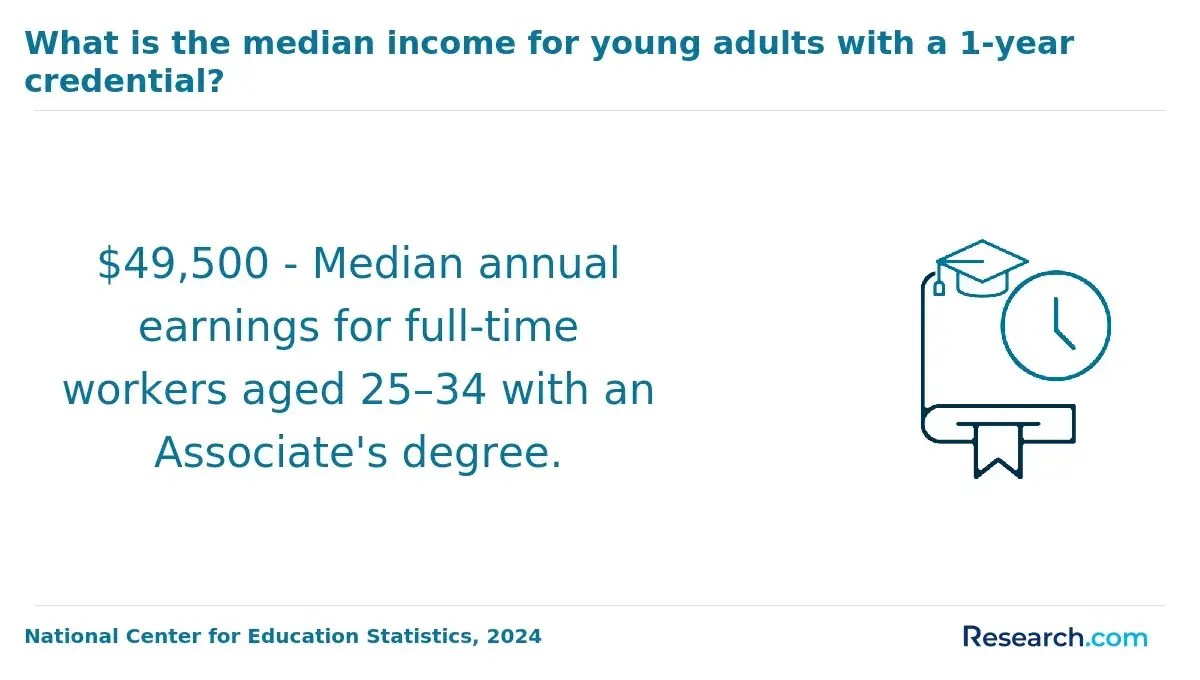
Evaluating tuition costs alongside salary growth offers a clearer view of the financial realities for educational policy graduates than examining either factor alone. Recent data from the National Center for Education Statistics shows average annual graduate tuition at public universities surpassing $22,000 and $38,000 at private institutions, while early-career salaries hover between $48,000 and $55,000.
This narrowing margin becomes crucial given that starting salaries grow only 2-3% annually after inflation, a pace often slower than both tuition increases and inflation rates, which currently exceed 4%. For students, this gap means that rising education costs may strain post-graduation finances, especially if loan repayment coincides with modest salary increases and a higher cost of living.
Consider two prospective students: one attends a public university supported by scholarships, the other selects a private institution with full tuition but no aid. The former might manage moderate debt with steady salary growth, while the latter faces a heavier financial burden despite similar salary trajectories, as compounded tuition costs and interest on large loans erode net earnings.
Factors such as debt load, inflation, and available financial support affect how closely salary growth offsets education costs, making the return on investment highly individual. Recognizing these interdependencies helps prospective students make strategic decisions about program affordability and long-term financial health rather than relying on headline salary or tuition figures alone.
After completing her educational policy degree at a private university, one graduate recalled hesitating before enrolling due to tuition hikes over prior years. Despite securing a starting salary near $50,000, she quickly realized that loan repayments coupled with living expenses delayed her ability to save, forcing her to reevaluate career options within education.
She describes the experience as a "balancing act" between passion for policy work and financial sustainability, underscoring how salary growth alone didn't immediately compensate for borrowing costs. Her story illustrates why understanding the nuanced relationship between tuition expenses and earnings growth is essential for making informed, realistic choices about pursuing an educational policy degree.
Does a Educational Policy Degree Deliver a Positive Return on Investment?
Return on investment (ROI) in higher education, particularly for a educational policy degree, extends beyond initial salary figures. It requires weighing tuition and associated costs against long-term earning potential and career advancement opportunities.
For instance, a graduate starting with a modest salary in educational research or policy analysis might see only incremental gains in the early years, which can feel insufficient given rising tuition rates that have outpaced inflation. However, as professionals transition into leadership roles or consultancy positions within education systems, their income frequently surpasses general wage inflation, creating a more favorable ROI over a 10 to 15-year period.
According to recent data from the National Center for Education Statistics and the U.S. Bureau of Labor Statistics, educational policy graduates experience steady salary growth, albeit at a slower pace compared to STEM or business fields. The critical factors influencing whether the degree pays off financially include geographical region, sector of employment, and further qualifications such as advanced degrees or certifications.
For example, an individual who pursues a master's or doctorate and moves into program evaluation or educational leadership is more likely to recoup upfront costs and see meaningful financial returns. Conversely, those who remain in entry-level roles without additional credentials may find the short-term financial benefits less compelling amid current economic pressures.
Beyond monetary considerations, prospective students should recognize that the value of a educational policy degree also involves significant non-financial rewards, including job satisfaction and meaningful impact on educational equity and reform.
These aspects often factor heavily in personal assessments of ROI, reinforcing that the degree's worth is highly individualized and contingent on one's career path and broader professional goals. Landmark studies from institutions like Brookings and the American Educational Research Association highlight this complex interplay, underscoring why decisions about pursuing this degree should be made with a nuanced understanding of both economic and social returns.
Which Industries Offer the Highest Salaries for Educational Policy Graduates?
Graduates with a degree in educational policy face varied salary prospects depending on the industry they enter. While demand across sectors fluctuates with policy trends and funding priorities, some industries consistently offer stronger earning potential.
Navigating these choices often requires balancing interests in public service, research, consulting, or administration against financial goals. Understanding where educational policy salary by industry sectors in the U.S. ranks highest can guide strategic decisions for recent graduates and career changers.
Below are key industries known for offering competitive pay and career sustainability:
- Federal and State Governments: Government agencies, including the Department of Education and state education departments, typically lead in compensation due to their policymaking and program evaluation roles. These positions often require expertise in funding allocation and regulatory compliance, offering stability and benefits alongside higher median salaries compared to nonprofits.
- Private Educational Consulting: Firms specializing in education reform and policy implementation often pay well for consultants who bring advanced degrees and data analysis skills. Those working with corporate EdTech companies or philanthropic foundations can command salaries well above the national average, reflecting their critical input on innovative programs and strategic planning.
- Higher Education Administration: Colleges and universities with robust education departments employ educational policy graduates in roles such as deans, program directors, and institutional researchers. The blend of policy knowledge and administrative leadership attracts funding that supports competitive salaries, especially in research grant management.
- Think Tanks and Research Institutes: Nonprofit organizations focused on education policy research offer roles that pay comparatively well, especially for those with strong analytical and communication skills. These positions emphasize influencing public policy through rigorous data-driven reports and advocacy strategies.
- Health and Social Services: Intersecting with educational policy in programs like early childhood education and special education funding, these sectors offer niche roles funded by federal grants. Compensation varies but can be lucrative when tied to policy impact and grant management expertise.
According to recent data from the U.S. Bureau of Labor Statistics and the National Center for Education Statistics, government and private consulting consistently rank among the top-paying sectors for educational policy roles.
As a real-world example, an educational policy analyst employed by a state education department may earn significantly more and enjoy greater job security than a similar role at a nonprofit research center. Prospective students might also explore hybrid ABSN programs as a pathway to broaden healthcare-related policy expertise, opening additional interdisciplinary career opportunities.
Which States and Cities Offer the Highest Pay for Educational Policy Professionals?
The earning potential for educational policy professionals varies significantly based on geographic location, reflecting distinct economic patterns and public sector priorities. In 2024, data from the U.S. Bureau of Labor Statistics and the National Center for Education Statistics show that states with substantial investment in education and large urban centers tend to offer the highest salaries, often surpassing $90,000 annually.
However, these financial benefits come with tradeoffs such as a higher cost of living and competitive job markets. Prospective graduates should weigh these factors carefully alongside long-term career goals. Below are key states and metropolitan areas where pay is typically at the top of the scale for educational policy roles:
- California: High salaries stem from a robust public education system and numerous policy-focused nonprofits concentrated in cities like Los Angeles and San Francisco. The tech-driven economy supports innovation in education reform, but the steep housing and living expenses may offset initial salary gains.
- New York: New York offers strong demand through state agencies and major research universities engaging in complex policy analysis. The significant salaries are paired with intense cost pressures and a highly competitive environment that may challenge newcomers without strong networks.
- Massachusetts: Boston and surrounding areas benefit from dense clusters of leading universities and education research institutions. These hubs drive demand for policy experts focused on both K-12 and higher education, yet salary advantages must be balanced against the region's rising living costs.
- Washington, D.C.: As the federal government's epicenter, D.C. boasts some of the highest median wages near $100,000, fueled by federal agencies, think tanks, and advocacy groups. The area is ideal for those seeking influence at national levels, but its premium cost of living requires strategic financial planning.
- Seattle, Washington: The city's growing emphasis on education equity and innovation, alongside a strong nonprofit and governmental presence, elevates pay scales. While salaries are attractive, the escalating housing market and regional inflation remain concerns for early-career professionals.
- Chicago, Illinois: Chicago offers a balanced option with moderately high salaries supported by state-level education departments and local policy organizations. The city's slightly lower cost of living compared to coastal hubs can improve net income and savings prospects for recent graduates.
- Midwestern States: Regions such as Ohio and Minnesota may not top salary charts but compensate with lower living expenses and stable demand for educational policy roles. For new graduates, these areas present opportunities to build experience and financial footing without the overhead found in major metropolitan locales.
How Do Educational Policy Salaries Grow Throughout a Career?
Entry-level salaries for educational policy professionals typically start between $55,000 and $65,000, reflecting a cautious but realistic market for new graduates. Over the first decade, wage increases tend to be incremental, often linked to additional qualifications or strategic networking rather than rapid salary jumps.
By mid-career-around 10 to 20 years in-median earnings rise to approximately $75,000 to $95,000, but geographic location and sector play large roles in these figures. Progression beyond this point usually requires moving into leadership or specialized roles, as general wage growth often fails to keep pace with inflation and escalating tuition costs, according to 2024 data from the U.S. Bureau of Labor Statistics and the National Center for Education Statistics.
Consider two graduates with identical educational policy degrees who diverge professionally: one pursues advanced certifications and seeks leadership roles within urban school districts, while the other remains in entry-level policy analysis at a smaller public agency. The former is more likely to surpass the mid-career median, leveraging institutional prestige and a growing publication record to push salaries beyond $100,000 in senior positions.
Meanwhile, without targeted professional development or strategic role changes, the latter may experience wage growth that stagnates near or below typical mid-career levels. This disparity illustrates how factors such as institutional affiliation, ongoing education, and leadership responsibilities critically shape long-term salary trajectories in this field.
One educational policy graduate recalls wrestling with whether to pursue a doctorate amidst balancing family commitments and mounting student debt. Initially hesitant, they delayed further study but eventually enrolled in a part-time doctoral program while working.
That choice, combined with active involvement in professional organizations, later opened doors to secure a senior consultant role with a salary increase beyond what many peers who remained in comparable analyst roles experienced. This experience highlights how purposeful reinvestment in education and networking, even with personal sacrifices, can be pivotal in overcoming the modest salary growth typical at early stages.
How Do Educational Policy Salaries Compare With Similar Degrees?
When assessing the average earnings for educational policy graduates versus similar fields, it becomes clear that nuanced tradeoffs shape long-term salary potential. Educational policy degrees tend to lead to roles with a specialized focus on research, advocacy, and equity in education, often within school districts, NGOs, or consulting firms.
However, the median salaries for these positions, around $65,000, can lag behind some related professions. Prospective students and career changers should consider how these earnings compare across disciplines and sectors before deciding on their path.
Below are key comparisons that highlight how educational policy salaries stack up with related degrees:
- Public Policy: Graduates with public policy degrees often access a wider variety of career paths including government agencies, private sector consulting, and nonprofits, typically earning median wages near $75,000. Their broader focus on multiple policy areas increases opportunities for higher pay, reflecting demand beyond education-specific roles.
- Education Administration: Salaries in education administration vary substantially by position and location, ranging from $60,000 to $90,000. Leadership roles at district or university levels can command higher incomes, but these often require advanced experience and managerial skills beyond what many educational policy graduates initially possess.
- Social Sciences: Graduates in social sciences usually earn less than educational policy professionals, as these roles cover broader, less specialized topics. Median pay is often below $65,000, with fewer direct pathways into education-focused employment, contributing to slower wage growth.
These comparisons underline the importance of weighing earning potential alongside personal career goals and the growing demand for educational equity expertise. In practice, a recent graduate debating between a degree in educational policy or broader public policy might choose educational policy for its targeted mission despite somewhat lower median salaries.
For those seeking alternative or accelerated paths in healthcare, exploring online direct entry MSN programs for non nurses offers a contrasting example of specialized programs that can significantly shift long-term earnings.
How Is Employer Demand Affecting Educational Policy Salary Trends?
Employer demand significantly shapes educational policy salary trends by driving competition among institutions seeking skilled professionals capable of managing complex regulatory and funding landscapes. For instance, metropolitan areas with concentrated educational reform efforts often offer higher wages or enhanced benefits to attract qualified policy analysts with expertise in data analysis or equity policy.
However, according to 2024 data from the U.S. Bureau of Labor Statistics, while job openings in educational policy and administration have grown moderately, wages have only increased selectively and unevenly, particularly for roles tied to federal grant management. This selective salary growth reflects the tension between rising employer demand and budget constraints faced by many education sectors.
The broader job market influences how much employer demand impacts pay. Factors such as economic pressures, organizational budgets, and a candidate's specialization and experience play crucial roles. For many prospective and current students evaluating educational policy salary trends influenced by job market dynamics, the reality is that wage growth often lags behind inflation and rising tuition costs.
This means even though demand signals opportunity, salary increases may not fully offset the cost of education in early career stages. Those considering an educational policy degree should also explore niche expertise and advanced skills to improve long-term earnings.
For individuals, including veterans or career changers, balancing these tradeoffs is essential. Exploring related pathways, such as an online speech pathology degree for military veterans, may present alternative routes with different demand and salary profiles. Ultimately, strong employer demand can accelerate wage growth, but it interacts with many variables, requiring careful analysis to align education investments with realistic salary expectations.
How Can Students Maximize Their Lifetime Earnings With a Educational Policy Degree?
Maximizing lifetime earnings with an educational policy degree demands targeted choices beyond just obtaining the credential. Data from 2024 studies by the U.S. Bureau of Labor Statistics and the National Center for Education Statistics show that professionals embedded in government agencies or large educational organizations typically reach higher salary brackets.
These settings often provide more stability and benefits, which compound over decades. Realistically, a graduate might start as a policy analyst in a federal education department and leverage advanced qualifications and networks to ascend to director-level positions with substantially higher compensation.
The following strategies highlight ways students can strategically position themselves for stronger long-term financial outcomes:
- Advanced Credentials: Earning a master's or doctorate in educational policy or related fields enhances specialist knowledge, making candidates eligible for leadership roles and top-tier salaries that significantly boost lifetime earnings.
- Targeted Employment Sectors: Prioritizing jobs within government or large urban school districts offers better pay and advancement opportunities than smaller or rural districts, reflecting data trends on regional salary disparities.
- Skill Diversification: Combining policy expertise with advanced skills in data analysis, program evaluation, or law increases employability and accelerates career growth in competitive markets.
- Leadership Focus: Aiming for roles such as policy analysts, education consultants, or directors of policy development positions graduates where they capture the highest pay scales documented in recent labor reports.
- Professional Networking: Active involvement in industry associations and policy research projects builds connections that open doors to high-level positions often inaccessible via standard job searches.
- Technology Integration: Keeping pace with evolving educational technologies strengthens implementation capabilities, a growing determinant of advancement in educational institutions and agencies.
- Continuous Learning: Staying updated on changing regulations and educational reforms ensures relevance, supporting sustained income growth throughout a multidecade career.
References
- Employer investment in skills and training capacity: a research and policy imperative https://campaign-for-learning.org.uk/Web/cfl/What-we-do/Policy-Folder/Policy-Views-Folder/Employer_investment_in_skills_and_training_capacity.aspx
- Despite growth, average teacher salaries lag behind inflation https://www.k12dive.com/news/despite-growth-average-teacher-salaries-lag-behind-inflation/748534/
- Research Summary: Education and Lifetime Earnings https://www.ssa.gov/policy/docs/research-summaries/education-earnings.html
- College costs have increased by 169% since 1980—but pay for young workers is up by just 19%: Georgetown report https://www.cnbc.com/2021/11/02/the-gap-in-college-costs-and-earnings-for-young-workers-since-1980.html
- Teacher Salaries: A Key Factor in Recruitment and Retention https://learningpolicyinstitute.org/blog/teacher-salaries-key-factor-recruitment-and-retention
- Is College Worth it? | Return on Investment Analysis of College Degree https://educationdata.org/college-degree-roi
- Understanding Educational ROI https://www.larson.com/educational-roi/
- Why is the cost of college rising so fast? https://ssti.org/blog/why-cost-college-rising-so-fast
- Does College Pay Off? A Comprehensive Return On Investment Analysis - FREOPP https://freopp.org/whitepapers/does-college-pay-off-a-comprehensive-return-on-investment-analysis/
Other Things You Should Know About Educational Policy
Programs emphasizing research methods and quantitative analysis often position graduates for roles in policy analysis or government agencies, which tend to offer more competitive salaries compared to positions focused mainly on advocacy or administration. However, research-intensive tracks can also extend study duration and increase tuition costs, potentially offsetting near-term financial gains. Prospective students should weigh whether the curriculum's focus aligns with their career goals and consider how these structural differences may influence both immediate job prospects and long-term salary trajectories.
Positions in public institutions or nonprofits generally provide more job stability but often come with slower salary growth, while roles in private consulting or think tanks may offer higher starting pay but less security. Choosing a path with higher initial compensation could mean increased volatility in employment and benefits. Students should evaluate whether they prioritize steady income and benefits over aggressive salary advancement, as this decision impacts financial resilience amid inflation and rising living costs.
Many educational policy positions involve extensive responsibilities beyond standard hours, including grant writing, stakeholder engagement, and data analysis. While some of this extra work may not be compensated directly, it can affect overall job satisfaction and the ability to pursue additional income opportunities, such as consulting or speaking engagements. Prospective salary offers should be assessed not only by base pay but also by realistic expectations of workload, as uncompensated overtime effectively reduces the hourly wage earned.
Relocating to areas with higher demand for educational policy expertise can substantially increase earnings, but this often comes with higher living expenses that might erode disposable income gains. Moreover, geographic mobility can disrupt professional networks and require adaptation to different policy environments. Students should prioritize moves to regions where salary increases outpace the cost of living and where opportunities align with their specialization, balancing potential financial improvements with personal and professional stability.