2027 Clinical Nurse Leader Degree Oversupply or Undersupply? Student Volume vs Employer Demand

Co-Founder and Chief Data Scientist
Deciding whether to pursue a clinical nurse leader degree today demands a clear view of graduate output versus actual openings. In 2024, the U. S. saw a 7% increase in clinical nurse leader graduates while related employer job postings rose only 3%, signaling potential oversaturation in some regions. This imbalance can depress hiring rates, elevate competition, and risk underemployment for new graduates. Geographic disparities further complicate matters as demand concentrates unevenly across states, and evolving employer skill requirements raise the stakes for credential relevance.
This article compares clinical nurse leader student volume with employer demand, job growth, industry needs, regional conditions, and skill gaps to help readers judge whether the field offers sustainable opportunities or rising competition.
Key Things to Know About Clinical Nurse Leader Graduate Supply and Employer Demand
- Enrollment in clinical nurse leader programs has plateaued despite a 10% rise in relevant job openings from 2023 to 2025, indicating a growing mismatch that pressures employer recruitment in specialized care roles.
- The concentration of graduates in urban hospitals intensifies credential competition locally, limiting entry-level placement rates and urging workforce planners to prioritize rural and underserved areas.
- Extended degree durations and associated costs create timing tradeoffs, causing some candidates to defer enrollment, which slows workforce replenishment and challenges institutions to adapt scheduling for labor market needs.
- Key Things to Know About Clinical Nurse Leader Graduate Supply and Employer Demand Key Things to Know About Clinical Nurse Leader Graduate Supply and Employer Demand
- Is There an Oversupply or Undersupply of Clinical Nurse Leader Graduates? Graduate Oversupply or Shortage
- How is Clinical Nurse Leader Degree Enrollment Changing? Degree Enrollment Trends
- How Many Clinical Nurse Leader Graduates Enter the Workforce Each Year? Annual Graduate Workforce Entry
- Does Job Growth Support the Rising Supply of Clinical Nurse Leader Graduates? Job Growth Versus Supply
- How Competitive is the Entry-Level Market for Clinical Nurse Leader Graduates? Entry-Level Market Competition
- Which Industries Have the Greatest Demand for Clinical Nurse Leader Graduates? Top Hiring Industries
- Where are Clinical Nurse Leader Graduates Most in Demand? Top Geographic Demand
- Which Clinical Nurse Leader Specializations and Degree Levels Face the Strongest Demand? Which Clinical Nurse Leader Specializations and Degree Levels Face the Strongest Demand?
- Are Employer Skill Gaps Affecting Demand for Clinical Nurse Leader Graduates? Are Employer Skill Gaps Affecting Demand for Clinical Nurse Leader Graduates?
- What is the Future Supply-and-Demand Outlook for Clinical Nurse Leader Graduates? Future Supply-Demand Outlook
Is There an Oversupply or Undersupply of Clinical Nurse Leader Graduates?
Nationally, the supply of clinical nurse leader graduates generally aligns with employer demand, reflecting steady but modest growth in program completions alongside projections for approximately 6% job growth in healthcare management roles over the next decade. However, this balance conceals important regional disparities where some markets, especially those with expanding healthcare sectors and aging populations like Florida and Arizona, demonstrate clear undersupply with persistent vacancies exceeding the local graduate output.
Conversely, in saturated northeastern and midwestern urban centers, the volume of graduates occasionally surpasses available positions, creating heightened competition that compels candidates to pursue additional certifications or specialized experience to remain competitive in entry-level hiring pools.
Evaluating clinical nurse leader graduate supply and employer demand requires recognition that increasing enrollment does not automatically translate into proportional employment opportunities, particularly where employer expectations favor master's credentials and nuanced skill sets related to care coordination and quality improvement. Industry sector also influences demand volatility; acute care settings consistently seek these leaders, whereas outpatient and long-term care vary with local funding constraints.
This complexity means that a national aggregate can mask localized shortages or surpluses, requiring students and degree holders to consider geographic labor market dynamics carefully and how differentiation through targeted advanced training or via enrollment in the easiest DNP program online might improve responsiveness to evolving employer needs.
How is Clinical Nurse Leader Degree Enrollment Changing?
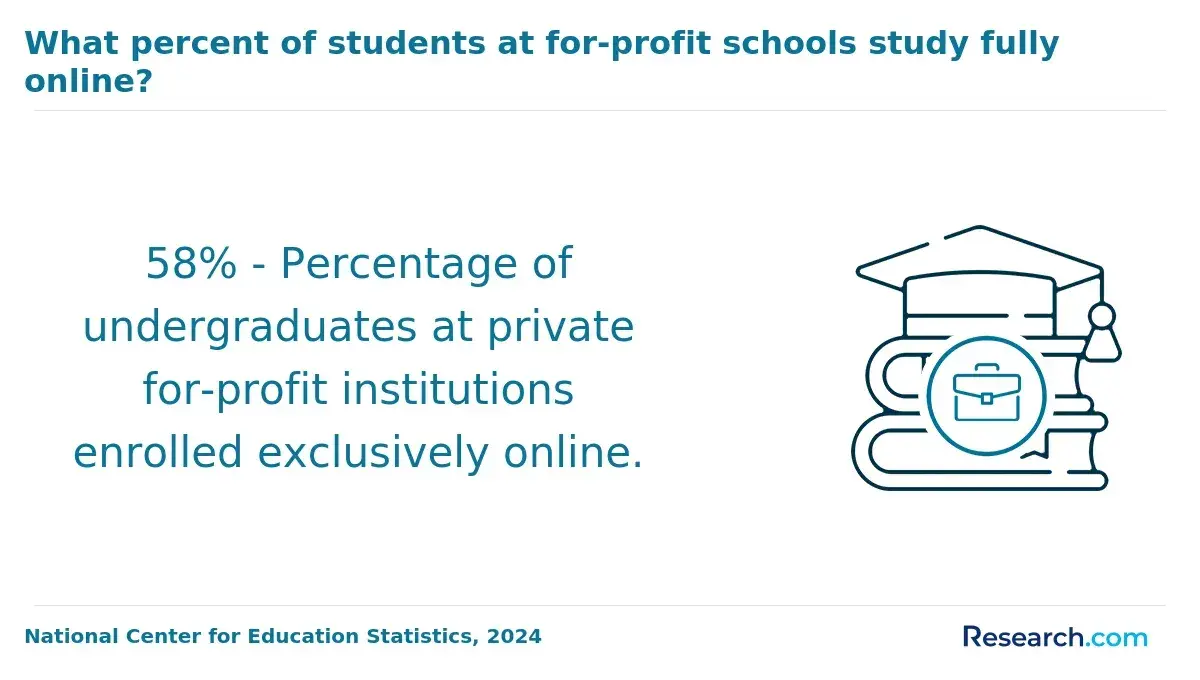
Recent shifts in clinical nurse leader degree enrollment indicate a measured expansion rather than a surge, with growth primarily driven by the rise of online program availability, which now accounts for about 40-50% of student participation according to the National Center for Education Statistics. This expansion improves access for working professionals balancing multiple responsibilities, yet also introduces variability in institutional capacity and program quality.
While master's-level courses hold the largest share of enrollment, growth in post-master's certificates and doctoral pathways remains gradual, reflecting nuanced student preferences and workforce needs rather than indiscriminate demand. The heterogeneous growth patterns suggest employers in many regions may benefit from a steadier stream of qualified graduates, but local competition for limited clinical leadership roles could intensify, especially where healthcare systems consolidate or prioritize specific expertise areas.
Interpreting national enrollment totals without accounting for regional labor market conditions can lead to oversights; a growing number of graduates may alleviate shortages in community health sectors but contribute to saturation in urban hospital settings already stocked with experienced leaders. Demographic trends, including modest increases in underrepresented minorities and continued male underrepresentation, also influence cohort dynamics and future workforce diversity, which remains a critical factor for many healthcare employers. Economic pressures and institutional program restructuring further shape student interest and degree completion rates, underscoring the need for prospective students to assess both the practical value of the credential and the availability of relevant positions in target locales before committing.
A current student in a clinical nurse leader program noted that their cohort size has expanded noticeably over recent years, largely due to the school's increased online course offerings and partnerships with regional health organizations. While this growth brought a more diverse and geographically dispersed group of peers, it also raised concerns about job market competition after graduation. The student remarked on hearing mixed messages from advisors—some encouraging optimism around rising demand, others cautioning that not all regions can absorb the influx without increased competition. This duality left the student taking a cautious approach to specialization choices and actively seeking local employer engagement to better understand realistic post-graduation opportunities.
How Many Clinical Nurse Leader Graduates Enter the Workforce Each Year?
Assessing whether the supply of clinical nurse leader graduates meets employer demand cannot rely solely on annual graduation numbers. Data from the U.S. Department of Education's IPEDS in 2024 shows about 1,200 to 1,500 students complete clinical nurse leader programs each year, including master's degrees and post-baccalaureate certifications. However, these figures do not fully capture labor market entry because a significant portion of graduates pursue roles outside traditional clinical nurse leader functions, such as advanced practice, administration, or further education, reducing the immediate labor pool for these positions.
Workforce data reveal that only around 60% to 70% of graduates secure employment in clinical nurse leader-specific roles within a year, complicating straightforward comparisons between graduate output and job openings. Geographic variation and employer recognition also influence hiring patterns, with urban areas often experiencing greater competition and some healthcare systems integrating clinical nurse leader duties within broader nursing leadership roles. Consequently, not every graduate enters the labor market simultaneously or competes directly for the same vacancies, making annual graduate volume an imperfect indicator of workforce adequacy or oversupply.
This nuanced dynamic means relying on total graduate numbers without considering employment uptake, regional demand, and employer role definitions can lead to misinterpretation. For workforce planners and educators, balancing graduate production with actual hiring trends and the evolving scope of practice is essential to avoid misaligned expectations or training surpluses. Effective evaluation requires integrating program completion data with labor market outcomes to provide a practical understanding of how clinical nurse leader supply aligns with real-world job availability and sector needs.
For nurses seeking to advance their education efficiently, the shortest DNP program options can provide a more accelerated pathway to doctoral-level preparation, although completion timelines vary based on prior credentials, transfer credits, and enrollment format. Comparing program length alongside clinical requirements, accreditation, and curriculum depth helps ensure that speed does not come at the expense of preparation or career value.
Does Job Growth Support the Rising Supply of Clinical Nurse Leader Graduates?
Projected growth for clinical nurse leader roles closely trails the increasing number of graduates, creating heightened competition in the job market. Although the U.S. Bureau of Labor Statistics forecasts about 7% growth in related nursing roles through 2034, this pace may not sufficiently absorb the steady rise in graduates reported by the National Center for Education Statistics. Many job openings result from retirements or turnover rather than net new positions, meaning entry-level candidates often compete with seasoned professionals and must demonstrate advanced clinical and leadership skills, plus sought-after certifications, to secure favorable employment.
Regional and specialty demand variation adds complexity; metropolitan areas and regions with aging populations typically offer more robust opportunities, while rural and economically disadvantaged locales often show stagnant or declining hiring. This uneven demand means a recent graduate may need geographic flexibility or additional qualifications to avoid underemployment. Employers increasingly value practical experience combined with credentials, influencing hiring preferences and extending time-to-employment for new entrants. For those weighing the supply and employer demand equation, understanding these factors alongside alternatives such as 8 week medical billing and coding courses can be critical to informed career decisions.
How Competitive is the Entry-Level Market for Clinical Nurse Leader Graduates?
The entry-level landscape for clinical nurse leader graduates reflects a constrained balance between candidate volume and actual job openings rather than a straightforward oversupply. While healthcare hiring remains steady overall, clinical nurse leader roles tend to be both specialized and geographically clustered, causing uneven access to opportunities.
Demand often concentrates within large hospital systems and academic medical centers, making broader job availability limited. Despite steady applicant interest, competition intensifies as many positions require prior clinical or leadership experience, filtering out purely fresh graduates. The practical hiring environment thus rewards flexibility and strategic credential-building.
Key dynamics shaping how competitive the entry-level market is include:
- Applicant Density: High numbers of applicants per position can inflate competition, especially when new graduates face candidates with transition experience. Evaluating employer data on applicant volumes helps gauge realistic odds and potential patience in the search process.
- Experience Thresholds: Many postings specify prior clinical leadership or specialty experience, creating barriers for candidates without such backgrounds. Graduates should assess whether supplemental roles or certifications can bridge these gaps.
- Industry Concentration: Demand often clusters in larger systems or teaching hospitals, limiting openings in smaller or rural facilities. Understanding regional healthcare infrastructure guides more targeted job searches.
- Regional Variation: Hiring trends vary widely by state and metro area, with some geographic zones offering fewer roles. Graduates might consider relocation or broader geographic flexibility to improve prospects.
- Role Specialization: Emerging alternative jobs that leverage clinical nurse leader competencies compete for similar talent pools, complicating direct alignment between supply and traditional CNL roles.
- Certification and Networking: Active certification pursuit and professional network cultivation positively affect employability by signaling commitment and demonstrating relevant skills.
For example, one recent graduate found the market daunting after applying broadly across a mid-sized region. Despite clinical leadership training, repeated job postings required 2+ years' prior management experience, leading to several interview declines. Shifting focus, the graduate accepted a related quality improvement role at a smaller community hospital outside the initial geographic preference. This strategic pivot reflected awareness that direct CNL vacancies were scarce and often bridged by more experienced hires, illustrating how realistic career entry sometimes involves lateral moves or expanding acceptable employment settings.
Which Industries Have the Greatest Demand for Clinical Nurse Leader Graduates?
Demand for clinical nurse leader graduates is heavily concentrated in healthcare settings where complex patient care coordination and system-level outcomes dominate operational priorities. Employers balance job volume with competition levels and skill requirements, driving graduates to assess tradeoffs between sectors offering abundant openings versus those requiring specialized leadership or clinical experience.
For example, a graduate weighing positions in hospitals versus outpatient care must consider differences in role seniority, expectations for interdisciplinary management, and the potential for career advancement amid varying labor market dynamics. Such evaluative decision-making reflects the nuanced regional hiring trends for clinical nurse leader graduates and the practical realities shaping career trajectories.
Industries generating the strongest employer demand include:
- Healthcare Delivery Systems: Hospitals and large health systems lead demand due to the emphasis on high-acuity patient care, quality improvement, and interdisciplinary team leadership. Roles often range from entry-level clinical coordination to department-level leadership, prioritizing graduates with demonstrated clinical proficiency and management experience.
- Long-Term Care and Rehabilitation: This sector's growth stems from demographic shifts and expanded post-acute services, fueling demand for leaders adept at optimizing workflows and resource management. Employers typically seek candidates skilled in clinical outcome monitoring and cost control in resource-constrained environments.
- Ambulatory Healthcare Services: Outpatient clinics and specialty centers require clinical nurse leaders to improve transitional care and patient satisfaction. Demand here reflects operational leadership roles focused on care coordination, necessitating skills in both clinical oversight and patient flow management.
- Public and Community Health: Although demand remains comparatively modest, it is expected to increase with the healthcare field's pivot towards prevention and population health. Positions often call for competencies in data analytics, policy implementation, and population health strategies diverging from traditional clinical management.
- Urban Health Systems: Concentrated openings in metropolitan areas heighten competition but also provide a platform for advancement in complex healthcare organizations valuing practical leadership experience combined with clinical acumen.
Prospective students and current degree holders must critically align program training, such as clinical exposure and leadership development, with these targeted industry demands to optimize employability. For those comparing pathways like the clinical nurse leader degree versus alternatives such as the "What is the easiest RN to BSN online program?," understanding industry-specific hiring patterns is essential for informed decision-making.
Where are Clinical Nurse Leader Graduates Most in Demand?
National demand statistics for clinical nurse leader graduates often mask significant regional disparities shaped by healthcare system size, demographic trends, and local workforce dynamics. For example, metropolitan areas with extensive hospital networks and integrated outpatient services tend to offer the greatest volume of job openings but also attract the highest concentration of qualified applicants, intensifying competition.
Graduates targeting markets like New York City or Los Angeles must weigh higher living costs and employer expectations for advanced certifications or clinical experience against potentially greater role diversity and career pathways. Conversely, rural or underserved regions may report fewer positions and less applicant saturation but may require relocation flexibility and adaptation to resource-constrained settings with fewer specialty opportunities.
Healthcare sectors increasingly favor clinical nurse leaders who can operate across care continuums, particularly in outpatient and community-based environments where leadership roles are growing faster than in traditional hospital settings. States with aging populations and expanding health infrastructure—including but not limited to California and Florida—manifest stronger hiring growth, yet even within these states, demand clusters rely heavily on local education pipelines and existing health system density.
Data from 2024 labor market analyses confirm that workforce shortages in some states create pockets of unmet demand, but limited recruitment success there underscores how geographic and economic tradeoffs affect actual job accessibility. For current and prospective graduates, recognizing how employer density, required credentials, and practical cost-of-living considerations converge is essential to making informed decisions beyond headline job counts.
Which Clinical Nurse Leader Specializations and Degree Levels Face the Strongest Demand?
Employer demand for clinical nurse leaders is not evenly spread but instead clusters around specific specializations and degree levels that align closely with current healthcare priorities. Healthcare organizations place premium value on skills that support integrated care models, regulatory compliance, and improved patient outcomes, particularly in complex or underserved settings. For example, a master's-level graduate specializing in acute care is likely to encounter more robust hiring opportunities than a bachelor's-level counterpart focused on general clinical roles. Meanwhile, those holding doctoral degrees often find more limited openings, usually confined to academia or administrative policy positions rather than frontline leadership. Data from the National Center for Education Statistics indicate steady enrollment in master's-level programs, reflecting employer preferences that skew towards advanced credentials combined with practical experience rather than entry-level qualifications. Below are key areas showing the most pronounced demand patterns.
- Master's-Level Acute Care: Employers seek clinical nurse leaders with expertise in acute care due to hospitals' emphasis on rapid response, complex case management, and inpatient quality control. This specialization demands advanced clinical judgment and leadership certification aligned with master's degrees.
- Chronic Disease Management: Positions focusing on chronic illness require CNLs adept in care coordination and patient education across long-term treatment plans, making master's-prepared candidates particularly competitive in integrated health systems.
- Gerontology Specialization: An aging population fuels rising demand for clinical nurse leaders trained in gerontological principles, especially those who can navigate both clinical complexities and social determinants of health in long-term and community-based care.
- Quality Improvement and Integrated Care: CNLs skilled in data-driven quality improvement and systems integration are essential to organizations pursuing value-based care models, with hiring favoring those holding master's degrees and relevant certifications.
- Doctoral-Level Academic Roles: While fewer in number, doctoral-prepared clinical nurse leaders often fill academic or administrative research positions, as their credentials support policy development and education rather than direct clinical leadership.
- Rural and Underserved Areas: Acute shortages in these settings drive demand for flexible clinical nurse leaders with broad practical skills and leadership experience, often prioritizing those with master's-level education capable of managing diverse healthcare challenges.
Are Employer Skill Gaps Affecting Demand for Clinical Nurse Leader Graduates?
The challenge in assessing regional demand for clinical nurse leader graduates lies less in a numerical shortage than in a gap between employer expectations and graduate competencies. Hiring managers often favor candidates with substantial applied experience, specialized certifications, and proficiency in interdisciplinary communication over those who solely hold the degree. For example, a health system may keep clinical nurse leader roles unfilled because applicants lack demonstrated skills in evidence-based practice implementation or workflow optimization, even when graduate numbers are sufficient. This dynamic creates a nuanced job market where credential recognition and technical alignment often outweigh sheer graduate volume.
Employer skill gaps shape perceptions of clinical nurse leader oversupply versus undersupply by influencing hiring competition across regions and roles. In many areas, positions requiring clinical nurse leader competencies overlap with nurse manager or clinical specialist functions, amplifying competition and complicating candidate selection. Graduates who supplement their academic credentials with targeted internships, digital and regulatory familiarity, and project experience can better navigate these complexities. Prospective students evaluating programs, including accelerated NP programs, should consider curricular focus on these practical skills to improve employability outcomes in healthcare organizations, increasingly citing leadership and coordination challenges.
What is the Future Supply-and-Demand Outlook for Clinical Nurse Leader Graduates?
Targeted job searches typically yield better outcomes for clinical nurse leader graduates than high-volume, unfocused applications because aligning candidate qualifications with specific entry-level job titles and local market demand reduces competition and improves employer fit. Many graduates who fail to prioritize industries and regions with stronger demand, particularly outside metropolitan oversaturated areas, find themselves competing against more experienced nurse leaders, resulting in longer job searches or underemployment.
For instance, a graduate focusing solely on urban hospitals without tailoring their resume to employer language or highlighting relevant skills such as healthcare informatics and leadership projects risks being overlooked, despite the overall positive regional employment outlook for clinical nurse leader roles.
Graduates can increase interview success by allocating effort toward positions where their education and experience closely match stated requirements and demonstrating job readiness with clinical internships or interprofessional training. Application timing and market research are crucial; understanding geographic disparities can guide candidates to underserved rural markets with persistent shortages rather than crowded urban settings. Incorporating evidence-informed strategies from labor market data helps clinical nurse leader graduates avoid the pitfalls of a generalized job hunt, ensuring their efforts correspond to realistic employer expectations.
Some may also consider diversified pathways—for example, exploring allied care roles or related health professions like those who choose to become a drug counselor online—to broaden employment opportunities amid the evolving healthcare landscape and future supply and demand of clinical nurse leader graduates.
References
- Nursing Shortage Fact Sheet https://www.aacnnursing.org/news-data/fact-sheets/nursing-shortage
- CNL vs. CNS: Which Nursing Career Path Is Best for You? https://www.rush.edu/news/cnl-vs-cns-which-nursing-career-path-best-you
- What is a Clinical Nurse Leader (CNL)? https://www.allnursingschools.com/specialties/clinical-nurse-leader/
- Clinical Nurse Leader (CNL) Job Description https://www.nursecareers.com/advanced-nurse-careers/clinical-nurse-leader-cnl-job-description/
- Client Challenge https://www.springerpflege.de/the-impact-of-clinical-nurse-leadership-models-on-the-quality-of/51587724
- Clinical Nurse Leader: Everything you need to Know — The BridgeWay Firm https://www.bridgewayfirm.com/news-updates/clinical-nurse-leader
- Clinical Nurse Leader: Career Overview and FAQ https://credenzahealth.com/career-advice/how-to-become-a-clinical-nurse-leader
- UTMB School of Nursing | Clinical Nurse Leader Program https://nursing.utmb.edu/Academics/Programs/Graduate/ClinicalNurseLeader
- CNL vs. CNS: Which Nursing Career Path Is Best for You? https://www.rushu.rush.edu/news/cnl-vs-cns-which-nursing-career-path-best-you
- What New Graduates Need from Nurse Leaders - Emerging Nurse Leader https://emergingrnleader.com/what-new-graduates-need-from-nurse-leaders/
Other Things You Should Know About Clinical Nurse Leader
The clinical nurse leader degree often requires a significant investment of time and money, yet employer demand may not uniformly reward all graduates with commensurate salaries or job stability. Prospective students should evaluate programs that balance rigorous clinical experience with leadership training, ensuring they emerge with practical skills valued by employers. Prioritizing programs with strong employer connections and clinically relevant curricula can improve job placement chances, even in markets with fluctuating demand. In short, prioritizing educational quality and alignment with employer expectations can mitigate the risks tied to program cost and duration.
Specializing within a clinical nurse leader program may deepen expertise but can narrow job prospects if employer demand favors generalist leadership skills. Some employers value broad clinical leadership experience capable of managing diverse teams and systems, while others seek specific expertise such as informatics or quality improvement. Candidates must carefully research local and sector-specific demand patterns; opting for a generalist clinical nurse leader track often enhances adaptability and long-term employability. Specialization carries benefits but should only be pursued with clear knowledge of corresponding job market demand.
Employers increasingly expect clinical nurse leader graduates to possess strong competencies in evidence-based practice, interprofessional communication, and systems thinking alongside traditional clinical skills. Programs that emphasize these practical, leadership-oriented outcomes better prepare students for real-world demands, but this requires students to engage beyond textbook learning into applied clinical leadership. Graduates from less practice-focused programs may face difficulties meeting employer expectations, affecting job retention and advancement. Therefore, readiness hinges on selecting programs that integrate leadership practice into clinical education effectively.
Given evolving healthcare systems and employer expectations, continuing education or certification beyond the clinical nurse leader degree can improve job security and career advancement. Those entering saturated markets or aiming for specialized roles benefit from targeted certifications in areas like quality management or patient safety. However, continuing education should be strategically chosen based on labor market intelligence rather than assumed necessity. Degree holders should prioritize credentials that directly address identified skills gaps or emerging employer priorities to maintain competitive relevance.