2027 Clinical Nurse Leader Salary Trends Report: Are Wages Keeping Up With Tuition and Inflation?

Co-Founder and Chief Data Scientist
Considering enrollment in a clinical nurse leader program often begins with weighing the cost of tuition against expected salary gains. A prospective student or recent graduate faces uncertainty about whether the financial return on the degree balances out rising education expenses and the diminishing purchasing power caused by inflation. This decision becomes more complex when salary growth fails to keep pace with these escalating costs. Understanding the interplay between wages, tuition, and inflation is vital before committing significant resources to graduate education.
Salary figures alone do not reveal the full financial picture, as growth rates in compensation, education costs, and inflation frequently diverge. Evaluating long-term earning potential alongside these factors offers a clearer view of the degree's affordability and return on investment. This article explores clinical nurse leader salary trends, tuition developments, inflation impacts, and other variables shaping the economic value of this graduate credential over time.
Key Things to Know About Clinical Nurse Leader Salary Trends
- Clinical nurse leader graduate wages have increased by only 4% since 2021, lagging behind a 12% rise in tuition and inflation, indicating tighter real income growth and prolonged debt payoff periods.
- Geographic location and employer type drive wide salary variations, with urban hospitals offering 15% higher pay, emphasizing the need for strategic job market targeting post-graduation.
- Specializing in healthcare administration roles within the clinical nurse leader scope correlates with a 20% higher median salary long-term, highlighting specialization's impact on offsetting education costs amid inflation.
- Key Things to Know About Clinical Nurse Leader Salary Trends Key Things to Know About Clinical Nurse Leader Salary Trends
- What Is the Current Salary Outlook for Clinical Nurse Leader Graduates? Salary Outlook
- Are Clinical Nurse Leader Salaries Keeping Up With Inflation? Inflation Impact
- How Do Tuition Costs Compare With Clinical Nurse Leader Salary Growth? Tuition vs Salary
- Does a Clinical Nurse Leader Degree Deliver a Positive Return on Investment? Degree ROI
- Which Industries Offer the Highest Salaries for Clinical Nurse Leader Graduates? Which Industries Offer the Highest Salaries for Clinical Nurse Leader Graduates?
- Which States and Cities Offer the Highest Pay for Clinical Nurse Leader Professionals? Which States and Cities Offer the Highest Pay for Clinical Nurse Leader Professionals?
- How Do Clinical Nurse Leader Salaries Grow Throughout a Career? Career Growth
- How Do Clinical Nurse Leader Salaries Compare With Similar Degrees? Salary Comparison
- How Is Employer Demand Affecting Clinical Nurse Leader Salary Trends? Employer Demand
- How Can Students Maximize Their Lifetime Earnings With a Clinical Nurse Leader Degree? Maximizing Earnings
What Is the Current Salary Outlook for Clinical Nurse Leader Graduates?
The current salary outlook for clinical nurse leader graduates indicates moderate wage growth, yet this increase struggles to keep pace with the rising costs of tuition and inflation. According to 2024 data from the U.S. Bureau of Labor Statistics, advanced nursing roles-including clinical nurse leaders-have a median annual salary around $120,680, showing only a modest 3.5% growth over the last two years. Starting salaries generally range between $75,000 and $85,000 and vary significantly by geography and healthcare setting. For instance, a graduate in a metropolitan hospital may earn toward the higher end of this range, while one working in a rural or underserved region might accept a lower wage but benefit from loan repayment programs or bonuses.
This scenario illustrates how two clinical nurse leader graduates with identical credentials may experience different financial outcomes based on their chosen career paths and locations. Such variance underscores the importance of looking beyond initial salary figures when considering the return on investment of this degree. Given escalating tuition fees for graduate nursing programs-averaging $30,000 to $60,000-paired with inflationary pressures, wage growth alone may not fully offset the educational expenses. Prospective students should balance entry-level pay with anticipated job demand, long-term salary growth, and leadership opportunities inherent in clinical nurse leader roles.
Recognizing these complexities within clinical nurse leader salary trends 2024 helps frame realistic expectations for graduates. While the profession is stable and demand remains consistent, compensation often lags compared to other healthcare professions with similar education requirements. For those assessing educational costs against future earnings, it is essential to incorporate comprehensive financial planning and consider resources like how much does online nursing school cost to understand total program expenses. These factors collectively influence whether a clinical nurse leader career will meet an individual's financial and professional goals over time.
Are Clinical Nurse Leader Salaries Keeping Up With Inflation?
Nominal salary increases for clinical nurse leaders have averaged around 3% annually, according to data from the U.S. Bureau of Labor Statistics, which is notably lower than the 4.5% inflation reflected by the Consumer Price Index over the same period. This gap means that despite seeing pay raises, many clinical nurse leader salaries are not keeping pace with inflation, effectively eroding purchasing power. For example, a recent graduate earning a clinical nurse leader salary increase just shy of inflation may find that rising housing and healthcare costs outstrip their income growth, leaving less disposable income for essentials or savings despite nominal pay gains. This dynamic highlights that wage growth alone does not guarantee improved financial stability when inflationary pressures persist.
The complexity intensifies when considering graduate-level tuition fees, which have been increasing by about 6% annually nationwide, further complicating the return on investment analysis for this career path. Prospective students assessing clinical nurse leader salary trends and inflation impact must weigh how these rising educational costs compound the challenge of stagnant real wages. For those exploring degree affordability options, institutions offering the cheapest online master's in nutrition and similar programs may provide valuable financial relief and strategic alternatives. Long-term salary potential also depends heavily on geographic region, demand for nursing leadership roles, and organizational support, factors that can either mitigate or exacerbate the erosion of real earnings over time.
How Do Tuition Costs Compare With Clinical Nurse Leader Salary Growth?
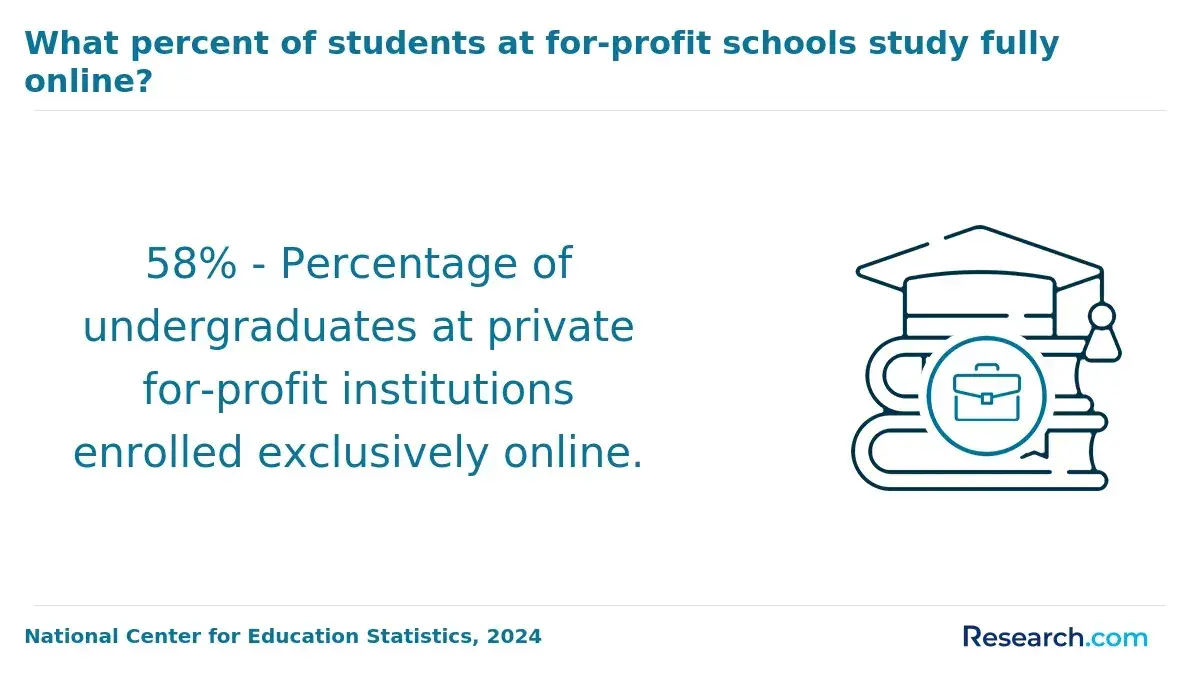
Analyzing tuition costs alongside salary growth for clinical nurse leader graduates reveals a complex financial picture that neither figure fully explains on its own. According to 2024 data from the National Center for Education Statistics, annual tuition for graduate nursing programs typically falls between $15,000 and $30,000, with most students investing two years. Meanwhile, early-career clinical nurse leaders start near $75,000, growing into mid-career median wages around $100,000, according to the Bureau of Labor Statistics. Although salaries do increase, their pace often lags behind rising tuition and inflation, which averages 3-5% annually, diluting the real value of salary gains and increasing the burden of education debt. This imbalance means the timing and method of financing education critically influence whether the degree's returns are sustainable over time.
Consider two aspiring clinical nurse leaders: one who finances tuition entirely with loans and another who secures partial employer tuition reimbursement. Despite similar starting salaries, the former faces steeper debt servicing costs that constrain financial flexibility, while the latter better manages expenses and sees a more favorable return on investment. Factors such as loan interest rates, debt repayment plans, and local cost of living further shape how tuition compares to earnings growth for individuals. Thus, evaluating clinical nurse leader degree value demands attention to personal financial strategies and market conditions, rather than solely tuition or salary figures viewed in isolation.
One graduate recalled grappling with the decision to enroll amid rapidly escalating tuition fees. While excited about advancing her clinical role, she hesitated because her initial salary offer, although competitive, seemed unlikely to cover rising loan payments comfortably without lifestyle adjustments. Ultimately, she negotiated a partial tuition reimbursement with her employer and opted for an income-driven repayment plan, which she credits with reducing financial stress during early career years. Her experience underscores how nuanced planning and resourcefulness are essential to balancing education costs with salary growth in this field.
Does a Clinical Nurse Leader Degree Deliver a Positive Return on Investment?
Return on investment in higher education involves weighing the total costs of a degree-including tuition, fees, and related expenses-against the long-term benefits in income and professional opportunities. For those pursuing a clinical nurse leader degree, this means considering not only immediate salary increases but also expanded leadership roles and potential career longevity. For example, a nurse who invests in this advanced degree might face rising tuition costs that have grown faster than inflation in recent years, yet over a span of 7 to 10 years, the additional earnings and expanded responsibilities often create a net financial gain when viewed over the mid- to long term.
Several factors influence whether a clinical nurse leader degree leads to a positive return. According to a 2024 analysis by the American Association of Colleges of Nursing, median salaries for clinical nurse leaders have risen steadily by about 3% annually, trailing slightly behind inflation but remaining competitive with comparable nursing roles. Meanwhile, programs frequently offer options like employer tuition reimbursement and flexible schedules, which can reduce upfront financial strain and improve overall ROI. However, economic pressures and local job markets may affect actual outcomes, making it essential for prospective students to assess their personal situation and long-term career goals rather than rely solely on starting salary figures.
A landmark study from the National Institute of Health Workforce suggests that despite increasing education costs, the typical clinical nurse leader degree yields a positive net return within a decade after graduation, balancing tuition expenses against enhanced earning potential and expanded clinical oversight responsibilities. This trajectory aligns with expectations for comparable advanced nursing degrees and underscores the importance of viewing ROI as a gradual progression rather than an immediate financial payoff. Ultimately, the decision to pursue this degree should reflect a realistic appraisal of potential financial and professional rewards over time, acknowledging how individual circumstances and broader economic trends shape the value of that investment.
Which Industries Offer the Highest Salaries for Clinical Nurse Leader Graduates?
Evaluating the highest paying industries for clinical nurse leader graduates requires looking beyond surface salary figures and considering the specific roles and skill sets those industries demand. Data from the U.S. Bureau of Labor Statistics in 2024 highlights persistent disparities in pay linked to specialization, employer type, and geographic location. Salary potential often correlates with the complexity of responsibilities and regulatory environments, making some sectors more lucrative for clinical nurse leaders than others. Real-world career decisions should weigh both immediate salary gains and long-term employment stability. Below are the industries that generally offer the strongest earning potential for clinical nurse leader graduates.
- Hospital Settings: Large teaching hospitals and specialized inpatient facilities dominate as the highest paying employers. These organizations require clinical nurse leaders to oversee complex patient care coordination and implement evidence-based protocols, which justifies median salaries often exceeding $85,000 to $100,000 annually. The role's emphasis on leadership within fast-paced, multidisciplinary teams drives demand for advanced clinical and administrative skills.
- Pharmaceutical & Biotechnology: This sector offers salaries typically 10-20% higher than hospitals due to the specialized expertise required in clinical trials management, regulatory compliance, and research coordination. Technical proficiency and understanding of drug development processes are highly valued, making these roles some of the best compensated for clinical nurse leaders looking beyond direct patient care.
- Government Healthcare Facilities: Federal and state agencies, including Veterans Affairs hospitals, provide competitive base pay combined with substantial benefits and job security. Though cash compensation may trail the private sector marginally, the total compensation package and career longevity attract many clinical nurse leader graduates focused on public health impact and stability.
- Outpatient Care Centers: Growing demand in ambulatory services reflects healthcare's shift towards less resource-intensive environments. Clinical nurse leaders here manage care coordination and quality improvement with salaries approaching those in hospital settings, rewarding adaptability and strong organizational competence.
- Research Institutions: Academic medical centers and clinical research organizations offer higher wages aligned with grant-funded projects and specialized clinical studies. Roles often blend patient care oversight with research leadership, favoring candidates with advanced clinical knowledge and research acumen.
- Insurance & Managed Care: Though less traditional, these sectors compensate clinical nurse leaders for expertise in utilization review, case management, and policy development. Salaries reflect the leadership required to balance cost containment with quality outcomes in complex healthcare systems.
Prospective students should recognize that the clinical nurse leader salary comparison by industry reveals a spectrum driven by role specificity, employer priorities, and broader economic factors like inflation and tuition costs. Selecting an industry often involves trading off initial salary for factors such as job security or professional growth. For those actively seeking alternative healthcare education paths or supplemental skills, exploring programs like an online ultrasound tech school can diversify qualifications and enhance marketability within these competitive sectors.
Which States and Cities Offer the Highest Pay for Clinical Nurse Leader Professionals?
Geographic location plays a pivotal role in determining the earning potential of clinical nurse leader professionals, influenced by local healthcare infrastructures, market competition, and living expenses. While some states and cities offer substantially higher wages, these often come with corresponding increases in education and housing costs, which can erode real income gains. Prospective clinical nurse leaders must therefore weigh salary prospects against the broader financial context, including tuition inflation and cost of living. Below are key states and metropolitan areas known for top compensation in this field, each with distinctive economic and healthcare factors worth considering.
- California: Leading the nation with an average wage above $105,000 for clinical nurse leaders, California's extensive healthcare system and competitive hospitals drive robust demand. However, high tuition fees and the state's steep living costs can offset these earnings, challenging new graduates to manage the financial tradeoffs effectively.
- Massachusetts: Offering salaries near $100,000, Massachusetts benefits from its concentration of academic medical centers and research hospitals. While wages are attractive, prospective students should factor in the state's significant education expenses and urban living costs, which may temper overall financial advantages.
- New York: With average wages in the $98,000 to $102,000 range, New York's dense network of healthcare institutions boosts demand for advanced nursing roles. Yet, similarly to other high-paying states, rising tuition and high housing expenses warrant a careful evaluation of long-term affordability.
- San Francisco: Among metropolitan areas, San Francisco stands out with median compensation exceeding $110,000 due to a competitive hospital environment and strong local economy. Graduates aiming for this city should plan for some of the nation's highest living costs, which can significantly reduce actual disposable income.
- Boston: Boston's prestigious medical institutions contribute to wages above $100,000 for clinical nurse leaders. The city's healthcare ecosystem offers unique opportunities but also demands consideration of rising education costs and a challenging housing market that impact net financial benefits.
- Seattle: Seattle's growing healthcare technology sector and public health initiatives place clinical nurse leader salaries between $95,000 and $100,000. The city combines good earning potential with relatively moderate tuition and housing expenses, making it a viable option for balancing income and cost of living.
- Texas and Florida: These states typically offer lower wages-ranging from $75,000 to $85,000-but benefit from more affordable education and living costs. For example, a clinical nurse leader pursuing credentials in Texas might earn less but experience reduced financial burdens, which can lead to a healthier net income over time compared to high-cost regions.
How Do Clinical Nurse Leader Salaries Grow Throughout a Career?
Clinical nurse leader salaries generally begin in the $75,000 to $85,000 range according to 2024 data from the U.S. Bureau of Labor Statistics and American Association of Colleges of Nursing reports, varying by region and healthcare setting. Early career professionals often see annual salary growth around 3-5%, reflecting incremental gains tied to expanding clinical skills and leadership responsibilities. By mid-career, typically after five to fifteen years, earnings can rise to between $90,000 and $105,000, especially when clinical nurse leaders take on roles involving quality improvement or interdisciplinary coordination. Beyond 15 years of experience, salaries often exceed $110,000 for those moving into administrative roles or policy influence, though progression is impacted by factors like geographic location, credentials, and employer resources.
Consider two graduates who start with identical clinical nurse leader degrees but pursue different paths: one focuses on obtaining advanced certifications and shifts into management, leading to faster salary growth and higher earnings over time; the other remains in direct patient care without additional credentials, resulting in more modest increases. This illustrates how professional development, specialization, and leadership opportunities are key drivers of long-term salary advancement. While the overall trajectory is positive, wage growth may not always keep pace with tuition inflation, underscoring the importance of strategic career decisions to maximize returns on educational investment.
One clinical nurse leader graduate recalled hesitating to pursue additional certification due to time constraints while balancing a demanding job. After deciding to complete it, they noticed a significant salary bump within two years, which not only helped ease financial pressure from rising living costs but also opened doors to leadership roles. This choice highlighted how targeted professional growth, even when challenging, can pay dividends in compensation and career options beyond the starting salary.
How Do Clinical Nurse Leader Salaries Compare With Similar Degrees?
Clinical nurse leader salary versus nurse practitioner salary comparisons reveal nuanced tradeoffs between direct care and leadership roles within healthcare. While clinical nurse leaders generally earn less than nurse practitioners initially, their roles emphasize management, interdisciplinary coordination, and quality improvement, which can lead to diverse career pathways over time. For prospective students debating the value of a clinical nurse leader degree salary comparison, it is critical to consider not just the starting wage but long-term growth amid rising tuition and inflation. Below are some key distinctions between clinical nurse leaders and related fields.
- Nurse Practitioner Salary: Nurse practitioners tend to have median annual salaries around $120,000 due to their advanced scope in direct patient care and clinical responsibilities. This higher pay reflects the extensive clinical hours and specialized certifications required, contrasting with clinical nurse leaders, whose salaries range from approximately $90,000 to $110,000, focusing more on coordination and leadership than bedside care.
- Registered Nurse Salary: Registered nurses with a bachelor's degree earn between $75,000 and $85,000. The notable salary increase for clinical nurse leaders highlights the added management responsibilities and healthcare system oversight, serving as an incentive for those aiming to elevate their nursing careers without pursuing advanced practice roles.
- Healthcare Administrator Salary: Professionals with degrees in healthcare management typically earn between $95,000 and $105,000, reflecting overlapping skill sets with clinical nurse leaders in organizational leadership and policy implementation. However, clinical nurse leaders maintain clinical expertise that distinguishes their role from traditional administrators.
- Long-Term Earning Potential: Clinical nurse leader graduates may initially earn less than nurse practitioners, but their growing demand in healthcare management and quality improvement supports salary increases that can outpace general inflation. This dynamic is important for candidates considering cost versus benefit amid economic volatility.
For those exploring accelerated NP programs or interested in comparative salary outlooks, evaluating these nuances can clarify which path aligns best with professional goals and financial expectations.
How Is Employer Demand Affecting Clinical Nurse Leader Salary Trends?
Employer demand plays a pivotal role in shaping clinical nurse leader salary trends in the United States by intensifying competition among healthcare organizations seeking qualified candidates. For example, a hospital system facing increasing patient safety challenges and complex care coordination may accelerate hiring of clinical nurse leaders to improve quality outcomes. This elevated hiring activity often pushes employers to adopt more aggressive compensation strategies to attract and retain professionals who can straddle both clinical and administrative roles effectively. According to the U.S. Bureau of Labor Statistics, employment growth for nurse practitioners and clinical nurse leaders is projected at around 28% over the next decade, underscoring the strong demand that influences wage trends.
However, strong employer demand does not uniformly translate into rapid salary increases, as wages also depend on factors such as experience, specialization, regional economic conditions, and healthcare funding levels. A 2024 study by the National Commission on Certification of Nurse Leaders noted that average salaries for clinical nurse leaders have grown by approximately 3% annually, near but sometimes lagging behind inflation, especially in areas with limited healthcare budgets. This highlights the complexity behind employer demand impact on nurse leader wages, where institutional constraints and reimbursement policies modulate the effect of market pressures. Prospective students and career changers evaluating the financial viability of a clinical nurse leader degree must consider these interlinked dynamics along with rising education costs.
Given these nuances, those assessing long-term earning potential might also compare clinical nurse leader roles to other healthcare-related careers to understand relative market strength more clearly. For instance, if one wonders how much do athletic directors make, analyzing differences in employer demand and wage trajectories could provide additional perspective on workforce investment decisions.
How Can Students Maximize Their Lifetime Earnings With a Clinical Nurse Leader Degree?
Maximizing lifetime earnings with a clinical nurse leader degree requires deliberate, evidence-based strategies aligned with current labor market realities. Data from the U.S. Bureau of Labor Statistics (2024) and national healthcare analyses affirm that specialization, advanced education, and leadership experience in high-demand settings significantly influence salary trajectories. For instance, a graduate working initially in a large metropolitan hospital and obtaining a post-master's certification in clinical informatics could see sustained salary growth beyond starting pay.
Key approaches for those pursuing or holding clinical nurse leader credentials include:
- Advanced Certification: Pursuing specialized credentials such as post-master's certificates enhances clinical expertise, which correlates with higher median salaries and better job placements within competitive healthcare systems.
- Strategic Employment: Targeting roles in large hospital systems, outpatient centers, or specialty clinics leverages higher demand in these areas, often resulting in stronger compensation compared to rural or smaller facilities.
- Leadership Development: Gaining experience managing interdisciplinary teams and participating in care coordination or quality improvement projects positions professionals for roles with greater responsibility and pay increases over time.
- Continuous Education: Engaging in ongoing learning opportunities, including new technologies like telehealth, keeps skills current and opens doors to emerging sectors with expanding budgets.
- Professional Networking: Active involvement in associations such as the American Association of Clinical Nurse Leaders builds connections that can lead to consulting, training, or policy-influencing roles, diversifying income.
- Geographic Flexibility: Being open to relocating to metropolitan areas with thriving healthcare industries often results in access to more lucrative positions and better benefits.
- Policy Engagement: Contributing to healthcare policy development can elevate professional standing and create pathways to senior leadership roles that command premium salaries.
References
- MSN Nursing Leadership: Clinical Nurse Leader (CNL) for RNs https://www.rushu.rush.edu/college-nursing/programs-admissions/online-clinical-nurse-leader-program-rns-msn
- How Much Do Clinical Nurse Leaders Make? | NursingEducation https://nursingeducation.org/careers/clinical-nurse-leader/salary/
- Clinical Nurse Leader Salary | Programs and CNL Certification | Jobs https://www.graduatenursingedu.org/clinical-nurse-leader/
- Investing in nurse leader development: Enhancing efficiency, quality, and financial performance | Press Ganey https://www.pressganey.com/resources/blog/investing-in-nurse-leader-development-enhancing-efficiency-quality-financial-performance/
- Nursing Leadership Career Path: Charge Nurse to Director https://betternurse.org/nursing-leadership-career-path/
- Beyond Calculation: Empowering Nurse Advocates Through Data-Driven ROI https://www.anpd.org/NPD-In-Motion/Article/beyond-calculation-empowering-nurse-advocates-through-data-driven-roi
- CNL Certification https://www.aacnnursing.org/our-initiatives/education-practice/clinical-nurse-leader/cnl-certification
- Clinical Nurse Leader: Career Overview and FAQ https://credenzahealth.com/career-advice/how-to-become-a-clinical-nurse-leader
- Clinical Nurse Leader: Everything you need to Know — The BridgeWay Firm https://www.bridgewayfirm.com/news-updates/clinical-nurse-leader
- What is a Clinical Nurse Leader (CNL)? https://www.allnursingschools.com/specialties/clinical-nurse-leader/
Other Things You Should Know About Clinical Nurse Leader
The structure of clinical nurse leader programs-whether part-time, full-time, online, or hybrid-can significantly influence how quickly graduates realize salary gains. Part-time or online formats may extend time to credentialing, delaying entry into higher-paying roles but can reduce opportunity costs by allowing students to work simultaneously. Full-time students might accelerate salary growth post-graduation but face higher short-term financial strain. Prospective students should weigh program flexibility against time to salary advancement based on their personal financial and professional circumstances.
Clinical nurse leaders often assume greater administrative and coordination duties beyond direct patient care, increasing workload intensity. However, compensation adjustments do not always fully reflect these additional responsibilities, leading to potential dissatisfaction or burnout. Individuals prioritizing work-life balance need to evaluate if the modest salary premiums adequately compensate for the expanded scope and stress. Negotiating for roles explicitly valuing these skills or seeking employers with structured leadership pay scales can mitigate this issue.
Employers offering clear advancement tracks often provide more consistent salary increases tied to experience and leadership development. Although starting salaries may be lower in such organizations, the long-term wage trajectory tends to align better with escalating inflation and professional costs. Graduates focusing solely on immediate pay may sacrifice steady growth and leadership opportunities crucial for financial sustainability. Prioritizing organizations with recognized career ladders usually yields stronger cumulative earnings and skill acquisition.
The rise of value-based care and integrated health systems is increasing demand for clinical nurse leaders who can drive quality and cost-efficiency. This trend could strengthen negotiating power for salaries linked to measurable outcomes rather than traditional hourly standards. Professionals who proactively develop expertise in population health and data analytics are better positioned to leverage these shifts. This implies that ongoing skills enhancement is essential to maintain compensation growth amid evolving employer expectations.