2027 Clinical Nurse Leader Degree Growth by State: Where Interest Is Rising the Fastest

Co-Founder and Chief Data Scientist
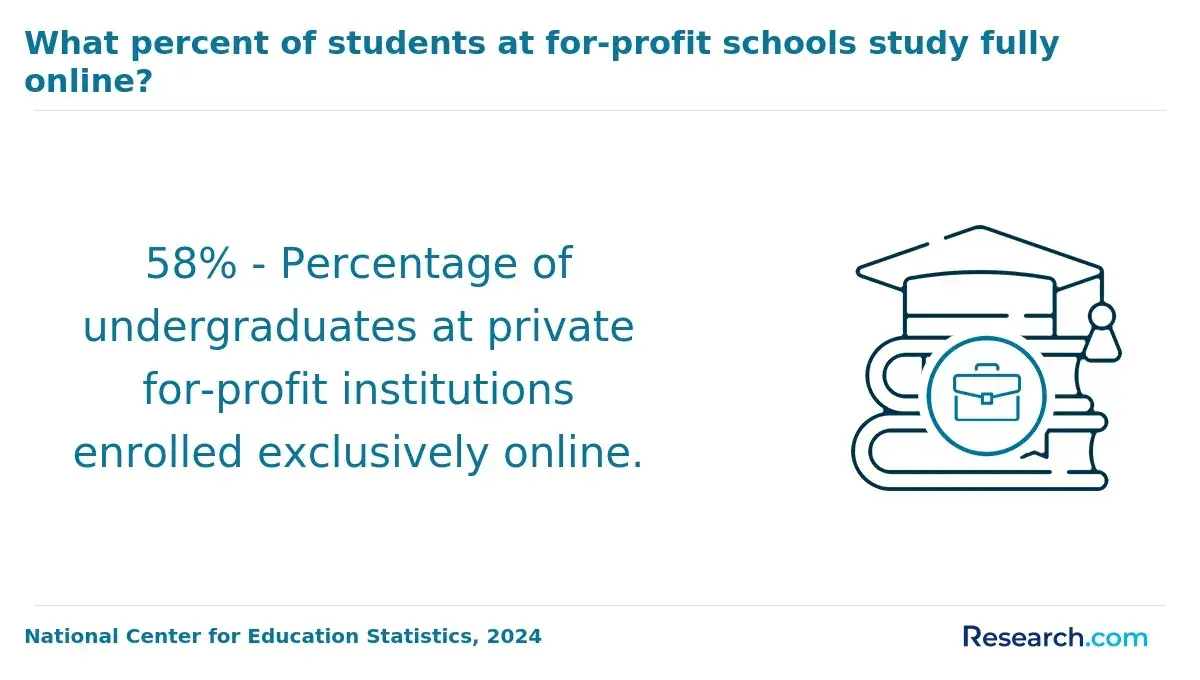
States experiencing rapid growth in clinical nurse leader degree enrollment often face complex economic and demographic shifts influencing healthcare demand and workforce strategies. For example, regions with expanding aging populations or evolving healthcare regulations tend to see surges in advanced nursing education. According to recent data from the National Center for Education Statistics in 2024, enrollment in master's-level nursing programs, including clinical nurse leader degrees, rose notably in states offering flexible online learning options, reflecting adult learners' need for accessible education.
Understanding these state-specific conditions helps prospective students gauge how local market dynamics might shape both educational access and career opportunities in nursing leadership roles.
Key Things to Know About the State Where Clinical Nurse Leader Degree Interest Is Rising the Fastest
- States like Texas show rapid clinical nurse leader degree growth driven by expanding healthcare infrastructure, yet inconsistent state-level licensing requirements introduce employer hesitancy, complicating graduate integration into some regional job markets.
- In Florida, high adult learner enrollment aligns with widespread online program availability, but the extended duration of part-time study raises opportunity costs, affecting workforce re-entry timing for working professionals.
- Ohio's aging population increases demand for clinical nurse leader skills focused on chronic care coordination, signaling employer preference for candidates with geriatric-focused competencies over purely administrative training.
- Which States Are Seeing the Fastest Growth in Clinical Nurse Leader Degree Enrollment? States with Fastest Growth
- What Does Enrollment Growth in Clinical Nurse Leader Programs Actually Tell Prospective Students? Interpreting Enrollment Growth
- How Do Regional Job Market Conditions Drive Clinical Nurse Leader Degree Demand by State? Regional Job Market Conditions
- Which States Have Added the Most New Clinical Nurse Leader Degree Programs in the Last Five Years? States with New Programs
- How Has the Rise of Online Education Changed Which States Lead in Clinical Nurse Leader Program Interest? Role of Online Education
- What Demographic Trends Are Fueling Clinical Nurse Leader Degree Growth in Specific States? Demographic Trends Fueling Growth
- How Do State Funding Levels for Clinical Nurse Leader Services Influence Degree Program Growth? Role of State Funding
- Which States Are Emerging as Unexpected Leaders in Clinical Nurse Leader Degree Interest? Leaders in Growth
- How Does State Population Size Affect the Interpretation of Clinical Nurse Leader Degree Growth Data? Role of State Population
- What Role Do State Licensing Requirements Play in Driving or Suppressing Clinical Nurse Leader Enrollment? Role of State Licensing
Which States Are Seeing the Fastest Growth in Clinical Nurse Leader Degree Enrollment?
The steady rise in clinical nurse leader degree enrollment reflects a broader strategic shift within healthcare systems toward integrated care models and enhanced practitioner leadership. For candidates weighing graduate options or transitioning careers, understanding where this growth is concentrated is crucial, as it often signals stronger local employer demand, better clinical placement opportunities, and evolving state regulatory environments that facilitate advanced-practice roles. Nationally, growth is not uniform but clustered in states that marry demographic pressures with academic capacity and regulatory support, shaping both program availability and graduate employability.
- North Carolina: The state's significant enrollment surge is fueled by program expansions targeting both metropolitan and rural nursing shortages. This dual approach underscores a practical tradeoff for students-greater access to hands-on experiences in diverse settings but also heightened competition within urban hubs influenced by a booming healthcare sector.
- Texas: With its expansive healthcare infrastructure and demographic diversity, Texas reflects a pattern where working professionals often prefer part-time or hybrid clinical nurse leader offerings to balance employment and education. The concentration of public universities ramping up these programs indicates institutional responsiveness to workforce mobility and specialization demand.
- Ohio: Ohio's growth encapsulates a strategic reaction to an aging nursing workforce, where accelerated program pathways coexist alongside traditional routes. This dynamic shapes program structures and can influence time-to-practice outcomes-a critical factor for career changers prioritizing rapid integration into clinical leadership roles.
- Arizona: Rapid population growth coupled with geographically challenging care landscapes prompts educational institutions to enhance clinical nurse leader training focused on underserved areas. Graduates from these programs may find unique job placement advantages but must be prepared for resource constraints common in frontier healthcare delivery.
- Massachusetts: The state's academic medical clusters drive demand for clinical nurse leader roles emphasizing innovation and interprofessional collaboration, appealing to students targeting cutting-edge health systems and research-intensive environments. This can, however, entail navigating higher tuition costs and competitive admissions typical of such hubs.
While states with the fastest rising clinical nurse leader program interest often reflect significant workforce needs, enrollment momentum also signals how well programs align with evolving licensure and practice standards. Subsequent sections will explore economic and regulatory influences, institutional capabilities, and career trajectory implications for graduates, offering nuanced insights vital for those deciding between competing program options. Prospective students should pay close attention to regional enrollment trends as indicators of both opportunity and operational realities within their preferred practice markets, integrating these insights alongside program quality and graduate outcomes.
For those researching flexible pathways, incorporating insights about online MSN FNP programs may provide additional perspectives on balancing educational demands with workforce integration.
What Does Enrollment Growth in Clinical Nurse Leader Programs Actually Tell Prospective Students?
Enrollment growth in clinical nurse leader programs does not inherently indicate program quality or career readiness. Prospective students must look beyond surface figures to discern how programs translate increased demand into meaningful educational and professional outcomes.
Raw enrollment counts signal interest but overlook critical nuances affecting student success and workforce alignment. Many programs reflect growth driven by local labor shortages or shifts in state funding, which may not correspond with robust academic support or employer regard. Conversely, growth in well-established programs often parallels strong retention, graduation rates, and licensure success-metrics that collectively predict better job placement outcomes.
- Retention Rates: High enrollment with poor retention suggests inadequate student satisfaction or support, undermining program credibility despite apparent popularity.
- Graduation Rates: Timely completion rates reveal how effectively programs balance rigor with accessible resources; low rates often signal hidden barriers.
- Job Placement Outcomes: Employment in roles directly related to clinical nurse leader competencies reflects how well programs prepare graduates for real-world demands.
- Licensure Pass Rates: Certification success directly measures technical preparation and is pivotal for employability in regulated healthcare environments.
- Recruitment Versus Quality: Growth fueled by aggressive marketing or lowered admissions may inflate enrollment but dilute academic standards and graduate readiness.
- Contextual Factors: Economic, regulatory, and demographic variations across states influence enrollment trends, making it essential to interpret growth within local workforce dynamics.
- Informed Outreach: Engaging current students and alumni provides valuable qualitative insights into program culture, practical training, and ongoing career support.
How Do Regional Job Market Conditions Drive Clinical Nurse Leader Degree Demand by State?
Demand for clinical nurse leader degrees closely tracks the nuances of state-specific labor markets where healthcare sector growth, public funding, and employer incentives critically shape enrollment patterns. Prospective students who overlook their target state's employment context risk limited practicum opportunities and weaker bargaining positions post-graduation. For example, states expanding integrated healthcare systems and community health initiatives tend to attract more students to clinical nurse leader programs, reflecting the real-world need for leadership in complex care settings.
- California: Persistent shortages and a diverse population fuel robust growth, driven by expanding public sector healthcare and an emphasis on clinical leadership within large integrated delivery networks.
- Texas: Population increases combined with heightened school district healthcare hiring create steady demand for clinical nurse leaders capable of managing both community health programs and interdisciplinary teams.
- Florida: An aging population plus increased investments in elder care services generate rising openings for clinical nurse leaders with geriatric specializations.
- New York: A strong healthcare infrastructure supported by targeted workforce initiatives and academic partnerships provides graduates with solid practicum placements and employer engagement.
- Ohio: Public health expansion and economic revitalization efforts encourage employer-sponsored education programs that promote local hiring of candidates with clinical nurse leader credentials.
Understanding regional workforce demand for clinical nurse leaders is essential when selecting a program, as thriving job markets often translate into better practicum availability and enhanced salary negotiations. Conversely, areas with stagnant or underfunded healthcare systems may limit these prospects despite the initial appeal of specific programs. Students willing to be geographically flexible can leverage insights from Bureau of Labor Statistics occupational outlooks and state workforce reports to target states where enrollment growth aligns with tangible hiring potential. For those balancing work and study, exploring offerings at a best self paced online college can also supplement strategic decisions about education pathways that correspond to evolving regional labor needs.
Which States Have Added the Most New Clinical Nurse Leader Degree Programs in the Last Five Years?
States that have expanded clinical nurse leader degree offerings recently reflect a strategic alignment of workforce needs, funding incentives, and accreditation demands. Growth is rarely just about academic interest; it often follows shifts in healthcare delivery models and labor market pressures that heighten demand for mid-level leadership roles. This dynamic impacts students by defining where program availability intersects with specialization options and financial aid competition.
- North Carolina: The state's push to address rural and urban nursing shortages has translated into both new programs and increased online enrollment options. State grants tied to workforce shortages have fostered more scholarships and encouraged schools to diversify delivery modes, a significant benefit for working professionals seeking flexible schedules.
- Texas: Texas leverages its expanding healthcare infrastructure by scaling both new and existing clinical nurse leader programs. Strong regional accreditation standards and competitive pressures among institutions have accelerated adoption of accessible online pathways, enabling professionals to balance study with ongoing work in a fast-growing labor market.
- Ohio: Ohio combines institutional expansions with dedicated funding aimed at rural health initiatives. This support manifests in hybrid program formats and diverse specialization tracks, which tend to result in lower tuition compared to coastal states, a notable consideration for cost-sensitive students planning their long-term careers.
- Florida: Demographic trends driving demand for nurse leaders in aging populations have motivated numerous program launches and enrollment expansions. Scholarship availability has increased due to institutional competition, but students must navigate a market where demand and supply pressures can create volatility in tuition costs and program rigor.
- Pennsylvania: Expansion here is largely driven by established programs increasing capacity and integrating flexible scheduling requirements. Accreditation renewal cycles link directly to program growth incentives, shaping a landscape where students can find varied timelines and formats but must also contend with heightened expectations from employers for clinical nurse leaders' operational readiness.
Prospective students benefit from comparing multiple programs within these states before committing, as more options mean not only greater financial aid competition but also a wider array of specialization and delivery formats. The differences in state funding, institutional strategy, and market saturation influence both the cost and quality of instruction, making due diligence essential to match educational choices with realistic job prospects and personal circumstances.
One recent graduate recalled applying to several expanded programs during a particularly busy admissions season. The rolling admissions processes created uncertainty about acceptance timing, leading to a careful juggling of work obligations and application deadlines. She hesitated before submitting her final application, weighing the risk of delayed notification against the benefits of applying early for scholarship consideration. Eventually, early acceptance allowed her to plan financially and professionally, reinforcing how timing in these growing states can be as crucial as the program content itself.
How Has the Rise of Online Education Changed Which States Lead in Clinical Nurse Leader Program Interest?
The growth of fully online clinical nurse leader programs has fundamentally altered which states lead in program interest and enrollment. The traditional model-where students chose programs within commuting distance or by relocating-has been replaced by a landscape shaped more by program quality, cost, and accreditation than geography. This shift means that states hosting well-regarded online offerings now draw significant out-of-state enrollment, effectively becoming national hubs for clinical nurse leader education. For example, a working professional in a rural area without local graduate programs can now access top-tier online curricula, broadening career advancement opportunities that were previously limited by location.
- Geographic Decoupling: Online formats remove proximity bars, enabling nationwide access to programs, which benefits students from states lacking local clinical nurse leader degrees.
- Program Reputation: Institutions with strong graduate outcomes attract students beyond state lines, demonstrating that perceived program quality is critical in driving enrollment.
- Tuition Competitiveness: Variations in tuition, particularly for out-of-state learners, steer cost-sensitive students toward more affordable yet established online options.
- Accreditation Standing: Accredited programs ensure curriculum rigor and licensure eligibility, making them more attractive to students targeting licensure in specific states.
- Licensure Constraints: Despite expanded access, students must consider differing state licensure rules post-graduation, which can limit employment flexibility despite online program availability.
- National Provider States: Certain states have emerged as key providers, hosting multiple reputable online programs serving a geographically diverse student body and shifting workforce training dynamics.
What Demographic Trends Are Fueling Clinical Nurse Leader Degree Growth in Specific States?
Several demographic trends are contributing to the growth of clinical nurse leader degree programs in certain states. One of the most significant factors is population aging. States with large and rapidly growing populations of older adults often experience increased demand for healthcare services, chronic disease management, and care coordination. As healthcare systems seek professionals who can improve patient outcomes and oversee complex care delivery processes, interest in clinical nurse leader education tends to rise.
Population growth is another important driver. States experiencing an influx of residents frequently face increased pressure on hospitals, clinics, and community health organizations. Expanding healthcare needs create demand for nursing professionals who possess advanced leadership, quality improvement, and patient safety skills. In these regions, healthcare employers may encourage nurses to pursue advanced degrees that prepare them for leadership roles within interdisciplinary care teams.
Urbanization and shifting healthcare access patterns can also influence CNL degree enrollment. Growing metropolitan areas often support larger healthcare networks, academic medical centers, and specialized treatment facilities that require nurse leaders capable of coordinating care across multiple settings. At the same time, some states are investing in workforce development initiatives aimed at addressing healthcare shortages in both urban and rural communities, further increasing interest in advanced nursing education.
Workforce demographics play a role as well. In states where a substantial portion of the nursing workforce is approaching retirement age, healthcare organizations may seek to develop the next generation of clinical leaders. This need can encourage experienced registered nurses to pursue clinical nurse leader degrees as a pathway to greater responsibility and career advancement.
These demographic factors often intersect with broader educational trends within the nursing profession. As healthcare systems place greater emphasis on evidence-based practice, quality improvement, and leadership development, many nurses are exploring advanced educational pathways. Alongside growing interest in clinical nurse leader programs, demand for other graduate-level options, including DNP programs, has also increased as nurses seek credentials that prepare them for evolving leadership and clinical responsibilities.
How Do State Funding Levels for Clinical Nurse Leader Services Influence Degree Program Growth?
Public funding levels for clinical nurse leader services critically shape the expansion or contraction of degree programs at the state level, with tangible consequences for both prospective students and workforce stability. States that prioritize Medicaid reimbursements, allocate block grants to community health centers, and invest in school-based mental health services establish a reliable demand for clinical nurse leaders, which incentivizes educational institutions to develop strong programs.
This investment creates a feedback loop: stable funding generates clear career pathways that draw students and retain graduates, while underfunded regions often face program stagnation as trained clinicians relocate to better-supported states. Evaluating recent state legislation related to clinical nurse leader services can thus offer valuable foresight into the likely sustainability of local job markets and program robustness.
- Funding Stability: Reliable and consistent public funding drives steady program growth by assuring predictable employment opportunities that motivate enrollment and institutional expansion.
- Employment Pipeline: Enhanced funding supports local workforce demands, encouraging graduates to remain in-state and fostering a sustainable cycle of education and employment.
- Graduate Retention: States with limited support suffer loss of talent as graduates migrate to more resource-rich areas, negatively impacting both programs and local healthcare systems.
- Legislative Indicators: Reviewing state policy trends around funding reveals the administrative commitment level, which directly influences the job market's long-term viability for clinical nurse leaders.
- Program Transparency: Prospective students should inquire about graduate employment rates within the state after five years as a practical measure of program effectiveness and job market health.
One clinical nurse leader graduate recalled applying during a competitive admissions cycle marked by staggered decision notifications. The fluctuating timing of offers-from states with visibly stronger funding to those with more uncertain financial backing-required careful prioritization. The candidate hesitated to commit until clearer signals around state support and job security emerged, illustrating how funding landscapes shape not only program availability but also applicants' strategic timing and confidence in their educational investments.
Which States Are Emerging as Unexpected Leaders in Clinical Nurse Leader Degree Interest?
The states showing the fastest clinical nurse leader degree enrollment growth reveal strategic shifts in regional healthcare education, shaped by policy, program availability, and workforce incentives. For candidates willing to prioritize less competitive admissions and lower tuition, these emerging markets offer clear advantages, yet caution is warranted given the heavily conditional nature of some expansions. Workforce development tied to temporary funding or pandemic-era stimulus often underpins sharp enrollment increases, which may flatten or contract as those resources disappear. Recent data underscores that states expanding interstate licensure options and investing steadily in healthcare leadership education tend to present more sustainable growth in program interest and graduate employment pathways.
- Arkansas: Arkansas's rise in clinical nurse leader degree interest coincides with expanded accredited nursing programs and its entry into the Nurse Licensure Compact (NLC), which improves cross-state practice mobility. Rural health workforce grants boost enrollment but rely on short-term funding, suggesting potential instability once these supports lapse.
- Nebraska: Nebraska exemplifies a measured, institutionally supported expansion, driven by consistent state investments, favorable regulatory frameworks, and strong university-health system partnerships. This environment creates predictable pipelines for graduates, contrasting with more volatile, stimulus-driven spikes elsewhere.
- South Carolina: South Carolina's growth is largely fueled by targeted subsidies and pandemic-era appropriations aimed at addressing nursing shortages in underserved regions. The sustainability of interest here is uncertain due to reliance on one-time funding and evolving healthcare demand post-pandemic.
- Idaho: Idaho's emerging interest reflects new program accreditations combined with NLC membership, offering applicants less competition and lower costs. However, the smaller job market size and limited program diversity may restrict long-term career opportunities for graduates remaining in-state.
These emerging regional leaders in clinical nurse leader program interest highlight a tradeoff between immediate accessibility and the robustness of local employment ecosystems. Understanding the nuanced balance between cost, competition, and job market viability is critical for students and professionals making informed choices about their graduate nursing education.
For individuals weighing options in nursing-related advanced degrees, comparisons with other accelerated pathways, such as 5-year speech pathology programs, can offer additional context on duration, specialization, and market demand.
How Does State Population Size Affect the Interpretation of Clinical Nurse Leader Degree Growth Data?
Examining clinical nurse leader degree growth by state population size is critical for meaningful interpretation of market dynamics. Raw enrollment increases can be misleading; for instance, a populous state adding 2,000 clinical nurse leader graduates annually may seem robust but could signal slower per-capita growth compared to a smaller state producing 300 graduates with a much smaller population. This distinction is vital because per-capita growth rates better capture genuine workforce expansion and potential market saturation. States with lower ratios of licensed clinical nurse leaders relative to their populations often represent underserved markets, where demand outpaces supply and early-career opportunities are typically stronger.
For those assessing clinical nurse leader degree growth by state population size, considering the impact of state demographics on clinical nurse leader enrollment trends is essential to identify where workforce opportunities align with educational output. This perspective helps differentiate true growth in market capacity from superficial gains driven by population size alone.
- Regulatory Diversity: Variability in licensure and acceptance of out-of-state credentials can delay workforce integration despite educational growth.
- Institutional Capacity: Limited graduate programs restrict supply, creating bottlenecks in states with high demand.
- Economic Factors: States expanding healthcare infrastructure often drive accelerated clinical nurse leader degree growth as leadership roles increase.
- Workforce Saturation: High-density states may have large graduate numbers but slower job growth due to market saturation.
Those exploring educational options can also review offerings such as online health information management degree programs CAHIIM accredited for complementary pathways to healthcare leadership roles while evaluating clinical nurse leader program growth trends across different states.
What Role Do State Licensing Requirements Play in Driving or Suppressing Clinical Nurse Leader Enrollment?
State licensing requirements decisively shape clinical nurse leader enrollment by directly affecting where candidates choose to pursue graduate education and ultimately practice. States with clear, consistent, and accessible licensure criteria reduce friction in the pathway from education to employment, attracting higher student interest. For example, a state that requires a straightforward exam and transparent renewal process lowers perceived risk for prospective students, who can better anticipate their ability to work post-graduation. In contrast, states with frequent regulatory shifts or complex endorsements discourage enrollment by increasing uncertainty and administrative hurdles, limiting program growth despite workforce demand.
Licensing boards influence enrollment through their impact on employer policies. When employers in states with stable licensure frameworks require or strongly prefer licensed clinical nurse leaders, the credential becomes a practical necessity for job placement and salary advancement-data from recent workforce studies show licensed CNLs often command salaries 10-20% higher than non-licensed peers in comparable roles. This dynamic encourages more candidates to seek degrees aligned with licensure eligibility. The relationship creates a reinforcing feedback loop: strong licensure drives enrollment, which grows the professional network and supports advocacy for clearer regulations and enhanced post-degree resources.
It is critical for prospective students to evaluate the entire licensure trajectory-exam difficulty, costs, continuing education, and endorsements-beyond just program availability. A comparative analysis across states reveals that manageable and transparent licensure pathways correlate with not only program enrollment growth but also longer-term career stability and mobility, essential factors for geographically flexible candidates.
- Transparency: States with straightforward, well-publicized licensure criteria attract more applicants by reducing uncertainty and administrative burden.
- Regulatory Stability: Consistency in licensing rules fosters confidence among prospective students and current practitioners looking to upskill or return to school.
- Employer Influence: Clear licensure expectations create demand for licensed clinical nurse leaders, thus motivating enrollment in compliant programs.
- Feedback Loop: Higher enrollment supports professional networks and advocacy that promote ongoing regulatory improvements.
- Comparative Evaluation: Assessing licensure difficulty relative to alternative states helps potential students make informed, strategic decisions about where to study and practice.
References
- Schools of Nursing See Enrollment Increases Across Most Program Levels, Signaling Strong Interest in Nursing Careers https://www.prnewswire.com/news-releases/schools-of-nursing-see-enrollment-increases-across-most-program-levels-signaling-strong-interest-in-nursing-careers-302484466.html
- Clinical Nurse Leader: Everything you need to Know — The BridgeWay Firm https://www.bridgewayfirm.com/news-updates/clinical-nurse-leader
- What is Trending Now for Nurse Leaders - Emerging Nurse Leader https://emergingrnleader.com/what-is-trending-now-for-nurse-leaders/
- Lead the Change in Healthcare: Why an MSN Degree Matters Now https://blog.cuw.edu/online-msn-degree/
- How to Become a Clinical Nurse Leader? | Salary & Career | Maryville Nursing https://nursing.maryville.edu/blog/clinical-nurse-leader
- How to Become a Clinical Nurse Leader | NursingEducation https://nursingeducation.org/careers/clinical-nurse-leader/how-to-become/
- Clinical Nurse Leader (CNL) https://www.aacnnursing.org/cnl
- Client Challenge https://www.springerpflege.de/the-impact-of-clinical-nurse-leadership-models-on-the-quality-of/51587724
- 2 strategies to grow enrollments in your nursing programs (during and after COVID-19) https://eab.com/resources/blog/adult-education-blog/increase-nursing-program-enrollment/
- Clinical Nurse Leader: Career Overview and FAQ https://credenzahealth.com/career-advice/how-to-become-a-clinical-nurse-leader
Other Things You Should Know About Clinical Nurse Leader
Employers in states with rapid growth in clinical nurse leader degree interest often emphasize advanced leadership and quality improvement skills over traditional bedside nursing experience. This shift means graduates are expected to step into roles that directly influence patient outcomes and operational efficiency, which can limit opportunities for those without strong management or interdisciplinary communication abilities. Prospective students should prioritize programs that incorporate hands-on leadership practicums and partnerships with health systems in these states to align with employer expectations and improve job placement prospects.
States with lower tuition and affordable cost of living tend to see higher enrollment growth in clinical nurse leader programs, especially among working professionals and career changers balancing education with financial obligations. However, lower cost can sometimes correlate with fewer clinical placement options or less extensive employer networks, which may impact post-graduate employment. Candidates should weigh the financial savings against potential limitations in real-world training opportunities and career connections when choosing where to study.
Enrollment growth data signals rising interest but does not directly equate to easier job placement or better program quality. In fast-growing states, programs may become more competitive or saturated, potentially diluting clinical placement quality or employer familiarity with graduates. Students should use this data as one of several factors, placing greater emphasis on program reputation, employer collaborations, and graduate outcomes relevant to their desired practice location rather than simply following enrollment trends.