2027 Clinical Nurse Leader ROI by Institution Type: Public vs Private vs Nonprofit Online Programs

Co-Founder and Chief Data Scientist
Choosing an online Clinical Nurse Leader program often feels like weighing nearly identical options-until tuition differences, average student debt, and post-graduation employment statistics reveal hidden disparities. A 2024 National Postsecondary Education Report highlights that graduates from private online programs typically carry 30% higher debt burdens than those from public counterparts, yet their graduation rates lag behind nonprofit programs by nearly 10%. These contrasts affect not just immediate affordability but also long-term financial stability and career mobility, especially for working adults balancing family and job commitments. Understanding how institution type influences these factors is critical to aligning educational choices with realistic return expectations.
This article analyzes public, private, and nonprofit online Clinical Nurse Leader programs comparatively, focusing on ROI indicators such as tuition cost, graduation success, institutional support, and employment outcomes to guide strategic educational decisions.
Key Things to Know About Clinical Nurse Leader ROI by Institution Type
- Public institutions generally offer lower tuition and greater federal aid access, which reduces student debt exposure-this cost advantage benefits working professionals but may coincide with longer average completion times due to part-time enrollment patterns.
- Private online programs often leverage stronger institutional reputation and employer networks, enhancing post-graduation job placement; however, higher price points require careful debt management relative to expected career advancement opportunities in clinical leadership roles.
- Nonprofit programs prioritize flexible scheduling and learner support, which improves graduation rates-as 2024 data shows a 15% completion boost in accredited nonprofits-but variability in career services can temper long-term ROI compared to public and private counterparts.
- Key Things to Know About Clinical Nurse Leader ROI by Institution Type Key Things to Know About Clinical Nurse Leader ROI by Institution Type
- What Does ROI Mean for a Clinical Nurse Leader Program and How Is It Measured? Understanding Clinical Nurse Leader Program ROI
- How Do Public, Private, and Nonprofit Online Clinical Nurse Leader Programs Differ in Overall Value? Value by Institution Type
- How Do Tuition Costs Affect the ROI of a Clinical Nurse Leader Program Across Institution Types? Tuition Costs and ROI
- How Do Graduation Rates Influence Clinical Nurse Leader Program ROI? Graduation Rates Impact ROI
- What Role Do Career Outcomes Play in the ROI of a Clinical Nurse Leader Degree? Career Outcomes and ROI
- How Does Student Debt Impact the Long-Term ROI of a Clinical Nurse Leader Program? Debt vs. Long-Term ROI
- How Do Flexibility and Adult Learner Support Affect Clinical Nurse Leader Program Value? Flexibility and Program Value
- How Do Accreditation and Institutional Reputation Influence Clinical Nurse Leader ROI? How Do Accreditation and Institutional Reputation Influence Clinical Nurse Leader ROI?
- How Does Time-to-Degree Affect the ROI of Public, Private, and Nonprofit Clinical Nurse Leader Programs? How Does Time-to-Degree Affect the ROI of Public, Private, and Nonprofit Clinical Nurse Leader Programs?
- How Can You Choose the Best Clinical Nurse Leader Program Based on Your ROI Goals? Choosing Programs by ROI
What Does ROI Mean for a Clinical Nurse Leader Program and How Is It Measured?
Evaluating the return on investment for a clinical nurse leader program requires a nuanced understanding of costs beyond tuition, including fees, student debt, and opportunity costs related to lost income during study. For example, a public online program with lower tuition and higher graduation rates can reduce total financial burden and shorten time-to-degree, a factor shown by a 2024 National Center for Education Statistics report highlighting a 15% completion rate advantage in public nursing graduate programs over private ones. This difference directly influences ROI by minimizing debt accumulation and accelerating professional entry, but students must also weigh institutional reputation and clinical placement quality to gauge long-term career impact effectively.
Decision-making around clinical nurse leader program return on investment measurement involves recognizing that a cheaper program is not always the most valuable option. Nonprofit institutions often provide enhanced learner support and flexible scheduling, mitigating some opportunity costs for working professionals, which can alter ROI calculations significantly depending on individual circumstances. Student goals, such as leadership development or employer connections, further complicate assessments, emphasizing that ROI encompasses more than salary increases. Understanding these tradeoffs is essential, especially since focusing solely on monetary returns neglects factors like professional mobility and job satisfaction, critical to sustained career growth.
Prospective students should critically compare public, private, and nonprofit programs using a framework that incorporates graduation rates, debt load, educational quality, and time-to-degree alongside career readiness factors. For those weighing accelerated pathways, exploring options like the fastest way to become a medical assistant may offer valuable insights into condensed training benefits, though clinical nurse leader programs typically involve longer timelines and different tradeoffs. Careful planning grounded in robust data and realistic outcome expectations allows for informed decisions that balance immediate affordability with long-term professional and financial returns.
How Do Public, Private, and Nonprofit Online Clinical Nurse Leader Programs Differ in Overall Value?
Public, private, and nonprofit online clinical nurse leader programs differ notably in how they balance cost, support, and post-graduation value, affecting affordability and career trajectories in distinct ways. Public programs typically have lower tuition, reducing upfront debt with a median borrower debt near $25,000, but may offer less specialized student support compared to nonprofits, which report higher graduation rates around 72%.
Private institutions often carry the highest costs and debt burdens-frequently near $40,000-but can provide stronger employer reputation and networking advantages that may accelerate career growth. These differences mean students prioritizing immediate financial constraints may lean toward public options, while those seeking robust leadership training and interprofessional skill development might consider private or nonprofit paths despite higher costs.
Flexibility also varies, as public and nonprofit programs generally favor asynchronous formats suited to working professionals, supporting degree completion while balancing employment, whereas private programs may emphasize cohort-based synchronous learning that can enhance peer interaction but limit scheduling freedom. Employer perceptions reflect this complexity: public program graduates are valued for practical readiness and affordability, while private and nonprofit graduates often stand out for leadership competencies, influencing hiring decisions depending on organizational priorities. Ultimately, the decision hinges on matching financial realities, educational needs, and career ambitions, acknowledging that tuition differences alone do not predict long-term return on investment.
One student recalled weighing an affordable public program against a more expensive private program with a strong alumni network and extensive career services. Concerned about long-term debt, she hesitated but recognized the private option's potential for leadership skill development could open doors in hospital administration. After learning that a local nonprofit program offered a blend of strong support, solid graduation outcomes, and manageable debt, she chose it as a middle ground. This decision reflected her effort to balance financial prudence with leadership aspirations and the practical need for flexible scheduling while working full-time.
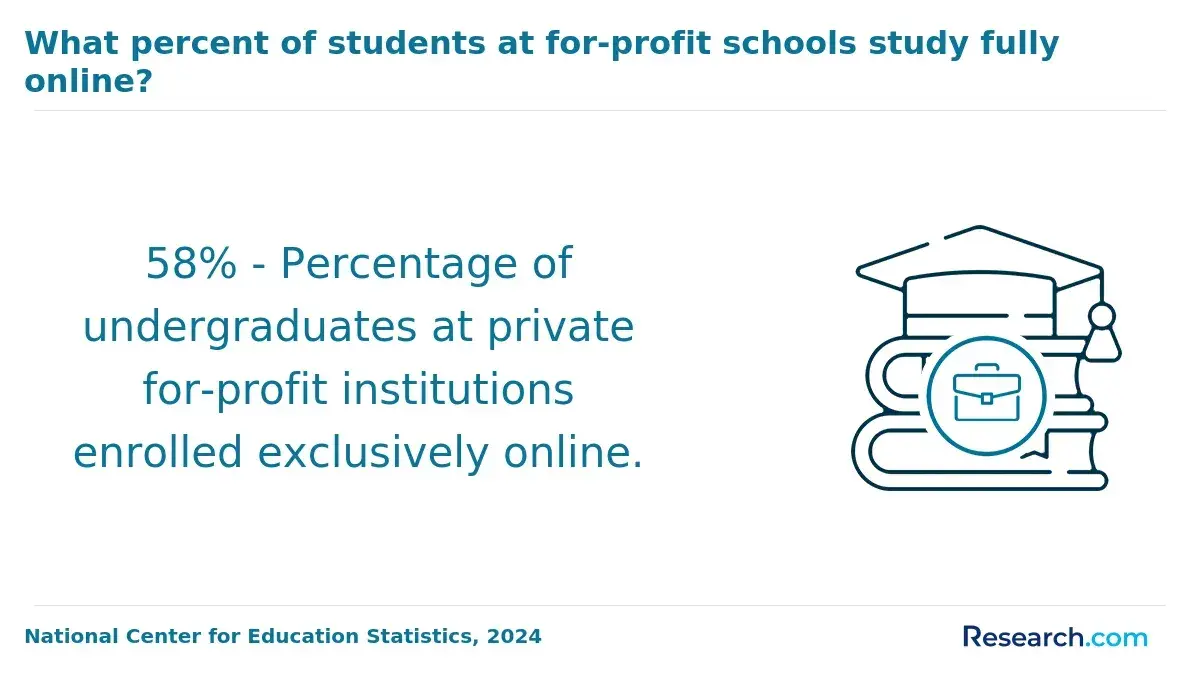
How Do Tuition Costs Affect the ROI of a Clinical Nurse Leader Program Across Institution Types?
Tuition cost alone is an incomplete measure of the return on investment for clinical nurse leader programs, especially when comparing public, private, and nonprofit online options. Public institutions generally feature the lowest sticker prices-often ranging between $15,000 and $25,000-but high grant aid availability can lower net costs by up to 30%, substantially reducing debt load and easing loan repayment pressures. However, lower tuition does not guarantee better value; programs with weaker completion rates or limited career support may extend time to graduation or hinder job placement, diminishing long-term financial outcomes despite affordable upfront costs.
Private institutions, while frequently charging over $40,000, can offer accelerated pathways and stronger employment networks that help graduates recoup expenses through higher starting salaries. The 2024 American Association of Colleges of Nursing workforce study identified that private program alumni often report better initial earnings, offsetting heavier initial debt for those who complete on time. Nonprofit programs tend to fall between public and private cost tiers but emphasize flexibility and student services that correlate with robust graduation rates and lower average borrowing. These factors influence ROI profoundly for working professionals balancing education with employment and family commitments.
Choosing a clinical nurse leader program requires balancing tuition with quality, support, and career outcomes rather than selecting solely on cost. A prospective student who prioritizes minimizing debt might gravitate toward a public option with strong financial aid, while one seeking higher payoffs in competitive roles may find a more expensive private program justifiable if it shortens time to degree and enhances job prospects. According to the National Center for Education Statistics in 2024, such strategic consideration of net price, completion success, and early-career salary is critical to optimizing the true return on tuition investment in clinical nurse leader education.
How Do Graduation Rates Influence Clinical Nurse Leader Program ROI?
Graduation rates serve as a practical indicator of institutional effectiveness within clinical nurse leader programs, reflecting how well schools support student persistence, timely degree completion, and cost containment. Public online programs often report higher completion rates, benefiting from established academic support tailored for working adults, which helps minimize extended enrollment and debt accumulation. However, private and nonprofit online institutions may exhibit wider variability in graduation outcomes due to selective admissions and diverse learner challenges balancing work and family, complicating direct ROI comparisons. For instance, a program with lower graduation rates might still offer valuable flexibility that some students prioritize despite potential financial tradeoffs.
The relationship between clinical nurse leader program graduation rates and ROI impact involves more than just completion percentages; students must weigh how attrition patterns affect overall educational expenses and career entry timing. According to the National Student Clearinghouse Research Center's 2024 data, programs with graduation rates above 70% facilitate faster workforce integration, influencing long-term earning potential and debt burden. Still, relying solely on graduation rates risks oversimplifying ROI since factors like student support services, program flexibility, and employment outcomes vary significantly. Prospective students should consider these elements collectively when evaluating online clinical nurse leader options to align educational investment with realistic career and financial goals.
For those exploring options, assessing accredited pathways alongside holistic metrics, including graduation data and financial aid availability, is critical. Resources such as the best medical billing and coding schools online offer relevant insights into comparable program structures and financial support, informing decisions for career changers and budget-conscious learners targeting sustainable returns in healthcare education.
What Role Do Career Outcomes Play in the ROI of a Clinical Nurse Leader Degree?
Career outcomes are a critical determinant of the true ROI for online clinical nurse leader programs, especially given the significant variation in employment support and industry integration among public, private, and nonprofit institutions. According to the U.S. Bureau of Labor Statistics (2024), programs tied to robust healthcare partnerships and employer networks can achieve employment rates above 90% within six months post-graduation, a factor that speeds up salary recovery and eases student debt burdens.
Public universities often leverage established clinical relationships facilitating direct job placements, while private institutions may offer flexibility and niche certifications that enhance career mobility but face uneven employer recognition, potentially slowing leadership role attainment. Nonprofits typically emphasize professional development and academic preparation, which supports long-term sustainability but may not translate as quickly into job placement or immediate ROI.
This dynamic means students must weigh career outcomes alongside tuition and debt, as a lower sticker price does not necessarily ensure quicker or higher returns in earnings or professional advancement. For example, a working professional balancing job demands might find that private programs' scheduling advantages enable progression, despite potential employer skepticism of the credential's standing.
Conversely, graduates from public institutions might benefit from expedited entry into high-demand markets but face more rigid timelines and less customization. Geographic factors and ongoing mentorship access further influence whether graduates maintain or improve their positions over the years, shaping actual financial and career gains beyond initial hire.
One graduate of a nonprofit online clinical nurse leader program recalled choosing their school primarily by scrutinizing career outcomes rather than cost alone. They described initial doubts about whether the degree would translate into tangible workplace recognition or expanded responsibilities, noting that their employer's acknowledgment of the credential was not guaranteed. Over time, though, internal promotions and more complex project leadership roles gradually affirmed the degree's value, even as the financial ROI stayed difficult to quantify precisely. This measured progression highlighted the interplay between institutional reputation, network effects, and personal career strategy in assessing the program's ultimate return.
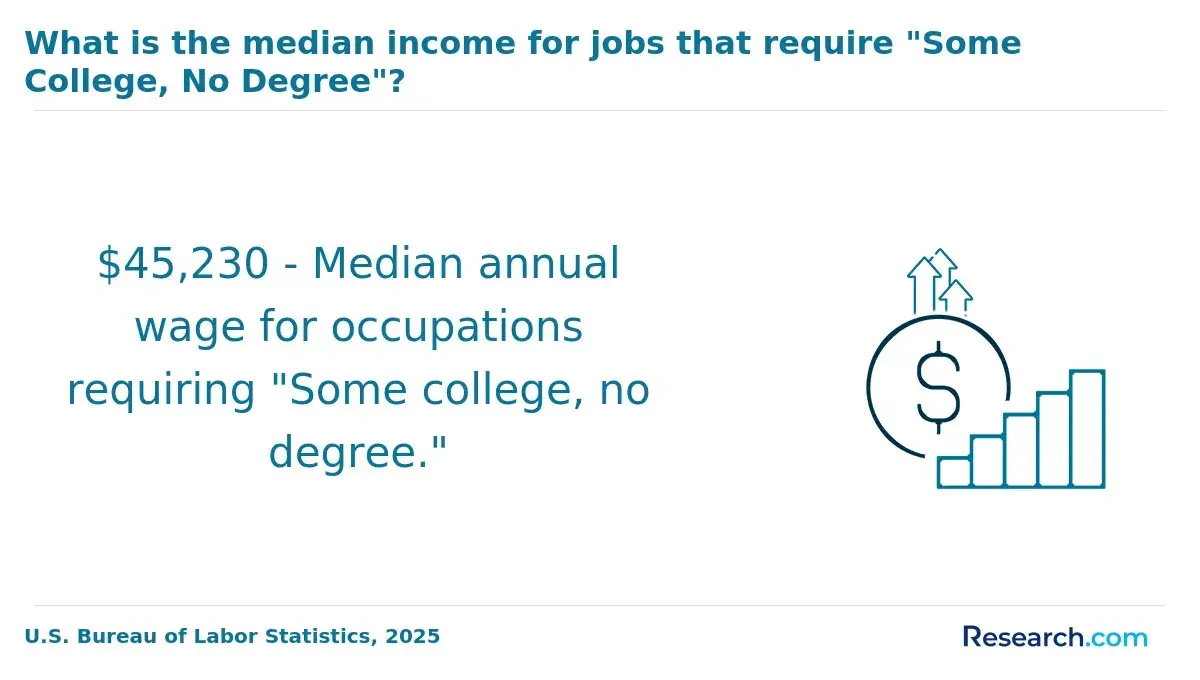
How Does Student Debt Impact the Long-Term ROI of a Clinical Nurse Leader Program?
High student debt burdens significantly alter the long-term ROI of a clinical nurse leader program, with private online programs frequently imposing the heaviest financial strain. Borrowing 30% more than students at public institutions, graduates from private programs often face extended repayment periods that reduce early disposable income and limit financial mobility.
For instance, a graduate with elevated debt may delay purchasing a home or investing in additional certifications, affecting career advancement despite the enhanced employability offered by the credential. These tangible financial tradeoffs underscore the importance of assessing debt relative to realistic salary growth and local job markets.
Public online clinical nurse leader programs typically present lower tuition and greater access to grants, which tends to reduce borrowing needs and improve debt-to-income ratios post-graduation. However, varied graduation rates and online program quality can complicate this picture, as prolonged completion times negatively impact ROI by increasing overall educational costs.
Nonprofit programs often balance cost and funding options, delivering moderate debt levels paired with targeted financial aid. Students must therefore weigh these factors carefully, aligning program costs and expected outcomes with their personal financial tolerance and career goals to accurately gauge student loan impact on clinical nurse leader program ROI. For those considering flexible or related fields, examining a nutritional science degree online might also offer a useful comparison in evaluating return and debt obligations.
How Do Flexibility and Adult Learner Support Affect Clinical Nurse Leader Program Value?
The value of clinical nurse leader online programs largely hinges on how flexibility and adult learner support intersect with practical outcomes like persistence, time-to-degree, and manageable debt. Research from the National Center for Education Statistics highlights a 15% higher persistence rate in programs offering asynchronous courses and part-time options, a critical consideration for working adults balancing job and family responsibilities.
Public institutions often deliver lower tuition but may lack personalized academic advising and career services, which can extend completion times or limit employment-readiness. In contrast, private programs typically provide more robust faculty engagement and retention resources, improving satisfaction and career placement, though at a higher financial cost.
Nonprofit programs occupy a middle ground by combining moderate tuition with targeted support such as military accommodations and transfer credit assistance, addressing the needs of students with nontraditional backgrounds. However, scheduling flexibility without adequate guidance can dilute program rigor and delay graduation, increasing opportunity costs and debt burdens.
Adult learners must weigh these trade-offs carefully, as a well-supported student is more likely to finish on time and access jobs aligned with employer expectations for clinical leadership. Ultimately, examining how an institution's structure supports learner persistence and professional integration is essential for evaluating long-term return on investment across public, private, and nonprofit Clinical Nurse Leader programs.
How Do Accreditation and Institutional Reputation Influence Clinical Nurse Leader ROI?
Accreditation and institutional reputation directly shape the return on investment for clinical nurse leader programs by influencing employer recognition, licensure pathways, and long-term career flexibility. Graduates from regionally accredited programs, especially those recognized by bodies like the Commission on Collegiate Nursing Education, tend to achieve higher employment rates-by as much as 12% within six months according to the National Student Clearinghouse's 2024 report-compared to peers from non-accredited schools.
For working professionals balancing cost and career outcomes, attending a public or nonprofit institution with strong accreditation can mean better access to state licensure and graduate education, both critical to expanding roles and salary potential in competitive healthcare environments.
That said, institutional reputation is not the sole determinant of value; private online programs with solid accreditation and demonstrated outcomes may offer competitive ROI, particularly when tuition and debt burdens are considered. Employer perceptions often combine these factors with practical metrics such as graduation rates and student support quality.
For example, a mid-career nurse choosing between a well-known public university and a lesser-known private provider should weigh local job market preferences, credit transfer policies, and program delivery flexibility rather than relying exclusively on brand recognition. Navigating these tradeoffs effectively requires evaluating how accreditation status intersects with affordability and career goals to ensure the clinical nurse leader credential enhances employability and justifies the financial investment over time.
How Does Time-to-Degree Affect the ROI of Public, Private, and Nonprofit Clinical Nurse Leader Programs?
Time-to-degree significantly shapes the return on investment for public, private, and nonprofit clinical nurse leader programs by influencing tuition exposure, opportunity costs, and the timing of career advancement. For example, accelerated private programs may enable faster graduation, reducing direct educational costs and earlier entry into higher-paying roles but at the expense of increased academic pressure and potentially lower completion rates. Public institutions often support part-time enrollment and more generous transfer credit policies, offering flexible pacing that accommodates working professionals and family obligations, though this can extend graduation timelines and increase cumulative costs.
Enrollment intensity and program duration directly affect debt accumulation and workforce readiness, highlighting the effect of program duration on clinical nurse leader online ROI. Nonprofit programs typically strike a balance, providing moderately paced curricula with solid support services, which may improve persistence rates without the intensity of accelerated options. Working students who maintain employment during study face a tradeoff between prolonged tuition payments and steady income flow, while accelerated tracks can compress time-to-degree but risk burnout or skill gaps if overly condensed.
Prospective students seeking cost-efficient and timely completion should consider how transfer credit acceptance and program flexibility impact affordability and pace. Those weighing clinical nurse leader programs online can find valuable comparative data by reviewing the cheapest PMHNP programs, which offer insights into affordability alongside time-to-degree factors. Balancing speed with sustainable workload and quality instruction remains crucial for maximizing long-term educational and professional value.
How Can You Choose the Best Clinical Nurse Leader Program Based on Your ROI Goals?
The highest return on investment in clinical nurse leader programs depends less on institution type alone and more on individual priorities and circumstances. Public programs generally offer lower tuition for in-state students, which can reduce debt burden significantly, making them appealing for cost-conscious adult learners balancing work and family obligations. Yet, nonprofit online programs often achieve higher graduation rates within two years, accelerating workforce entry and contributing to quicker salary gains, an important factor for those seeking faster career advancement and better early earnings in a competitive healthcare market. This variability in program speed and cost structure underscores the importance of aligning program choice with one's employment status and time-to-degree expectations.
Career outcomes and learner support services further differentiate institutional ROI, with nonprofit programs showing about 12% higher initial salaries on average, based on a 2024 report from the American Association of Colleges of Nursing. However, some public programs connected with large health systems may offer superior clinical placements, enhancing employability despite potentially longer completion times. Private and nonprofit institutions often provide stronger student support like mentorship and career counseling, which can improve graduation likelihood and long-term satisfaction but may come with higher sticker prices offset by financial aid. Students evaluating clinical nurse leader program ROI must weigh these tradeoffs against their financial constraints and professional objectives, especially considering employer recognition and program accreditation.
Balancing these factors requires a practical approach tailored to unique needs. Adult learners and career changers should consider program flexibility and debt implications alongside how effectively a program's graduates are received in the labor market. For working professionals seeking to minimize educational debt or explore related fields, comparing options like forensic psychology master's programs online may also provide additional perspective on ROI across related healthcare or behavioral science disciplines. Ultimately, thoughtful analysis of institutional type, program features, and personal goals is essential for maximizing the long-term value of a clinical nurse leader degree.
References
- All RN to MSN Clinical Nurse Leader Programs - RNtoMSN.org https://www.rntomsn.org/programs/clinical-nurse-leader/
- Master of Science in Nursing - Clinical Nurse Leader Tuition - Lake Erie College of Osteopathic Medicine https://lecom.edu/gsbs/master-of-science-in-nursing-clinical-nurse-leader/master-of-science-in-nursing-clinical-nurse-leader-tuition/
- CNL vs NP: Clinical Nurse Leader versus Nurse Practitioner Programs https://www.onlineeducation.com/nursing/faqs/cnl-vs-nurse-practitioner-programs
- CNL Certification https://www.aacnnursing.org/our-initiatives/education-practice/clinical-nurse-leader/cnl-certification
- Clinical Nurse Leader (CNL) | University of Nevada, Reno https://www.unr.edu/nursing/programs-and-degrees/clinical-nurse-leader
- Client Challenge https://www.springerpflege.de/the-impact-of-clinical-nurse-leadership-models-on-the-quality-of/51587724
- Become a Clinical Nurse Leader in 3 Steps https://www.incrediblehealth.com/blog/clinical-nurse-leader/
- UTMB School of Nursing | Clinical Nurse Leader Program https://nursing.utmb.edu/Academics/Programs/Graduate/ClinicalNurseLeader
- Top 50 Clinical Nurse Leadership Degree Programs - Healthcare Management Degree Guide https://www.healthcare-management-degree.net/best/top-clinical-nurse-leadership-degree-programs/
- The effectiveness of the clinical nurse leader practice - systematic review https://revistas.rcaap.pt/millenium/article/view/19009
Other Things You Should Know About Clinical Nurse Leader
The institution type can significantly shape the clinical nurse leader learning experience, particularly in online programs. Public institutions often leverage broader clinical partnerships and larger faculty pools, providing more diverse practicum opportunities, while private and nonprofit programs may offer smaller cohorts with potentially more individualized faculty interaction. However, private programs sometimes prioritize accelerated pacing, which can increase workload intensity and reduce hands-on exposure. Prospective students should weigh the tradeoff of faculty attention versus clinical variety based on their learning preferences and career goals, as these differences impact skill readiness in complex healthcare settings.
Employers frequently recognize graduates from public institutions due to established networks and regional reputations, which can translate to smoother job placement or advancement within certain healthcare systems. Nonprofit online programs, particularly those with strong community ties, may be favored in nonprofit hospital settings where mission alignment matters. Private institutions might carry less regional employer influence but could offer stronger brand recognition nationally. Candidates should prioritize programs with proven employer connections in their target job markets rather than assuming prestige alone correlates with employability.
Working professionals must carefully assess program pacing and workload, as private online programs frequently condense curriculum into shorter timeframes, increasing weekly demands and risking burnout when balancing work and study. Public and nonprofit programs often provide longer completion windows, allowing more manageable integration with professional responsibilities. Choosing a program with flexible pacing that realistically fits a working adult's schedule can prevent attrition and protect academic performance, which directly influences ultimate ROI through timely graduation and skill acquisition.
Long-term career advancement depends not just on the credential but on network access, clinical exposure, and reputation within the healthcare industry. Public institution programs generally facilitate stronger local healthcare system affiliations, helpful for leadership roles tied to geographic regions. Nonprofit programs can be valuable for those aiming at community-focused or mission-driven organizations. Private programs may be preferable for learners targeting broader or nontraditional roles, but prospective students should prioritize institution type based on alignment with their career trajectories rather than perceived short-term gains.