2027 Clinical Nurse Leader Affordability by State: Where Students Pay the Most and Least

Co-Founder and Chief Data Scientist
Choosing between two clinical nurse leader programs can pit high tuition against hidden living costs, forcing students to weigh immediate savings against long-term debt. For example, a 2024 National Center for Education Statistics report reveals a 12% rise in out-of-state tuition compared to a steadier 4% increase for in-state programs, reflecting widening affordability gaps tied to state funding policies. This divergence often compels students to either absorb steep fees or relocate, impacting their overall financial burden and post-graduation stability. This article examines how tuition and associated costs vary by state, guiding prospective clinical nurse leader students toward the most and least financially accessible options nationwide.
Key Things to Know About Clinical Nurse Leader Affordability by State
- States with lower published tuition often impose higher out-of-state fees and living costs, offsetting nominal savings; this tradeoff influences budget-conscious students to weigh total attendance costs over sticker prices.
- Employers in states with strong healthcare funding prefer graduates from local programs, reflecting regional workforce alignment that affects value perception beyond affordability alone.
- The 2024 National Student Loan Report shows rising borrowing linked to extended program lengths in campus-based options, indicating timing and delivery mode significantly impact student debt and access.
- Which States Have the Most Affordable Clinical Nurse Leader Degree Programs? Most Affordable State Programs
- Which States Have the Highest Clinical Nurse Leader Degree Costs? Highest State Tuition Costs
- How Much Does a Clinical Nurse Leader Degree Cost by State? Degree Costs by State
- Why Does Clinical Nurse Leader Affordability Vary So Much Between States? State Affordability Variations
- How Do In-State and Out-of-State Tuition Rates Affect Clinical Nurse Leader Affordability? In-State vs. Out-of-State Rates
- How Does the Cost of Living Impact Overall Clinical Nurse Leader Affordability by State? Living Costs and Affordability
- Which States Offer the Best Value for a Clinical Nurse Leader Degree? Best Value State Degrees
- What Financial Aid and Scholarship Opportunities Can Reduce Clinical Nurse Leader Costs? What Financial Aid and Scholarship Opportunities Can Reduce Clinical Nurse Leader Costs?
- Are Online Clinical Nurse Leader Degree Programs More Affordable Than On-Campus Options? Are Online Clinical Nurse Leader Degree Programs More Affordable Than On-Campus Options?
- Is a Clinical Nurse Leader Degree Worth the Cost Based on Career Outcomes and ROI? Degree ROI and Outcomes
Which States Have the Most Affordable Clinical Nurse Leader Degree Programs?
States that consistently offer the most affordable clinical nurse leader degree programs typically combine robust public funding with strategic residency policies, creating meaningful cost advantages for in-state students. For example, Wyoming and Montana allocate significant resources to their public university systems, enabling graduate tuition rates well below the national average, often under $7,000 annually.
This dynamic means students who qualify for resident tuition stand to save thousands compared to enrolling as non-residents, a critical consideration since out-of-state fees can more than double those amounts and affect total program affordability. As a real-world scenario, a prospective student weighing out-of-state enrollment in a high-cost region versus attending an online program in a lower-cost state must balance tuition savings with potential relocation expenses and the availability of flexible scheduling options.
Affordability also shifts notably depending on how states integrate online program delivery and financial aid offerings into their broader educational infrastructure. Regions that support accessible online clinical nurse leader programs can reduce the burden of housing and transportation costs, which otherwise inflate the total cost of attendance and extend time to degree completion. Additionally, states with strong grant and scholarship programs relative to tuition prices effectively lower net student debt, a factor often overlooked in headline tuition comparisons.
Students comparing affordable clinical nurse leader programs by state benefit from examining these layered differences-factoring in both direct costs and ancillary expenses-while also considering long-term implications like degree recognition and employment outcomes in their chosen market. For those interested in a more flexible pathway, the easiest RN to BSN online program can serve as a relevant example of how innovative delivery models influence cost and accessibility.
Which States Have the Highest Clinical Nurse Leader Degree Costs?
States with the highest clinical nurse leader degree costs typically reflect a complex interplay of elevated tuition rates, limited state funding, and regional economic pressures rather than simple geographic trends. For example, public institutions in states like California often charge over $20,000 annually for in-state graduate nursing tuition, a figure driven not only by institutional funding challenges but also by steep local living expenses and scarce affordable housing. Residency requirements further complicate cost calculations, especially where out-of-state students face significant tuition premiums, influencing many applicants' decisions to pursue online or part-time options if available. These financial dynamics require prospective students to balance the potential for stronger local job markets against the immediate economic burden of high-price programs and associated living costs.
Moreover, the concentration of private and research-intensive universities in certain states contributes to upward tuition pressures due to their operational frameworks and resource demands, limiting access for budget-conscious learners. The scarcity of subsidized or flexible scheduling formats in these regions often forces students into full-time, campus-based programs with less financial leeway. This tradeoff necessitates careful evaluation of long-term return on investment, as strong employment opportunities prevalent in these locales may only partially offset the upfront financial strain. Consequently, students often weigh options across state lines, considering not just sticker price but also residency policies, financial aid availability, and program delivery modes to optimize both affordability and career positioning.
A clinical nurse leader student who considered programs in both Massachusetts and a lower-cost neighboring state shared how the decision was shaped by more than tuition alone. Initially attracted by the prestige and healthcare industry ties in Massachusetts, the student hesitated due to higher out-of-pocket costs and strict residency rules. After detailed comparisons, including analysis of financial aid packages and online program flexibility, the student ultimately chose an in-state public program with lower fees and part-time scheduling, despite fewer local clinical partnerships. This choice reflected a cautious compromise between maintaining affordability and pursuing meaningful employment prospects without relocating-highlighting how practical constraints and policy environments weigh heavily in real-world decisions beyond headline tuition figures.
How Much Does a Clinical Nurse Leader Degree Cost by State?
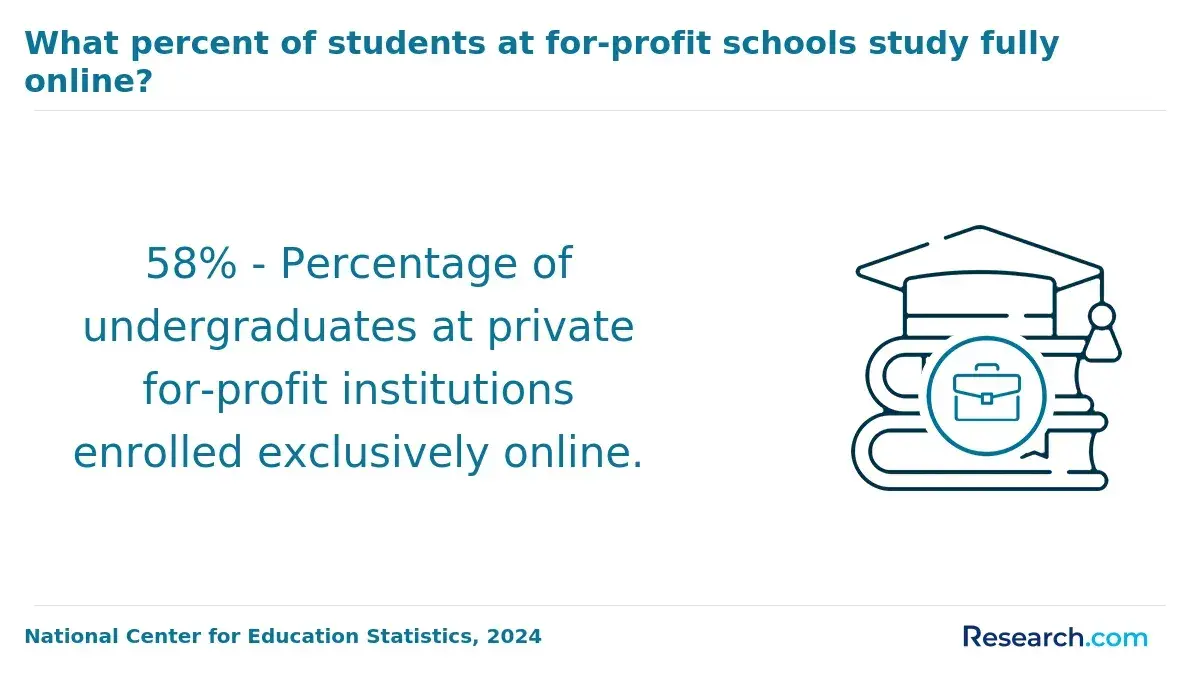
Tuition costs for a clinical nurse leader degree vary widely by state, often reflecting local policy decisions about public university funding and residency rules. For example, states like New Mexico and Wyoming offer in-state tuition as low as around $8,000, whereas Massachusetts and California can exceed $30,000, according to 2024 data from the National Center for Education Statistics. This disparity influences whether students can realistically pursue such programs close to home or must consider relocating, balancing tuition savings against increased living expenses and potential loss of local support networks.
Public versus private institution enrollment constitutes a significant cost factor, with private schools routinely charging double the in-state public tuition, which can sharply increase financial strain-especially in states like New York or Illinois where private nursing programs are clustered. These cost differentials matter because students facing higher expenses might have to take on greater debt or limit program choices, whereas others benefit from states with stable investments in nursing education and more generous financial aid. The impact extends beyond tuition, as states with higher living costs often require additional budgeting for housing and transportation that can offset nominal tuition savings, shaping enrollment decisions and long-term financial planning.
Furthermore, the tuition gap between in-state and out-of-state students often dictates whether relocation is a feasible option, and this gap can either restrict or encourage cross-border enrollment in clinical nurse leader programs. Public funding trends also come into play: reduced state support frequently leads to tuition hikes, diminishing accessibility, while programs benefiting from state healthcare workforce initiatives may offer comparatively better rates. For prospective students, these variables underscore the importance of researching state-specific funding conditions and considering online alternatives or out-of-state aid before committing, as these factors critically shape both total educational costs and post-graduation economic returns.
Why Does Clinical Nurse Leader Affordability Vary So Much Between States?
Affordability differences in clinical nurse leader degree programs across states largely reflect variations in public funding priorities and institutional mixes. States like California and Florida, benefiting from higher allocations to public higher education, offer reduced in-state tuition rates that significantly lower costs for resident students.
In contrast, states with diminished public support often rely more on private institutions, where tuition runs considerably higher, tilting average program costs upward. These funding disparities intersect with cost-of-living variations-regions such as New York and Massachusetts impose additional financial burdens on students due to elevated housing and living expenses, further complicating direct tuition comparisons.
State-specific financial aid policies also critically shape accessibility to clinical nurse leader programs. Generous grant and scholarship availability in some states mitigates reliance on student loans, easing debt pressures and influencing enrollment decisions and transfers. Conversely, limited aid options compel many learners to weigh out-of-state or online alternatives, including accredited self-paced online courses, as practical strategies to manage expenses.
According to the National Center for Education Statistics 2024 data, these affordability variations significantly impact where prospective students choose to enroll and how they plan their education, underscoring that cost differences stem from broader educational funding choices and economic conditions rather than mere institutional pricing alone.
How Do In-State and Out-of-State Tuition Rates Affect Clinical Nurse Leader Affordability?
Residency-based tuition policies can sharply alter the financial calculus for clinical nurse leader students, often turning geographic boundaries into decisive cost factors. Public institutions commonly charge in-state students 40% to 60% less than out-of-state peers, creating notable disparities that influence program selection and long-term debt burdens. For example, a student enrolling in a public university within their home state might save thousands, while an out-of-state candidate faces a much higher tuition baseline unless they qualify for regional compacts or reciprocity agreements. These arrangements, like the Midwest Student Exchange Program, can partially offset out-of-state premiums but remain geographically limited and inconsistent, which requires careful scrutiny when comparing programs across multiple states.
Financial aid availability further complicates this picture, as many state-funded scholarships restrict eligibility to residents, effectively widening the affordability gap for nonresidents even when sticker prices are competitive. Online clinical nurse leader programs with flat-rate tuition regardless of residency present a growing alternative, although prospective students must weigh these costs against potential differences in clinical placement options and employer recognition. Residency reclassification policies also impact long-term financial planning; students who relocate may spend a year or more paying out-of-state rates before qualifying for in-state status, amplifying upfront expenses despite eventual savings. Balancing these factors necessitates a nuanced approach that accounts not only for direct tuition costs but also the indirect financial implications tied to funding sources, program delivery modes, and state-specific rules.
A clinical nurse leader student who moved to another state for graduate school recalls hesitating over whether to pay out-of-state tuition, given the price difference was nearly double compared to local peers. She initially planned to reclassify her residency but encountered a residency policy requiring a full 12 months of in-state presence without enrolling in school, pushing her to commit to the higher tuition for at least the first year. This unexpected expense forced her to adjust her financial strategy, relying more heavily on private loans and limiting elective coursework to manage costs, leaving her conflicted about whether the investment aligned with her career goals given the financial strain.
How Does the Cost of Living Impact Overall Clinical Nurse Leader Affordability by State?
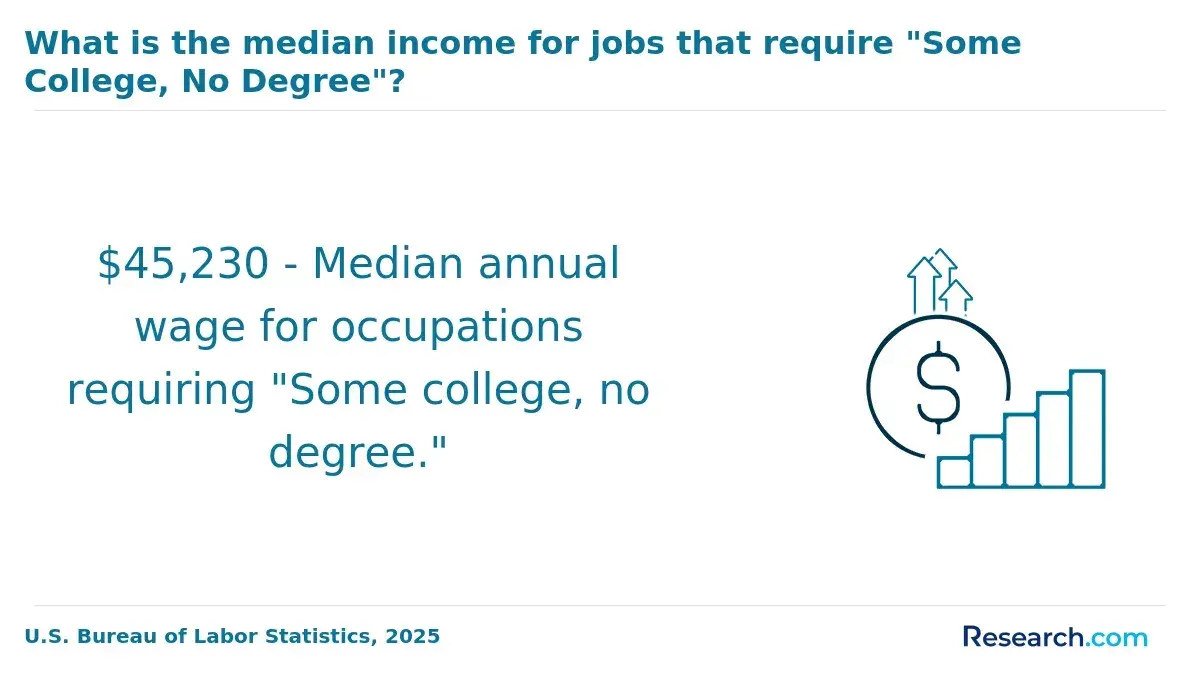
Variations in regional expenses fundamentally reshape the net cost of pursuing a clinical nurse leader degree beyond tuition fees alone, profoundly influencing where students realistically afford to enroll. For example, a candidate studying in California faces housing costs often 80% above the national average, which can more than double living expenses compared to a rural state with similar tuition. This substantial disparity forces tough tradeoffs, such as working additional hours to cover rent-potentially reducing study time-or opting for online coursework to mitigate high local costs.
Housing, transportation, and healthcare expenses combine as critical factors shaping the overall financial picture for prospective students. In areas lacking comprehensive public transit, commuting by personal vehicle can add considerable costs for fuel, maintenance, and insurance, elevating total educational expenses. Additionally, where Medicaid expansion is limited, students encounter higher health insurance premiums, further elevating budgets. These regional differences in cost of living affect not only financial aid calculations and debt exposure but also decisions involving enrollment timing, residency, and practical degree-completion strategies.
Attentive budgeting that incorporates such regional variations is indispensable in evaluating clinical nurse leader program cost by state cost of living. These factors also intersect with long-term employment prospects, as wage scales vary considerably-highlighted in research on nurse practitioner salary differences across states. Tuition sticker prices alone mask these operational realities, meaning prospective students must balance local economic constraints with program accessibility and career goals to navigate the full costs and benefits of their education path.
Which States Offer the Best Value for a Clinical Nurse Leader Degree?
States differ considerably in how their tuition structures, financial aid availability, and local economies intersect to shape the true cost and value of earning a clinical nurse leader degree. For instance, Texas offers not only lower in-state graduate tuition but also robust public university financial aid programs, which when combined with a strong local healthcare market growing at a projected rate of 15% through 2032, enhances both affordability and employment prospects post-graduation. However, such advantages depend heavily on residency status and must be weighed against the potential need to relocate or pursue out-of-state tuition rates, which can substantially alter the return on investment calculation.
Conversely, states like California and New York, despite commanding higher tuition fees and living expenses, present a different risk-benefit scenario. Higher salaries in these regions often accompany elevated costs and longer degree completion times, which may increase student loan burdens and reduce net financial gain. Graduating from programs in these states might suit those prioritizing specific institutional reputations or local network access but can pose affordability challenges for budget-conscious students without significant financial aid or residency advantages.
Evaluating value thus requires balancing tuition costs with graduation success rates, opportunity for financial support, and regional demand for clinical nurse leaders. For many, mid-tier options in states such as Florida offer a compromise-moderate tuition paired with below-average living expenses and reasonable post-degree earnings can alleviate loan pressures and improve overall outcomes. Understanding local policy nuances and workforce dynamics is essential for prospective clinical nurse leader students who must navigate where enrollment, relocation, or online program options maximize affordability without compromising educational and employment benefits.
What Financial Aid and Scholarship Opportunities Can Reduce Clinical Nurse Leader Costs?
Federal aid programs such as the Free Application for Federal Student Aid (FAFSA) continue to form the backbone of financial support for many clinical nurse leader students, with approximately 75% of graduate nursing students receiving some form of federal assistance according to the National Center for Education Statistics. However, relying solely on federal grants and loans often does not fully address regional cost disparities, making state grants and tuition reciprocity programs critical in determining net affordability. For example, states like California and New York offer targeted scholarships or loan forgiveness that require service commitments within local healthcare systems, which can significantly lower out-of-pocket expenses but may limit geographic and employer flexibility post-graduation.
Institutional scholarships add another layer of complexity, as merit-based awards typically favor full-time students with strong academic records, potentially disadvantaging working professionals pursuing part-time study. Need-based scholarships are less common at the graduate nursing level and generally demand meticulous financial documentation and strict application deadlines, impacting timely access to funds. Employer-sponsored tuition benefits have become an increasingly influential factor, yet their terms vary widely by organization and frequently require employment agreements that can affect career mobility. These overlapping eligibility criteria, renewal conditions, and aid stacking policies require students to strategically navigate options based on residency status, enrollment intensity, and long-term career plans to optimize affordability across states and institutions.
Are Online Clinical Nurse Leader Degree Programs More Affordable Than On-Campus Options?
The cost advantage of online clinical nurse leader degree programs over traditional on-campus options is often overstated, as affordability depends heavily on state tuition policies, required residencies, and individual circumstances. While average tuition for online nursing master's programs can be 15-25% lower than on-campus equivalents, these savings may be offset by technology fees, the need for specialized equipment, and occasional travel for clinical placements or brief residencies. For example, students in states without in-state tuition policies for online learners may find online programs as expensive as or costlier than commuting to a nearby campus, especially when factoring in employer tuition reimbursement potential or the opportunity to maintain full-time employment.
Evaluating the cost comparison of online versus on-campus clinical nurse leader programs requires careful attention to the full spectrum of expenses, including indirect costs like housing and transportation for campus students and technology upgrades for online students. Financial aid availability also differs, as institutional scholarships tailored for online learners remain limited, contrasting with often broader federal and state aid eligibility. This nuanced financial landscape means students should assess program structures-such as accelerated formats that reduce time to degree-and employer healthcare partnerships that might subsidize costs, in order to determine the most cost-effective path. Students aiming for efficiency might explore 1 year FNP programs as a comparative model for intensive, shorter-duration credentialing options, highlighting the growing trend in expedited nursing education frameworks.
Is a Clinical Nurse Leader Degree Worth the Cost Based on Career Outcomes and ROI?
Evaluating whether a clinical nurse leader degree is worth the investment requires a nuanced understanding of how tuition costs interact with real-world career outcomes. States with higher tuition often correspond to larger healthcare markets, such as California and New York, where earning potential and leadership opportunities can justify increased debt burdens.
Conversely, more affordable programs in midwestern states may limit salary growth and job mobility in nursing leadership roles, creating a tradeoff between upfront costs and long-term wage prospects. This geographic disparity highlights that prospective students must weigh career trajectories against financial realities specific to their state and profession. Many employers prioritize graduates from programs with strong clinical partnerships and high completion rates, amplifying the degree's value beyond tuition alone, especially in competitive labor markets.
Students considering a clinical nurse leader degree return on investment in the United States should also factor in opportunity costs, debt impact, and how program quality aligns with their career goals. A 2023 study found nursing master's graduates often carry between $30,000 and $50,000 in student debt, so balancing this burden against post-degree earnings is critical. Nonfinancial benefits such as leadership skill enhancement and professional certification opportunities further complicate ROI analysis.
Seeking flexible pathways, like a fast track ABA masters online, can mitigate some costs and timing pressures, thereby improving the overall value proposition. Ultimately, comparing career outcomes for clinical nurse leader graduates by state can reveal distinct patterns in employability and salary that deserve careful examination before enrollment decisions.
References:
- How Much Do Clinical Nurse Leaders Make? | NursingEducation https://nursingeducation.org/careers/clinical-nurse-leader/salary/
- Top 50 Most Affordable Online Nursing Administration Degrees (MSN) - Healthcare Administration Degree Programs https://www.healthcare-administration-degree.net/best/affordable-online-nursing-administration-degrees-msn/
- Nursing Loan Repayment, Scholarship, and Grant Programs https://bhw.hrsa.gov/nursing-programs
- Nursing Financial Aid https://nursinglicensemap.com/resources/nursing-financial-aid/
- Clinical Nurse Leader: Everything you need to Know — The BridgeWay Firm https://www.bridgewayfirm.com/news-updates/clinical-nurse-leader
- 50 Cheapest RN to MSN Online Programs | Starting at $19,000 https://www.rntomsn.org/programs/cheapest-online-rn-to-msn-programs/
- The effect of the cost-of-living crisis on the nursing and midwifery professions - British Journal of Nursing https://www.britishjournalofnursing.com/content/spotlight/the-effect-of-the-cost-of-living-crisis-on-the-nursing-and-midwifery-professions
- What is a Clinical Nurse Leader (CNL)? https://www.allnursingschools.com/specialties/clinical-nurse-leader/
- Clinical Nurse Leader (CNL) - Programs, Certification & Pay https://www.nursingcolleges.com/careers/clinical-nurse-leader
- MSN Nursing Leadership: Clinical Nurse Leader (CNL) for RNs https://www.rushu.rush.edu/college-nursing/programs-admissions/online-clinical-nurse-leader-program-rns-msn
Other Things You Should Know About Clinical Nurse Leader
The length and intensity of clinical nurse leader programs differ notably by state, directly affecting total cost and time to completion. States with shorter or part-time program options might appear more affordable upfront but could extend the time before earning potential increases. Conversely, comprehensive full-time programs may demand a higher short-term financial outlay but enable quicker entry into advanced roles, improving return on investment. Prospective students should weigh whether upfront affordability aligns with their capacity to manage workload and balance income loss during the study period.
Programs in some states incorporate more expansive clinical placements or partnerships with leading healthcare organizations, which enhances real-world readiness but can increase costs due to additional fees or travel requirements. Employers in states with well-established clinical nurse leader programs may favor in-state graduates due to familiarity with their curriculum and accreditation. Students should prioritize states where program reputation aligns with regional employer expectations, balancing affordability against potential advantages in immediate job market acceptance.
Yes, selecting a program based solely on tuition cost risks overlooking states where higher fees come with stronger alumni networks, dedicated career services, or employer connections that materially improve job placement rates. For students able to invest more initially, prioritizing such states can yield better employment outcomes and faster salary growth. Budget-conscious students must assess whether these benefits justify the extra expense or if less costly programs elsewhere offer acceptable opportunities to launch their careers.
State-specific licensing and certification prerequisites for clinical nurse leaders influence which programs best prepare students for local practice but can add hidden costs if additional coursework or exams are required. Choosing an affordable program in a state with stringent or unique licensing conditions may lead to supplementary expenses and delays in entering the workforce. Students should evaluate affordability not just by tuition but by total financial and time investment needed to meet licensure demands in their target state of employment.