2027 Online vs Campus Clinical Nurse Leader Outcomes Report: Graduation Rates, Cost, and Career Trade-Offs

Co-Founder and Chief Data Scientist
Adult learners attempting to transfer prior nursing credits into clinical nurse leader programs often confront unexpected barriers that derail their planned graduation timelines. Despite policies encouraging transferability, only 57% of such credits are commonly accepted across top accredited programs in 2024, revealing a widening gap between institutional promises and actual course applicability.
This creates costly delays and inflates total education expenses, disproportionately affecting working professionals balancing clinical shifts and family obligations. The slower degree completion rate among online learners further complicates decisions by introducing trade-offs in experiential learning and employer recognition. This article analyzes graduation rates, total costs, and career implications to clarify which delivery method aligns best with individual circumstances and goals.
Key Things to Know About Online vs Campus Clinical Nurse Leader Outcomes
- Online Clinical Nurse Leader programs report graduation rates approximately 10% lower than campus programs due to reduced direct faculty interaction, signaling a need for stronger digital support systems to boost completion.
- Campus graduates benefit from more frequent clinical site access, influencing employer perceptions of hands-on readiness, which can affect initial hiring in highly competitive hospital systems.
- Lower total cost and schedule flexibility in online formats address time and financial barriers for working professionals but may extend time to degree completion, impacting early career advancement pacing.
- Key Things to Know About Online vs Campus Clinical Nurse Leader Outcomes Key Things to Know About Online vs Campus Clinical Nurse Leader Outcomes
- What Are the Biggest Differences Between Online and Campus Clinical Nurse Leader Program Outcomes? Online vs Campus Outcomes
- How Do Graduation Rates Compare Between Online and Campus Clinical Nurse Leader Programs? Comparing Graduation Rates
- Why Do Online and Campus Clinical Nurse Leader Students Have Different Completion Rates? Why Completion Rates Differ
- How Do Online and Campus Clinical Nurse Leader Programs Compare on Total Cost? Total Cost Comparison
- What Hidden Costs Should Students Expect in Online vs Campus Clinical Nurse Leader Programs? Hidden Program Costs
- How Does Financial Aid Affect the Cost of Online and Campus Clinical Nurse Leader Programs? Financial Aid Impact
- Do Online and Campus Clinical Nurse Leader Graduates Have Different Career Outcomes? Comparing Career Outcomes
- How Do Employers View Online vs Campus Clinical Nurse Leader Degrees? How Do Employers View Online vs Campus Clinical Nurse Leader Degrees?
- Which Clinical Nurse Leader Degree Format Offers Better Flexibility for Working Adults? Which Clinical Nurse Leader Degree Format Offers Better Flexibility for Working Adults?
- How Should Students Choose Between an Online and Campus Clinical Nurse Leader Program? Choosing Your Program Format
What Are the Biggest Differences Between Online and Campus Clinical Nurse Leader Program Outcomes?
Graduation rates reveal a key divergence between online and campus clinical nurse leader program outcomes, with campus completion rates often surpassing 70%, compared to online rates generally falling between 50% and 65%. This discrepancy reflects more than just mode of delivery; it illustrates how structure, immediate access to faculty, and embedded peer networks on campus strengthen student persistence and expedite completion timelines. For example, a working nurse enrolled online might face extended program durations due to juggling employment and family demands, which can increase overall debt exposure despite lower advertised tuition. Such trade-offs demand careful consideration of both the hidden costs and the critical role of in-person clinical placements in shaping timely licensure and career mobility.
Cost and career trade-offs for online and campus clinical nurse leader students often revolve around balancing flexibility against resource availability. While online programs offer geographic accessibility and accommodate non-traditional schedules, they may impose additional technology fees and require students to secure local practicum arrangements, which vary in quality and availability. Campus-based learners might bear commuting and housing expenses but benefit from coordinated practicum placements and real-time mentorship that frequently enhance employer perceptions of clinical readiness. As a result, many employers still weigh campus training more favorably, influencing recruitment outcomes and the practical signaling value of the degree within a competitive healthcare job market. Students should factor these operational realities into their program selection strategy, weighing immediate convenience against long-term workforce implications that impact sustained career trajectory and earning potential.
These dynamics underscore the importance of aligning educational choices with professional context, especially as demand for clinical nurse leaders grows across healthcare systems. Those exploring options might also consider hybrid models or specific programs like the online PharmD, which exemplify evolving modalities blending flexibility with structured support. Ultimately, prospective candidates must weigh their personal circumstances against institutional offerings, as program format decisively influences not only graduation likelihood but also licensure success, employment readiness, and ongoing career development within this critical nursing specialty.
How Do Graduation Rates Compare Between Online and Campus Clinical Nurse Leader Programs?
Graduation rates between online and campus clinical nurse leader programs reflect more than just delivery format; they are deeply influenced by student demographics, program structure, and institutional resources. Campus programs frequently report higher graduation percentages-often between 70% and 85% within six years-largely due to cohort models, consistent faculty interaction, and streamlined advising access that support student persistence. In contrast, online learners, many juggling employment and family responsibilities, tend to enroll part-time and face greater risk of delayed completion, contributing to more variable rates generally falling between 55% and 75%. These raw figures can be misleading without accounting for how transfer status, course pacing, and clinical practicum demands uniquely impact each format.
Hybrid programs, combining online flexibility with scheduled in-person touchpoints, often close the gap with campus results by fostering peer accountability and offering intermittent advising that online-only formats might lack. Importantly, immigrant and adult learners, common in distance education, may demonstrate steady, longer-term persistence, challenging simplistic interpretations equating faster graduation with better outcomes. Institutions prioritizing continuous academic advising and community-building tools for remote students report improved completion rates, underscoring that program design often outweighs modality in influencing graduation success. For prospective students, understanding these nuanced trade-offs is vital for aligning their educational approach with real-world constraints and career planning horizons.
A clinical nurse leader student considering both options recalled hesitating over fully online programs due to concerns about maintaining momentum without face-to-face cohort support. Juggling a full-time job and family caregiving, she found that programs with structured, in-person components and robust advising felt more manageable, offering scheduled checkpoints that kept her on track. She also weighed transfer credits from prior study and the challenge of commuting for campus classes carefully, eventually opting for a hybrid format that balanced flexibility with tangible support. Her experience illustrates how graduation outcomes hinge not just on online versus campus distinctions, but on how well a program's structure fits individual persistence patterns and external demands.
Why Do Online and Campus Clinical Nurse Leader Students Have Different Completion Rates?
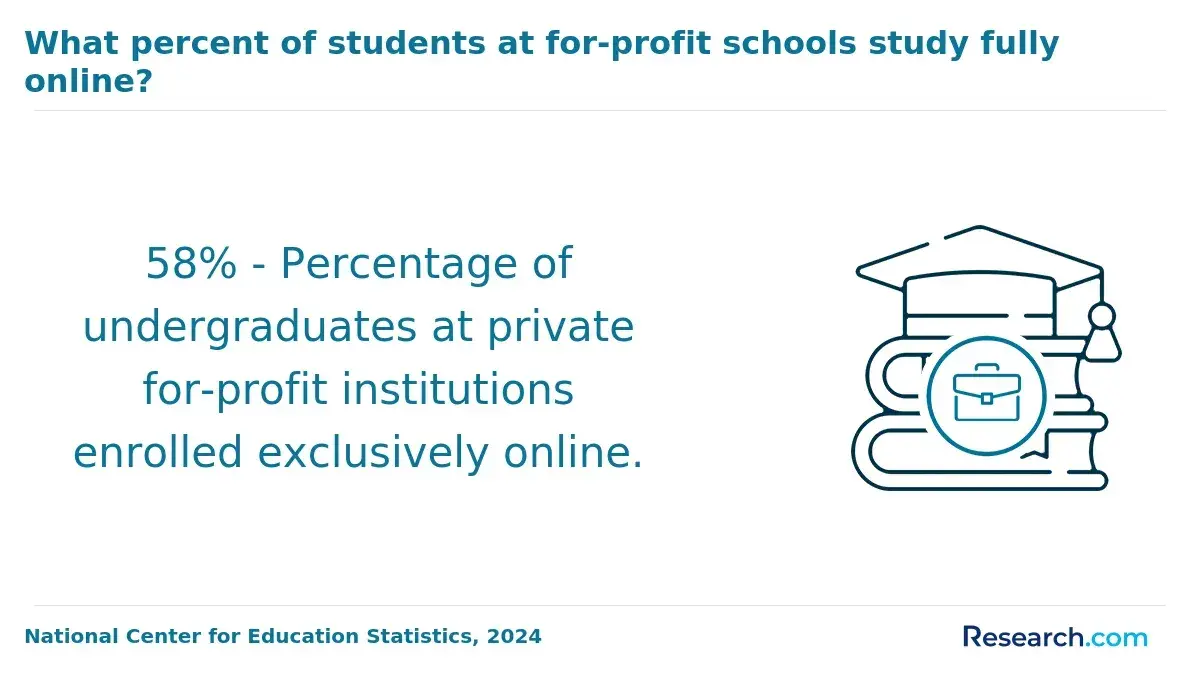
Differences in completion rates between online and campus clinical nurse leader programs largely reflect variations in student circumstances and program structures rather than instructional quality alone. Online students typically enroll part-time while balancing work and family demands, which increases stop-out risks and prolongs time-to-degree. For example, an adult learner in an online program may face intermittent coursework due to shifting job schedules, whereas campus students often follow a more rigid, cohort-based sequence that provides consistent academic pacing and peer support. According to data from the National Center for Education Statistics in 2024, graduation rates for online nursing programs are about 10-15 percentage points lower than their campus counterparts, underscoring these structural and demographic differences.
Access to advising and clinical placements is another decisive factor. Campus programs often integrate direct faculty interaction, real-time mentoring, and local healthcare partnerships that facilitate hands-on practicum experiences critical to clinical nurse leader training. Conversely, online formats must rely on remote engagement tools, which can limit timely feedback and complicate coordination of clinical assignments, affecting timely progress. Additionally, online students frequently finance their studies through employer tuition assistance or personal funds rather than federal aid, reducing access to support services that can enhance retention and completion. Prospective students should weigh their ability to maintain steady enrollment and leverage available institutional supports when interpreting completion rate disparities and planning their educational paths.
How Do Online and Campus Clinical Nurse Leader Programs Compare on Total Cost?
Comparing total expenses between online and campus clinical nurse leader programs reveals a complex cost dynamic beyond just tuition. While in-state campus tuition often stays near $12,000 annually, fully online programs average slightly higher around $13,500, reflecting added technology fees. Campus learners also face mandatory fees plus significant housing and commuting costs that can total $8,000 to $15,000 yearly depending on location, which online students typically avoid. Yet, online students may incur varied travel expenses for clinical practicums, especially if placed far from their homes, which complicates total cost estimates for many prospective enrollees weighing online vs campus clinical nurse leader program cost comparison.
Financial aid, employer tuition assistance, and scholarship availability further influence net costs and debt outcomes. Online programs sometimes offer workforce development grants targeted at working adults, supporting those maintaining employment during study, whereas campus attendees often access a broader array of institutional scholarships. These differences can affect program length and debt accumulation, as reported by the U.S. Department of Education's 2024 data showing loan default rates trending higher among online learners, indicating potential challenges in repayment. Students must therefore consider how format choice impacts their ability to balance work continuity, borrowing, and timely graduation in the total cost of attendance for clinical nurse leader programs.
For those evaluating practical pathways, understanding these nuanced trade-offs is crucial. Selecting an option aligned with both financial capacity and employment status can influence long-term career stability and debt management. To explore specific accredited programs with financial support, prospective students may review a curated list of the best medical coding online programs, showcasing institutions attentive to working adults' needs.
What Hidden Costs Should Students Expect in Online vs Campus Clinical Nurse Leader Programs?
Hidden costs substantially affect the financial realities of pursuing clinical nurse leader programs and often vary sharply by delivery format. For online students, technology fees-reported by NCES in 2024 to range from $100 to $300 per semester at nearly 70% of institutions-add to expenses beyond tuition, including specialized software, high-speed internet, and equipment like webcams. Conversely, campus learners confront significant housing costs, frequently around $11,000 annually according to the College Scorecard, along with transportation expenses such as parking and vehicle upkeep that can exceed $1,500 each year.
Both formats require clinical placements that incur travel and accommodation expenses, though campus programs sometimes cluster these locally, reducing variability in costs. Scheduling rigidity on campus can also necessitate reduced work hours, impacting income and overall affordability, unlike the more flexible online structures that better accommodate employed students.
These indirect costs meaningfully reshape the budgeting process and completion planning for prospective clinical nurse leader students. Online programs might initially appear less expensive but can involve hidden technology and proctoring fees plus personal investments in equipment and connectivity that accumulate over time. Meanwhile, campus-based students must weigh not only tuition but the unpredictability of living, commuting, and campus-specific fees, alongside potential childcare costs, which altogether can strain finances and require additional support. Decision-making hence requires nuanced evaluation of individual circumstances-work schedules, family needs, and housing options-to anticipate the full cost and consequent trade-offs affecting timely graduation and career preparation.
One clinical nurse leader student shared that while researching program options, she initially favored online study for its touted affordability but grew wary after uncovering recurring technology fees and necessary software licenses not covered by tuition. She also hesitated over a required weekend residency that meant additional travel and lodging costs. Conversely, the campus program's high living and parking expenses posed a different barrier, causing her to weigh not just sticker prices but these layered indirect costs. This process, she said, illuminated hidden financial factors that influenced her final choice more than advertised tuition alone, ensuring she made a more pragmatic investment aligned with her work and family commitments.
How Does Financial Aid Affect the Cost of Online and Campus Clinical Nurse Leader Programs?
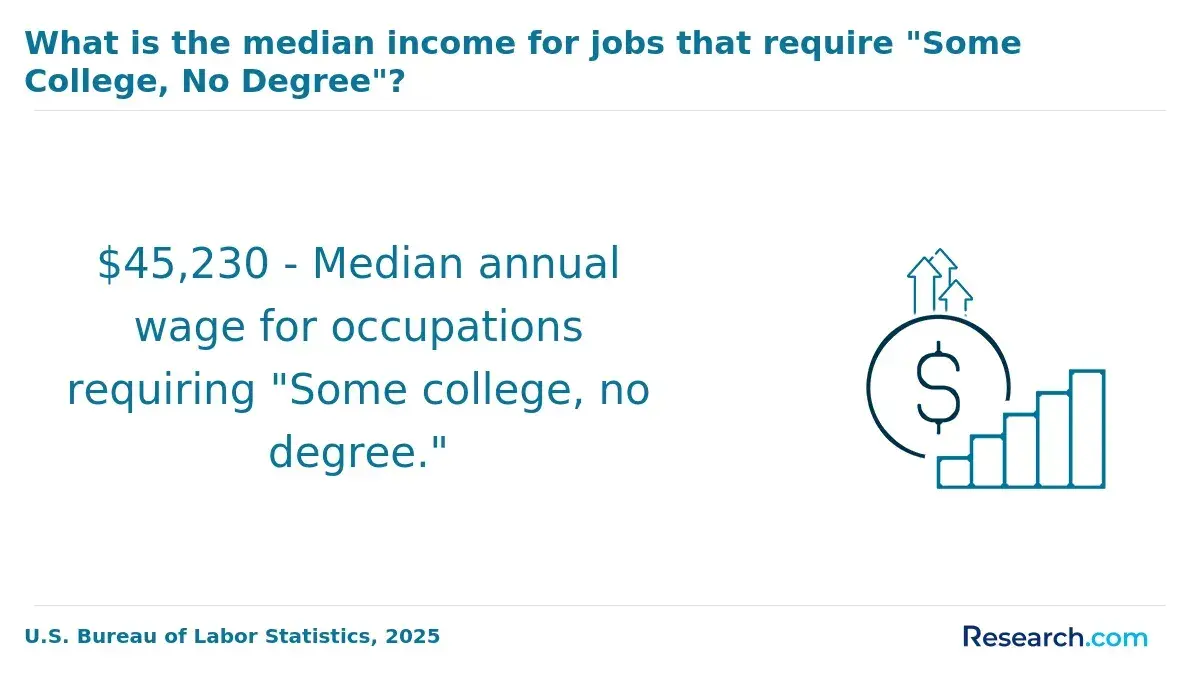
Financial aid significantly shapes the net cost differences between online and campus clinical nurse leader programs, but the nuances often reveal trade-offs beyond sticker price. Campus-based students typically access more institutional scholarships and assistantships that reduce tuition bills and provide stipends, yet these benefits usually require full-time, on-site presence, limiting flexibility. Online learners, frequently enrolled part-time, face fewer campus-specific aid opportunities and additional technology fees, which can increase total expenses despite the asynchronous convenience. For working professionals, employer tuition reimbursement often offsets these disparities by covering part or all of the tuition cost, making full-time employment a critical factor in managing debt levels and program pacing within online clinical nurse leader pathways.
Enrollment intensity and residency status further complicate aid eligibility and total cost. Many online students qualify as non-residents for state aid, losing access to grants designed for in-state campus enrollees, and often assume larger loan burdens to bridge these gaps. The reliance on federal loans tends to be heavier for online learners, reflecting constrained access to assistantships and institutional funding common in campus settings. Understanding these dynamics is crucial when comparing financial assistance for clinical nurse leader tuition and fees, as it affects borrowing decisions, graduation timelines, and long-term financial outcomes. Students should carefully evaluate the interplay between aid packages, employer benefits, and residency rules to realistically assess affordability while aligning educational choices with work and life commitments.
Prospective students balancing flexibility, cost, and graduation timelines may also benefit from exploring specialized resources like the best online registered dietitian programs to understand parallels in financial aid structures across health-related online degrees. This comparison underscores that net cost is not purely a function of tuition but hinges on aid accessibility, employment status, and program design, all of which influence the practical value of online versus campus attendance within clinical nurse leader pathways.
Do Online and Campus Clinical Nurse Leader Graduates Have Different Career Outcomes?
Employment outcomes for clinical nurse leader graduates show minimal variance between online and campus formats, with data from the National Center for Education Statistics in 2024 indicating six-month post-graduation job placement rates consistently between 85% and 90%. However, hiring managers often perceive campus-trained graduates as having stronger clinical readiness due to more intensive face-to-face interactions and hands-on practicum experiences, which can influence initial job offers in organizations prioritizing direct patient care skills. This underscores the importance of program accreditation and clinical practicum transparency, as these elements heavily impact employer confidence regardless of delivery mode.
The decision to pursue an online versus campus program carries practical implications beyond employment rates. Campus students typically benefit from richer networking opportunities through on-site career fairs and local alumni connections that support specialty role advancement. In contrast, online learners gain scheduling flexibility critical for working professionals but may encounter fewer chances for spontaneous interaction and mentorship, which can affect long-term professional integration within healthcare settings. Additionally, online graduates often graduate with lower debt burdens-about 10-15% less on average-due to reduced commuting costs and the ability to maintain employment, a factor that can alter career trajectories, especially for those balancing family or career transitions.
How Do Employers View Online vs Campus Clinical Nurse Leader Degrees?
Employers increasingly prioritize the reputation and accreditation of clinical nurse leader programs over whether the degree was earned online or on campus. A 2024 survey by the National Association of Colleges and Employers (NACE) found that 68% of healthcare employers emphasize program quality and institutional accreditation-particularly from regional bodies and nursing-specific accreditors like CCNE or ACEN-above the delivery format. This reflects a shift where the rigor of coursework, alignment with licensure requirements, and the presence of substantive clinical placements weigh heavily in evaluating candidate readiness, as hands-on experience remains a non-negotiable factor in many hiring decisions.
Despite comparable early-career job placement rates between graduates of accredited online and campus programs reported by the U.S. Department of Education's Integrated Postsecondary Education Data System (IPEDS), employers hiring for competitive leadership roles often lean toward candidates with campus backgrounds due to stronger professional networking, mentorship opportunities, and visibility into interpersonal skills demonstrated in on-site environments.
While the stigma attached to online degrees is diminishing and transcript notations identifying format are becoming less relevant, some organizations maintain informal biases tied to experiential learning and on-site management capabilities. Prospective students should carefully weigh how program quality, clinical experience structure, and employer familiarity with online education might impact their trajectory in healthcare leadership depending on local workforce expectations and industry norms.
Which Clinical Nurse Leader Degree Format Offers Better Flexibility for Working Adults?
Flexibility in clinical nurse leader degree formats for working adults hinges on more than just online availability; it demands a nuanced evaluation of scheduling control, commute burdens, and synchronous participation requirements. While online clinical nurse leader program flexibility for working adults often allows asynchronous coursework that accommodates shift work and caregiving, many still mandate in-person clinical practicums and occasional live sessions that limit full schedule autonomy. Conversely, campus versus online clinical nurse leader degree scheduling advantages reveal that campus programs typically enforce fixed class times and commuting, which can disrupt steady employment but also facilitate frequent face-to-face faculty access and cohort cohesion, valuable for some learners' retention and professional networking.
This balancing act directly influences persistence and time to graduation, where online students often take longer to complete due to part-time pacing and external demands but benefit from reduced commute costs and fewer scheduling conflicts. Working adults weighing these formats must also consider how program design impacts career continuity-rigid campus schedules may force leaves from employment, increasing cost exposure, while online options can better align with employer tuition benefits that favor flexible or hybrid learning. It's essential to critically compare program structures, particularly how they integrate clinical hours, since both formats require hands-on experience that shapes total time and financial investment.
Students navigating this choice benefit from examining wider healthcare education pathways, including accelerated pharmacist programs that similarly wrestle with flexibility versus clinical requirements, underpinning the value of a realistic approach to work-study balance. For those exploring degree routes, this link to accelerated pharmacist programs offers further insight on managing professional and academic demands simultaneously.
How Should Students Choose Between an Online and Campus Clinical Nurse Leader Program?
Graduation rates for campus clinical nurse leader programs generally outpace fully online formats by about 10%, reflecting the structured pacing and direct faculty contact that support student persistence. This difference affects not only completion but subsequent entry to clinical placements and licensure, where some states or employers may favor campus-trained graduates. While online programs often reduce upfront costs through lower tuition and eliminating relocation or commuting expenses, campus options may offer enhanced access to scholarships and financial aid, influencing the total cost of attendance and the return on investment over time.
Career outcomes also hinge on format-specific trade-offs. Campus students tend to benefit from immediate networking opportunities, hands-on clinical labs, and mentoring that bolster practical skills and employer perceptions in a competitive job market. Online learners must actively engage virtual resources and may face challenges securing in-person clinical hours, impacting readiness for hands-on roles. For working adults balancing schedules, flexibility in online programs helps maintain employment but may require greater self-motivation and can extend time-to-completion, thus affecting opportunity costs. Prospective students deciding between formats should weigh how these factors align with their local clinical access, learning preferences, and state licensure requirements to ensure effective career mobility.
Those exploring an online clinical nurse leader program graduation and cost comparison or campus clinical nurse leader career outcomes and program trade-offs can also examine related fields for broader perspective. For example, exploring an environmental health and safety degree online reveals similar dynamics between flexibility, practical skill acquisition, and employer expectations in specialized healthcare roles.
References
- Master of Science in Nursing—Clinical Nurse Leader https://centralmethodist.edu/academics/graduate/master-of-science-nursing/msn-clinical-nurse-leader.html
- Financial Aid - College of Nursing and Allied Health https://dhs.lacounty.gov/college-of-nursing-and-allied-health/home/student-support-services/financial-aid-scholarship-opportunities/
- MSN Nursing Leadership: Clinical Nurse Leader (CNL) for RNs https://www.rushu.rush.edu/college-nursing/programs-admissions/online-clinical-nurse-leader-program-rns-msn
- Are Clinical Hours Needed in an Online MSN in Clinical Nurse Leader Program? https://www.bestcollegesonline.org/faq/are-clinical-hours-needed-in-an-online-msn-in-clinical-nurse-leader-program/
- Online Clinical Nurse Leader Programs - CNL Degrees https://www.nursingcolleges.com/programs/clinical-nurse-leader
- The CNL Difference https://www.aacnnursing.org/our-initiatives/education-practice/clinical-nurse-leader/cnl-certification/cnl-difference
- Top 20 Online Programs in Clinical Nurse Leadership - Healthcare Management Degree Guide https://www.healthcare-management-degree.net/best/rankings-clinical-nurse-online-leadership-programs/
- All RN to MSN Clinical Nurse Leader Programs - RNtoMSN.org https://www.rntomsn.org/programs/clinical-nurse-leader/
- Online Clinical Nurse Leader Programs (Master of Science in Nursing) https://www.onlineeducation.com/nursing/clinical-nurse-leader-programs
- Top 50 Most Affordable Online Nursing Administration Degrees (MSN) - Healthcare Administration Degree Programs https://www.healthcare-administration-degree.net/best/affordable-online-nursing-administration-degrees-msn/
Other Things You Should Know About Clinical Nurse Leader
Campus programs generally offer more hands-on clinical experiences and immediate access to faculty, which can enhance skill acquisition and confidence in real-time patient care scenarios. Online students may face challenges gaining comparable practical exposure unless the program arranges local clinical placements effectively. Therefore, students prioritizing immersive, supervised practice should weigh the potential limitations of online delivery on clinical proficiency development carefully.
On-campus clinical nurse leader programs often facilitate richer networking through face-to-face interactions with peers, instructors, and clinical partners, which can translate into job referrals and mentorships. Online programs typically require more intentional effort to build these connections, which might limit informal pathways to employment or leadership roles. Students aiming for rapid career advancement may want to consider campus options for stronger professional networking environments.
Online programs provide crucial scheduling flexibility for working professionals but often demand higher self-discipline and time management skills since students must balance asynchronous learning with clinical hours. Campus programs have structured schedules that can ease balancing coursework with clinical placements but may be less adaptable for those with full-time jobs or caregiving duties. Choosing online delivery is advisable for students who can manage independent pacing, while those needing structured time may benefit from campus settings.
While many employers accept online degrees equivalently, some clinical settings express preference for campus graduates due to perceived rigor and direct faculty supervision in traditional programs. This skepticism can influence initial hiring or leadership opportunities in highly competitive healthcare environments. Candidates from online programs should proactively demonstrate clinical competencies and seek certifications or practical experiences to mitigate employer biases and validate readiness.