2027 How To Succeed in Your New Job: First Week, 30 and 90 Days

Co-Founder and Chief Data Scientist
Starting a new job is not just a first-day event. It is a 30-, 60-, and 90-day transition in which you learn the role, build trust, understand workplace norms, and decide how you want to grow inside the organization. The early months matter because your habits, relationships, communication style, and performance expectations are often shaped before you feel fully settled.
This guide is for new hires, career changers, recent graduates, promoted employees, and professionals returning to work after a break. It explains how to introduce yourself, build relationships, manage expectations, ask for help, handle stress, pursue learning, and position yourself for advancement without overextending yourself. It also addresses practical issues that many new employees hesitate to raise, including workload, salary and benefits, workplace conflict, imposter syndrome, and continuing education.
Quick answer: How do you succeed when starting a new job?
To succeed in a new job, focus first on learning the role, understanding expectations, building reliable working relationships, and delivering consistent work. During the first 30 days, listen, ask questions, and learn systems. By 60 days, clarify priorities, improve your workflow, and request feedback. By 90 days, evaluate your progress, discuss growth opportunities, and identify the skills or experiences that will help you advance.
- Job security remains a major concern for workers: 92% of employees indicated the importance of job security (Randstad, 2024).
- Workplace relationships matter. In a survey among U.S. workers, 67% said they were extremely satisfied with their relationship with their coworkers (Horowitz & Parker, 2023).
- Learning is a major retention factor, especially for younger workers. Gen Zs and Millennials place high value on training and development as part of career success.
New job success roadmap
| Timeframe | Main focus | What to do | What to avoid |
| First week | Orientation and first impressions | Introduce yourself, learn tools and workflows, confirm immediate priorities, and take notes. | Trying to prove yourself by speaking before understanding the context. |
| First 30 days | Learning the role and culture | Ask clarifying questions, meet key colleagues, understand team norms, and request early feedback. | Assuming your previous workplace’s rules apply in the new organization. |
| First 60 days | Building consistency | Manage time, improve output quality, identify skill gaps, and communicate if workload becomes unmanageable. | Waiting until you are burned out before asking for support. |
| First 90 days | Performance and growth direction | Review progress with your manager, document wins, discuss development goals, and explore future responsibilities. | Requesting advancement before demonstrating reliability in the current role. |
- How should I introduce myself to my new team?
- What are smart ways to network and build workplace relationships?
- Can I find a mentor inside the company?
- Why does company culture matter when starting a new role?
- How can I set realistic career goals in a new job?
- How can I manage my time well as a new hire?
- How can I discuss salary and benefits effectively?
- How can I protect work-life balance in a new job?
- How can I handle workplace conflict professionally?
- How can I evaluate my performance during onboarding?
- How can I start building leadership skills?
- How can I manage imposter syndrome in a new role?
- How can I balance work with further education?
- How should I talk to my employer if my workload feels overwhelming?
- How can I ask for additional responsibilities or projects?
- How can ongoing education support career advancement?
- How can I position myself for promotion within the company?
How should I introduce myself to my new team?
A strong introduction helps coworkers understand who you are, why you joined, and how you hope to contribute. Keep it brief, confident, and human. You do not need a polished speech, but preparing a short version in advance can make your first meetings less stressful.
A useful introduction usually includes five elements:
- Your name and new role
- A short summary of your professional background
- Relevant skills or experience connected to the job
- What you are looking forward to learning or contributing
- One light personal detail, such as an interest, hobby, or favorite activity
For example, you might say: “I’m joining the team as a project coordinator. I’ve worked on client-facing operations and scheduling in my previous role, and I’m excited to learn how this team manages cross-functional projects. Outside work, I’m usually hiking or trying new coffee shops.”
If you are introverted, remote, or joining a large organization, you do not have to introduce yourself to everyone at once. A warm greeting in a team meeting, a short message in a group chat, or a brief email reply may be enough at first. The goal is not to perform. The goal is to be approachable, respectful, and open to collaboration.
New hire introduction checklist
| Situation | Best approach | Example |
| Team meeting | Use a 30-second professional introduction. | Share your role, background, and what you hope to learn. |
| One-on-one with a coworker | Ask about their work and how your roles connect. | “What should I know about how our teams work together?” |
| Remote workplace | Send a concise message in the team channel or email thread. | “I’m excited to join and looking forward to working with everyone.” |
| Informal setting | Be friendly without oversharing. | Mention a hobby or interest if the conversation naturally allows it. |
What are smart ways to network and build workplace relationships?
Networking inside a new company is not about collecting contacts. It is about learning how work gets done, building trust, and becoming someone others can collaborate with easily. This applies whether you are entering the MBA job market, joining a school, working in healthcare, starting in technology, or moving into a new industry.
Begin with the people closest to your role. Learn their names, responsibilities, preferred communication styles, and the ways your work affects theirs. Ask practical questions about processes, team norms, deadlines, and recurring challenges. A good early question is: “What do new employees usually need to understand to work well with this team?”
- Listen carefully during meetings before offering strong opinions.
- Review the organization chart so you understand how departments connect.
- Accept invitations to coffee, lunch, virtual check-ins, training sessions, or informal team events when possible.
- Offer help when you can do so without neglecting your assigned work.
- Join committees, interest groups, or cross-functional projects after you understand your core responsibilities.
- Follow through on small commitments. Reliability is one of the fastest ways to earn trust.
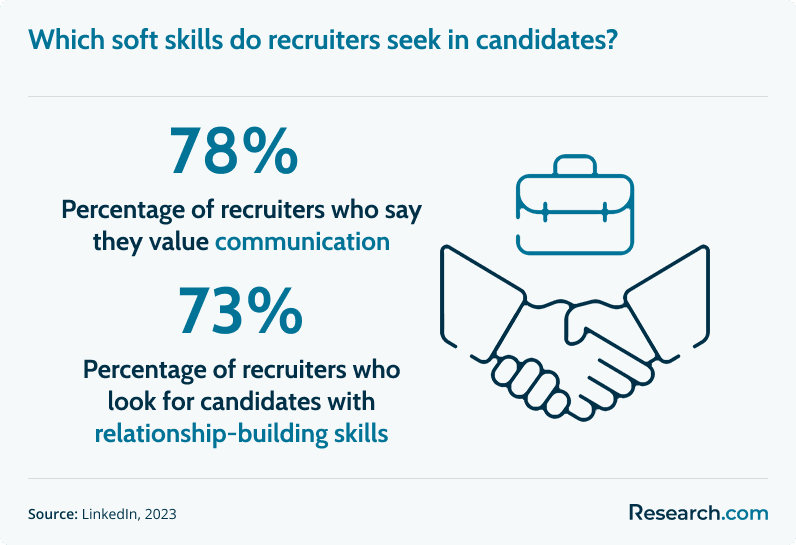
As you become more comfortable, expand beyond your immediate team. Cross-department relationships can help you understand the business, reduce communication barriers, and prepare for future collaboration. Recruiters are expected to value strong communication (78%) and relationship-building skills (73%) over the next five years (LinkedIn, 2023), which makes these habits valuable beyond your current employer.
Can I find a mentor inside the company?
Yes. A mentor can help you understand unwritten expectations, avoid common mistakes, and make better career decisions. With 31% of job applicants viewing opportunities to grow and develop as the top factor when looking for a job (Cord, 2024), mentorship is especially useful for employees who want more than basic onboarding.
Your mentor does not have to be your manager. In many cases, a strong mentor is a respected colleague, team lead, senior specialist, or cross-functional partner who understands the organization and communicates honestly. Look for someone whose work quality, judgment, and professional values you respect.
How to ask for mentorship without making it awkward
- Start with a specific request, such as a 20-minute conversation about succeeding in the role.
- Explain what you hope to learn rather than asking for an open-ended commitment immediately.
- Ask thoughtful questions about team goals, performance expectations, and common early challenges.
- If appropriate, request to observe a meeting, workflow, or client interaction.
- Respect their calendar and follow up with appreciation after each conversation.
Mentorship can also help you understand larger industry questions. For example, a business mentor may help you think through whether finance is a good career for the future, while a healthcare or technology mentor may help you interpret workforce shortages, artificial intelligence, regulatory changes, or changing employer expectations.
Why does company culture matter when starting a new role?
Company culture influences how decisions are made, how people communicate, how deadlines are handled, how conflict is addressed, and how performance is recognized. It is not limited to mission statements or employee handbooks. Culture shows up in meeting behavior, response times, feedback style, leadership accessibility, and how teams respond when work becomes difficult.
Understanding culture helps you avoid misreading situations. A company may value direct debate, while another may expect consensus before decisions are announced. One organization may place high value on formal credentials, while another may prioritize portfolio work, practical experience, or internal results. In fields such as healthcare, business, and education, where many students research degrees that guarantee a job, knowing how an employer weighs education against experience can shape your development plan.
Belonging also affects employee well-being. 94% of employees feel that it is very or somewhat important that they feel like they belong in the workplace (American Psychological Association, 2023). You do not need to erase your personality to fit in, but you should learn the norms that help the team operate effectively.
Culture clues to observe in your first month
| Culture signal | What to notice | Why it matters |
| Communication | Do people prefer email, chat, calls, or meetings? | Using the wrong channel can slow work or create frustration. |
| Decision-making | Are decisions manager-led, consensus-based, or data-driven? | You will know how to prepare recommendations and when to escalate. |
| Feedback | Is feedback direct, scheduled, informal, or documented? | You can ask for input in a way your manager recognizes and values. |
| Work hours | Are schedules flexible, fixed, or team-dependent? | This helps you set boundaries without violating expectations. |
| Recognition | Are results, collaboration, innovation, or speed rewarded most? | You can align your contributions with what the organization values. |
How can I set realistic career goals in a new job?
Goal-setting in a new role should be grounded in actual expectations, not assumptions. Whether you completed one of the best online degree options for your field or entered through a traditional program, your first goals should help you learn, perform, and build credibility.
- Assess your starting point. Identify the skills you bring, the skills you need to strengthen, and the parts of the job that are unfamiliar.
- Clarify what success means. Ask your manager how performance will be evaluated in the first month, first quarter, and first year.
- Separate short-term and long-term goals. Short-term goals may include mastering tools, meeting deadlines, or learning procedures. Long-term goals may involve promotion, specialization, leadership, or a career pivot.
- Connect goals to business needs. Goals are easier to support when they help the team solve real problems.
- Review goals regularly. Adjust timelines when priorities change, and document progress so your achievements are visible during reviews.
Practical 30-60-90 goal examples
| Period | Example goal | How to measure progress |
| First 30 days | Understand the team’s main systems, processes, and recurring deliverables. | You can complete routine tasks with fewer repeated questions. |
| First 60 days | Improve consistency and begin contributing ideas based on observed problems. | Your manager confirms that your work quality and timeliness are improving. |
| First 90 days | Identify one development area and one stretch opportunity. | You have a documented plan for training, mentoring, or a project contribution. |
How can I manage my time well as a new hire?
Time management is harder in a new job because everything takes longer at first. You are learning systems, names, standards, and expectations while trying to produce work. The solution is not to work constantly; it is to prioritize correctly and reduce preventable distractions.
- Use a daily priority list that separates urgent work, important work, and lower-value tasks.
- Try the Eisenhower Matrix when you need to sort responsibilities by urgency and importance.
- Use the Pomodoro Technique or similar focus blocks if you struggle to maintain attention.
- Block time for deep work, administrative tasks, training, and follow-up messages.
- Ask your manager which tasks should take priority when deadlines compete.
- Keep a running list of questions so you can group them instead of interrupting repeatedly.
Distractions can quietly weaken performance. In two separate surveys, 45% of workers admit that they use social media during work hours (Morris, 2023), while 19% of them check their emails at least once every hour (Acuity Training, 2022). Instead of reacting to every notification, set planned times for email and non-urgent messages unless your role requires constant monitoring.
Avoid overcommitting early. Saying yes to every request may feel helpful, but it can create missed deadlines and inconsistent work. When a new task comes in, ask: “Should this take priority over my current assignment?” That one question prevents many workload problems.
How can I discuss salary and benefits effectively?
Salary and benefits discussions are easiest before accepting an offer, but they can also arise during a compensation review, internal transfer, promotion, or after a major expansion of responsibilities. Approach the conversation with evidence, timing, and professionalism.
- Research typical compensation for your role, location, industry, and experience level using credible sources.
- Prepare examples of your results, responsibilities, specialized skills, or measurable contributions.
- Consider the full package, including health benefits, retirement contributions, paid time off, flexibility, tuition support, professional development funds, and bonus eligibility.
- Use a collaborative tone. You are making a business case, not issuing a demand.
- If the salary cannot change, ask whether benefits, schedule flexibility, professional development, or review timing can be adjusted.
Education and credentials can strengthen your case when they are relevant to the role. For some employees, completing a practical credential, certificate, or the easiest associates degree to get may support a broader development plan. However, no credential guarantees a raise. The strongest compensation conversations connect learning to business impact.
How can I protect work-life balance in a new job?
Work-life balance can be fragile during onboarding because new employees often want to prove themselves. Still, constant availability is not the same as high performance. The highest priority of most individuals looking for their next careers is having a work-life balance (57%), followed by better pay (55%) (Randstad, 2024), which shows that sustainable work is central to career decision-making.
- Clarify expected work hours, response times, and availability standards.
- Create a shutdown routine so the workday has a clear ending point.
- Use breaks intentionally, especially when learning complex systems or handling high-volume tasks.
- Protect sleep, exercise, meals, and personal obligations as part of your performance strategy.
- Turn off nonessential work notifications outside work time when your role allows it.
- Discuss workload early if expectations consistently exceed available time.
- Use paid time off appropriately instead of waiting until stress becomes severe.
In the chart below, I pulled data from Randstad to show the priorities of workers in the current landscape.
How can I handle workplace conflict professionally?
Conflict can happen in any workplace, especially when expectations are unclear, communication styles differ, or deadlines are tight. The goal is not to avoid every disagreement. The goal is to address problems early, respectfully, and with enough specificity that they can be solved.
- Separate facts from assumptions before raising the issue.
- Use neutral language, such as “I noticed a mismatch in expectations,” instead of blaming language.
- Ask the other person to explain their perspective before defending your own.
- Focus on next steps, responsibilities, timelines, and communication changes.
- Document key decisions if the issue affects deliverables or accountability.
- Use your manager, HR, or formal policies if the conflict involves harassment, discrimination, safety, retaliation, or repeated misconduct.
Conflict resolution is a skill that can be developed through practice, feedback, and training. Depending on your career path, targeted learning such as certifications that pay well may help you strengthen communication, leadership, project management, or technical expertise connected to your role.
How can I evaluate my performance during onboarding?
You should not wait for an annual review to learn whether you are succeeding. During onboarding, performance should be evaluated through clear expectations, manager feedback, task outcomes, and your own reflection.
Questions to ask your manager in the first 90 days
- What are the most important outcomes for this role right now?
- Which tasks should I master first?
- What does strong performance look like by the end of my first 90 days?
- Where should I ask questions, and who are the best subject-matter experts?
- Are there any habits I should adjust early?
- What skills would make me more valuable to the team over time?
Use feedback to make visible improvements. Keep a simple record of completed projects, positive comments, corrected mistakes, and questions that still need answers. If your role requires deeper expertise, you may eventually explore graduate study, such as a master's degree, but the first priority is showing that you can apply learning to current responsibilities.
How can I start building leadership skills?
You do not need a management title to build leadership skills. New employees can show leadership by being dependable, communicating clearly, solving problems, supporting teammates, and taking ownership of small projects.
- Volunteer to coordinate a manageable task after you are performing your core duties well.
- Ask your manager for feedback on your communication, judgment, and follow-through.
- Observe how effective leaders run meetings, handle disagreement, and make decisions.
- Practice giving concise updates that include progress, risks, and next steps.
- Learn project management basics if your role involves deadlines, stakeholders, or deliverables.
Leadership development may also involve formal education or training. For service members or employees with demanding schedules, an online college for active duty military may offer flexible options that align with military obligations and career goals.
How can I manage imposter syndrome in a new role?
Imposter syndrome is common when you are learning a new role, especially if the job is more advanced, more visible, or outside your previous comfort zone. Self-doubt does not mean you are unqualified. It usually means you are adjusting to a new standard of performance.
- Write down evidence of your competence, including completed projects, solved problems, and positive feedback.
- Ask for specific feedback instead of relying on your own anxious interpretation.
- Compare yourself to the job expectations, not to someone who has been there for years.
- Break large responsibilities into smaller actions so progress is visible.
- Talk with a mentor or trusted colleague who can give you realistic perspective.
If your long-term plan involves advanced credentials, use credible information rather than pressure or insecurity to guide your decisions. For example, our guide to What is the quickest doctorate degree to get? can help you understand options, but further education should support a clear career objective rather than serve as a reaction to self-doubt.
How can I balance work with further education?
Working while studying requires more than motivation. You need a realistic schedule, financial plan, employer communication strategy, and a clear reason for pursuing the program. Before enrolling, ask whether the education will help you qualify for a role, gain a required credential, increase specialization, or open a long-term career path.
- Choose programs with formats that match your work schedule, such as part-time, online, evening, or asynchronous options.
- Review deadlines, practicum requirements, campus visits, and exam expectations before committing.
- Ask your employer about tuition assistance, schedule flexibility, professional development funds, or internal mobility opportunities.
- Protect time for study, rest, and work responsibilities so one area does not constantly undermine the others.
- Compare total cost, not only tuition. Include fees, books, technology, travel, and time away from work.
Cost matters, especially for advanced study. If a doctorate fits your goals, reviewing the cheapest online doctorate degree options can help you compare affordability, flexibility, and program fit before making a major commitment.
How should I talk to my employer if my workload feels overwhelming?
By the 60-day mark, many new employees understand enough to see the full workload but may not yet have the speed or confidence of experienced coworkers. Feeling stretched does not mean you are failing. Even graduates from the most lucrative majors can feel overwhelmed when entering a demanding role.
The key is to speak up early and bring enough detail to make the conversation productive.
- Identify which tasks are taking the most time and why.
- Ask your manager to confirm priorities when everything feels urgent.
- Explain what support would help, such as training, clearer instructions, a deadline adjustment, or temporary redistribution of work.
- Propose solutions rather than only describing the problem.
- Ask whether your current pace is expected for a new employee or whether adjustments are needed.
- Use mentors and experienced coworkers for process tips, but do not quietly transfer your workload to them.
- Take stress seriously. Use breaks, mindfulness techniques, physical movement, sleep, and time off when needed.
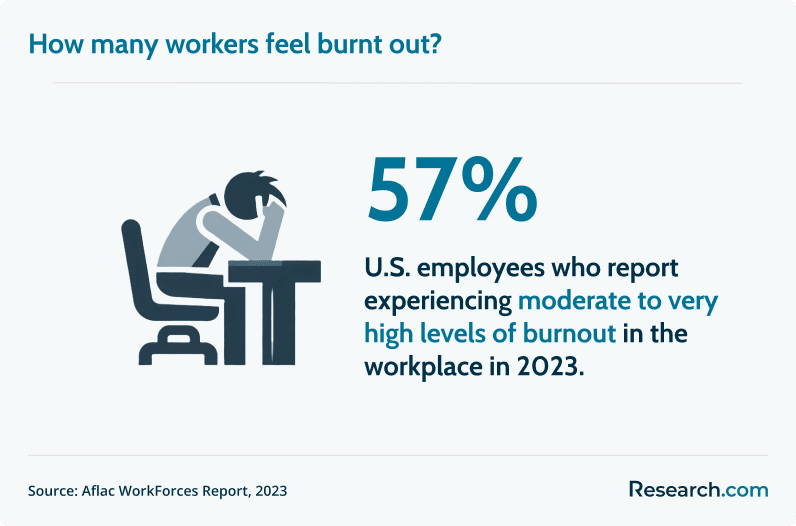
According to the Aflac WorkForces Report (2023), 57% of employees experienced moderate to very high levels of burnout in their jobs. Persistent overwhelm can reduce motivation, harm performance, and increase the likelihood that employees consider leaving. Employers and employees both have responsibility for creating workloads and communication norms that support mental well-being.
How can I ask for additional responsibilities or projects?
Additional responsibilities can help you grow, but timing matters. Ask too early, and you may appear distracted from your core role. Wait too long, and you may miss chances to build new skills. The best time to ask is after you have shown reliable performance in your assigned work and can explain how the new responsibility benefits the team.
- Review your current workload and make sure your main responsibilities are under control.
- Identify projects that match your skills, career goals, and the organization’s needs.
- Ask your manager for a development conversation rather than casually requesting more work.
- Explain the type of skills you want to build and why they matter to the team.
- Suggest reskilling or upskilling opportunities that could strengthen both your performance and the team’s capability.
- Confirm how the new work will fit with existing deadlines.
- Provide updates once you take on the new assignment so your manager can see progress and impact.
This is especially relevant for younger workers. Gen Zs (80%) and Millennials (79%) highly value career training (Randstad, 2024). Gen Zs, who are gradually filling more workforce roles, are more likely than Gen Xers to prioritize advancement (47%) and skill development (45%) within a company (LinkedIn, 2023).
In the chart below, I highlighted data from Randstad, showing the differences among generations regarding training and development in the workplace.
How can I manage stress when starting a new job?
New-job stress often comes from uncertainty: you do not yet know every process, every expectation, or every person. Some stress is normal, but it should be managed before it becomes burnout or affects your health.
- Create a predictable routine. Keep regular work hours, planned breaks, and a consistent start-and-end ritual when possible.
- Break work into smaller tasks. Large assignments feel less intimidating when you convert them into next actions.
- Use mindfulness or relaxation techniques. Breathing exercises, meditation, short walks, or quiet reset periods can reduce tension.
- Stay organized. Use a planner, task system, or digital tool to track deadlines, questions, and follow-ups.
- Communicate early. If you are stuck, ask for clarification before delays become bigger problems.
- Protect basic health habits. Sleep, meals, movement, and recovery time directly affect your ability to learn and perform.
- Build support. Connect with coworkers, mentors, friends, family, or professional support resources when stress becomes difficult to manage alone.
How can ongoing education support career advancement?
Ongoing education can help you stay current, qualify for new responsibilities, and adapt to changes in your field. It can include employer training, industry certifications, short courses, graduate programs, conferences, or self-directed learning. The right choice depends on your role, career goals, employer expectations, and budget.
Before investing time or money, identify the skill gap you are trying to close. Some roles require formal degrees. Others reward certifications, portfolios, technical skills, supervised experience, or internal results. Reviewing information on the best majors can be useful if you are considering a larger career shift, but your education plan should be tied to a specific outcome.
Choosing a learning option
| Learning option | Best for | Questions to ask before choosing |
| Employer training | Learning internal systems, procedures, and company-specific skills | Will this training improve performance in my current role? |
| Certification | Building targeted technical or professional skills | Is this credential recognized by employers in my field? |
| Degree program | Changing fields, qualifying for advanced roles, or meeting formal education requirements | Is the program accredited, affordable, and aligned with my career goal? |
| Mentorship or coaching | Improving judgment, leadership, communication, or industry knowledge | Can this person give specific, relevant, and honest guidance? |
| Self-directed learning | Exploring a topic or strengthening a narrow skill | How will I apply what I learn at work? |
How can I position myself for promotion within the company?
The 90-day mark is a good time to evaluate your trajectory, but it is usually too early to expect promotion unless you were hired into a role with a defined accelerated path. Advancement usually requires consistent performance, visible contributions, strong relationships, and evidence that you can handle responsibilities beyond your current job.
- Ask your manager what skills, results, and behaviors are required for the next level.
- Document measurable accomplishments and examples of impact.
- Seek assignments that expose you to higher-level problems without neglecting current duties.
- Build credibility with colleagues across functions, not only with your direct manager.
- Look for training, credentials, or higher education that support your specific advancement path.
- Be patient. Many promotions require years of relevant performance, business need, and available opportunities.
If additional education is part of your plan, compare outcomes and costs carefully. Some professionals research schools with strong return-on-investment signals, including the best paying universities, but promotion decisions still depend on role fit, performance, timing, and organizational needs.
Current workplace trends new hires should understand
Starting a job in 2026 requires more than learning your job description. New employees are entering workplaces shaped by hybrid work, artificial intelligence, skills-based hiring, rising expectations for flexibility, and stronger employee focus on belonging and well-being.
- AI is changing workflows. Employees are increasingly expected to use digital tools, automate routine tasks, and evaluate AI-generated outputs carefully rather than accept them without review.
- Skills matter alongside degrees. Employers still value formal education in many fields, but communication, adaptability, relationship-building, and job-ready skills are increasingly important.
- Learning is part of retention. Workers, especially Gen Zs and Millennials, place high value on training and development opportunities.
- Belonging affects performance. Employees want workplaces where they feel respected, included, and able to contribute.
- Work-life balance is a career priority. Flexibility and sustainable workloads influence whether employees stay with an employer.
Common mistakes to avoid when starting a new job
| Mistake | Why it hurts | Better approach |
| Trying to prove yourself immediately | You may make assumptions before understanding the role or culture. | Listen first, then contribute with context. |
| Avoiding questions | Small misunderstandings can become repeated errors. | Ask clear, grouped questions and document answers. |
| Overcommitting | You risk missed deadlines and burnout. | Confirm priorities before accepting extra work. |
| Ignoring relationships | Technical ability alone may not build trust or visibility. | Develop respectful, consistent relationships across the team. |
| Assuming culture is obvious | You may misread communication, decision-making, or feedback norms. | Observe patterns and ask trusted colleagues for guidance. |
| Waiting too long to discuss workload | Stress can escalate into performance issues or burnout. | Raise concerns early with details and possible solutions. |
| Pursuing education without a plan | You may spend time and money on credentials that do not support your goals. | Connect education choices to role requirements, advancement paths, or skill gaps. |
Questions to ask before making career decisions in a new job
- What does success look like in this role after 30, 60, and 90 days?
- Which tasks have the highest impact on my manager’s goals?
- Who are the key people I need to work with regularly?
- What communication style does the team prefer?
- Which skills should I develop first to become more effective?
- What training, mentoring, or resources are available internally?
- How does the company evaluate raises, promotions, and internal transfers?
- What signs would show that my workload needs to be adjusted?
- Would further education or certification materially improve my career path?
- Is this organization’s culture aligned with how I work best?
References
- Acuity Training. (2022, October 26). Time management statistics & facts. https://www.acuitytraining.co.uk/news-tips/time-management-statistics-2022-research
- Aflac WorkForces Report. (2024). Workplace benefits trends: Executive summary 2023-2024. https://www.aflac.com/docs/awr/pdf/2023-overview/2023-aflac-awr-executive-summary.pdf
- American Psychological Association. (2023). 2023 work in America survey. https://www.apa.org/pubs/reports/work-in-america/2023-workplace-health-well-being
- Cord. (2024). 2024 hiring playbook: Insights & strategies for talent manager. https://cord.co/hiring-insights/talent-landscape-reports/articles/2024-hiring-playbook
- Linkedin. (2023). The future of recruiting 2023. https://business.linkedin.com/talent-solutions/resources/future-of-recruiting
- Morris, K. (2023, January 23). Here’s how many work hours workers are actually productive (and what they’re doing instead). Zippia. https://www.zippia.com/advice/average-productive-hours-per-day
- Randstad. (2024). Rethinking ambition. Workmonitor: The voice of talent in 2024. https://www.randstad.com/workmonitor
Key Insights
- The first 90 days should be used to learn expectations, build trust, clarify priorities, and create a realistic development plan.
- Strong relationships are not optional. They help you understand culture, solve problems faster, and become a more effective teammate.
- Ask for feedback early. Waiting for a formal review can delay course corrections that would make onboarding easier.
- Work-life balance should be protected from the beginning. Overwork may look like commitment at first, but it can lead to burnout and weaker performance.
- Mentorship, training, certifications, and further education can support advancement, but they should be tied to clear career goals and role requirements.
- Promotion is built on consistent results, visibility, readiness for larger responsibilities, and organizational opportunity—not just ambition.
- If you feel overwhelmed, communicate with specifics: priorities, obstacles, timelines, and possible solutions. Early conversations are easier than late crisis management.
Other Things You Should Know About Succeeding in Your New Job
Determining if a new job is the right fit involves assessing various factors.
- Firstly, evaluate the alignment between the job responsibilities and your skills, ensuring a match for professional growth.
- Consider the company culture and values to ensure compatibility with your work style.
- Assess the potential for learning and development opportunities within the role.
- Evaluate the work-life balance, compensation, and benefits offered by the employer.
Lastly, a positive gut feeling, coupled with thorough research, can indicate if the new job aligns with your career goals and personal values, making it a suitable choice for your professional journey.
The time it takes to feel comfortable in a new job varies for each individual and is influenced by factors such as job complexity, company culture, and personal adaptability. Generally, it can take anywhere from a few weeks to several months to feel fully acclimated. Initial weeks may involve learning new processes and understanding team dynamics while feeling comfortable with daily tasks and becoming familiar with the work environment may take additional time. Establishing relationships with colleagues and gaining confidence in your role contributes to the adjustment process. Patience and proactive engagement in the workplace can also expedite the comfort-building period in a new job.
If you feel you're underperforming in your new role, seek feedback from your supervisor to identify specific areas for improvement. Set realistic goals, establish a personal development plan, and consider seeking guidance from a mentor. Regularly track your progress and adjust your strategies as needed to align with your employer's expectations.