
2027 How to Become a Preschool Teacher Assistant in Oklahoma: Requirements & Certification

Co-Founder and Chief Data Scientist
Becoming a preschool teacher assistant in Oklahoma can be confusing because requirements may differ by employer, program type, funding source, and job title. A childcare center, public preschool classroom, Head Start program, or Title I-supported school may ask for different education, background check, training, or credential documentation. For new applicants, the main challenge is knowing which steps are truly required and which credentials simply make you more competitive.
This guide explains the practical pathway into the role: what preschool teacher assistants do, what education and credentials may be expected, how long the process can take, what it may cost, how much you can earn, and how to use the position as a stepping stone toward lead teaching, kindergarten teaching, special education, or education leadership. It is written for Oklahoma residents, career changers, recent high school graduates, childcare workers, and anyone considering an entry-level path into early childhood education.
Quick Answer: How do you become a preschool teacher assistant in Oklahoma?
To become a preschool teacher assistant in Oklahoma, you generally need a high school diploma or GED, a background check, and employer-approved training in child development, health, safety, and classroom support. Many employers prefer applicants who have completed early childhood education coursework, such as a minimum of 12 credit hours in early childhood education or a related field. Earning a Child Development Associate (CDA) credential can improve your job prospects because it shows formal preparation and supervised experience with young children.
| Step | What to do | Why it matters |
| Meet the basic education requirement | Earn a high school diploma or GED; consider early childhood education coursework. | This is the usual entry point for assistant roles, although some employers prefer college-level preparation. |
| Build early childhood knowledge | Complete child development, curriculum, safety, and classroom management training. | Preschool assistants need to understand how young children learn, communicate, behave, and develop. |
| Consider the CDA credential | Prepare for the Child Development Associate credential, including required training and experience. | The CDA is not required for every job, but it can strengthen applications and support career growth. |
| Complete screening requirements | Pass the required background check and fingerprinting process. | Anyone working directly with children must meet safety and eligibility standards. |
| Apply strategically | Target childcare centers, public preschool programs, Head Start, and early learning providers. | Requirements and pay can vary, so comparing employers is important. |
Key Things You Should Know About Becoming a Preschool Teacher Assistant
- Many Oklahoma employers look for applicants with at least 12 credit hours in early childhood education or a related subject, although requirements vary by setting.
- A certificate program may cost between $1,500 and $3,000, depending on the school, delivery format, and whether you study online or in person.
- The Child Development Associate credential is a common career-building option. The CDA requires education, experience, and an exam, and the CDA application fee is approximately $425.
- The full timeline can range from six months to two years, depending on whether you complete a short certificate, part-time coursework, or a longer degree pathway.
- Before working in a preschool environment, you may need to complete a background check, which typically costs around $50.
- What does a preschool teacher assistant do in Oklahoma?
- What educational qualifications are needed to become a preschool teacher assistant in Oklahoma?
- What certifications are required to be a preschool teacher assistant in Oklahoma?
- How do you maintain your preschool teacher assistant certification in Oklahoma?
- How long does it take to become a preschool teacher assistant in Oklahoma?
- What are the key benefits of becoming a preschool teacher assistant in Oklahoma?
- What career advancement opportunities are available after becoming a preschool teacher assistant in Oklahoma?
- Can additional certifications improve my career prospects in Oklahoma?
- Where can I find professional development and networking resources?
- What is the average cost of becoming a preschool teacher assistant in Oklahoma?
- What career paths are available for preschool teacher assistants in Oklahoma?
- How can I transition from a preschool teacher assistant role to a kindergarten teaching career in Oklahoma?
- What is the job market for preschool teacher assistants in Oklahoma?
- Can specialized certification in special education enhance my career effectiveness?
- Is There an Affordable Pathway to Earning Your Credential in Oklahoma?
- How can I transition into specialized early childhood education roles in Oklahoma?
- How Can Acquiring Online Teaching Skills Enhance My Career Prospects?
- How much do preschool teacher assistants make in Oklahoma?
- Can pursuing advanced education broaden my career opportunities significantly?
- How can I maximize my job search and application success in Oklahoma?
- What Emerging Trends Should Preschool Teacher Assistants in Oklahoma Embrace?
What does a preschool teacher assistant do in Oklahoma?
A preschool teacher assistant helps the lead teacher run a safe, organized, developmentally appropriate classroom for young children. The work is hands-on and active. Assistants may prepare materials, guide children through routines, support small-group learning, help with meals and transitions, observe behavior, and respond to children who need extra emotional or academic support.
| Responsibility | What it looks like in practice | Skills needed |
| Classroom preparation | Setting up learning centers, arranging supplies, preparing art materials, and helping organize activities. | Planning, reliability, attention to detail |
| Child supervision | Monitoring children during play, meals, restroom routines, outdoor time, and classroom transitions. | Awareness, patience, safety judgment |
| Instructional support | Reinforcing lessons, reading with children, leading small groups, and helping children practice basic skills. | Communication, child development knowledge |
| Individual assistance | Helping children who need support with social skills, behavior, language, routines, or early learning tasks. | Empathy, observation, behavior support |
| Family communication | Sharing basic updates with parents or guardians when directed by the lead teacher or program policy. | Professionalism, discretion, clear communication |
Preschool assistants are especially important because early childhood classrooms require constant supervision and responsive adult support. Oklahoma has seen strong participation in early education, with over 70% of children aged 3 to 4 participating in some form of early education. That level of participation increases the need for dependable classroom staff who can support both learning and safety.
Challenges to expect before entering the field
- Turnover can be high: Early childhood programs often struggle to retain staff, which can create scheduling pressure and frequent classroom changes.
- Budgets may be tight: Some programs have limited materials, training funds, or substitute coverage, so flexibility matters.
- The emotional work is real: Preschool assistants help children manage frustration, separation anxiety, developmental delays, and behavior challenges throughout the day.
What educational qualifications are needed to become a preschool teacher assistant in Oklahoma?
The minimum educational qualification is commonly a high school diploma or equivalent, but that may not be enough for every position. Public school programs, federally funded programs, and higher-quality childcare centers may prefer candidates with college coursework, an early childhood certificate, an associate degree, or a nationally recognized credential.
Common education options
| Education option | Best for | Typical value for applicants |
| High school diploma or GED | Applicants seeking entry-level childcare or assistant roles. | Meets the basic education expectation for many employers. |
| Early childhood education coursework | Applicants who want stronger preparation without committing immediately to a degree. | Courses in child growth, curriculum planning, health, safety, and classroom management can make applications stronger. |
| Certificate program | Working adults or new students who want a shorter, focused route. | Can often be completed through community colleges or online programs. |
| Associate degree in child development or a related field | Students who want broader career mobility in early childhood education. | Can support advancement toward lead teacher, program coordinator, or future degree pathways. |
| CDA preparation | Applicants who want a nationally recognized early childhood credential. | Shows formal training and practical experience with young children. |
The Oklahoma State Department of Education recommends preparation in areas such as child growth and development, curriculum planning, and health and safety. Even when a job posting does not require college credit, these topics are highly relevant because preschool assistants are expected to support children’s academic, social, emotional, and physical development every day.
- Minimum education: A high school diploma or GED is the usual starting point.
- Preferred preparation: Many employers favor applicants with early childhood education coursework or related experience.
- Credential advantage: The Child Development Associate credential can help show readiness for classroom work.
- Screening requirement: Background checks and fingerprinting are typically required for positions involving direct work with children.
- Labor market context: According to the Oklahoma Employment Security Commission, demand for preschool teachers and assistants is expected to grow, supported by the expansion of early childhood education programs in the state.
What certifications are required to be a preschool teacher assistant in Oklahoma?
Oklahoma does not require one single certification for every preschool teacher assistant position. Instead, the requirements depend on the employer and program type. Some jobs may accept a high school diploma and approved training, while others may expect college coursework, a CDA credential, or paraprofessional documentation.
| Credential or requirement | Required for every role? | Why it may matter |
| High school diploma or GED | Commonly expected | Provides the basic education foundation for entry-level employment. |
| Child Development Associate credential | Not always required | The CDA requires 120 hours of formal training and 480 hours of hands-on experience with children. |
| Oklahoma Registry participation | Not always required | Helps document professional development, training, and experience in early childhood education. |
| Background check | Typically required | Supports child safety and employer compliance. |
| First Aid and CPR certification | Often preferred | Strengthens readiness for emergencies and child safety situations. |
The CDA is one of the most useful credentials for preschool assistants because it combines training, experience, professional observation, and an exam. While not mandatory for every Oklahoma job, it can be especially helpful for applicants who want to move from general childcare into more structured early learning environments.
How do you maintain your preschool teacher assistant certification in Oklahoma?
Maintaining your eligibility depends on the credential or employer requirement involved. If you hold a formal credential, you must track renewal dates, complete required professional development, and keep documentation ready. Employers may also require updated background checks, health and safety training, First Aid, CPR, or child abuse and neglect reporting training.
- Renewal timeline: Oklahoma requires preschool teacher assistants to renew their certification every three years when a renewable certification applies.
- Professional development hours: A minimum of 15 hours of professional development training is required during each three-year certification period.
- Training sources: Choose training recognized by the Oklahoma State Department of Education or reputable early childhood organizations such as the National Association for the Education of Young Children.
- Documentation: Keep certificates, transcripts, workshop records, and employer training logs in one organized file.
- Background checks: Renewal or continued employment may involve another background check, depending on the employer and setting.
- Requirement updates: Review Oklahoma State Department of Education guidance and employer policies regularly because requirements can change.
Professional development topics worth prioritizing
- Child development and age-appropriate learning
- Positive behavior guidance
- Trauma-informed classroom support
- Early literacy and language development
- Inclusive practices for children with disabilities
- Health, safety, nutrition, and emergency procedures
How long does it take to become a preschool teacher assistant in Oklahoma?
The timeline depends on your starting point and the type of role you want. A person applying for an entry-level childcare assistant job may move faster than someone completing an associate degree or CDA credential. For a broader view of educator pathways, review this guide to becoming an educator in Oklahoma.
| Pathway | Approximate timeline | Best fit |
| Entry-level role with employer training | Several weeks to a few months | Applicants who already meet basic education and background check requirements. |
| Certificate or focused coursework | Six months to two years | Students who want early childhood preparation without a full degree. |
| CDA credential pathway | Varies based on training and experience schedule | Workers who need to complete formal training, documented experience, and the CDA exam. |
| Associate degree pathway | About two years | Applicants planning long-term advancement in early childhood education. |
- Studying: Some pathways involve an associate’s degree in child development or a related field, which typically takes about two years. If you already have a degree in another area, you may only need additional early childhood coursework.
- Gaining experience: Internships, volunteer work, and supervised childcare experience can take a few months to a year, depending on your schedule and placement options. These experiences may also help you explore broader child development job opportunities.
- Applying for certification: After completing required education or training, application processing through the Oklahoma Department of Human Services can take several weeks.
- Taking exams: If your credential pathway includes an exam, allow time for preparation, scheduling, and possible retesting.
The chart below shows that child daycare centers and services are the largest employers of preschool teachers in the United States.
What are the key benefits of becoming a preschool teacher assistant in Oklahoma?
A preschool teacher assistant role can be a practical entry point into education because it allows you to work directly with children while learning how classrooms operate. It is especially useful for people who want to test whether early childhood education is the right long-term career before investing in a full teaching degree.
| Benefit | Why it matters | Who benefits most |
| Direct classroom experience | You learn child development, routines, behavior support, and teaching strategies through daily practice. | Future preschool teachers, childcare workers, and education majors. |
| Accessible entry route | Some roles are open to applicants with a high school diploma, employer training, and background clearance. | Career changers and recent graduates. |
| Growing field | The field is projected to increase by 10% over the next decade. | Applicants seeking a stable education-related career path. |
| Meaningful daily work | You help children build early academic, social, language, and independence skills. | People motivated by service and child development. |
| Career ladder potential | The role can lead to preschool teaching, kindergarten teaching, special education, or leadership roles with more education. | Assistants planning long-term advancement. |
If your goal is to become a lead early childhood educator, working as an assistant can help you confirm your interest and build experience before following the steps to become a preschool teacher in Oklahoma.
What career advancement opportunities are available after becoming a preschool teacher assistant in Oklahoma?
Preschool teacher assistants can advance by combining classroom experience with targeted education, credentials, and documented professional development. The most common next step is moving into a lead preschool teacher role, but some assistants later pursue public school teaching, early intervention, childcare administration, or elementary education. If you are considering a broader teaching path, compare the elementary school teacher requirements in Oklahoma with early childhood requirements before choosing a degree program.
When advancement makes sense
- You enjoy classroom leadership and want responsibility for lesson planning and assessment.
- You want higher earning potential than an assistant role typically provides.
- You are willing to complete additional coursework, certification, or licensure requirements.
- You want to specialize in areas such as literacy, special education, language development, or program administration.
Can additional certifications improve my career prospects in Oklahoma?
Additional certifications can help when they match the population or setting where you want to work. For example, training related to language development, disability support, infant-toddler care, or behavior intervention can make you more useful in classrooms that serve children with varied developmental needs. Assistants interested in communication and language support may also want to understand the pathway toward an SLP license in Oklahoma, although that career requires more advanced preparation than a preschool assistant role.
| Additional training area | How it can help | Best career direction |
| Special education support | Improves your ability to assist children with developmental delays, disabilities, or individualized supports. | Inclusive preschool classrooms, early intervention, special education support roles. |
| First Aid and CPR | Shows readiness to respond to common safety and health situations. | Any childcare or preschool setting. |
| Language and literacy development | Builds skills for supporting vocabulary, early reading readiness, and communication. | Preschool, Head Start, early literacy programs. |
| Behavior guidance | Helps with routines, transitions, conflict resolution, and emotional regulation. | Classrooms with high behavioral support needs. |
Where can I find professional development and networking resources?
Professional development is one of the most practical ways to become a stronger preschool assistant and prepare for promotion. Look for training through local school districts, childcare resource organizations, community colleges, early childhood conferences, state-sponsored workshops, and employer-sponsored in-service sessions. Mentorship can also be valuable because experienced teachers can show you how to manage transitions, communicate with families, and support children without taking over the lead teacher’s role.
If your interests extend into language, communication, and child development, learning about careers in linguistics can help you understand related fields that connect education, communication, and developmental support.
Questions to ask before paying for professional development
- Will this training count toward my employer’s annual or renewal requirements?
- Is the provider recognized by a state agency, school district, or respected early childhood organization?
- Will I receive a certificate or transcript showing completed hours?
- Does the topic connect to my career goal, such as lead teaching, special education, or childcare administration?
- Can my employer reimburse the cost or provide paid training time?
What is the average cost of becoming a preschool teacher assistant in Oklahoma?
The cost can range widely because there is no single pathway. Someone entering through employer training may spend far less than someone completing an associate degree away from home. Prospective preschool teacher assistants in Oklahoma should anticipate an investment of approximately $12,000 to $24,000 for education and initial credentialing if they follow a more formal college-based route.
| Expense | Estimated amount stated | How to control the cost |
| Certificate program | Between $1,500 and $3,000 | Compare community colleges, online options, and employer partnerships. |
| Associate degree tuition | $3,000 to $10,000 per year | Start at a public community college and ask about transfer pathways. |
| Room and board | $8,000 and $12,000 annually | Choose a local or online program if relocation is not necessary. |
| Textbooks and supplies | $500 to $1,500 per year | Use rentals, used books, library reserves, and digital materials when allowed. |
| CDA application fee | Approximately $425 | Ask employers whether they support CDA preparation or reimbursement. |
| Credentialing fees | Approximately $300 to $600 | Budget early for application, testing, and documentation costs. |
| Background check | Around $50 | Confirm whether the employer pays this fee or requires you to pay upfront. |
Do not choose a program based only on tuition. Ask whether the coursework applies to the CDA, whether credits transfer into an associate or bachelor’s degree, whether the schedule works for employed students, and whether the program has relationships with local early childhood employers. Students more interested in teaching movement, health, and physical activity than traditional classroom content may also compare related pathways such as online physical education master's programs.
What career paths are available for preschool teacher assistants in Oklahoma?
A preschool assistant role can lead to several education and child development careers. The best path depends on whether you want to stay in the classroom, move into administration, specialize in child and family services, or pursue teacher certification.
| Career path | Typical next step | Good fit if you want to... |
| Preschool teacher | Complete additional education, experience, or employer-required credentials. | Lead classroom instruction and plan early learning activities. |
| Childcare center director | Gain administrative experience and leadership training. | Manage staff, budgets, compliance, enrollment, and program quality. |
| Early childhood education specialist | Build expertise in curriculum, child development, and program support. | Help improve early childhood programs and teacher practices. |
| Program coordinator | Develop organizational and compliance skills. | Coordinate Head Start, Early Intervention, or similar programs. |
| Family services worker | Learn family support, community resources, and child development services. | Work directly with families and connect them to resources. |
| Teacher assistant in another setting | Apply preschool experience to elementary, special education, or after-school programs. | Support children in a different age group or school environment. |
For professionals who want to move eventually into program leadership, administration, or policy-focused work, digital learning opportunities in educational leadership may be relevant later in the career ladder.
The chart below shows that preschool teachers typically stay in their positions for around one to two years before seeking better employment opportunities.
How can I transition from a preschool teacher assistant role to a kindergarten teaching career in Oklahoma?
Moving from preschool assistant to kindergarten teacher usually requires a much more formal preparation pathway. Kindergarten teachers are responsible for full-class instruction, assessment, classroom management, curriculum alignment, and communication with families and administrators. If you want that role, begin by comparing your current education with the requirements to become a kindergarten teacher in Oklahoma.
Practical transition plan
- Document your preschool classroom experience, including age groups served and responsibilities.
- Meet with an advisor at an approved teacher preparation program.
- Ask which credits, if any, can transfer toward a teaching degree.
- Complete required coursework in child development, pedagogy, literacy, assessment, and classroom management.
- Prepare for any required field experience, student teaching, certification exams, and licensure steps.
- Use your assistant experience in interviews to show that you understand classroom routines and young learners.
What is the job market for preschool teacher assistants in Oklahoma?
The job market for preschool teacher assistants in Oklahoma is generally positive because early childhood programs need staff who can support lead teachers and maintain safe classroom ratios. Demand is influenced by preschool enrollment, childcare availability, public early learning initiatives, and parent demand for quality early education.
- State initiatives: Oklahoma has implemented initiatives intended to support early childhood education, including the Oklahoma Early Learning Program.
- Parent demand: As families continue to value early learning, preschool programs need qualified assistants to support classroom operations.
- Projected growth: The Oklahoma Employment Security Commission projects significant growth among preschool teachers, special education preschool teachers, and preschool administrators in the coming years.
- National openings: The BLS reports 161,900 annual openings in these roles from 2023 to 2033.
Preschool assistant experience can also support movement into other education-related careers, including some higher education careers later in your professional journey if you continue your education.
Can specialized certification in special education enhance my career effectiveness?
Yes. Special education training can make you more effective in inclusive preschool classrooms because young children vary widely in language, behavior, mobility, sensory needs, and developmental readiness. Specialized preparation can help you use differentiated instruction, follow support plans, observe developmental concerns, and assist lead teachers without exceeding your role.
If you are interested in serving children with disabilities as a long-term career focus, review the pathway toward special education teacher certification in Oklahoma. That route requires more advanced preparation, but preschool assistant experience can help you decide whether the specialization fits your strengths.
Is There an Affordable Pathway to Earning Your Credential in Oklahoma?
Yes, but you need to compare options carefully. The lowest-cost route is usually not the same for every student. A working adult may benefit from a flexible certificate program, while a recent graduate may save money by starting at a community college. Some employers may also help with CDA preparation, required training, or continuing education.
Ways to reduce cost
- Start with community college coursework before transferring credits to a longer program.
- Ask employers whether they offer tuition support, paid training, or CDA reimbursement.
- Choose online or local courses when relocation would create room and board costs.
- Confirm that credits apply to future credentials before enrolling.
- Compare total cost, not just tuition, including books, fees, exams, background checks, and transportation.
For a broader look at low-cost educator preparation options, review the cheapest way to become a teacher in Oklahoma.
How can I transition into specialized early childhood education roles in Oklahoma?
Specialized roles usually require experience plus targeted preparation. A preschool assistant who wants to specialize should first identify a focus area: special education, early literacy, infant-toddler care, family services, curriculum support, private school teaching, or program coordination. Then choose professional development and coursework that directly match that goal.
For example, if you want to broaden your options beyond public or childcare-based settings, you may want to explore how to become a private school teacher in Oklahoma. Private schools may have different hiring expectations, so always compare requirements before investing in a credential.
How Can Acquiring Online Teaching Skills Enhance My Career Prospects?
Online teaching skills are increasingly useful because early childhood programs may use digital tools for family communication, classroom documentation, learning activities, staff training, and hybrid instruction support. Preschool teacher assistants do not typically lead fully online preschool classrooms, but comfort with technology can make you more adaptable and valuable to employers.
- Use digital classroom platforms to document activities and communicate with families when permitted.
- Support age-appropriate multimedia activities without replacing hands-on learning.
- Complete online professional development efficiently.
- Assist teachers with digital lesson materials, attendance systems, and classroom records.
If you want to build a broader online instruction profile, consider learning more about how to be an online teacher in Oklahoma.
How much do preschool teacher assistants make in Oklahoma?
Preschool teacher assistant pay in Oklahoma varies by city, employer, experience, education, and responsibilities. Salary figures should be treated as estimates rather than guarantees because individual offers depend on the job setting, schedule, funding source, and applicant qualifications.
Salary Overview for Preschool Teacher Assistants in Oklahoma
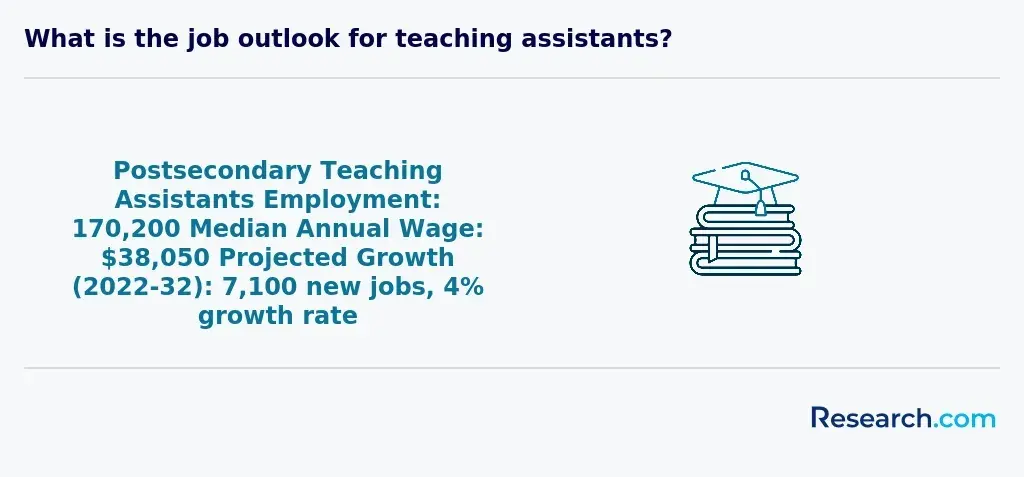
- Average Salary: The typical annual salary for a preschool teacher assistant in Oklahoma is approximately $35,784.
- Salary Range: Salaries generally fall between $31,959 and $40,405 per year, depending on experience, location, and job duties.
Earning Potential by City
| City | Annual salary stated |
| Tulsa | $36,596 per year |
| Broken Arrow | $36,480 per year |
| Bartlesville | $36,248 per year |
| Muskogee | $36,248 per year |
| Oklahoma City | $35,319 per year |
| Edmond | $35,203 per year |
| Norman | $35,087 per year |
| Enid | $34,971 per year |
Factors Influencing Salary
- Experience: Assistants with more classroom experience may qualify for higher pay or more stable positions.
- Education and credentials: Early childhood coursework, CDA preparation, First Aid, CPR, and specialized training may strengthen your profile.
- Location: Larger metro areas may offer higher wages, though cost of living should also be considered.
- Employer type: Public programs, private childcare centers, Head Start, and specialized programs may structure pay differently.
- Responsibilities: Roles involving additional documentation, children with higher support needs, or extended schedules may differ in compensation.
Can pursuing advanced education broaden my career opportunities significantly?
Advanced education can expand your options if your goal is to move beyond an assistant role. A degree or graduate-level preparation may support careers in lead teaching, curriculum coordination, childcare administration, policy, program evaluation, or school leadership positions. The right choice depends on your timeline, budget, and desired role.
When advanced education is worth considering
- You want a certified teaching role rather than a support position.
- You want to supervise staff or manage early childhood programs.
- You are interested in curriculum, assessment, compliance, or leadership.
- You need a degree to qualify for the salary range or job title you want.
How can I maximize my job search and application success in Oklahoma?
A strong preschool assistant application should show more than an interest in children. Employers want evidence that you are dependable, safe, patient, trainable, and able to support classroom routines under the direction of a lead teacher.
Job search checklist
- Build a resume that lists age groups served, classroom duties, training hours, certifications, and relevant coursework.
- Include examples of supporting routines, behavior guidance, small groups, safety procedures, and family communication.
- Apply to multiple settings, including childcare centers, public preschool programs, Head Start, private schools, and before- or after-school programs.
- Prepare interview examples that show patience, problem-solving, teamwork, and response to challenging behavior.
- Ask whether the employer supports CDA training, continuing education, or promotion into lead teacher roles.
Common application mistakes to avoid
| Mistake | Why it hurts your chances | Better approach |
| Submitting the same resume to every employer | It may not match the job posting or classroom setting. | Customize your resume to the role, age group, and program type. |
| Focusing only on “loving children” | Employers need evidence of professionalism, safety awareness, and classroom readiness. | Use specific examples from childcare, volunteering, coursework, or family support roles. |
| Ignoring background check requirements | Screening delays can slow hiring. | Ask early what documents, fees, and fingerprinting steps are required. |
| Choosing training without checking recognition | Some courses may not satisfy employer or credential expectations. | Confirm approval before paying for training. |
| Looking only at pay | A slightly higher wage may come with fewer benefits, less training, or poor scheduling. | Compare pay, hours, benefits, training support, classroom ratios, and advancement opportunities. |
If you are exploring other education careers in Oklahoma, comparing a different pathway such as how to become a middle school math teacher in Oklahoma can help you understand how requirements change by grade level and subject.
What Emerging Trends Should Preschool Teacher Assistants in Oklahoma Embrace?
Preschool teacher assistants are entering a field shaped by higher expectations for school readiness, inclusion, family engagement, and technology-supported communication. The core of the job is still hands-on care and learning support, but assistants who keep developing new skills are better positioned for advancement.
- Digital tools: Programs may use apps or platforms for attendance, communication, documentation, or lesson support.
- STEAM activities: Early childhood classrooms are increasingly using simple science, technology, engineering, arts, and math experiences through play.
- Inclusive education: Assistants need strategies for supporting children with disabilities, developmental delays, language differences, and behavioral needs.
- Cultural competence: Oklahoma classrooms serve children from varied family, language, and community backgrounds.
- Arts integration: Music, rhythm, movement, and creative expression can support language, motor development, and social engagement. Those interested in this area may review how to become a music teacher in Oklahoma.
Here’s What Graduates Have to Say About Becoming a Preschool Teacher Assistant in Oklahoma
-
: "
“I did not expect the work to feel so meaningful so quickly. The best part is watching a child understand something for the first time and knowing I helped create the conditions for that moment. Working with other educators in Oklahoma has also shown me how valuable collaboration is in early childhood classrooms.” — Michael
"
-
: "
“This role helped me understand how important early learning really is. I gained practical experience with child development, classroom routines, and teaching strategies, and that experience made me more confident about continuing in education.” — Dennis
"
-
: "
“Becoming a preschool teacher assistant changed how I see teaching. I built strong relationships with children and coworkers, learned patience, and discovered how much creativity goes into helping young children feel safe and excited to learn.” — Scott
"
Key Insights
- Oklahoma preschool teacher assistant requirements are not identical across all employers, so always verify the specific education, credential, and background check requirements for the job you want.
- A high school diploma or GED may be enough for some entry-level roles, but early childhood coursework, 12 credit hours, or a CDA credential can make you more competitive.
- The CDA is one of the most useful credentials for preschool assistants because it combines 120 hours of formal training, 480 hours of hands-on experience, and an exam.
- The timeline can be short for entry-level employment, but a certificate, CDA, or associate degree pathway may take six months to two years or longer depending on your schedule.
- Cost varies significantly. Compare tuition, books, credentialing fees, room and board, background checks, and whether the credits apply to future education goals.
- The role can be a strong stepping stone toward preschool teaching, kindergarten teaching, special education, childcare administration, family services, or education leadership.
- Salary expectations should be realistic: the typical annual salary stated for a preschool teacher assistant in Oklahoma is approximately $35,784, with location and experience affecting pay.
- The best candidates combine patience and warmth with documented training, safety awareness, classroom reliability, and a clear plan for professional development.
Related Articles for Nearby States
- 2027 How to Become a Preschool Teacher Assistant in Texas: Requirements & Certification
- 2027 How to Become a Preschool Teacher Assistant in Kansas: Requirements & Certification
- 2027 How to Become a Preschool Teacher Assistant in Arkansas: Requirements & Certification
- 2027 How to Become a Preschool Teacher Assistant in Missouri: Requirements & Certification
- 2027 How to Become a Preschool Teacher Assistant in Colorado: Requirements & Certification
- 2027 How to Become a Preschool Teacher Assistant in New Mexico: Requirements & Certification
- 2027 How to Become a Preschool Teacher Assistant in Nebraska: Requirements & Certification
- 2027 How to Become a Preschool Teacher Assistant in Louisiana: Requirements & Certification
- 2027 How to Become a Preschool Teacher Assistant in Iowa: Requirements & Certification
- 2027 How to Become a Preschool Teacher Assistant in Mississippi: Requirements & Certification
References:
- BLS (2024, August 29). Teacher Assistants. BLS
- Oklahoma State Department of Education (2024, August 7). Career Development Program Path for Paraprofessionals to Attain Teacher Certification. Oklahoma State Department of Education
- Oklahoma State Department of Education (2017, December 13). Oklahoma Title I Paraprofessional Teaching Credential (Teaching Assistant). Oklahoma State Department of Education
- Salary.com (2024, August 27). Preschool Teaching Assistant Salary in Oklahoma. Salary.com
Other Things You Should Know About Becoming a Preschool Teacher Assistant in Oklahoma
In 2027, a preschool teacher assistant in Oklahoma can expect an average salary of approximately $23,000 to $29,000 per year, depending on their experience and the location of the preschool. Larger cities may offer higher salaries compared to rural areas. **Question** What educational qualifications are needed to become a preschool teacher assistant in Oklahoma in 2027? **Answer** In 2027, aspiring preschool teacher assistants in Oklahoma typically need at least a high school diploma or equivalent. Some positions may require additional coursework in early childhood education or related fields to meet specific educational prerequisites. **Question** What additional qualifications can enhance a preschool teacher assistant's career prospects in Oklahoma in 2027? **Answer** Obtaining a Child Development Associate (CDA) credential, completing relevant college coursework, or gaining experience in early childhood education can significantly enhance a preschool teacher assistant's career prospects in Oklahoma in 2027. These qualifications show a deeper commitment and understanding of early childhood development.
In 2027, to become a preschool teacher assistant in Oklahoma, candidates typically need at least a high school diploma or GED. Additional certifications such as the Child Development Associate (CDA) credential may enhance job prospects and competence in the role.
While a high school diploma is the minimum requirement, obtaining an Associate's Degree in Early Childhood Education or a Child Development Associate (CDA) credential can enhance job prospects and provide more opportunities for advancement in Oklahoma's preschool education sector.


