2027 Which Schools Offer Flexible Start-Anytime Enrollment for a Construction Management Degree Master's Program?

Co-Founder and Chief Data Scientist
Choosing a construction management master’s program is not only an academic decision; it is a scheduling decision. Many construction professionals cannot pause active projects, family responsibilities, or full-time work simply because a university admits students only once or twice a year. Waiting up to six months for the next intake can delay promotions, credential-based advancement, or a planned career move.
Flexible enrollment matters because construction work often runs on shifting timelines. Recent data shows that 62% of construction management graduate students prefer programs with flexible start dates so they can adjust school around changing job demands. This guide explains how start-anytime enrollment works, where it is most commonly offered, what admissions and costs usually look like, and how to judge whether a flexible construction management master’s degree will support your career goals.
Key Benefits of Flexible Start-Anytime Enrollment for a Construction Management Degree Master's Program
- Flexible start-anytime enrollment allows students to begin Construction Management master's programs year-round, accommodating varied schedules without waiting for traditional semester start dates.
- These programs often reduce overall duration by enabling students to progress at their own pace, accelerating graduation for motivated learners.
- Balancing full-time employment with studies is facilitated, with many programs offering asynchronous coursework, improving retention rates by up to 25% among working professionals.
What Does Start-Anytime Enrollment Mean for a Construction Management Master's Degree?
Start-anytime enrollment means a student can begin a construction management master’s program without waiting for a traditional fall, spring, or summer cohort. Instead of joining one fixed group on one academic calendar, students usually enter through rolling admissions, frequent start dates, modular courses, or self-paced academic terms.
This format is especially useful for professionals in project management, estimating, scheduling, safety, procurement, and field supervision roles. If your workload changes by project phase, a flexible start can help you begin when your schedule is realistic rather than when the academic calendar happens to open.
How it differs from a traditional cohort model
| Feature | Start-anytime or flexible enrollment | Traditional cohort enrollment |
| Start timing | Multiple entry points or continuous enrollment | One or two main starts per year |
| Course pace | Often asynchronous, modular, or self-paced | Usually follows a fixed semester schedule |
| Peer interaction | May rely more on discussion boards, projects, and individual work | Often stronger cohort-based interaction |
| Best fit | Working adults with unpredictable schedules | Students who want structure and live group progression |
The main advantage is reduced waiting time. The trade-off is that some start-anytime programs provide less live peer interaction than cohort-based programs. Before enrolling, ask whether courses include live sessions, group projects, instructor feedback timelines, and access to faculty during off-cycle starts.
Flexible enrollment is not unique to construction management. Students comparing online graduate formats across fields may find similar scheduling patterns in resources such as online BCBA program guides, where asynchronous coursework and rolling entry are also common decision points.
What Schools Offer Start-Anytime Construction Management Master's Programs?
Start-anytime construction management master’s programs are most often found at institutions designed around adult, online, or competency-based learning. Recent data shows that about 40% of fully online graduate programs use rolling or flexible enrollment models. However, “start anytime” can mean different things, so students should confirm whether a program offers true continuous entry or simply several fixed start dates each year.
- Public universities: These schools may offer several starts per year, usually tied to accelerated terms or standard academic sessions. They can be strong options for students who want public university recognition but should not be assumed to offer continuous entry.
- Private nonprofit institutions: Many private nonprofit schools use rolling admissions or multiple annual start dates while maintaining structured course sequences. They may offer a balance between flexibility and academic advising support.
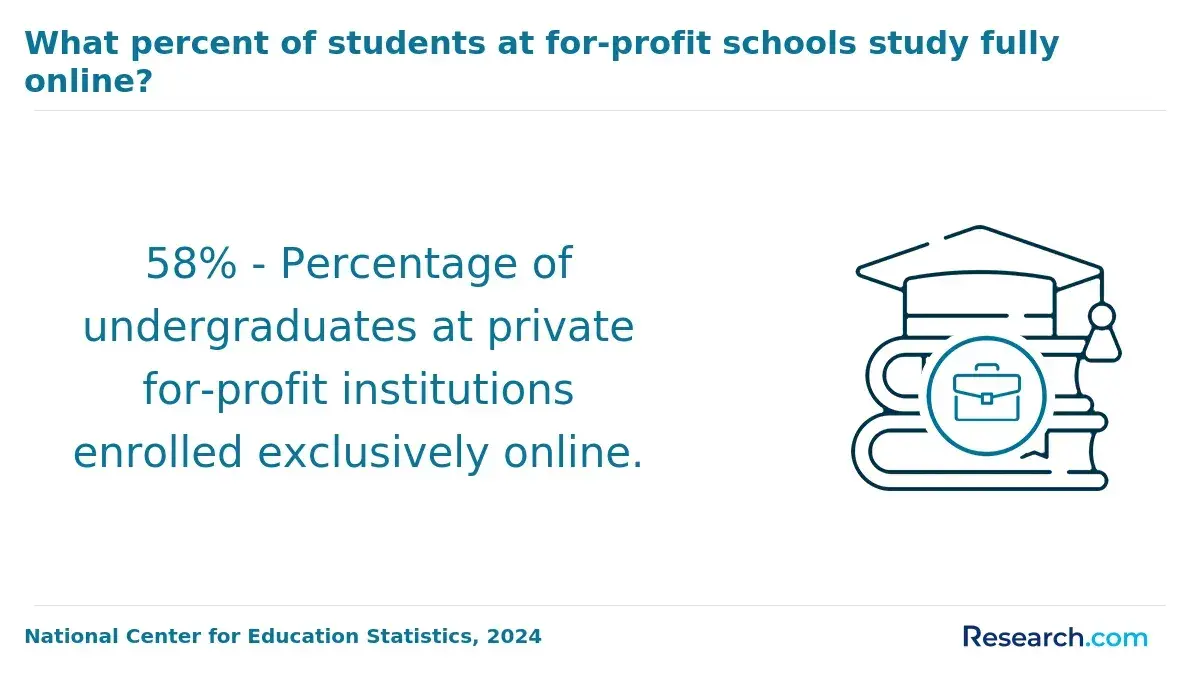
- For-profit universities: These institutions are common providers of continuous or near-continuous enrollment. Students should carefully review accreditation, total cost, graduation outcomes, and employer reputation before enrolling.
- Competency-based institutions: These programs focus on demonstrated mastery rather than only seat time. They may offer monthly or frequent course launches and can work well for experienced construction professionals who can move quickly through familiar material.
When comparing schools, look beyond the enrollment language on the admissions page. Ask the program directly: How many starts are offered each year? Are all required courses available at every start? Can students pause without penalty? Are prerequisites offered frequently enough to avoid delays?
Applicants who do not yet have a construction-related undergraduate foundation may also want to review expectations commonly built into an online construction management bachelor's degree before deciding whether they are ready for graduate-level coursework.
For students comparing overall graduate difficulty and program fit, broader resources on the easiest master’s degrees can provide context, though construction management master’s programs should be evaluated primarily by curriculum quality, accreditation, faculty experience, and relevance to construction leadership roles.
Are Start-Anytime Construction Management Master's Programs Available in Both Online and On Campus Formats?
Start-anytime construction management master’s programs are available in both online and on-campus formats, but they are far more common online. Nearly 45% of flexible enrollment graduate programs nationwide are fully online, while campus-based programs usually remain tied to fixed semester calendars because classroom space, faculty schedules, labs, and in-person meetings must be coordinated in advance.
- Fully online programs: These are the most likely to support frequent starts, asynchronous coursework, and flexible pacing. They suit working construction professionals who travel between job sites or work irregular hours.
- Hybrid formats: Hybrid programs combine online coursework with scheduled campus visits, labs, residencies, or weekend sessions. They may offer multiple starts, but in-person requirements can limit true start-anytime flexibility.
- Evening or weekend campus options: These programs are built for part-time students who work during the day. They may offer rolling admissions or several annual entry points, but students still need to attend at set times.
- Competency-based models: These programs may allow year-round progression and flexible course completion, especially when assessments are project-based and available online.
The right format depends on how much structure you need. Online programs offer maximum scheduling freedom, but students must be disciplined and comfortable learning through digital platforms. On-campus and hybrid programs may offer stronger local networking and face-to-face faculty access, but they are usually less flexible.
One graduate of an online construction management master’s program with a flexible start described the option as essential while balancing full-time work and family responsibilities. “Starting whenever I was ready meant I didn’t have to put my career on hold,” he said. He also noted that asynchronous coursework helped him manage demanding job-site projects while continuing to make academic progress.
What Are the Admission Requirements for Start-Anytime Construction Management Master's Programs?
Admission requirements for start-anytime construction management master’s programs are usually similar to traditional graduate programs. The flexibility is mainly in the application timeline, not in academic expectations. Strong programs still evaluate whether applicants are prepared for graduate-level work in construction law, project controls, cost estimating, risk management, sustainability, safety, and leadership.
- Bachelor’s degree: Applicants typically need a completed bachelor’s degree from an accredited institution. Some programs prefer construction management, engineering, architecture, business, or related technical backgrounds, while others admit students from broader fields with prerequisite coursework.
- Minimum GPA standards: Candidates generally need a GPA around 3.0 on a 4.0 scale. Some programs may consider slightly lower GPAs when applicants show relevant work experience, strong recommendations, or additional coursework that demonstrates readiness.
- Professional experience: Construction, engineering, project management, facilities, real estate development, or supervisory experience can strengthen an application. It may be especially valuable for students applying to flexible or competency-based programs.
- Letters of recommendation: Most programs request two to three letters from academic or professional references who can assess the applicant’s communication skills, leadership potential, technical judgment, and ability to complete graduate work.
- Statement of purpose or resume: Applicants may need to explain career goals, relevant projects, certifications, and why a construction management master’s degree is appropriate for their path.
- Standardized test policies: Many start-anytime programs are test-optional for the GRE or GMAT, particularly for applicants with strong academic records or substantial professional experience.
Because rolling admissions can move quickly, applicants should prepare transcripts, recommendations, and employment documentation before submitting. A common mistake is assuming that flexible start dates mean relaxed admissions. In reputable programs, the review process may be faster, but the standards should remain clear.
Students comparing flexible graduate admissions models in other professional fields may also review online EMBA programs, where work experience, test-optional policies, and rolling application timelines are often important considerations.
How Do Academic Calendars Work in Start-Anytime Construction Management Master's Programs?
Start-anytime academic calendars replace the long wait of a traditional semester with more frequent enrollment windows. In many flexible construction management master’s programs, students may see between six and twelve starts annually. The goal is to let students begin sooner and move through coursework in smaller, more manageable blocks.
- Rolling start dates: Students can begin at frequent intervals rather than waiting for a single fall or spring intake. This is useful for professionals who want to enroll after completing a major project or during a slower work period.
- Modular courses: Courses are often organized into shorter segments lasting about 4 to 8 weeks. This can help students focus on one or two subjects at a time, such as construction finance, scheduling, safety, or project delivery methods.
- Asynchronous scheduling: Many programs allow students to complete lectures, readings, assignments, and discussions within weekly deadlines rather than attending live classes at a fixed hour.
- Individualized progression: Students may adjust their pace based on workload, family obligations, financial aid requirements, and course availability.
The key question is whether the calendar is flexible only at the point of admission or flexible throughout the degree. Some programs let students start often but still require a fixed course sequence. Others provide broader control over pace. Before enrolling, ask how often core courses are offered, whether prerequisites create bottlenecks, and whether stopping for one term affects financial aid or graduation timing.
Are Start-Anytime Construction Management Master's Programs More Expensive Than Traditional Programs?
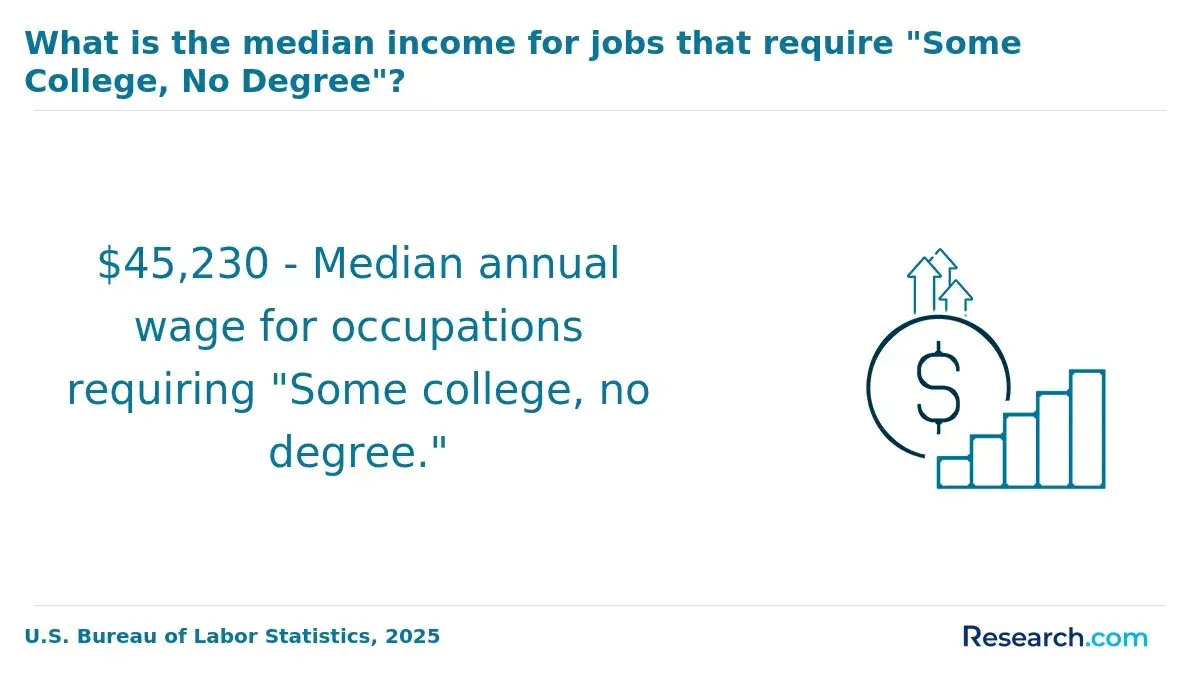
Start-anytime construction management master’s programs are not automatically more expensive than traditional programs. Online programs typically range from $15,000 to $40,000 in total tuition, while conventional programs usually fall between $20,000 and $45,000. The real cost depends on tuition structure, fees, pacing, transfer credit policies, and whether a student remains continuously enrolled.
| Cost factor | What to check | Why it matters |
| Tuition structure | Per-credit pricing, flat-rate terms, or subscription-style billing | A faster pace may reduce cost in some models but increase workload |
| Additional fees | Technology, administrative, graduation, and course material fees | Flexible programs may charge recurring fees to support year-round access |
| Technology costs | Online platforms, proctoring tools, software, and digital resources | Construction management courses may require specialized software or project tools |
| Financial aid availability | Eligibility for scholarships, grants, employer tuition assistance, and loans | Aid rules may depend on credit load, academic term length, and enrollment status |
| Time to completion | Whether accelerating or slowing down changes total tuition | Flexible pacing can affect both direct cost and opportunity cost |
Students should compare the total program price, not only the per-credit rate. A program with a slightly higher per-credit cost may still be less expensive if it allows faster completion, fewer commuting costs, or better use of employer tuition assistance. Conversely, a flexible program can become more expensive if repeated pauses, fees, or course retakes add up.
One graduate who completed a start-anytime enrollment construction management master’s program said she initially worried that the flexible structure would cost more than the four-year fixed cohorts she researched. Instead, she found the tuition comparable. “The adaptability let me balance work and study seamlessly, and the extra tech fees felt justified by the ongoing support and resources,” she noted.
How Long Does It Take to Complete a Start-Anytime Construction Management Master's Program?
Most flexible or online construction management master’s programs take between 18 and 24 months to complete, though the actual timeline depends on course load, program design, and the student’s availability. Start-anytime enrollment helps students begin sooner, but it does not eliminate the academic work required to earn the degree.
- Pacing flexibility: Students may accelerate by taking more courses during lighter work periods or slow down during demanding project phases.
- Course load options: Full-time enrollment can shorten the timeline but requires more weekly study time. Part-time enrollment is usually more manageable for working professionals but extends completion.
- Accelerated modules: Shorter intensive courses can help motivated students finish faster, especially when offered throughout the year.
- Part-time vs. full-time enrollment: Part-time students may require three or more years to graduate depending on course availability, transfer credits, and personal scheduling.
Before choosing an accelerated path, estimate your weekly availability honestly. Construction management graduate coursework often includes team coordination, writing, scheduling analysis, case studies, and applied project work. Moving too quickly can reduce the value of the degree if you cannot fully engage with the material.
Are Career Services Available for Start-Anytime Construction Management Master's Students?
Career services are commonly available to students in start-anytime construction management master’s programs, but the depth of support varies by school. Flexible enrollment should not mean limited professional support. Strong programs provide online access to career advising, employer connections, alumni networks, resume support, and job-search resources throughout the year.
- Career counseling: Advisors can help students clarify whether they are targeting roles in project management, construction operations, estimating, owner’s representation, facilities management, real estate development, or executive leadership.
- Job placement assistance: Some programs share openings from construction firms, engineering companies, developers, public agencies, and infrastructure organizations. Students should ask whether placement support is proactive or simply a job board.
- Networking opportunities: Virtual job fairs, webinars, employer panels, and online alumni events can help flexible-start students build connections even if they never attend campus.
- Alumni connections: Alumni mentors can provide insight into regional hiring trends, certification value, company culture, and leadership pathways in construction management.
- Resume and portfolio support: Graduate students should be able to translate coursework into employer-facing evidence, such as project plans, schedules, risk assessments, cost analyses, and leadership case studies.
Ask whether career services are available to online and off-cycle students on the same terms as traditional students. Also confirm whether services continue after graduation, since career advancement may happen months after the degree is completed.
Students comparing flexible and affordable online education outside construction may also review resources such as the cheapest online bachelor’s degree in psychology, though construction management students should prioritize programs with strong employer ties in the built environment.
Are Start-Anytime Construction Management Master's Degrees Respected by Employers?
Start-anytime construction management master’s degrees can be respected by employers when they come from accredited institutions, maintain rigorous coursework, and produce graduates with demonstrable construction leadership skills. A 2023 survey by the National Association of Colleges and Employers found that 68% of employers now respect online or flexible graduate programs similarly to traditional cohort-based degrees, assuming strong academic standards are maintained.
- Accreditation: Degrees from regionally accredited institutions or programs with specialized recognition, such as from the American Council for Construction Education (ACCE), generally carry more credibility than unaccredited alternatives.
- Program rigor: Employers look for evidence that the curriculum covers real construction management responsibilities, including estimating, scheduling, contracts, safety, quality control, leadership, and risk management.
- Professional experience: Many construction employers value graduate education most when it builds on relevant field, office, project management, or technical experience.
- Skill demonstration: Portfolios, certifications, capstone projects, software skills, and examples of applied project work can help graduates show value beyond the diploma.
The enrollment model itself is usually less important than the school’s reputation, accreditation, curriculum, and the graduate’s ability to perform. However, students should be cautious with programs that advertise convenience but provide little faculty interaction, weak student support, unclear outcomes, or vague accreditation claims.
Flexible online education is gaining acceptance across many professional fields. For comparison, students can review accredited online marriage and family therapy programs, where program quality, accreditation, and supervised professional preparation are also central to employer and licensure-related trust.
Who Benefits Most From Flexible Enrollment Graduate Programs?
Flexible enrollment graduate programs are best for students who need control over timing without giving up academic structure. Nearly 70% of students in online or rolling-start graduate programs are working professionals or nontraditional learners, which reflects the strong demand for programs that fit around employment, caregiving, military service, relocation, or career transition.
- Working professionals: Students can continue earning income while applying graduate-level construction management concepts directly to active projects.
- Career changers: Flexible start dates allow students to begin when they are ready to transition, rather than waiting for a single annual intake.
- Adult learners with family responsibilities: Parents, caregivers, and students with unpredictable home obligations benefit from asynchronous coursework and adjustable pacing.
- Students seeking accelerated completion: Motivated students with strong time-management skills may use frequent starts and short modules to finish sooner.
- Project-based workers: Construction professionals whose schedules vary by bid cycles, closeout periods, inspections, or seasonal demand can time coursework around heavier and lighter work periods.
Flexible enrollment is not ideal for everyone. Students who need weekly in-person accountability, a close cohort, or highly structured deadlines may do better in a traditional program. The best choice is the one that matches your work rhythm, learning style, financial plan, and career timeline.
What Graduates Say About Flexible Start-Anytime Enrollment for a Construction Management Degree Master's Program
-
: "The convenience of starting my Construction Management degree whenever it suited me was a game-changer while balancing a full-time job. The program's flexible schedule allowed me to learn at my own pace, which really helped manage my workload and personal life. Plus, the affordable tuition made it feasible without adding financial stress. I've already seen tangible career growth since graduating.
Carissa"
-
: "Reflecting on my experience, the cost-effectiveness of the flexible start-anytime Construction Management master's program was a major factor in my decision. This program provided quality education without the hefty price tag, which was important as I funded my studies independently. The skills and credentials I gained have significantly boosted my professional opportunities and confidence.
Alysha"
-
: "I approached the flexible start-anytime Construction Management master's degree with a professional mindset, and it delivered everything I needed. The ability to begin courses at any time let me align my learning with major projects at work, optimizing both experiences. The investment was reasonable, and the career advancement I achieved post-graduation confirms it was the right choice.
Kayla"
Other Things You Should Know About Construction Management Degrees
When evaluating the academic rigor, consider the curriculum depth, faculty qualifications, accreditation, and industry partnerships. Programs offering practical experience, such as internships or project-based learning, often ensure a comprehensive understanding of construction management principles and practices.
In construction management master's programs with flexible start dates, student interaction may vary depending on course format. Online asynchronous courses allow students to participate on their own schedules, which can limit real-time discussions but often include forums and group projects. Some programs blend asynchronous learning with scheduled synchronous sessions to foster collaboration despite varied start times.
Students enrolled in start-anytime construction management programs usually have access to comprehensive support services such as academic advising, technical help desks, and career counseling. Many institutions offer tutoring and writing assistance tailored to construction management topics. These resources help ensure that flexible scheduling does not hinder student success.
Students in construction management master's programs with start-anytime enrollment are generally expected to have reliable internet access and a computer capable of handling video conferencing, specialized software, and online learning platforms. Some courses may require software specific to construction management, such as project management or BIM applications, which students should verify before enrolling.
References
- MSc Construction Management https://www.reading.ac.uk/ready-to-study/study/2025/construction-management-and-engineering-pg/msc-construction-management
- Master of Science in Construction Management https://online.txst.edu/degrees/graduate/construction-management/
- MS in Construction Management Abroad 2025: Top Universities, Cost, Courses & Salary https://gradright.com/ms-in-construction-management-abroad-top-universities-cost-courses-salary/
- Online Master's in Construction Management (Accelerated) | NEIT https://www.neit.edu/academics/graduate-degrees/construction-management-ms
- Top 10 Benefits of a Construction Management Degree and What You Can Do With It - NewSchool of Architecture & Design https://newschoolarch.edu/top-10-benefits-of-a-construction-management-degree-and-what-you-can-do-with-it/
- 5 Construction Management Career Opportunities Out of College https://aic-builds.org/5-construction-management-career-opportunities-out-of-college/
- MSc Construction Management https://www.ube.ac.uk/postgraduate/construction-management/
- UTEP Online https://www.utep.edu/extendeduniversity/utepconnect/online-programs/master-programs/master-of-science-in-construction-management.html
- A Construction Management Career Has Many Benefits ITI College https://iticollege.edu/blog/construction-management-career-outlook/
- Master of science in construction management (traditional and online) https://engineering.wayne.edu/engineering-technology/academics/master-construction-management