2027 Construction Management Degree Master's Programs You Can Start Without Meeting All Requirements

Co-Founder and Chief Data Scientist
A construction management master’s degree can help experienced builders, engineers, architects, estimators, superintendents, and project coordinators move into higher-responsibility roles. The challenge is that many applicants do not fit the standard admissions profile. Entering a master's program in construction management often demands prerequisites such as extensive work experience, a related bachelor's degree, specific undergraduate coursework, a minimum GPA, or standardized test scores. Nearly 40% of prospective students lack one or more traditional requirements when applying.
That does not always mean you have to postpone graduate school. Some programs use conditional admission, bridge coursework, test waivers, professional experience reviews, or provisional enrollment to evaluate applicants who are close to being ready but missing one requirement. These options are especially relevant for working adults, career changers, military learners, and applicants from adjacent fields such as architecture, civil engineering, business, real estate, or facilities management.
This guide explains which construction management master’s programs may let you start without meeting every requirement, what conditions you may need to satisfy, how financial aid can work, and how to build a stronger application when your academic record or prerequisites are not perfect.
Key Benefits of Construction Management Degree Master's Programs You Can Start Without Meeting All Requirements
- Flexible or conditional admissions allow students to begin studies while fulfilling prerequisites, increasing access for those with nontraditional backgrounds or incomplete qualifications.
- Programs often offer corequisite courses, enabling students to complete missing foundational knowledge alongside graduate-level coursework without delaying progress.
- These pathways provide motivated students expeditious entry into advanced construction management training, addressing workforce demands amid a 12% projected industry growth through 2030.
What Construction Management Degree Master's Programs You Can Start Without Meeting All Requirements?
You may be able to start certain construction management master’s programs without meeting every standard requirement if the school offers conditional, provisional, bridge, or experience-based admission. These pathways do not usually remove the requirement entirely. Instead, they let you begin under specific conditions, such as completing foundation courses, maintaining a required graduate GPA, submitting missing documents, or proving relevant professional competence.
Nearly 35% of U.S. graduate programs have expanded their flexible or conditional admissions policies in recent years, reflecting a broader shift toward evaluating applicants by more than one metric. For construction management, this can be useful because many capable professionals gain their strongest preparation on job sites, in estimating departments, through safety responsibilities, or while coordinating subcontractors—not only in undergraduate classrooms.
Common program types with flexible entry
- Professional practice tracks: These programs emphasize applied construction leadership, scheduling, estimating, safety, contracts, and field operations. Applicants with substantial industry experience may be allowed to begin even if their academic background is not a perfect match.
- Online and hybrid programs: Programs designed for working adults often offer provisional admission, rolling start dates, or staged prerequisite completion. They can be a practical fit for students balancing full-time employment, travel, or family obligations.
- Project management specializations: These tracks focus on planning, budgets, risk, procurement, communication, and team leadership. Applicants with project coordination or supervisory experience may receive stronger consideration even if they lack some traditional academic prerequisites.
- Sustainability and green building focus areas: These programs may attract applicants from architecture, environmental studies, engineering technology, real estate, or facilities backgrounds. Bridge coursework may be used to fill gaps in construction methods, codes, or project delivery.
- Executive-level programs: These options are typically designed for seasoned professionals. Admissions committees may place greater weight on career accomplishments, leadership responsibility, and employer recommendations than on standardized test scores or a narrowly related undergraduate major.
How to compare flexible-entry options
| Program pathway | Best fit | What to verify before enrolling |
| Conditional admission | Applicants missing a GPA threshold, prerequisite, or document | Exact conditions, deadline to complete them, and consequences for missing the deadline |
| Bridge coursework | Career changers or students from adjacent majors | Whether bridge credits count toward the degree or add extra cost and time |
| Experience-based review | Applicants with strong construction, engineering, or project leadership history | Required documentation, such as a resume, portfolio, certifications, or supervisor letters |
| Test-optional admission | Applicants who do not want to submit GRE or GMAT scores | Whether test scores are truly optional or only waived for certain applicants |
If you are still comparing degree levels or want to understand how undergraduate preparation connects to graduate study, reviewing construction management degrees can help you map the academic path before committing to a master’s program. For students also comparing broader business credentials, affordable online MBA programs may offer a useful contrast in curriculum, admissions expectations, and career focus.
What Are the Typical Admission Requirements for a Construction Management Master's Degree?
Most construction management master’s programs evaluate whether applicants have the academic preparation, professional maturity, and quantitative ability to succeed in graduate-level coursework. About 40% of these programs consider multiple factors beyond test scores alone, which means a weaker area of your application may be balanced by stronger evidence elsewhere.
Requirements vary by institution, but applicants commonly encounter the following expectations.
- Relevant undergraduate degree: Many programs prefer or require a bachelor's degree in construction management, civil engineering, architecture, engineering technology, business, or a related field. Applicants from other majors may need prerequisite or bridge coursework in construction methods, estimating, materials, plans and specifications, or project management.
- Minimum GPA: A common benchmark is a minimum GPA around 3.0 on a 4.0 scale. A slightly lower GPA does not always end the application, especially if the applicant has strong work experience, upward academic trends, or recent success in relevant coursework.
- Standardized test scores: Some programs request GRE scores, though the requirement is not universal. In practice, many schools now use test-optional policies, GPA-based waivers, or professional-experience waivers.
- Letters of recommendation: Programs often ask for two to three letters from professors, supervisors, project managers, senior engineers, or executives who can speak to the applicant’s technical ability, communication, judgment, and leadership potential.
- Personal statement: This essay should explain why the applicant wants the degree, what construction management problems they are prepared to solve, and how the program fits their career plan. It is also the right place to address missing prerequisites, a low GPA, or an unusual academic background.
- Resume or professional history: Many construction management programs want to see field experience, internships, estimating work, scheduling exposure, safety responsibilities, military construction experience, or leadership on built-environment projects.
- Prerequisite coursework: Applicants may be asked to show prior preparation in math, statistics, construction documents, project controls, building systems, or engineering fundamentals, depending on the curriculum.
What matters most if you do not meet one requirement?
Admissions committees usually want evidence that you can handle graduate work and contribute meaningfully to class discussions. If your GPA is below the preferred threshold, recent A-level performance in relevant courses may help. If your undergraduate major is unrelated, detailed construction experience can matter. If you lack field experience, a strong academic record and clear career plan may reduce concern.
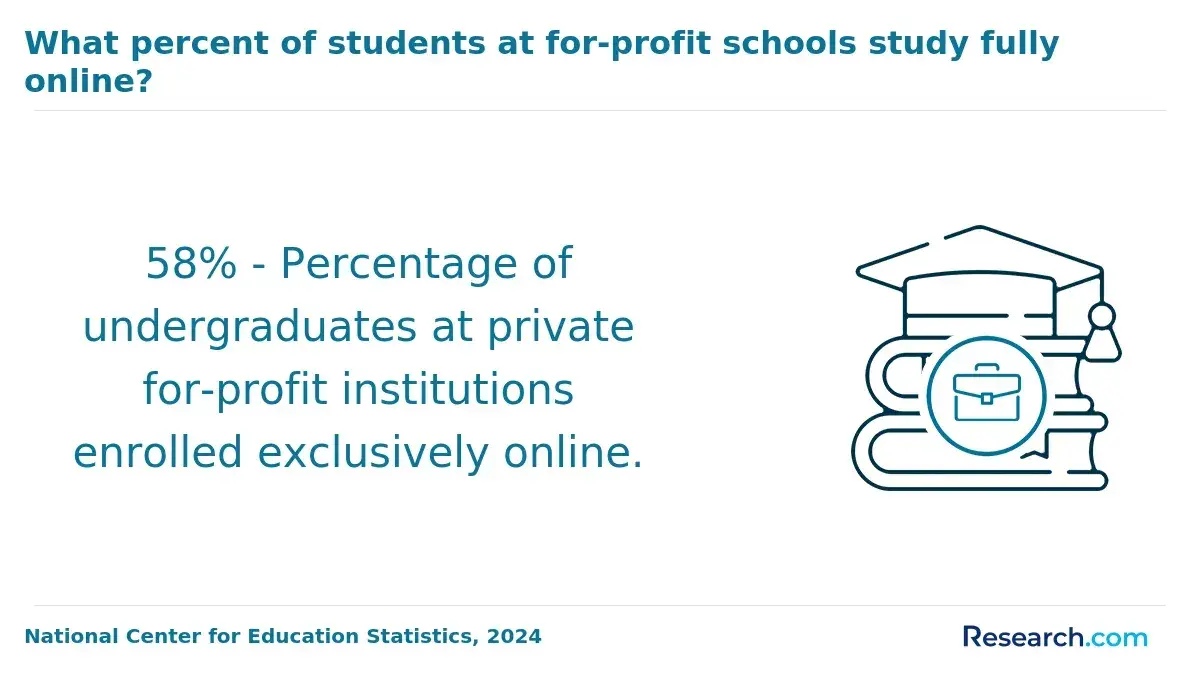
Applicants who are still building foundational credentials may compare earlier academic options such as online associate degrees, especially if they need structured coursework before pursuing graduate admission.
Can You Get Into a Construction Management Master's Program Without the GRE or GMAT?
Yes. You can get into many construction management master’s programs without the GRE or GMAT if the school is test-optional, grants waivers, or evaluates applicants through a holistic review process. Over 60% of U.S. graduate schools now offer test-optional or test-waiver options, so standardized testing is no longer the single gatekeeper it once was.
However, “test-optional” does not always mean “easier.” If you do not submit scores, the rest of your application needs to show readiness through academic performance, professional experience, recommendations, a strong statement, or a portfolio of relevant work.
- Test-optional policies: Some programs allow applicants to choose whether to submit GRE or GMAT scores. If your scores would strengthen the file, submit them. If they do not reflect your ability, focus on stronger evidence.
- Professional experience waivers: Applicants with construction, engineering, architecture, project management, estimating, safety, or operations experience may qualify for a test waiver. Schools may ask for a detailed resume or verification of responsibilities.
- GPA-based waivers: A strong undergraduate GPA can sometimes replace the need for standardized testing. This is most common when the applicant’s degree is recent and in a related field.
- Holistic review: Admissions committees may evaluate recommendations, personal statements, certifications, leadership history, and project experience alongside or instead of test scores.
- Practical program formats: Applied master’s programs may place more emphasis on interviews, portfolios, employer support, or completed projects than on exam performance.
When should you still submit GRE or GMAT scores?
Submitting scores may help if your GPA is below the program’s preferred range, your undergraduate major is unrelated, or you have limited professional experience. Strong scores can provide another signal that you are prepared for quantitative and analytical graduate coursework. If your scores are average or weak and the program is genuinely test-optional, it may be better to rely on stronger materials.
When asked about getting into a construction management master's program without GRE or GMAT scores, a graduate student shared, "I wasn't sure if my professional background alone would be enough since I didn't submit any test scores. The process felt uncertain at first, but the admissions team valued my experience and portfolio more than standardized tests." He added that the flexibility of applying with various credentials helped him focus on showcasing what he could bring to the program beyond exams. "It was reassuring to know programs are adapting to different paths, making graduate education accessible without the pressure of one single test."
Can You Get Into a Construction Management Master's Program With a Low GPA?
Yes, some construction management master’s programs admit applicants with a low GPA, especially through conditional admission or holistic review. Around 40% of graduate programs incorporate holistic reviews or conditional admission policies for candidates who don't meet standard GPA thresholds. A low GPA is a concern, but it is not always a final decision.
The key is to show that the GPA does not represent your current ability. Admissions committees will look for evidence of improvement, stronger performance in relevant subjects, professional maturity, and readiness for graduate-level analysis.
- Conditional admission: A school may admit you on the condition that you earn a specified GPA in your first graduate courses, complete prerequisites, or meet other academic benchmarks. This gives you a chance to prove performance after enrollment.
- Professional experience: Construction-related work history can offset a weaker academic record when it shows responsibility, technical judgment, leadership, budgeting, scheduling, safety oversight, or client coordination.
- Prerequisite excellence: Strong grades in recent courses such as statistics, construction estimating, engineering fundamentals, project management, materials, or finance can show that you are better prepared now than your cumulative GPA suggests.
- Recommendation letters: A persuasive letter from a supervisor, project executive, faculty member, or licensed professional can explain your reliability, growth, and ability to manage complex work.
- Holistic application review: Programs may consider your full file, including resume, statement, certifications, interview, portfolio, and circumstances that affected earlier academic performance.
How to address a low GPA without making excuses
Use your personal statement to be direct and brief. Acknowledge the GPA, explain what changed, and point to concrete evidence of current readiness. Examples include promotions, recent coursework, professional certifications, major project responsibilities, or improved grades in the final years of your undergraduate program.
Applicants comparing construction management with other career-focused majors may find it useful to review fields often discussed among the best degrees to make money, but salary potential should be weighed against program cost, time commitment, local construction markets, and your current experience level.
Can You Start a Construction Management Master's Program Without Completing Prerequisite Courses?
Yes, some programs allow students to start a construction management master’s degree before completing all prerequisite courses. About 45% of these programs provide such flexibility. The most common arrangement is conditional or provisional admission, where you begin graduate study while completing missing foundation requirements by a stated deadline.
This option can save time, but it requires careful planning. Taking prerequisites and graduate courses at the same time can increase workload, tuition, and academic pressure. Before enrolling, ask whether prerequisite courses count toward the degree, whether they affect financial aid eligibility, and whether failing to complete them can block registration in later graduate courses.
- Provisional admission: The school allows you to enroll before all prerequisites are complete, but your status may remain conditional until you satisfy listed requirements.
- Bridge or preparatory courses: These courses cover essential topics such as construction methods, estimating, scheduling, plans and specifications, project controls, or construction law. They may be required before advanced graduate classes.
- Concurrent enrollment: Students may take prerequisite courses during the first semester or first year of the master’s program. This can preserve momentum but may create a heavier schedule.
- Professional experience substitute: Relevant industry experience may replace some formal prerequisites if the program determines that the applicant already has equivalent competence.
- Competency-based evaluations: Some institutions may use exams, portfolios, interviews, or work samples to determine whether a student can waive certain foundation courses.
Questions to ask before accepting admission
- Which prerequisites are missing, and why are they required?
- What is the deadline for completing each condition?
- Do bridge courses count toward the master’s degree or add extra credits?
- Can prerequisites be taken online, at another institution, or only through the admitting school?
- Will conditional status affect financial aid, scholarships, assistantships, or employer tuition reimbursement?
When I spoke with a professional who completed a construction management master's program despite missing initial prerequisites, she described the journey as challenging but rewarding. She appreciated the ability to take preparatory classes concurrently, which eased her transition and prevented setbacks in her career timeline. "It felt empowering to prove my skills through assessments rather than retaking material I already knew," she said. The support from advisors and flexible policies made it possible to focus on advanced topics sooner than expected, reinforcing that non-traditional routes can lead to successful program completion.
What Are Bridge Programs for Construction Management Master's Degrees?
Bridge programs are structured preparation pathways for students who are close to graduate-level readiness but missing specific academic or technical foundations. In construction management, they are often used for applicants from related fields such as architecture, civil engineering, business, facilities management, real estate, or military construction roles.
A bridge program may be offered before full admission, during conditional admission, or as the first phase of the master’s curriculum. Its purpose is not to repeat an entire undergraduate degree. It is to close targeted gaps so students can succeed in advanced courses.
- Preparatory coursework: Bridge courses may cover construction principles, plan reading, cost estimating, scheduling, materials, safety, contracts, project delivery methods, or quantitative analysis. The coursework should align directly with the master’s curriculum.
- Skill-building: Strong bridge programs also develop graduate-level writing, research, data interpretation, communication, and problem-solving skills. These skills matter because construction managers must translate technical information into decisions for owners, contractors, designers, and field teams.
- Conditional admission: Many bridge pathways operate under conditional status. Students may become fully admitted after completing required courses with the required grades.
- Curriculum integration: The best bridge courses connect clearly to first-year graduate classes. If bridge content feels disconnected from the degree plan, ask the program to explain how it supports progression.
- Accelerated readiness: A well-designed bridge pathway can prevent avoidable academic struggle by giving students the foundation they need before advanced coursework becomes too specialized.
Bridge program trade-offs
| Potential benefit | Potential drawback |
| Allows applicants from nontraditional backgrounds to enter a master’s pathway | May add tuition costs or extend time to graduation |
| Builds confidence before advanced technical courses | May require a heavier first-year schedule |
| Can convert conditional admission into full admission | Failure to meet bridge requirements can interrupt enrollment |
| Targets only missing competencies rather than requiring a second bachelor’s degree | Credits may not always count toward the graduate degree |
Are Online Construction Management Master's Programs With Flexible Entry Legitimate?
Online construction management master’s programs with flexible entry can be legitimate, but flexibility should never be confused with lack of standards. A credible program may waive a test, admit a student conditionally, or allow bridge coursework while still maintaining rigorous academic expectations. The question is whether the program is properly accredited, transparent, and respected enough to support your career goals.
Before enrolling, verify the program using evidence—not marketing language.
- Accreditation: The institution should hold recognized accreditation. Accreditation is important for federal financial aid eligibility, transfer considerations, employer recognition, and overall academic credibility.
- Institutional reputation: A flexible admissions policy is more credible when offered by an established institution with clear academic governance, published faculty information, and transparent student policies.
- Curriculum quality: The program should include rigorous coursework in areas such as construction project management, estimating, scheduling, contracts, risk, safety, quality, technology, sustainability, and leadership.
- Faculty qualifications: Look for instructors with advanced degrees, construction industry experience, research activity, professional credentials, or leadership experience in the built environment.
- Student support services: Online students should have access to advising, library resources, technical support, career services, writing help, and clear communication about conditional admission requirements.
- Transparent outcomes and policies: Review tuition, fees, transfer-credit rules, course sequencing, graduation requirements, refund policies, and any limits placed on conditionally admitted students.
Warning signs to watch for
- The school will not clearly explain its accreditation status.
- Admissions staff promise guaranteed admission or guaranteed career results.
- Conditional requirements are vague or not provided in writing.
- Tuition, fees, or extra bridge-course costs are difficult to find.
- The curriculum lacks construction-specific graduate coursework.
When these criteria are met, flexible entry programs can provide legitimate pathways to a construction management master's degree without lowering educational standards. The best option is one that gives access while still holding students accountable for graduate-level performance.
Can Conditional Admission Students Receive Financial Aid for Construction Management Master's Programs?
Conditional admission students may be able to receive financial aid for construction management master’s programs, but eligibility depends on the institution, the student’s enrollment status, the program’s aid eligibility, and the specific conditions attached to admission. About 56% of graduate students in the United States receive some form of financial aid, but conditional admission can make the process more policy-dependent.
The safest approach is to confirm financial aid rules in writing before enrolling. Ask the financial aid office—not only admissions—whether your conditional status affects federal aid, institutional scholarships, assistantships, employer billing, or tuition reimbursement.
- Enrollment status: Federal financial aid generally requires students to be enrolled at least half-time in an eligible degree or certificate program. Conditional admission students who meet this threshold may be eligible if they satisfy other federal and institutional criteria.
- Accreditation: Federal financial aid is generally tied to attendance at an institution with recognized accreditation. Accreditation also affects whether employers, licensing-related bodies, or other schools are likely to recognize the credential.
- FAFSA timing: Completing the Free Application for Federal Student Aid on time and listing the institution correctly is essential. Conditional admission itself does not automatically disqualify an applicant if other requirements are met.
- Institutional policies: Some schools place limits on aid for conditionally admitted students until they complete prerequisites, earn required grades, or move into full admission status.
- Documentation requirements: Students may need to submit transcripts, proof of prerequisite completion, satisfactory academic progress records, or other paperwork to continue receiving aid.
Financial questions to ask before you start
- Am I eligible for federal financial aid while conditionally admitted?
- Do prerequisite or bridge courses qualify for aid?
- Will aid stop if I do not complete conditions by the deadline?
- Are scholarships or assistantships available to conditional students?
- How will conditional admission affect employer tuition reimbursement?
Students comparing funding rules across fields may also review options such as a psychology master’s online to see how graduate aid policies can differ by program structure and institution.
How to Improve the Chances of Getting Into a Construction Management Master's Program Without Meeting All Requirements?
You can improve your chances of admission by making the missing requirement feel manageable rather than risky. Admissions committees need to know that you understand the gap, have a plan to close it, and can succeed in a graduate construction management curriculum. Nearly 30% of admitted students in some programs are accepted through flexible or conditional pathways, so a strategic application can matter.
Start by contacting admissions or the program director before applying. Ask which requirements are firm, which are waivable, and which can be satisfied after admission. Then build your application around evidence of readiness.
- Highlight professional experience: Use your resume to show specific responsibilities, not just job titles. Include project size when appropriate, scheduling tools, budget exposure, estimating duties, subcontractor coordination, safety responsibilities, procurement work, or leadership roles.
- Complete prerequisites: Taking missing courses before applying can strengthen your file. Online courses, community college courses, or university extension courses may help, but confirm in advance that the program will accept them.
- Obtain strong recommendations: Choose recommenders who can discuss your judgment, reliability, technical ability, communication, and leadership. A detailed supervisor letter is usually stronger than a generic letter from someone with an impressive title.
- Craft a focused personal statement: Explain your career goal, why construction management is the right graduate path, what requirement you are missing, and how you are prepared to address it. Keep the tone accountable and specific.
- Showcase relevant certifications: Credentials such as OSHA safety training or project management certificates can support your application by showing professional commitment and current skill development.
- Prepare a project portfolio if allowed: A concise portfolio may include schedules, estimates, project summaries, safety plans, coordination examples, or leadership accomplishments. Do not include confidential employer or client information.
- Consider an interview request: If your background is unusual, an interview can help you explain how your experience connects to the curriculum and why you are ready for graduate study.
Application mistakes to avoid
- Ignoring a low GPA or missing prerequisite and hoping the committee will not notice.
- Submitting a generic statement that could apply to any business or engineering program.
- Using recommendation letters from people who cannot describe your work in detail.
- Applying without understanding the cost and timeline of bridge courses.
- Assuming test-optional admission means the rest of the file can be weak.
Applicants seeking broader school options can review resources such as the top 10 online universities while comparing admission flexibility, accreditation, cost, and student support.
What Happens If You Don't Complete Construction Management Master's Conditional Admission Requirements on Time?
If you do not complete conditional admission requirements on time, the program may restrict your enrollment, delay your progress, change your admission status, or remove you from the degree pathway. The exact outcome depends on the school’s written policy and the condition you failed to meet.
Conditional admission is a formal agreement. It often gives you access to graduate study before you have fully qualified, but it also creates deadlines and performance obligations. Read the admission letter carefully and save all messages from the program and financial aid office.
- Probationary status: Students may be placed on academic or administrative probation. This can limit course registration, require advisor approval, or trigger additional monitoring.
- Loss of enrollment privileges: A program may block registration for future courses or suspend enrollment until outstanding requirements are completed.
- Delayed graduation: Missing prerequisite or GPA conditions can push back required course sequencing, capstone work, internships, or graduation eligibility.
- Additional coursework: Students may need to take remedial, bridge, or repeated courses to address the unmet requirement, increasing workload and cost.
- Financial aid impact: Failure to meet conditions may affect satisfactory academic progress, scholarship renewal, assistantship eligibility, or other aid requirements.
- Program dismissal: In some cases, not completing conditions by the deadline can lead to dismissal from the master’s program.
What to do if you are at risk of missing a condition
- Contact your advisor before the deadline, not after it passes.
- Ask whether an extension, revised course plan, or documented exception is possible.
- Speak with financial aid before dropping or delaying a course.
- Get any approved changes in writing.
- Prioritize the condition that controls your ability to continue in the program.
The main lesson is simple: flexible entry can open the door, but staying in the program depends on meeting the terms. Treat conditional requirements as graduation-critical tasks from the first day of enrollment.
What Graduates Say About Construction Management Degree Master's Programs You Can Start Without Meeting All Requirements
- : "I couldn't meet all the prerequisites for the construction management master's program because my background was primarily in civil engineering, not with direct management experience. Despite this, the conditional admission gave me a chance to prove myself without resitting all the courses, which was a relief both financially and personally. The investment in the program was significant, but the boost it gave to my project management career made it worthwhile, opening doors to leadership roles I never imagined. — Wayne"
- : "Balancing work and family commitments was why I didn't fulfill every admission requirement initially, so conditional acceptance was a perfect solution. The tuition fees were steep, but manageable with employer support, and I learned how to adapt fast to the rigorous curriculum. Since graduating, my salary increased and I've been able to take on much more complex projects, proving the degree's real impact on my professional growth. — Jaime"
- : "My undergrad degree was in architecture, so I lacked some of the specific coursework needed for a straightforward admission to the construction management master's. The conditional program allowed me to bridge that gap without starting over, which saved both time and money. Professionally, the specialized knowledge I gained has enabled me to collaborate more effectively with engineers and contractors, elevating my role within the industry. — Rhonda"
Other Things You Should Know About Construction Management Degrees
Conditional admissions usually do not extend the duration of a Construction Management master's program. However, students might need to complete specific prerequisite courses before advancing. The standard timeline remains approximately 1 to 2 years, depending on full-time or part-time enrollment options.
In 2027, several universities offer Construction Management master's programs that allow conditional admission. These typically include programs offering bridge courses or tailored study plans for students lacking specific prerequisites, such as those at the University of Southern California and Arizona State University, ensuring accessibility for diverse applicants.
Students who begin construction management master's programs conditionally often have access to academic advising, tutoring, and mentoring services aimed at helping them meet probationary requirements. Many programs offer workshops on study skills or technical competencies specific to construction management. These resources assist students in transitioning successfully into full graduate-level coursework.
Relevant work experience in construction or project management can sometimes offset academic deficiencies during admissions evaluations. Programs may consider professional experience as evidence of preparedness for graduate study, particularly when combined with strong letters of recommendation. However, this varies by institution and does not always replace formal prerequisites.
References
- Master Construction Management and Engineering https://www.tue.nl/en/education/graduate-school/master-construction-management-and-engineering
- Which are the universities that I can apply with low GPA for masters in construction management in USA? https://mentr-me.com/question/which-are-the-universities-that-i-can-apply-with-low-gpa-for-masters-in-construction-management-in-usa
- How can I improve my skills in construction project management without formal courses? https://www.umu.com/ask/q11122301573853745919
- MSc Construction Management https://www.ube.ac.uk/postgraduate/construction-management/
- The Ultimate Guide to Construction Management: Strategies for Success - We Are Ease https://weareease.com/the-ultimate-guide-to-construction-management-strategies-for-success/
- Master Construction Project Management: 6 Proven Strategies https://www.werxapp.com/blog/master_construction_project_management/
- Navigating Construction Management Studies: Tips for Future Professionals - BUILD Magazine https://www.build-review.com/navigating-construction-management-studies-tips-for-future-professionals/
- Top 10 Benefits of a Construction Management Degree and What You Can Do With It - NewSchool of Architecture & Design https://newschoolarch.edu/top-10-benefits-of-a-construction-management-degree-and-what-you-can-do-with-it/
- 10 Key strategies for effective construction management in 2025 https://www.fieldwire.com/blog/strategies-effective-construction-management/
- Construction Management (M.S.) https://www.gradcollege.txst.edu/programs/construction-management.html