
2027 Which Entertainment Business Degree Careers Offer the Best Return Without Graduate School?

Co-Founder and Chief Data Scientist
An entertainment business bachelor’s degree can lead directly into paid industry work, but the best path is not always graduate school. The practical question is whether another degree will improve your earnings enough to justify the cost, time away from full-time work, and possible added debt.
This guide is for students and recent graduates who want to build a career in talent management, production, marketing, distribution, digital media, sports, or related entertainment business roles without immediately pursuing a master’s degree. It focuses on jobs, industries, skills, certifications, and trade-offs that can improve return on investment after graduation.
The core takeaway is straightforward: many entertainment business careers reward experience, relationships, measurable results, and business skills more quickly than additional academic credentials. Graduate school can still be valuable for certain leadership, legal, finance, or strategy roles, but it is not the default requirement for building a strong career in the field.
Key Benefits of Entertainment Business Degree Careers That Offer the Best Return Without Graduate School
- Strong earning potential with median salaries rising 15% annually in early careers enhances long-term return on investment for entertainment business graduates.
- Stable demand and expanding career opportunities in event management and media production support long-term financial security for degree holders.
- Accessible entry requirements allow graduates to enter the workforce faster without graduate school, accelerating salary growth and career advancement.
Which Entertainment Business Careers Offer the Best Return Without Graduate School?
The best return without graduate school usually comes from roles where compensation is tied to revenue, project responsibility, client relationships, or audience growth. These positions allow bachelor’s degree holders to prove value through results instead of waiting for another credential to qualify them for advancement.
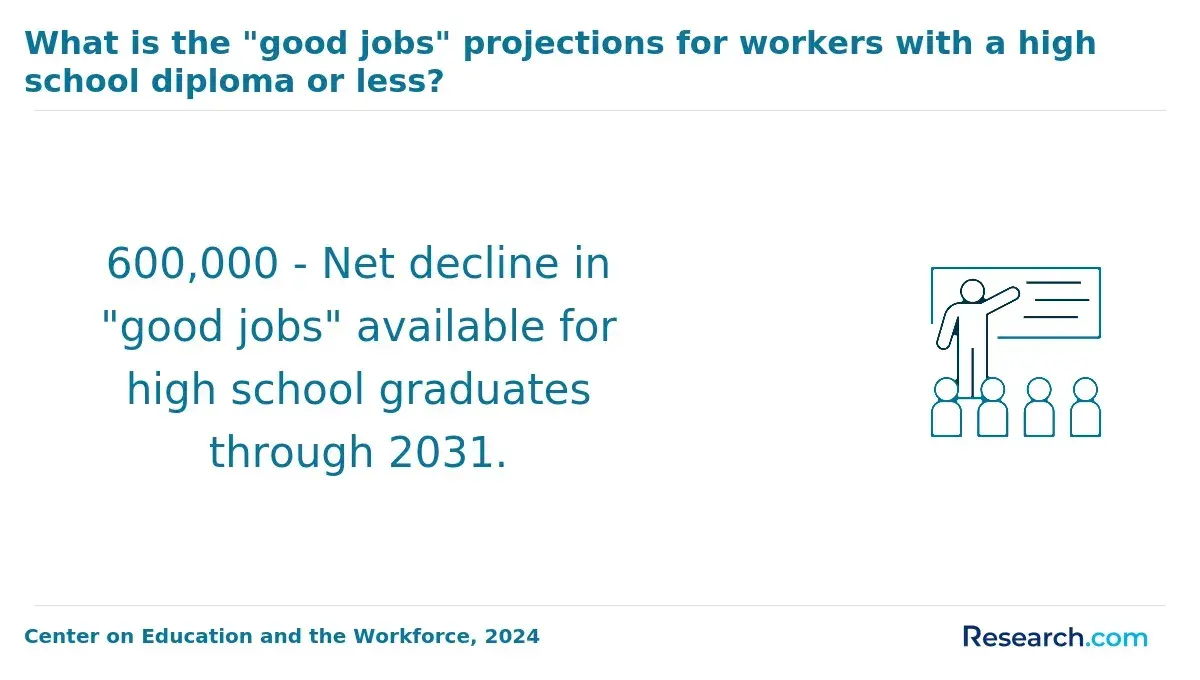
Data from the U.S. Bureau of Labor Statistics shows that professionals with a bachelor's degree often earn nearly 15% more than their peers with only a high school diploma. In entertainment business, that advantage is strongest when graduates combine business training with internships, portfolio work, industry contacts, and job-ready skills.
High-ROI careers often share three traits: they are close to revenue, they build transferable business experience, and they offer room to move into management. The following roles can provide strong long-term value without requiring a master’s degree.
- Talent Agent: Talent agents represent actors, musicians, athletes, creators, and other performers. They identify opportunities, negotiate terms, and help clients build income-producing careers. Because pay can be commission-based, earnings may rise substantially for agents who build a strong client roster and negotiate successful deals.
- Marketing Manager: Entertainment marketing managers plan campaigns for films, concerts, media releases, events, venues, brands, or digital content. This path can offer strong ROI because marketing performance is measurable through ticket sales, streaming engagement, audience growth, sponsorship value, and campaign revenue.
- Production Coordinator: Production coordinators keep projects organized by managing schedules, logistics, paperwork, vendors, locations, and communication between teams. It is a practical starting point for graduates who want to move toward production management because it builds hands-on operational experience quickly.
- Business Development Specialist: Business development professionals help entertainment companies create partnerships, sponsorships, licensing opportunities, and new revenue channels. This path rewards communication, analysis, persistence, and the ability to connect creative properties with commercial opportunities.
For students who want to strengthen employability without committing to graduate school, targeted online certifications that pay well can be useful in areas such as digital marketing, analytics, negotiation, project coordination, or entertainment management.
What Are the Highest-Paying Entertainment Business Jobs Without a Master's Degree?
The highest-paying entertainment business jobs without a master’s degree are usually not the most entry-level positions. They are roles that require proof of performance: managing budgets, closing deals, coordinating complex productions, expanding audiences, or distributing content profitably.
According to the U.S. Bureau of Labor Statistics, several positions in this field can pay well above $70,000 annually with only a bachelor's degree. Actual earnings vary by employer, location, project size, commission structure, and years of experience, so graduates should evaluate both salary range and advancement path.
| Role | Typical salary range stated | Why it can pay well without a master’s degree |
| Talent Agent | $65,000 to $120,000 per year | Income is often connected to negotiated deals, client success, commissions, and relationship-building. |
| Production Manager | $60,000 and $110,000 annually | Employers pay for professionals who can control budgets, schedules, crews, vendors, and production risk. |
| Marketing Manager in Entertainment | $70,000 to $130,000 per year | Campaign strategy can directly affect ticket sales, audience growth, streaming performance, and brand value. |
| Distribution Manager | $65,000 and $115,000 annually | Distribution decisions influence how widely and profitably content reaches audiences across channels. |
Graduates should not judge these roles by salary alone. A lower starting salary in an agency, studio, venue, or media company may still offer strong ROI if it gives access to decision-makers, recognizable projects, and faster promotion into revenue-facing work.
Which Industries Offer High Salaries Without Graduate School?
Industry choice can shape earnings as much as job title. Two graduates with the same entertainment business degree may see very different outcomes depending on whether they enter a high-budget production environment, a growing digital platform, a sponsorship-driven sports organization, or a smaller local entertainment business.
According to the U.S. Bureau of Labor Statistics, median wages in media and communications exceed the overall average for business-related jobs by about 15%, underscoring how sector selection can affect salary potential. Graduates who want strong ROI should target industries where business decisions are closely tied to audience revenue, licensing, sponsorship, advertising, or distribution.
- Film and Television Production: This sector offers roles in production operations, budgeting, scheduling, distribution coordination, marketing, and business affairs. High-budget projects and residual pay can lead to substantial salaries, generally ranging from $60,000 to over $100,000 annually, although work may be project-based and competitive.
- Music and Recording Industry: Streaming, touring, publishing, licensing, and digital distribution create business roles for graduates who understand both artists and revenue models. Bachelor's degree holders often earn between $55,000 and $90,000, especially when they develop skills in marketing, rights management, analytics, or artist relations.
- Sports Management and Marketing: Sponsorships, media rights, fan engagement, events, and merchandising can create strong business opportunities. Salaries commonly range from $50,000 to $95,000, with better outcomes for graduates who can connect brand partnerships with measurable audience value.
- Digital Media and Advertising: Online platforms, creators, streaming services, branded content, and social media campaigns have expanded demand for entertainment business graduates who understand content monetization. Average pay falls between $60,000 and $85,000, and advancement often depends on analytics, campaign results, and platform fluency.
A recent entertainment business degree graduate described the decision this way: the degree helped, but positioning mattered more. He pointed to early challenges such as project-based work, changing platform expectations, and the need to keep learning digital tools.
"It wasn't just about the degree," he explained, "but knowing where to position myself within these industries and being open to learning new trends that directly impact earnings."
That experience reflects a common reality in entertainment business: the highest-paying sectors reward people who can adapt quickly, build contacts, and show measurable value in a changing market.
What Entry-Level Entertainment Business Jobs Have the Best Growth Potential?
The best entry-level entertainment business jobs are not always the highest-paying at the start. Their value comes from access: access to productions, clients, campaigns, data, contracts, executives, artists, and vendors. A first role that builds the right network and skills can be more valuable than a slightly higher-paying job with limited upward mobility.
The U.S. Bureau of Labor Statistics projects about 9% growth in arts, design, entertainment, sports, and media jobs over the next decade, signaling opportunity for graduates who enter the field with practical skills and realistic expectations.
- Talent Coordinator: This role supports scheduling, communications, travel, materials, and client coordination. It can lead to talent management, agency work, casting coordination, or artist relations because it teaches relationship management under pressure.
- Production Assistant: Production assistants gain direct exposure to filming, live events, studio operations, call sheets, vendors, and crew workflows. The role can be demanding, but it helps graduates understand how productions actually operate before moving into coordinator or manager positions.
- Marketing Assistant: Marketing assistants support campaign calendars, social media, email promotion, audience research, creative assets, and performance reporting. This path can lead to entertainment marketing manager, brand strategist, or digital campaign roles.
- Booking Agent Assistant: This role introduces graduates to client bookings, event calendars, outreach, negotiations, and commission-driven business models. It is especially useful for those who want to move into booking, touring, or agency leadership.
- Content Coordinator: Content coordinators help manage programming schedules, metadata, asset delivery, publishing workflows, and distribution calendars. The role can lead to programming, platform operations, or digital content management.
Graduates should evaluate entry-level jobs by asking whether the role teaches marketable skills, puts them near decision-makers, and creates a record of measurable accomplishments. Students comparing other people-focused career paths outside entertainment can also review affordable CACREP-accredited counseling programs online to understand how credential requirements differ by field.
What Skills Increase Salary Without a Master's Degree?
Salary growth without a master’s degree depends heavily on skills that employers can see in action. In entertainment business, the most valuable skills help companies make money, reduce risk, manage complex work, and build durable relationships.
Studies indicate that skills-based hiring practices contribute to wage increases of up to 20%, underscoring the financial advantage of developing practical abilities that hiring managers can verify through results, portfolios, references, and work samples.
- Project Management: Entertainment projects involve deadlines, budgets, vendors, approvals, creative changes, and many moving parts. Professionals who can keep a project on schedule and within budget become more valuable quickly.
- Digital Marketing and Analytics: Entertainment companies need people who can grow audiences and interpret campaign performance. Skills in analytics, paid media, search, social platforms, email marketing, and audience segmentation can support higher compensation because they connect directly to revenue.
- Negotiation and Contract Management: Deals shape income in talent representation, licensing, sponsorship, distribution, production, and events. Professionals who understand terms, obligations, timelines, and negotiation strategy can help protect profit and reduce costly mistakes.
- Financial Literacy and Budgeting: Budget control matters in production, touring, events, marketing, and business development. Graduates who can read budgets, track costs, forecast revenue, and explain financial trade-offs are better prepared for management roles.
- Communication and Networking: Entertainment business is relationship-driven, but networking is not simply collecting contacts. Strong communicators follow up professionally, manage expectations, resolve conflict, and build trust across creative and business teams.
One entertainment business graduate said adaptability was the skill that tied everything together. She found that communication and negotiation were especially important when handling contract details or building partnerships. Over time, strengthening those skills made her more confident in higher-stakes conversations and helped her compete for better-paying roles without pursuing graduate education.
What Certifications Can Replace a Master's Degree in Entertainment Business Fields?
Certifications do not fully “replace” a master’s degree in every situation, but they can be a faster and more targeted way to prove specific job skills. They are most useful when they align with the role you want, fill a clear skills gap, and produce work samples or measurable outcomes you can discuss in interviews.
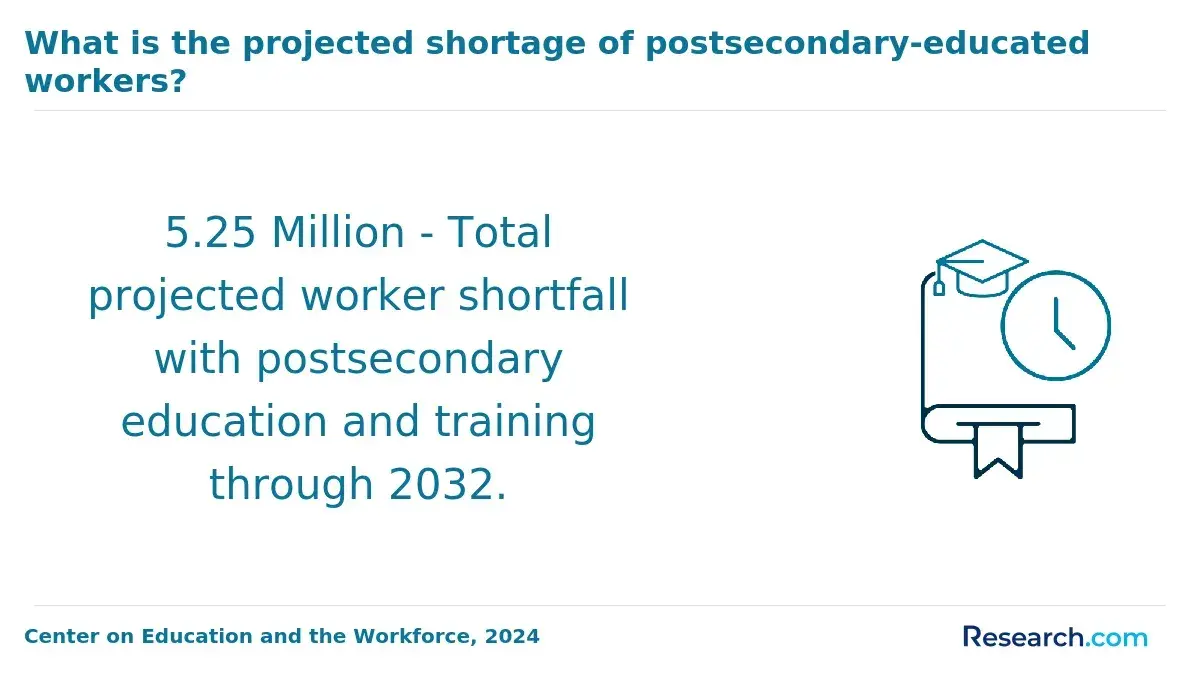
Industry data shows certified individuals can earn as much as 20% more than their uncertified counterparts, reflecting strong demand for credentials that verify practical expertise. For entertainment business graduates, the best certifications usually support project leadership, marketing analytics, negotiation, or industry-specific business knowledge.
- Certified Entertainment Professional (CEP): This credential is designed around entertainment business topics such as production finance, rights management, and marketing strategy. It can help candidates signal commitment to the field and familiarity with industry-specific business issues.
- Project Management Professional (PMP): PMP certification is widely recognized and can strengthen qualifications for production operations, event management, studio coordination, and other roles involving budgets, timelines, teams, and deliverables.
- Google Analytics Individual Qualification (GAIQ): Digital marketing and audience measurement are central to modern entertainment. This certification helps demonstrate the ability to analyze audience behavior, measure campaigns, and use data to improve engagement.
- Certified Professional Marketer (CPM): Provided by the American Marketing Association, CPM can support professionals pursuing marketing strategy, brand management, promotion, and campaign leadership roles in entertainment settings.
- Negotiation and Conflict Resolution: Negotiation-focused certifications can be valuable for talent representation, partnerships, sponsorships, vendor agreements, and production problem-solving, where relationship management and deal structure both matter.
Before paying for any certification, compare the cost, time commitment, employer recognition, and connection to your target job. A credential is most valuable when it helps you do the work better, not when it simply adds another line to a resume.
Can Experience Replace a Graduate Degree for Career Growth?
In many entertainment business roles, experience can substitute for graduate education because employers often care most about what you have handled, who trusts you, and what results you have delivered. A bachelor’s degree may get you into the field, but repeatable performance is what often drives promotion.
Experience is especially powerful in talent management, live events, production coordination, digital media, marketing, distribution, and business development. These areas reward professionals who can manage real deadlines, communicate with stakeholders, solve problems quickly, and build a reputation for reliability.
Experience also creates assets a classroom may not provide: a portfolio of completed projects, references from industry professionals, knowledge of production realities, and a stronger sense of which parts of the industry fit your strengths.
However, experience does not remove every barrier. Some senior management, corporate strategy, finance, teaching, or specialized legal-adjacent roles may favor or require advanced credentials. Specialized areas such as entertainment law or finance often expect formal qualifications alongside experience.
The strongest approach for many graduates is not “degree or experience,” but “degree plus focused experience.” Internships, assistant roles, freelance projects, union or guild exposure where relevant, certifications, and measurable achievements can create a career path that makes graduate school optional rather than automatic.
What Are the Downsides of Not Pursuing a Graduate Degree?
Skipping graduate school can improve ROI by reducing tuition costs and allowing earlier full-time earnings, but it also has trade-offs. The risk is not that entertainment business graduates cannot succeed without a master’s degree; many can. The risk is that certain doors may open more slowly or require a stronger record of experience to offset the missing credential.
According to data from the U.S. Bureau of Labor Statistics, individuals with a master's degree earn about 20% more on average than those holding only a bachelor's degree. That does not mean every entertainment business graduate should enroll immediately, but it does mean the decision should be based on career goals, expected debt, and the roles being targeted.
- Slower Advancement: Some leadership, corporate strategy, and senior management tracks may prefer candidates with advanced degrees. Without one, graduates may need more years of results, internal promotions, or industry connections to reach the same level.
- Limited Specialized Knowledge: Graduate programs can provide deeper training in areas such as intellectual property, international entertainment markets, corporate finance, analytics, or executive leadership. Bachelor’s graduates may need to build that knowledge through work, certifications, mentors, or self-directed study.
- Competitive Hiring Disadvantages: In applicant pools with many qualified candidates, employers may use a graduate degree as a screening factor. This can be more common in large companies, highly structured leadership programs, or roles that combine creative industries with advanced business analysis.
- Narrower Networking Scope: Graduate programs can provide access to alumni, faculty, guest speakers, and industry events. Graduates who do not attend must be more intentional about building their own network through internships, professional associations, events, and informational interviews.
- Credential-Specific Barriers: Some fields outside entertainment business depend more heavily on formal credentials. For example, students comparing alternative technology pathways can review affordable online cybersecurity degrees to see how education requirements differ across industries.
How Can You Maximize ROI With a Entertainment Business Degree?
Maximizing ROI with an entertainment business degree means controlling education costs, entering the workforce strategically, and building skills that lead to better-paying roles. ROI is not only about the first job after graduation; it is about how quickly the degree helps you reach sustainable earnings, advancement, and career fit.
Return on investment (ROI) in education assesses how cost and time invested in earning a degree translate into career earnings and satisfaction over time. For entertainment business bachelor's degree holders, a median lifetime earnings premium near $1 million compared to high school graduates highlights the value of strategic career planning.
- Specialize in High-Demand Areas: Focus on areas such as digital media management, entertainment marketing, production finance, content distribution, or talent operations. Specialization helps you compete for roles where employers need practical business knowledge, not just general interest in entertainment.
- Gain Practical Experience: Internships, cooperative education, campus productions, local events, freelance work, and assistant roles can all build experience before graduation. Early exposure also helps you identify whether you prefer creative operations, marketing, analytics, client management, or production logistics.
- Develop a Strong Network: Build relationships with classmates, alumni, faculty, supervisors, event organizers, creators, and working professionals. Networking works best when paired with reliability: follow through, meet deadlines, and make it easy for people to recommend you.
- Pursue Strategic Industry Sectors: Target sectors with stronger business models, such as film distribution, talent management, digital content platforms, sports marketing, live events, or entertainment advertising. The sector you choose can affect both starting pay and promotion speed.
- Enhance Transferable Skills: Keep improving project management, negotiation, budgeting, data analysis, writing, presentation, and client communication. These skills protect your ROI because they transfer across entertainment, media, sports, events, advertising, and broader business roles.
- Control Degree Costs: Lower tuition and debt can improve ROI even before salary increases. Students comparing cost-conscious business pathways may also want to review the cheapest business administration degree online options as a benchmark for affordability.
Prospective students should compare expected tuition, internship access, location, alumni outcomes, and employer connections before enrolling. Students considering related people-centered careers can also explore a short online MFT program to understand how graduate-level requirements differ in other fields.
When Is Graduate School Worth It for Entertainment Business Careers?
Graduate school is worth considering when it clearly supports a specific career move that a bachelor’s degree and experience are unlikely to provide on their own. It is less compelling when the goal is simply to “stand out” without a defined role, salary target, employer requirement, or plan for managing cost.
According to U.S. Bureau of Labor Statistics data, professionals holding master's degrees often earn about 20% more over their careers than those with only bachelor's degrees. That figure can help frame the decision, but students should compare it with tuition, lost wages, debt, and the actual credential expectations in their target segment of entertainment business.
Graduate education may make sense for careers involving executive management, corporate strategy, advanced finance, analytics, entertainment law-related work, or roles where an MBA or specialized master’s degree is common among senior leaders. It can also be valuable for professionals who already have industry experience and want to pivot into leadership or a more technical business function.
It may be less urgent for graduates pursuing talent coordination, production operations, marketing execution, booking, content coordination, or early business development roles. In those paths, practical experience, contacts, and a record of results often matter sooner.
Students exploring adjacent technical routes can also compare the value of an accelerated computer science degree online if they want to combine entertainment business with software, streaming platforms, analytics, product management, or digital media technology.
What Graduates Say About Entertainment Business Degree Careers That Offer the Best Return Without Graduate School
- Dante: "Choosing not to pursue graduate school after earning my entertainment business degree was one of the best decisions I made. Instead, I focused on building a network and gaining practical experience through internships and entry-level positions. This hands-on approach allowed me to climb the industry ladder faster than I expected."
- Collin: "Reflecting on my journey, I realized that maximizing the value of my entertainment business degree came from continuously updating my skills in digital marketing and understanding contract law. Skipping graduate school gave me more time to apply these skills directly in the field, which has been crucial for my advancement. My degree really opened doors but it was my ongoing dedication that sustained my career growth."
- Dylan: "After graduating, I was initially uncertain about not attending graduate school, but my entertainment business degree provided a solid foundation to jump right into the industry. I leveraged the business acumen and entertainment-specific insights learned during undergrad to negotiate deals and manage projects professionally. This degree definitely set me apart in the job market and allowed me to grow without extra academic credentials."
Other Things You Should Know About Entertainment Business Degrees
Networking is crucial for entertainment business graduates without advanced degrees in 2027. It connects individuals to industry insiders, leads to job opportunities, and fosters professional growth. Building a strong network can significantly enhance career prospects in the entertainment business by opening doors to roles that aren't widely advertised.
Graduates without graduate degrees often find opportunities in talent agencies, production companies, marketing firms, and music labels. Media companies and event management firms also frequently hire bachelor's degree holders for roles involving business development, project coordination, and operations. These companies value practical skills and industry knowledge over advanced academic credentials.
Yes, internships and hands-on experience are often essential to demonstrating relevant skills and gaining industry insight. Many employers prioritize candidates with practical experience, as it reduces training time and shows familiarity with the entertainment market. Completing internships during undergraduate studies can improve employability and salary potential.
Location plays a significant role, as entertainment business jobs cluster in major hubs like Los Angeles, New York, and Nashville. These cities offer greater access to industry networks, internships, and employment opportunities. Graduates in smaller markets may face fewer options and lower salaries but can build experience before relocating to larger centers.
References
- 18 Best High-Income Skills in 2025 and How to Improve Them https://www.mpeslearning.com/blog/high-income-skills
- What creative careers can you do with a Business degree? | University for the Creative Arts https://www.uca.ac.uk/blogs/careers-with-a-business-degree/
- Obtaining a Business Degree to Work in the Entertainment Industry https://www.wibosu.com/post/obtaining-a-business-degree-to-work-in-the-entertainment-industry
- Five Reasons a Master’s in Sport & Entertainment Management is Well Worth the Effort https://blog.trevecca.edu/thehill/five-reasons-a-masters-in-sport-entertainment-management-is-well-worth-the-effort
- Top 15 entertainment industry jobs & who's hiring https://joinhandshake.com/blog/students/top-entertainment-jobs/
- 9 High Income Skills (No Degree Necessary!) https://www.onlinecoursesaustralia.edu.au/online-education-blog/high-income-skills-no-degree-necessary/
- 4 Exciting Careers That Benefit From A Business Degree https://www.bizcatalyst360.com/4-exciting-careers-that-benefit-from-a-business-degree/
- Thinking About a Business Degree? Try an Entertainment Business Degree... – The Los Angeles Film School https://www.lafilm.edu/blog/thinking-about-a-business-degree-try-an-entertainment-business-degree/
- 5 High-Paying Entry-Level Careers in Entertainment https://vault.com/blogs/salary-and-benefits/5-high-paying-entry-level-careers-in-entertainment
- MBA vs. Work Experience: Which is the Better Choice? https://shardaonline.ac.in/blogs/mba-vs-work-experience-which-is-the-better-choice


