
2027 Best States for Entertainment Business Degree Graduates: Salary, Demand, and Career Opportunity

Co-Founder and Chief Data Scientist
Choosing where to build an entertainment business career is a financial and professional decision, not just a lifestyle choice. The strongest states for graduates are not always the ones with the biggest entertainment brands. A high salary in Los Angeles or New York can lose value quickly when housing, taxes, commuting, and industry competition are factored in, while a lower-paying offer in Texas, Georgia, or Florida may provide stronger take-home value and faster access to responsibility.
This guide compares U.S. states for entertainment business degree graduates using the factors that matter most after graduation: salary potential, job demand, cost of living, tax environment, industry mix, licensing considerations, employer type, remote-work access, and long-term career infrastructure. It is designed for recent graduates, working adults, career changers, and professionals deciding whether relocation is worth the trade-off.
Key Things to Know About the Best States for Entertainment Business Degree Graduates
- California, New York, and Texas offer the highest average salaries for entertainment business graduates-exceeding $70,000 annually-adjusted for cost of living and state income tax variations.
- States like Georgia and Florida show rapidly growing job demand, fueled by expanding film and streaming industries and favorable tax incentives for production companies.
- Networking ecosystems and diverse media hubs in Illinois, Nevada, and Washington enhance career opportunities, with increasing remote work options broadening access beyond traditional markets.
Which States Offer the Highest-Paying Jobs for Entertainment Business Degree Graduates?
The highest-paying states for entertainment business graduates tend to be places where media companies, studios, agencies, event producers, streaming platforms, and creative technology firms are concentrated. Bureau of Labor Statistics (BLS) Occupational Employment and Wage Statistics data helps show where pay is strongest, but salary should be read alongside cost of living, taxes, and access to entry-level roles.
- California: California offers some of the strongest compensation because of its concentration of studios, production companies, talent agencies, music businesses, gaming firms, and digital media employers. Hollywood and Los Angeles remain major advantages for networking and specialization. The trade-off is steep housing cost, heavy competition, and a high barrier to breaking into desirable roles.
- New York: New York is a leading market for television, publishing, advertising, theater, live events, and brand partnerships. Salaries are often high because employers need business talent who can manage complex media, entertainment, and audience-development operations. Graduates should compare offers carefully against rent, commuting expenses, and the cost of professional networking in the city.
- Washington: Washington benefits from the overlap between technology and entertainment, especially around streaming, gaming, digital content, and platform-based media businesses in the Seattle area. Graduates with analytics, marketing, licensing, or digital distribution skills may find strong pay outside the traditional film-and-TV hubs.
- Massachusetts: Massachusetts offers above-average opportunities through media technology, higher education, arts organizations, and innovation-driven employers. It may be especially attractive for graduates interested in business strategy, research-backed media ventures, or creative technology rather than traditional studio roles.
- Texas: Texas is increasingly competitive because of its film, music, events, advertising, gaming, and creator-economy activity in cities such as Austin, Dallas, and Houston. Pay may be lower than in the highest-cost coastal markets, but purchasing power can be stronger because of lower living costs and no state income tax.
- Florida: Florida’s entertainment economy is shaped by tourism, theme parks, live events, hospitality entertainment, production, and digital marketing. The lack of state income tax can improve take-home pay, though graduates should account for local housing pressures in Orlando, Miami, and other growing metros.
- Georgia: Georgia has become a major entertainment business market because of film and television production activity supported by tax incentives. Atlanta’s creative ecosystem gives graduates access to production management, marketing, operations, and vendor-side roles, often with a more affordable lifestyle than coastal hubs.
For salary-focused graduates, the best strategy is to compare three numbers before relocating: the advertised salary, estimated take-home pay after taxes, and monthly fixed costs such as rent, transportation, insurance, and student loan payments. A higher salary is valuable only if it improves both career mobility and financial stability. Working adults who want to add graduate-level business or management credentials may also consider 1 year masters programs that fit around employment while strengthening marketability in competitive entertainment hubs.
Where Is Demand for Entertainment Business Graduates Growing the Fastest in the United States?
Demand is growing fastest in states where entertainment is connected to population growth, tourism, production incentives, technology, and expanding local media ecosystems. Graduates should distinguish between long-term demand and short-term hiring spikes. A wave of production jobs can create momentum, but sustainable opportunity usually comes from a broader mix of employers.
- Florida: Florida has strong structural demand because entertainment is tied to tourism, theme parks, live events, hospitality, multimedia production, and digital marketing. Orlando and Miami are important markets for graduates who want roles in event operations, brand partnerships, audience engagement, and entertainment-based customer experience.
- Texas: Texas is expanding through Austin’s music, film, events, gaming, startup, and digital media economy, while Dallas and Houston add corporate entertainment, sports, advertising, and live-event opportunities. The state’s population growth and lower cost structure can attract both employers and creative workers.
- Georgia: Georgia’s growth is supported by film and television activity, production infrastructure, and Atlanta’s broader creative economy. The state can be attractive for graduates who want production coordination, business affairs support, marketing, location services, vendor management, or entertainment operations roles.
- California: California is already mature, but demand remains high because it is still one of the most important global entertainment markets. Growth can fluctuate with project financing, streaming strategy, labor conditions, and production cycles, so graduates should expect competition even when job counts are strong.
- Washington: Washington’s demand is linked to streaming, gaming, software, digital content, music, and media technology. Graduates who combine entertainment business knowledge with data, product marketing, licensing, or platform strategy may find stronger opportunities than those relying only on traditional production interests.
The best growth states are not identical for every graduate. Florida and Georgia may offer expanding entertainment ecosystems with practical entry points, while California and New York may provide unmatched prestige and connections but require more persistence. Texas and Washington can be especially useful for graduates interested in the intersection of entertainment, technology, and business operations.
Before moving, review the kinds of openings that are actually appearing in your target city. Look for repeated demand in job titles, required software, contract versus full-time status, and whether employers are hiring recent graduates or mostly experienced candidates. Graduates comparing broader degree outcomes can also review best 4 year degrees data to understand how entertainment business compares with other high-return academic paths.
How Do Cost-of-Living Differences Affect the Real Value of a Entertainment Business Salary Across States?
Cost of living can change the practical value of an entertainment business salary more than the headline pay figure. Rent, transportation, taxes, insurance, food, and commuting time all affect whether a job offer creates real financial progress. Tools such as the Council for Community and Economic Research (C2ER) Cost of Living Index and the MIT Living Wage Calculator can help graduates compare offers more realistically.
- California versus Texas: Entry-level entertainment business salaries in California typically hover around $65,000, especially in major industry areas such as Los Angeles. However, California’s cost of living, particularly housing, is about 50% higher than the national average. Texas may offer a lower median salary near $50,000, but living costs are 10-15% below the national average, and Texas has no state income tax. For some graduates, the Texas offer may leave more room for savings, debt repayment, and quality of life.
- New York versus Tennessee: A similar role in New York City may pay $70,000 or more, but living expenses can nearly double the national average. Tennessee’s median wages are closer to $45,000, yet the state has living costs 15-20% below average and no state income tax. The lower salary may still support a more manageable monthly budget.
- Taxes and deductions: State income tax, city taxes, payroll deductions, health insurance premiums, and retirement contributions affect take-home pay. Graduates should calculate net income rather than relying on gross salary.
- Housing and commuting: Housing is often the biggest difference between states. A job that requires living close to a studio, venue, agency, or production office may be less affordable than one that allows hybrid work from a lower-cost suburb.
- Career access: Some expensive cities may still be worth it early in a career because they provide dense networking, internships, portfolio-building opportunities, and access to employers that do not recruit heavily elsewhere.
A useful relocation test is to build a one-page budget for each state: monthly take-home pay, rent, utilities, transportation, insurance, food, debt payments, savings, and expected networking costs. If a higher-paying market leaves little room for savings or professional development, the salary premium may not be as strong as it appears.
One graduate with an entertainment business degree described being “shocked at how much of my paycheck just vanished in certain cities.” The lesson was straightforward: run real cost comparisons before accepting an offer, because high rent and tax burdens can make a lower-paying but more affordable location the stronger long-term choice.
Which States Have the Most Job Openings for Entertainment Business Graduates Right Now?
The states with the most entertainment business job openings are usually those with large and diversified entertainment economies. Openings are most valuable when they cover multiple career levels and functions, not only short-term production work or seasonal event roles.
- California: California has the broadest range of postings because of its concentration of film, television, music, gaming, digital media, advertising, talent representation, and production services. Graduates may find entry-level assistant roles, coordinator positions, marketing jobs, business affairs support roles, and operations jobs. The advantage is depth; the challenge is intense competition.
- New York: New York’s openings span theater, television, publishing, advertising, live events, media management, brand partnerships, and production administration. The market is strong for graduates who can work across creative and commercial functions, especially in communication-heavy roles.
- Florida: Florida’s openings are heavily connected to theme parks, tourism, live events, hospitality entertainment, media production, and digital marketing. Some opportunities are seasonal or tied to travel cycles, so candidates should ask whether a role is year-round, contract-based, or project-based.
- Georgia: Georgia offers opportunities linked to film and television production, post-production vendors, local creative agencies, marketing firms, and Atlanta’s entertainment ecosystem. Graduates should look beyond on-set production roles and consider business operations, logistics, finance support, and vendor coordination.
- Texas: Texas provides a growing mix of music, film, sports, live events, creator-economy, advertising, and digital media roles. Austin is especially visible, but Dallas and Houston can offer corporate and event-driven entertainment business opportunities as well.
Job volume alone does not prove a state is the best choice. Graduates should evaluate whether openings match their experience level, whether the work is full-time or contract-based, how often employers repost the same roles, and whether the state has enough employers to support a second or third career move.
Professionals considering management or leadership advancement may also compare graduate options such as an online doctorate organizational leadership when their goal is to move beyond entry-level entertainment business roles into organizational strategy, administration, or executive leadership.
What Industries Drive Entertainment Business Employment in the Top-Ranked States?
Entertainment business employment is not one industry. It includes production, live events, media sales, streaming, tourism, advertising, talent services, venue operations, and creative technology. The best state for a graduate depends on which part of the industry matches their skills and career goals.
- Film and television production: California, New York, and Georgia are especially important for production-related business roles. These can include production coordination, budgeting support, scheduling, distribution, business affairs assistance, location services, and vendor management. The work can be cyclical, so strong networks and transferable operations skills matter.
- Live performing arts and events: Illinois, Texas, New York, Florida, and other states with strong cultural scenes support jobs in venue management, ticketing, touring, sponsorship, event marketing, and artist services. This sector can offer steady demand, but schedules may include nights, weekends, and peak-season intensity.
- Digital media and streaming services: Washington, California, Georgia, and New York support roles in content strategy, digital distribution, audience analytics, licensing, marketing, and platform partnerships. Graduates with data, social media, customer acquisition, and project management skills may be more competitive.
- Tourism and hospitality entertainment: Florida and Nevada are major markets for theme parks, resorts, casinos, attractions, and experience-based entertainment. These roles can provide stable employer structures and clear operations pathways, though advancement may require broader business or management skills.
- Media sales and advertising: Advertising, sponsorship, and media sales exist in nearly every top state. Pay may include commissions or performance-based incentives, making communication, client management, and revenue development skills especially important.
Graduates should use industry mix as a relocation filter. A student interested in streaming strategy may get more value from Washington or California, while someone interested in live entertainment operations may prefer Texas, Florida, New York, or Illinois. A production-focused graduate may prioritize California or Georgia, but should still compare stability, contract frequency, and cost of living.
One entertainment business graduate said her relocation decision became clearer once she stopped asking “Which state is best?” and started asking “Which state has the industry I actually want to work in?” That shift helped her build a portfolio in digital media, identify the right employers, and avoid chasing openings that did not fit her long-term goals.
How Do State-Level Licensing and Certification Requirements Affect Entertainment Business Career Opportunities?
Most entertainment business graduates do not need one universal professional license to work in the field. Requirements vary by role, state, and activity. Talent representation, employment agency work, production incentives, public events, venue operations, alcohol service, union-covered work, and tax-credit administration may involve specific rules. Graduates should check requirements before accepting a job that depends on regulated activity.
- California: California’s entertainment sector includes role-specific rules for areas such as talent management, agency work, production coordination, permits, events, and labor compliance. A general entertainment business license is not required for every graduate, but permits and compliance steps can affect how quickly someone can work on certain projects.
- New York: New York regulates agents and talent representatives through the New York Department of State, including background checks and bonding. These requirements can slow initial entry but may also improve professional credibility. Reciprocity can be limited, so professionals moving from another state may need to complete New York’s process separately.
- Georgia: Georgia is often viewed as a more streamlined environment for many production-related business roles. Voluntary certifications through industry organizations can still help graduates show competence, especially when competing for coordinator, operations, or production-administration positions.
- Louisiana: Louisiana requires continuing education for professionals involved with tax credits and production incentives. Annual reporting and credential maintenance can create administrative obligations, but they may also improve access to state-supported projects and higher-value production work.
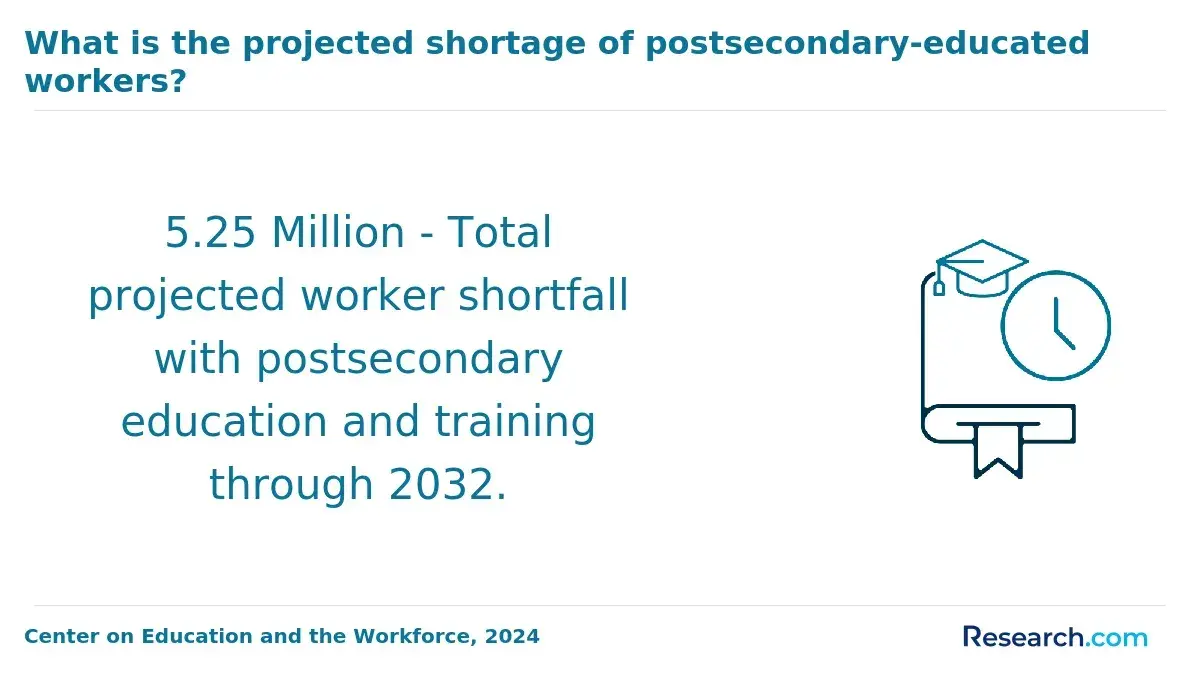
Licensing and certification can influence career access in three ways: they may determine whether a graduate can legally perform certain duties, they may make a candidate more credible to employers, and they may affect eligibility for projects tied to state incentives. According to the Bureau of Labor Statistics, media and communication occupations are projected to grow 7% nationwide from 2022 to 2032, which makes verified skills and compliance knowledge useful in competitive markets.
Before relocating, graduates should review state agency guidance, employer job descriptions, union or guild expectations where relevant, and local permitting rules for events or production work. The safest approach is to confirm requirements directly with state authorities or employers rather than relying on informal advice.
Which States Offer the Best Work-Life Balance and Quality of Life for Entertainment Business Professionals?
Work-life balance in entertainment business depends on more than average salary. Hours can be irregular, deadlines can be tied to productions or events, and networking often happens outside normal work time. The best states for quality of life are those where career opportunity, commuting, healthcare access, leave policies, housing, and cultural fit align.
- California: California provides unmatched access to entertainment employers, collaborators, and professional events. The downside is that Los Angeles commutes average over 30 minutes one-way, and high housing costs can increase stress. State-paid family leave policies are a benefit, but the market’s competitiveness can contribute to burnout.
- Washington: Washington can offer a strong balance for professionals in digital media, gaming, streaming, and creative technology. Paid sick leave laws, healthcare access, remote-work adoption, and Seattle’s arts scene can make it attractive for mid-career professionals who want both opportunity and livability.
- Colorado: Colorado appeals to graduates who value outdoor recreation, wellness, and flexible work. Entertainment business opportunities may be narrower than in California or New York, but lower stress, lifestyle amenities, and flexible scheduling can matter for professionals who do not need to be in a legacy entertainment hub.
- New York: New York offers exceptional cultural access, networking, theater, media, advertising, and live-event opportunities. It also brings long commutes, high rent, and intense work demands. Graduates choosing New York should be clear about whether the career upside justifies the lifestyle cost.
Quality of life is personal. A graduate who wants rapid advancement in film finance may accept long hours in California or New York. Another who values savings, remote work, and lower daily stress may prefer Texas, Florida, Washington, Colorado, or Georgia. The best choice is the state where the job market supports both employability and a sustainable routine.
How Do Urban Versus Rural Job Markets Differ for Entertainment Business Degree Graduates Within the Same State?
Urban entertainment business markets usually offer more jobs, higher specialization, stronger networking, and better access to employers. Rural and smaller-city markets may offer lower costs, broader responsibilities, and less competition, but fewer openings. Graduates should compare city-level markets rather than relying only on statewide averages.
- Job availability: Major metros such as Los Angeles, New York City, Atlanta, Austin, Nashville, Orlando, and Seattle usually have more employers, agencies, venues, studios, and media companies. Rural areas may have opportunities through community theaters, local media, festivals, tourism, small venues, or regional event firms.
- Salary levels: Urban salaries tend to be higher because employers need specialized talent and compete in larger labor markets. However, higher rent and commuting costs can reduce the advantage. Rural or smaller-city salaries may be lower but can provide better purchasing power.
- Career growth: Large cities support specialization in areas such as talent representation, digital distribution, live-event sponsorship, streaming analytics, and production finance. Smaller markets often require generalists who can manage marketing, operations, budgets, partnerships, and audience engagement.
- Networking: Urban markets provide more professional associations, showcases, panels, festivals, hiring events, and informal industry gatherings. In smaller markets, relationships may be easier to build but less numerous.
- Viable non-urban markets: Georgia and Texas show that entertainment business opportunity does not exist only in the largest coastal cities. Atlanta is a major hub, while Texas offers activity across Austin and other metros. Smaller arts communities and college towns can also provide meaningful entry points.
- Remote and hybrid work: Remote-friendly roles in marketing, social media, digital production coordination, analytics, sponsorship support, and content operations are narrowing the urban-rural divide. Graduates may be able to work for a metro-based employer while living in a lower-cost area, though early-career networking may still be easier in person.
The key question is whether a location offers enough opportunity for your next two moves, not only your first job. Graduates who want to strengthen business credentials while remaining geographically flexible may compare accelerated MBA programs as one way to compete for management-oriented roles across both urban and smaller markets.
What Role Do Public and Private Sector Employers Play in Shaping Entertainment Business Career Prospects by State?
Public and private employers shape entertainment business careers in different ways. Public-sector roles often provide stability, benefits, and structured advancement. Private-sector roles may offer faster growth, higher upside, stronger industry exposure, and more variable workloads. The right choice depends on whether a graduate values security, speed, mission, income potential, or creative risk.
- Public sector stability: Public universities, local governments, arts councils, public media organizations, cultural agencies, tourism authorities, and publicly funded venues can offer steady employment. These roles may include stronger benefits, clearer pay structures, and less exposure to project-by-project volatility.
- Private sector dynamism: Studios, agencies, production companies, streaming firms, event companies, advertising agencies, talent businesses, record labels, and sports-entertainment employers can provide faster advancement and broader industry access. The trade-off may be longer hours, contract work, commission-based compensation, or higher turnover.
- State differences: California, Texas, and Virginia may offer notable public-sector or institution-linked opportunities through government agencies, universities, public venues, and military-adjacent entertainment or media work. New York, Georgia, and Florida often provide more private-sector activity through media companies, production firms, tourism entertainment, and live events.
- Compensation models: Public-sector jobs usually emphasize predictable pay, benefits, and longevity. Private-sector roles may offer bonuses, commissions, rapid title growth, and stronger earning upside, but income can vary by project, employer, and market cycle.
- Career culture: Public employers may value compliance, community access, education, and long-term programming. Private employers often prioritize revenue, audience growth, brand partnerships, speed, and competitive positioning.
Graduates should evaluate employer type as carefully as state. A public university arts administration role in one state may provide better stability than an entry-level private production job in a famous market. Conversely, a private agency or media firm may offer the network and portfolio needed for rapid advancement. Those considering adjacent creative or helping-profession pathways can also review best art therapy masters programs when comparing interdisciplinary options.
How Does Each State's Investment in Education and Research Affect Long-Term Entertainment Business Career Growth?
States with strong higher education, applied research, workforce development, and university-industry partnerships can give entertainment business graduates a long-term advantage. These systems support internships, alumni networks, incubators, continuing education, entrepreneurship, and access to emerging fields such as streaming analytics, immersive media, gaming, and digital distribution.
- California: California benefits from institutions such as UCLA and UC Berkeley, along with strong connections to Hollywood, Silicon Valley, gaming, music, and digital media. Public and private funding supports training and innovation tied to creative fields.
- New York: Columbia University and NYU contribute to research, media education, arts entrepreneurship, theater, journalism, entertainment law, and business development. Partnerships with studios, Broadway organizations, media companies, and cultural institutions can improve access to internships and professional networks.
- Texas: UT Austin supports entrepreneurship, media, music, business, and workforce development aligned with a growing entertainment economy. Austin’s innovation districts and creative startup activity can help graduates combine business training with emerging media opportunities.
- Massachusetts: MIT and Harvard strengthen the state’s research and innovation environment, including applied technology, commercialization, media systems, and creative-business experimentation. Graduates interested in entertainment technology or strategy may benefit from this infrastructure.
Education infrastructure matters because entertainment business changes quickly. Graduates who remain close to universities, incubators, certificate programs, professional workshops, and employer partnerships are better positioned to adapt as business models shift. Students comparing lower-cost business education options before entering entertainment-related management paths may also review online colleges for business degree programs as part of their planning.
Which States Are Best for Entertainment Business Graduates Seeking Remote or Hybrid Work Opportunities?
Remote and hybrid work has expanded entertainment business options, especially in digital marketing, content operations, audience analytics, licensing support, social media, sponsorship sales, virtual events, and project coordination. Still, not every role can be remote. Production, venue operations, artist relations, live events, and on-site management often require physical presence.
- California: California remains one of the strongest states for remote and hybrid entertainment business roles because many studios, platforms, agencies, and production companies now coordinate work across distributed teams. Graduates may be able to live outside the most expensive urban areas while staying connected to Los Angeles or Bay Area employers.
- Texas: Texas combines expanding entertainment, media, music, and startup activity with favorable tax policies and relatively affordable living. Austin is especially relevant for hybrid roles involving creative technology, marketing, and media operations.
- Georgia: Georgia’s film and television growth, especially around Atlanta, supports hybrid administrative, marketing, production-support, and vendor-coordination roles. Cost-of-living advantages can make flexible work more financially attractive.
- Washington: Washington is strong for remote-friendly roles connected to gaming, streaming, digital content, analytics, and platform-based entertainment. Living costs can be higher in the Seattle area, so graduates should compare salary location policies carefully.
- Florida: Florida supports remote and hybrid work in digital marketing, event planning, hospitality entertainment, tourism promotion, and audience engagement. No state income tax can improve take-home pay for graduates who secure flexible roles.
When evaluating a remote or hybrid offer, ask whether pay is based on company headquarters, employee location, or a national salary band. Also clarify travel expectations, equipment support, overtime norms, promotion pathways, and whether remote employees receive the same access to mentors and high-visibility projects. The strongest remote strategy is to build measurable skills that employers can evaluate across locations, such as revenue growth, audience analytics, campaign performance, vendor management, and project delivery.
What Graduates Say About the Best States for Entertainment Business Degree Graduates
- Dante: "Choosing California as the best state for entertainment business graduates was a game-changer for me because of its unmatched salary potential. Professionals here often have access to some of the highest-paying opportunities in the industry, and demand for new talent is constant because of the concentration of media hubs and production companies. For anyone who wants to build a network quickly, California stands out."
- Collin: "New York gave me a different kind of advantage. The media landscape is diverse, and there is steady demand for people who understand both the creative and business sides of entertainment. Salaries may not always feel as strong once living costs are included, but the connections and career growth can be valuable over the long term."
- Dylan: "Texas surprised me as a rising market for entertainment business graduates. The industry is growing, salaries are becoming more competitive, and opportunities are expanding beyond the traditional hubs. For me, it offered a better balance of career access, affordability, and lifestyle."
Other Things You Should Know About Entertainment Business Degrees
The best states for Entertainment Business graduates in 2027, considering salary, demand, and career opportunity, include California, New York, and Georgia. These states boast thriving entertainment industries, high demand for skilled graduates, and excellent opportunities for career advancement and competitive salaries.
States with thriving entertainment sectors-California, New York, and Georgia-typically present more leadership opportunities due to the volume and diversity of companies. Established industry clusters provide clearer advancement tracks, including managerial roles in production, marketing, and distribution. States investing in expanding entertainment infrastructure are also improving career ladders, making them attractive for graduates aiming at leadership positions.
Graduates should balance salary levels, job demand, and lifestyle factors to find a state that supports both professional growth and personal well-being. Higher salaries might coincide with a higher cost of living or competitive job markets, while states with strong demand but lower salaries may offer affordable living and better work-life balance. Evaluating cost of living, proximity to industry centers, and state quality-of-life metrics ensures a more sustainable and rewarding career choice.
References
- Behind the Curtain: The Business of Entertainment – The Los Angeles Film School https://www.lafilm.edu/blog/behind-the-curtain-the-business-of-entertainment/
- The Great Divide: Why Urban and Rural Workers See the Future So Differently - Indeed Hiring Lab https://www.hiringlab.org/2026/01/06/why-urban-and-rural-workers-see-the-future-so-differently/
- Importance of Cost of Living | Goldwater Institute https://www.goldwaterinstitute.org/cost-of-living/
- What impact do geographic location and cost of living have on salary disparities across different industries? Consider referencing studies from the Bureau of Labor Statistics and regional economic reports, including URLs from reputable financial and economic institutions. https://blogs.psico-smart.com/blog-what-impact-do-geographic-location-and-cost-of-living-have-on-salary-d-190833
- Music Licensing for Producers: Navigating the Business | RMCAD https://www.rmcad.edu/blog/music-licensing-for-producers-navigating-the-business/
- U.S. Cities With the Best Work-Life Balance, According to LinkedIn — Deputy https://www.deputy.com/blog/u-s-cities-with-the-best-work-life-balance
- The Career Impact of Earning Professional Licenses and Certifications https://yulys.com/blog/career-impact-of-earning-professional-licenses-and-certifications
- Industries with Largest Employment | Industry | CareerOneStop https://www.careeronestop.org/Toolkit/Industry/industries-largest-employment.aspx
- Entertainment Jobs https://www.entertainmentcareers.net/sbjobs/
- The Best U.S. States for Hybrid Workers https://remotepeople.com/best-us-states-for-hybrid-workers/


