
2027 Worst States for Entertainment Business Degree Graduates: Lower Pay, Weaker Demand, and Career Barriers

Co-Founder and Chief Data Scientist
Choosing where to start an entertainment business career can matter as much as the degree itself. Graduates who want roles in talent representation, production coordination, venue management, music business, event operations, or entertainment marketing often need access to employers, internships, professional networks, and a steady flow of projects. In states with a small entertainment economy, those ingredients can be hard to find.
This guide looks at the states that may be hardest for Entertainment Business degree holders based on the factors that usually shape early career outcomes: salary levels, job availability, employer concentration, cost of living, remote-work access, and advancement potential. It is designed for recent graduates deciding whether to stay local, relocate, pursue remote roles, or build experience through adjacent business and media positions before moving into a stronger market.
The goal is not to label any state as impossible for entertainment careers. Instead, it explains where graduates may face more friction, why those barriers exist, and how to make a more informed location decision before accepting a job offer or investing in a move.
Key Things to Know About the Worst States for Entertainment Business Degree Graduates
- Entertainment business graduates in states like West Virginia earn up to 25% less annually compared to the national average, limiting financial incentives to stay or relocate.
- Weaker job demand in rural and less-populated states results in fewer entry-level positions, with some regions reporting 15% lower industry growth than the national median.
- Geographic barriers, including limited access to major media hubs, hinder networking and career advancement, restricting long-term opportunities in top-tier entertainment markets.
Which States Are the Worst for Entertainment Business Degree Graduates?
The worst states for Entertainment Business degree graduates are typically those with a small entertainment sector, few major employers, lower compensation, and limited entry-level hiring. In these markets, graduates may still find work, but the path is often less direct and may require remote roles, freelancing, relocation, or work in adjacent fields such as marketing, hospitality, tourism, nonprofit arts, or general business operations.
Wage differences across regions can reach up to 30%, which means location can strongly affect both income and career momentum. States with poor job demand for entertainment business graduates often combine low employer density with fewer internships, fewer industry events, and limited access to mentors or hiring managers.
The states most often affected by these conditions include:
- West Virginia: Median wages for entertainment professionals are among the lowest nationwide. A limited base of studios, agencies, production firms, and large-scale venues means fewer openings and slower advancement.
- Mississippi: The state has a smaller entertainment market and fewer major production centers, which can restrict job availability and keep salaries from rising quickly.
- Montana: Montana’s remote geography and modest population limit the size of its entertainment economy. Graduates may find opportunities in events or local arts organizations, but competitive entertainment business roles are less common.
- Arkansas: With fewer media and entertainment companies, graduates may face difficulty finding well-paying roles that directly match entertainment business coursework.
These states can still be viable for graduates with strong local ties, entrepreneurial plans, or remote-work opportunities. However, students who need structured internships, assistant-level openings, or fast access to industry contacts should compare local options carefully before committing to a long-term job search in these markets.
Graduates who want to strengthen their credentials without relocating immediately may also compare flexible programs, including online doctorate programs, although additional education should be weighed against cost, career goals, and whether the credential is actually valued in the target role.
Why Do Some States Offer Lower Salaries for Entertainment Business Graduates?
Some states offer lower salaries for Entertainment Business graduates because the local entertainment economy is smaller, employer competition is weaker, and budgets for creative-sector roles are more limited. Pay is not determined by the degree alone. It is also shaped by whether a state has film, television, music, live events, sports, tourism, advertising, digital media, and cultural institutions that regularly hire business-trained entertainment professionals.
According to the U.S. Bureau of Labor Statistics, wage differences in related creative and business services can reach up to 30% between the highest- and lowest-paying states. For graduates, that gap can affect whether an entry-level role is financially sustainable, especially when student loans, relocation costs, transportation, and housing are part of the decision.
Common reasons salaries are lower in weaker entertainment markets
- Fewer specialized employers: If there are not many agencies, venues, studios, distributors, production firms, or event companies, employers face less pressure to raise wages to attract talent.
- Smaller company budgets: Local businesses and small nonprofits may need entertainment business skills but may not have the payroll capacity of larger media and entertainment firms.
- Limited revenue streams: Markets without major productions, touring circuits, festivals, or entertainment tourism often generate fewer high-paying business roles.
- Less role specialization: In small markets, one employee may handle marketing, booking, partnerships, operations, and finance. The role may be broad but not compensated like a specialized position in a larger hub.
- Lower advancement pressure: When there are fewer competitors hiring from the same talent pool, employers may have less incentive to offer rapid raises or promotions.
Prospective students should be careful not to assume that a lower cost of living automatically makes a lower salary acceptable. The better question is whether the market offers enough future openings, contacts, and skill-building opportunities to justify starting there. Students comparing broader online education options, including the most affordable online counseling degrees, should apply the same logic: a program’s value depends partly on how well it connects to realistic career outcomes in the student’s intended location.
Which States Have the Weakest Job Demand for Entertainment Business Careers?
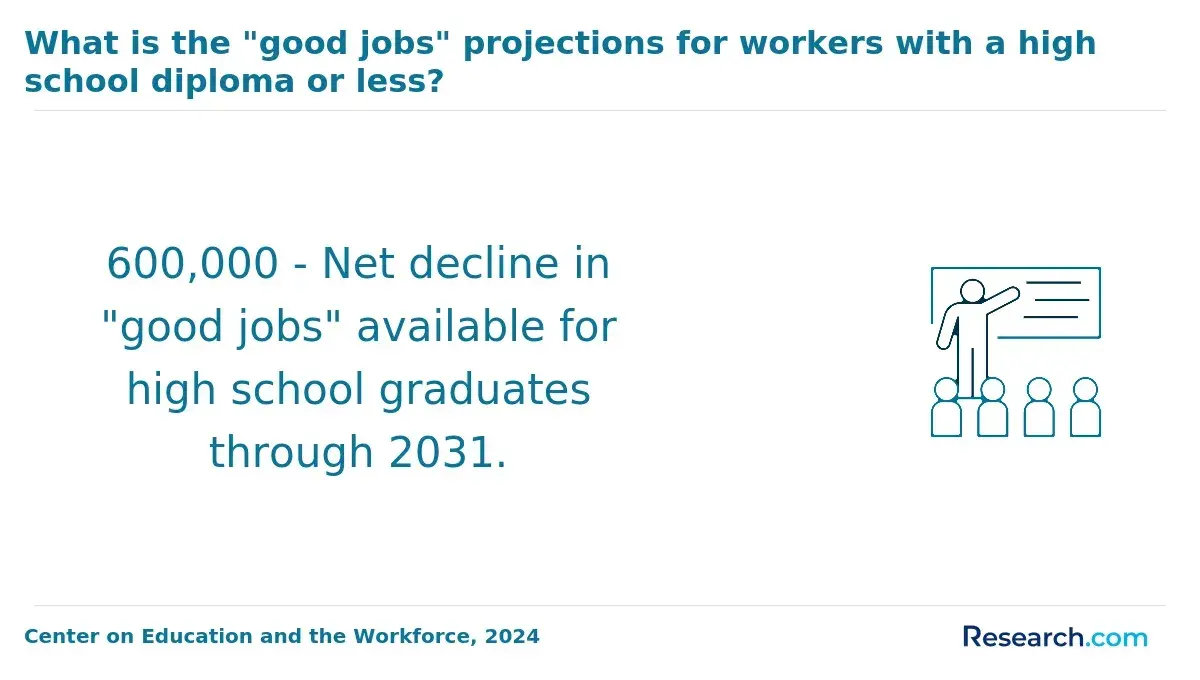
The states with the weakest job demand for entertainment business careers are generally those with small populations, limited metropolitan hubs, fewer entertainment employers, and less production or event infrastructure. In some regions, employment levels in arts, entertainment, and recreation roles can be as much as 60% below the national average, which directly reduces the number of relevant openings for graduates.
Weak demand does not mean there are no opportunities. It means graduates may need to compete for a small number of roles, accept positions outside their ideal specialty, build freelance experience, or target remote employers based in stronger markets.
- West Virginia: The state has fewer media outlets, large venues, production companies, and entertainment headquarters, reducing demand for production, management, marketing, and talent-support roles.
- Wyoming: Sparse population and minimal entertainment infrastructure lead to low demand for industry professionals, with opportunities often limited to small venues, tourism-related events, or local cultural organizations.
- Montana: Limited film and television activity means fewer positions built specifically for entertainment business graduates. Work may be concentrated in festivals, events, tourism, and community arts.
- North Dakota: Smaller urban centers and an economy focused more heavily on agriculture and energy than entertainment can limit openings in media, events, and arts administration.
- South Dakota: The entertainment industry remains less developed, with fewer companies specializing in media production, event coordination, artist management, or entertainment marketing.
How to evaluate demand before moving
Before relocating to any low-demand state, review job boards, employer websites, venue calendars, film office activity, local arts organizations, and LinkedIn hiring patterns. A state may have few traditional entertainment companies but still offer practical experience through universities, casinos, tourism boards, sports organizations, regional festivals, museums, or nonprofit arts groups.
An entertainment business graduate described the challenge of trying to enter the field after moving to one of these states. He spent months networking and applying for a limited number of jobs, often meeting employers who were unfamiliar with the specific skill set his degree offered. “It felt like trying to fit a puzzle piece into the wrong puzzle,” he said. His experience shows why graduates should research not only salary data but also whether local employers understand and value entertainment business training.
Which States Offer the Fewest Entry-Level Opportunities for Entertainment Business Graduates?
The states with the fewest entry-level opportunities are usually those without a deep base of entertainment employers. Entry-level roles are especially important in this field because many careers begin through internships, assistant positions, seasonal event work, venue operations, production office support, marketing coordination, or agency support roles. When those stepping-stone jobs are scarce, graduates may struggle to build the experience required for higher-level positions.
Certain areas have up to 40% fewer openings in entertainment-related fields relative to the national average. That shortage can also affect entertainment business salary growth by industry United States, because fewer entry points mean fewer chances to gain specialized experience and negotiate better pay.
- West Virginia: A smaller entertainment sector and limited presence of media companies restrict the availability of entry-level jobs for graduates seeking industry experience.
- North Dakota: The state’s smaller cultural infrastructure and business environment can make early-career entertainment positions difficult to find.
- Mississippi: Low employer concentration in entertainment and media industries can constrain hiring for graduates trying to enter the field.
- Wyoming: A limited number of large entertainment organizations reduces the number of structured assistant, coordinator, and trainee roles.
- South Dakota: A smaller market and fewer entertainment firms create a challenging environment for early-career applicants.
Entry-level roles to consider in weak markets
- Event coordinator or event assistant: Useful for graduates interested in live entertainment, festivals, sports, or venue management.
- Marketing assistant: A practical bridge into entertainment promotion, audience development, and digital campaigns.
- Box office or venue operations associate: Often a realistic starting point for learning ticketing, patron services, scheduling, and event logistics.
- Production assistant: May be available during local shoots, commercials, university productions, or regional media projects.
- Arts administration assistant: Relevant for graduates open to nonprofit arts, museums, cultural programming, or community events.
When full-time openings are limited, graduates may need to combine part-time work, freelance projects, internships, and remote assignments until they can move into a stronger market. Additional education can help in some cases, but it should have a clear purpose. For example, inexpensive masters programs may be worth considering if they build marketable business, analytics, finance, or management skills that employers actually request.
What Career Barriers Do Entertainment Business Graduates Face in Certain States?
Entertainment Business graduates in weaker state markets often face barriers that go beyond a simple lack of job postings. The deeper issue is that the local career ecosystem may not support steady entry, growth, and specialization. Research shows that wage differences can reach up to 30% lower in regions with smaller entertainment sectors compared to the national average, affecting both pay and career mobility.
- Limited industry presence: States with fewer production houses, studios, agencies, venues, promoters, and media companies naturally offer fewer specialized roles.
- Reduced employer diversity: When the market depends on a small number of employers, graduates have fewer paths to explore, fewer backup options, and less leverage when negotiating pay or advancement.
- Fewer advancement pathways: Small organizations may provide broad experience, but they may not have layered departments, promotion tracks, or senior roles for graduates to grow into.
- Networking limitations: A thin local entertainment community can make it harder to meet mentors, collaborators, hiring managers, artists, producers, venue operators, or investors.
- Lower visibility of the degree: In states where entertainment business is not a common hiring category, employers may not immediately understand how the degree applies to operations, marketing, finance, contracts, or project management.
- Relocation pressure: Graduates may need to move to access internships, union-adjacent production work, agency jobs, or larger live-event markets.
Common mistakes graduates make in low-opportunity states
- Waiting only for job titles that exactly match “entertainment business.”
- Ignoring adjacent employers such as sports teams, universities, tourism boards, casinos, hospitality groups, and cultural nonprofits.
- Applying without a portfolio of projects, campaigns, event work, budgets, or production experience.
- Assuming remote entertainment jobs are easier to get than local roles; many still require experience and industry contacts.
- Staying too long in a market that cannot support the graduate’s long-term career goals.
One professional with an entertainment business degree recalled struggling to secure internships because her area had few local training programs, industry events, or production companies. Many opportunities required relocation or remote networking, which felt impersonal at first. Over time, she relied on persistence and creative outreach, but the experience shaped her career path and delayed access to the hands-on experience she needed.
How Do Industry Presence and Economic Factors Impact Entertainment Business Jobs by State?
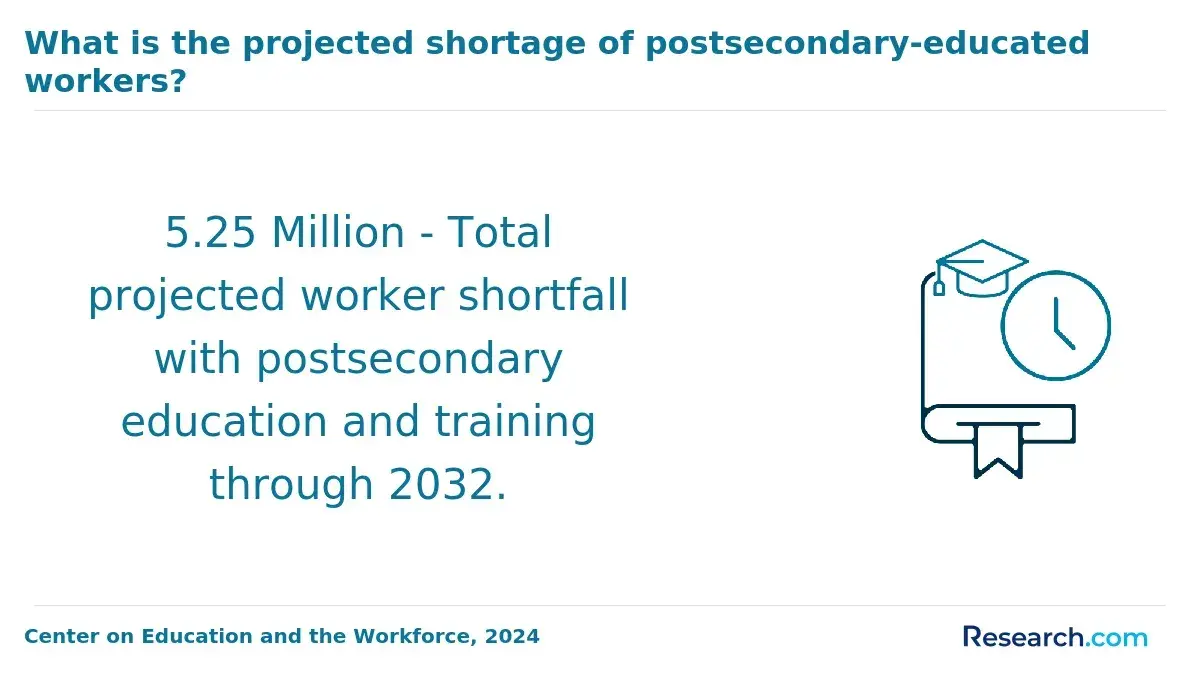
Industry presence is one of the strongest predictors of opportunity for Entertainment Business graduates. States with established film, music, live events, sports, tourism, digital media, advertising, and cultural sectors tend to create more openings and more specialized roles. States with fewer of these industries may still need business talent, but the roles are often broader, less frequent, and less directly tied to entertainment.
Regions such as California and New York benefit from a dense network of employers seeking skills in entertainment marketing, production, distribution, audience development, partnerships, finance, contracts, and business management. In contrast, rural or economically limited states often offer fewer career opportunities and typically lower pay. According to the U.S. Bureau of Labor Statistics, employment in arts, entertainment, and recreation is about 3.5 times greater in states with major metropolitan hubs compared to those without such centers.
Why employer density matters
A strong entertainment market creates a career ladder. A graduate might start as a coordinator, move into campaign management, shift to production finance, join a venue operations team, or transition into talent representation. In a thin market, there may be only one or two relevant employers, which limits experimentation and advancement.
How broader economic conditions shape jobs
Entertainment hiring is also tied to the health of the local economy. States with diverse and resilient economies can support a wider mix of entertainment-related companies, from startups and agencies to venues and cultural institutions. Regions dependent on a few dominant employers may be more vulnerable if those employers cut budgets, cancel events, reduce productions, or relocate.
For graduates, the practical takeaway is to evaluate both the entertainment sector and the wider business environment. A state with a small film industry but strong tourism, sports, hospitality, or festival activity may still offer useful entry points. A state with weak entertainment infrastructure and limited economic diversity may require a more aggressive remote-work or relocation strategy.
How Does Cost of Living Affect Entertainment Business Salaries by State?
Cost of living affects how far an entertainment business salary actually goes. A higher salary in a major entertainment hub may come with higher rent, transportation, taxes, and daily expenses. A lower salary in a less expensive state may appear manageable, but it can still be risky if the market offers few raises, limited promotions, or little access to better-paying employers.
Research shows that salary variation between high- and low-cost regions can range from 15% to 35%. Graduates should therefore compare both nominal salary and purchasing power before deciding whether an offer is competitive.
| Cost-of-living factor | Why it matters for entertainment business graduates |
| Housing costs | Rent can determine whether an entry-level assistant or coordinator salary is sustainable, especially in major hubs. |
| Transportation | Entertainment work may require commuting to venues, shoots, agencies, or events at irregular hours. |
| Salary growth | A low starting salary may be acceptable only if the market offers clear promotion paths or access to better employers. |
| Freelance income potential | Some graduates supplement income through event work, production gigs, marketing projects, or creator partnerships. |
| Relocation costs | Moving to a stronger market can improve opportunity, but upfront costs may be difficult for recent graduates. |
Several key dynamics explain how cost of living influences entertainment business salaries across the country:
- Salary scale variation: Employers in higher-cost areas may offer higher wages, while employers in lower-cost states may pay less because local compensation norms are lower.
- Purchasing power differences: A higher nominal salary in an expensive region may not produce greater real income after housing and transportation costs.
- Regional compensation structures: Some employers may use bonuses, benefits, hybrid schedules, or other compensation elements to offset local costs.
- Cost-driven budget constraints: In lower-cost states, employers may operate with smaller budgets, limiting salaries even when graduates have strong skills.
- Career choice impact: Graduates often need to balance affordability, job density, networking access, and long-term earning potential rather than focusing on salary alone.
Can Remote Work Help Entertainment Business Graduates Avoid Low-Opportunity States?
Remote work can help Entertainment Business graduates access employers beyond their local market, but it does not eliminate every geographic barrier. Approximately 30% of professional roles in media and entertainment now involve remote or hybrid setups, which gives graduates in low-opportunity states more ways to compete for marketing, operations, project coordination, audience development, social media, analytics, partnerships, and administrative roles.
Remote work is most useful for functions that can be managed digitally. It is less useful for roles tied to physical production, venue operations, live events, artist support, touring, on-site client management, or location-based networking.
Roles more likely to support remote or hybrid work
- Digital marketing coordinator
- Social media or audience engagement specialist
- Entertainment business analyst or research assistant
- Rights, licensing, or contracts support
- Remote production office support
- Creator partnerships or influencer campaign coordination
- Ticketing, CRM, or fan engagement operations
Roles more likely to require in-person work
- Production assistant
- Venue operations coordinator
- Tour manager or road support staff
- Talent agency assistant in a client-facing office
- Live event operations staff
- Stage, festival, or location management roles
Graduates using remote work as a strategy should build proof of skill: campaign examples, spreadsheets, budgets, production schedules, pitch decks, research briefs, CRM experience, analytics dashboards, or event plans. Remote employers need evidence that a candidate can communicate clearly, meet deadlines, and manage work without constant supervision.
Additional business training may help graduates qualify for remote leadership, management, or analytics-focused roles. For example, accelerated MBA programs online may be relevant for students who want broader business credentials, though the value depends on cost, curriculum, employer recognition, and fit with entertainment career goals.
What Are the Best Strategies for Succeeding in a Weak Job Market?
In a weak job market, Entertainment Business graduates need a deliberate strategy rather than a passive job search. Some regions report unemployment rates for recent graduates in related professional fields exceeding 10%, and hiring slowdowns can intensify competition for the few roles that do open. The strongest candidates usually combine industry knowledge with transferable business skills, practical experience, and a willingness to pursue adjacent opportunities.
Practical strategies for improving your odds
- Broaden the target employer list: Look beyond studios and agencies. Consider sports organizations, universities, tourism boards, casinos, hotels, convention centers, museums, nonprofits, marketing agencies, local media, and event companies.
- Build a project portfolio: Include event plans, marketing campaigns, budgets, sponsorship proposals, social media analytics, production schedules, artist research, or audience development work.
- Use remote networking intentionally: Contact alumni, hiring managers, producers, venue operators, and entertainment marketers with specific questions rather than generic requests for help.
- Develop business skills employers recognize: Strengthen budgeting, Excel, project management, CRM tools, analytics, contract basics, presentation skills, and digital marketing.
- Accept strategic adjacent roles: A marketing coordinator job, event assistant role, or operations position can build relevant experience even if the employer is not a traditional entertainment company.
- Freelance carefully: Short-term projects can build credibility, but graduates should track income, contracts, taxes, and workload realistically.
- Set a relocation trigger: Decide in advance how long you will search locally before expanding to stronger markets or hybrid roles.
Prospective students should also compare program cost and career flexibility before enrolling. Those focused on affordability, remote study, or business fundamentals may find it useful to review online colleges for business degree options as part of a broader plan for entering entertainment-related business roles.
Some students also explore supplementary fields that align with their long-term interests. For example, child psychology masters programs may support different career paths, but graduates should be clear about whether a pivot serves their goals or simply delays a difficult job search.
How Do You Choose the Best Location for Your Entertainment Business Career?
The best location for an Entertainment Business career is the one that matches your target role, budget, risk tolerance, and need for industry access. Regions with established entertainment hubs tend to offer more job openings and higher salaries, with top metropolitan areas paying 20-30% above averages found elsewhere. However, those same markets may also have higher living costs and stronger competition.
Use the location decision as a career investment, not just a lifestyle choice. A lower-cost state may be attractive if you can work remotely, build freelance credits, or access a specific niche. A higher-cost hub may be worth it if it gives you internships, assistant roles, mentors, and faster exposure to employers.
Factors to compare before choosing a location
| Factor | What to ask before deciding |
| Industry concentration | Are there studios, agencies, venues, festivals, sports organizations, production firms, or music companies hiring locally? |
| Salary conditions | Does the pay support rent, transportation, loan payments, and basic savings after local costs? |
| Entry-level access | Are there assistant, coordinator, internship, seasonal, or freelance roles that help you build experience? |
| Networking density | Can you regularly meet industry professionals through events, alumni groups, productions, or professional associations? |
| Career alignment | Does the location support your specific goal, such as talent representation, live events, film production, music business, or entertainment marketing? |
| Remote-work compatibility | Can your target role be performed remotely, or does it require in-person access to sets, venues, clients, or teams? |
A practical approach is to create a shortlist of locations and compare them against actual job postings, not assumptions. Track how many relevant roles appear over several weeks, what employers require, what salaries are listed, and whether entry-level applicants are realistically considered. If one location consistently offers more relevant openings and stronger networking access, it may provide a better launchpad even if it costs more upfront.
What Graduates Say About the Worst States for Entertainment Business Degree Graduates
-
: "
Staying in a state with limited demand for entertainment business professionals was incredibly frustrating at first, as opportunities were scarce and competition was fierce. I soon realized that moving to a region with a thriving industry made all the difference in my career growth. Having an entertainment business degree opened doors, but adapting to market realities was key.
Dante
"
-
: "
Reflecting on my experience, I found that remote work opportunities helped me navigate the challenge of living in a less vibrant state for entertainment business careers. It's tough when the local scene doesn't offer much, but leveraging my degree to secure remote roles allowed me to build a solid professional foundation while planning a move. The degree gave me credibility, even in areas where the industry is underdeveloped.
Collin
"
-
: "
Professionally, I've seen firsthand how valuable an entertainment business degree is, though its impact varies greatly depending on location. In states with weak demand, I had to be strategic-whether by relocating to hub cities or by focusing on niche skills to stay relevant. The experience taught me resilience and adaptability, which are just as important as the degree itself.
Dylan
"
Other Things You Should Know About Entertainment Business Degrees
Industry clusters significantly influence networking possibilities by concentrating professionals, events, and resources in key locations. In states with weaker demand for entertainment business roles, graduates often face sparse networking events and fewer industry-specific meetups. This limits their ability to connect with potential employers and collaborators, which can hinder career growth.
Local government initiatives, such as grants, tax incentives, and arts funding, help stimulate entertainment industry growth. In states with limited support, entertainment business graduates encounter fewer programs designed to foster creative enterprises and startups. This lack of backing can restrict access to capital and reduce professional development opportunities.
In states with a weak entertainment industry presence, graduates face fewer internships and practical training opportunities, limiting their exposure to essential real-world experiences. This can result in inadequate development of practical skills and hindered professional growth, affecting graduates' competitiveness in the national job market.
Some states focus on niche or alternative entertainment sectors, such as theme parks, casinos, or regional media. While these industries provide employment, they often require specialized skills that differ from traditional entertainment business roles. Graduates may need to adapt their expertise or pursue additional training to succeed in these markets.
References
- Navigating Challenges and Opportunities in the Film Industry https://sidebar.btlaw.com/post/102k8qp/navigating-challenges-and-opportunities-in-the-film-industry
- Hollywood Acting Industry Statistics 2025 - Bernard Hiller https://bernardhiller.com/hollywood-acting-industry-statistics/
- The 10 worst states to start a career in post graduation, according to a new report https://www.cnbc.com/2022/07/17/the-10-worst-states-to-start-a-career-in-post-graduation-according-to-a-new-report.html
- How Remote Work Is Closing Job Gaps in Low-Income Economies | Breedj https://www.breedj.com/how-remote-work-is-closing-job-gaps-in-low-income-economies/
- Does Entertainment Industry Entertain the Economy? Empirical Evidence https://www.academia.edu/102244610/Does_Entertainment_Industry_Entertain_the_Economy_Empirical_Evidence
- The Future of Work in Entertainment: Challenges and New Opportunities https://blog.castandcrew.com/future-of-work-part-2
- How Important Is the Entertainment Industry for the Economy? https://www.europeanbusinessreview.com/how-important-is-the-entertainment-industry-for-the-economy/
- Top 10 Career Paths with a Media and Entertainment Degree https://www.upes.ac.in/blog/liberal-studies/10-career-options-with-your-media-and-entertainment-degree
- Georgia Entertainment Help Wanted Hotline | Georgia Film Jobs https://georgia.org/industries/film-entertainment/georgia-film-tv-production/help-wanted-hotline
- Assistant and Entry Level Jobs, Employment in Los Angeles, CA https://www.entertainmentcareers.net/jcat.asp


