
2027 Which Entertainment Business Degree Careers Have the Lowest Unemployment Risk?

Co-Founder and Chief Data Scientist
Entertainment business careers can be rewarding, but they are not equally stable. A graduate who builds skills in digital media management, licensing, analytics, or live event operations may face a very different job market than someone entering a narrower production role in a smaller market. The real question is not only “What can I do with this degree?” but “Which paths are least likely to leave me unemployed or underemployed?”
The strongest entertainment business career choices usually combine three advantages: demand across multiple employers, skills that are hard to automate, and credentials or experience that narrow the applicant pool. Recent data shows the average unemployment rate for entertainment business professionals with targeted credentials and experience in music licensing and live event coordination is under 3%, compared to over 7% in less specialized disciplines.
This guide explains how unemployment risk differs by specialization, industry, location, credential level, and career stage. It is designed for students choosing a program, recent graduates planning their first move, and working professionals deciding whether to specialize, relocate, earn a credential, or pursue graduate study.
Key Things to Know About the Entertainment Business Degree Careers With the Lowest Unemployment Risk
- Entertainment business careers with licensure or professional certification show 25% lower long-term unemployment-advanced credentials reduce automation risk and enhance recession resilience.
- Geographic markets with diversified media hubs like Los Angeles exhibit 15% stronger demand growth and stable employment compared to smaller regions vulnerable to sectoral disruptions.
- Historical data reveals roles requiring graduate education and complex strategic skills maintain under 4% unemployment over ten years-outperforming entry-level positions susceptible to automation and economic cycles.
What Makes Entertainment Business Degree Jobs More or Less Resistant to Unemployment?
Entertainment business jobs become more resistant to unemployment when they are tied to durable business needs rather than one project, employer, or trend. Roles connected to rights management, digital distribution, audience growth, budgeting, compliance, and revenue strategy tend to hold up better because organizations still need these functions during slowdowns.
It helps to distinguish the main types of unemployment risk in this field:
- Structural unemployment: Jobs decline because technology, consumer behavior, or industry models change. Traditional production support roles can be vulnerable when work shifts to new platforms or automated workflows.
- Frictional unemployment: Short gaps occur while professionals move between contracts, employers, or markets. This is common in entertainment, especially for project-based workers.
- Cyclical unemployment: Hiring slows during broader economic downturns, reducing advertising budgets, live events, production spending, or discretionary entertainment investment.
The most resilient entertainment business careers usually share several protective features:
- Credential or licensing barriers: Roles involving intellectual property, regulated representation, compliance, or specialized contract work are harder to replace with uncredentialed candidates.
- Multiple employer options: Careers that exist across studios, streaming companies, agencies, venues, sports organizations, publishers, nonprofits, and public institutions reduce dependence on one sector.
- Growth-market alignment: Jobs tied to digital platforms, audience analytics, content monetization, creator partnerships, and live event recovery generally benefit from stronger demand.
- Low replaceability: Work requiring judgment, negotiation, ethical decision-making, relationship management, and creative business strategy is less exposed to automation and outsourcing.
- Geographic depth: Major entertainment hubs such as Los Angeles and New York typically offer more replacement opportunities if one employer cuts staff.
Degree level and specialization also matter. A bachelor’s program with coursework in business analytics, digital marketing, entertainment law, media finance, or project management can be more marketable than a general entertainment curriculum. Graduate education and certifications can further reduce risk when they lead to specific roles, not just additional credentials.
A practical way to compare career paths is to evaluate each option against five questions: Has the role maintained stable employment over time? Is demand projected to continue? Can the work be automated? Does the job survive recessions? Are there credentials, licenses, or geographic markets that improve security?
Readers considering advanced credentials may also compare broader degree options, including the cheapest doctorate degree online, if their long-term plan requires research, executive, or academic qualifications.
The key takeaway is simple: an entertainment business career should not be chosen by interest or salary alone. The strongest path is one where your specialization, location, employer type, and credentials work together to reduce unemployment risk.
Which Entertainment Business Career Paths Have the Lowest Historical Unemployment Rates?
The entertainment business career paths with the lowest historical unemployment rates tend to be those that remain necessary whether the industry is expanding or contracting. Legal, financial, licensing, marketing, technical, and business development functions often provide more continuity than roles dependent on a single production cycle.
Analysis of BLS Current Population Survey data, NACE First-Destination outcomes, and Federal Reserve labor research points to several career areas with stronger long-term employment resilience. These roles are not risk-free, but they are better positioned because they support revenue, compliance, rights protection, audience growth, or operational continuity.
- Legal and Intellectual Property Specialists: Copyright, licensing, contract enforcement, rights clearance, and royalty management remain essential across film, television, music, gaming, publishing, and digital media.
- These functions are structurally important because intellectual property protection is central to entertainment revenue.
- During recessions, companies still need contract review, dispute resolution, and licensing strategy.
- Demand increased with COVID-19 as digital content growth intensified IP management needs.
- Talent Agents and Managers: Agents and managers help connect talent with producers, brands, venues, publishers, and platforms.
- New artists, creators, athletes, and influencers continue to enter the market, sustaining demand for representation.
- Relationship-based work is difficult to automate because negotiation, trust, and reputation matter.
- These roles showed greater resiliency than production roles during recent economic shocks.
- Marketing and Promotions Managers: Entertainment companies rely on audience acquisition, campaign strategy, partnerships, and brand positioning to generate revenue.
- Demand is supported by consumer interest in new entertainment experiences.
- These roles recovered quickly after the 2008 financial crisis and adapted well through COVID-19 digital pivots.
- Marketing skills transfer across streaming, live events, sports, music, gaming, and consumer brands.
- Financial Analysts and Budget Controllers: Budgeting, forecasting, cost control, and financial governance become especially important when margins tighten.
- Employers need financial oversight in both growth periods and downturns.
- These roles demonstrated resilience throughout the 2008 recession and pandemic disruptions.
- Professionals with entertainment finance knowledge can work across production, agencies, venues, and corporate media.
- Event Coordinators and Production Managers: These roles can be cyclical, but professionals tied to recurring live events, broadcasts, institutional programming, or hybrid events may experience more stable demand.
- Contract-based work can create gaps, but recurring events provide repeat opportunities.
- COVID-19 impacts were partially mitigated by a shift toward virtual events.
- Technical Specialists and Audio-Visual Technicians: Skilled technical professionals remain important as production tools, streaming infrastructure, and event technology evolve.
- Ongoing technology upgrades and virtual content production support demand.
- Employers may have difficulty replacing experienced technicians with generalist applicants.
- Business Development Analysts: These professionals identify new markets, partnerships, revenue models, and distribution opportunities.
- Entertainment companies value strategic growth work in a changing media landscape.
- During market contractions, business development teams can help organizations pivot rather than simply cut costs.
Students should not read historical unemployment data as a guarantee. Instead, use it as one input alongside automation risk, internship access, local employer density, and credential requirements. A role with a strong national profile may still be difficult to enter in a weak local market.
Graduate education, such as an executive MBA, can strengthen managerial and strategic business credentials when it fits a clear career goal. The best choice is usually the pathway that builds both specialized entertainment knowledge and portable business skills.
How Does the Entertainment Business Job Market Compare to the National Unemployment Average?
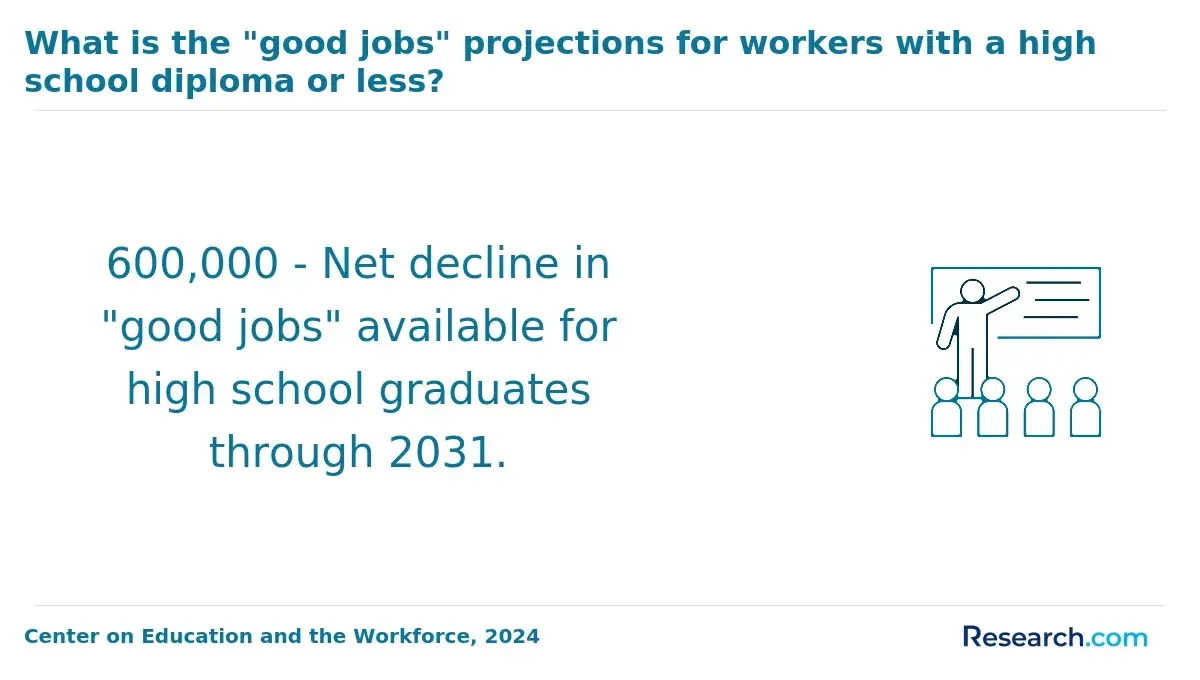
College graduates nationwide face an unemployment rate near 2.5%, while those holding entertainment business degrees in certain specialties report rates as low as 1.3%. That comparison suggests some entertainment business pathways can be more stable than the average graduate outcome, especially when graduates enter high-demand functions such as rights management, digital marketing, analytics, finance, or business affairs.
However, the comparison needs context. Entertainment is not one labor market. A graduate working in a corporate media finance role may have a very different risk profile from a graduate competing for short-term production contracts. Job stability depends heavily on specialization, employer type, location, and prior experience.
Formal unemployment also understates the challenge for many graduates. Underemployment matters: a person may be working, but not in a role that uses their entertainment business training or supports long-term advancement. Federal Reserve research emphasizes that underemployment rates often exceed official unemployment figures, making it important to evaluate both job placement and job quality.
When comparing entertainment business outcomes with the national average, focus on these indicators:
- Multi-year unemployment trends: A career path that stays stable across several years is more meaningful than a single favorable data point.
- Underemployment risk: Ask whether graduates are working in relevant business roles or taking unrelated jobs after graduation.
- Specialization strength: Digital content management, entertainment marketing, licensing, analytics, and finance generally offer stronger alignment with employer demand.
- Credential value: Certifications, internships, and graduate credentials can improve competitiveness when they match real hiring requirements.
- Location: Stronger entertainment hubs and diversified metro areas typically provide more opportunities and faster transitions after layoffs.
Small occupational groups can show volatile unemployment rates because a modest change in hiring or labor force participation can shift the numbers. For that reason, readers should rely on multi-year patterns, not a single annual statistic.
A graduate of an entertainment business program described the reality this way: “Navigating the industry was not straightforward. Despite the low average unemployment numbers, I faced periods where finding a position matching my skills felt daunting.” The graduate added that flexibility, internships, networking, certifications, and targeting regions with active entertainment sectors made the job search more manageable.
The lesson is that entertainment business can compare favorably with national graduate unemployment averages, but only for graduates who approach the market strategically. A degree alone is rarely enough; the employment advantage comes from combining the degree with marketable skills, relevant experience, and a clear target role.
What Entertainment Business Specializations Are Most In-Demand Among Employers Right Now?
The most in-demand entertainment business specializations are those that help employers grow audiences, manage rights, monetize content, run complex projects, and interpret data. Demand is shaped by streaming, social media, influencer partnerships, live event recovery, legal complexity, and the need for measurable returns on entertainment spending.
- Digital Content Strategy: Employers need professionals who understand streaming platforms, social media distribution, audience behavior, content calendars, and performance metrics. This specialization is valuable because digital discovery now affects nearly every entertainment segment.
- Entertainment Marketing and Promotions: Marketing teams need people who can plan campaigns, manage partnerships, coordinate influencer activity, and evaluate audience response. The strongest candidates combine creative judgment with data-driven execution.
- Intellectual Property and Entertainment Law: Rights management, licensing, contracts, and clearance work are increasingly important as content moves across platforms, territories, and formats. This path is especially strong for students interested in business affairs or legal-adjacent roles.
- Production and Project Management: Coordinators and managers who can control schedules, budgets, vendors, talent needs, and deliverables remain important in film, television, live events, music, sports, and digital production.
- Data Analytics and Audience Insights: Entertainment employers increasingly rely on audience segmentation, user behavior, campaign performance, and market data. Analysts who can translate data into business recommendations are especially useful.
- Live Event Operations: Music, sports, conferences, festivals, and branded events require professionals who understand logistics, safety, ticketing, vendors, sponsorships, and attendee experience.
Students should verify demand before choosing a specialization. Useful checks include reviewing job postings in the target city, comparing required skills across employers, talking with alumni, and asking internship supervisors which skills are hardest to find.
Academic planning should be practical. A strong course mix may include media analytics, contract law, entertainment finance, digital marketing, project management, sponsorship strategy, and audience research. Internships should be chosen for skill development, not just brand recognition.
Students comparing affordable graduate options can review the cheapest online masters programs in related business and media fields. Those still building foundational business skills may also consider whether a business degree online provides a flexible route into marketing, management, finance, or analytics roles connected to entertainment.
Which Industries Employing Entertainment Business Graduates Offer the Greatest Job Security?
The most secure industries for entertainment business graduates are usually those with recurring revenue, diversified operations, institutional funding, strong demand for specialized skills, or regulated business functions. Relying on one narrow segment can increase risk, so graduates should build skills that transfer across media, sports, gaming, live events, public institutions, and corporate entertainment functions.
Employers with steadier hiring often include major media conglomerates, sports agencies, game publishers, established live event companies, public universities, government cultural organizations, and unionized production environments. Internships, certifications, and early work experience aligned with these employers can improve both first-job prospects and long-term stability.
- Media and Broadcasting: This sector combines legacy media, digital platforms, news, entertainment, advertising, and audience measurement. Graduates may work in rights management, content operations, advertising sales, distribution, marketing, or analytics. Stability improves when skills apply across both traditional and digital channels.
- Sports Management and Marketing: Sports organizations benefit from live attendance, broadcast rights, sponsorships, merchandise, fan engagement, and digital communities. Entertainment business graduates may support event coordination, athlete representation, partnership management, ticketing, or brand activation. Knowledge of sports law, contracts, stakeholder management, and digital fan tools can improve resilience.
- Gaming and Interactive Media: Gaming and online entertainment continue to rely on product launches, community engagement, licensing, monetization, and user data. Graduates can contribute to publishing operations, marketing, partnerships, esports, player communities, and analytics. Skills in project management and audience insight are especially useful.
- Live Events and Venue Management: This industry requires logistics, safety planning, vendor coordination, ticketing strategy, compliance, sponsorship management, and guest experience. Although some event work is cyclical, venues and recurring event operators often need business professionals who can manage risk and revenue.
- Film and Television Production Services: This sector can be project-based and cyclical, but specialized business roles in budgeting, distribution, rights clearance, scheduling, and talent relations remain important. Unionized environments and established production hubs can provide more predictable pathways than isolated short-term gigs.
One graduate described moving between live event coordination and digital campaign work as difficult at first because each sector had different expectations. Over time, transferable skills became the stabilizing factor. “Understanding the nuances in each sector took time, but mastering versatility has been key to maintaining steady employment.”
The strongest strategy is to pair industry knowledge with portable business capabilities. A graduate who understands contracts, budgets, analytics, marketing, and project management can shift sectors more easily when one entertainment segment slows.
How Do Government and Public-Sector Entertainment Business Roles Compare in Unemployment Risk?
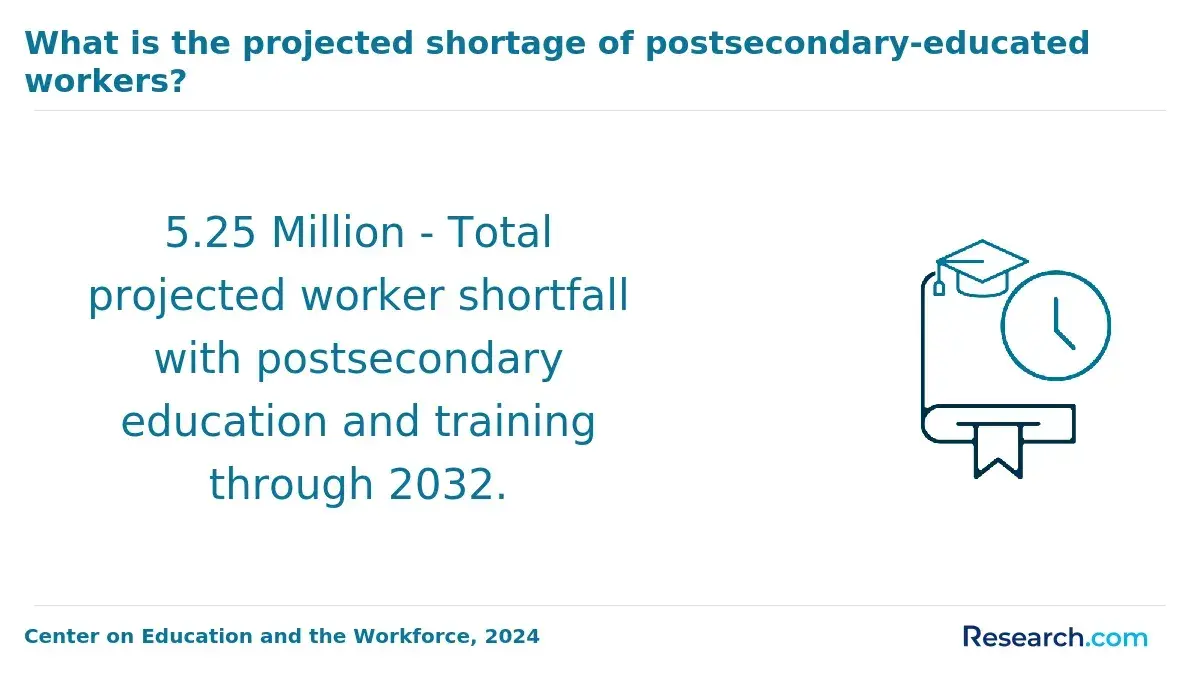
Government and public-sector entertainment business roles generally carry lower unemployment risk than many private-sector entertainment jobs. The main reason is structural: public agencies, universities, film commissions, arts councils, cultural offices, and publicly funded institutions often operate with formal budgets, civil service rules, union protections, and longer planning cycles.
These roles may not offer the fastest salary growth, but they can provide steadier employment, stronger benefits, and more predictable schedules than highly competitive private-sector entertainment positions.
- Unemployment Rates: Public-sector roles experience lower joblessness than private-sector jobs because funding and staffing decisions are often less tied to quarterly revenue shifts.
- Layoff Frequency: Government entertainment business employees face fewer layoffs.
- Federal positions benefit from tenure and unions that help shield workers during budget cuts.
- State and local roles see layoffs mostly during major fiscal downturns but still less often than in private companies.
- Career Tenure: Public universities, research institutions, cultural agencies, and quasi-governmental entities often support longer tenure because their work is tied to ongoing public missions.
- Typical Roles: Graduates may work in program management at federal cultural agencies, budget analysis for state arts bodies, event coordination at public universities, or operations roles in publicly funded film commissions.
- Protection Factors: Civil service rules, collective bargaining agreements, formal hiring procedures, and budget cycles can reduce abrupt job loss.
- Compensation Trade-Offs: Starting salaries in government roles tend to be lower, but stability, pensions, generous leave, and options like public service loan forgiveness can strengthen the overall financial package.
- Financial Security: Lower layoff risk and stronger benefits may outweigh the initial pay gap for graduates who prioritize predictable income.
- Individual Considerations: Graduates seeking stability may prefer public-sector paths, while those pursuing faster earnings growth, high-profile industry work, or entrepreneurial opportunities may accept more private-sector volatility.
Public-sector entertainment work is a strong fit for people interested in arts administration, cultural programming, public media, university events, tourism-linked entertainment initiatives, or film and creative economy development. It is less ideal for graduates who want rapid advancement in talent representation, commercial production, or high-growth media ventures.
What Role Does Licensure or Certification Play in Protecting Entertainment Business Degree Holders From Unemployment?
Licensure and certification can reduce unemployment risk by proving specialized competence and, in some roles, limiting who can legally perform the work. In entertainment business, the value of a credential depends on whether employers actually require it, prefer it, or ignore it.
Some career areas, such as talent representation or regulated business activities, may involve mandatory licenses, registrations, or jurisdiction-specific rules. These requirements can create barriers to entry, which reduces the number of eligible applicants and helps protect qualified professionals during hiring slowdowns.
Professional certifications can also help, even when they are not legally required. Credentials such as the Certified Entertainment Business Professional (CEBP) credential or project management certifications tailored to media production may serve as hiring signals. They can be especially useful for candidates who need to prove skills in production coordination, event operations, contracts, budgeting, or team leadership.
A smart credential strategy should separate credentials into three groups:
- Essential Licensure: Required credentials for regulated roles. If a target job legally requires a license or registration, earning it early is necessary rather than optional.
- Valued Certifications: Credentials that employers recognize as evidence of practical competence. These can improve competitiveness when paired with internships or work experience.
- Low-Value Credentials: Certificates with weak employer recognition or little connection to target jobs. These should be avoided unless they teach a clearly needed skill.
According to a Bureau of Labor Statistics report, occupations requiring licensing experienced 20% lower unemployment rates during recessionary periods. That does not mean every entertainment credential produces the same protection, but it shows why regulated and credentialed occupations can be more resilient.
Before paying for a credential, review job postings for your target role and note how often the credential appears as required or preferred. If employers do not ask for it, a portfolio, internship, software skill, or industry contact may provide a better return.
How Does Geographic Location Affect Unemployment Risk for Entertainment Business Degree Graduates?
Geographic location strongly affects unemployment risk because entertainment work is concentrated in specific markets. Graduates in regions with many studios, agencies, venues, sports organizations, streaming companies, publishers, and marketing firms usually have more openings and more backup options if one job ends.
Metropolitan hubs such as Los Angeles, New York City, and Nashville lead in demand because they have dense clusters of media, production companies, music businesses, creative agencies, and related services. Diversified markets such as Austin and Washington, D.C. can also reduce risk by combining entertainment opportunities with technology, government, education, or nonprofit employers.
In areas with limited entertainment infrastructure, graduates may face longer job searches, fewer relevant internships, and higher underemployment risk. A local market may have general business jobs, but not enough entertainment-specific roles to support career progression.
Remote work has changed the geography of entertainment business, especially for digital marketing, content strategy, analytics, audience development, and some operations roles. Approximately 30% of entertainment business-related roles showed sustained remote work adoption as of 2023, reshaping geographic risk profiles.
- Industry Clusters: Los Angeles, New York, and other major hubs provide more employers, more networking opportunities, and faster reemployment options.
- Diversified Economies: Cities with entertainment plus technology, government, finance, or education can provide more stable alternatives during industry downturns.
- Remote Work Impact: Remote-friendly roles can reduce the need to relocate, particularly in digital content, marketing, analytics, and coordination functions.
- Strategic Tools: BLS area data, LinkedIn job filters, regional wage benchmarks, alumni outcomes, and internship listings can help determine whether a location is viable.
- Relocation Timing: Moving before building experience can be expensive; some graduates may benefit from first gaining remote work, internships, or transferable business experience.
Graduates should compare three options: stay local and target adjacent roles, relocate to a stronger entertainment hub, or pursue remote-friendly work that builds relevant experience. The right choice depends on cost of living, internship access, employer density, personal obligations, and the target specialization.
For students seeking flexible preparation in broad business functions, a business administration degree online can complement entertainment-focused experience and support roles in marketing, management, finance, or analytics.
Which Entertainment Business Careers Are Most Vulnerable to Automation and Technological Disruption?
Entertainment business careers are most vulnerable to automation when the work is repetitive, rules-based, data-heavy, or built around standardized communication. Artificial intelligence, machine learning, robotic process automation, and automated customer service tools can reduce demand for roles centered on routine processing.
Applying the McKinsey Global Institute automation susceptibility framework alongside Oxford Martin School occupational automation probabilities and MIT's Work of the Future task-level analysis helps identify roles with higher exposure. The risk is usually at the task level, not the entire occupation: technology may eliminate parts of a job while increasing the value of higher-level judgment.
Roles with greater automation exposure include:
- Market Research Analysts: Repetitive data collection, statistical analysis, trend scanning, and report generation can increasingly be handled by AI tools.
- Contract Administrators: Standardized document review, file organization, clause comparison, and compliance checks can be supported or partly replaced by automation.
- Ticketing and Customer Service Agents: Routine customer questions, refunds, seat changes, and basic issue resolution are increasingly handled by chatbots and automated platforms.
Roles with lower automation exposure generally involve human judgment, persuasion, creativity, ethics, and complex relationships:
- Creative Producers and Content Strategists: These professionals interpret audience needs, brand goals, market timing, and creative direction in ways that require judgment beyond automated outputs.
- Entertainment Business Managers and Talent Agents: Negotiation, trust-building, reputation management, ethical decisions, and long-term strategy remain difficult to automate.
Automation should not be viewed only as a threat. In many entertainment business roles, technology will handle routine work and make professionals more productive. The safest employees will be those who can manage automated tools, question outputs, interpret data, and make strategic decisions.
Automation risk scores are probabilistic estimates, not certainties. Actual impact depends on employer investment, regulation, technology maturity, labor costs, and the specific market. A role that is vulnerable in one company may remain stable in another if human judgment or client relationships are central to the work.
Students targeting higher-risk roles should build complementary skills in analytics interpretation, client strategy, negotiation, project management, and technology oversight. For a broader comparison of career pathways outside entertainment, see what can I do with an environmental science degree.
The best defense against technological disruption is not avoiding technology. It is learning how to use it in ways that make your work more strategic and harder to replace.
How Does a Graduate Degree Reduce Unemployment Risk for Entertainment Business Degree Holders?
A graduate degree can reduce unemployment risk for entertainment business degree holders when it opens access to roles that require advanced training, management capability, research skill, or specialized professional knowledge. It is most valuable when tied to a clear career outcome, not pursued simply because the job market feels uncertain.
Graduate degrees significantly lower unemployment risk for entertainment business degree holders, often narrowing the 2 to 3 percentage point gap that exists between bachelor's and advanced degree holders. Research from Georgetown University and the Bureau of Labor Statistics highlights that higher credentials can improve job stability and access to senior or specialized roles.
Common graduate pathways offer different advantages:
- Professional Master's Degrees: Programs linked to law, policy, communications, arts administration, business affairs, or regulated practice can help graduates move into specialized roles with fewer qualified competitors.
- Research-Focused Graduate Programs: Master’s and doctoral programs can support careers in research, teaching, policy analysis, audience research, or advanced industry strategy.
- MBA Programs: MBA study can help graduates move into leadership, finance, operations, strategy, marketing, or executive roles across entertainment companies and adjacent industries.
The decision should include a careful review of costs and alternatives:
- Cost and Duration: Programs typically demand 1 to 3 years of study, with tuition fees varying widely based on institution and degree type.
- Opportunity Cost: Time in graduate school may delay full-time income and slow early-career savings.
- Expected Returns: Data show a salary increase of 15% to 30% after earning advanced degrees, along with a 1 to 2 percentage point reduction in unemployment rates.
Graduate school is most defensible when the target job prefers or requires the credential, the program has strong industry connections, and the curriculum builds specific skills such as analytics, finance, leadership, law, or strategy. It is less compelling when the same employment advantage could be achieved through internships, certifications, relocation, portfolio work, or employer-sponsored training.
Before enrolling, compare the graduate degree with lower-cost alternatives: targeted professional certifications, a stronger internship plan, a move to a larger entertainment market, or specialization in digital content, licensing, analytics, or business affairs. The best path is the one that improves employability without creating unnecessary financial strain.
What Entry-Level Entertainment Business Career Paths Offer the Fastest Route to Long-Term Job Stability?
The entry-level entertainment business roles most likely to lead to long-term stability are those that build transferable skills, expose graduates to decision-makers, and lead to clear internal promotion paths. The first job does not need to be glamorous; it needs to create momentum toward durable functions such as management, marketing, business affairs, production operations, finance, or representation.
- Talent Agency Assistant: This role can lead into artist management, talent representation, bookings, brand partnerships, or business development. Agencies often promote from assistant to agent within 3 to 5 years. The major advantage is relationship-building; the challenge is that early work can be demanding and competitive.
- Production Coordinator: Coordinators learn scheduling, logistics, budgeting support, vendor communication, and cross-team problem-solving. The role can lead to production manager or line producer positions. It is strongest in major hubs such as Los Angeles and New York, where repeated project opportunities help reduce gaps.
- Marketing and Distribution Assistant: These roles build campaign execution, audience research, analytics, media planning, and release strategy skills. They can lead to brand manager or distribution director within 4 to 6 years. This path is especially useful because marketing skills transfer across film, streaming, music, sports, gaming, and live events.
- Business Affairs Coordinator: Early contract, rights, licensing, and deal-support roles develop specialized knowledge that is valuable across media segments. Advancement to specialist or manager roles generally occurs within 2 to 4 years. This pathway is well suited to graduates who are detail-oriented and interested in legal or financial aspects of entertainment.
When choosing a first role, evaluate more than the title. Look at whether the employer promotes internally, whether supervisors have industry connections, whether the role teaches measurable skills, and whether the company operates in a stable market. A famous employer is not always better than a smaller organization that gives meaningful responsibility.
Early career stability improves when graduates combine functional expertise with credentials, location strategy, and a strong professional network. The safest first roles are often those that create options rather than locking a graduate into one narrow entertainment segment.
What Graduates Say About the Entertainment Business Degree Careers With the Lowest Unemployment Risk
-
: "The entertainment business degree opened doors I never imagined. Specializing in digital marketing within the film industry was key to securing a role with remarkably low unemployment rates. The curriculum's focus on credentialing through industry-recognized certifications made me confident at every career stage. Working in major geographic markets like Los Angeles and New York further boosted my prospects, proving this degree's real-world value.
— Dante"
-
: "Reflecting on my path, the entertainment business degree was instrumental in navigating the complexities of music management, an area with steady demand and minimal layoffs. Earning credentials early in my career helped me transition smoothly from entry-level to mid-career roles, especially by gaining expertise in rights management. The program's emphasis on emerging markets in Europe was unexpected but invaluable in broadening my professional network.
— Collin"
-
: "Professionally speaking, the versatility of the entertainment business degree, particularly focusing on event production, was a game changer in an industry known for volatility. The approach to credentialing here, prioritizing advanced project management qualifications for senior roles, drastically reduced unemployment risks. I also found that targeting growing geographic markets like Asia gave me access to expansive networks and career longevity.
— Dylan"
Other Things You Should Know About Entertainment Business Degrees
The 10-year employment outlook for the safest entertainment business careers generally shows moderate to strong growth. Roles related to digital content creation, distribution, and management are expanding rapidly due to the ongoing rise of streaming platforms and new media technologies.
Careers in rights management, marketing analytics, and entertainment law also demonstrate steady growth, reflecting industry demand for specialized expertise that supports content monetization and compliance.
Mid-career demand is highest for professionals with skills in digital distribution strategy, intellectual property management, and data-driven marketing within the entertainment sector. Executives and managers who can bridge creative production with business analytics tend to experience lower unemployment risk.
Additionally, roles in talent management and contract negotiation continue to show resilience, as these require nuanced human skills less susceptible to automation.
Freelance and self-employment arrangements are common in the entertainment business but typically increase short-term unemployment risk due to income volatility and project-based work.
However, freelancers with strong networks and diverse skill sets often mitigate this risk over time by securing multiple clients across sectors. Graduates who supplement freelancing with certifications or who strategically develop specialized niches tend to achieve better employment stability.
References
- A study says these entertainment jobs are most likely to be disrupted by AI https://indiaai.gov.in/article/a-study-says-these-entertainment-jobs-are-most-likely-to-be-disrupted-by-ai
- U.S. Added 178,000 Jobs In March; Movie And Music Employment Declines https://deadline.com/2026/04/jobs-march-unemployment-rate-1236772847/
- Entertainment Industry Jobs Continue to Crumble Even as US Employment Picks Up Steam https://finance.yahoo.com/news/entertainment-industry-jobs-continue-crumble-135212874.html
- Which entertainment jobs are most likely to be disrupted by AI? New study has answers https://www.latimes.com/entertainment-arts/business/story/2024-01-30/ai-artificial-intelligence-impact-report-entertainment-industry
- Hollywood Is Dying—42,000 Jobs Gone in Just 2 Years | No Film School https://nofilmschool.com/entertainment-industry-crisis
- Want a Job After Graduation? Majors to Avoid & Ones to Pursue | Edvisors https://www.edvisors.com/blog/majors-by-unemployment-rate/
- 10 Growth Careers in Media and Entertainment https://insightglobal.com/blog/hot-careers-in-media-entertainment/
- Professional Certifications and Licenses Increase Earnings and Reduce Unemployment, New Data Shows – The Council for Community and Economic Research https://www.c2er.org/2019/07/professional-certifications-and-licenses-increase-earnings-and-reduce-unemployment-new-data-shows/
- 5 High-Paying Entry-Level Careers in Entertainment https://vault.com/blogs/salary-and-benefits/5-high-paying-entry-level-careers-in-entertainment
- Top 15 entertainment industry jobs & who's hiring https://joinhandshake.com/blog/students/top-entertainment-jobs/


