
2027 What Careers Can You Pursue With an Entertainment Business Degree? Salary Potential, Job Outlook, and Next Steps

Co-Founder and Chief Data Scientist
An entertainment business degree is for students who want to work near creative projects but build a career on the business side: contracts, budgets, marketing, distribution, events, talent relationships, and revenue strategy. The degree can lead to work in film, music, television, live events, sports entertainment, streaming, gaming-adjacent media, and digital content companies.
The main question is not whether entertainment is exciting. It is whether the degree gives you a practical route into a competitive industry where entry-level roles can be demanding, networks matter, and pay varies widely by location, employer, specialization, and experience. Employment for arts, design, entertainment, sports, and media occupations is projected to grow 9% from 2022 to 2032, faster than the average for all occupations, but graduates still need a clear plan for turning coursework into marketable experience.
This guide explains the careers you can pursue with an entertainment business degree, which roles tend to pay more, what the job outlook looks like, what skills employers value, when advanced credentials matter, and what steps to take after graduation.
Key Things to Know About the Careers You Can Pursue With a Entertainment Business Degree
- Careers with an entertainment business degree span industries such as film, music, gaming, and event management, offering diverse professional opportunities beyond traditional media roles.
- Skills in marketing, finance, and project management acquired through the degree are highly transferable, enabling graduates to adapt to various sectors and evolving market demands.
- This education supports long-term career growth by aligning with industry trends and providing a foundation for advancement into leadership or specialized positions within the entertainment field.
What Careers Can You Pursue With a Entertainment Business Degree?
An entertainment business degree can prepare you for roles that connect creative work with commercial execution. Instead of training you to perform, direct, or design, the degree typically focuses on how entertainment projects are financed, promoted, scheduled, licensed, distributed, and managed. Employment in arts, entertainment, and recreation is projected to grow 12% from 2022 to 2032, which supports demand for professionals who understand both business operations and creative-industry workflows.
Common career paths include the following:
- Talent Agent: Talent agents represent actors, musicians, creators, athletes, or other performers. They help clients find opportunities, negotiate deal terms, manage relationships, and build long-term career momentum. This path rewards strong networking, negotiation, and knowledge of contracts.
- Production Manager: Production managers coordinate the business and logistical side of film, television, video, live event, or media projects. They may manage schedules, budgets, vendor relationships, crew coordination, permits, and daily production needs.
- Marketing Manager: Marketing managers promote entertainment products such as films, albums, tours, festivals, streaming releases, and branded content campaigns. They use audience research, digital platforms, publicity, partnerships, and paid media to drive awareness and revenue.
- Event Coordinator: Event coordinators plan and execute concerts, festivals, premieres, fan events, conferences, and entertainment activations. The work often involves venue logistics, staffing, ticketing, security, vendor coordination, and guest experience.
The best fit depends on whether you prefer client representation, production operations, audience growth, live experiences, or business development. Graduates who enjoy high-pressure timelines may be drawn to production and events, while those who like relationship-building may prefer talent, partnerships, or marketing. Students comparing entirely different people-focused graduate routes can also review online SLP master's programs as a separate option outside entertainment business.
What Are the Highest-Paying Careers With a Entertainment Business Degree?
The highest-paying careers for entertainment business graduates are usually roles with revenue responsibility, deal-making authority, leadership duties, or specialized legal and financial expertise. Graduates may enter management, marketing, finance, and legal-adjacent positions with median wages ranging from $70,000 up to $130,000 or more, depending on specialization and experience. Pay can also vary significantly by market, employer size, project budget, union environment, commissions, and the success of the clients or productions involved.
Higher-paying career options commonly associated with an entertainment business degree include:
- Entertainment Manager: Entertainment managers oversee operations, planning, partnerships, programming, or business strategy for venues, agencies, production companies, media firms, or entertainment brands. Salaries typically range from $60,000 to $120,000 annually, depending on the organization’s size and the manager’s scope of responsibility.
- Talent Agent: Talent agents represent performers and creators, negotiate contracts, and identify paid opportunities. Salaries generally fall between $50,000 and $125,000, and some roles may include commissions. Earning potential tends to rise with a strong client roster and proven deal history.
- Film or Television Producer: Producers manage financing, budgets, schedules, hiring, vendors, and distribution considerations for screen projects. Annual earnings commonly start around $65,000 and can exceed $150,000 in major media markets, especially for producers attached to larger productions or successful projects.
- Marketing Director in Media and Entertainment: Marketing directors lead promotional strategy for entertainment launches, tours, platforms, releases, or events. They may oversee brand positioning, audience segmentation, media buying, creative campaigns, and performance analytics. Earnings are between $80,000 and $140,000 on average.
- Sports/Entertainment Lawyer: This path requires additional legal training. Sports and entertainment lawyers work on contracts, intellectual property, licensing, endorsements, royalties, disputes, and rights management. Salaries range from roughly $90,000 to over $200,000, depending on experience, reputation, client base, and market.
Students aiming for senior leadership should weigh the cost and timing of additional education carefully. An executive MBA online may be useful for experienced professionals moving toward executive, finance, operations, or strategy roles, but it is not required for every entertainment business career.
What Is the Job Outlook for Entertainment Business Degree Careers?
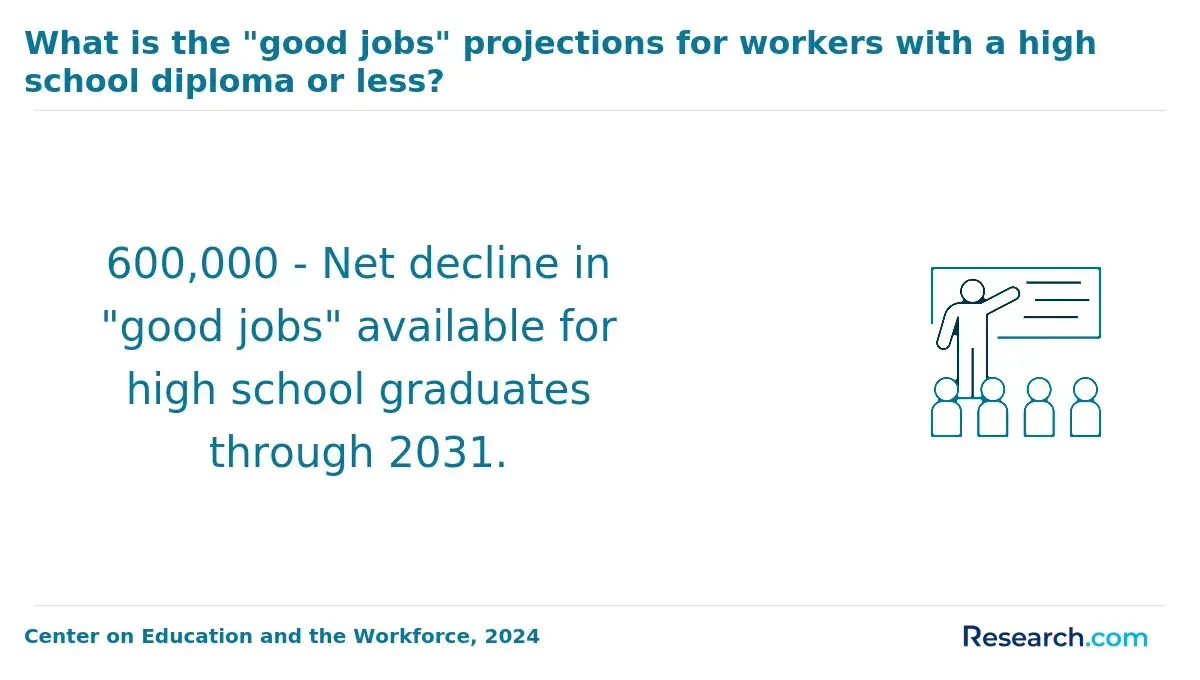
The job outlook for entertainment business careers is positive but uneven. Growth is strongest for graduates who can work across digital marketing, streaming distribution, live experiences, data-informed audience strategy, rights management, creator partnerships, and global content monetization. According to the U.S. Bureau of Labor Statistics, related fields in arts and media are projected to expand by approximately 6% from 2022 to 2032, aligning with average occupational growth.
That projection does not mean every graduate will find a stable role immediately. Entertainment hiring is often project-based, network-driven, and concentrated in specific markets. Some jobs depend on production cycles, touring schedules, advertising budgets, or platform investment. Candidates with internships, portfolio evidence, software skills, and strong professional references usually compete better than candidates relying only on the degree title.
Important trends shaping the outlook include:
- Digital distribution: Streaming, social platforms, podcasts, short-form video, and direct-to-fan channels have created demand for professionals who understand audience growth and monetization.
- Rights and licensing complexity: Music, film, sports, and creator content require careful handling of contracts, intellectual property, royalties, and usage rights.
- Live event recovery and expansion: Concerts, festivals, experiential marketing, and fan events continue to need people who can manage logistics, risk, budgeting, and vendor relationships.
- Data-informed decisions: Employers increasingly value graduates who can interpret engagement metrics, ticket sales, campaign performance, and audience behavior.
One entertainment business graduate described the field as rewarding but demanding: “The learning curve is steep because the platforms and audience behaviors change rapidly, so staying ahead means being proactive and flexible.” He also noted the tension between creativity and commerce: “It can be frustrating when deals take time to finalize, but seeing projects come together globally makes the effort worthwhile.”
What Entry-Level Jobs Can You Get With a Entertainment Business Degree?
Entry-level entertainment business jobs usually start in support, coordination, assistant, or operations roles. These positions may not always be glamorous, but they are where many graduates learn industry workflows, build contacts, and prove they can handle deadlines, communication, and pressure. Approximately 67% of entertainment business graduates find entry-level entertainment business careers in the US within six months of completing their degree, highlighting the practical relevance of the field for graduates who pursue jobs actively.
Common starting roles include:
- Talent Agent Assistant: Talent agent assistants manage calendars, calls, submissions, auditions, client materials, meeting preparation, and communication between agents, clients, casting teams, producers, labels, brands, or studios. This is a common entry point into representation.
- Production Coordinator: Production coordinators support the daily logistics of media or live productions. They may track schedules, call sheets, budgets, crew needs, vendor paperwork, travel, equipment, and location details.
- Marketing Assistant: Marketing assistants support campaigns for artists, films, venues, platforms, festivals, or entertainment brands. Work may include social media calendars, email campaigns, influencer research, press materials, asset coordination, and campaign reporting.
- Box Office Manager: Box office managers or ticketing supervisors oversee ticket sales, customer service, reporting, access control, and event-day problem-solving. This role can be a strong pathway into venue management or live entertainment operations.
- Business Development Associate: Business development associates research market opportunities, identify potential partners, prepare pitch materials, support sponsorship proposals, and help analyze revenue opportunities.
Graduates should treat the first role as a platform, not a final destination. A strong entry-level job should help you build industry contacts, learn revenue models, gain recognizable project experience, and collect measurable achievements. Students who want to strengthen their analytics profile can also explore an online master in data science, especially if they are interested in audience analytics, platform strategy, or data-driven marketing.
What Skills Do You Gain From a Entertainment Business Degree?
An entertainment business degree develops practical business skills in a creative-industry context. A 2023 study by the National Association of Colleges and Employers found that 85% of employers prioritize candidates skilled in communication and project management, both of which are central to entertainment business work.
Core skills typically include:
- Project Management: Students learn to plan timelines, coordinate teams, manage deliverables, track budgets, and respond when schedules change. This skill is essential in production, events, marketing launches, touring, and content operations.
- Marketing and Promotion: Graduates study how to reach audiences through branding, publicity, digital campaigns, social media, partnerships, market research, and consumer insights. The strongest candidates can connect creative messaging to measurable outcomes.
- Financial Literacy: Entertainment projects must be budgeted, financed, priced, and evaluated. Students often learn cost control, revenue forecasting, accounting basics, sponsorship value, ticketing economics, and profit-and-loss thinking.
- Communication and Negotiation: Entertainment business involves constant coordination among artists, clients, vendors, executives, venues, legal teams, and production staff. Graduates need to write clearly, pitch persuasively, present ideas, and negotiate without damaging relationships.
- Legal and Ethical Awareness: Programs commonly introduce contracts, intellectual property, licensing, royalties, permissions, labor considerations, and ethical responsibilities. Graduates are not lawyers unless they complete legal training, but they should know when legal review is necessary.
One graduate said a student-led festival was the most useful learning experience because it forced her to manage real pressure: last-minute vendor cancellations, tight deadlines, sponsor concerns, and team coordination. “It was stressful, but overcoming those hurdles taught me resilience and adaptability,” she said. She also noted that sponsor outreach strengthened her negotiation skills more than classroom exercises alone.
What Entertainment Business Career Advancement Can You Achieve Without Further Education?
You can advance in many entertainment business careers without earning another degree, especially if you build a strong record of execution, relationships, revenue impact, and leadership. Data from the National Association of Colleges and Employers in 2022 reveals that around 62% of bachelor's degree holders move into mid-level positions within five years, which suggests that experience after graduation can be a major driver of career growth.
Advancement without further formal education is most realistic when you consistently take on larger responsibilities, manage projects independently, and demonstrate measurable results. Potential paths include:
- Production Manager: An entry-level coordinator can move into production management by proving they can control budgets, solve logistical problems, communicate across teams, and keep projects on schedule.
- Marketing Coordinator: Marketing assistants can advance into coordinator, specialist, manager, or campaign lead roles by showing growth in campaign execution, analytics, audience targeting, and creative collaboration.
- Talent Agent Assistant: Assistants may move into coordinator, junior agent, manager, or client-services roles after building industry contacts, learning deal flow, and demonstrating judgment with clients and opportunities.
- Event Manager: Event staff and coordinators can progress into event management by handling larger venues, more complex budgets, vendor negotiations, staffing plans, and risk management.
To advance without graduate school, focus on a few career-building moves: document project outcomes, ask for responsibilities tied to revenue or budget ownership, build a reliable professional network, learn the software used in your niche, and seek supervisors who will give you visible work rather than only administrative tasks.
What Careers Require Certifications or Advanced Degrees?
Some entertainment business careers can be entered with a bachelor's degree and experience, while others require additional credentials for legal, strategic, or leadership reasons. The U.S. Bureau of Labor Statistics reports that approximately 20% of arts, entertainment, and media occupations prefer or mandate a master's degree for supervisory or strategic roles, highlighting the value of postgraduate training in selected paths.
Careers where certifications, licensing, or advanced degrees may matter include:
- Talent Agent or Manager: Requirements can vary by state and role. Some talent representation work may involve licensing or registration rules, and many professionals benefit from deeper knowledge of contracts, negotiation, and labor rules.
- Music or Film Producer: Producers do not always need an advanced degree, but postgraduate business training can help with financing, investor relations, budgeting, distribution, and organizational leadership.
- Entertainment Lawyer: This path requires a law degree and passing the state bar exam. Additional training in intellectual property, media law, music law, sports law, or entertainment contracts can strengthen specialization.
- Broadcasting or Media Executive: Senior executive roles may favor candidates with a master's degree in business administration, media management, communications, or a related field, particularly when the role involves strategy, finance, or large-team leadership.
- Event Planner or Promoter: Certifications such as the Certified Meeting Professional (CMP) credential can validate event-planning expertise and may help candidates compete for larger corporate, convention, or entertainment-event roles.
Before pursuing another credential, compare the requirement against your target job postings. If employers consistently list a credential as required or preferred, it may be worth considering. If not, industry experience, project results, and contacts may provide a better return.
What Alternative Career Paths Can Entertainment Business Graduates Explore?
Entertainment business graduates are not limited to film studios, record labels, agencies, or venues. A 2022 study by the National Association of Colleges and Employers found that nearly 45% of graduates switch to fields outside their original area within five years, which reflects how transferable business, marketing, project management, and communication skills can be.
Alternative paths include:
- Digital Marketing Manager: Graduates can apply audience research, campaign planning, brand storytelling, and social media strategy to industries beyond entertainment, including consumer products, technology, education, hospitality, and nonprofits.
- Corporate Event Planner: Entertainment event skills transfer well to conferences, trade shows, product launches, executive meetings, and brand activations. Budgeting, vendor coordination, venue management, and guest experience remain central.
- Product Manager: Graduates with strong analytical and communication skills may move into product roles, especially for media platforms, creator tools, ticketing technology, fan engagement products, or digital experiences. Additional technical knowledge may be needed.
- Nonprofit Manager: Arts, culture, youth media, community engagement, and education nonprofits need professionals who can manage programs, promote events, raise funds, coordinate stakeholders, and report outcomes.
Students who want a broader service-industry path can compare entertainment business with an accelerated hospitality degree online, especially if they are interested in events, tourism, guest experience, or venue operations.
What Factors Affect Salary Potential for Entertainment Business Graduates?
Salary potential for entertainment business graduates varies widely because the field includes assistant roles, commission-based work, project contracts, corporate positions, agency jobs, venue operations, marketing leadership, production management, and legal-adjacent careers. According to U.S. Bureau of Labor Statistics data, median wages for media and communication occupations can increase by up to 40% between entry-level and experienced professionals.
The main factors that influence earnings include:
- Industry Choice: Film production, music management, live events, sports entertainment, creator economy companies, digital media, and brand partnerships can have very different pay structures. Film and television production roles usually offer higher average salaries compared to entry-level positions in event management.
- Level of Experience: Entry-level graduates often begin in assistant or coordinator roles. Pay typically improves as professionals build credits, client relationships, campaign results, budget responsibility, and leadership experience.
- Geographic Location: Salaries tend to be higher in entertainment hubs like Los Angeles, New York, and Nashville, where industry activity is concentrated and living costs are higher. Smaller markets may offer fewer openings but also less competition and lower living expenses.
- Specialization Within the Field: Marketing, distribution, sponsorship sales, rights management, analytics, and business development may produce different compensation outcomes than production coordination or talent support roles.
- Role Responsibility Level: Managers, directors, producers, executives, and professionals with revenue responsibility generally have stronger earning potential than support staff or entry-level coordinators.
- Education Cost and Debt: Salary should be evaluated against what you spend to earn the credential. Students comparing broader business pathways can review business administration degree online cost to think more clearly about return on investment.
Graduates interested in analytics-heavy roles may also compare salary trends in a data science degree pathway, particularly if they want to combine entertainment business with audience measurement, forecasting, or platform strategy.
What Are the Next Steps After Earning a Entertainment Business Degree?
After earning an entertainment business degree, the next step is to turn the credential into evidence of employability. Nearly 70% of bachelor's degree recipients enter the job market within a year, and many entertainment business graduates follow that route by pursuing assistant, coordinator, marketing, production, events, or business development roles.
Practical next steps include:
- Target a specific industry lane: Decide whether you want to focus on film, television, music, live events, sports entertainment, digital media, creator partnerships, or another area. A focused search is usually stronger than applying broadly to every entertainment job.
- Build a project-based resume: List internships, campaigns, student productions, events, budgets managed, sponsorship work, ticketing experience, social media results, and any measurable outcomes.
- Use internships and fellowships strategically: Hands-on experience remains one of the most important bridges into permanent work. Prioritize roles that provide industry contacts and real responsibilities, not only clerical tasks.
- Network with purpose: Attend industry panels, alumni events, conferences, screenings, showcases, festivals, and professional association events. Follow up with specific questions rather than generic requests for a job.
- Consider advanced education only when it fits your goal: A master's degree, law degree, certification, or MBA can help in some paths, but it should align with a clear target role and financial plan.
- Keep learning industry tools: Depending on your path, useful skills may include budgeting software, project management platforms, ticketing systems, CRM tools, digital advertising dashboards, social analytics, rights databases, or presentation software.
The strongest early-career strategy is simple: choose a lane, gain relevant experience, meet people doing the work you want to do, and collect proof that you can help projects earn attention, stay organized, and generate value.
What Graduates Say About the Careers You Can Pursue With a Entertainment Business Degree
-
: "Choosing to study entertainment business was driven by my passion for both the creative and commercial sides of the industry. It helped me explore career paths like talent management, production, and marketing, which I had not fully understood before. Today, the degree gives me a distinct edge because I can navigate deals and relationships with confidence and insight.
Dante"
-
: "Reflecting on my time with an entertainment business degree, I realized how important it was to truly understand the dynamics of the industry before deciding on a career. It guided me to focus on music licensing and distribution, roles that perfectly fit my skill set and interests. The degree's blend of practical knowledge and industry networking opportunities has been invaluable in building my career.
Collin"
-
: "My entertainment business degree dramatically reshaped my professional outlook by emphasizing strategic thinking and negotiation within the arts. Pursuing this education opened doors to roles in event coordination and artist development. I am now confident that this background equips me to adapt and thrive in the rapidly changing entertainment landscape.
Dylan"
Other Things You Should Know About Entertainment Business Degrees
In 2027, entertainment business degree holders find opportunities in film and television production, music industry management, sports management, talent agencies, and digital media companies. They often work as producers, talent managers, marketing coordinators, and digital media strategists, capitalizing on industry growth in content creation and distribution.
Networking is critical in the entertainment business sector because many opportunities arise through personal connections and industry relationships. Building and maintaining professional contacts can lead to internships, job offers, collaborations, and mentorships that significantly enhance career progression.
In 2027, careers in the entertainment business are significantly influenced by advancements in virtual reality, AI-driven content creation, and streaming platforms. These technologies drive demand for skilled professionals who can leverage digital tools for immersive storytelling and engaging multimedia experiences.
Internships provide essential hands-on experience and industry insight that cannot be gained through classroom learning alone. They help students develop practical skills, understand workplace dynamics, and build a portfolio of work and contacts that can improve employability after graduation.
References
- Alternate Career Paths for Musicians Beyond the Stage | MI https://www.mi.edu/in-the-know/beyond-stage-alternative-career-paths-musicians/
- Entertainment Business Degree - 5 Things To Consider https://www.dean.edu/news-events/dean-college-blog/story/entertainment-business-degree-5-things-to-consider/
- Assistant and Entry Level Jobs, Employment in Los Angeles, CA https://www.entertainmentcareers.net/jcat.asp
- Entertainment Industry Jobs: 3 Career Examples https://tsengcollege.csun.edu/blog/entertainment-industry-jobs
- Client Challenge https://www.slideshare.net/slideshow/factors-affecting-demand-in-entertainment-industry/229930876
- 2026 Entertainment Entry-level Jobs | WayUp https://www.wayup.com/s/entry-level-jobs/entertainment/
- Career Path to Top High-Paying Entertainment Business Jobs https://www.yellowbrick.co/blog/entertainment/top-high-paying-entertainment-business-jobs-a-lucrative-career-path
- Key Careers in Entertainment Business: A Beginner’s Guide - The Hub https://hub.fullsail.edu/articles/key-careers-in-entertainment-business-a-beginners-guide
- Career options to consider in the entertainment industry https://novuspressbulletin.co.za/blog/career-options-to-consider-in-the-entertainment-industry
- Obtaining a Business Degree to Work in the Entertainment Industry https://www.wibosu.com/post/obtaining-a-business-degree-to-work-in-the-entertainment-industry


