2027 What Jobs Can You Get With a Special Education Bachelor's Degree?
Audited and Verified:
Our Editorial and Data Verification Process
Research.com uses government datasets, official education statistics and primary institutional information to support its career and degree guides. Our review process checks factual accuracy, occupational definitions, source dates and the requirements associated with the credentials discussed.
How This Article Was Fact-Checked
Our editorial team verifies salary estimates, employment projections, education requirements and program information against original data providers and official organizations. Salary figures are checked against the relevant occupational definitions and reporting periods. Information about licensure, accreditation and required in-person training is reviewed separately.
Fact-checked and verified on:

Co-Founder and Chief Data Scientist
Considering a career in special education often begins with uncertainty about the practical job prospects after earning a bachelor's degree. Many graduates aim to make a meaningful impact in diverse educational settings, yet face questions about which roles align with their qualifications and passion. The Bureau of Labor Statistics projects a 7% growth in employment for special education teachers between 2022 and 2032, highlighting increasing demand.
Understanding the range of career paths accessible with a special education bachelor's degree empowers graduates to make informed decisions. This article explores these opportunities, helping prospective students and graduates navigate their professional futures effectively.
Key Benefits of the Jobs You Can Get With a Special Education Bachelor's Degree
- A special education bachelor's degree offers career flexibility across schools, nonprofits, healthcare, and government sectors, enabling professionals to adapt to diverse work environments and roles.
- Graduates can access competitive salaries, with median wages surpassing $60,000 annually, and clear pathways for advancement into administrative or specialized instructional positions.
- This degree fosters long-term growth by equipping students with foundational skills applicable to graduate studies, certifications, and expanding career opportunities in inclusive education and related fields.
What Entry-Level Jobs Can I Get With a Special Education Bachelor's Degree?
A special education bachelor's degree provides several entry-level job opportunities where graduates can apply their foundational skills in real-world educational settings. According to the National Center for Education Statistics, approximately 80% of bachelor's degree holders in education secure jobs related to their field within their first year, showing strong employment prospects for graduates. Careers for graduates with a special education bachelor's degree often involve supporting students with diverse learning needs in various roles.
- Special Education Teacher Assistant: Supports lead teachers by assisting students with disabilities in daily activities and reinforcing learning concepts. Graduates rely on communication skills and instructional techniques learned during their degree to manage classroom behavior effectively.
- Instructional Aide: Works alongside certified special education teachers to implement individualized education plans (IEPs), prepare teaching materials, and facilitate small-group instruction. The degree equips graduates with knowledge of adaptive strategies essential for this role.
- Behavioral Technician: Carries out behavior intervention plans aimed at improving social and adaptive skills in children with special needs. Responsibilities include one-on-one support, data collection, and behavior monitoring, with a strong foundation in special education theory aiding success.
- Paraprofessional Educator: Assists teachers with classroom management and enables students with disabilities to participate fully in educational activities. This position relies on interpersonal skills and understanding of learning differences taught in special education programs.
Each of these roles benefits from the comprehensive training embedded in a special education bachelor's degree, enabling graduates to make meaningful contributions to educational environments. For those curious about further academic pathways, you might explore what is the easiest masters degree to get, which can build on a special education bachelor's degree for expanded career opportunities.
What Industries Hire Special Education Bachelor's Degree Graduates?
A bachelor's degree in special education opens doors to numerous industries beyond traditional teaching. Demand for graduates varies with their skills and specialization, contributing to versatile career options. According to the U.S. Bureau of Labor Statistics, employment for bachelor's degree holders remains strong across diverse fields, emphasizing the value of specialized expertise in meeting workplace and community needs.
Graduates with a special education bachelor's degree find opportunities in varied sectors where their knowledge supports inclusive and adaptive environments.
- Public and Private Educational Institutions: These organizations employ special education graduates as teachers, curriculum developers, and coordinators. Their expertise in individualized education plans (IEPs) and classroom accommodations enables them to tailor learning experiences for students with disabilities effectively.
- Healthcare and Rehabilitation Services: Hospitals, clinics, and therapy centers recruit professionals to participate in patient education and rehabilitation. Special education graduates assist patients in developing communication, motor, and social skills, collaborating closely with multidisciplinary teams in these roles related to special education bachelor's degree careers in education and healthcare.
- Nonprofit Organizations and Advocacy Groups: Disability rights and inclusion-focused nonprofits employ graduates as program managers and outreach coordinators. These roles support community services designed to enhance the quality of life for individuals with special needs.
- Government and Social Services: Agencies involved in social welfare and public health hire special education degree holders to develop policies, conduct assessments, and provide direct assistance. Their knowledge is critical in navigating regulatory frameworks and advocating for equitable access.
- Private Sector and Corporate Training: Some companies integrate special education professionals into diversity and inclusion initiatives. These graduates support employee training and workplace accommodations, fostering accessible environments for disabled employees.
Students interested in further specialized training may explore options such as marriage and family therapy master's programs to complement and expand their expertise in related fields.
Can You Get Jobs Outside Your Major With a Special Education Bachelor's Degree?
Many graduates with a special education bachelor's degree find themselves pursuing careers outside their primary field due to the broad applicability of their skill set and shifting job market needs. A notable 43% of college grads nationwide work in roles unrelated to their major, highlighting the growing importance of career flexibility.
- Transferable Skills: Special education studies cultivate essential abilities like effective communication, problem-solving, empathy, and adaptability. These skills are highly valued across multiple sectors, enabling graduates to succeed in diverse roles beyond traditional education.
- Employer Preferences: Organizations often seek candidates who demonstrate patience, leadership, and cultural competence. Individuals with special education backgrounds frequently embody these qualities, making them competitive applicants in various professional environments.
- Experience and Training: While the degree provides a solid foundation, gaining hands-on experience and additional certifications can significantly widen career options. This combination supports graduates in transitioning smoothly into fields outside their original specialization.
The increase in remote work opportunities has opened new pathways for graduates with a special education bachelor's degree. Recent data shows that more than 40% of U.S. employers now embrace fully remote or hybrid job models, allowing special education professionals to apply their skills in flexible work environments that prioritize communication, collaboration, and adaptability.
- Remote special education tutor: These tutors provide tailored instruction to students with learning challenges through online platforms. Using digital tools, they customize lessons and track individual progress, drawing on their special education training to meet diverse student needs.
- Educational consultant: Consultants guide schools and families in developing special education programs and ensuring compliance with relevant laws. They rely on virtual meetings and digital documentation to support clients remotely while applying their expertise in regulations and best practices.
- Instructional designer for special education: Professionals in this role create accessible e-learning resources and curricula suited for learners with varied needs. Their understanding of special education principles helps them design content that accommodates different learning styles in online settings.
- Online behavior specialist: These specialists develop behavior management plans for students with emotional or behavioral challenges. They work remotely by coaching educators and parents virtually, using data to adjust interventions effectively.
A graduate of a special education bachelor's program shared her experience navigating remote roles. She noted that while shifting to virtual work demanded a steep learning curve-especially adapting communication and engagement techniques-it ultimately enhanced her independence and problem-solving skills. "Managing multiple students online taught me patience and creativity," she recalled. "It wasn't always easy, but the flexibility allowed me to balance work and life better while still making a meaningful impact." This journey highlighted how the degree's emphasis on adaptability and digital collaboration was vital in her success working remotely.
Many professionals leverage a special education bachelor's degree as a solid base for career change, driven by a labor market that increasingly values versatile skill sets. Research indicates that nearly 40% of degree holders transition into new fields within a decade of graduating, underscoring a shift toward career flexibility. For those wondering, can i switch careers with a special education bachelor's degree, the answer lies in how the degree equips individuals with competencies applicable beyond traditional education roles. This adaptability appeals to employers seeking strong problem solvers and communicators across various industries. Recognizing this trend, graduates often explore diverse paths to align their skills with new professional opportunities.
A special education degree cultivates key transferable abilities such as effective communication, creative problem-solving, adaptability in diverse situations, and analytical thinking for assessing challenges-qualities essential for career change. However, successful transitions frequently depend on additional experience like internships, self-driven learning initiatives, or on-the-job training to bridge any knowledge gaps. Exploring options like a cyber security masters program illustrates how degree holders can expand their expertise while maintaining their foundational skills. Those considering career change options for special education degree holders should focus on continuous skill development and practical experience to enhance their employability in new sectors.
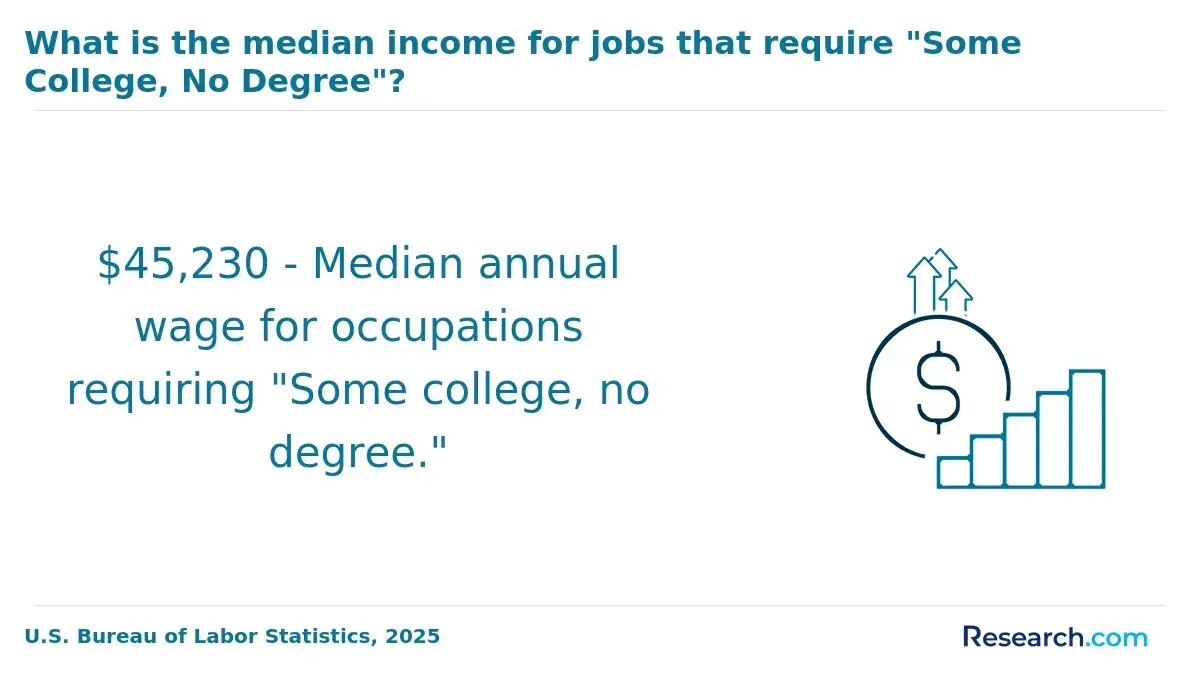
Income from a special education bachelor's degree varies widely based on factors like the industry, level of expertise, and area of specialization. Many with this degree find that their earning potential improves considerably when moving into specialized or leadership roles over time. Studies show that holders of bachelor's degrees in education generally earn more as they gain experience and take on more complex responsibilities.
- Special Education Teacher with Specialist Roles: These educators often move beyond classroom teaching to positions such as program coordinators or department leads, where they design individualized education plans and support other teachers. Their salaries typically range between $50,000 and $70,000, influenced by local funding and experience.
- Behavioral Specialist: Professionals in this role develop strategies to manage student behavior challenges, working closely with teachers and families. A background in special education helps them tailor interventions effectively, with salaries generally falling between $55,000 and $75,000 depending on experience and setting.
- Educational Diagnostician: These specialists assess and identify learning disabilities, shaping customized instructional approaches. A special education degree lays the foundation for understanding diverse learner needs, and earning potential usually begins near $60,000, increasing with expertise.
- School Counselor (Entry-Level Roles): Some entry-level counseling positions within special education settings are accessible with a bachelor's degree, focusing on student support and academic collaboration. Entry salaries range from about $45,000 to $60,000, growing with additional experience and qualifications.
- Instructional Coordinator: Coordinators oversee curriculum and training initiatives within special education departments, often requiring prior classroom experience. Earnings in this role typically range from $60,000 to $80,000, depending on district size and responsibilities.
A bachelor's degree in special education lays a solid foundation for long-term career development and advancement across diverse roles. As professionals gain experience, they often move into positions with greater responsibility and develop specialized expertise, such as behavior intervention or curriculum adaptation. Many also expand into leadership roles like program coordination or department management, influencing instructional strategies and supporting staff. Additionally, some leverage their skills in cross-functional roles outside traditional classrooms, including education consulting or nonprofit advocacy, broadening their impact within the field.
When asked about career growth opportunities with a special education bachelor's degree, a professional reflected on the balancing act between managing diverse student needs and administrative duties. He shared, "It was challenging at first to shift from direct teaching to overseeing programs, but developing leadership skills helped me support my colleagues more effectively." He described feeling both excitement and apprehension during this transition, noting that continuously learning new approaches kept the work engaging and rewarding. "The ability to adapt and advocate for students has been key in opening new doors in my career," he concluded.
Many job roles available to graduates with a special education bachelor's degree require or strongly prefer additional certifications based on industry standards and job responsibilities. These certifications help validate specialized skills, improve eligibility, and enhance a candidate's competitiveness. Knowing the special education teacher certification requirements and related credentials is essential for advancing in this field.
- Special Education Teacher: This role typically mandates a state-issued teaching license or a specific certification in special education. The Certified Special Education Teacher credential confirms training in tailored instructional strategies. Many states require passing exams and successful completion of background checks to meet these special education teacher certification requirements.
- Behavioral Therapist or Analyst: Graduates often pursue certifications like the Board Certified Behavior Analyst (BCBA), which emphasizes applied behavior analysis techniques to support individuals with developmental disabilities. This credential is crucial for those focusing on behavioral therapy and mental health interventions.
- Paraprofessional or Teacher Assistant: Although a special education degree provides foundational knowledge, many school districts demand a Paraprofessional Certification to demonstrate competency in supporting special education classrooms effectively. This ensures adherence to classroom management and instructional support standards.
- Speech-Language Pathologist Assistant (SLPA): Supporting licensed speech-language pathologists requires state-specific certifications or licensure, demonstrating proficiency in communication interventions aligned with special education needs.
- Transition Specialist or Vocational Rehabilitation Counselor: Roles focused on career planning and independent living for individuals with disabilities often require credentials like the Certified Rehabilitation Counselor (CRC), which validates expertise in counseling and disability services, complementing a special education background.
Exploring certifications needed after a special education degree is key to unlocking many specialized career paths. For those interested in expanding qualifications or considering further education, resources like the cheapest online aacsb mba programs can offer additional skills in administration and leadership within educational settings.
While a special education bachelor's degree prepares graduates for numerous entry-level roles, advancing into certain specialized positions usually requires a master's degree to develop advanced knowledge, expertise, or meet licensure standards. Studies show that about 40% of education-related careers call for graduate-level education to access higher-level roles and professional growth. This trend reflects the increasing demand for advanced teaching skills and leadership abilities in the education field.
Many master's degree careers in special education build on the foundational skills gained at the bachelor's level, enabling professionals to expand their impact within schools and related services. Some roles typically requiring a master's degree after completing a special education bachelor's include:
- Special Education Coordinator or Administrator: These professionals manage special education programs at the school or district level, overseeing staff, curriculum, and ensuring compliance with laws. A master's degree often enhances leadership capabilities and policy expertise necessary for these roles.
- School Psychologist: Working directly with students, families, and educators to support mental health and learning, this role demands extensive psychological knowledge and clinical training, typically requiring a master's or doctoral degree.
- Speech-Language Pathologist: While focused on communication disorders rather than classroom teaching, they collaborate closely with special education teams. Clinical expertise and licensure usually necessitate a master's degree.
- Behavioral Specialist or Analyst: These specialists develop and implement behavioral interventions for students with complex needs, relying on advanced training in therapeutic techniques and behavior analysis at the graduate level.
- Educational Diagnostician: Identifying learning disabilities and assessing student needs involves specialized evaluative skills often acquired through graduate education.
Advanced teaching roles after special education bachelor's degree programs deepen practical skills and theoretical knowledge, enabling professionals to better serve students with diverse challenges. For those exploring career options, understanding what jobs require a master's after a special education bachelor's degree is essential to plan further education accordingly. Students interested in related fields may also find useful insights by exploring jobs with elementary education and environmental science degree.
Employment prospects for special education careers remain strong, with the U.S. Bureau of Labor Statistics forecasting an approximate 8% growth in special education teacher positions from 2022 to 2032, outpacing the average growth rate for all fields. Opportunities are most prevalent in public and private K-12 schools but are also expanding into early intervention services, residential facilities, and community organizations. Demand varies according to factors such as educational settings, economic conditions, and fluctuations in public funding that influence resource allocation. Additionally, increased recognition of learning disabilities and supportive legislation contribute significantly to workforce needs in this sector.
Long-term job prospects in special education are shaped by ongoing advances in adaptive technologies and inclusive teaching strategies, creating a greater need for professionals skilled in these areas. Educational software and remote learning tools have shifted demands, encouraging continuous professional growth. Policy changes and shifting educational standards may also affect qualifications and training requirements, influencing hiring trends over time. These dynamic factors underscore the importance of adaptability and technical competence in sustaining employment opportunities within the field.
What Graduates Say About the Jobs You Can Get With a Special Education Bachelor's Degree
- Nathanael: "Choosing a special education bachelor's degree was driven by my passion for making a difference in children's lives who face unique learning challenges. This degree opened doors to roles not just in classrooms but also in therapy and advocacy, providing diverse career paths. The hands-on experience during my studies truly prepared me to navigate these varied roles confidently."
- Russell: "Reflecting on my journey, earning a special education degree was more than a career choice; it was a commitment to inclusion. I found that employers value the specialized skills this degree provides, helping me transition smoothly into a teaching position that focuses on individualized student needs. This foundation has empowered me to continuously grow as an educator and advocate."
- Jose: "From a professional standpoint, my special education bachelor's degree equipped me with the knowledge to support diverse learners effectively. It was encouraging to see how the degree is recognized in various educational settings, including public schools and private agencies. Pursuing this path has not only fulfilled my vocational goals but also enriched my understanding of educational equity."
Other Things You Should Know About Special Education Degrees
Jobs in special education require strong communication skills to effectively work with students, families, and other educators. Patience, adaptability, and empathy are essential for addressing diverse learning needs. Additionally, knowledge of individualized education programs (IEPs) and behavior management strategies is critical for success in the field.
Most public-school special education jobs require a state teaching license with special education endorsement. In many states, candidates must complete a teacher-preparation program, pass Praxis content and pedagogy exams, and finish student teaching before applying through the state education agency.
Individuals with a special education bachelor's degree can find work in various settings beyond traditional classrooms, including private schools, residential facilities, community organizations, and government agencies. This flexibility allows professionals to choose environments that best match their interests and expertise within the field.
In 2027, special education professionals are encouraged to engage in ongoing professional development such as workshops on inclusive education practices, certifications in assistive technology, and courses in behavior management techniques. These opportunities help them stay updated on the latest strategies and adapt to diverse student needs effectively.
- 9 Careers You Can Pursue with a Master’s in Special Education https://www.pointloma.edu/resources/education/9-careers-you-can-pursue-masters-special-education
- Career Growth for Special Education Teachers: Tips for Advancing in the Field https://www.keytostudy.com/career-growth-for-special-education-teachers/
- What Can I Do with a Special Education Degree? https://www.northcentralcollege.edu/news/2023/04/05/what-can-i-do-special-education-degree
- SEN Jobs | Tes https://www.tes.com/jobs/browse/special-education-teaching-and-lecturing
- Earn a Special Education Degree for a Fulfilling, In-Demand Career https://optimise.education/secure-career-fulfillment-and-job-stability-with-special-ed-degree/
- Special Education Teacher Certifications: Best Credentials to Advance Your Career | Teal https://www.tealhq.com/career-paths/special-education-teacher-certifications/
- The Future Career Outlook for Special Education Teachers - Supplemental Health Care https://shccares.com/blog/schools/the-future-career-outlook-for-special-education-teachers/
- Special Education Teachers: Salary, career path, job outlook, education and more - RaiseMe https://www.raise.me/careers/education-training-and-library/special-education-teachers/
- What Kind of International Special Education Jobs Are Available? | Special Education Degrees https://www.special-education-degree.net/what-kind-of-international-special-education-jobs-are-available/
- Seeking special ed teachers and grads w/ a special ed bachelor's degree | 9 Answers - Featured.com https://featured.com/questions/special-education-degree-insights-for-prospective-students